
Reviewed · EVEREST BASE CAMP TREKS
Everest Base Camp Trek with Kathmandu Valley Sightseeing Tour
Snow, altitude, and real mountain villages await. This trip gets you to the foot of Everest Base Camp and up toward Kala Patthar, while walking through Sherpa villages plus gorges, valleys, rivers, forests, and everyday high-country life. I like that the Kathmandu part is set up with a three-star hotel and breakfast, and I also like that you are not doing everything alone thanks to porters and local support. One consideration, and it matters, is that the flight to Lukla is weather-vulnerable, so delays can happen and you should keep a few spare days.
You start early in Kathmandu, meeting at Tribhuvan Airport at 5:45 am, and the company offers pickup. It is a private tour with only your group, which usually means less chaos and more direct guidance when altitude and schedules get real. The altitude climb is serious too, starting around 4,600 feet in Kathmandu and reaching 18,519 feet at Kala Patthar.
If your group includes a guide like Kumar, you will feel it right away, especially in how things are handled on the ground. People also consistently value the nuts-and-bolts support, from permits to the trek setup, including the Sagarmatha National Park entry and TIMS card.
In This Review
- Quick hits: what makes this trek work
- Kathmandu start: the hotel comfort and the 5:45 am reality
- Getting to the Everest region: Lukla, weather, and a little patience
- Trek rhythm through Sherpa villages: more than a route, it’s a way of life
- Everest Base Camp: standing where ambition gets real
- Kala Patthar at 18,519 feet: the altitude test you can plan for
- Guesthouses, twin-sharing stays, and what support really means
- Price and logistics: is $1,500 good value for a 15-day trek?
- What to pack and how to train for snow and carved trails
- Travel insurance and mandatory coverage you should not skip
- Kathmandu Valley sightseeing: the breathing room that makes the trek work
- Should you book this Everest Base Camp trek with Kathmandu?
- FAQ
- Where is the meeting point and what time does the tour start?
- How long is the Everest Base Camp trek?
- What is the highest altitude on this itinerary?
- What does the price include?
- What is not included in the tour price?
- Is travel insurance required, and can I buy it in Nepal?
- How soon will I get confirmation after booking?
- If I cancel, when do I get a full refund?
Quick hits: what makes this trek work
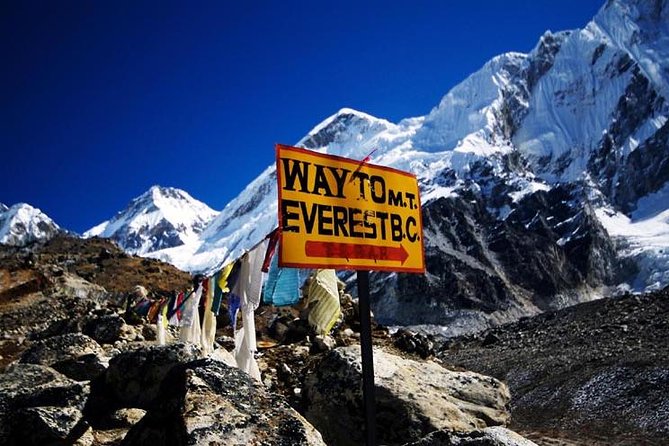
- Sherpa villages route: You do not just go up and down a trail, you walk through communities in the Everest region.
- Real Everest points: You stand at Everest Base Camp and reach Kala Patthar for big views.
- Support that reduces strain: Porters (one each for a pair of travelers) plus local staff mean you can trek without hauling everything.
- Cold, high terrain, planned in short sessions: The route is tough, but it is paced with rest and sightseeing between uphill chunks.
- Permits handled: Sagarmatha National Park entry and TIMS card fees are included.
Kathmandu start: the hotel comfort and the 5:45 am reality
This trip begins in Kathmandu with a three-star hotel on a twin-sharing basis, and breakfast is included. That sounds simple, but on a trek like this, it helps you start the journey with less stress. You also get pickup offered, which is one less thing to figure out when you are trying to stay calm about flights.
Then comes the time thing. The meeting point is Tribhuvan Airport, and the start time is 5:45 am. That is early, even by Kathmandu standards. I like trips that are honest about timing, because it lets you set expectations and sleep earlier.
You are also in Kathmandu long enough for the Kathmandu Valley sightseeing part of the package, so the first day is not just check-in, then vanish into the clouds. Still, treat Kathmandu as your mental warm-up. Your goal is to arrive rested, hydrate, and get your gear sorted before the trekking rhythm takes over.
More Treks in Kathmandu
- Everest Base Camp Trek – 14 Days
★ 5.0 · 1,499 reviews - Everest Base Camp Trek
★ 5.0 · 842 reviews - Everest Base Camp Trekking
★ 5.0 · 485 reviews
Getting to the Everest region: Lukla, weather, and a little patience
The trek starts from Lukla, and this is where your biggest logistics lesson comes in. The flight to Lukla is vulnerable to weather shocks, and delays or cancellations due to unfavourable weather are common. That is not a scare tactic, it is the normal risk of operating in a mountain airspace that has moods.
That is why the trip advises freeing up a few extra days before and after. If you do this right, delays turn from a crisis into just part of the adventure. If you do it wrong, delays can wreck your schedule and your energy.
Once you land, the trek shifts fast from city life to high-country walking. Expect cold conditions in the Everest region, and expect that the landscape can feel harsh and dry. The trip description also flags snow, trails carved on mountainsides, and deep gorges. In other words, the first days are not just scenic walks, they are a physical introduction to the environment.
Trek rhythm through Sherpa villages: more than a route, it’s a way of life
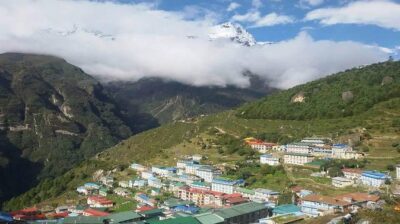
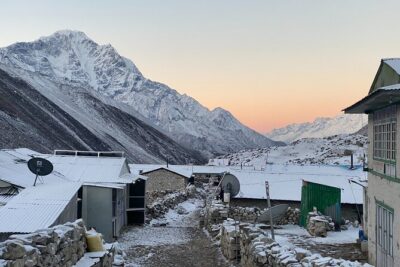
From Lukla, you walk through Sherpa villages on your way to Everest and back. That matters, because it changes how the trek feels. You are not just passing through a landscape, you are moving through communities that have adapted to altitude, weather, and the demands of mountaineers passing overhead.
The trek route is described as a mix of gorges, valleys, rivers, forests, and villages. That variety is a gift. Some days will feel like steady work, and some days will feel like you are walking through different “moods” of the region. Either way, you are getting a sense of how the Everest region functions beyond the famous summit photos.
The trip also says the trek requires climbing mountains for most of the trip, but in short sessions with plenty of rest and sightseeing in between. That is a smart pacing approach for people with moderate fitness. You still need to work, but you get breaks long enough to regroup, take in views, and reduce the feeling of constant grind.
The practical takeaway: plan to move consistently, not quickly. On this kind of trek, steadiness helps you enjoy the villages and scenery instead of just surviving the next slope.
Everest Base Camp: standing where ambition gets real
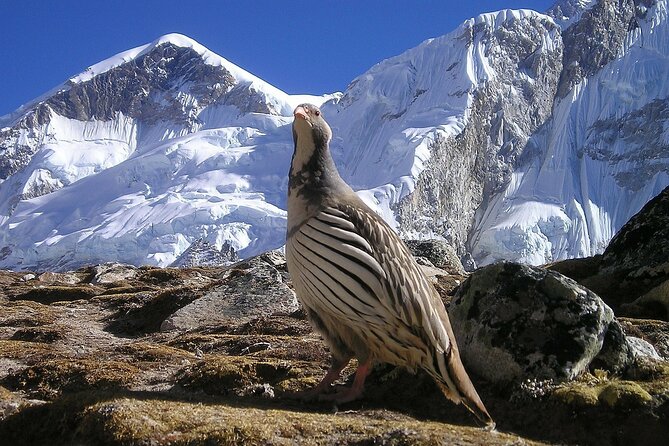
At Everest Base Camp, you stand at the foot of Mount Everest and gaze at the giant for as long as your body allows. The description is direct, and that honesty is part of what makes this experience appealing. You do not hike to an abstract idea of Everest. You hike to the place where mountaineers begin their summit attempt.
Base Camp is also where your perspective shifts. At this altitude and remoteness, the world feels far away. Even people who are not hardcore mountaineering fans often find this part emotionally powerful because the scale is so extreme. Mountains that look impressive in photos become a different category in real life.
What to watch for is cold and thin-air fatigue. The trip notes the region is cold, arid, and unforgiving. Combine that with long days outdoors, and you get a simple challenge: keep moving, but do not burn yourself out early. Take your time at viewpoints. Enjoy the moment, then keep your energy for the return.
More Everest Base Camp treks:
- Everest Base Camp Helicopter Tour landing at Everest View Hotel
★ 5.0 · 668 reviews - Everest Base Camp Trekking – 13 Day
★ 5.0 · 365 reviews - Everest Base Camp Trek
★ 5.0 · 350 reviews - Everest Base Camp Trek -14 Days
★ 5.0 · 321 reviews
Kala Patthar at 18,519 feet: the altitude test you can plan for
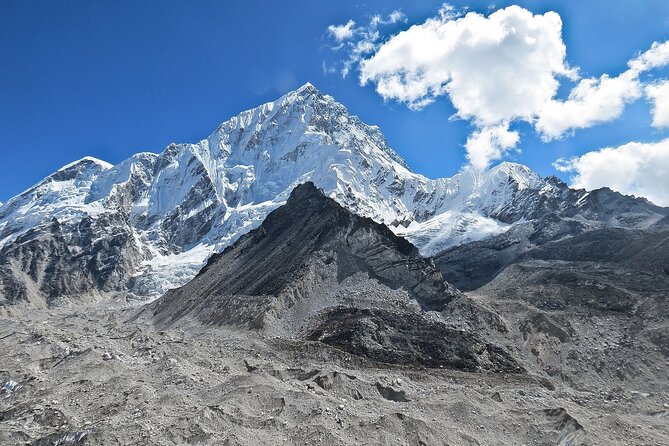
Kala Patthar is listed as the high point at 18,519 feet. That number is the part that makes most people pause. You are going much higher than most “vacation hikes,” and the cold can feel sharp even when the sun is out.
The good news is that the trek is described as climbing in short sessions with plenty of rest and sightseeing in between. That style matters on a high-altitude hike. It helps you manage effort and reduces the chance of forcing pace when your body is already working hard.
This is also where your effort tends to pay off in big views. Kala Patthar is positioned as an actual destination in the overall experience, not just a “maybe we get there” thing. If you like photos, you will understand why people talk about this spot after they return, but even if you do not care about pictures, the feeling of being on the edge of the world is hard to miss.
Practical tip: dress in layers and think about temperature swings. At elevation, the air can feel colder than you expect, especially if you are standing still to take in the views.
Guesthouses, twin-sharing stays, and what support really means
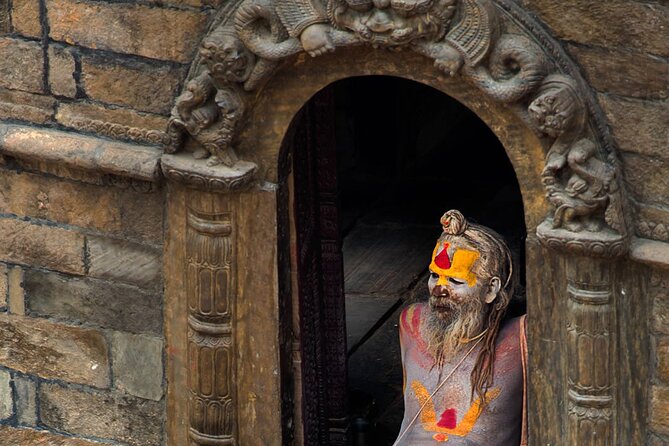
During the trek, you stay in guesthouses on a twin-sharing basis. Guesthouse trekking is not hotel luxury, but it is part of the value here. You get a place to sleep so you can focus on walking, not hunting for beds.
Porters are included, with one each for a pair of travelers, plus local support staff to help you trek. That support is one of the biggest reasons this itinerary is accessible for people with moderate physical fitness. It can mean you carry less, which helps your altitude management and reduces the risk of arriving tired to your daily climbs.
The trip’s included support also covers the administrative side that can bog people down. You get fees for Sagarmatha National Park entry plus the Trekkers’ Information Management System card. Those are not glamorous, but they are essential for a legal, smooth trek.
In short, you are buying teamwork: people who know the rhythm of the route, the high-altitude reality, and how to keep your day from turning into a logistics puzzle.
Price and logistics: is $1,500 good value for a 15-day trek?
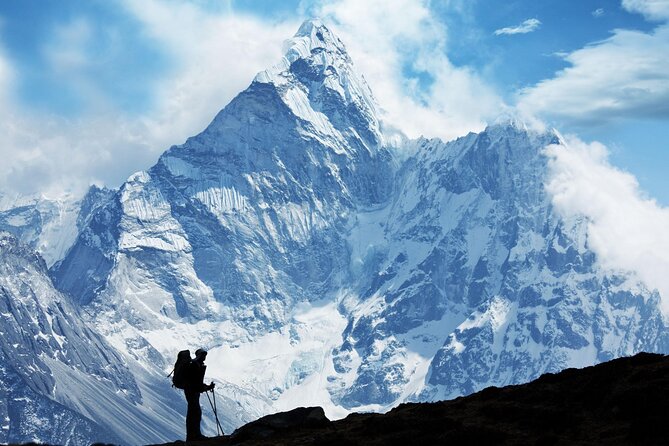
At $1,500 per person for about 15 days, this package is positioned as a supported trek with lodging and permits included. The value comes from what you are not responsible for.
What you get included:
- Kathmandu three-star hotel on twin-sharing, plus breakfast
- Guesthouses during the trek on twin-sharing
- Porters and local support staff
- Sagarmatha National Park entering permit and TIMS card fees
What you do not get included:
- Travel insurance (compulsory)
- International airfare to and from Kathmandu
- Visa fees for Nepal
- Trekking equipment
So, is it worth it? For many people, yes, because the trek itself is the hard part and the package covers the basic running costs of getting you through it. If you tried to assemble everything alone, you would still pay for permits, guides or support, and the logistics around lodging. Where the cost can feel higher is if you already own gear, already live near a gateway city, and already have solid insurance. In that case, you might feel like you are paying for structure you could replicate. Still, the flight-to-Lukla uncertainty alone is a strong argument for having support built in.
My advice: treat the $1,500 as the trekking operations package, then build your personal budget around the required extras, especially insurance and flights.
What to pack and how to train for snow and carved trails
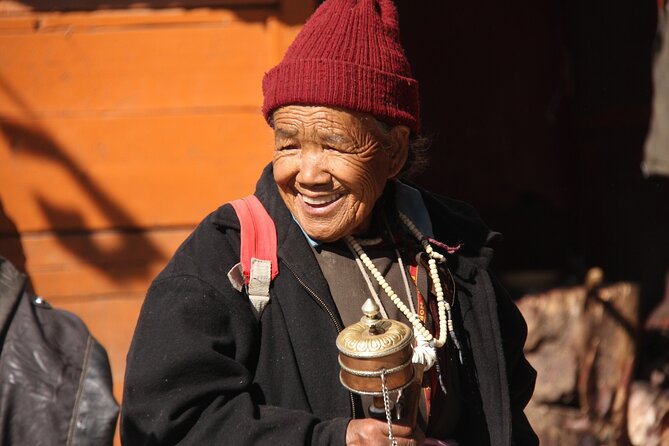
This trek’s challenge is not only elevation. It is also cold conditions and terrain described as snow, trails carved on mountainsides, and deep gorges. Even if the route is broken into manageable sessions, you still need a body that can handle repeated climbs, uneven footing, and long hours on your feet.
Trekking equipment is not included, so you will need to plan your gear. If you are unsure what you actually need, I would rather you over-prepare than guess and end up cold or uncomfortable.
Fitness-wise, the tour asks for moderate physical fitness level. That typically means you can do sustained walking with climbs and can handle a few long days outdoors. If you are coming from a sedentary routine, start now with frequent walks that include stairs or hills. Also, practice with layers, because a cold hike in a warm jacket is still a cold hike.
One more thing: the trip asks you to inform the guide about medical conditions that could affect the trek. You should also consult your doctor beforehand. Carry medicines you need. The support staff are trained in basic medical intervention, but your safety net is your travel insurance for emergency rescue or evacuation.
Travel insurance and mandatory coverage you should not skip
Travel insurance is compulsory, and it covers emergency rescue and evacuation. The trip also states you cannot take insurance in Nepal. You need it before arriving, and your insurance agent can help you choose a plan that fits the trek and rescue requirements.
This is not optional paperwork. On an Everest region trek, injuries and altitude problems are real possibilities, and rescue logistics are the kind of thing that can cost a lot. Insurance is what turns a tough moment into a manageable one.
If you are deciding between cheaper coverage and the right coverage, pick the plan that explicitly fits high-altitude trekking and evacuation. Then keep your policy details accessible during the trip.
Kathmandu Valley sightseeing: the breathing room that makes the trek work
The tour is called Everest Base Camp Trek with Kathmandu Valley Sightseeing Tour, and that naming is a clue: you are not heading straight from airport to first step on the trail. The Kathmandu hotel stay and the included breakfast give you some normal comfort before the mountain tests you.
The sightseeing portion is not spelled out in detail here, so I will keep it practical. What matters is that you get time in Kathmandu to reset your routine, understand your schedule, and enjoy the city without feeling rushed. That helps your morale, which matters when the trek days get cold and repetitive.
Think of Kathmandu as your launchpad. You get a chance to organize your mindset, check your gear, and sleep well. Then you go to Lukla and start the mountain rhythm.
Should you book this Everest Base Camp trek with Kathmandu?
Book it if you want a serious Everest experience with support that reduces strain, and you are comfortable with cold, altitude, and hiking for most of the trip. The included Kathmandu hotel, guesthouses, porters, and permits give this itinerary a practical foundation, and the emphasis on short sessions with rests is exactly what helps people stick with the pace.
Don’t book it if you cannot manage weather uncertainty. The Lukla flight is vulnerable to conditions, and delays are common, so build buffer days like the trip suggests. Also be honest about your fitness. Moderate fitness is required, and the terrain includes snow and steep, carved trails.
If you like being guided by a team that handles the important admin and logistics, this trek style makes sense. And if you are lucky enough to have Kumar in your corner, you should feel the difference quickly in how smoothly the day-to-day runs.
FAQ
Where is the meeting point and what time does the tour start?
The tour meets at Tribhuvan Airport in Kathmandu, Nepal, at 5:45 am.
How long is the Everest Base Camp trek?
The duration is about 15 days.
What is the highest altitude on this itinerary?
The trek reaches Kala Patthar at 18,519 feet. Kathmandu is listed at about 4,600 feet.
What does the price include?
It includes a three-star twin-sharing hotel stay in Kathmandu with breakfast, guesthouse stays during the trek (twin-sharing), porters and local support staff, and fees for Sagarmatha National Park and the TIMS card.
What is not included in the tour price?
Travel insurance, international airfare to and from Kathmandu, Nepal visa fees, and trekking equipment are not included.
Is travel insurance required, and can I buy it in Nepal?
Yes, travel insurance is compulsory. The tour information states that you cannot take it in Nepal, so you should arrange it before arriving.
How soon will I get confirmation after booking?
Confirmation is received within 48 hours of booking, subject to availability.
If I cancel, when do I get a full refund?
You can cancel for a full refund if you cancel at least 24 hours before the experience’s start time. If you cancel less than 24 hours before, the amount paid is not refunded.
Latest additions near Kathmandu
- White Water River Rafting – 1 Day★ 4.3 · 3 reviews
- Traditional Momo Making Class★ 5.0 · 10 reviews
- Kathmandu to Pokhara Premium sofa bus ticket★ 4.0 · 17 reviews
- Ghorepani Poon Hill Trek★ 5.0 · 16 reviews
- Amazing 1 Day Trekking Experience in Kathmandu Nepal★ 5.0 · 24 reviews
- Ghorepani Poonhill Trek★ 5.0 · 5 reviews
- Walking tour of real Kathmandu through back streets.★ 5.0 · 3 reviews
- Wildlife Adventure in Chitwan Nepal★ 4.0 · 4 reviews
Everest Base Camp Treks, compared.
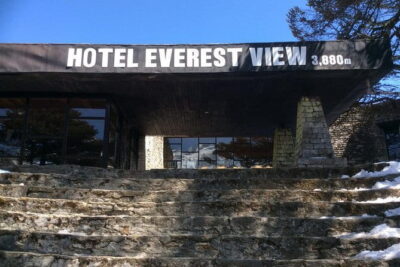
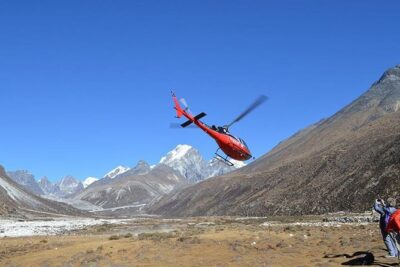
Everest Base Camp Helicopter Tour landing at Everest View Hotel
Read our review →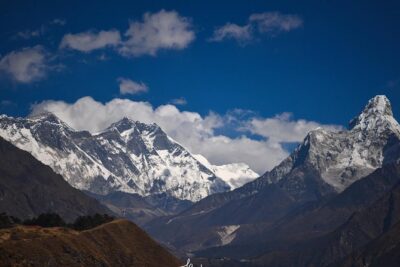
Everest Base Camp Helicopter Tour landing at Hotel Everest View
Read our review →
Browse the lists this tour appears in