
Reviewed · EVEREST BASE CAMP TREKS
Everest Base Camp Trek Via Salleri
That quieter Everest route changes your whole trek. The Everest Base Camp Trek via Salleri trades the usual Lukla crowd for isolated villages and far-off river-valley settlements, with a real sense of place as you move through Sherpa communities and side canyons.
I especially love the way the trek builds in acclimatization days at key altitude points, not just “go higher, hope for the best.” I also like the practical support included here, from a lead guide and porters to gear like a down jacket and sleeping bag. One consideration: this is still a high-altitude trek. Even with good pacing, you’ll be spending time above 5,000m, so you need to take altitude seriously.
A final note up front, this is a private experience, so your group moves together and you can expect more attention than the big joiner-style treks. The start point is also easy to manage, meeting at Thamel in Kathmandu around 6:15 am.
In This Review
- Key things I’d plan around
- Entering the Everest Region Through Salleri Instead of the Usual Shortcut
- Day 1 to the First Big Walking Day: Kathmandu to Takshindo via Phaplu and Ringmo
- River Valley Days: Khari Khola and Puiyan, Where the Trek Gets More Local
- Phakding to Namche Bazaar: The Classic Everest Step, Still With a Different Feel
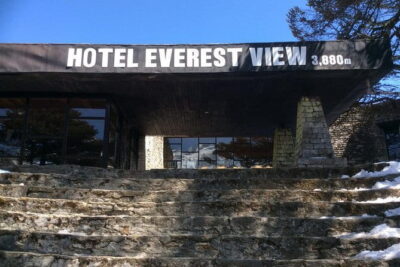
- The first acclimatization stop: Everest View Hotel hike
- Tengboche, Dingboche, and Nagerjun: The Real Altitude Homework
- Lobuche, Gorekshep, Everest Base Camp, and Kala Pathar
- The Descent: Pheriche to Namche, Then Back Through the Valleys
- Guide Support and Lodging: Where This Trek Seems to Score Consistently
- Meals included? Not for you
- Price and Value: What $1,952 Buys You, and What It Doesn’t
- Who Should Choose This Trek, and Who Should Rethink It
- Should You Book Everest Base Camp via Salleri with Icicles Adventure?
- FAQ
- What is the duration of the Everest Base Camp Trek via Salleri?
- Where does the trek start and when?
- What kind of tour is this?
- Is pickup included?
- What permits are included?
- What gear and support are included?
- Are meals included?
- What is the cancellation policy?
Key things I’d plan around
- Salleri route instead of the typical Lukla approach, so you get a calmer feel in the Everest region.
- Takshindo and Takshindo Gompa add a cultural stop early, before the trek gets serious.
- Two planned acclimatization days, with hikes to Everest View Hotel and Nagerjun.
- Everest Base Camp and Kala Pathar are both on your route for the classic “I was really there” moments.
- Strong guided logistics, including quick changes if travel plans shift.
Entering the Everest Region Through Salleri Instead of the Usual Shortcut
Most people picture Everest as one main trek route. This one gives you a different first impression. After you start in Kathmandu and get moving toward the hills, you follow a path that’s known for smaller settlements and quieter paths. You still reach the same goal, Everest Base Camp, but you get there through a stretch of the Everest region that feels less like a conveyor belt.
That matters because the early days set your rhythm. When trails are busy, you spend mental energy avoiding slowdowns and crowds. When villages are smaller and the river valleys feel more spread out, you can focus on walking, breathing, and taking in what you’re seeing. You also get more chances to pause in places that feel lived-in, not just scenic pull-offs.
You’ll also get a strong “Nepal trek basics” feel: tea houses, narrow paths, and moments where the only sound is your steps and the river nearby. One of the best descriptions of this trek is the mix of gushing white rivers, narrow canyons, terrace farms, and pasture views under big mountain walls. It’s classic high-country Nepal, just less boxed in.
More Treks in Kathmandu
- Everest Base Camp Trek – 14 Days
★ 5.0 · 1,499 reviews - Everest Base Camp Trek
★ 5.0 · 842 reviews - Everest Base Camp Trekking
★ 5.0 · 485 reviews
Day 1 to the First Big Walking Day: Kathmandu to Takshindo via Phaplu and Ringmo
Your trek begins in Kathmandu, with an arrival day and then an early start. You meet in Thamel, and your program starts around 6:15 am. From there, the route heads toward Phaplu and then through Ringmo, before you begin hiking.
On the day you reach Takshindo, you combine a long drive with a short walk. The altitude is already significant by the time you start settling in, and Takshindo sits at about 3,071m. It’s a long travel day, but it’s also useful because it gets you out of the city and into the walking zone fast.
What I like about Takshindo is that it’s not just a bed for the night. This trek includes time around Takshindo Gompa, so you get a cultural marker early. Gompas, in places like this, tend to feel quiet and practical. They’re not tourist props. They’re part of everyday life, and they help you understand the Sherpa world you’re walking into.
One practical detail that helps your day-to-day comfort: the program includes a duffle bag for the trek, and it also provides key rest items like a sleeping bag and down jacket during the trek. Those small logistics make it easier to pack lighter for the walking days, which you’ll appreciate when you’re balancing altitude and fatigue.
River Valley Days: Khari Khola and Puiyan, Where the Trek Gets More Local
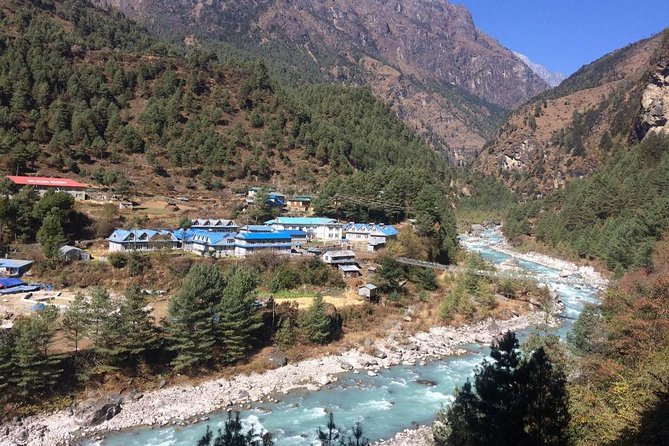
After Takshindo, the route continues through river-valley terrain that feels more “on-the-ground Nepal.” You’ll pass through places like Khari Khola and Puiyan. Puiyan reaches around 2,890m, which helps you gain altitude without jumping too abruptly all at once.
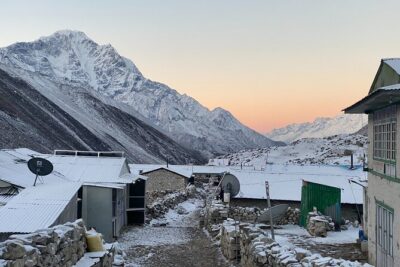
These days tend to be where you notice the trekking life. You’re moving between small settlements, crossing simple bridges, and following paths where locals know every bend. The views are more personal than cinematic. You’re not just looking at mountains, you’re walking alongside the systems that feed those mountains, rivers and farms that keep communities alive.
Khari Khola and Puiyan also fit the style of this trek, isolated villages rather than constant traffic. If you like a slower pace, you’ll probably feel it here. If you need company every ten minutes, you might find you have more solitude than expected, which can be a good thing.
Phakding to Namche Bazaar: The Classic Everest Step, Still With a Different Feel
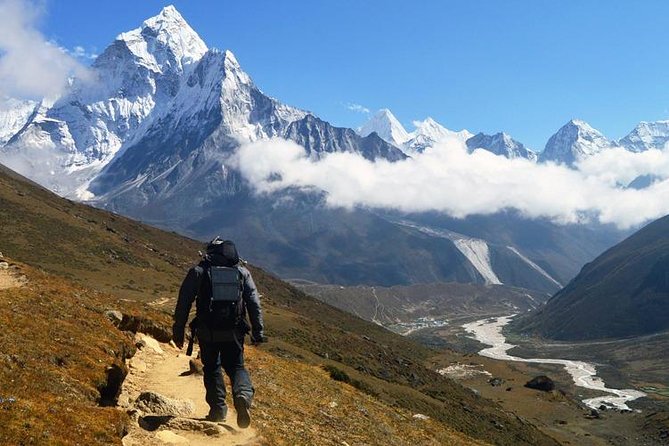
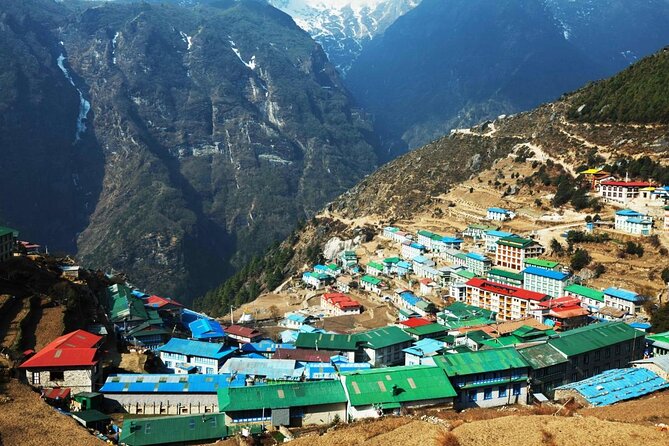
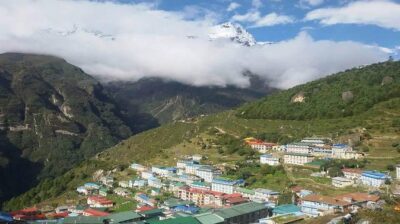
Eventually you connect to the well-known Everest corridor near Phakding, then you head toward Namche Bazaar, where altitude jumps to about 3,440m.
Namche is where the trek “widens out.” It’s busy compared to the earlier villages, and it’s also where you’ll start to notice more trekking infrastructure. Tea houses, bigger shops, and more hikers moving in similar directions.
Even with that, this trek doesn’t feel identical to the most common routes because you’re approaching Namche after a longer stretch through less trodden areas. Your body also tends to feel it. By the time you reach Namche, you’ve already walked and acclimatized in stages, so you’re more ready for the real altitude work ahead.
More Everest Base Camp treks:
- Everest Base Camp Helicopter Tour landing at Everest View Hotel
★ 5.0 · 668 reviews - Everest Base Camp Trekking – 13 Day
★ 5.0 · 365 reviews - Everest Base Camp Trek
★ 5.0 · 350 reviews - Everest Base Camp Trek -14 Days
★ 5.0 · 321 reviews
The first acclimatization stop: Everest View Hotel hike
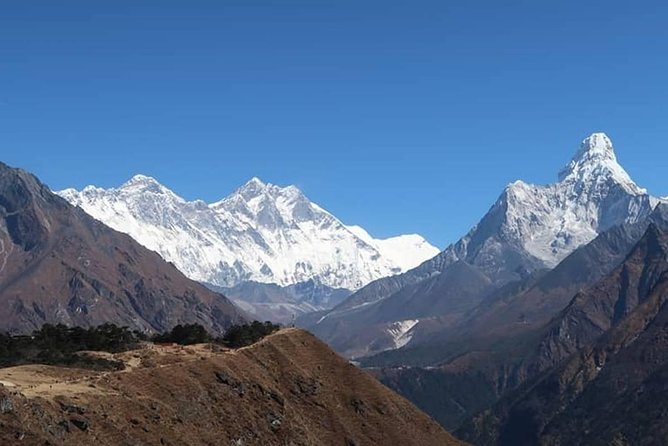
You get an acclimatization day in Namche, and the plan includes a hike to Everest View Hotel. This is one of the smartest uses of a rest day. You gain some altitude, see views, and then you return to sleep lower.
This is the part of the trek where I’d tell you not to treat acclimatization like optional entertainment. Your goal is to let your body adapt. Pushing too hard on rest days is how people get sick. A guided rhythm helps because the group moves together and you’re less likely to accidentally overdo it.
Tengboche, Dingboche, and Nagerjun: The Real Altitude Homework
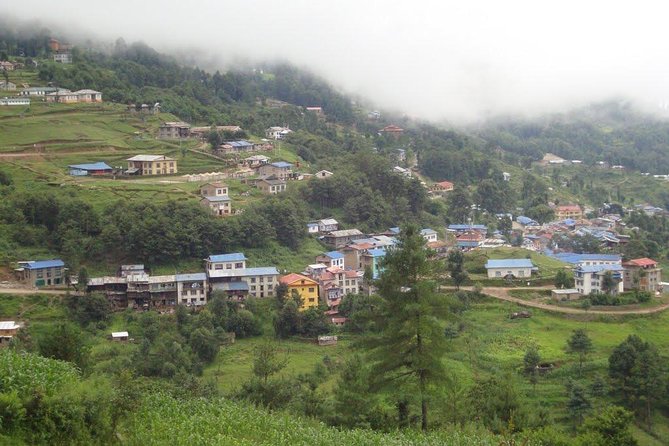
After Namche, the trek moves toward Tengboche at around 3,860m. Tengboche is one of those stops that feels spiritual and practical at the same time, with monastery culture and mountain views. It’s also a place where the air quality and lighting can make everything look sharper. One moment you’re walking, the next you’re pausing because the view forces a pause.
Next comes Dingboche at about 4,410m. At this altitude, your pace slows naturally. That’s not a problem. It’s a strategy.
The trek includes a second acclimatization day with a hike to Nagerjun and return. This is another chance to adapt before the big push toward the highest points of the trek. Again, you’re not just trying to “win” the elevation chart. You’re training your breathing and heart rate to handle thinner air.
In terms of tour quality, I also like that your team includes a highly experienced guide plus porters, with a ratio of 1 porter for 2 hikers. That balance matters because when you’re going uphill at altitude, the load on your body and lungs is not just about weight. It’s about effort.
Lobuche, Gorekshep, Everest Base Camp, and Kala Pathar
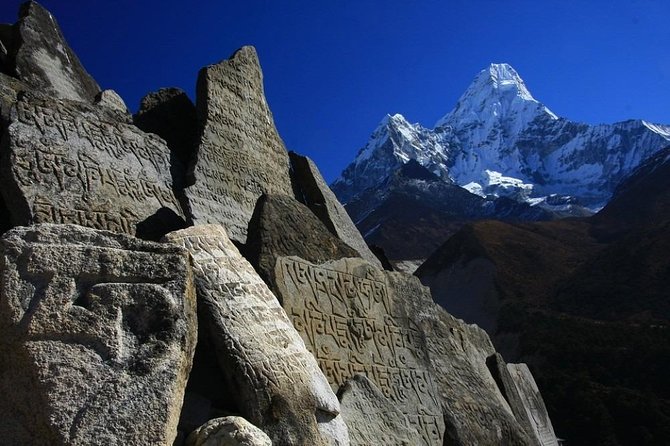
This is the heart of the trek: Lobuche to Everest Base Camp, plus the classic viewpoint of Kala Pathar.
Lobuche sits at about 4,910m. From there, you continue to Everest Base Camp, reaching around 5,364m. The route includes Gorekshep as part of the approach and then continues onward to Kala Pathar, reaching about 5,545m.
If you’re wondering what these days feel like, here’s the honest version. You’ll likely move slower than you expect, even if you’re fit. Walking at altitude is different. Your lungs work harder, your steps need control, and you get more sensitive to cold and wind. That’s also why I’m glad the trek includes gear like a down jacket and a sleeping bag during the trek. Cold exposure and tiredness go together up high.
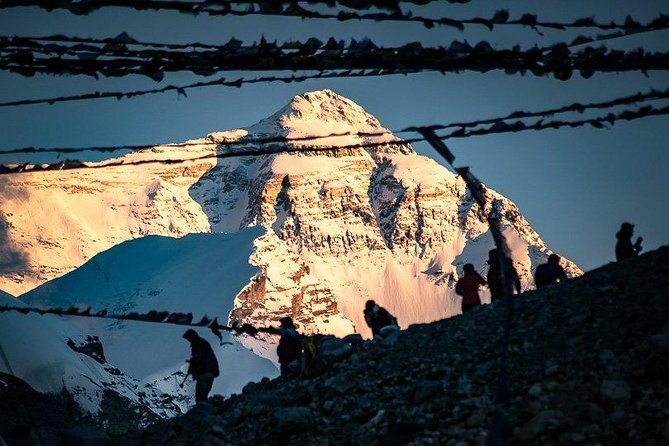
Kala Pathar is the day you’re typically most glad you trained for the altitude. It’s also a day that often starts early so you can catch clear light. The pay-off is that sense of scale and proximity. Everest feels close in a way that’s hard to get from photos.
Also, one of the strongest patterns in the trip style here is careful handling when things shift. In past operations, the team has handled schedule changes by arranging jeeps quickly when flights weren’t possible. That tells me you’re not on a “do it exactly like a postcard” system. You’re on a plan with real-world flexibility.
The Descent: Pheriche to Namche, Then Back Through the Valleys
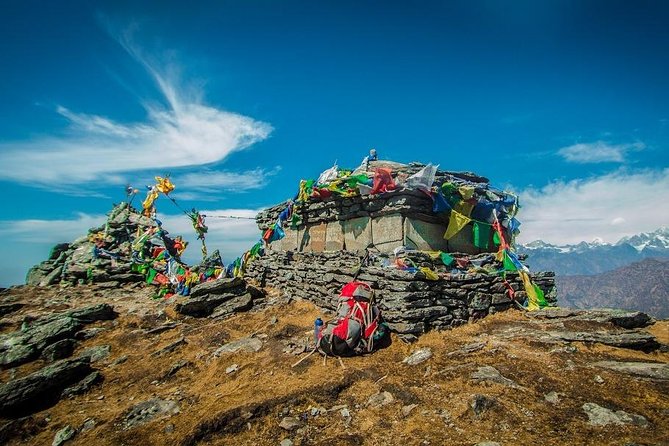
After the high points, the trek pivots into descent. That can feel like relief, but it’s not automatically easy. Descents can still tire your legs and trip up your balance, especially when your body is already worn from altitude.
You’ll head from Pheriche down toward Namche, then continue to places like Phakding, and back through earlier villages including Puiyan and Khari Khola. The route eventually returns to Takshindo and then you drive back toward Ringmo and Phalpu, finishing with the ride to Kathmandu.
This “walk down through the same geography” is part of why Salleri works as a route. You’re not just leaving Everest behind. You’re tracing the path of the valleys back home, and every day you see the terrain from a new angle. The rivers you once heard become clearer again. The farms and terraces look more intentional when you’ve already felt the uphill effort.
One comfort point: the package notes attached bathrooms with hot showers at places including Phakding and Namche (and also Lukla). I can’t promise how every lodge will feel day to day, but when hot water is available, it helps you reset both body and mood.
Guide Support and Lodging: Where This Trek Seems to Score Consistently
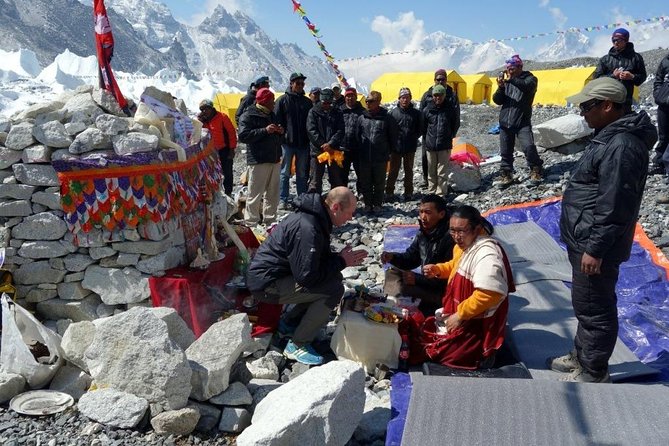
This trek is built around a support team. You travel with one highly experienced, helpful guide and porters. The porter ratio is 1 porter for 2 hikers, which tends to be a sweet spot: you still walk, but you don’t carry everything that makes altitude worse.
Names that have shown up in this company’s recent Everest Base Camp style journeys include Pooja and Prem on women’s trips, and Prakash, Manoj, and Neel on other EBC treks. You also see Ram and Lal tied to operations that went smoothly and included extra care when things got complicated. The practical takeaway for you is simple: you’re not just buying a permit and a map. You’re buying guidance, route management, and someone who can help you handle the inevitable surprises.
Lodging is also included, with the program stating best available lodges during the trek. At this altitude, lodge quality matters because you’re spending your recovery time inside. You want warm rooms, working blankets, and straightforward meals even if menu choices are limited.
Meals included? Not for you
Here’s an important clarity: the package includes accommodation, but meals are not included. In practice, that means you’ll be buying your own food along the way at tea houses. That’s not bad, but it changes how you budget. If you’re used to packages where meals are bundled, plan to cover daily lunches and dinners yourself.
Price and Value: What $1,952 Buys You, and What It Doesn’t
At $1,952 for about 20 days, this trek sits in the “full-service but not everything is pre-paid” category. The value is strongest in these included items:
- Permits and fees: Sagarmatha National Park permits and the TIMS fee are included.
- TIMS requires prep: you need to bring two passport size photos for the permit.
- Guide and porter costs: the guide team’s food, accommodation, salary, equipment, and insurance are included.
- Gear that saves your packing stress: down jacket, sleeping bag, and trekking map.
- Lodging at best available tea house-style options.
What you should plan not to include:
- Meals for you are not included.
- Travel insurance and international airfare are not included.
- Personal expenses like laundry and drinks are not included.
- Tips for trekking staff are not included.
So is it worth it? For me, it makes sense if you want a guided experience that covers the big cost drivers (permits, logistics, team support) and reduces guesswork on gear and transfers. If you’re the type who already has trekking gear and wants maximum independence, you may find cheaper options. But if you want smoother execution at altitude, the included support tends to pay off.
Who Should Choose This Trek, and Who Should Rethink It
This trek is described for moderate physical fitness. That doesn’t mean “easy.” It means you should be able to handle long walking days and altitude work with patience.
You’ll likely enjoy this trek if you:
- want a quieter, less typical route into Everest country
- like the idea of Sherpa villages and cultural stops like Takshindo Gompa
- take acclimatization days seriously and are willing to move slowly uphill
You might rethink it if you:
- get frustrated by slow pacing at altitude
- have had trouble with altitude before, or you’re unsure how your body reacts to 5,000m plus
- need a tightly bundled meal plan, since meals for you are not included
Should You Book Everest Base Camp via Salleri with Icicles Adventure?
I’d book it if you want a classic goal with a different entrance. The Salleri route gives you a calmer, more local feel early on, then you still get the Everest highlights: Everest Base Camp and Kala Pathar. The inclusion of guide and porter support, plus gear like a down jacket and sleeping bag, reduces a lot of the stress that can derail a good trek.
Before you book, do two things. First, confirm your own altitude readiness honestly, especially with time at 5,300m to 5,500m. Second, budget for meals since they’re not included for you.
If you want Everest with less crowd energy and more help on the details, this is a strong choice.
FAQ
What is the duration of the Everest Base Camp Trek via Salleri?
It runs for about 20 days.
Where does the trek start and when?
The start meeting point is Thamel, Kathmandu, and the start time is 6:15 am.
What kind of tour is this?
It is a private tour or activity, meaning only your group will participate.
Is pickup included?
The tour summary says pickup is offered, and local jeep transfers are included including airport transfer.
What permits are included?
Sagarmatha National Park permits and the TIMS fee are included. You need to bring two passport size photos for the TIMS permit.
What gear and support are included?
The trek includes a duffle bag, and it provides a down jacket and sleeping bag during the trek. You also get one guide and porters, with a porter ratio of 1 porter for 2 hikers.
Are meals included?
Meals are not included. Lodging is included, but you should plan to buy your meals during the trek.
What is the cancellation policy?
You can cancel up to 24 hours in advance for a full refund. If you cancel less than 24 hours before the start time, the amount paid is not refunded.
Latest additions near Kathmandu
- White Water River Rafting – 1 Day★ 4.3 · 3 reviews
- Traditional Momo Making Class★ 5.0 · 10 reviews
- Kathmandu to Pokhara Premium sofa bus ticket★ 4.0 · 17 reviews
- Ghorepani Poon Hill Trek★ 5.0 · 16 reviews
- Amazing 1 Day Trekking Experience in Kathmandu Nepal★ 5.0 · 24 reviews
- Ghorepani Poonhill Trek★ 5.0 · 5 reviews
- Walking tour of real Kathmandu through back streets.★ 5.0 · 3 reviews
- Wildlife Adventure in Chitwan Nepal★ 4.0 · 4 reviews
Everest Base Camp Treks, compared.
Everest Base Camp Helicopter Tour landing at Everest View Hotel
Read our review →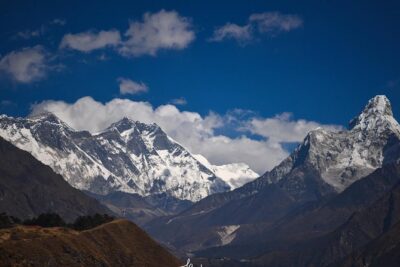
Everest Base Camp Helicopter Tour landing at Hotel Everest View
Read our review →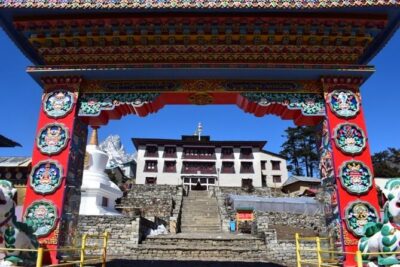
Browse the lists this tour appears in