
Reviewed · EVEREST BASE CAMP TREKS
Everest Base Camp trek in 14 days
Altitude comes fast on this trek. It is a classic Everest Base Camp journey through Sherpa country, built around the main route that climbs from Lukla toward Everest Base Camp. You get big views, village life, and that high-in-the-Himalaya feeling you cannot fake.
I like two things a lot. First, you get built-in breathing room with an acclimatization day in Namche Bazaar, not just nonstop climbing. Second, the package includes a government-licensed, English-speaking trek leader and the core paperwork for the Sagarmatha National Park trek, including TIMS and permits.
The main drawback to plan for is altitude and timing risk. You are walking a lot, and Lukla flights can shift with weather, so the trip can feel strict if you hate uncertainty.
In This Review
- Key things worth knowing before you go
- Kathmandu, where your Everest plan gets real
- Lukla flight day and the Dudh Koshi start: exciting, and high
- Namche Bazaar acclimatization: where the Everest views show up
- Tengboche to Dingboche: the Ama Dablam effect
- Lobuche and the Memorial Park push: where it gets serious
- Gorak Shep, Kala Patthar, and Everest Base Camp: the big payoff
- The descent back: Namche and Lukla, plus Lhotse-Nuptse drama
- Kathmandu recovery time: flight back and a proper reset
- Price and logistics: what $1,450.19 really covers
- Who this trek suits best, and who should be cautious
- Should you book this Everest Base Camp trek?
- FAQ
- How long is the Everest Base Camp trek?
- What time does the experience start?
- Do I fly between Kathmandu and Lukla?
- Is an English-speaking guide included?
- Are permits included for the trek?
- Where will I stay during the trek and in Kathmandu?
- What meals are included in the price?
- Are porters included?
- What is the maximum group size?
- Are service animals allowed?
Key things worth knowing before you go
- Lukla flight experience: part of the magic, but schedule can change with conditions
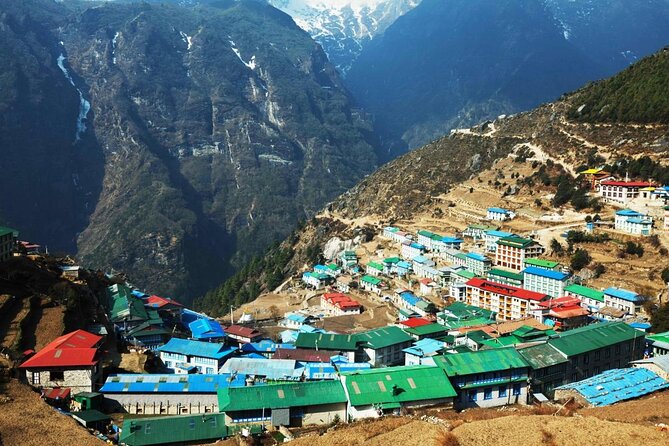
- Namche acclimatization day: real chance to adjust, explore, and chase sunrise views
- Kala Patthar included in the plan: a high point for sweeping Everest views
- Local lodge trekking: 11 nights room only, so think ahead for meals and hot water costs
- Max 12 travelers: small enough for a calmer group pace
Kathmandu, where your Everest plan gets real
Your trip starts in Kathmandu with a greeting at the airport and a private vehicle ride to your hotel. On the way, you catch outside glimpses of major sights like Pashupatinath Temple, the Royal Palace Museum area, and the Garden of Dreams, so you get your bearings fast before the flight days start.
After check-in, you are not locked into a schedule. The point is simple: get grounded in Kathmandu, then meet the team and get a clear picture of how the trek will flow. This matters because Everest Base Camp is not just scenery. It is logistics, pacing, and altitude management, and you want everything explained before you step onto the trail.
If you like having friendly, organized human support, this operator’s team shows up in the details. In past experiences shared by guests, coordination names like Devi and Nilam come up for smooth follow-up and organization, which is exactly what helps when your next move is an early Lukla flight.
More Treks in Kathmandu
- Everest Base Camp Trek – 14 Days
★ 5.0 · 1,499 reviews - Everest Base Camp Trek
★ 5.0 · 842 reviews - Everest Base Camp Trekking
★ 5.0 · 485 reviews
Lukla flight day and the Dudh Koshi start: exciting, and high
The day after Kathmandu, you fly to Lukla, one of the world’s most talked-about mountain airports. The flight itself is a highlight because you fly over the Himalayas and watch Everest-related peaks get closer. Then you land, feel the altitude quickly, and you are officially in the trekking zone.
In the afternoon, there is time to stroll around Lukla and get used to the village vibe. Lukla is also the launching point for so many Everest region treks that it helps you understand the flow of the whole area.
The next day begins on the Dudh Koshi, also called the Milky River. You will hike through rhododendron forest, cross a suspension bridge, and pass Buddhist stupas as you work toward Mongo. By the evening, you reach Manjo for a village stop.
What I like about this opening segment is that it sets the rhythm. You are not immediately racing uphill all day. You are hiking, but you are also learning how your body reacts once you are at real altitude. That early pacing habit becomes your best friend later.
Namche Bazaar acclimatization: where the Everest views show up
You head toward Namche Bazaar with a trail that starts relatively easy and then steadily turns tougher. One early payoff is your first real glimpse of Everest as you cross sections of the Dudh Koshi. You also get a lunch stop around Manjo, which helps break the day into manageable chunks before the steeper push toward Namche.
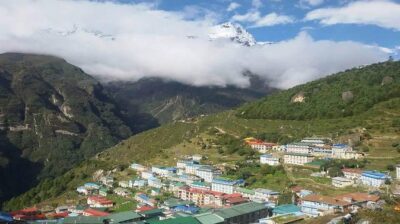
Reaching Namche is a big milestone because it is the Sherpa hub. The town has constant movement, small shops, and a sense that you are surrounded by people who know the route. After checking in, you have a full day to acclimatize, which is crucial.
That acclimatization day is one of the best uses of your time on the whole trek. You can go early to catch panoramic sunrise views toward Everest and other major peaks like Thamserku and Ama Dablam. You also get an angle on Sagarmatha National Park views from the surrounding area, plus a cultural stop: the Saturday market is part of the local rhythm and usually active with traders.
Food culture is part of the day too. You are encouraged to try salt-butter tea and champa, a barley-based item Sherpa communities use in the region. Even if you do not love the taste at first sip, it is one of those small chances to experience the trail beyond trekking.
One practical note: Namche is where you confirm your trekking strategy. If you feel good, you explore. If you feel tired, you slow down. This plan gives you the time to respond rather than forcing you onward.
Tengboche to Dingboche: the Ama Dablam effect
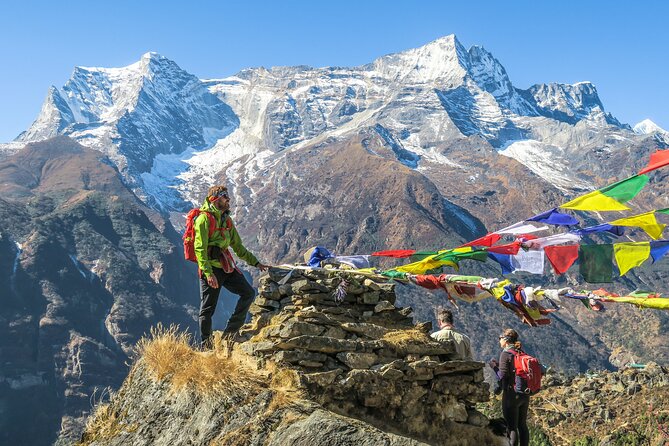
From Namche, you hike to Tengboche, a leg that includes a notable elevation gain for the day, around 4,000 feet or 1,200 meters. That is a lot in trekking terms, so you will want steady effort rather than speed.
The reward is views of the Everest region mountain range and the sense that you are climbing into the real Himalayan amphitheater. Tengboche is also the kind of stop where you can appreciate monasteries and the spiritual feel of the area, without needing to race through it.
From Tengboche, you continue to Dingboche. The route passes through Pangboche along the way, and the famous Ama Dablam appears prominently. There is also glacier river scenery down in the valley, which helps break up the monotony that can happen on long uphill stretches.
This section is about more than moving forward. It is about acclimatization through gentle repetition. You keep gaining elevation, but you do not jump straight from “busy town altitude” to base-camp altitude overnight. Your breathing has time to adjust, and your legs learn the cadence.
More Everest Base Camp treks:
- Everest Base Camp Helicopter Tour landing at Everest View Hotel
★ 5.0 · 668 reviews - Everest Base Camp Trekking – 13 Day
★ 5.0 · 365 reviews - Everest Base Camp Trek
★ 5.0 · 350 reviews - Everest Base Camp Trek -14 Days
★ 5.0 · 321 reviews
Lobuche and the Memorial Park push: where it gets serious
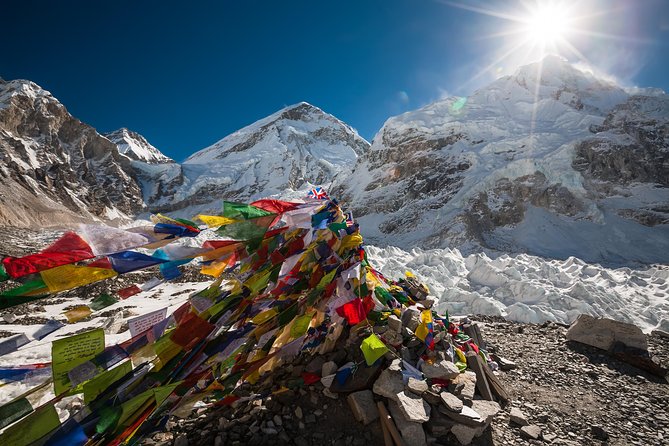
After Dingboche, the plan takes you toward Lobuche and, importantly, onto the harder-feeling parts of the approach. The route includes the segment around Thukla and Memorial Park, described as the toughest section of the whole Everest Base Camp trek trail. That is a big clue. This is where you stop treating the trek like a walk and start treating it like a disciplined effort.
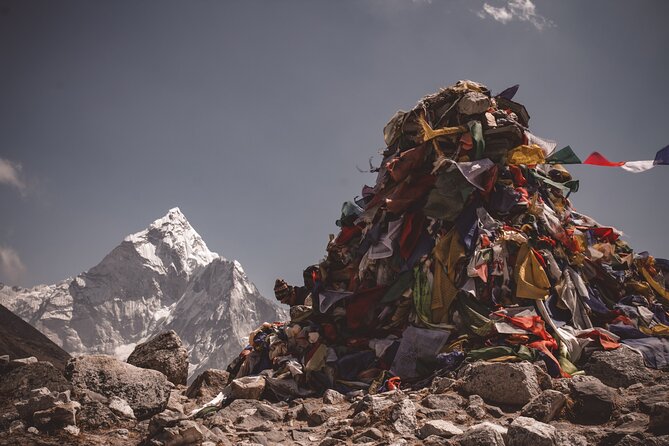
You will see lots of prayer flags along the way, and the combination of flags, exposed high paths, and the feeling of being close to “the big goal” is memorable. By the time you reach Lobuche, you are staying at one of the higher villages on the route.
I like that the plan gives you a night at Lobuche before you go for Gorak Shep and Kala Patthar. It reduces the pressure of doing everything in one brute-force day, which matters because thin air does not care how motivated you are.
Gorak Shep, Kala Patthar, and Everest Base Camp: the big payoff
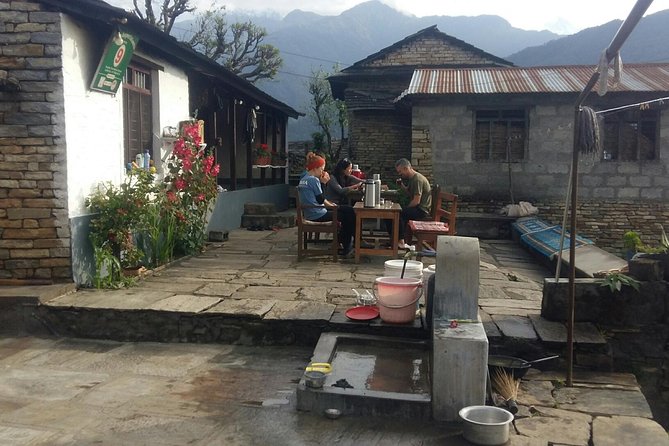
Your next stretch goes to Gorak Shep. At this altitude, the trail can feel sparse, and you may see snow on the path. The main value here is perspective. From Gorak Shep, you get panoramic views of Everest and neighboring peaks.
There is also a timing option in the plan: if you feel energized, you can go to Kala Patthar the same day for sunset views. Kala Patthar is a well-known high viewpoint on the trek route, and your plan later includes it anyway, so consider your energy carefully. At this stage, the best choice is the one that keeps you safe, not the one that scores you extra photos.
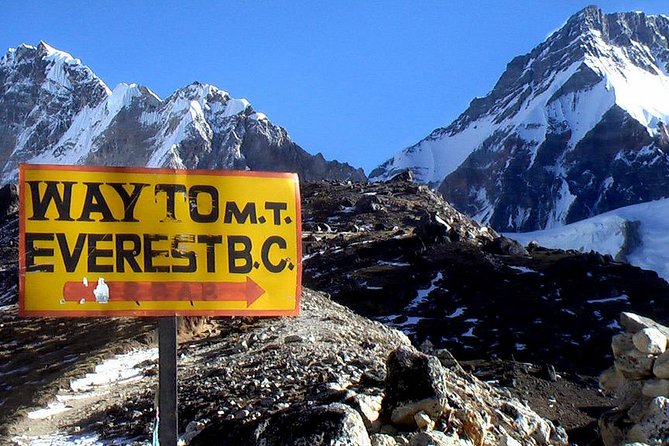
Day 10 is the classic two-part climax. You go to Kala Patthar, then continue on to Everest Base Camp. Even if you know what the view looks like in photos, being there changes the scale. You are not only seeing the mountain, you are seeing the geography that mountaineers travel through, including the Khumbu Glacier valley setting.
After the base-camp stop, you return back toward Gorak Shep for food and rest. If you have ever hiked a long day and then tried to keep sightseeing energy going, you know how important this part is. Warm downtime is not optional at altitude.
The descent back: Namche and Lukla, plus Lhotse-Nuptse drama
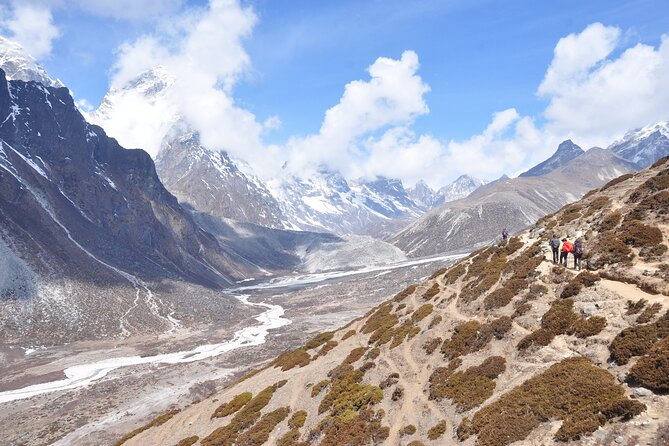
The return starts with a trekking day from the higher region back toward Namche. You will follow a downhill route along the Dudh Kosi where there are water-driven prayer wheels. That detail sounds small, but on the descent it gives you something to watch while you focus on controlled steps.
You also pass through pine and cedar areas as you head back toward Sagarmatha National Park paths, and you catch a surreal view of the Lhotse-Nuptse wall peeking behind. That is a satisfying reminder that the Himalayas are not just one peak. It is a whole system.
On the following day, you keep descending toward Lukla. You cross back over the Dudh Kosi again, see those water-driven prayer wheels again, and continue past the Chumoa lunch stop. Then the route runs along the riverside toward Phakding as you work your way back.
This part is mentally important. Many hikers feel better on the descent physically, but altitude can still make you tired. The plan’s slow, step-by-step return is exactly what you want.
Kathmandu recovery time: flight back and a proper reset
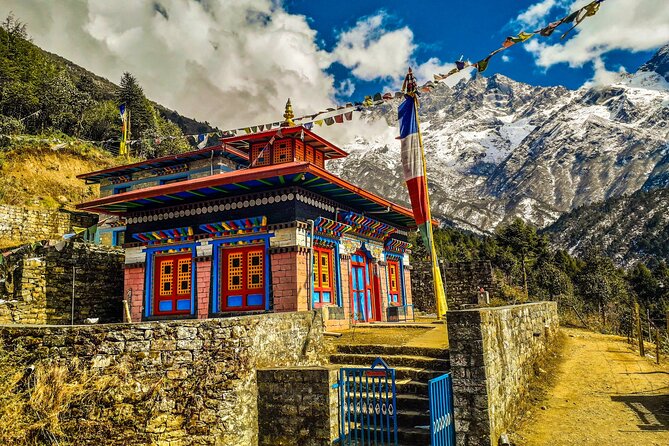
On day 13, you fly back to Kathmandu, scheduled to leave before 10:00 am. The plan also notes that flight times can change due to weather. That is normal for Lukla, and it is one reason why having a little patience helps.
Once you land, you get a transfer to your hotel and the day is yours. This is when you eat like a human again, hydrate, and let your legs stop complaining.
Day 14 wraps things up with an airport transfer to Tribhuvan International Airport. You are guided to the check-in area about three hours before your departure flight, which is useful if you want a smooth end rather than chasing time slots.
Price and logistics: what $1,450.19 really covers
At $1,450.19 per person for a 14-day Everest Base Camp trek, the value mostly comes from what is hard to DIY: transportation, permits, and the Lukla flight.
Here’s the clear picture of what you get:
- Kathmandu support: 2 nights in Kathmandu in a 4-star hotel like Yatri Suites & Spa (or similar), breakfast included
- Trek support: 11 nights in local lodges, room only
- Core paperwork included: Sagarmatha National Park permits, TIMS, and other necessary permits
- Flights included: Kathmandu to Lukla and back to Kathmandu
- A real guide: experienced, English-speaking, government-licensed trek leader
- Ground transport: private vehicle for the land parts in Kathmandu
- Small group: max 12 travelers
- Mobile ticket and pickup offered
And here is what you should budget separately:
- Meals and drinks, plus hot water and drinking water costs
- Tipping
- Porter costs, since the package says porters are not included (with the guideline that one porter can carry 20 kg of luggage shared among clients)
- Travel insurance for emergency rescue evacuation
- International flights
If you are comparing options, do not just compare the headline trekking price. Compare what covers the Lukla flights, the permits, and the licensed guide. Those are the pieces that usually make or break a smooth Everest Base Camp plan.
Who this trek suits best, and who should be cautious
This experience is a great fit if:
- You have moderate physical fitness and you are ready for a large amount of walking
- You want the main Everest Base Camp route and not a side-quest detour
- You like a small group size and structured day pacing
- You want acclimatization built into the schedule, not just “go higher because reasons”
You should be cautious if:
- You are very sensitive to altitude effects, because this trek reaches high points like Kala Patthar at 5,450 meters
- You need a perfectly fixed timetable, because Lukla flights can shift with weather
- You dislike uncertainty and want zero schedule movement across multiple days
Also note the plan mentions service animals are allowed, which could matter for some travelers, if your animal travel needs are compatible with trekking conditions.
Should you book this Everest Base Camp trek?
Yes, if your goal is to get to Everest Base Camp using a proven route, with real support and fewer paperwork hassles. The combination of Namche acclimatization, a licensed English-speaking leader, and included permits plus Lukla flights is a strong package for people who want less scrambling and more focus on the trail.
I would only hesitate if you are not comfortable with altitude reality or if you have zero flexibility for flight timing. For most hikers, that tradeoff is worth it. The whole trek is built around pacing, big views, and getting you to the iconic starting point for Everest expeditions, without turning the trip into a chaotic DIY project.
FAQ
How long is the Everest Base Camp trek?
The trek is scheduled for 14 days (approx.).
What time does the experience start?
The meeting point start time is 8:30 am.
Do I fly between Kathmandu and Lukla?
Yes. Domestic flight tickets from Kathmandu to Lukla and back to Kathmandu are included.
Is an English-speaking guide included?
Yes. The trek includes an experienced, English-speaking, government-licensed trek leader.
Are permits included for the trek?
Yes. Sagarmatha National Park permits, TIMS, and other necessary permits are included.
Where will I stay during the trek and in Kathmandu?
You get 2 nights in Kathmandu in a 4-star hotel like Yatri Suites & Spa or similar (breakfast included). During the trek you have 11 nights in local lodges on a room-only basis.
What meals are included in the price?
Breakfast is included for 2 mornings. Other meals and drinks are not included.
Are porters included?
Porters are not included. The package notes that one porter can carry 20 kg of luggage, shared between different clients.
What is the maximum group size?
The tour has a maximum of 12 travelers.
Are service animals allowed?
Yes, service animals are allowed.
Latest additions near Kathmandu
- White Water River Rafting – 1 Day★ 4.3 · 3 reviews
- Traditional Momo Making Class★ 5.0 · 10 reviews
- Kathmandu to Pokhara Premium sofa bus ticket★ 4.0 · 17 reviews
- Ghorepani Poon Hill Trek★ 5.0 · 16 reviews
- Amazing 1 Day Trekking Experience in Kathmandu Nepal★ 5.0 · 24 reviews
- Ghorepani Poonhill Trek★ 5.0 · 5 reviews
- Walking tour of real Kathmandu through back streets.★ 5.0 · 3 reviews
- Wildlife Adventure in Chitwan Nepal★ 4.0 · 4 reviews
Everest Base Camp Treks, compared.
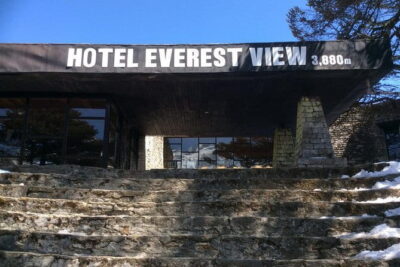
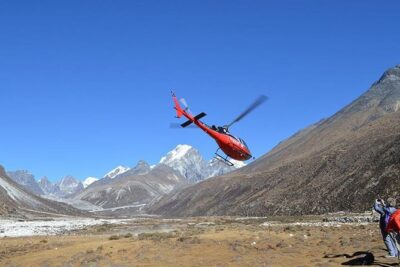
Everest Base Camp Helicopter Tour landing at Everest View Hotel
Read our review →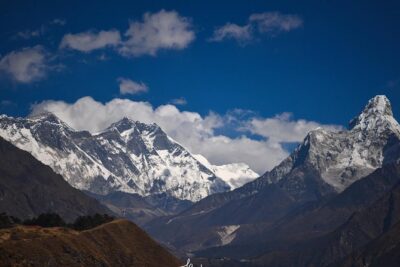
Everest Base Camp Helicopter Tour landing at Hotel Everest View
Read our review →
Browse the lists this tour appears in