
Reviewed · EVEREST BASE CAMP TREKS
Everest Base Camp Trek – Hiking to Mt Everest
Breathing thin air brings Everest up close. This private trek lines up tea house overnights and Sherpa culture stops on the route to Everest Base Camp at 5,363m. What I like most is the way the trip is paced with acclimatization days, and how the team handles the Lukla flight reality, including possible schedule changes. The one thing to keep in mind is that mountain weather can affect flights, so you should be flexible early on.
You start in Kathmandu, spend time getting ready, then fly to Lukla and hike your way through classic Khumbu villages like Namche Bazaar, Tengboche, Dingboche, and Lobuche. You’ll be traveling with a guide and porter, plus meals and tea house lodging are built into the plan, which keeps your days focused on walking and recovery.
The price, $1,500 per person for about 15 days, is not cheap, but it’s easier to justify when you compare what’s included: round-trip Kathmandu to Lukla flights, a full guide and porter setup, tea house lodging for most nights, and meals during the trek.
In This Review
- Key highlights that matter on this Everest Base Camp trek
- Kathmandu warm-up: where your trek actually begins
- Lukla flight and Phakding day: the jump from city to trail
- Namche Bazaar: the acclimatization stop that changes everything
- Tengboche and Dingboche: monastery scenery with real altitude
- Lobuche and Gorak Shep: approaching Everest with caution
- Everest Base Camp to Kalapatthar: the high viewpoint payoff
- Back down to Namche and Lukla: the part people forget to plan for
- What makes the guided format good value for this trek
- The Everest Base Camp altitude reality: what to take seriously
- Who this trek fits best (and who should reconsider)
- Should you book Everest Base Camp with this operator?
- FAQ
- What is the duration of the Everest Base Camp trek?
- How do you get to Everest Base Camp, and what altitude do you reach?
- What is included in the price?
- What is not included?
- Is this trek private?
- What is the cancellation window?
Key highlights that matter on this Everest Base Camp trek
- Private group setup: it’s your group on the trek, not a random mash-up.
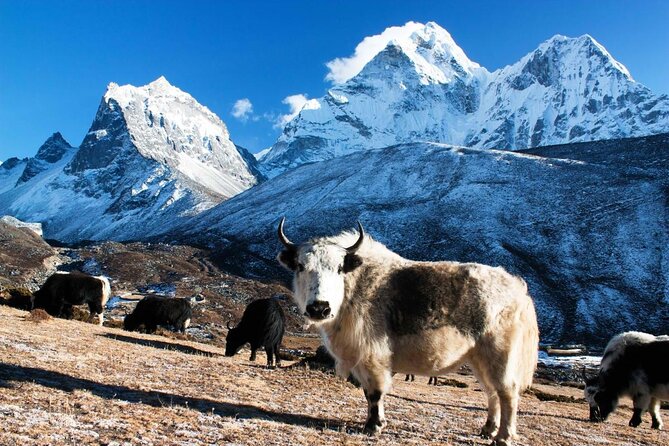
- Acclimatization built in: rest days at Namche Bazaar and Dingboche help your body adjust.
- Tea house nights in the mountains: you sleep where trekking life happens, not in a bubble.
- Kalapatthar viewpoint day: a high push toward 5,545m for big views before you drop back down.
- Guides and porters for support: less stress means you can keep moving steadily.
- Flight-plan flexibility: the team is used to handling last-minute Lukla changes.
Kathmandu warm-up: where your trek actually begins
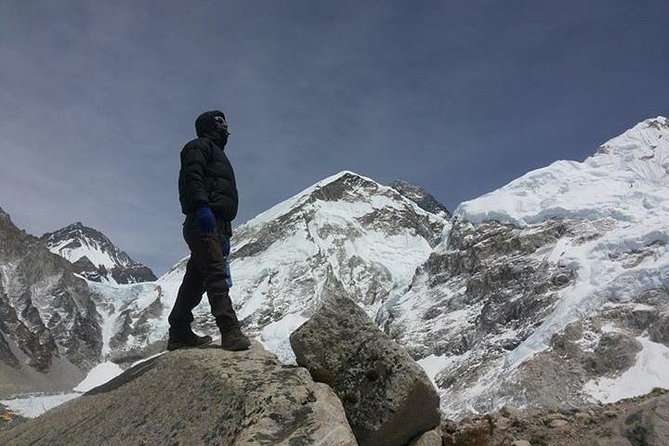
Kathmandu is not just a waiting room for the mountains. It’s where you reset your head, get oriented, and handle the practical bits you do not want to think about while your lungs are screaming at altitude.
On day 1, you arrive and settle in. Then you get three nights with breakfast in a hotel, which is a solid start when you’re about to sleep in basic mountain lodges for many days. On day 2, you explore the Kathmandu Valley and prepare for the trek. In plain terms, this day helps you stop feeling rushed and gives you time to ask questions about pacing, packing, and what the first hard days will feel like.
One value point here is the prep sessions included before and after arrival. Even if you’ve done hikes before, Everest Base Camp has a special rhythm because you are constantly moving at altitude. A good briefing can help you avoid rookie mistakes like going too hard too soon, or underestimating rest and hydration.
More Treks in Kathmandu
- Everest Base Camp Trek – 14 Days
★ 5.0 · 1,499 reviews - Everest Base Camp Trek
★ 5.0 · 842 reviews - Everest Base Camp Trekking
★ 5.0 · 485 reviews
Lukla flight and Phakding day: the jump from city to trail
Day 3 is the hinge moment: you fly from Kathmandu to Lukla (2,840m) and start hiking to Phakding (2,640m). This day is usually about transition. Your body is adjusting to altitude, but you’re also getting used to the hiking rhythm on the Khumbu trails.
If you’re sensitive to flight delays, this is where you should plan to stay calm. The Lukla route can be weather-dependent, and the operator has experience managing last-minute changes with a plan B approach. That matters because it reduces stress when timings shift.
Phakding is a gentle on-ramp and a good place to test your gear. You’ll feel the slope, but it’s not the kind of day that burns you out. It’s also one of those early stops where you see how trekking infrastructure works: tea houses, paths, and people moving up and down the valley with purpose.
Namche Bazaar: the acclimatization stop that changes everything
Day 4 takes you from Phakding up to Namche Bazaar (3,440m). Day 5 is the big acclimatization day in Namche. This is where many treks either feel smooth or get messy, depending on pacing, hydration, and how you spend your rest day.
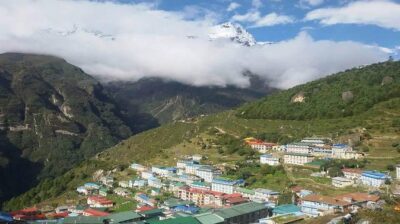
Namche matters because it’s a hub. You’ll see higher-altitude village life, Sherpa culture around town, and the sense that you’re now truly in the trekking corridor toward Everest. For me, the best part of this stop is the built-in breathing room. You do not just pass through, you pause long enough for your body to respond.
For the acclimatization day, you’ll typically use it to move lightly and get your bearings rather than act like you’re on a racecourse. The tour plan gives you the correct rhythm: hike, then rest high, then hike again. That’s what helps you arrive at the later days less wrecked.
Tengboche and Dingboche: monastery scenery with real altitude
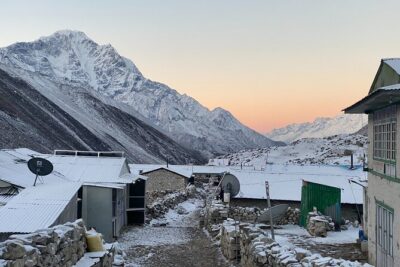
On day 6, you hike from Namche Bazaar to Tengboche (3,867m). This is one of the most atmospheric stretches of the trek. Tengboche is known for monasteries, and it’s the kind of stop where you slow down even if you’re in a hurry, because you can feel how important these places are to the community.
Then day 7 moves you to Dingboche (4,350m). Day 8 is another acclimatization day at Dingboche. This is a key pattern repeated on purpose: the tour does not just stack climbing days. It adds pauses at altitude so your body has time to adapt.
Dingboche sits high enough that you’ll feel it on your breath and energy. Having a full day here helps you keep your walking days more productive. Instead of dragging yourself uphill on day 9, you’re more likely to keep a steady pace, stop when you need to, and save energy for the route toward Lobuche and Everest Base Camp.
More Everest Base Camp treks:
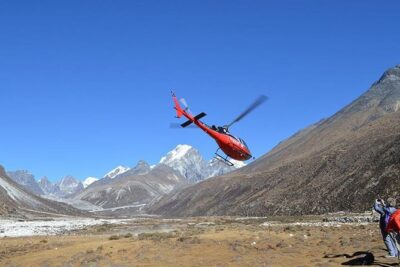
- Everest Base Camp Helicopter Tour landing at Everest View Hotel
★ 5.0 · 668 reviews - Everest Base Camp Trekking – 13 Day
★ 5.0 · 365 reviews - Everest Base Camp Trek
★ 5.0 · 350 reviews - Everest Base Camp Trek -14 Days
★ 5.0 · 321 reviews
Lobuche and Gorak Shep: approaching Everest with caution
Day 9 is from Dingboche to Lobuche (4,931m). This is where the trek starts to feel more serious. The air is thinner, the days get longer in your head, and every decision matters, like whether you eat enough and take breaks early enough.
On day 10, you trek to Everest Base Camp through Gorak Shep (5,170m). You’re heading for the main event, Everest Base Camp at 5,363m. This is the day most people imagine when they picture the Everest region.
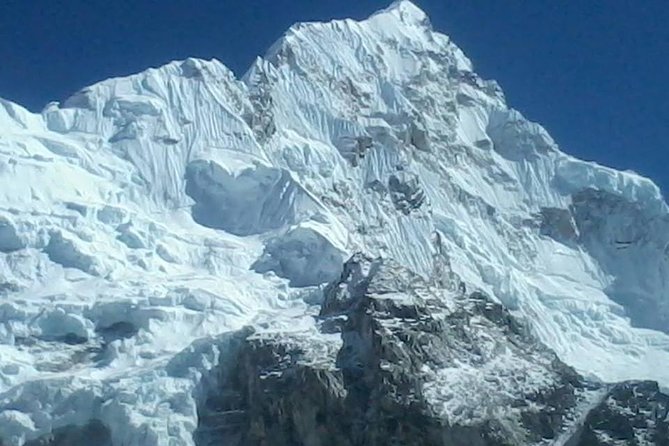
What makes day 10 valuable is not just the final coordinates. It’s the approach: you go from familiar village paths into a more barren, high-mountain world where glaciers and massive ice features become part of your daily view. You’ll likely feel a mix of excitement and fatigue, and that’s normal. The best strategy is to focus on steady steps, short pauses, and staying mentally calm while you gain elevation.
Gorak Shep is also a practical staging area, often where you start to sense how close you are to the Everest story. In real trekking terms, it means your “base camp day” is not a sudden switch. You’re building toward it step by step.
Everest Base Camp to Kalapatthar: the high viewpoint payoff
Day 11 is a big one. You head from Everest Base Camp to Kalapatther (5,545m), then continue to Pheriche (4,210m). This is a classic challenge day: you’re going up again, then you’re dropping back down to a lower altitude village.
Kalapatthar is often the payoff for people who want that extra high angle on Everest and the surrounding peaks. It’s not just about reaching a high point. It’s also about getting the photo-worthy perspective before you transition back into recovery mode.
Then day 11 ends with Pheriche, which helps you reset. The contrast is important: after a high altitude push, you need a lower altitude stop to breathe easier and recover enough to walk the next day or two without spiraling into exhaustion.
Back down to Namche and Lukla: the part people forget to plan for
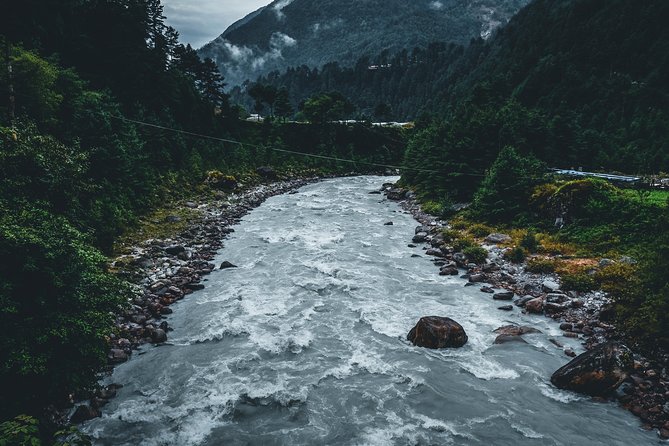
Day 12 takes you from Pheriche back to Namche Bazaar. Day 13 is Namche Bazaar to Lukla. By now, you’re no longer thinking about the peak. You’re thinking about legs, knees, and how your body handles descent.
A good guide and porter setup can make a difference here, because descending can be just as punishing as climbing. You’ll want to keep moving but also protect your energy and pay attention to any foot or knee strain.
Day 14 is early morning scenic flight back to Kathmandu, plus an exploration day in the Kathmandu Valley. This is a smart design: it gives you a chance to celebrate the achievement without immediately jumping into a full departure day. After living at high altitude, Kathmandu feels like a gift.
And day 15 is departure. By then, you’ll likely want normal food, normal sleep, and time to process what you just did.
What makes the guided format good value for this trek
Let’s talk about money in a way that helps you decide.
At $1,500 per person, this package includes:
- Kathmandu hotel nights with breakfast
- Tea house accommodation with breakfast for trekking days
- Breakfast, lunch, and dinner during the trek days
- Round-trip flights Kathmandu to Lukla
- Guide and porter support
- A medical kit, plus pre- and post-arrival preparation
- Local and government taxes
- Airport pickup and drop
The part that often matters most is meals plus lodging already being handled. On Everest Base Camp, the food and the tea house system are part of the pacing. You’re not trying to improvise meals at altitude, which can add stress when you’re already managing breath, hydration, and energy.
The package also makes it easier to plan altitude strategy, since acclimatization days are integrated instead of treated like an optional add-on. And if you want Sherpa culture, the route is set up to include village and monastery visits rather than only focusing on walking meters.
On the other hand, you should budget for what is not included: visa cost, international airfare, insurance, drinks and beverages, and personal expenses and tips. For many trekkers, insurance is the bigger line item risk-wise, even if the trekking itself is well managed.
The Everest Base Camp altitude reality: what to take seriously
This trek goes up to Everest Base Camp at 5,363m, and it also includes a high viewpoint push to Kalapatther at 5,545m. That combination is why the acclimatization days are not optional fluff. They are the difference between arriving tired and arriving wrecked.
Practical planning tip: build your daily routine around slow control. That means moving at a pace you can sustain, eating regularly, and not saving all your effort for the final hour of each day.
Also, remember that teahouse trekking at altitude is still basic life. You should expect simple rooms, shared dining spaces, and cold mornings and nights. The tour plan gets you into family-run tea houses in the mountains, which is part of the charm, but it also means you should bring layers you can rely on.
Who this trek fits best (and who should reconsider)
This is described as suitable for moderate physical fitness, but Everest Base Camp is still physically draining. If you’ve never hiked at elevation before, or you only do short walks, you’ll want to train before booking.
This trek is a great fit if you:
- Want a classic Everest Base Camp route with acclimatization days
- Prefer support with a guide and porter rather than solo logistics
- Like cultural stops like Sherpa villages and monasteries
- Want a private group experience, with your people on the same schedule
It may be less ideal if you:
- Cannot handle early flight changes due to weather
- Want a fully self-guided experience with maximum independence
- Are looking for luxury comforts in the mountains, because tea houses are functional, not fancy
Should you book Everest Base Camp with this operator?
If you’re aiming for the Everest Base Camp experience without turning trekking into a logistics project, this package is a strong choice. You get the core pieces you actually need on this kind of route: flights to Lukla, a paced itinerary with acclimatization days, tea house lodging, and meals. The support system, including guide and porter, is also a big deal when the altitude starts to tax your attention.
One more reason I’d consider booking: the operator’s team has shown they can manage disruptions like delayed Lukla flights with plan B thinking, without throwing the whole trip into chaos. That kind of calm matters when your schedule is up in the mountains.
My recommendation: book if you’re comfortable hiking several days in a row, you can handle cold and basic accommodations, and you’re willing to adjust to mountain flight realities. Book if your goal is the trek itself, plus the cultural moments along the way, rather than trying to micromanage every hour.
FAQ
What is the duration of the Everest Base Camp trek?
The trek runs for about 15 days, including time in Kathmandu and flights between Kathmandu and Lukla.
How do you get to Everest Base Camp, and what altitude do you reach?
You fly from Kathmandu to Lukla, then hike from Lukla to Everest Base Camp at 5,363m. The route also includes a climb to Kalapatther at 5,545m.
What is included in the price?
Included are airport pickup and drop, Kathmandu hotel accommodations for 3 nights with breakfast, tea house accommodation for 11 nights with breakfast during trekking days, meals during the trek days (breakfast, lunch, dinner), Kathmandu to Lukla flights both ways, a guide and porter, a medical kit, and preparation sessions before and after arrival.
What is not included?
Not included are visa cost, international airfare, insurance cost, drinks and beverages, and personal expenses, tips, and shopping.
Is this trek private?
Yes. It’s described as private, meaning only your group participates.
What is the cancellation window?
You can cancel for a full refund if you do it at least 24 hours before the experience starts. If you cancel less than 24 hours before, the amount paid is not refunded.
Latest additions near Kathmandu
- Traditional Momo Making Class★ 5.0 · 10 reviews
- White Water River Rafting – 1 Day★ 4.3 · 3 reviews
- Kathmandu to Pokhara Premium sofa bus ticket★ 4.0 · 17 reviews
- Ghorepani Poon Hill Trek★ 5.0 · 16 reviews
- Amazing 1 Day Trekking Experience in Kathmandu Nepal★ 5.0 · 24 reviews
- Ghorepani Poonhill Trek★ 5.0 · 5 reviews
- Walking tour of real Kathmandu through back streets.★ 5.0 · 3 reviews
- Wildlife Adventure in Chitwan Nepal★ 4.0 · 4 reviews
Everest Base Camp Treks, compared.
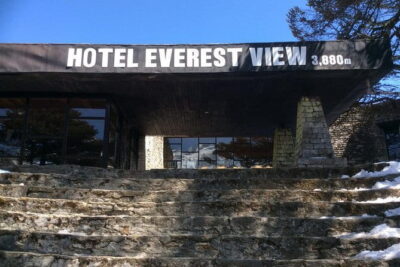
Everest Base Camp Helicopter Tour landing at Everest View Hotel
Read our review →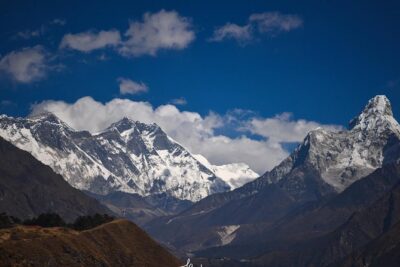
Everest Base Camp Helicopter Tour landing at Hotel Everest View
Read our review →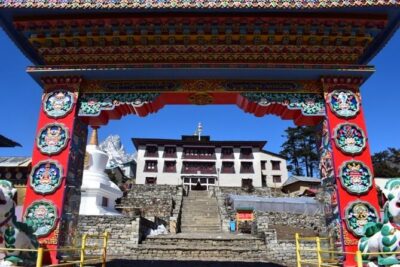
Browse the lists this tour appears in