
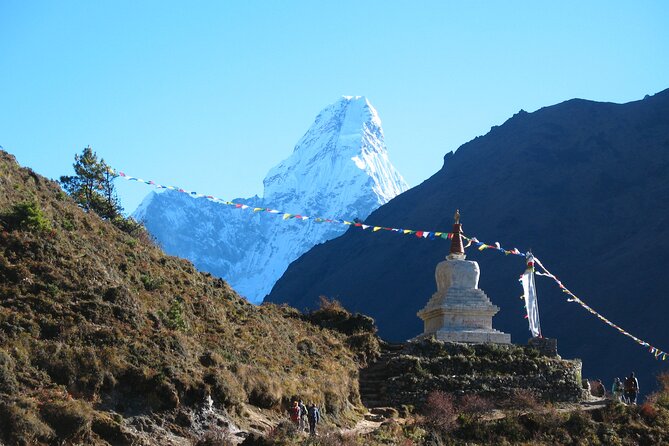
Reviewed · EVEREST BASE CAMP TREKS
Everest base camp trek & Heli return
One week, two flights, one big Everest day. You hike from Lukla into the Khumbu, then finish with the views from Kala Patthar before flying back to Kathmandu. It is a one-week way to get yourself to Everest Base Camp without adding extra days for a full round-trip trek.
I really like how organized this trip feels on the ground, with airport pickup and drop, tea house lodge overnights, and a licensed English-speaking guide who can answer questions as you go. I also value the human side behind the scenes: guides like Padam get praise for calm, clear explanations, and the company lead Kesh is described as responsive and helpful when weather forces changes.
The main thing to consider is that this is a tight schedule. You still climb high, but you do not have weeks to spread out acclimatization, and helicopter or flight timing can shift with mountain weather, so flexibility matters.
In This Review
- Key things that make this trek work (and feel smoother)
- Getting to Lukla at 5:15 am, and why it sets the tone
- Phakding first: an easier entry to the Khumbu
- Namche Bazaar day: classic acclimatization, with views in the mix
- Tengboche (with rhododendrons and big panoramas)
- Dingboche: the Imja Khola bridge moment and higher air
- Lobuche: the Ama Dablam, Lhotse, and peak-view buildup
- Everest Base Camp via Gorakshep: the day you planned for
- Kala Patthar and the shared helicopter back to Kathmandu
- Guides, group size, and why Padam and Kesh matter
- What you really get with the price, and what you still must handle
- Trekking comfort: tea houses, meals, and smart packing basics
- Who should book this one, and who might feel rushed
- Should you book Everest Base Camp Trek with heli return?
- FAQ
- What is the start time and meeting point for this Everest Base Camp trek?
- What is included in the tour price?
- What flights and helicopter rides are part of the trip?
- Is a hotel in Kathmandu included?
- What level of physical fitness is required?
- How big is the group?
- Can I get a refund or change my booking if I cancel?
Key things that make this trek work (and feel smoother)
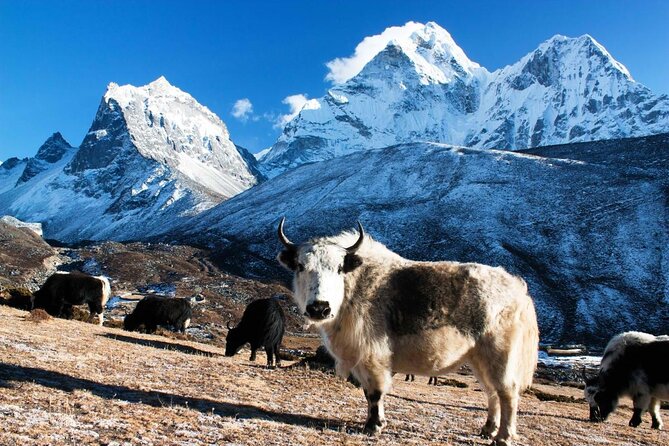
- One-way trekking with helicopter return: you reach the high points on foot, then save big energy with the Gorakshep to Kathmandu hop.
- Small group size (max 15): easier pace management and less chaos at tea houses than some bigger trips.
- A real Everest “day that counts”: the Base Camp push goes through Gorakshep and then back for the overnight.
- High-drama viewpoint day: Kala Patthar is planned as an early move for big panorama views.
- Included permits, guide, and meals: the price covers a lot of what usually surprises people later.
- Help when conditions change: guidance quality plus responsive support is a real value on this route.
Getting to Lukla at 5:15 am, and why it sets the tone
Your day starts early. The meeting point is at the TIA Domestic Terminal parking lot in Kathmandu, with a stated start time of 5:15 am. From there, you fly to Lukla, and then the trekking begins.
That early departure is not just a detail. On Everest routes, the day depends on timing and weather windows. Starting the program early gives you a better shot at keeping the schedule intact, and it also helps you avoid the slow buildup of anxiety that can come from late-day starts.
Also note the practical truth: you will be in Nepal doing a high-altitude hike, so you want your logistics simple. This tour includes airport transfers for the trek, which reduces the number of things you have to coordinate after arrival.
More Treks in Kathmandu
- Everest Base Camp Trek – 14 Days
★ 5.0 · 1,499 reviews - Everest Base Camp Trek
★ 5.0 · 842 reviews - Everest Base Camp Trekking
★ 5.0 · 485 reviews
Phakding first: an easier entry to the Khumbu
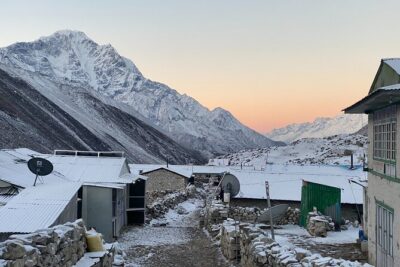
The first walking day is a manageable on-ramp. After the Lukla flight, you trek to Phakding at around 2,600 meters for about 3 to 4 hours. This is the part of the trip where you learn your rhythm, test your footwear, and figure out how your body reacts to moving at altitude.
Phakding is also where you get comfortable with the tea house style of travel. You are not just hiking; you are living in small lodge routines, eating meals at set times, and sharing the trail with other trekkers.
One value here is that you get that early taste of the Khumbu without turning it into a suffer-fest on day one. It helps you settle in before the bigger climbs.
Namche Bazaar day: classic acclimatization, with views in the mix
Next comes the climb to Namche Bazaar (around 3,500 meters). It is about 4 to 5 hours, and the plan leaves time for a late-afternoon explore once you arrive.
Namche is where the Everest trek shifts from “hiking in the valley” to “being in the high-mountain world.” You start seeing more of the gear, more international trekking energy, and more of the daily altitude reminders.
This is also where the route gives you a chance to start adapting. Even though the trek keeps moving, the structure is built around gradually gaining altitude rather than jumping straight to the extreme elevations.
Tip that always matters on this kind of schedule: keep your pace controlled on the uphill sections. You want your legs working, not burning.
Tengboche (with rhododendrons and big panoramas)
From Namche, the route climbs toward Tengboche, reaching about 3,870 meters. The walking time is again roughly 4 to 5 hours, and the experience includes a mix of rhododendron forest, plus mani walls and chortens along the way.
Tengboche is the kind of place where the trail itself feels meaningful, not just the destination. You are walking through spiritual landscape details and gaining those classic Himalayan viewpoints as you go.
The potential drawback is emotional, not physical. On days with strong scenery and frequent photo stops, it is easy to spend time waiting around. On a tight schedule like this, your best move is to enjoy the views, then get moving. You need time for altitude and for dinner at the tea house.
More Everest Base Camp treks:
- Everest Base Camp Helicopter Tour landing at Everest View Hotel
★ 5.0 · 668 reviews - Everest Base Camp Trekking – 13 Day
★ 5.0 · 365 reviews - Everest Base Camp Trek
★ 5.0 · 350 reviews - Everest Base Camp Trek -14 Days
★ 5.0 · 321 reviews
Dingboche: the Imja Khola bridge moment and higher air
From Tengboche, you trek down through rhododendron forest toward Deboche, then cross a bridge with the Imja Khola roaring beneath your feet. After that, you keep climbing gradually toward Pangboche and Somare before reaching Dingboche (around 4,410 meters).
This is a longer day, about 6 hours. The mix of descent, bridge crossing, and then re-ascending makes it a good test of your trail legs, especially if you are sensitive to downhill pressure on your knees.
Dingboche is a key high stop. Even on a one-week plan, this is where you start feeling the altitude more strongly. You will want to keep hydration consistent, and you should take it slow when you feel winded.
Lobuche: the Ama Dablam, Lhotse, and peak-view buildup
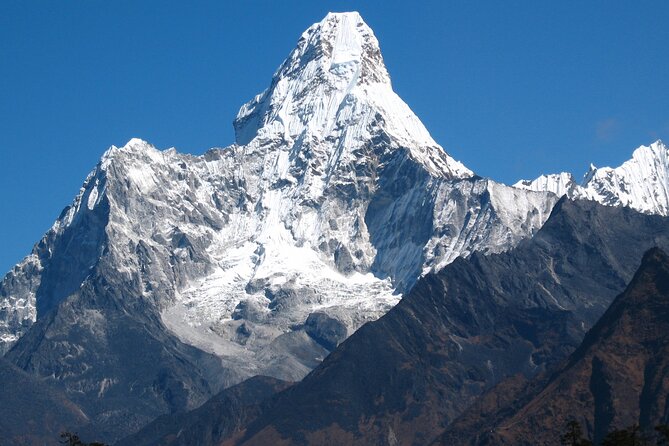
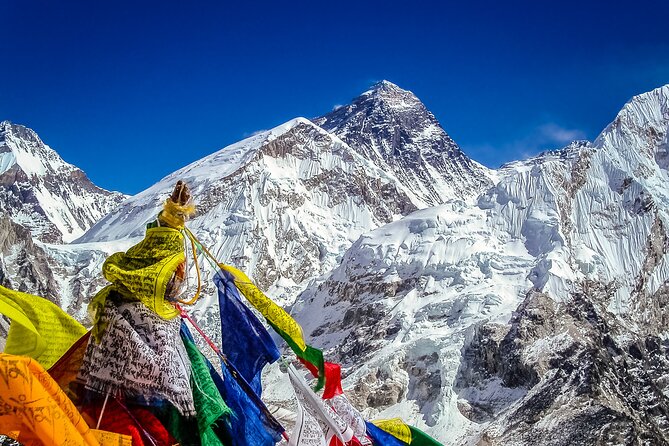
Next up is the push to Lobuche. The route takes about 6 hours, and the highlight is the views building around you. You get fascinated views of peaks including Ama Dablam, Lhotse, Phortse Peak, and Cholatse as you head toward the area around Dughla and continue on.
This is one of those days where the scenery does not only happen at the top. As the route rises, the perspective sharpens, so you feel like you are earning the views step by step.
If you are prone to overdoing it on “big view” days, watch your effort. This is not the day to chase speed records. Save energy for the Everest Base Camp day, which is where the whole trip locks in.
Everest Base Camp via Gorakshep: the day you planned for
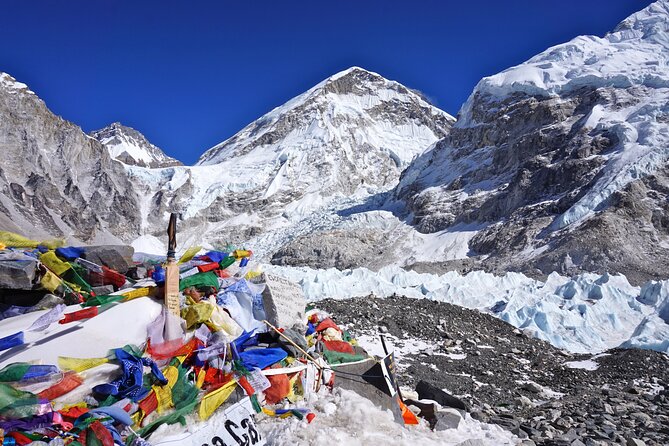
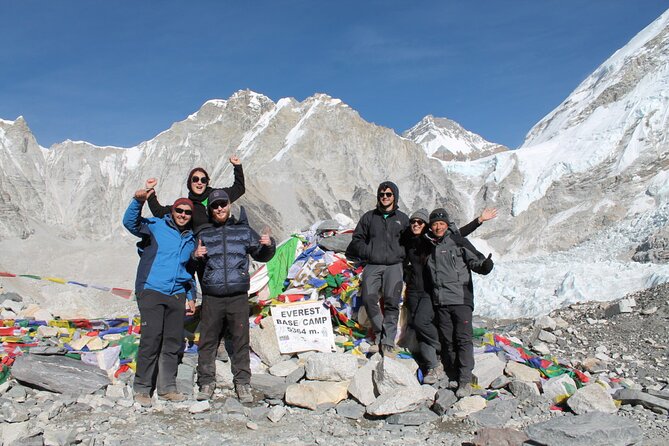
This is the importation day of the trek, and the pace reflects it. You move from Lobuche through Gorakshep and then onward to Everest Base Camp, reaching about 5,364 meters. The walking time here is longer, roughly 7 hours.
You will walk through the Gorakshep area, have lunch there, and then continue to Base Camp. After visiting Base Camp, you hike back to Gorakshep for the overnight.
Two things make this day special.
First, it is the closest thing the route offers to a single, focused goal. You are not bouncing between viewpoints all day, you are moving toward one iconic marker.
Second, it teaches respect for altitude. Even if you feel steady, the air is thin and your body notices. Your best support is a steady effort, short breaks when needed, and not overthinking the pace.
Also, plan mentally for the return. A lot of people get a burst of energy arriving at a major destination, then pay for it on the way back. Keep your effort “even,” and you will enjoy Base Camp more.
Kala Patthar and the shared helicopter back to Kathmandu
Your final morning includes an early trek to Kala Patthar, reaching about 5,545 meters. After that viewpoint window, you head back toward Gorakshep, and then after breakfast you fly to Kathmandu by helicopter.
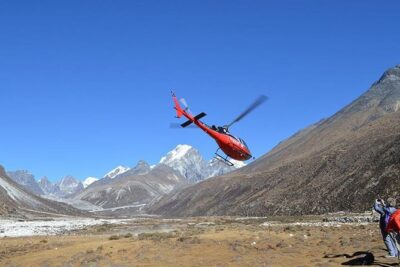
This is the “best of both worlds” design. You get one final summit-style push on foot, then you let the helicopter handle the long descent back to Kathmandu. The helicopter segment is described as a sharing helicopter, with the flight time around 2 hours from Gorakshep to Kathmandu.
This is also a great place to set expectations. Sunrise or early-day views are a big deal up here, and you are trading comfort for clarity. If you hate early mornings, you will still be up early for this part. But you are also trading it for the chance at some of the most dramatic mountain sightlines on the whole trip.
And yes, it is a relief. After several days of climbing, getting back to Kathmandu by air feels like a cheat code.
Guides, group size, and why Padam and Kesh matter
A trekking trip lives or dies on the people running it. This one includes a supporting staff guide who is an English-speaking government licensed holder.
In the stories tied to this operator, Padam stands out for his ability to answer questions clearly and keep the group calm. That matters because on Everest routes, uncertainty is normal. Weather can change. Flight plans can shift. Altitude can make emotions louder.
The other name that gets mentioned is Kesh, described as highly responsive, with WhatsApp communication and follow-through when delays happen. On a route where the schedule can be affected, having someone actively managing updates makes a big difference in your stress level.
Finally, the group cap of 15 travelers is practical. Smaller groups tend to move and settle more easily, which can help when tea houses are busy or when you need quiet time to eat and rest.
What you really get with the price, and what you still must handle
The price listed is $3,195 per person for a 7-day experience. What is valuable is how much of the trip is already covered.
Included:
- Airport transfers upon arrival and departure for the trek
- Trekking permits and entrance fees
- Overnight accommodation at tea house lodges
- Meals: 6 breakfasts, 6 lunches, 6 dinners
- Kathmandu to Lukla flight ticket
- Gorakshep to Kathmandu helicopter flight
- A licensed English-speaking trekking guide
- Supporting staff
Not included:
- Hotel in Kathmandu before and after the trek
- Personal expenses such as battery charging, WiFi, beverages, mineral water, and hot water shower
- Travel insurance and emergency evacuation cost
- Personal trekking gear
Here is how I think about the value. You are paying for more than just “walking with a guide.” You are paying for altitude logistics: flights, helicopter return, permits, and meals. Those are the items that usually add up quickly if you try to DIY the trip.
The biggest “watch this” item is insurance and emergency evacuation. The itinerary reaches high altitudes, and the tour includes helicopter return, but the data does not say emergency costs are covered. Plan insurance that makes sense for trekking and altitude.
Trekking comfort: tea houses, meals, and smart packing basics
This route is built around tea house lodge overnights, so you are not camping. That is a comfort win, but it also means you live with the tea house setup.
Since personal expenses like battery charging and WiFi are not included, I suggest budgeting for them. If you want phone use, bring a plan for charging. If you do not, save time and money by going low-tech.
Also, water and showers are the other usual friction points. Mineral water and hot water shower costs are personal expenses. The key is to stop assuming everything is included just because you are paying a premium for the package.
If you need help with gear, the tour does not include personal trekking gear, so you must bring your own. That includes the things that keep your body safe on steep days, like properly fitted footwear and the layers you need for cold nights.
Who should book this one, and who might feel rushed
This trek is described as a great match for people with moderate physical fitness. It helps if you enjoy hiking and you can handle 4 to 7 hour walking days at altitude.
This is also a good option if you want the Everest Base Camp experience but you do not want a long round-trip trek. The helicopter return is a big energy saver, especially on the last day.
It might not be the best match if you hate early starts, need a slower acclimatization pace, or want maximum flexibility in changing your route. This is a structured plan with key flights, and mountain weather can affect timing.
If you do choose it, come ready to move steadily and accept that the schedule is built around getting you to the summit points efficiently.
Should you book Everest Base Camp Trek with heli return?
I would book this trek if you want a focused Everest Base Camp route, with guided support, included permits and meals, and the relief of a helicopter return from Gorakshep. The value is strongest for people who want the logistics handled and who are comfortable with a one-week, high-altitude plan.
I would think twice if you require extra buffer time for acclimatization, hate the idea of early mornings like Kala Patthar, or you are not prepared for weather-related flight timing changes. On this route, flexibility is part of the experience.
If you are in the middle, you will probably love it. It is the kind of trip where every day has a job to do, and the helicopter finish makes sure you end the week with your body intact enough to enjoy Kathmandu.
FAQ
What is the start time and meeting point for this Everest Base Camp trek?
The meeting point is the TIA Domestic Terminal parking lot in Kathmandu, Nepal, and the start time is 5:15 am.
What is included in the tour price?
The package includes airport transfers for arrival and departure for the trek, tea house lodge overnight accommodation, necessary trekking permits and entrance fees, a licensed English-speaking guide, Kathmandu to Lukla flight, Gorakshep to Kathmandu helicopter flight, and meals (6 breakfasts, 6 lunches, 6 dinners).
What flights and helicopter rides are part of the trip?
You fly from Kathmandu to Lukla at the start, and you return by helicopter from Gorakshep to Kathmandu after the final viewpoint day.
Is a hotel in Kathmandu included?
No. The tour does not include a hotel in Kathmandu before and after the trek.
What level of physical fitness is required?
The experience states that travelers should have a moderate physical fitness level.
How big is the group?
This activity has a maximum of 15 travelers.
Can I get a refund or change my booking if I cancel?
No. The experience is non-refundable and cannot be changed for any reason.
Latest additions near Kathmandu
- White Water River Rafting – 1 Day★ 4.3 · 3 reviews
- Traditional Momo Making Class★ 5.0 · 10 reviews
- Kathmandu to Pokhara Premium sofa bus ticket★ 4.0 · 17 reviews
- Ghorepani Poon Hill Trek★ 5.0 · 16 reviews
- Amazing 1 Day Trekking Experience in Kathmandu Nepal★ 5.0 · 24 reviews
- Ghorepani Poonhill Trek★ 5.0 · 5 reviews
- Walking tour of real Kathmandu through back streets.★ 5.0 · 3 reviews
- Wildlife Adventure in Chitwan Nepal★ 4.0 · 4 reviews
Everest Base Camp Treks, compared.
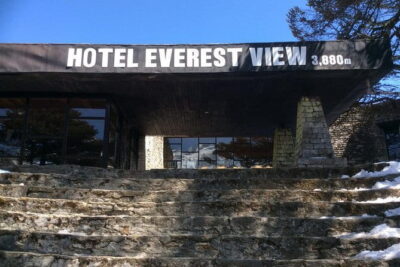
Everest Base Camp Helicopter Tour landing at Everest View Hotel
Read our review →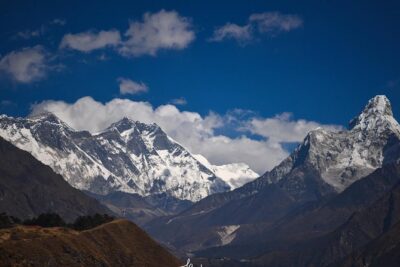
Everest Base Camp Helicopter Tour landing at Hotel Everest View
Read our review →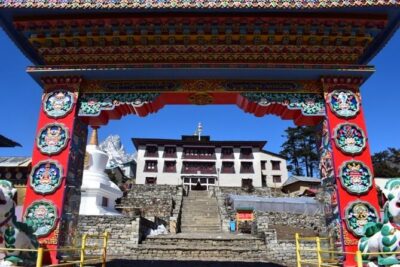
Browse the lists this tour appears in