
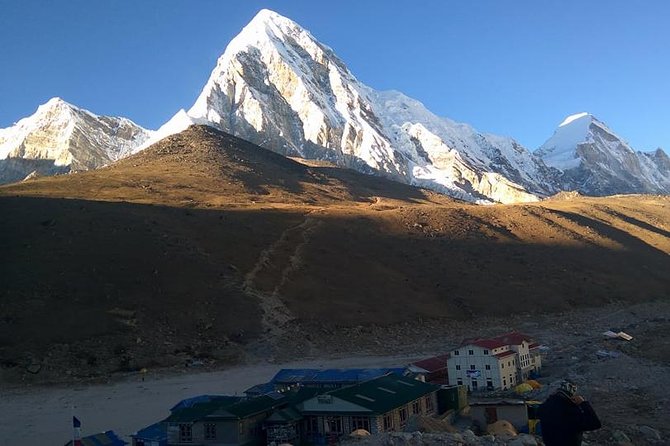
Reviewed · EVEREST BASE CAMP TREKS
Everest Base Camp Trek from Salleri (Overland)
Everest Base Camp, but started overland. This Salleri trek is a faster way into the quieter Everest region, replacing the usual Kathmandu to Lukla hop with Jeep-style travel to Salleri, and still taking you through key high-altitude stops like Namche, Tengboche, Dingboche, Everest Base Camp, and Kalapather. I also like that you get a government-licensed English-speaking trek leader, with guides such as Rupak, Binod, and Ballaram showing up in past experiences, plus a real porter setup (2 trekkers to 1 porter).
One thing to consider: this is a full 17 days with long walking days and multiple high points. You’ll want moderate physical fitness, and it is not recommended for children aged 10 and under.
In This Review
- Key things that make this Salleri EBC trek worth your time
- Salleri instead of Lukla: the real reason this route feels different
- Getting to Kathmandu ready, then out of Kathmandu for good (Day 1 and Day 2)
- The main trekking legs: how the itinerary builds your stamina (Days 3 to 6)
- Acclimatization days that actually matter (Days 7 and 10)
- Tengboche and Dingboche: the mid-trek checkpoints (Days 8 to 9)
- Lobuche to Everest Base Camp, then back to Gorekshep (Days 11 to 12)
- Kalapather morning: the extra summit-style effort (Day 13)
- Returning to Kathmandu via Namche, Lukla, and the included flight (Days 14 to 17)
- Teahouses, meals, and what included support really means for you
- Guides and the kind of group energy this trek has shown
- Price and value: what $1,500 per group really covers
- Packing and pacing tips that match the schedule
- Who should book this Salleri Everest Base Camp trek
- Should you book it, or look elsewhere?
Key things that make this Salleri EBC trek worth your time
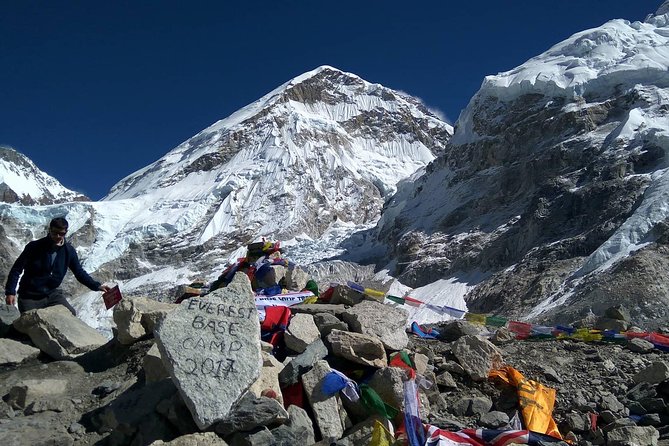
- Overland access to Salleri instead of flying from Kathmandu to Lukla
- Full support package with all trek meals, teahouse lodging, and a medical kit carried by your leader
- Built-in acclimatization rhythm with a Namche day hike and an extra high hike to Nagarjun hill
- Two big high-altitude pushes: Everest Base Camp plus a later early climb to Kalapather
- Trek-to-flight logistics included with a Lukla to Kathmandu domestic flight (about 35 minutes)
- Private group experience for up to 15 people, with a porter ratio that keeps the load sensible
Salleri instead of Lukla: the real reason this route feels different
Most Everest Base Camp itineraries start with the Kathmandu to Lukla flight. This one flips that. You travel from Kathmandu up to Salleri (2309m) in about 8 to 9 hours as part of the overland plan, with Jeep-style transport to get you into the region without that early flight.
Why you’ll care: that initial day shapes the whole mood of the trek. You are not just landing and jumping into elevation right away. You get time to settle, meet your trek leader, and get organized before the trekking even begins. And once you’re moving on foot, the route is described as covering a less touristic part of the Everest region, which usually means you spend more time watching the country change under your feet, instead of feeling like you’re following a constant crowd.
More Treks in Kathmandu
- Everest Base Camp Trek – 14 Days
★ 5.0 · 1,499 reviews - Everest Base Camp Trek
★ 5.0 · 842 reviews - Everest Base Camp Trekking
★ 5.0 · 485 reviews
Getting to Kathmandu ready, then out of Kathmandu for good (Day 1 and Day 2)
Day 1 is straightforward: arrival in Kathmandu, then a private vehicle drop to your booked hotel. The price includes airport pickups and drops, so you are not guessing on transfers after a travel day.
Day 2 is the big transition day. You’ll go from Kathmandu (1320m) to Salleri (2309m) over about 8 to 9 hours. It is not a trekking day, but it is still a physical setup day, because you are changing altitude and tightening your routine. If you tend to get stiff during long transfers, do simple things after you arrive in Salleri: drink water, eat normally for you, and keep your clothing light but ready for cool evenings.
A practical note: you’ll have a 3-star hotel in Kathmandu with breakfast included, but lunch and dinner in Kathmandu are not included in the trek package. Plan a little flexibility on those first day meals, or ask your hotel where to eat close by.
The main trekking legs: how the itinerary builds your stamina (Days 3 to 6)
From Salleri, the trek starts with a downhill to feel your body, then a steady climb again.
- Day 3: Salleri to Nunthala (2190m), about 5 to 6 hours
This is your first real hike time window. The goal here is not speed. It is rhythm. You’re learning how your breathing feels while your legs get used to walking hour after hour.
- Day 4: Nunthala to Puiyan (2300m), about 6 to 7 hours
This keeps the momentum. You’re moving through changing terrain, and the trek description highlights hillside, river, and forest sections. You’ll feel those shifts in what your feet are doing, even if you are not thinking about the geography yet.
- Day 5: Puiyan to Phakding (2652m), about 6 to 7 hours
By now, you should be keeping your pace “quiet.” Save your energy for days when you’ll have steeper altitude jumps and earlier starts.
- Day 6: Phakding to Namche Bazzar (3440m), about 6 to 7 hours
This is a meaningful climb in elevation. Namche Bazzar arrives at 3440m, so the day tests your lungs and legs more than the earlier legs.
What I like about this build: it gives you multiple days in the “getting it together” zone, before you hit the high day rhythm. It also fits the idea that you are trekking through a less touristic Everest region, so you do not spend every day looking at the next group ahead of you.
Acclimatization days that actually matter (Days 7 and 10)
You’ll have two built-in acclimatization moments in the schedule, and that is where you win or lose comfort.
- Day 7: day hike around Namche
After arriving at 3440m, you do a day hike around Namche rather than immediately pressing onward. The point is to keep moving while giving your body a chance to adjust.
- Day 10: acclimatization day, hike to Nagarjun hill (5080m), about 4 to 5 hours
This is the standout “pay attention” day. You’re going up to 5080m, then you’re not staying there. You’re doing it as part of acclimatization, which sets up your ability to handle the later high days.
A balanced way to approach acclimatization: treat these days as training for patience. Move steadily, don’t chase shortcuts, and keep your effort controlled. You want to arrive at your next overnight feeling like you can still think clearly, not like you’ve emptied your tank.
More Everest Base Camp treks:
- Everest Base Camp Helicopter Tour landing at Everest View Hotel
★ 5.0 · 668 reviews - Everest Base Camp Trekking – 13 Day
★ 5.0 · 365 reviews - Everest Base Camp Trek
★ 5.0 · 350 reviews - Everest Base Camp Trek -14 Days
★ 5.0 · 321 reviews
Tengboche and Dingboche: the mid-trek checkpoints (Days 8 to 9)
- Day 8: Namche to Tengboche (3880m), about 4 to 5 hours
Shorter day, higher altitude. This can feel good because the hiking time window is smaller, but it also means your body is dealing with higher elevation.
- Day 9: Tengboche to Dingboche (4410m), about 6 to 7 hours
This is your next longer push, and it puts you into the 4410m range. Think of Dingboche as a staging point before the real high work begins.
These two legs matter because they put you close to the later 5000m plus walking days. You’re building endurance, but also training your pacing habits.
Lobuche to Everest Base Camp, then back to Gorekshep (Days 11 to 12)
- Day 11: trek to Lobuche (4930m), about 4 to 5 hours
A shorter hike time window at 4930m still feels heavy. Your breathing may be the limiting factor, not your legs.
- Day 12: Everest Base Camp (5364m), then back to Gorekshep (5180m), about 7 to 8 hours
This is the signature day. It’s long. You’ll climb up to Everest Base Camp and then return to Gorekshep for the night. The schedule gives you enough time to do both parts, but you should expect this to be the most mentally demanding stretch so far.
Here’s the practical mindset: this day rewards consistency. If you start out too fast, it can steal your ability to enjoy the day at height. If you keep your pace calm, you’ll be more likely to feel steady during the Base Camp walk.
Kalapather morning: the extra summit-style effort (Day 13)
- Day 13: early morning climb to Kalapather (5545m), then trek back to Pheriche (4200m), about 7 to 8 hours
This is the highest point listed on the itinerary (Kalapather at 5545m). And it comes right after your Everest Base Camp day, so it is not a light follow-up. The good news: you also get a descent all the way back to 4200m by the end of the day, which helps your body recover.
If you’re the type who hates early alarms, plan for this. It is in the schedule, and it is the kind of day that makes the whole trek feel real.
Returning to Kathmandu via Namche, Lukla, and the included flight (Days 14 to 17)
After the high days, the route turns toward recovery and descent.
- Day 14: trek to Namche (3440m), about 6 to 7 hours
This is a long walk, but the elevation drops compared to the previous days.
- Day 15: trek to Lukla (2860m), about 6 to 7 hours
You are heading back down toward lower altitude, and this is where you start feeling your energy return.
- Day 16: flight Lukla to Kathmandu, about 35 minutes
The domestic flight is included. This is a key value point in the overall package, because it closes the loop on the trek logistics without requiring you to figure out transport on your own.
- Day 17: final departure to TIA Airport
You’re back in Kathmandu and then moving on.
Teahouses, meals, and what included support really means for you
Your trekking portion includes teahouse accommodation, and all meals during the trek: breakfast, lunch, and dinner. That sounds simple, but it changes your trip in a real way. You do not have to negotiate menus every day. You can focus on pacing and hydration, because your day structure is already handled.
The package also includes farewell dinners, which is a nice social touch on the days when everyone is tired but proud. And you’ll have a medical kit carried by your trek leader, which matters most when you are at height and your body is working harder than usual.
Porters are included with a 2 trekkers to 1 porter ratio. That is a big quality-of-life factor. You’ll likely feel lighter than you would if you had to carry everything yourself, and that helps on the longer 7 to 8 hour days.
One detail to note: personal expenses are not included. That usually means items like bottled or boiled water, phone charging, wifi, laundry, and bar bills are on you. Even if you expect that, it’s still worth budgeting so the trek does not feel like it’s “surprising” you at the end.
Guides and the kind of group energy this trek has shown
The itinerary is built with a government-licensed, English-speaking trek leader, plus porter support and staff costs that cover equipment, food, insurance, and accommodation. That is the operational side.
The human side is what people remember. In the experiences shared with this operator, Rupak is described as treating trekkers like family. Another account highlights Binod and Ballaram as exceptionally kind and supportive. There is also mention of the owner, Rupack, being friendly and going out of his way to make people feel comfortable, including an invitation into his home for Bada Dasai.
You should not book only for personalities, but in a trek this long, the guide’s tone can change your daily experience more than you expect.
Price and value: what $1,500 per group really covers
The price is $1,500 per group up to 15 people, for a trek listed around 17 days. Group pricing is one of those things that can be confusing. Here, the value makes sense because many big costs are inside the package:
Included highlights you should care about:
- Airport pickups and drops in a private vehicle
- 3-star hotel in Kathmandu with breakfast
- Teahouse accommodation during the trek
- All meals during the trek
- Ground transportation by private vehicle as per itinerary
- Domestic flight Lukla to Kathmandu (about 35 minutes)
- English-speaking, government-licensed trek leader
- Porter service (2 trekkers to 1 porter)
- Medical kit carried by leader
- Government and local taxes
Not included items you must budget separately:
- Nepalese visa fee
- International flights to and from TIA
- Excess baggage charges
- Lunch and dinner in Kathmandu
- Extra nights in Kathmandu if your dates shift
- Travel and rescue insurance
- Tips for guide(s), porter(s), and driver(s)
- Personal expenses like wifi, phone calls, laundry, battery recharge, water/shower related costs
My take on value: you are paying for structure. A trek like this is not just hiking. It is hotels, meals, staff, permits and taxes, and a guaranteed flight segment on the back end. If you’re the type who wants everything set, this package is easier than piecing it together yourself. If you prefer maximum flexibility and you already have insurance and local contacts, you might question what’s bundled. But for most people, the included meals, lodging, and leader support make the price feel reasonable.
Packing and pacing tips that match the schedule
Because you move between about 1320m in Kathmandu and up to 5545m at Kalapather, keep your packing focused and light. Even with a porter, you will still carry the basics you need daily. That means:
- Pack layers, so your clothes work across the trek’s altitude range.
- Keep a small daily kit easy to access, because early starts happen on Day 13.
- Plan for longer walking days, especially Day 12 and Day 13 at 7 to 8 hours.
On pacing, use the schedule as your guide. When the hike time is 4 to 5 hours at higher elevation, you can still feel it hard. So do not treat shorter days as “easy days.” The altitude is part of the challenge.
Also, bring patience for the acclimatization rhythm. The Namche day hike and the Nagarjun hill hike are not time fillers. They are the structure that helps you handle the later Everest Base Camp push.
Who should book this Salleri Everest Base Camp trek
This trek fits best if you want:
- Everest Base Camp without starting with a Kathmandu to Lukla flight
- An itinerary with acclimatization built in
- A supported trek with teahouses, meals, and an experienced English-speaking leader
- A more adventurous feel through a less touristic section of the region
It may not be ideal if:
- You do not want a multi-day schedule with 7 to 8 hour walking days
- You are looking for a fully kid-friendly program (it is not recommended for ages 10 and under)
- You are uncomfortable with altitude even with acclimatization days
Should you book it, or look elsewhere?
If your goal is Everest Base Camp and you want the calmer start of overland access to Salleri, this route is a strong match. The combination of included meals, teahouse lodging, a government-licensed leader, and the built-in acclimatization days makes it practical, not just scenic on paper.
Book this trek if you want a structured experience with a clear plan back to Kathmandu, including the Lukla to Kathmandu flight. Consider another option if you’re chasing a faster itinerary, or if you are not confident with the idea of long days at high altitude even with acclimatization built in.
If you want, tell me your current fitness level and travel month, and I can help you sanity-check whether the 7 to 8 hour high days line up with your comfort zone.
Latest additions near Kathmandu
- White Water River Rafting – 1 Day★ 4.3 · 3 reviews
- Traditional Momo Making Class★ 5.0 · 10 reviews
- Kathmandu to Pokhara Premium sofa bus ticket★ 4.0 · 17 reviews
- Ghorepani Poon Hill Trek★ 5.0 · 16 reviews
- Amazing 1 Day Trekking Experience in Kathmandu Nepal★ 5.0 · 24 reviews
- Ghorepani Poonhill Trek★ 5.0 · 5 reviews
- Walking tour of real Kathmandu through back streets.★ 5.0 · 3 reviews
- Wildlife Adventure in Chitwan Nepal★ 4.0 · 4 reviews
Everest Base Camp Treks, compared.
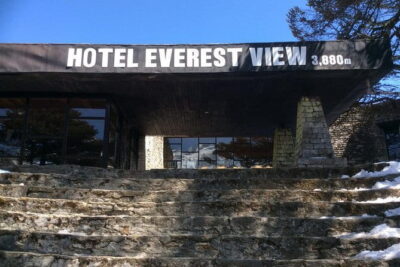
Everest Base Camp Helicopter Tour landing at Everest View Hotel
Read our review →
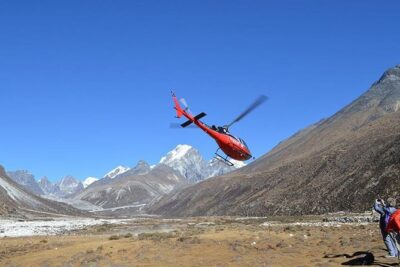
Everest Base Camp Helicopter Tour landing at Hotel Everest View
Read our review →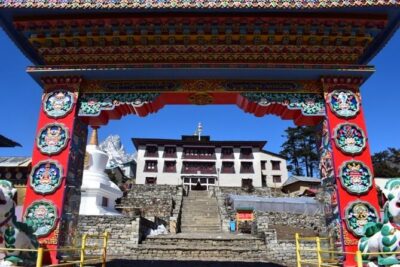
Browse the lists this tour appears in