
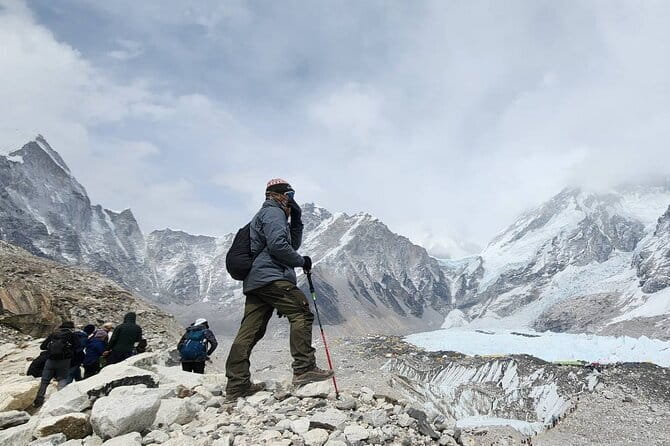
Reviewed · EVEREST BASE CAMP TREKS
Everest Base Camp Trek from Kathmandu 12 Days
Everest Base Camp starts with a short flight. What makes this 12-day trek special is the blend of iconic Himalayan views and Sherpa culture along the way, with an English-speaking guide to help you read the terrain and the traditions. You’ll walk through classic Khumbu stops like Namche Bazaar, Tengboche, and Dingboche, then work your way to the Everest Base Camp area.
I also like how the pacing is built around practical acclimatization, including a rest day in Namche and another recovery focus around Dingboche. The one drawback to plan for is that this is a serious trek, with rocky sections and a steep, careful descent on the way back, so you really do need a strong fitness base.
In This Review
- Key highlights I’d circle on your plan
- Kathmandu to Lukla to Phakding: getting your legs moving fast
- Namche Bazaar: acclimatization day that actually helps
- Tengboche monastery day: views plus a calm cultural stop
- Dingboche: your second acclimatization pocket
- Lobuche and the tougher walking: where grit matters
- Gorakshep to Everest Base Camp: the trip’s main moment
- Kalapatthar at dawn: the viewpoint day that shapes memories
- Steep descent back to Lukla, then Thamel’s calmer air
- Price and logistics: what $1,350 really buys you
- Guides, safety rhythm, and the names you should remember
- Who this Everest Base Camp trek fits best
- Should you book this 12-day Everest Base Camp trek with My Dream Adventure?
- FAQ
- FAQ
- How long is the Everest Base Camp trek?
- What is the price per person?
- Do I get pickup and drop-off in Kathmandu?
- Are flights between Kathmandu and Lukla included?
- What’s included for permits?
- Will I have a guide, and will they speak English?
- Where will I stay during the trek?
- Is a first aid kit provided?
- What do I need for the trekking permit?
- Is my group private?
- What is not included in the price?
Key highlights I’d circle on your plan
- Kathmandu to Lukla return flights save you days of overland travel and put you on the trail quickly
- Guest house nights throughout the trek, with stops at familiar Khumbu villages
- Sherpa-led guidance (many guides are Sherpas) for trail know-how and cultural context
- Real acclimatization choices, including an actual rest day near Namche and recovery time around Dingboche
- Kalapatthar timing for dramatic morning views before you head back down
- Trip support elements like permits, TIMS card, and a first aid kit with the guide
Kathmandu to Lukla to Phakding: getting your legs moving fast
Day 1 starts with a transfer to the domestic terminal in Kathmandu for your scheduled morning flight to Lukla. Lukla is the jump-off point for Everest Base Camp treks, and the flight saves you from a long, grinding approach.
Once you land, the day shifts into gentle rhythm: you meet your trekking guide and start walking toward Phakding. The hike today is intentionally shorter, and that matters because the trail begins at real elevation and your body needs time to start adjusting. Even if you feel fine, it’s smart to keep today easy, hydrate early, and let your pace do the work.
Phakding is a good first night because it gets you into the Khumbu “walking world” without overloading you. This is where you’ll notice the basics: the air feels different, the trails can be dusty or rocky, and you’ll likely eat in the same simple tea house style you’ll see for the rest of the route.
More Treks in Kathmandu
- Everest Base Camp Trek – 14 Days
★ 5.0 · 1,499 reviews - Everest Base Camp Trek
★ 5.0 · 842 reviews - Everest Base Camp Trekking
★ 5.0 · 485 reviews
Namche Bazaar: acclimatization day that actually helps
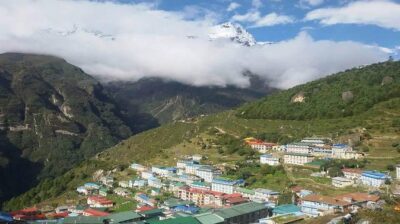
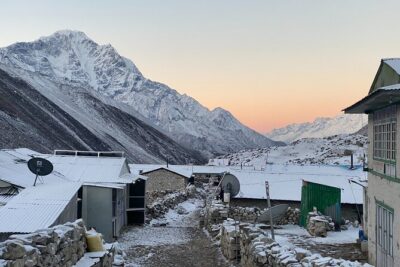
Day 2 is your move into Namche Bazaar, with a walk that follows the Dudh Koshi River and includes suspension bridges. You’ll pass through pine forest and you’ll see the valley widen and tighten as the trail threads forward. It’s a classic Everest trek feel, not just because of the mountains, but because the route constantly changes how you experience distance.
Namche is the big turning point. It’s also where the trek becomes as much about living in the region as it is about reaching the next viewpoint. You’ll get used to the rhythm of altitude, breathing a little harder, and finding your pace.
Day 3 then gives you an important break from constant trekking. Instead of sitting around, you can stay active with a day hike to Thame or a visit to Khunde, or you can simply explore Namche Bazaar itself. That choice is practical: it lets you manage how your body feels while still moving enough to keep you from stiffening up.
Tengboche monastery day: views plus a calm cultural stop
On Day 4 you hike to Tengboche, and yes, it’s dusty and winding, but the payoff is the monastery and the panoramic views from there. The itinerary notes that there are not many hard ascents and descents, which is good news when you’re trying to keep energy steady for later, tougher days. You’ll also get more time for photography, and you’ll feel why Tengboche is such a common favorite stop.
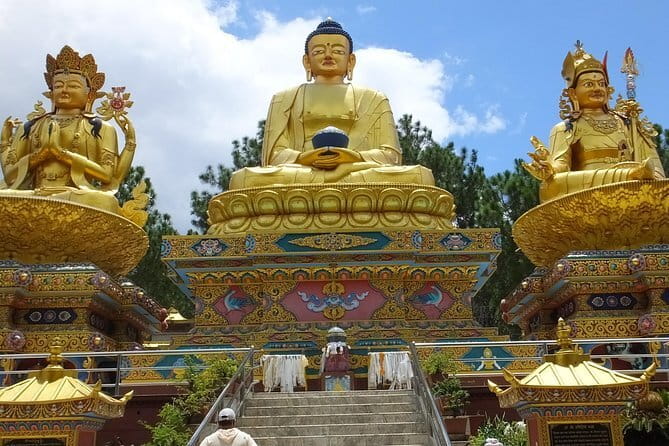
This is also one of the best moments to slow down and actually notice Sherpa life and Buddhist monastery culture. The trek isn’t only about images of Everest, it’s about communities that have hosted trekkers for decades and lived with these mountains long before most visitors arrived.
Practical tip: treat Tengboche as a “reset.” If the air feels dry or you’re breathing harder than you expected, this is a good place to refuel, drink steadily, and take your time on the return portion of the day.
Dingboche: your second acclimatization pocket
Day 5 takes you from Tengboche to Dingboche, beginning with a visit to the region’s oldest Buddhist monastery. From there the route continues through alpine woods and onward through settlements like Upper Pangboche, then past smaller villages along the way. It’s a long day, and the terrain changes, so the best strategy is consistency: keep a steady pace, don’t sprint up, and let your guide help you pace for altitude.
Day 6 is another stay-put or take-it-easy type of day. The trek description emphasizes rest because Dingboche gives you a spectacular view but also asks you to recover before the final push toward higher passes and the Base Camp approach. This day can include exploring surrounding villages and taking things at your own pace, and that flexibility is valuable because altitude affects people differently.
From a practical standpoint, these two rest-and-recovery days near Namche and Dingboche are what make the overall schedule feel workable. You still do plenty of walking, but the trek doesn’t pretend altitude is just another hill.
More Everest Base Camp treks:
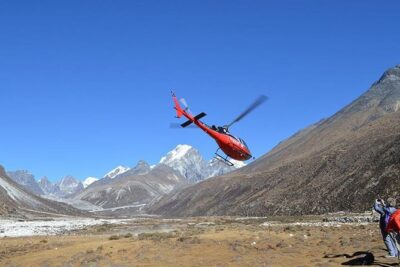
- Everest Base Camp Helicopter Tour landing at Everest View Hotel
★ 5.0 · 668 reviews - Everest Base Camp Trekking – 13 Day
★ 5.0 · 365 reviews - Everest Base Camp Trek
★ 5.0 · 350 reviews - Everest Base Camp Trek -14 Days
★ 5.0 · 321 reviews
Lobuche and the tougher walking: where grit matters
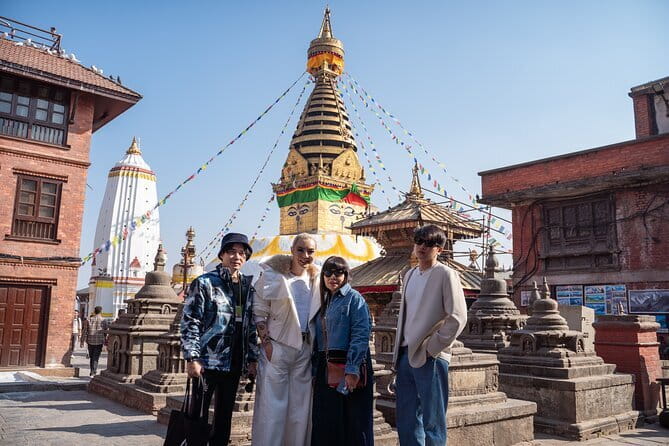
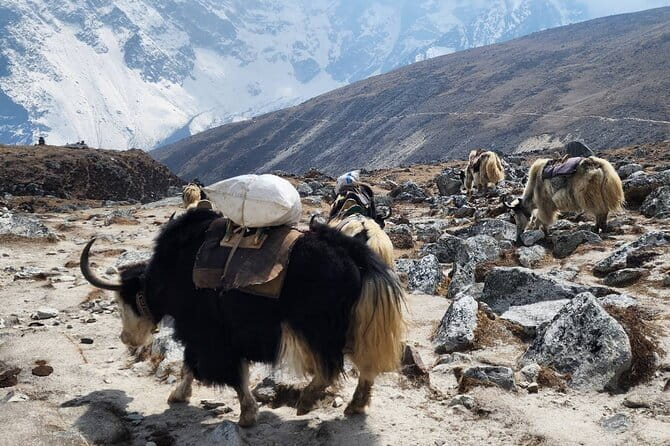
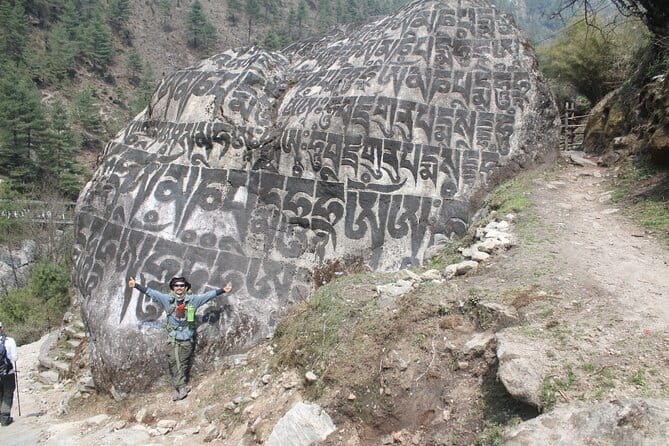
Day 7 heads toward Lobuche, beginning with a climb through the Khumbu Khola valley to Duglha. As you get closer to Dusa, the valley narrows, and the trek gets more rugged. The route is described as difficult, with massive boulders and mountain yaks passing through, which gives you a clear sense that this is not a stroll day.
This is where you’ll likely feel your legs working. The goal here is not comfort, it’s control. You want firm foot placement on rocky stretches, and you want to keep breathing calm so you’re not burning energy too fast.
If you’re carrying any gear yourself, Day 7 is a good reminder that heavy packing can become a problem later. The itinerary specifically mentions porter support earlier in traveler feedback, with porters described as strong and helpful, which is exactly what you want on days like this.
Gorakshep to Everest Base Camp: the trip’s main moment
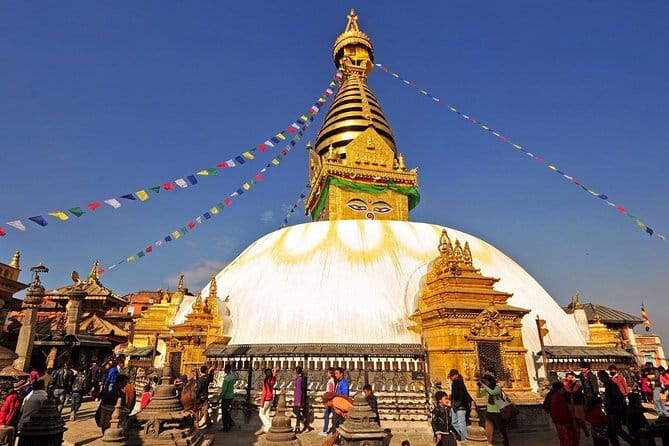
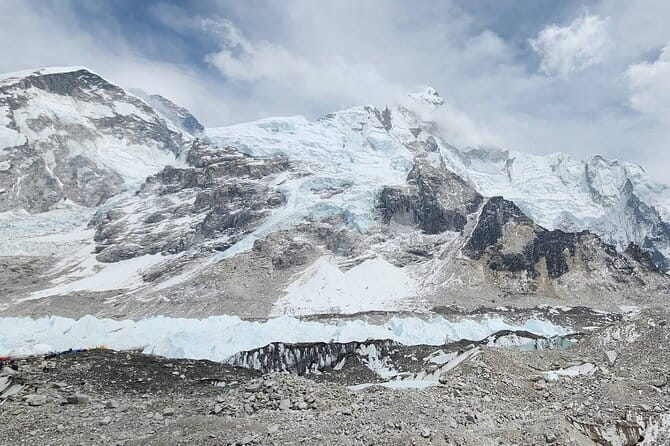
Day 8 is the big target day, and it starts with your trek to Gorakshep. The route goes along the side of the Khumbu Glacier and you pass a pyramid signpost. Then you continue onward, with an ascent area near Thangma Riju mentioned before you reach Everest Base Camp.
From Gorakshep to Everest Base Camp is short in distance terms but heavy in meaning. You’re moving from the practical high-trek world into the emotional climax of the journey. After you arrive, the description promises rewarding views of Mount Everest and other mountains around your site, and your time at Base Camp is your chance to take it all in without worrying about rushing to the next stop.
Then you do the return to Gorakshep for an overnight stay. That back-and-forth is common on this route, and it’s the part people sometimes underestimate. You’ll need energy for the return walk even though you’ve already reached the highlight spot.
Kalapatthar at dawn: the viewpoint day that shapes memories
Day 9 begins early for Kalapatthar, which is described as one of the finest viewpoints on this Everest Base Camp trekking route. The idea is simple: you get dramatic mountain views before the day warms up and visibility shifts. If you hate early starts, this is where you earn your right to be cranky later, because the morning timing is built into the experience.
After Kalapatthar, you descend back to Gorakshep and then gradually drop down toward Pheriche for your overnight stay. The itinerary frames it as a gradual descent, and that’s what you want after a higher-point morning. Your body will feel better as you lower elevation, and you’ll appreciate the chance to stretch your legs more normally again.
Day 10 keeps the return going, heading back toward Namche Bazaar. You’ll pass through Sherpa villages along the Khumbu Khola valley, including Pheriche and Ors… (the route text trails off), then continue toward Namche. This is a psychological shift day. You’re not climbing toward the unknown anymore, you’re walking home through familiar places.
Steep descent back to Lukla, then Thamel’s calmer air
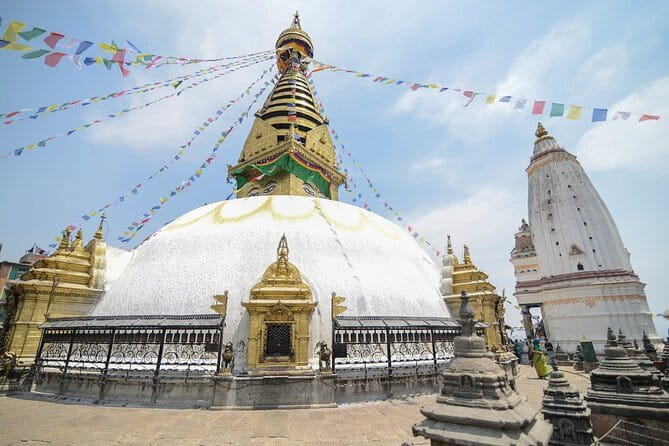
Day 11 drops steeply downward toward Phakding. The description calls out that you need to walk slowly and under control because rocky terrain can challenge shaky legs. That’s not a warning for fun, it’s a real safety note. The best way to handle descents is small steps, careful footing, and staying focused on what’s right in front of you.
You then continue to Lukla, where you stay overnight. The route also mentions forests of pine and rhododendrons, which is a nice contrast after the higher, more exposed trekking areas. Even if you’re tired, that greenery can feel like a gentle reward.
Day 12 is the wrap-up: you fly from Lukla back to Kathmandu, about 35 minutes, and you arrive at Tribhuvan International Airport. Then you’re brought to Thamel, which is a practical way to land back into normal life, with lots of food options and easy access to Kathmandu hotels.
Price and logistics: what $1,350 really buys you
At $1,350 per person, the value here comes from what’s covered, not just the headline cost. Included are round-trip flights between Kathmandu and Lukla, trekking permits and a TIMS card, an English-speaking trekking guide, guest house accommodation, and hotel pickup and drop-off. You also get a first aid kit with the guide.
You’re also getting a private trip setup, meaning only your group participates. That can matter on a route where timing and pacing can affect how the day feels, especially around viewpoint hours and recovery time. The itinerary also mentions group discounts and a mobile ticket, though the core value is still the bundled trek support.
What’s not included is personal expenses. That usually means snacks, drinks beyond included meals, extra gear, and whatever you choose to buy along the way. Because guest houses and tea houses often sell basics on-site, you’ll want to budget for water, hot drinks, and any extra comfort items that make long days easier.
If you’re comparing options, look closely at whether the plan includes flights, permits, and a guide. Those pieces can be hard to stitch together yourself on short timelines, especially if you want your permit paperwork handled smoothly.
Guides, safety rhythm, and the names you should remember
The tour emphasizes an expert English-speaking trekking guide, and it notes that most guides are Sherpas. In the traveler feedback tied to this operator, guides like Milan and Bikram come up for professionalism, kindness, and deep knowledge, with descriptions of guides planning acclimatization and keeping things organized. Other names mentioned include Bishnu, Sagar, and Sham, with notes about strong organization and supportive guidance.
That matters because Everest Base Camp is not just a route you walk, it’s a route you manage. A good guide helps you:
- pace uphill sections so you don’t gas out,
- plan acclimatization so you’re not stuck in recovery mode later,
- keep you moving safely on rocky descents,
- handle the practical stuff so you can focus on the trail.
The tour also includes a first aid kit with the guide, which is a sensible baseline for a trek like this. Nothing replaces your own common sense, but having proper support on-hand is part of what makes the whole thing feel more controlled.
Finally, the itinerary’s timing choices, like the early start to Kalapatthar and the rest days in Namche and around Dingboche, are the kind of details that separate a good trek from a chaotic one.
Who this Everest Base Camp trek fits best
This is a great match if you want the classic Everest Base Camp route from Kathmandu with a schedule that respects acclimatization. You’ll love it if you care about both sides of the trek: the views of Everest and related peaks, and the Sherpa village life in places like Namche Bazaar, Tengboche, and Dingboche.
It’s also a good choice if you want a guide who can explain what you’re seeing, including monasteries and regional culture. The itinerary’s structure gives you enough time to notice those stops rather than treating them as quick photo breaks.
This is not the best fit if you want a gentle, low-effort hike. The trek requires strong physical fitness, includes difficult terrain in sections like the route toward Lobuche, and includes a steep descent late in the trek that demands careful steps.
Should you book this 12-day Everest Base Camp trek with My Dream Adventure?
I’d recommend booking if you want a well-supported plan that includes Lukla flights, permits, and a guide, plus guest house nights and built-in recovery time. For the money, you’re paying for time saved and the structure that keeps you from making mistakes on a high-altitude route.
If you have solid fitness and you’re willing to handle rocky descents and early morning starts, this itinerary’s rhythm makes sense. If you’re unsure, focus on one thing: your ability to walk for multiple days, then descend carefully on tired legs. Everest Base Camp is doable for many people, but only if you take the training and pacing part seriously.
FAQ
FAQ
How long is the Everest Base Camp trek?
It runs for about 12 days.
What is the price per person?
The price is $1,350.00 per person.
Do I get pickup and drop-off in Kathmandu?
Yes, hotel pickup and drop-off are included.
Are flights between Kathmandu and Lukla included?
Yes, round-trip flight tickets Kathmandu to Lukla and back to Kathmandu are included.
What’s included for permits?
The trekking permit and TIMS card are included.
Will I have a guide, and will they speak English?
Yes, an English-speaking trekking guide is included.
Where will I stay during the trek?
You’ll stay in guest houses during the trek.
Is a first aid kit provided?
Yes, a first aid kit is included with the guide.
What do I need for the trekking permit?
You’ll need to provide passport details and a photo (selfie also works) to issue the trekking permit.
Is my group private?
Yes, this is listed as private, meaning only your group participates.
What is not included in the price?
Personal expenses are not included.
More day tours out of Kathmandu
- Nagarkot Sunrise View and Day Hiking from Kathmandu
★ 5.0 · 471 reviews - Private Bhaktapur and Nagarkot Day Tour From Kathmandu
★ 5.0 · 305 reviews - Day Trip to Bhaktapur and Panauti from Kathmandu
★ 5.0 · 184 reviews - From Kathmandu: 1 hour Panoramic Everest Flight
★ 4.4 · 175 reviews
Latest additions near Kathmandu
- White Water River Rafting – 1 Day★ 4.3 · 3 reviews
- Traditional Momo Making Class★ 5.0 · 10 reviews
- Kathmandu to Pokhara Premium sofa bus ticket★ 4.0 · 17 reviews
- Ghorepani Poon Hill Trek★ 5.0 · 16 reviews
- Amazing 1 Day Trekking Experience in Kathmandu Nepal★ 5.0 · 24 reviews
- Ghorepani Poonhill Trek★ 5.0 · 5 reviews
- Walking tour of real Kathmandu through back streets.★ 5.0 · 3 reviews
- Wildlife Adventure in Chitwan Nepal★ 4.0 · 4 reviews
Everest Base Camp Treks, compared.
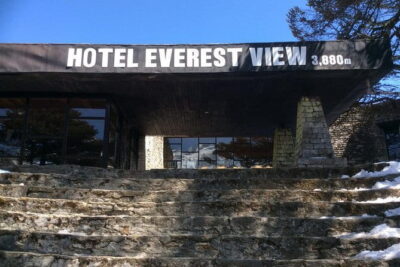
Everest Base Camp Helicopter Tour landing at Everest View Hotel
Read our review →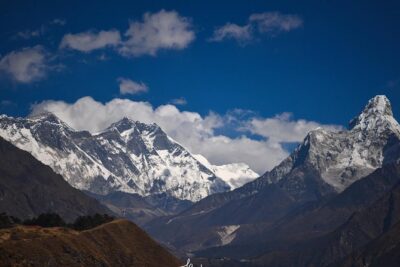
Everest Base Camp Helicopter Tour landing at Hotel Everest View
Read our review →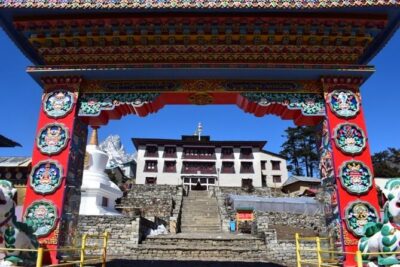
Browse the lists this tour appears in