
Reviewed · EVEREST BASE CAMP TREKS
Everest Base Camp Trek and Kathmandu Tour: 15 Days
Altitude and temples in one trip. This 15-day Everest Base Camp trek pairs big mountain days with a solid Kathmandu cultural stopover, including Swayambhunath, Pashupatinath, and Boudhanath. I like that you get both the spiritual side of Nepal and the physical payoff of the Khumbu.
Two things I really like: first, the Kathmandu Valley touring is well paced for jet lag, with time to stroll through iconic UNESCO World Heritage sites like Patan Durbar Square (entry fee not included) and the Bagmati River area near Pashupatinath. Second, the trekking plan is built around classic acclimatization and standout views, especially the push to Kala Patthar (5,644m) and the morning sunrise option near Pheriche, plus an emphasis on experienced mountain leadership I’ve seen highlighted by name (for example, Mr. Rajan).
One consideration before you book: the trek is not hands-off. You are responsible for bringing your own trekking equipment, and you should also budget for items not included like Nepal’s visa, travel insurance, and Kathmandu UNESCO site entrance fees (listed as about $20 per person).
In This Review
- Key things worth knowing before you go
- Kathmandu UNESCO sites, then right into Khumbu mode
- The Lukla flight, the first trek day, and the reality of Day 3
- Namche Bazaar: bridges, woods, and an essential rest day
- Tengboche and monastery time, with Mt. Everest in the background
- Dingboche to Lobuche: memorial stupas and steeper seriousness
- Gorak Shep and Everest Base Camp, then the Kala Patthar push
- Heading down: Dudh Koshi River crossings back to Namche
- Back to Kathmandu: early flight, hotel time, and farewell dinner
- Price and value: what $1,799 covers and what you still pay for
- Who should book, and who should reconsider
- Should you book this Everest Base Camp trek plus Kathmandu tour?
- FAQ
- What flights are included for getting to Lukla?
- Are Everest permits included?
- How many nights are spent in Kathmandu, and what’s included there?
- Do I need to pay UNESCO entrance fees in Kathmandu?
- Is travel insurance included?
- Will you provide trekking equipment?
- How does the porter service work?
Key things worth knowing before you go
- Kathmandu temples before the mountains: You start with Swayambhunath, Patan Durbar Square, Pashupatinath, and Boudhanath so you land and immediately get the Nepal story.
- Lukla flights from Kathmandu or Ramechhap: Expect a famously dramatic mountain landing as you switch from city life to the trail.
- Acclimatization built in: You get rest in Namche Bazaar and a second sunrise-style morning around Pheriche, which helps you pace altitude.
- Kala Patthar is the big visual goal: The plan explicitly targets the 5,644m summit viewpoint for close-up Himalayan drama.
- Smaller group size: Maximum of 15 travelers, which tends to make logistics smoother on a trek.
- Porter support for shared baggage: For every two guests, you get one porter, so you are not hauling everything personally.
Kathmandu UNESCO sites, then right into Khumbu mode
Day 1 is straightforward and practical. After landing at Tribhuvan International Airport, you’ll be met and transferred to your hotel in Kathmandu, with time to check in, freshen up, and recover from travel. This matters because Day 2 is full-on sightseeing, not museum time.
Day 2 is your Kathmandu Valley UNESCO sampler. You begin at Swayambhunath, also called the Monkey Temple, where you can wander among stupas and viewpoints. Next comes Patan Durbar Square, known for fine arts and packed with temples and monuments. Entry for Patan Durbar Square is noted as not included, so plan on paying there or covering the overall UNESCO fee budget later.
Then you head to Pashupatinath Temple, dedicated to Lord Shiva. The Bagmati River runs nearby, and the program specifically includes the chance to see Hindu open cremation ceremonies on the river bank. If you’ve never witnessed a ritual like that before, go slowly. Watch with respect, keep your distance, and remember this is daily life, not a performance.
Finally, you visit Boudhanath Stupa, described as Nepal’s biggest Buddhist temple and the second biggest in the world. Even if you don’t do anything but walk the stupa perimeter, it’s the kind of place where time feels different. You can also use this day to sort your trekking readiness: confirm your gear is in order, organize layers for temperature swings, and get your mindset switched from city pace to mountain pace.
What I’d tell you here: if Kathmandu is your first taste of Nepal, this ordering is smart. You get orientation, culture, and visual icons before you commit to altitude.
More Treks in Kathmandu
- Everest Base Camp Trek – 14 Days
★ 5.0 · 1,499 reviews - Everest Base Camp Trek
★ 5.0 · 842 reviews - Everest Base Camp Trekking
★ 5.0 · 485 reviews
The Lukla flight, the first trek day, and the reality of Day 3
On Day 3, the trip changes gear. You fly from Kathmandu or Ramechhap to Lukla, then start trekking toward Manjo from Lukla. The flight itself is described as a roller-coaster style mountain flight with a dramatic landing, which is exactly why this part of the program feels like a threshold. One moment you’re thinking about traffic and hotel keys, the next you’re stepping toward the trail.
Practically, keep your expectations simple on this first trek day. You are not trying to crush distance. You’re trying to settle into the rhythm: a steady walk, short breaks, and a body that slowly starts to accept the higher elevation.
There’s another logistics win here. Flights are included in the price package, so you’re not hunting schedules or managing transfers with multiple moving parts on your own. That matters when you’re headed for a trek where a late arrival can ripple through everything else.
Namche Bazaar: bridges, woods, and an essential rest day
Day 4 brings your first big walking segment toward Namche Bazaar. You’ll trek from Manju to Namche, crossing bridges along the way, and you’ll move through forests described as full of rhododendron, magnolia, and colossal firs. This is more than scenery. The forest section gives you cooler air and a gentler mental transition from the sharpness of the lower terrain.
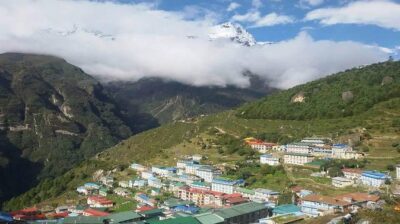
Arriving in Namche is the moment when most people feel the altitude shift. This is why Day 5 is a rest and acclimatization day. The plan gives you that cushion so you can adjust rather than pushing immediately onward. Namche is described as flourishing and set in a bowl-shaped region, which helps explain why it feels like a hub even though you still feel remote.
Use your Namche day well. If you can do a short morning hike and then take a real afternoon recovery, you’ll likely enjoy the rest of the trek more. You’re also in a good position to handle anything you forgot earlier, since Namche is where the mountain trek culture becomes real: checking supplies, watching weather patterns, and getting a sense of what the days ahead will demand.
The value of this structure is big. Altitude punishes impatience. A built-in rest day is not a luxury. It’s part of how you reduce the odds of feeling wrecked later.
Tengboche and monastery time, with Mt. Everest in the background
Day 6 heads toward Tengboche. The plan notes that the trek to Phunki is an easier walk, then you climb toward Tengboche village. One of the main attractions here is the famous Tengboche monastery, described as the biggest monastery in the Everest region. This is the kind of stop that gives your trek a rhythm. After hours of walking, you shift into quiet and observation, and you take in the mountain views without the pressure of keeping moving.
If you’re the type who loves architecture and sacred spaces, you’ll appreciate this stop. Even if you’re not, you still get something valuable: a calm pause with a panoramic framing of the Himalaya.
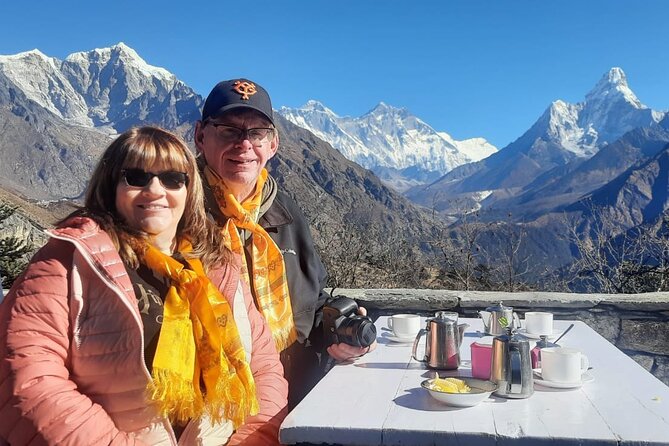
Then Day 7 is all about scenic payoff. You move toward Dingboche, passing through birch forests and rhododendron trees. This day includes views of Mt. Everest, Lhotse, and Ama Dablam. These are not random glimpses. You’ll notice how the skyline changes as you go higher. That’s when the Everest story stops being a photo in your phone and becomes a line you can track through the day.
Day 7 also includes descending as you walk between stops, which helps you balance effort across the altitude climb. It’s a reminder that the trail is not only going up. It’s a sequence of climbs and controlled dips that keep your legs working but not always in “always uphill” mode.
More Everest Base Camp treks:
- Everest Base Camp Helicopter Tour landing at Everest View Hotel
★ 5.0 · 668 reviews - Everest Base Camp Trekking – 13 Day
★ 5.0 · 365 reviews - Everest Base Camp Trek
★ 5.0 · 350 reviews - Everest Base Camp Trek -14 Days
★ 5.0 · 321 reviews
Dingboche to Lobuche: memorial stupas and steeper seriousness
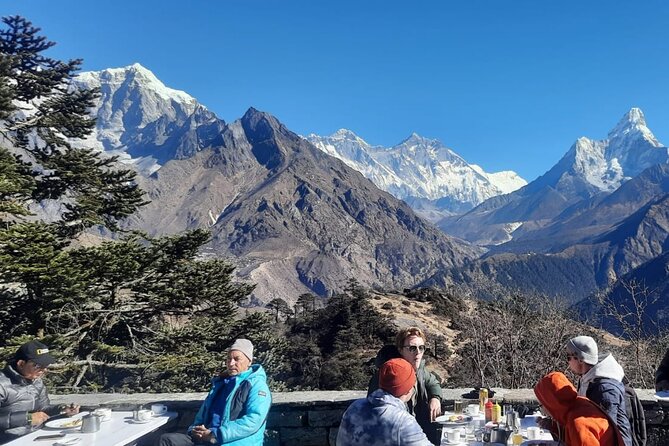
Day 8 takes you to Lobuche and makes the challenge feel real. The description specifically warns that from here on, the Everest Base Camp trek becomes more challenging due to higher altitude. You’ll pass Dungla after a hard, sheer walk to a steep hill. One of the key features of this section is the memorial stupas you can observe.
That sounds simple, but it’s emotionally heavy in a way that’s hard to explain until you’re there. The Khumbu region carries the cost of attempting high altitude, and these memorials are part of how the trail teaches respect. You’re still walking through dramatic scenery, but the meaning shifts too.
If you’re prone to pushing yourself too hard, this is a good day to slow down. Take breaks before you feel out of breath, drink water consistently, and keep your pace steady.
Gorak Shep and Everest Base Camp, then the Kala Patthar push
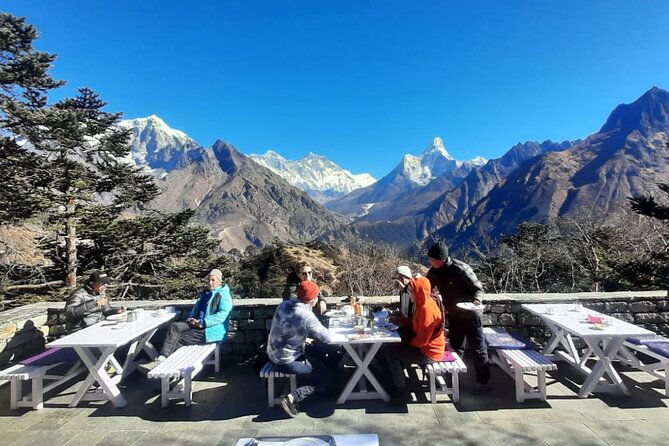
Day 9 brings you toward Gorak Shep and continues your ascent and descent on glacier paths and rough terrain. The program notes lots of meandering over rough ground, which is a heads-up that this part of the trek is less about smooth hiking and more about careful foot placement.
Day 10 focuses on Everest Base Camp, and it’s also when the trek emphasizes the steep but worthwhile climb toward Kala Patthar. The plan describes walking a fairly steep trail at a comfortable pace to reach Kala Patthar, with outstanding views as you ascend. Kala Patthar is highlighted as a key summit viewpoint around 5,644m, and this is where many people feel they’ve earned their Everest moment.
Here’s the practical reality: your schedule might be demanding, but the viewpoint reward is the point. From Kala Patthar, you get close perspectives of the surrounding Himalayan range, and the experience is tied directly to Sagarmatha National Park and the Khumbu glacier and icefall area mentioned in the program overview. Even if you don’t go into technical details on the glacier itself, you’re walking in the area where those features define the region.
Day 11 is another twist: Pheriche is your next stop area, and the plan suggests a morning hike to Kala Patthar to watch sunrise. You’re told the sun rises from behind the Mount Everest massif, making peaks appear golden. Even if you don’t care about “golden peaks” language, you should care about the weather and light timing this hike forces. You’ll likely remember the contrast: cold darkness giving way to a mountain skyline that looks totally new as the sun climbs.
Heading down: Dudh Koshi River crossings back to Namche
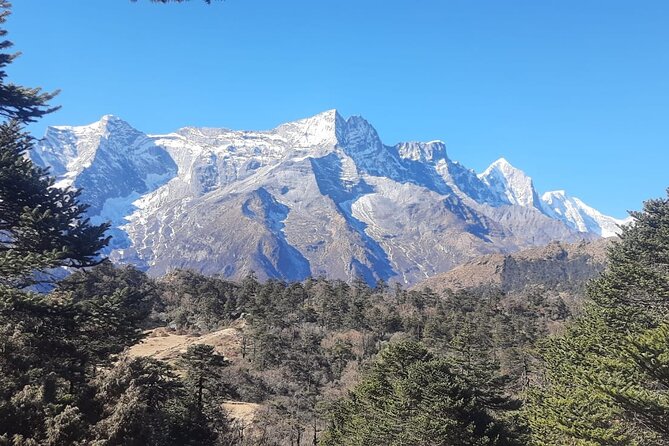
Day 12 starts your return. The plan describes walking on a trail with many ups and downs, losing nearly 2,000 feet in altitude. You’ll cross a bridge over the Dudh Koshi River and descend through rhododendron areas.
This is a key mental shift day. Going down can feel easier at first, but it’s hard on knees. Take short steps, use steady pacing, and don’t rush. The program’s inclusion of a big descent chunk also means you should keep your hydration up. Cold days trick you into under-drinking, and dehydration can make knee pain and fatigue feel worse.
Day 13 takes you onward to Lukla. The description notes descending on a rocky path, crossing many suspension bridges, and walking on a surfaced path afterward. You’ll feel warmer air as you come lower, which is one of those small changes that feels huge after days of cold. The goal is to arrive with enough energy for the flight day to Kathmandu.
Back to Kathmandu: early flight, hotel time, and farewell dinner
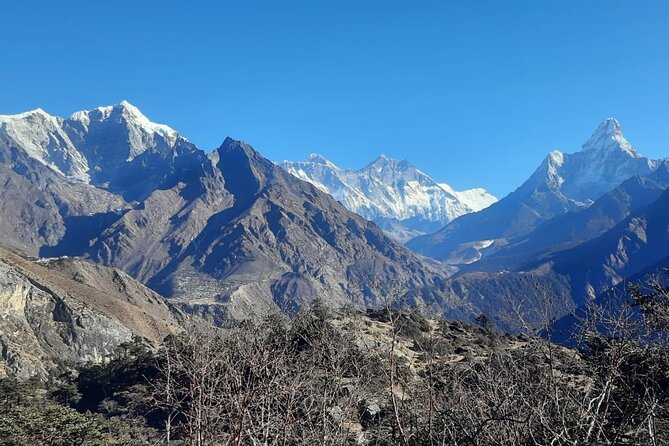
Day 14 is an early morning flight from Lukla back to Kathmandu. Then you’ll be escorted to your hotel, with the rest of the day free enough to explore around Kathmandu if you have remaining time. The program includes a farewell dinner, which is a nice reset. You can finally eat at a normal pace and talk through what you saw, what surprised you, and what you’d change if you did it again.
Day 15 wraps up. You’ll be dropped off at the airport, with instructions to arrive at least 3 hours before your flight. This is the kind of practical buffer that keeps your final day calm instead of stressful.
Price and value: what $1,799 covers and what you still pay for
At $1,799 per person for about 15 days, this is priced like a real small-group trek package, not a basic “figure it out” plan. The value comes from the things that are often the most painful to organize:
- Flights from Kathmandu or Ramechhap to Lukla and back are included.
- An Everest National Park permit is included.
- You get a licensed trek guide and a porter system (1 porter for every 2 guests).
- Kathmandu includes 3 nights hotel with breakfast plus a Kathmandu UNESCO World Heritage sites tour.
- Meals are mostly handled during the trek period, with breakfast (13), lunch (11), and dinner (11) listed in the inclusions.
- Airport arrival and departure are included.
The extra costs are important to budget so nothing feels like a surprise. Not included:
- Nepal visa
- Travel insurance
- Trekking equipment
- Kathmandu UNESCO site entrance fees, listed as $20.00 per person
- Alcoholic beverages, with the note that drinks other than a cup of tea per day are not included
If you are price-shopping, compare not only the total number but also what removes headaches. With a trek, the time you save and the confusion you avoid can be worth a lot.
One more value detail: the maximum group size is 15 travelers. That’s small enough that coordination tends to feel more human on a route like this.
Who should book, and who should reconsider
This trek makes the most sense if you:
- Have moderate physical fitness, and you’re okay with a multi-day climb at altitude.
- Want a structured plan with acclimatization stops in Namche Bazaar and a sunrise-style morning near Pheriche.
- Appreciate a mix of culture and nature, not just “walk, sleep, repeat.”
It may be less suitable if you:
- Hate cold mornings or steep walking days.
- Expect the trek to provide everything, because you are told to bring your own trekking equipment.
- Don’t want any additional spending beyond the listed price, since visa, insurance, UNESCO entrance fees, and alcohol are not included.
Also, be aware the experience requires good weather. If conditions are poor, the program can be moved to another date or refunded, depending on the situation.
Should you book this Everest Base Camp trek plus Kathmandu tour?
I’d recommend booking if you want the classic Everest Base Camp rhythm, but you also want your first days in Nepal to feel meaningful and not rushed. The combination of Kathmandu UNESCO touring and a trek that targets Kala Patthar (5,644m) gives you both context and payoff.
If you are the kind of traveler who likes clear logistics, this package fits. Flights, permits, guide, porter support, and Kathmandu hotel time are all included in the core offer. You still need to bring your trekking equipment and handle insurance and visa, so read that part closely before you decide.
One last gut-check: if you’re confident you can handle altitude carefully and follow pacing, you’re likely to get a trip that feels earned, not just photographed.
FAQ
What flights are included for getting to Lukla?
The package includes flight tickets from Kathmandu or Ramechhap to Lukla and the return flight back to Kathmandu. Airport arrival and departure are also included.
Are Everest permits included?
Yes. An Everest National Park permit is included.
How many nights are spent in Kathmandu, and what’s included there?
You get 3 nights in Kathmandu with breakfast. You also have a Kathmandu UNESCO World Heritage Sites tour.
Do I need to pay UNESCO entrance fees in Kathmandu?
Yes. Kathmandu UNESCO World Heritage Sites entrance fees are not included, listed as $20.00 per person.
Is travel insurance included?
No. Travel insurance is not included.
Will you provide trekking equipment?
No. Trekking equipment is not included, and you are required to bring your own trekking equipment.
How does the porter service work?
A porter is included to carry your baggage, with a ratio of 1 porter for 2 guests.
Latest additions near Kathmandu
- White Water River Rafting – 1 Day★ 4.3 · 3 reviews
- Traditional Momo Making Class★ 5.0 · 10 reviews
- Kathmandu to Pokhara Premium sofa bus ticket★ 4.0 · 17 reviews
- Ghorepani Poon Hill Trek★ 5.0 · 16 reviews
- Amazing 1 Day Trekking Experience in Kathmandu Nepal★ 5.0 · 24 reviews
- Ghorepani Poonhill Trek★ 5.0 · 5 reviews
- Walking tour of real Kathmandu through back streets.★ 5.0 · 3 reviews
- Wildlife Adventure in Chitwan Nepal★ 4.0 · 4 reviews
Everest Base Camp Treks, compared.
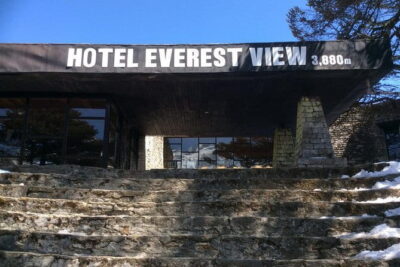
Everest Base Camp Helicopter Tour landing at Everest View Hotel
Read our review →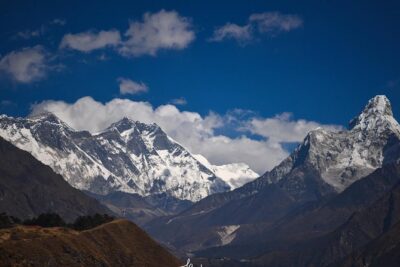
Everest Base Camp Helicopter Tour landing at Hotel Everest View
Read our review →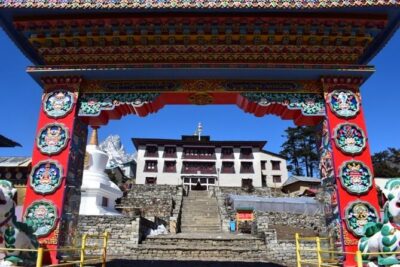
Browse the lists this tour appears in