
Reviewed · EVEREST BASE CAMP TREKS
Everest Base Camp Trek
Everest feels close on this trek. You fly into Lukla, then hike through Sagarmatha National Park past Sherpa villages and monasteries toward the base of Mt. Everest in a classic, hard-earned way.
What I love most is that the package bundles real support and real food: an English-speaking guide plus porters, plus 3 meals a day with hot drinks during the trek, and Kathmandu lodging in a 3-star hotel with breakfast. One consideration: Lukla flights can delay or cancel, and you are not covered for costs tied to those cancellations, so build in a bit of breathing room.
In This Review
- Key things to know before you go
- Kathmandu first, then straight to the mountains
- The Lukla flight: iconic, and weather-sensitive
- Trekking through Sagarmatha National Park and Sherpa life
- How the guide and porters change your day
- Lodges, sharing bathrooms, and the reality of comfort
- Meals that keep you moving, plus what you still need to budget
- Altitude, pacing, and why a 15-day window helps
- Value for $2,500: what you’re really paying for
- A private trek with real human support
- Who should book this Everest Base Camp trek
- Should you book this Everest Base Camp trek?
- FAQ
- Is the Nepal visa included?
- Does the tour include flights to Lukla?
- Where do I meet the group?
- What kind of accommodation do I get on the trek?
- Are meals included?
- Does the tour include a guide and porters?
- What about transfers in Nepal?
- Is this a private trip?
- What should I do if my Lukla flight is delayed or canceled?
- Are cancellations refundable?
- Do I need travel insurance?
Key things to know before you go
- Lukla flights run in the morning to beat weather, and delays are still possible
- Local lodges are the norm, with standard rooms and sharing bathroom setups
- Your guide and porters are the difference on summit days, creaky legs, and slowdowns
- You hike through Sherpa settlements and monasteries, not just scenery
- Meals are included on trek days, but Kathmandu lunch and dinner are not
- A private group setup means the pace can be managed for your needs
Kathmandu first, then straight to the mountains
Kathmandu is not just a place to wait. It’s part of the lead-in to the trek, with time to explore before you head for Lukla. You also get 3 nights in a 3-star hotel on twin sharing with breakfast, which matters because you’ll arrive in the country with jet lag, dust, and big excitement. A solid hotel breakfast is a surprisingly useful training tool.
What I like about this start is that it sets a calmer tone. You’re not immediately thrown into high altitude. You get a chance to sort your gear, ask your guide questions, and get your bearings fast. I’ve also seen clients highlight that good pre-trek help can make a huge difference. In these notes, Anuj comes up as a key point of contact who responded with clear information and a straightforward attitude. That kind of upfront clarity helps you pack smarter and reduces last-minute stress.
You’ll still have to be ready for the next leap: the flight to Lukla. That part is the real pivot.
More Treks in Kathmandu
- Everest Base Camp Trek – 14 Days
★ 5.0 · 1,499 reviews - Everest Base Camp Trek
★ 5.0 · 842 reviews - Everest Base Camp Trekking
★ 5.0 · 485 reviews
The Lukla flight: iconic, and weather-sensitive
Most Everest Base Camp trekkers start with a flight to Lukla. The altitude there is around 2845 to 2860m, right on the edge of the Himalaya’s big weather system. The practical implication is simple: airlines tend to run flights in the morning to improve the odds.
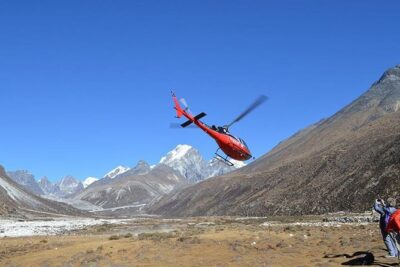
Here’s the catch. Weather in Nepal can ruin schedules even in the best season. The trek operator can try to reschedule a delayed flight, and they may suggest keeping buffer days in your itinerary. They also mention that if flights are canceled for longer than a short window, you might be offered alternative trekking regions like Annapurna, Langtang, or Upper Mustang, since those are accessible by road. If you want to stick to Everest no matter what, they can arrange a helicopter flight to and from Lukla for a supplement charge, depending on availability.
So, how should you treat this as a smart traveler? Don’t assume your timeline is untouchable. Pack flexible expectations. Keep your most important items on hand, because delays can change what you do and when. And because the package states that they can’t refund or cover expenses tied to flight cancellation before or after the trek, you’ll want to plan your non-refundable costs with care.
If you’re the type who hates uncertainty, this part can feel like a stress test. If you’re okay with a little flexibility, it becomes part of the Everest experience, not a dealbreaker.
Trekking through Sagarmatha National Park and Sherpa life
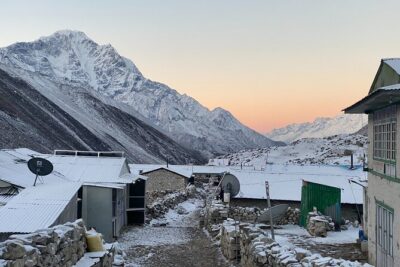
Once you reach Lukla, your route takes you through the Everest region inside Sagarmatha National Park. This is not just a walk with mountain backdrops. It’s a trail system shaped by people who live at altitude and keep traditions alive, with Sherpa settlements and monasteries along the way.
This is one of the big reasons Everest Base Camp remains so iconic. You don’t only chase views of the big names: Mt. Everest, Mt. Lhotse, Mt. Cho Oyu, and Mt. Ama Dablam show up as your perspective shifts day by day. But you also get the slower, human side of the region. You’ll move through communities where daily life has adapted to thin air, cold nights, and long winters.
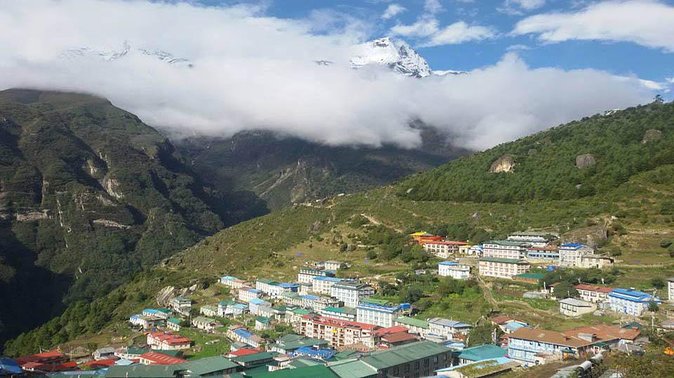
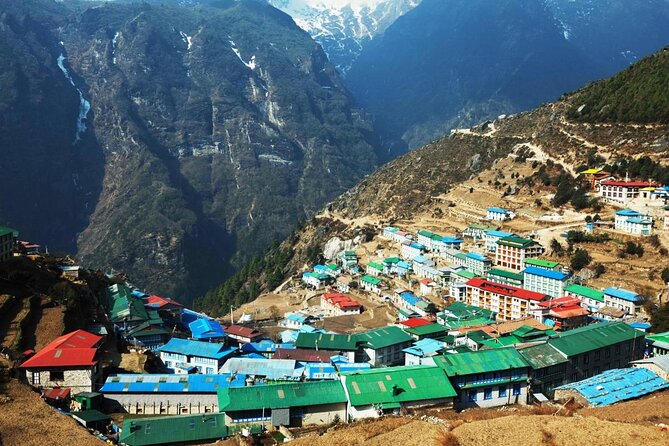
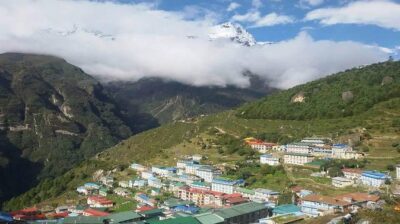
In the notes from past trekkers, Namche Bazaar shows up as a memorable stop. That makes sense. It’s often a place where the trail starts to feel like a real village, not just a route. You’ll see more travelers, more gear, more conversation, and more chances to understand how people manage altitude and pacing.
What should you watch for on trail days? Two things, mostly:
1) Fatigue management: the trail can be relentless, even when it’s not technical. The climbs stack up.
2) Slow down early: if you sprint in the first days, your body can pay you back later.
This is where a good guide matters, and this operator repeatedly gets credit for exactly that kind of practical leadership.
How the guide and porters change your day
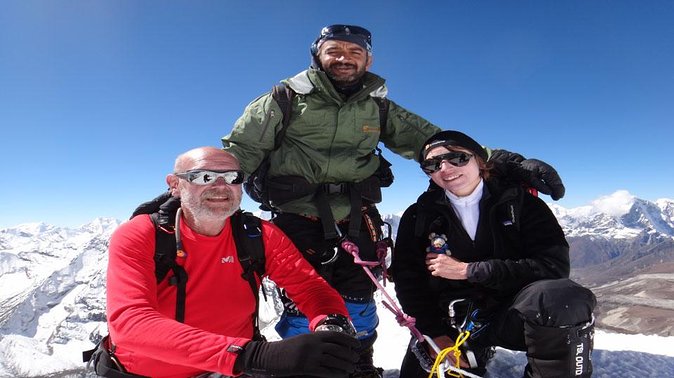
A trek to Everest Base Camp is often described like a personal challenge. True. But the people you travel with shape how hard it feels. This package includes an English-speaking local expert guide and porters.
From the review highlights you shared, certain names come through again and again. Bal gets praised for professionalism and patience, described as calm even when the trek gets demanding. Sabin Khadka appears in notes from private treks, where support helped a multigenerational group stay on track. Raju is mentioned by older trekkers, including a group of 69-year-old women who appreciated extra attention while still reaching Base Camp and back on time. Gelu gets credit for being courteous and prepared, explaining things along the way. And in one set of notes, porters Tek and Som are specifically recognized, not as background help, but as true partners.
That porter recognition is important. Porters carry more than bags. They carry time. When you’re tired, having your day bag handled for you, or simply knowing your load is lighter, can be the difference between gritting your teeth and feeling in control.
You’ll also care about staff experience because Everest region weather can turn fast. One of the strongest recurring themes is that guides know how to respond when conditions shift. If skies open up, they know when to push for the right viewpoint window. If weather closes in, they help you keep your day sensible.
And yes, emergencies can happen anywhere in the mountains. What’s included here is support and logistics, but it’s still on you to have insurance, since medical expenses and emergency evacuation costs are not covered.
More Everest Base Camp treks:
- Everest Base Camp Helicopter Tour landing at Everest View Hotel
★ 5.0 · 668 reviews - Everest Base Camp Trekking – 13 Day
★ 5.0 · 365 reviews - Everest Base Camp Trek
★ 5.0 · 350 reviews - Everest Base Camp Trek -14 Days
★ 5.0 · 321 reviews
Lodges, sharing bathrooms, and the reality of comfort
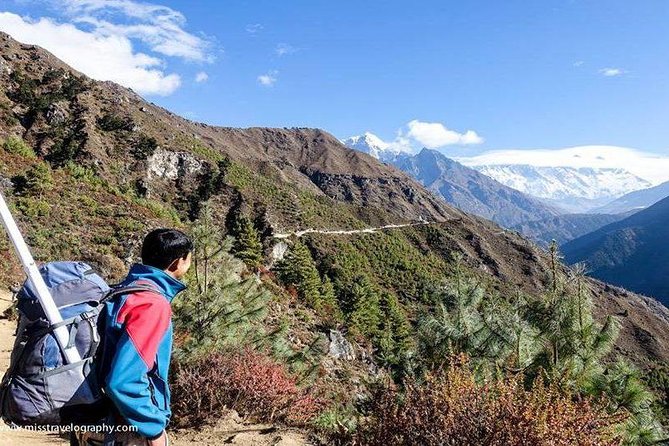
The trekking accommodations are local lodge style, standard rooms with a sharing bathroom. That is normal for this region and for this price point, but it’s good to say it plainly.
What does this mean for you?
- You should expect simple, clean basics rather than hotel comfort.
- Warm showers are not guaranteed, and you might have cold water or limited facilities.
- Bathrooms will be shared, so plan on basic hygiene routines and quick turnaround.
The upside of lodges is that you get a dependable base for each day. You’re not pitching tents in the dark. You also get included meals and hot drinks, which are key on cold evenings. In many EBC treks, people underestimate how much they’ll care about warm liquid. When you’re moving at altitude, hot drinks can feel like a reset button.
Also remember: your room is not the goal. Your legs and your acclimatization are. Sleep is useful, but the bigger factor is how you manage your energy.
Meals that keep you moving, plus what you still need to budget
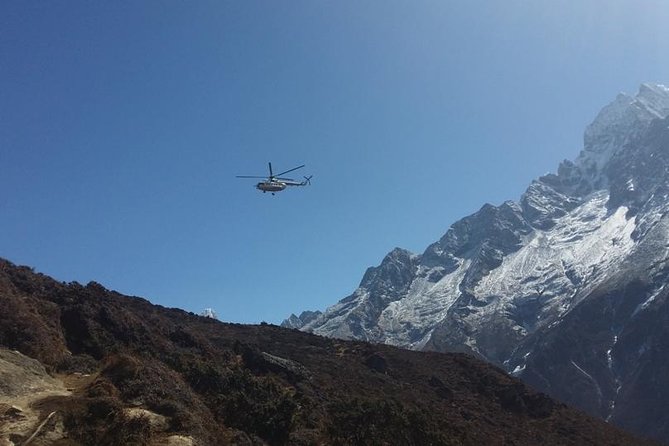
The package includes 3 course meals with hot drinks on trek days: breakfast, lunch, and dinner. That’s a real value win, because trekking in Nepal can get expensive fast once you start adding drinks, snacks, and random extras.
However, it’s not completely meal-free. Lunch and dinner in Kathmandu are not included. During the trek, you may still choose extra snacks, table drinks, or other walking-day treats, but those are not covered.
A smart approach: plan your Kathmandu meals as a separate line item, then treat the trek meals as your base nutrition plan. If you want extra comfort, add it yourself with cash or card where available, but don’t assume it’s part of the deal.
One more thing that matters: your appetite can drop at altitude. If that happens, focus on eating what you can, even if it’s smaller portions. The included meals are there to make sure you’re not constantly hunting food.
Altitude, pacing, and why a 15-day window helps
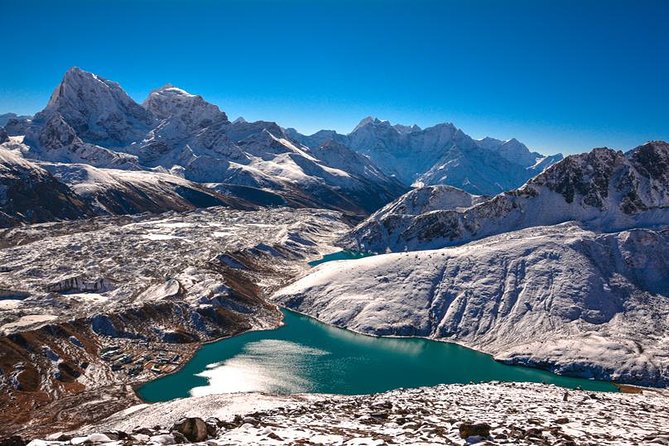
This trek is listed at about 15 days. For a route that reaches very high elevations, that duration helps you avoid trying to brute-force everything in too short a time.
Altitude is not just a number on a page. It changes how you sleep, how you breathe, how fast you recover, and how quickly you get tired. So you’ll want a plan that respects the slow grind. In practice, that means:
- You pace steadily, not emotionally.
- You take rests when offered, even if you feel okay.
- You tell your guide early if something feels off.
The operator’s private tour format can also help here. Since it’s private, only your group participates, and the guide has more flexibility to respond to your specific needs, rather than managing a big mixed group.
If you have a moderate fitness level, this trek is designed for that. But moderate does not mean easy. You’ll still be hiking uphill and dealing with cold nights and sore legs. Think of it as sustained effort with good support, not as a casual walk.
Value for $2,500: what you’re really paying for
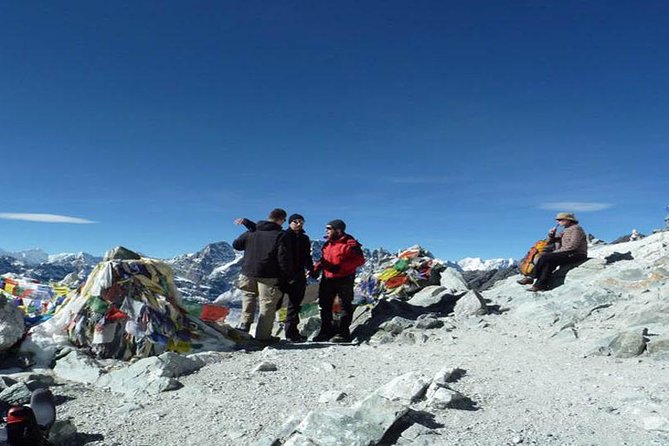
At $2,500 per person, you’re paying for more than a trail. A big chunk of the price covers the moving parts that are hard to DIY in Nepal: Kathmandu to Lukla to Kathmandu airfare, the in-country hotel nights, lodge accommodations during the trek, meals with hot drinks, plus an English-speaking guide and porters.
You’re also paying for systems that help reduce chaos. The package includes Trekkers’ Information Management System fees, and it includes all surface transfers as per the itinerary.
What you are not paying for is also clear:
- Nepal visa: multiple entry 30 days for USD 40
- Lunch and dinner in Kathmandu
- Table drinks, snacks while walking
- Insurance and medical expenses
- Any emergency evacuation or road block costs
Here’s how I’d frame the value for you. If you compare this kind of trip to hiring a guide plus porters separately, and buying the flights plus arranging hotels plus building the schedule yourself, the package often looks more reasonable. You’re buying time and fewer mistakes.
Where it gets tricky is the Lukla weather issue. Because flight cancellations can delay the start or the end of your trek, you might face extra costs not covered by the package. That’s not unique to this operator, but it’s a real part of budgeting for Everest.
A private trek with real human support
This is a private tour/activity, meaning only your group participates. For Everest Base Camp, private can be more than a comfort perk. It can affect how pacing and support work, especially if you’re traveling as a couple, a family with different abilities, or a group of friends with a shared style.
The reviews you shared put strong weight on how well people feel taken care of. Several notes mention a VIP-like arrival and smooth handling after landing in Kathmandu. Others highlight guides who answer questions honestly before you go, and porters who step in when the trek stops being fun.
There’s also a theme around staying calm in rough moments. That matters because Everest region trekking is mentally heavy. If you twist an ankle, if weather changes, or if you fall behind, your attitude and your team’s attitude become the real survival gear.
If you want a trek where you’re not constantly managing logistics and translation, this private setup fits.
Who should book this Everest Base Camp trek
You’ll likely love this trek if you:
- Want the classic Everest Base Camp route and want it organized start to finish
- Prefer English-speaking guidance and porter support rather than DIY
- Are comfortable with lodge stays and sharing bathrooms
- Can handle the reality of weather-related Lukla flight changes
You should think twice if you:
- Cannot tolerate schedule uncertainty at all
- Expect hotel-style comfort in the mountains
- Don’t have travel insurance that covers trekking and altitude-related medical needs
Also, if you’re older or traveling with family members who want extra attention, the review highlights suggest the operator can support that with planning and pacing.
Should you book this Everest Base Camp trek?
If your top priority is a guided, structured Everest Base Camp trek with included flights, meals, lodge stays, and strong human support, this is a solid choice. The price includes the hard-to-manage parts, and the guide and porter praise in your notes tells me the team focuses on real day-to-day needs, not just selling the dream.
My one caution for you is the Lukla flight risk. If you can build flexibility, you’ll feel much better about this trek. If your dates are locked and your non-refundable costs are fragile, you might feel the stress more than you’d like.
If you want, tell me your travel month and your fitness background, and I’ll help you sanity-check how much buffer time to plan and what to prioritize when packing.
FAQ
Is the Nepal visa included?
No. The Nepal visa is not included. The package notes a Multiple Entrée 30 days visa for USD 40.
Does the tour include flights to Lukla?
Yes. Kathmandu to Lukla and back to Kathmandu airfare is included.
Where do I meet the group?
The start is at Tribhuvan Airport, Kathmandu, Nepal. The activity ends back at the meeting point.
What kind of accommodation do I get on the trek?
You stay in local lodges with standard rooms and sharing bathrooms.
Are meals included?
Yes. During the trek you get 3 course meals with hot drinks for breakfast, lunch, and dinner. Lunch and dinner in Kathmandu are not included.
Does the tour include a guide and porters?
Yes. The package includes an English-speaking local expert guide and porters.
What about transfers in Nepal?
All surface transfers are included as per the itinerary.
Is this a private trip?
Yes. It is a private tour/activity, so only your group participates.
What should I do if my Lukla flight is delayed or canceled?
The information says flights may be delayed or canceled due to weather. The operator will try to schedule the next flight. They also suggest keeping buffer days. If flights are canceled longer, alternative trekking options may be offered, or a helicopter flight can be arranged for an extra supplement charge.
Are cancellations refundable?
The experience offers free cancellation. You can cancel up to 24 hours in advance for a full refund, and cancellations within 24 hours are not refunded. Cut-off times use local time.
Do I need travel insurance?
Yes. Insurance and medical expenses are not included in the package.
Latest additions near Kathmandu
- White Water River Rafting – 1 Day★ 4.3 · 3 reviews
- Traditional Momo Making Class★ 5.0 · 10 reviews
- Kathmandu to Pokhara Premium sofa bus ticket★ 4.0 · 17 reviews
- Ghorepani Poon Hill Trek★ 5.0 · 16 reviews
- Amazing 1 Day Trekking Experience in Kathmandu Nepal★ 5.0 · 24 reviews
- Ghorepani Poonhill Trek★ 5.0 · 5 reviews
- Walking tour of real Kathmandu through back streets.★ 5.0 · 3 reviews
- Wildlife Adventure in Chitwan Nepal★ 4.0 · 4 reviews
Everest Base Camp Treks, compared.
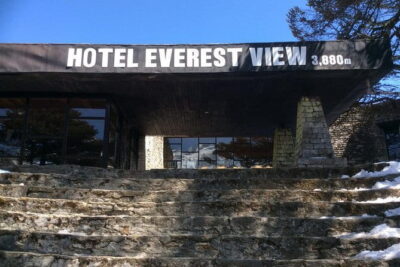
Everest Base Camp Helicopter Tour landing at Everest View Hotel
Read our review →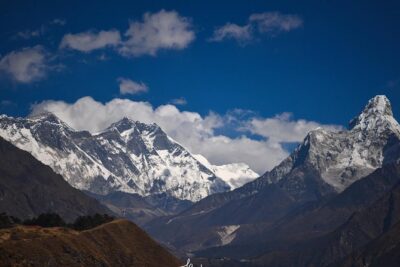
Everest Base Camp Helicopter Tour landing at Hotel Everest View
Read our review →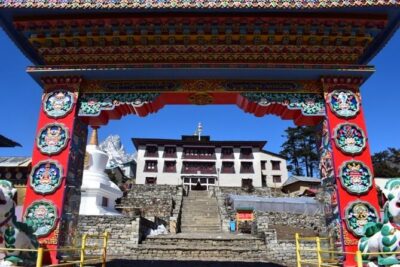
Browse the lists this tour appears in