
Reviewed · EVEREST BASE CAMP TREKS
Everest Base Camp Trek
Everest starts with a single flight. This Everest Base Camp trek is built around one goal, getting you to the Khumbu with a licensed guide who handles the logistics while you focus on walking, altitude, and the everyday Sherpa rhythm along the way.
What I like most is that permits and route logistics are handled for you, including the Sagarmatha National Park steps you’ll complete at Monjo. I also like the practical approach to the mountains, especially altitude support with an oxymeter check and the included down jacket and sleeping bag (so you do not have to overspend on gear before you go).
The main drawback to plan for is the reality of the trek itself: high altitude and rugged terrain demand real preparation, and travel insurance for helicopter evacuation while trekking is not included. If that matters to you, sort it out before you book.
In This Review
- Key points to know before you go
- Kathmandu arrival, real-world comfort before the climb
- The Lukla flight and why the first walk matters
- Monjo permits at Sagarmatha National Park, the paperwork with a purpose
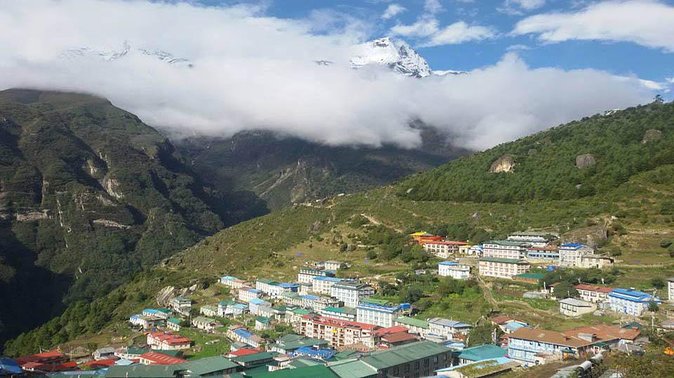
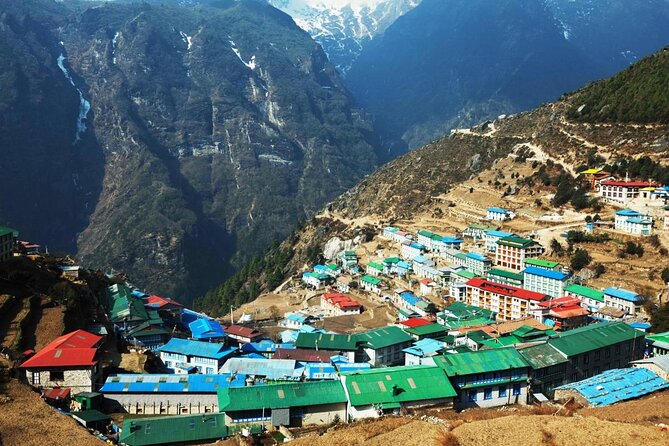
- Namche Bazaar acclimatization days that actually help
- Tengboche to Dingboche, monastery vibes and widening views
- Chhukung acclimatization, Lobuche’s barren stretch, then the glacier walk
- Kala Patthar, the long view day that you plan your whole trek around
- Head back to Namche and Lukla, the trek turns into recovery
- Price and logistics: what you’re paying for, and what you must plan
- Gear provided, guide support, and the altitude checklist that matters
- Who should book this Everest Base Camp trek
- Should you book this Everest Base Camp trek?
- FAQ
- Do I need a Nepal visa, and is it included?
- Which permits are included for entering the Everest region?
- How do the flights work to and from Lukla?
- Is the guide included, and do they provide safety support?
- Are sleeping bags and down jackets provided?
- Can I request vegetarian meals?
- What if poor weather cancels the trek?
Key points to know before you go
- Private group trek with a licensed, English-speaking mountain guide who supports you on the route and manages logistics
- Full board on the trail, plus hotel nights in Kathmandu, so most day-to-day needs are covered
- Down jacket and sleeping bag provided (borrow or use what’s included), with a duffel bag also included
- Optional porters for extra cost, useful if you prefer not to carry more than basics
- Classic Everest views that peak at Kala Patthar, known for that wide 360-degree perspective
- Kathmandu and Lukla flights are built in (including Ramechhap options and transfers)
Kathmandu arrival, real-world comfort before the climb
Your trip starts in Kathmandu with a representative meeting you after you land and transferring you to a hotel. It’s a small thing, but it matters on a long journey, because the faster you get your bearings, the better your first morning feels.
In Kathmandu, you also get the foundation for the trek ahead. You’ll be dealing with the kind of details that can slow people down, passport info, permits, and timing for flights and check-ins. Having someone to coordinate that means you can sleep, eat, and start training your body for what’s coming.
One practical note: after the trek, you return to Kathmandu for a hotel stay and some flexible time. That buffer is smart. You do not just “arrive and trek,” you also get a chance to recover and see a few UNESCO sites like Pashupatinath, Swayambhu, Boudhanath, and Baktapur Durbar Square if you want.
More Treks in Kathmandu
- Everest Base Camp Trek – 14 Days
★ 5.0 · 1,499 reviews - Everest Base Camp Trek
★ 5.0 · 842 reviews - Everest Base Camp Trekking
★ 5.0 · 485 reviews
The Lukla flight and why the first walk matters
On day 2 you fly to Lukla, about a 30-minute hop. The trek starts gently along the Dudh Koshi River with paved footpaths, teahouses along the way, and scattered conifers. Your first trekking goal is not to “push,” it’s to warm up your legs and settle into the rhythm.
You’ll walk to Phakding, around 2,610 meters, taking roughly three hours and reaching a village with around 30 houses on both sides of the river. This is where you learn how your body responds to altitude in small steps rather than big surprises.
If you’re worried about feeling overwhelmed, this first day is helpful. It gives you time to notice your breath rate, practice slow pacing, and get used to carrying only what you need. The logistics matter here too, because the guide arranges the support you need right away.
Monjo permits at Sagarmatha National Park, the paperwork with a purpose
Day 3 begins with a walk from the Sherpa settlements toward Monjo, then the official entry point for the Sagarmatha National Park. This is where you show your permits, including the Sagarmatha National Park entry permit and TIMS card at the Monjo office.
After that, the climb to Namche Bazaar is the first big uphill push of the classic route, about 590 meters of ascent over around five hours. The payoff starts during the climb. Halfway up, you can get your first real sightlines toward Everest and Lhotse, and as you near Namche you’ll see peaks like Thamserku, Kwangde, and Khumbila in the wider view.
This day also teaches a key pacing lesson. You are not sprinting up. You’re steadily climbing toward a town where you will spend time acclimatizing. That’s how you reduce the chance of feeling wrecked later.
Namche Bazaar acclimatization days that actually help
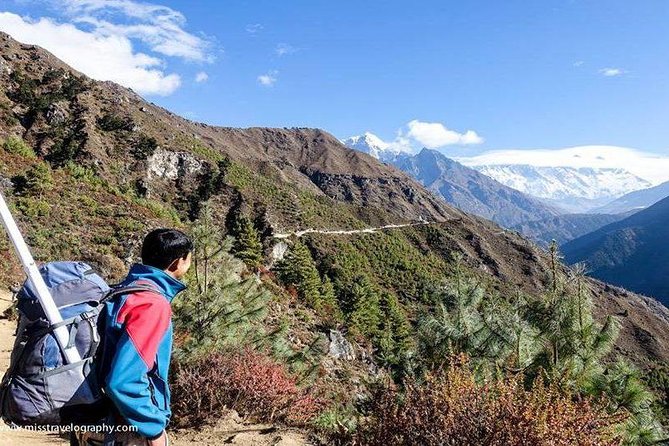
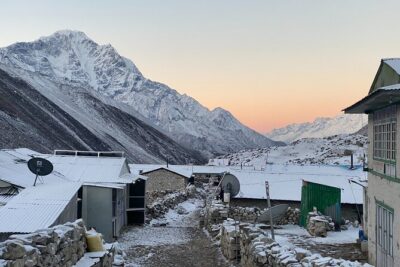
Days 4 and 4’s theme is simple: you stay in Namche Bazaar at a higher altitude, giving your body time to adjust. You’ll have options, including hikes that can keep you moving without going too far too fast.
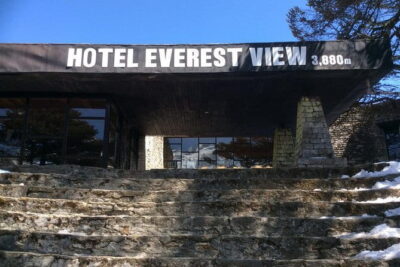
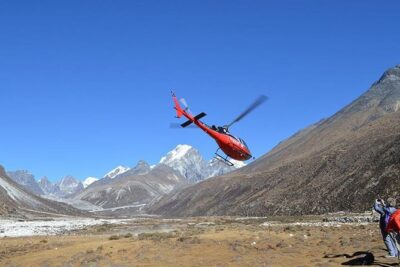
Your choices include trekking toward Khumjung, where you can visit the local school and hospital. Another option is Thame village, tied to famous Sherpa mountaineering history. You can also head to the airstrip area at Syangboche, and above it there’s an Everest view hotel that was set up to offer prime views for wealthier tourists, although the altitude of nearly 4,000 meters contributed to altitude issues.
I like that you get choices here. Some people want more village time and culture, others want a short climb for views. And because Namche is the gateway to the Khumbu region, it’s also a good place to slow down, eat well, and plan the next segments.
More Everest Base Camp treks:
- Everest Base Camp Helicopter Tour landing at Everest View Hotel
★ 5.0 · 668 reviews - Everest Base Camp Trekking – 13 Day
★ 5.0 · 365 reviews - Everest Base Camp Trek
★ 5.0 · 350 reviews - Everest Base Camp Trek -14 Days
★ 5.0 · 321 reviews
Tengboche to Dingboche, monastery vibes and widening views
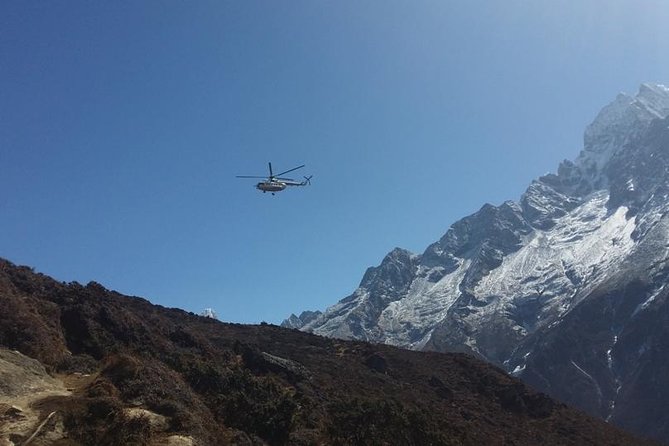
Day 5 is centered on Tengboche Monastery. The route starts with a slight climb, then you descend back to the Dudh Koshi at about 3,550 meters before ascending to Tyangboche around 3,870 meters. This is a long day in walking terms, but it’s a great one for first strong mountain moments.
At Tyangboche, the monastery is the heart of the place. You can enter and listen to monks chanting their mantras. It’s not just a stop for photos. It gives the trek a cultural anchor, and it helps explain why people return here even after the hardest parts.
From there, day 6 moves you up through wooded forests and the Imja Khola valley, with increasing Himalaya views as the terrain opens. You’ll contour gradually to Pangboche, where there’s an older gompa site. Then it’s on to Dingboche at roughly 4,360 meters, where Amadablam and Island Peak show up prominently.
And this is where the trail turns from “busy villages” into “serious altitude and big scale.” You can feel it in how the air sits in your chest and how long rest breaks feel.
Chhukung acclimatization, Lobuche’s barren stretch, then the glacier walk
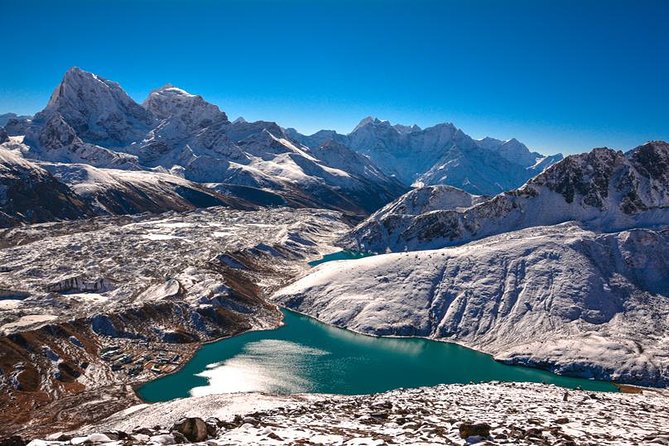
Day 7 is another acclimatization day. You head toward Chhukung, which offers strong views of Makalu, Island Peak, and peaks like Peak 38. You’ll also see alternative options such as hiking to Nangkartshang Peak if your energy is good.
This is a useful day to manage your fatigue. Instead of forcing a large jump in altitude, you use the time to adjust. The reward is that your later “desert and glacier” days feel more manageable.
Day 8 pushes onward to Lobuche. The valley becomes barren as you walk upward toward Lobuche. The trail can get rocky in sections, so footing matters. This day is also about moving your attention from the village routine to the snow-capped terrain above you, with views of Cholatse and the way Tawache and Nuptse tower over Lobuche by almost two kilometers.
Day 9 then brings the glacier walking toward Everest. You head to Gorakhshep, lunch there, and then continue to Everest Base Camp at around 5,400 meters. Base Camp itself can feel more like a staging area than a peak, but the views are still enormous, including Khumbu icefall and surrounding peaks like Khubutse, Pumori, Changtse, and the ice drama that makes the Everest region famous.
Kala Patthar, the long view day that you plan your whole trek around
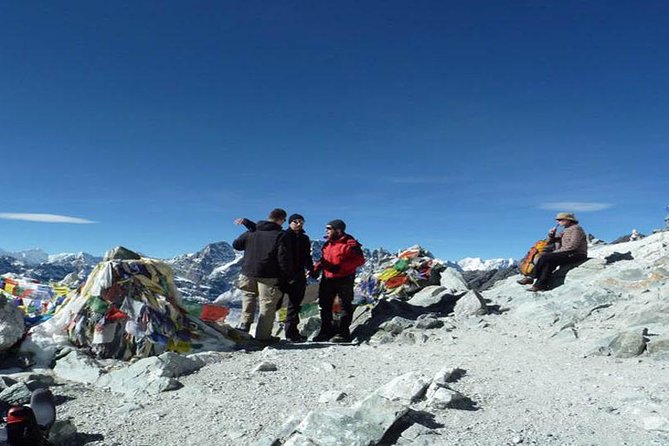
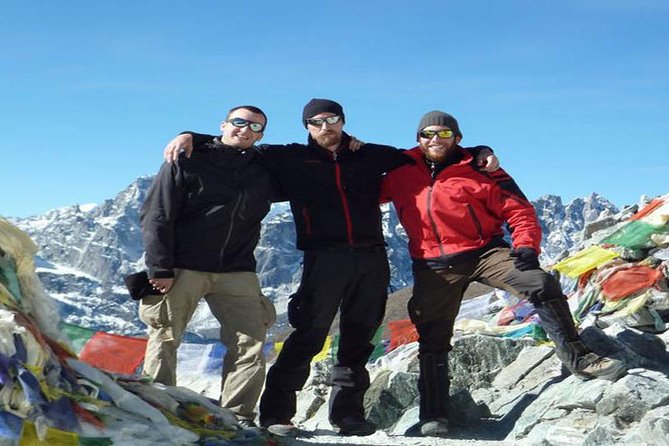
Day 10 is the big peak day: Kala Patthar, or Black Rock. This is where you get one of the best chances for the most dramatic Everest views. At the top, the perspective becomes wide, with a 360-degree view across many of the highest peaks in the world, including Everest itself and Lhotse.
You’ll then descend and return toward Pheriche, and retrace your steps toward Lukla. Even if you think you’re “done” with the hard part after reaching Base Camp, Kala Patthar reminds you that the Khumbu gives you its most satisfying angles at just the right moment.
If you want an emotional highlight, this is it. The mountain is huge, but the real magic is the sense of being inside a whole world of peaks, not just staring at one point on a map.
Head back to Namche and Lukla, the trek turns into recovery
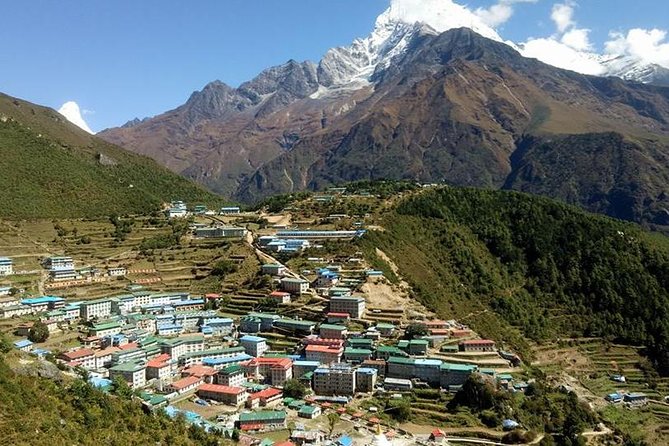
After day 10, days 11 and 12 focus on the return. Day 11 follows your footsteps back to Lukla via Pangboche and Tengboche, with long views of Amadablam and Lhotse along the way. You’ll pass rhododendron forests, cross the Imja Khola, and meet monasteries again. Then you’ll trek downhill through areas like Phungi Tenga, walk across the Dudh Koshi River, and continue toward Sansa and Kyanhjuma, ending the day at Namche Bazaar.
Day 12 is a long descent day to Lukla for overnight. This is where you appreciate all the careful acclimatization you did earlier. Going down is easier physically for many people, but it also tests your knees and your balance, especially if you move too fast.
And then, day 13 brings the reward: an early morning flight back to Kathmandu. Leaving Tenzing and Hillary airport, you’ll fly over the clouds and get views of the Khumbu region from the air, then settle into a hotel and take it easy the rest of the day.
Price and logistics: what you’re paying for, and what you must plan
At $1,690 per person for roughly 15 days, this trek costs a lot, but you are not just buying the walking. You’re paying for a whole bundle of essentials built into the price: Kathmandu pick-up and drop-off, domestic flights that include Ramechhap and Lukla, hotel and guesthouse accommodation, full board meals, permits (Sagarmatha National Park and Khumbu Pashang Lhamu Rural Municipality fee, plus TIMS as listed), and a licensed guide.
That’s where the value comes from. On a trek like this, the expensive part is not only the scenery. It’s the risk management, the paperwork, the ability to move in a coordinated way, and the fact that logistics like domestic flights and lodging are included rather than handled case-by-case by you.
I also like that the company includes worst-case help with rescue and evacuation arrangements. Still, you should not confuse that with “your insurance will be handled.” Travel insurance for helicopter evacuation while trekking is explicitly not included, so plan for that gap.
Finally, check what you personally want to carry. Porters are not automatically included, but you can book one at extra cost. Since the trek is high and long, paying for a porter can be a very practical way to keep your energy for walking and acclimatization.
Gear provided, guide support, and the altitude checklist that matters
This is one of the most practical parts of the package. You can borrow or use down jackets and sleeping bags during the trek, and the program lists a sleeping bag, duffel bag, and down jacket as included. That takes the pressure off of finding the right gear in advance.
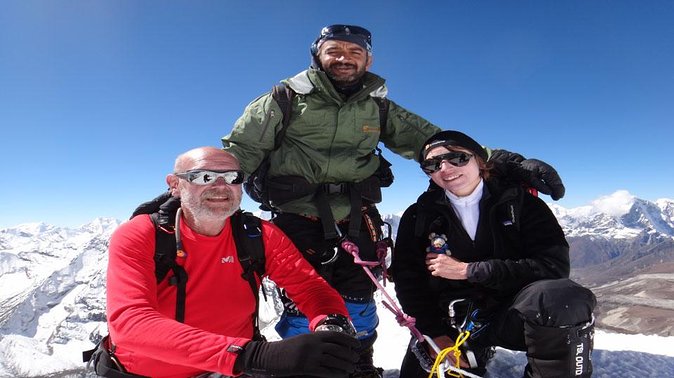
On the safety side, the guide is licensed and English speaking, and the support kit includes a first aid medical kit and an oxymeter to check pulse, heart rate, and oxygen saturation at higher altitude. For a trek that climbs to Base Camp and includes Kala Patthar, that kind of monitoring approach helps you take altitude seriously without guessing.
From the guide names I’ve seen tied to this route through the company, the experience can vary by personality, but the professionalism is consistent. People have trekked with guides such as Ongchhu, Chandra, and Raz or Razz, and the owner, Khum (also spelled Khun in some notes), is part of the personal welcome in Kathmandu. That matters because you want someone who responds quickly to questions in the lead-up, and who is reachable when decisions need to be made.
Who should book this Everest Base Camp trek
This trek fits best if you want a classic Everest Base Camp route with Sherpa villages and a realistic pace. You should have moderate physical fitness, because the trek includes days with long uphill climbs and several altitude jumps.
I’d also book it if you prefer a structured plan where someone else manages permits, domestic flight logistics, and day-to-day meal and accommodation coverage. This is especially helpful if it’s your first time in Nepal, or if you’d rather spend your attention on the trail than on coordination.
If you have specific gear needs, it’s good to know down jacket and sleeping bag support is included, but porters cost extra. If you’re someone who knows you will feel better with a porter, consider budgeting for it.
Should you book this Everest Base Camp trek?
Yes, if you want the classic Everest Base Camp experience with full logistics handled, included meals and lodging, and the big-view payoff of Kala Patthar. This is a trek where small planning wins add up, like having permits managed, down gear provided, and oxymeter checks on the higher days.
I would think twice if you’re not ready for altitude and rugged footing, or if you’re depending on not having travel insurance for helicopter evacuation. Also, because the trek depends on good weather, build flexibility into your broader travel plans.
If you do decide to book, treat the early acclimatization days in Namche and the Chhukung day as part of the trek, not optional rest. That mindset keeps you safer and helps the Everest days feel joyful instead of desperate.
FAQ
Do I need a Nepal visa, and is it included?
A visa to Nepal is not included in the tour price. You’ll need to arrange it yourself before travel.
Which permits are included for entering the Everest region?
The tour includes trekking permits for Sagarmatha National Park and the Khumbu Pashang Lhamu Rural Municipality fee. The Sagarmatha National Park entry process at Monjo also involves presenting the TIMS card.
How do the flights work to and from Lukla?
Domestic flight segments are included, flying between Kathmandu or Ramechhap and Lukla, and returning back to Kathmandu or Ramechhap. Transfers and taxes are included as part of the domestic flight package.
Is the guide included, and do they provide safety support?
Yes. You get a professional, licensed, English-speaking mountain guide. The included safety support includes a first aid medical kit and an oxymeter to check pulse, heart rate, and oxygen saturation at higher altitude.
Are sleeping bags and down jackets provided?
Yes. You can borrow down jackets and sleeping bags during the trek, and the program lists a sleeping bag and down jacket as included.
Can I request vegetarian meals?
Yes. A vegetarian option is available, and you should advise the company at booking if you need it.
What if poor weather cancels the trek?
This experience requires good weather. If it is canceled due to poor weather, you’ll be offered a different date or a full refund. You can also cancel up to 24 hours in advance for a full refund.
Latest additions near Kathmandu
- White Water River Rafting – 1 Day★ 4.3 · 3 reviews
- Traditional Momo Making Class★ 5.0 · 10 reviews
- Kathmandu to Pokhara Premium sofa bus ticket★ 4.0 · 17 reviews
- Ghorepani Poon Hill Trek★ 5.0 · 16 reviews
- Amazing 1 Day Trekking Experience in Kathmandu Nepal★ 5.0 · 24 reviews
- Ghorepani Poonhill Trek★ 5.0 · 5 reviews
- Walking tour of real Kathmandu through back streets.★ 5.0 · 3 reviews
- Wildlife Adventure in Chitwan Nepal★ 4.0 · 4 reviews
Everest Base Camp Treks, compared.
Everest Base Camp Helicopter Tour landing at Everest View Hotel
Read our review →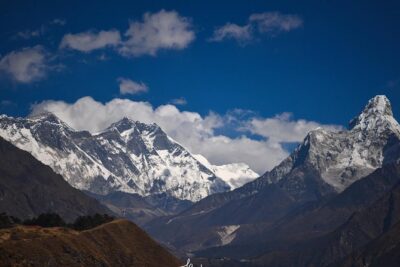
Everest Base Camp Helicopter Tour landing at Hotel Everest View
Read our review →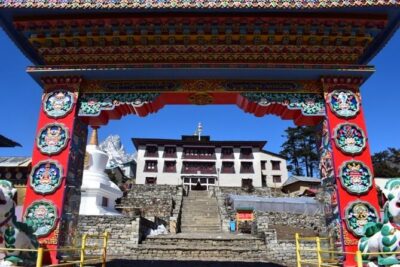
Browse the lists this tour appears in