
Reviewed · EVEREST BASE CAMP TREKS
Everest Base Camp Trek
Lukla flights change the whole rhythm. This Everest Base Camp trek pairs a government-licensed trekking guide with included domestic airfare between Kathmandu and Lukla, then steadily climbs through Sherpa country in a small group. You get the classic “easy day then higher day” pattern, with built-in stops at major towns and viewpoints along the way.
I especially like the practical mix of comfort and rustic trekking. Sleeping in tea houses keeps the trek logistically smooth, and the package also includes 3-star hotel nights in Kathmandu so you can reset before and after the mountain.
The main thing to consider is altitude, and it is not theoretical. The trek reaches demanding elevations around 5,364 meters, and weather plus Lukla schedules can force timing changes, so you should plan for a serious, flexible mindset at the start of your trip.
In This Review
- Key things I noticed about this Everest Base Camp trek
- Kathmandu to Lukla: your trek starts before the trail
- The first trekking day: Phakding and easing into Sherpa rhythms
- Namche Bazaar: acclimatization done the sensible way
- Tengboche: gompa time and iconic Himalayan sightlines
- Dingboche and a Chukhung leg: a smart “get higher, then rest” rhythm
- Lobuche, the glacier area, and the approach toward Everest country
- Gorak Shep to Kala Pattar: the part most people remember
- Lukla and back to Kathmandu: when the trip turns into a story
- Tea houses, meals, and what the trekking budget really means
- Guides and safety: what you are paying for beyond the route
- Price, inclusions, and the extras you should budget
- Who should book this Everest Base Camp trek?
- Should you book it?
- FAQ
- What is the main trek length and duration?
- What does the tour price include?
- What is not included in the package?
- How does the trek handle altitude and health concerns?
- What documents do I need for permits?
- What is the group size, and is this private?
Key things I noticed about this Everest Base Camp trek
- A government-licensed trekking guide with full facilities, plus leaders with basic first aid training
- Small-group structure (maximum 8 people per booking) and a private setup for your group
- Flights included to Lukla and back, which saves you from hunting schedules and tickets
- Tea house nights included during the trek, reducing what you must organize day-to-day
- Kathmandu hotel time before and after, not just a quick drop at the airport
- Guide coordination praised by guests, including attention from Bishnu and strong leadership from Basu
Kathmandu to Lukla: your trek starts before the trail
Your trip begins in Kathmandu, with a pickup and arrival assistance by private car. The package also flags that it can include guidance from Himalayan Recreation for moving you around when you arrive and depart, which matters because Kathmandu traffic and timing can chew up a day if you arrive unprepared.
Day 1 is centered on Kathmandu itself, with time in neighborhoods like Thamel. Day 2 then moves fast, because you are not only sightseeing, you are also working toward the Lukla flight that kicks off the trekking segment. On Day 2, you have stops tied to major Kathmandu spiritual sites, including Swayambhunath and Boudhanath, plus a stop at Garden of Dreams. It is an interesting combo, temples and tea, but it makes sense as a warm-up to the trip’s pace. Kathmandu sightseeing is short and purposeful, then you get back to the real schedule.
One small practical note: the itinerary and inclusions both point to multiple hotel nights in Kathmandu, but the package detail lists two nights in the 3-star hotel while the itinerary suggests you will have Day 1 and also time on Days 13 and 14 in Kathmandu. I would treat this as something to confirm at booking so you know exactly how many nights you will sleep there.
More Treks in Kathmandu
- Everest Base Camp Trek – 14 Days
★ 5.0 · 1,499 reviews - Everest Base Camp Trek
★ 5.0 · 842 reviews - Everest Base Camp Trekking
★ 5.0 · 485 reviews
The first trekking day: Phakding and easing into Sherpa rhythms
After Kathmandu, the trekking portion starts with the move toward Lukla and then down and out to Phakding. Day 2 includes a long transit block that ends in Phakding, and the next day builds from there.
Phakding is where you learn the rhythm of this trek type: steady walking, frequent stops for water and snacks, and a gradual shift from city breathing to mountain air. It is also where your guide becomes more than a translator or ticket holder, because they help you keep on track when weather and altitude start to play games.
This is also the stage where you notice how well your trek is organized. In the feedback I reviewed, guests highlighted Bishnu’s hands-on coordination and attention to getting details right, plus Basu’s on-the-ground guiding. If the start feels smooth, the rest usually follows more easily.
Namche Bazaar: acclimatization done the sensible way
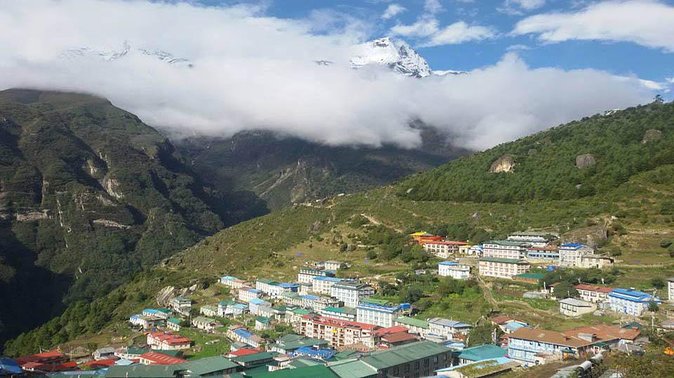
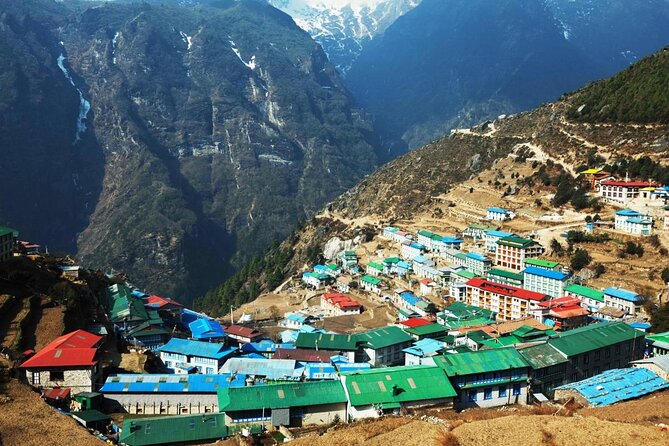
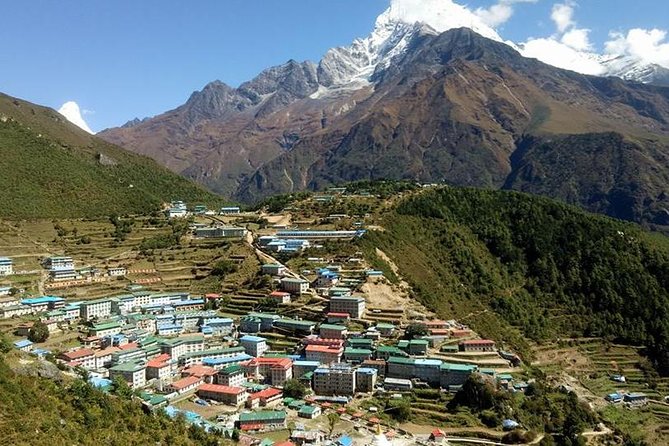
Day 3 gets you to Namche Bazaar, which is one of the key hubs of the Khumbu region. You also pass the Dhudh Koshi River area, and that is a reminder that the trek is not just about views. It is about using the river valleys and trails to move efficiently while your body adjusts to the air.
Day 4 adds an important “breather day” element by including another time in Namche plus an Everest View Point stop. This kind of day is what you want on paper and in real life. You get elevation exposure without forcing a harsh push every single day. Even if you are fit, altitude punishes monotony, so having an intentional plan helps.
If you are the type who likes tight schedules, you might find Namche days feel slower than you expect. That is the point. Take it seriously, hydrate, and don’t race the calendar.
Tengboche: gompa time and iconic Himalayan sightlines
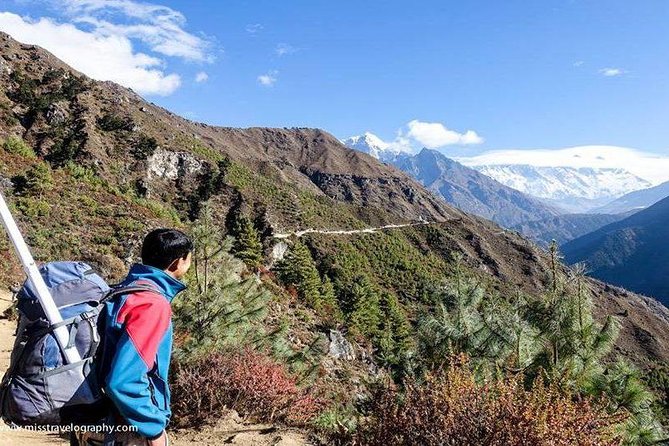
Day 5 brings Tengboche and includes Tengboche Gompa, plus sight stops tied to Ama Dablam and Taboche. Tengboche is a classic cultural stop in the Everest region, and the gompa visit adds meaning beyond just checking another viewpoint. You will see how Sherpa communities build life around the seasons and the mountain.
This day can feel long depending on walking pace and weather. But it is also one of the days where the trek turns into a true mountain experience. The combination of monastery atmosphere and big peaks in the same day helps you remember why you started this in the first place.
The practical drawback? Tengboche and surrounding areas can be chilly and change quickly. Bring warm layers you can actually use on the go, not just for photos.
More Everest Base Camp treks:
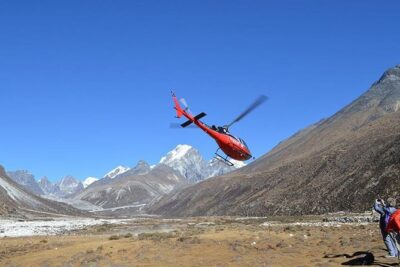
- Everest Base Camp Helicopter Tour landing at Everest View Hotel
★ 5.0 · 668 reviews - Everest Base Camp Trekking – 13 Day
★ 5.0 · 365 reviews - Everest Base Camp Trek
★ 5.0 · 350 reviews - Everest Base Camp Trek -14 Days
★ 5.0 · 321 reviews
Dingboche and a Chukhung leg: a smart “get higher, then rest” rhythm
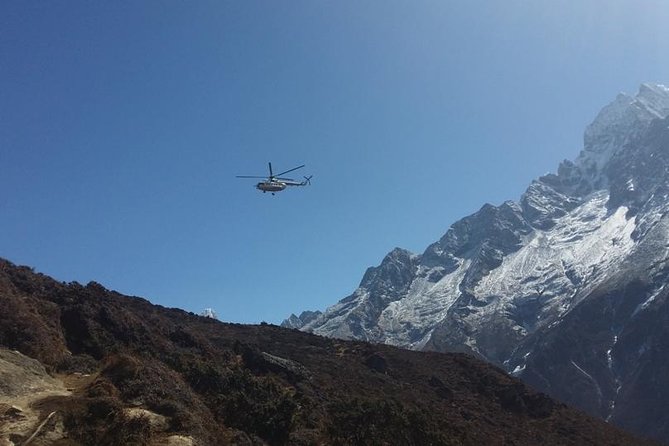
Day 6 puts you in Dingboche, another high-altitude base town where acclimatization becomes the main job. Day 7 keeps you in the Dingboche area and also includes a stop connected to Chukhung.
That Chukhung area hike is the kind of add-on that many trekkers like, because it gives more views and a clear sense of progression without forcing you to jump to the highest camps immediately. If you have been feeling good for a couple days, this is often when you feel the trek clicking into place.
But do not confuse feeling strong with pushing too far. Altitude is sneaky. Your guide will help you balance effort with recovery, and the inclusion of a professional guide is a real safety value here, not just a marketing line.
Lobuche, the glacier area, and the approach toward Everest country
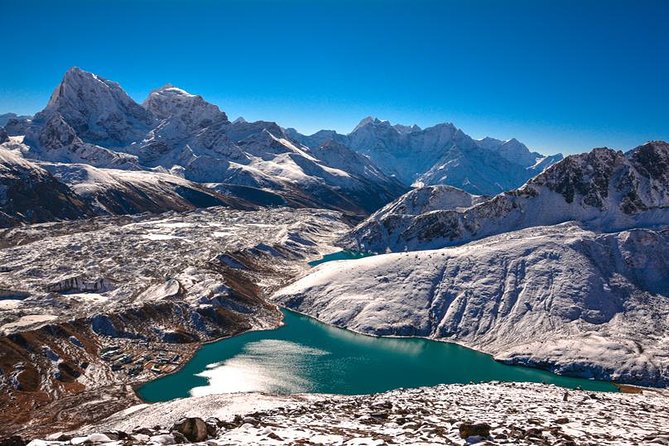
Day 8 takes you to Lobuche and includes a Khumbu Glacier stop. This is the point in the trek where the scenery starts becoming more stark, and the walking can feel more physical.
Day 9 then includes Mount Everest and Gorak Shep, with a longer day block indicated in the itinerary. This is where the trip typically transitions from “trek through villages” to “trek into the high Everest zone.” You still need energy management, warm layers, and a calm attitude. The altitude around this stage is a major factor, and your body might feel different even if yesterday felt fine.
Also, remember meals are not bundled into the price in the way some shorter treks are. Food and drinks are not included unless specified, and there is a listed budget for food and drinks. Plan for that so you do not run short on cash or snacks when you are tired.
Gorak Shep to Kala Pattar: the part most people remember
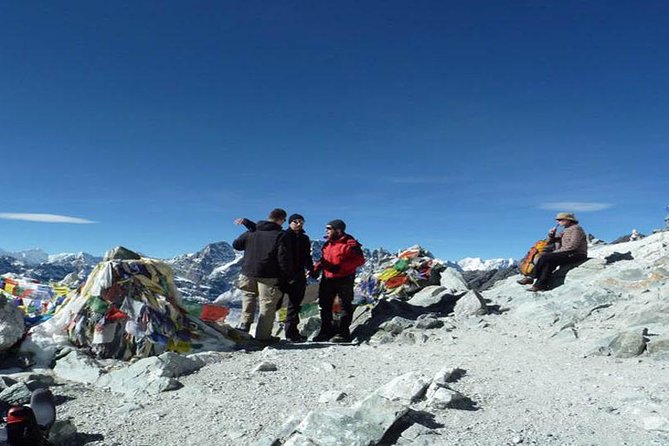
Day 10 is built around Kala Pattar, which is often the moment trekkers talk about later. The itinerary also includes Pheriche – Dughlha Road and Pangboche on this day, meaning it is not just one viewpoint and done. You are moving through another set of high-country settlements, with the walking work continuing after the main high-altitude photo stop.
If you want practical advice: treat Kala Pattar as a mission, keep your pace controlled, and focus on warm clothing and steady breathing. It is easy to burn energy trying to go too fast, then feel it later on the walk.
Day 11 brings you back to Namche for another long stop. This is the “get your bearings” day that helps your body process the high points you have already reached. A slow, steady return is what makes the final days feel manageable.
Lukla and back to Kathmandu: when the trip turns into a story
Day 12 is the move toward Lukla and marks your exit from the trekking circuit. Then Day 13 brings you back to Kathmandu, with time for a full reset. Day 14 is also in Kathmandu, which gives you breathing room for the post-trek reality: laundry, sleep, and good food that does not require a trekking menu.
One thing the package flags is the chance of Lukla flight delay or cancellation. That is not a small footnote. It can change your schedule in a big way because flight timing is weather-driven. The trip specifically asks you to consider 1-2 extra days. I agree with that strongly, because it prevents the usual stress of wondering if you will miss the rest of your Nepal plans.
In Kathmandu, this is also where you will appreciate having included hotel comfort. A trekking day drains you, even when it goes well. Having time to recover makes the ending of the trip feel satisfying instead of rushed.
Tea houses, meals, and what the trekking budget really means
This tour includes tea house accommodation for 10 nights and lists dinner among included items, but food and drinks are not included unless specified, with an extra listed amount for food and drinks per person. That is common on the Everest Base Camp route, but it changes how you should pack and plan.
Here is what I’d do with this knowledge:
- Bring cash for meals and hot drinks, and keep some in your day pack.
- Keep your snack plan simple: high-calorie items that do not require preparation.
- Treat your guide’s advice on hydration as non-negotiable, because altitude makes you feel thirst differently.
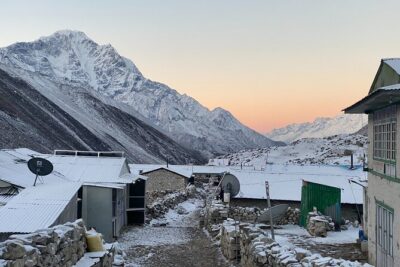
Tea houses are part of the charm, but they are also part of your logistics. Expect basic comfort. Your job is to show up with layers, a routine, and the right expectations.
Guides and safety: what you are paying for beyond the route
The tour includes an experienced guide who holds the proper government trekking license and comes with full facilities. That matters because Everest region trekking includes more than your average trail problems. Weather turns fast. Fatigue shows up late. People get behind schedule. Your guide helps keep things moving in a way that stays safe.
The trip also states that leaders have basic first aid training and are aware of nearby medical facilities. That does not replace medical care, but it is a meaningful layer of preparedness at high altitude.
And the human side shows up in the feedback you provided. Guests praised Bishnu’s organization, always on top of everything, and praised Basu’s guiding style. I take that as a sign you will not be left guessing. When you are tired and altitude is slowing you down, clarity is comfort.
Price, inclusions, and the extras you should budget
At $999 per person, the headline price looks straightforward. What makes it interesting is what it includes: domestic airfare between Kathmandu and Lukla and back, tea house accommodation for the trekking segment, and 3-star hotel nights in Kathmandu (plus pick up dropoff support). It also includes taxes, VAT, service charges, a first aid kit, and a T-shirt.
Now the two biggest “budget realities” are also spelled out:
- Food and drinks are not included unless specified, and there is an additional amount listed for that.
- Gratuities are not included and are listed as an extra amount per person.
So the value question becomes: is it worth it compared to cobbling together flights, guides, and lodge stays on your own? For most people, yes, because you are buying coordination and risk reduction. But it only feels like a good deal if you are actually going to follow the guidance, keep your packing light, and budget for meals on top.
Also note: the trek is described as walking at demanding altitude around 5,364 meters. The tour asks you to talk with your doctor before you go. That is not just paperwork, it is a smart requirement.
Who should book this Everest Base Camp trek?
This is a good fit if you want a classic Everest Base Camp experience with professional guidance and fewer moving pieces. It suits people who:
- Want included Lukla flights instead of wrestling with ticketing and timing on their own
- Like a structured pace with acclimatization stops built into the route
- Prefer small group dynamics (up to 8) over large crowds
- Value having hotel comfort in Kathmandu before and after the trek
It may not be a great fit if you hate uncertainty, since Lukla weather can force delays. It may also be tough if you are not ready for the physical demand of high-altitude trekking, even if you are motivated.
Should you book it?
If you are comfortable with altitude, and you can handle the possibility of added days for Lukla flight timing, I think this trek is a solid choice. The included domestic flights and tea house lodging reduce a lot of hassle, and the guide approach sounds strong, especially with the kind of coordination people credited to Bishnu and the leadership style praised for Basu.
My call: book it if you want a classic, guided Everest Base Camp trek that is built to help you stay on track. If you want to move fast with minimal structure, or you cannot tolerate schedule shifts from Lukla, you might want to rethink the timing of your trip or look for a plan with more buffer.
FAQ
What is the main trek length and duration?
The itinerary is listed as 14 days (approx.) from Kathmandu with flights to Lukla and back, plus time in Kathmandu at the start and end.
What does the tour price include?
The inclusions list domestic airfare for Kathmandu to Lukla and back (including airport tax), 10 nights of tea house accommodation during the trek, 3-star Kathmandu hotel nights, pickup and dropoff assistance by private car, and a government-licensed trekking guide with first aid kit. It also lists dinner and breakfast, plus a Himalayas Recreation t-shirt and government taxes and service charges.
What is not included in the package?
Food and drinks are not included unless specified, and the tour lists an additional amount to plan for these. Gratuities are also listed as an extra cost.
How does the trek handle altitude and health concerns?
The tour states that the trek reaches demanding altitudes around 5,364 meters and that altitude can cause adverse health effects regardless of age or gender. It recommends discussing the trip with your doctor before departure, and notes that leaders have basic first aid training.
What documents do I need for permits?
The tour lists the need for a passport photo copy with clear color scan, validity of at least 6 months, two passport size photos, plus occupation and home details address.
What is the group size, and is this private?
The tour specifies a maximum of 8 people per booking and describes it as a private tour or activity, meaning only your group participates.
Latest additions near Kathmandu
- White Water River Rafting – 1 Day★ 4.3 · 3 reviews
- Traditional Momo Making Class★ 5.0 · 10 reviews
- Kathmandu to Pokhara Premium sofa bus ticket★ 4.0 · 17 reviews
- Ghorepani Poonhill Trek★ 5.0 · 5 reviews
- Ghorepani Poon Hill Trek★ 5.0 · 16 reviews
- Amazing 1 Day Trekking Experience in Kathmandu Nepal★ 5.0 · 24 reviews
- Walking tour of real Kathmandu through back streets.★ 5.0 · 3 reviews
- Wildlife Adventure in Chitwan Nepal★ 4.0 · 4 reviews
Everest Base Camp Treks, compared.
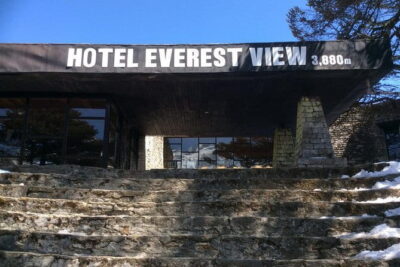
Everest Base Camp Helicopter Tour landing at Everest View Hotel
Read our review →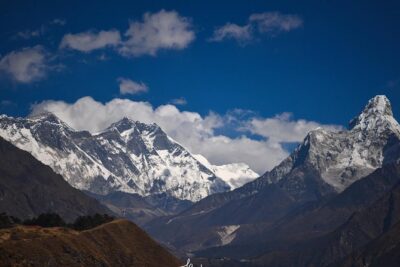
Everest Base Camp Helicopter Tour landing at Hotel Everest View
Read our review →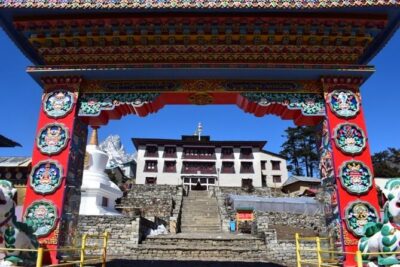
Browse the lists this tour appears in