
Reviewed · EVEREST BASE CAMP TREKS
Everest Base Camp Trek
Everest is quiet until it isn’t. This Everest Base Camp trek pairs big-mountain views with real Sherpa towns, and it does it in a way that is practical for your body and your budget. I especially like the Lukla flight and how the route ramps up altitude day by day. I also like the acclimatization rhythm, plus guide support that people highlight, including leaders such as Buddhi and Pawan.
The main consideration is that your plan depends on mountain weather and flights into Lukla. If flights are delayed or changed, you could face extra costs once you are already in the region, since some extra in-mountain expenses are not included.
In This Review
- Key highlights worth caring about
- Entering the Everest Base Camp route from Kathmandu, with Lukla as the hinge
- Days 1-2: Kathmandu dinner and the Lukla flight you need to take seriously
- Day 3 to Namche Bazaar: Phakding bridges, Dudh Koshi views, and your first taste of Khumbu rhythm
- Namche Bazaar exploration day: markets, ATMs, and resting your mind (not just your legs)
- Tengboche and the monastery viewpoints: where the big ranges start showing up
- Day 6: Dingboche viewpoint approach, with another early viewing chance
- Day 7: Dingboche acclimatization day, plus Chhukung for high-view payoff
- Day 8 to the Khumbu Glacier: moraine walking and the quiet seriousness of memorial stones
- Day 9: Gorak Shep and the approach toward Everest Base Camp
- Day 10: Kalapatthar sunrise views from Gorak Shep, then the payoff for your whole week
- Day 11: Pheriche route down, Orsho, and Pangboche’s older monastery story
- Day 12 to Lukla: returning to the air route, and using extra time in town
- Day 13: Kathmandu Durbar Square and a last dose of valley views
- Day 14: Farewell program and getting out clean
- Price and value: what $1,799.27 covers, and what it doesn’t
- The guide factor: why Buddhi and Pawan keep showing up in good outcomes
- Packing and pace tips for this specific schedule
- Who should book, and who should reconsider
- Should you book this Everest Base Camp trek?
- FAQ
- How long is the Everest Base Camp trek?
- What time does the experience start?
- Does the price include flights between Kathmandu and Lukla?
- What gear is included for the trek?
- Are meals and trek accommodation included?
- What permits and fees are covered?
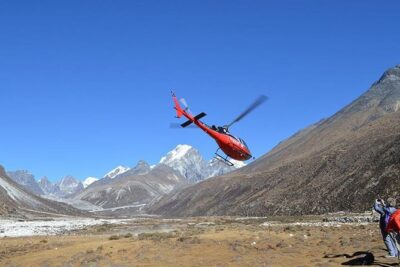
- Is emergency helicopter service included?
- What expenses are not included in the tour price?
Key highlights worth caring about
- Kathmandu pick up and drop-off (both international and domestic), so you are not figuring out logistics on day one
- Gear provided: sleeping bag, down jacket, and a duffel bag, which cuts what you need to pack or rent
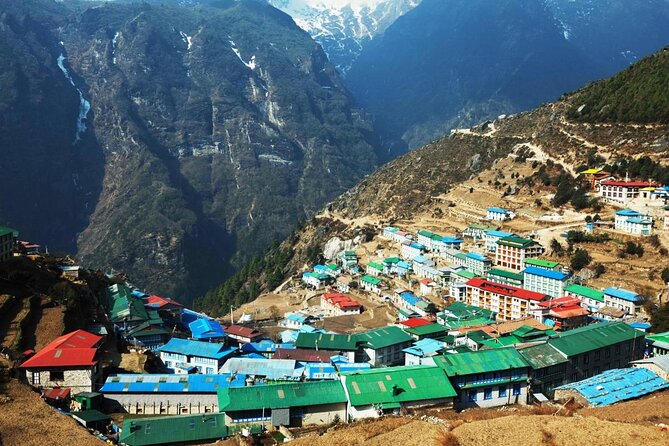
- Sherpa towns with breathing room: Namche Bazaar for a full explore day, then Dingboche acclimatization
- Views built into the schedule: photo stops around Tengboche, Dingboche viewpoints, and glacier country near the Khumbu Icefall area
- Kalapatthar is treated as a priority with an early trek from Gorak Shep for the sun and snow moment
- Emergency helicopter arrangement through your travel insurance, plus a medical kit box
Entering the Everest Base Camp route from Kathmandu, with Lukla as the hinge
This trek starts like a lot of great Nepal adventures do, with Kathmandu first. You land at TIA, get met by Nepal High Trek & Expedition Team (Anjan is named in the plan), then head to your Kathmandu hotel for an evening meal and a calm reset before the mountain work begins. The value here is not the sightseeing. It is the fact that day one is set up to reduce stress, because you are going to be busy for the next two weeks.
The trek’s hinge is your flight from Kathmandu to Lukla. The plan sends you to the domestic terminal for a scheduled morning flight, then you begin the walk from Lukla as your real altitude begins. That flight matters because it determines your start point, your timing, and how quickly you can settle into trekking mode. It also means you should treat weather and flight delays as part of the reality of your trip.
If you are the kind of traveler who likes a buffer, this schedule gives you one. It is not one long slog to the high country. It stages your effort through classic Khumbu waypoints, then builds to Everest Base Camp and the big viewpoint days.
More Treks in Kathmandu
- Everest Base Camp Trek – 14 Days
★ 5.0 · 1,499 reviews - Everest Base Camp Trek
★ 5.0 · 842 reviews - Everest Base Camp Trekking
★ 5.0 · 485 reviews
Days 1-2: Kathmandu dinner and the Lukla flight you need to take seriously
Day 1 is straightforward: arrival, transfer to your arranged hotel, and dinner. You also get an airport pick up and drop for domestic and international, which is a small thing until you land tired and start scanning for signs. This tour also has a private setup, meaning it is only your group, not a crowded mix of strangers.
Day 2 is where you switch from city logistics to mountain logistics. Breakfast first, then transfer to the domestic terminal for the flight to Lukla. In practice, you will want to keep your day-two essentials easy to access. You will not want to dig through your bag after you land. Also remember, the tour includes a duffel bag and down jacket for trekking. That is useful, but it still helps to pack smart so you can move quickly when the day changes gears.
A small practical note: the plan says the meeting time is 8:15 am. If you are the kind of person who hates rushing, arrive early and keep your documents and money in one place. You are going to be in and out of handoffs throughout the trek.
Day 3 to Namche Bazaar: Phakding bridges, Dudh Koshi views, and your first taste of Khumbu rhythm
From Lukla you walk toward Phakding, crossing several suspension bridges over the Dudh Koshi River. This is your first proof that Everest Base Camp trekking is not just “up, up, up.” It is a mix of steady hiking, bridge crossings, and frequent opportunities to look around. That matters because those first hours are about building comfort, finding your pace, and learning what your legs feel like after flight day.
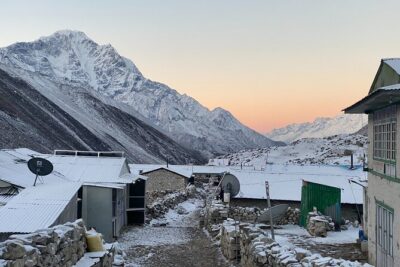
The plan also notes views of Mt. Thamserku during the route. Even if the weather is not perfect, this kind of early visual reward helps your brain understand what is coming later.
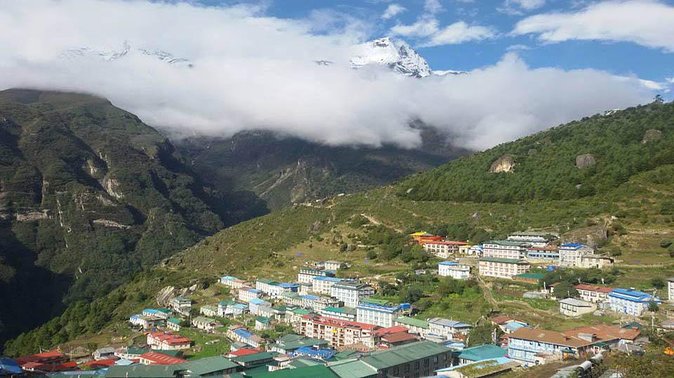
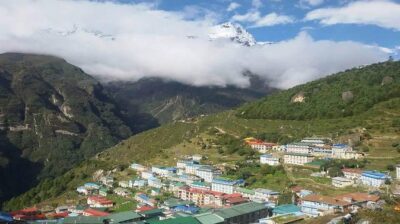
Then you move upward to Namche Bazaar, one of the most important places on the whole trek. Namche is not just a village. It is where the Khumbu adventure becomes a real travel experience, with services and small comforts that make the high country easier to manage.
Namche Bazaar exploration day: markets, ATMs, and resting your mind (not just your legs)
Day 4 is a full day exploring Namche Bazaar. The plan specifically calls out practical things like ATMs, banks, and internet cafes. If you like having options, this is the day you can handle small needs without scrambling later. It is also when you can adjust your strategy if you feel off, because you are not immediately pushed higher that day.
This is also where the Sherpa culture becomes more than a backdrop. Namche is built around trade, trekking life, and community services for people on the mountain circuit. You will feel the difference between “arriving to hike” and “living inside a trekking town” for a day.
The schedule keeps it balanced. You get a proper day in Namche rather than treating it like a quick stop. That is a big reason people do better on the hardest parts later: your body has a buffer, and your brain gets used to being in the mountains.
More Everest Base Camp treks:
- Everest Base Camp Helicopter Tour landing at Everest View Hotel
★ 5.0 · 668 reviews - Everest Base Camp Trekking – 13 Day
★ 5.0 · 365 reviews - Everest Base Camp Trek
★ 5.0 · 350 reviews - Everest Base Camp Trek -14 Days
★ 5.0 · 321 reviews
Tengboche and the monastery viewpoints: where the big ranges start showing up
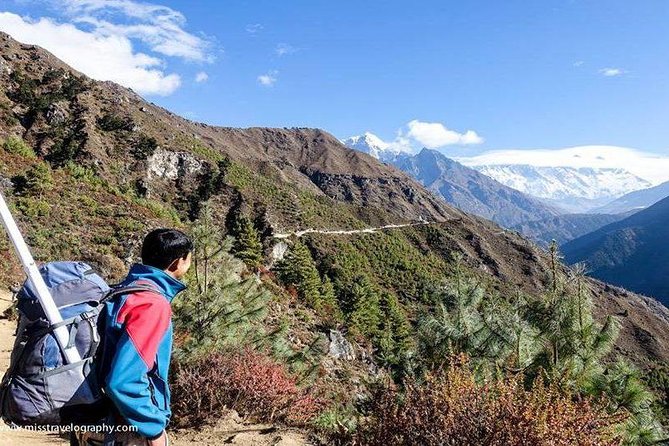
Day 5 includes a stop at Tengboche Gompa. The plan emphasizes early morning timing, with a cold breeze and wide views that can include Everest, Nuptse, Lhotse, Amadablam, and surrounding ranges.
Tengboche is one of those places where the trek feels like a pilgrimage, even if you are not religious. You are surrounded by stone paths, prayer flags, and the monastery atmosphere. But what most people remember is the way the views land in your face when the weather cooperates.
What I like about putting Tengboche here is the layering. You are not jumping to the highest points immediately. First you learn the rhythm in lower villages. Then you earn the monastery and the panoramic views. It feels like progression, not pressure.
A minor drawback: if fog and wind roll in early, you might not see all those peaks clearly. That is not a tour problem. That is the Everest region being the Everest region. Plan to be patient.
Day 6: Dingboche viewpoint approach, with another early viewing chance
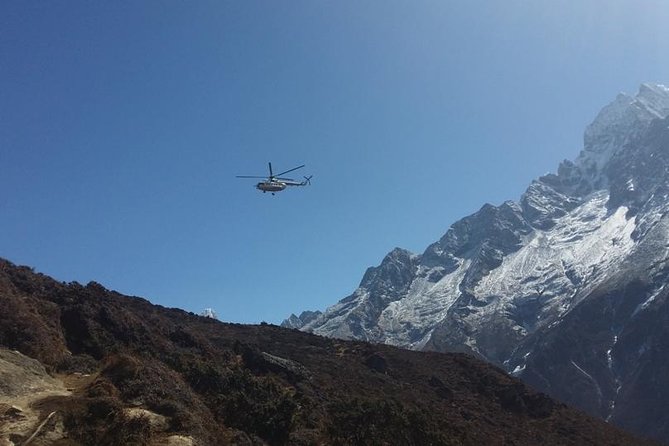
Day 6 is built around moving onward to Dingboche, with the route including a short morning stop at Tengboche and monasteries before continuing. The named stop is Dingboche View Point, which signals why this day exists. You are climbing, yes, but you are also collecting vantage points, photo time, and that “we are really getting higher” feeling.
Dingboche is higher than Namche, so you should expect it to feel sharper. The plan’s structure helps: you are not trying to do something extreme every day. You move, view, and settle.
Day 7: Dingboche acclimatization day, plus Chhukung for high-view payoff
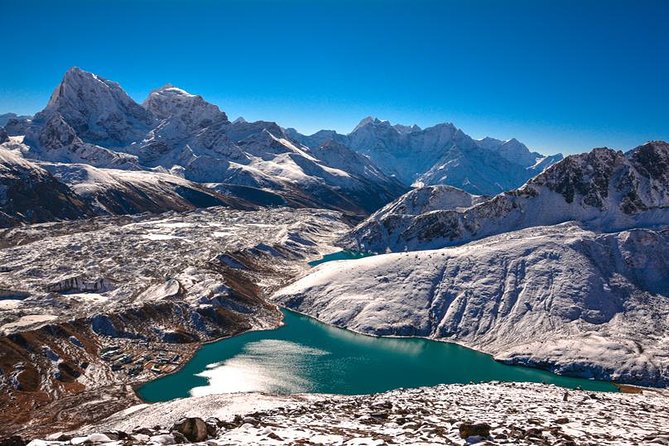
Day 7 is a dedicated acclimatization day in Dingboche. The plan includes a short hike to Chhukung through the Imja Khola valley, with special mention of views, especially of Lhotse.
This is a key part of how the trek protects your body. Acclimatization days are not optional. They are not “bonus days.” They help reduce the risk of moving too fast. The hike in this day’s plan is also a smart compromise: you get exercise and altitude exposure without going straight to the most punishing zones.
This is also where your mindset matters. If you fight the day, it can feel hard. If you treat it as training, you will likely feel more confident for the next stretch toward glacier country.
Day 8 to the Khumbu Glacier: moraine walking and the quiet seriousness of memorial stones
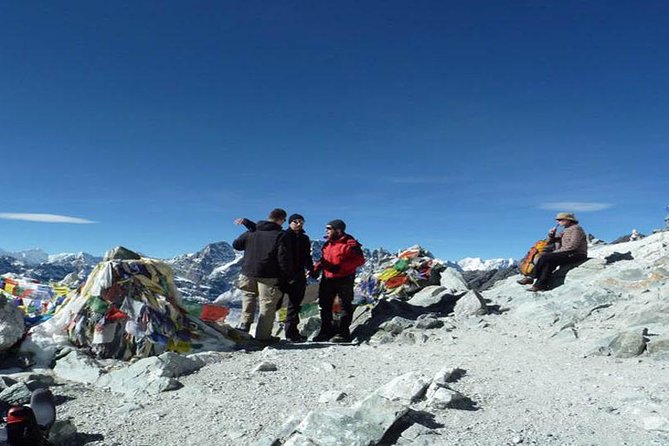
Day 8 takes you along the lateral moraine of the Khumbu Glacier. The plan calls out stone memorials for climbers who perished during expeditions in summits nearby.
This is one of those “tour details that matter” moments. Up to this point you might be in photo mode or excitement mode. Then you pass memorial stones, and the mountain becomes real in a different way. It is not just about beauty. It is about consequences. This is also where having a guide you can ask questions of is valuable, because the terrain here feels more exposed and serious.
The plan notes you continue to climb toward Lo, but it is cut off in the info you provided. Still, you can expect this day to feel more demanding than the village days. Bring your best water habits, keep your steps steady, and do not rush to catch the group if your breathing feels tight.
Day 9: Gorak Shep and the approach toward Everest Base Camp
Day 9 starts after breakfast with a march to Gorak Shep. From there, the plan says you will see many sky-kissing mountains, including the top of the world. Then you follow the trail toward Everest Base Camp.
Gorak Shep is where trekking on Everest becomes more stark and more open. The ground can feel rougher, and you will likely notice colder air. But it is also where the destination becomes visible in a new way, and where your effort starts to feel like it is leading somewhere very specific.
One practical point: at this stage, you will appreciate having a well-run team. The tour includes a government-licensed mountain guide from Kathmandu, plus medical kit support. That does not remove the risks of high altitude, but it helps the trek run smoothly and safely.
Day 10: Kalapatthar sunrise views from Gorak Shep, then the payoff for your whole week
Day 10 is described as the gist day. You trek earlier to Kalapatthar, aiming for sun piercing clouds and reflecting on the snow. This is the classic Everest viewpoint day, and this schedule treats it that way.
If you are not a morning person, treat this as part of the deal. Going early is what makes the difference between okay scenery and the kind of light that makes Everest feel cinematic. Kalapatthar also tends to be physically demanding, partly because altitude and partly because you are already tired from days of hiking.
When the views hit, the fatigue makes sense. But you still need to manage your breathing on the way up. Slow steps win.
After the viewpoint time, you descend and continue onward as the trek winds down.
Day 11: Pheriche route down, Orsho, and Pangboche’s older monastery story
Day 11 is about repositioning downward while still keeping a cultural stop. From Pheriche, you take a slightly different route down to Orsho, then reach Pangboche to explore the oldest monastery, which the plan says contains the scalp and bones of the abominable snowman.
I like days like this late in the trek because it breaks up the pure “walk and scenery” rhythm. You still have to keep moving, but you also get a sense of place beyond the mountains. You will likely feel a little more human in these village-monastery settings because the pace can feel less like survival mode than the higher days.
Watch your footing. Downhill can be harder than it looks, especially when you have to keep your knees from complaining.
Day 12 to Lukla: returning to the air route, and using extra time in town
Day 12 returns toward Lukla. The plan says you go from Namche back to Lukla, reaching earlier, then you explore the whole Lukla valley in your leisure time and stay overnight at a guesthouse.
This is a nice built-in decompression moment. You are no longer climbing. You are in recovery and observation mode. It also helps if you want to process the days you just did, because you are not spending every hour moving.
The schedule also mentions an Irish Pub stop on this day. Think of that as a convenience stop for a warm drink and a change of pace, not a tourism highlight. Still, it is the kind of little detail that makes long treks feel more livable.
Day 13: Kathmandu Durbar Square and a last dose of valley views
Day 13 brings you back to Kathmandu within a few hours. Then you visit around the city, including Kathmandu Durbar Square, with the plan calling out panoramic and magnificent picture views of the Kathmandu valley.
You will feel the contrast immediately. The air is warmer, the pace is different, and you are not negotiating altitude with every step. If you want a final “this trip is real” moment, this is it. Durbar Square has that sense of layered history and lived-in city energy, and your mountain brain will appreciate a change of scenery.
Day 14: Farewell program and getting out clean
Day 14 ends with a night rest in Kathmandu, then packing and heading to the airport. The plan says you need to reach the airport 3 hours before the flight, plus there is a small farewell program organized by Nepa High Trek.
The end can feel anticlimactic if you treat it like a checklist. Instead, treat it like a transition. Two weeks in the Everest region can be both exhausting and mentally intense. Build in time to eat well and sleep.
Price and value: what $1,799.27 covers, and what it doesn’t
At $1,799.27 per person, the value is less about a single item and more about how many big-ticket pieces it bundles.
Included that actually matters:
- Both way flights (Ktm to Lukla and back), which are a defining part of Everest Base Camp trekking
- Meals and trek accommodation: 11 nights on the trek plus 12 breakfasts, 12 lunches, and 11 dinners
- Gear provided: sleeping bag, down jacket, and a duffel bag. This can reduce rental costs and packing stress
- Permits and park fees: Sagarmatha National Park permit and Khumbu entrance fee, plus Pasang Lhamu Rural municipality entrance fee
- Guide and safety support: a government license holder mountain guide from Kathmandu, medical kit box, and three cups of hot tea during the trek
- Emergency helicopter arrangement that is paid by your travel insurance company
- Airport pick up and drop for domestic and international
Not included, so plan your budget:
- Travel and rescue insurance. The helicopter arrangement depends on your insurance
- Hotel in Kathmandu
- Porter cost
- Tipping for guide and porter
- Extras in the mountain if your schedule changes due to strike, delay, or canceled flights
- Phone calls, laundry, battery recharge, bottled water, and hot water or shower costs
This is why I think the pricing can feel fair to many people. It is built around what typically makes Everest treks expensive or annoying to organize yourself: flights to Lukla, permits, and staffing. The big “hidden” budget items are porter and tips, plus Kathmandu hotel and your insurance.
The guide factor: why Buddhi and Pawan keep showing up in good outcomes
Several reviews highlight guides by name, including Buddhi and Pawan. What people praise is not just knowledge. It is how the guides manage the human side of trekking: pace, encouragement, and safety decisions when the day is tough.
One review also gives a practical reminder that fits the route: apply sunscreen every day and keep pushing through tough days. That advice is simple, but on Everest it can be the difference between finishing the day feeling okay and feeling sun-burned and miserable.
So when you assess this tour, look at the guide relationship as a core feature, not a bonus. A good guide helps you conserve energy, interpret terrain, and keep morale steady when cold and altitude start to talk back.
Packing and pace tips for this specific schedule
Because the tour provides a sleeping bag and down jacket, you can pack lighter than you might for a self-guided version. Still, you will want to bring the personal items that keep you warm and dry at night and comfortable on early morning starts.
Key habits that match this itinerary:
- Keep your layers ready for early departures like Day 5 and Day 10
- Expect colder air at Gorak Shep and during Kalapatthar season timing
- Use sunscreen daily. Snow and glare can surprise you
- Hydrate steadily even on acclimatization days like Dingboche
- If you think you need porter help, budget for porter cost and tipping, since both are not included
For pace, treat rest days as training days. Dingboche acclimatization is a “move lightly but intelligently” kind of day. It should help your next big jump toward glacier and base camp country.
Who should book, and who should reconsider
This trek is best for travelers with strong physical fitness who can handle daily walking with altitude. It is also a good match if you like a structured plan with included flights, permits, and gear, rather than piecing together everything yourself.
It may not be the best fit if:
- Your schedule cannot handle potential flight disruptions tied to Lukla
- You do not have travel and rescue insurance, since emergency helicopter arrangements depend on it
- You cannot tolerate cold early mornings and long viewpoint efforts like Kalapatthar
If you enjoy small-town trekking, monastery stops, and the feeling of gradually stepping into Everest country, this route gives you that in a clean, logical order.
Should you book this Everest Base Camp trek?
I would book if you want a tour that reduces decision fatigue. You get flights to Lukla, permits, guide staffing, trekking accommodation, and core gear. The schedule also respects altitude with acclimatization days in Namche and Dingboche, and it gives you your major viewpoint moment at Kalapatthar.
I would pause if you are worried about flight uncertainty, because this trek is built around that Lukla hinge. Also budget for porter cost and tips if you want extra help, and remember the Kathmandu hotel is not included.
If you prepare for early mornings, protect yourself from sun, and stay steady on the climbs, this is the kind of Everest Base Camp experience that feels well run from Kathmandu to the big snow viewpoints and back down into town life.
FAQ
How long is the Everest Base Camp trek?
The trek is 14 days (approximately).
What time does the experience start?
The meeting time is 8:15 am.
Does the price include flights between Kathmandu and Lukla?
Yes. Both way flight tickets (Ktm-Lukla-Ktm) are included.
What gear is included for the trek?
The tour provides a sleeping bag, down jacket, and a duffel bag.
Are meals and trek accommodation included?
Yes. The tour includes 11 night accommodation on the trek and meals listed as 12 breakfasts, 12 lunches, and 11 dinners.
What permits and fees are covered?
Sagarmatha National Park permit and Khumbu entrance fee are included, plus Pasang Lhamu Rural municipality entrance fee.
Is emergency helicopter service included?
An arrangement for emergency helicopter service is included, and it is paid by your travel insurance company.
What expenses are not included in the tour price?
Not included are travel and rescue insurance, the hotel in Kathmandu, porter cost, tipping for guide and porter, and personal expenses such as phone calls, laundry, battery recharge, bottled water, and hot water or shower.
Latest additions near Kathmandu
- Traditional Momo Making Class★ 5.0 · 10 reviews
- White Water River Rafting – 1 Day★ 4.3 · 3 reviews
- Kathmandu to Pokhara Premium sofa bus ticket★ 4.0 · 17 reviews
- Ghorepani Poon Hill Trek★ 5.0 · 16 reviews
- Amazing 1 Day Trekking Experience in Kathmandu Nepal★ 5.0 · 24 reviews
- Ghorepani Poonhill Trek★ 5.0 · 5 reviews
- Walking tour of real Kathmandu through back streets.★ 5.0 · 3 reviews
- Wildlife Adventure in Chitwan Nepal★ 4.0 · 4 reviews
Everest Base Camp Treks, compared.
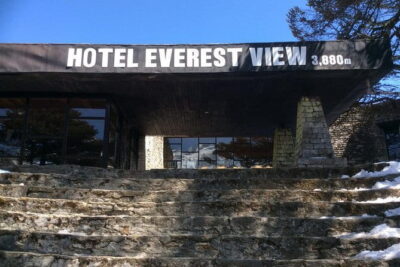
Everest Base Camp Helicopter Tour landing at Everest View Hotel
Read our review →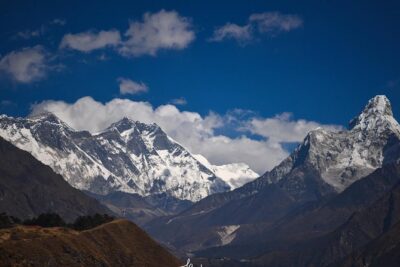
Everest Base Camp Helicopter Tour landing at Hotel Everest View
Read our review →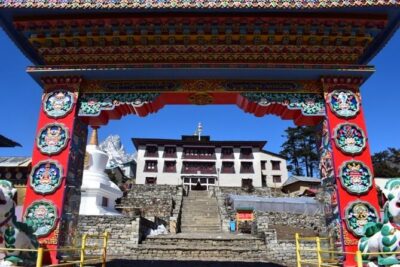
Browse the lists this tour appears in