
Reviewed · EVEREST BASE CAMP TREKS
Everest Base Camp Trek
Altitude and logistics matter up here. This Everest Base Camp trek out of Kathmandu turns a big dream into a guided plan, with permits handled and trained support from Outfitter Nepal. I like that the trip is set up so you can focus on walking and breathing, not paperwork, and guides named Kiran, Dinish, and Arjun have shown up in past teams.
Two things I really like: the trek includes the day-to-day structure with lodging and meals, and you also get four nights in Kathmandu to settle your body before the mountains. It’s not just “good luck and good shoes,” it’s a full schedule built around acclimatization and real rest breaks.
One drawback to consider is extra costs you may still need to budget, like your Nepal visa, travel insurance, and the Everest Base Camp entrance fee. Also, this trip depends on weather and flying conditions, so you should expect some flexibility even when the plan looks tight.
In This Review
- Key things that make this Everest Base Camp trek feel well-run
- Price and logistics: what $1,300 really covers
- Kathmandu pre-trek days: where the rhythm starts
- The Lukla start: flying in at 2,886 m and trekking to Phakding
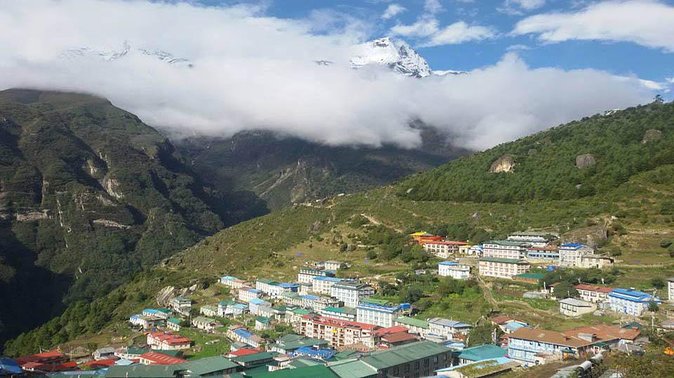
- Namche Bazaar: the altitude test and the acclimatization reset
- Tyangboche to Dingboche: the views come with altitude costs
- Lobuche and the high-country approach toward base camp
- Everest Base Camp day: steady effort to Gorakshep, then base camp
- Kala Patthar at 5,545 m: your reward, and your responsibility
- Return to Namche and down to Lukla: finish the circle
- The human part: what the past guides did well
- Gear and comfort: what’s provided, what you still need to handle
- Who this trek is for, and who should rethink it
- Should you book this Everest Base Camp trek?
- FAQ
- What time and where does the trek start in Kathmandu?
- Are domestic flights included, and which route do they cover?
- How long is the trek and how many nights are included in Kathmandu?
- Is the guide and porter support included?
- What permits and paperwork does the company handle?
- What happens if the trek is canceled due to poor weather?
Key things that make this Everest Base Camp trek feel well-run
- Guides and porter support included, so you spend less time managing logistics
- Permits and paperwork handled, which keeps your time and stress levels down
- Domestic flight Kathmandu to Lukla and back with taxes included
- Acclimatization rest days in Namche Bazaar and Dingboche to help your body adjust
- Lodges/tea houses and meals on the trek plus a few nights in Kathmandu
Price and logistics: what $1,300 really covers
At $1,300 per person for about 12 days, this trek is priced for travelers who want one package that handles the heavy lifting. You’re not just buying the hiking, you’re paying for the system: domestic flights, transfers by private vehicle, and lodge stays during the trek. You also get breakfast, lunch, and dinner on the trail, which matters on a route where food quality is tied to altitude and availability.
Another value point is that Outfitter Nepal includes gear items like a sleeping bag, down jacket, and a duffle bag, plus a trekking map that comes back after the trek. That can reduce what you need to buy or ship from home. If you’re traveling light, this can be a real win.
But keep your budget honest. The tour does not include the Nepal entry visa fee (listed as $40 for 1 month), travel insurance (compulsory), tips for guide and staff, and the Everest Base Camp entrance fee ($40 per person). Water and battery charging are also not included, and you should plan on paying for personal items along the way.
One more practical note: the experience is listed as non-refundable and not changeable for any reason. Weather can cause rescheduling or a full refund, but personal cancellation rules are strict, so read carefully before you commit.
More Treks in Kathmandu
- Everest Base Camp Trek – 14 Days
★ 5.0 · 1,499 reviews - Everest Base Camp Trek
★ 5.0 · 842 reviews - Everest Base Camp Trekking
★ 5.0 · 485 reviews
Kathmandu pre-trek days: where the rhythm starts
You begin at Tribhuvan Airport in Kathmandu with a meeting time of 6:15 am. It’s early, and that’s normal here because you need to catch the flight window to Lukla.
This tour also includes time in Kathmandu, described as four nights. That’s useful because it gives you a cushion before you jump straight into the high country. You can also use the Kathmandu days to confirm your gear fit, check your breathing plan, and eat normally for a few days without rushing.
One caution: the tour description says accommodation in Kathmandu is included for four nights, but the non-included section says hotel and food while in Kathmandu are not included. Since that conflict is in the provided details, I’d confirm what you’re actually getting when you book, so there are no surprises at check-in.
The Lukla start: flying in at 2,886 m and trekking to Phakding
The itinerary kicks off with a flight from Kathmandu to Lukla at 2,886 m, then trekking to Phakding around 2,610 m. Expect a transition day, but don’t treat it like an easy stroll. Even at “lower” altitude, your body is adjusting and the trail can feel steep under a fast-changing sky.
The trek to Phakding is usually where you learn two things quickly: your pack weight reality and your hydration habits. Lodges in this zone are basic but functional, and the structure of having meals included helps you maintain a steady routine. I like that you can keep your focus on your pace rather than constantly figuring out logistics.
Namche Bazaar: the altitude test and the acclimatization reset
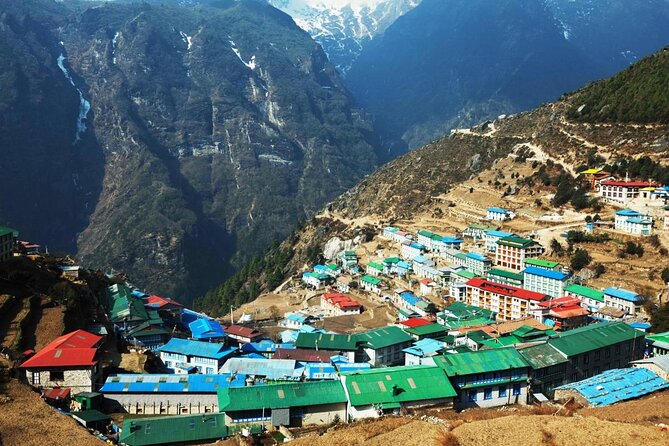
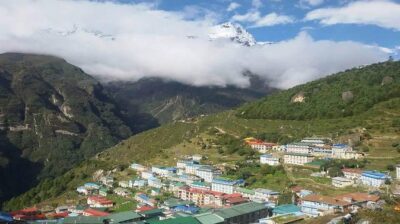
Next up is a trek from Phakding to Namche Bazaar at 3,440 m, around a six-hour day. Then you get a rest day at Namche Bazaar for acclimatization.
This is where the trek’s design starts making sense. Namche is a hub. It gives you a place to rest, walk a bit if you feel good, and let your body catch up. The goal of this rest day is not sightseeing overload, it’s altitude management. With Everest Base Camp, you’re not trying to “win” speed, you’re trying to arrive feeling steady.
From a practical standpoint, this is also where you’ll benefit from having an experienced guide. At altitude, tiny choices matter: how fast you walk, how often you stop, and how you handle fatigue. Having a guide and porter support means you can stay consistent.
More Everest Base Camp treks:
- Everest Base Camp Helicopter Tour landing at Everest View Hotel
★ 5.0 · 668 reviews - Everest Base Camp Trekking – 13 Day
★ 5.0 · 365 reviews - Everest Base Camp Trek
★ 5.0 · 350 reviews - Everest Base Camp Trek -14 Days
★ 5.0 · 321 reviews
Tyangboche to Dingboche: the views come with altitude costs
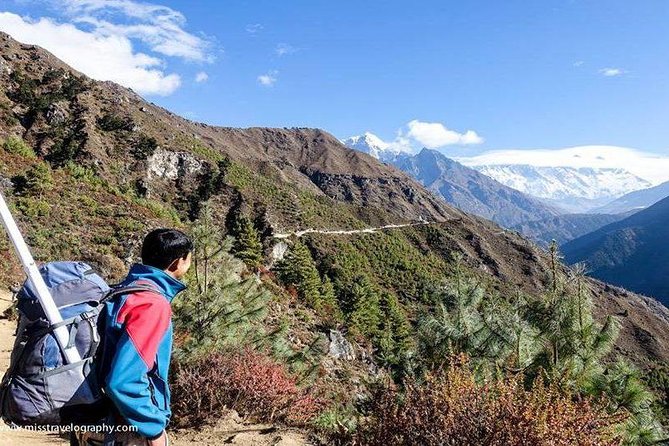
After Namche, the route climbs to Tyangboche around 3,867 m. You then continue to Dingboche at roughly 4,260 m.
Each of these days is about balance. You want forward movement, but you also want to respect the altitude creep. Even if the hiking times look manageable on paper, your breathing changes as you go higher. The trek includes meals and lodge nights, which helps you recover properly instead of eating whatever you find and calling it good.
Then you get another acclimatization rest day, this time in Dingboche. This is an essential piece of the itinerary because you’re heading toward very high terrain soon. Two acclimatization breaks, at two different altitudes, is exactly how you give yourself a better chance at finishing strong.
Lobuche and the high-country approach toward base camp
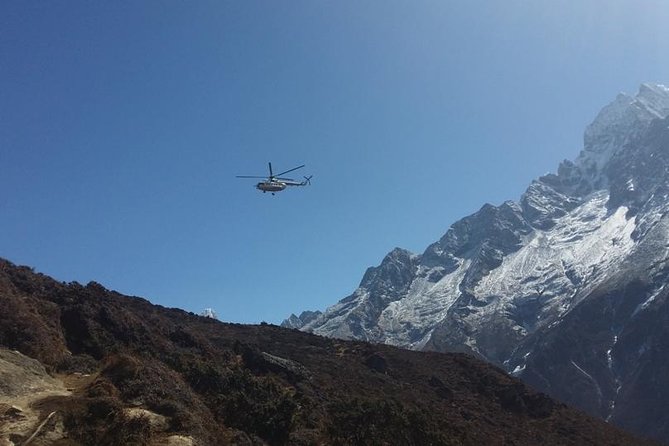
From Dingboche you trek to Lobuche around 4,930 m. Then the next big push takes you higher, eventually to Everest Base Camp via Gorakshep.
This segment is where the mountain setting starts to feel more severe. The air gets thinner, and the pace you can maintain drops. The good news is that the trek’s structure keeps you from making random day-length decisions. You’re not improvising the schedule; you’re following a plan that already assumes these altitude impacts.
Everest Base Camp day: steady effort to Gorakshep, then base camp
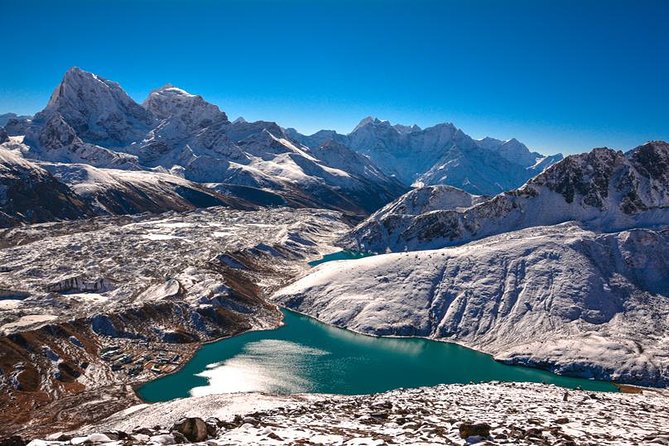
The trek from Lobuche to Everest Base Camp via Gorakshep is listed as about 6 to 7 hours. Even with that time estimate, this is the day where you may feel the altitude most.
What I’d expect here is mental focus. This is one of those “put one foot after another” days, not a “go explore every side path” day. With meals included and the trek planned with lodges along the way, you can concentrate on reaching your goal without constantly thinking about where you’ll sleep and eat next.
Also, Everest Base Camp is not just a single moment. Your body has been climbing for days, so the real payoff is getting there feeling safe and controlled. A guide matters because you can follow a pace that keeps your energy usable for the next day too.
Kala Patthar at 5,545 m: your reward, and your responsibility
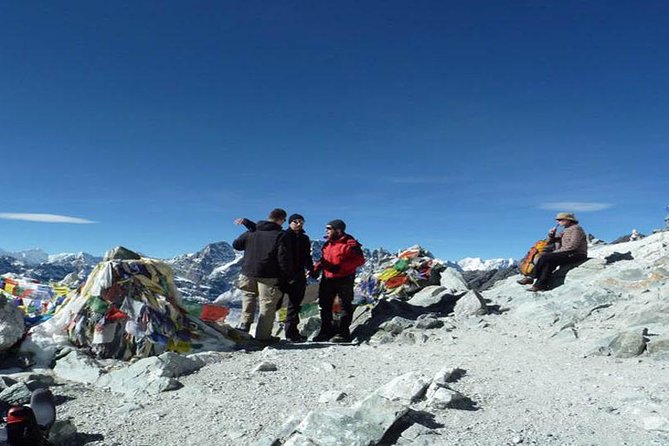
After base camp, the itinerary goes to Kala Patthar (listed at 5,545 m) and then continues to Pheriche around 4,243 m, for about a 7-hour day.
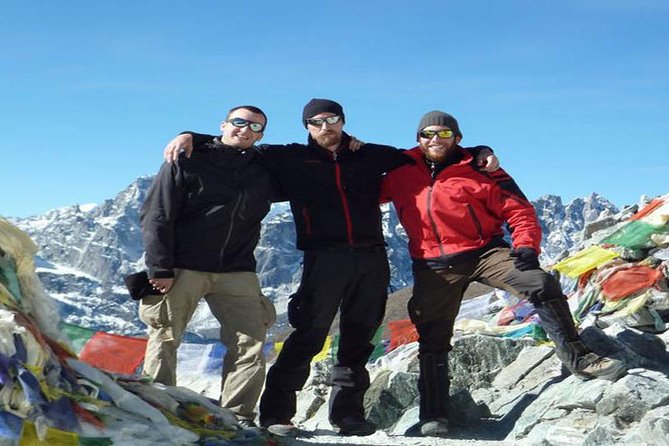
Kala Patthar is high and it’s hard. This is not the time to push past your limits just for a photo. If you’ve ever wondered what “thin air” feels like, this is where it becomes real in your lungs and legs. The reward is the viewpoint, but the responsibility is how you climb it: slow steps, frequent brief stops, and steady breathing.
After Kala Patthar, the trek down to Pheriche helps you reset. It’s also a psychological win, because you’re moving toward lower altitude again instead of climbing further.
Return to Namche and down to Lukla: finish the circle
From Pheriche you trek back to Namche Bazaar, then onward to Lukla, and finally fly back to Kathmandu.
These return days can feel deceptively tough. When you’re tired, “down” can still burn your knees, and “less altitude” doesn’t mean “no effort.” The benefit is that the hard altitude push is behind you, and you can focus on finishing clean.
Finally, you fly from Lukla back to Kathmandu and transfer to your hotel.
The human part: what the past guides did well
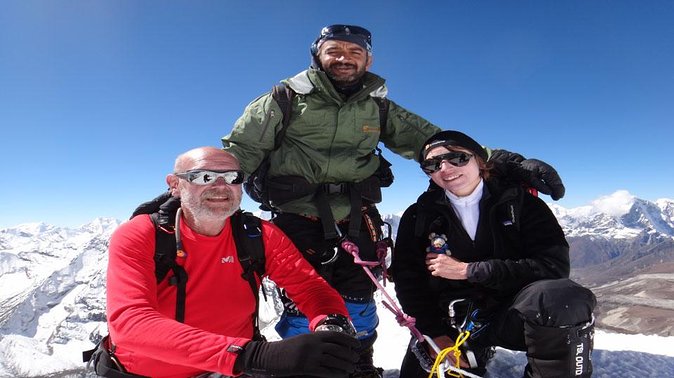
The logistics are important, but the guide makes the mountain feel manageable. In past experiences shared with this trek, guides included Kiran, Dinish, and Arjun, and their styles show what you want in the Khumbu.
One guide, Arjun, was described as kind and patient, and even brought fresh fruit for dessert each night. That sounds like a small detail until you realize how much it helps morale when you’re tired, cold, and hungry enough to think about food constantly.
Another highlight was how teams handled real disruptions. One trip started with an intense monsoon that destroyed roads and stranded people. In that situation, Outfitter Nepal handled the problems openly and honestly, then made up lost time with a memorable trekking experience. That kind of response matters when you’re far from home and weather can change plans fast.
Dinish was also praised for helping throughout the trek, which lines up with what you want from a guide role here: not just leading the route, but managing pace, questions, and small safety choices every day.
Gear and comfort: what’s provided, what you still need to handle
This trek provides key cold-weather items: a sleeping bag, down jacket, and a duffle bag, plus a trekking map. That reduces stress, especially if you’re traveling internationally and don’t want to buy specialty gear.
What’s not included includes sweet things like chocolate bars and hot showers during the trek. Battery charging and water are also not included, so plan to manage power and hydration in a practical way. In high places, these tiny conveniences cost real money, and having a plan keeps you from feeling rushed or irritated.
If you’re packing, I’d plan around layered clothing and comfort, plus a simple strategy for warmth at night. The trek’s structure handles meals and lodging, so your biggest job is staying warm and dry enough to sleep.
Who this trek is for, and who should rethink it
This is best for people with moderate fitness who want a guided trek with predictable logistics. The itinerary includes several hiking days around 4 to 7 hours and two acclimatization rest days, so it’s not a couch-to-views challenge. You should be comfortable walking uphill for extended periods and okay with thin air above 5,000 m.
It also fits solo travelers who want group support and a maximum group size of 14. There are group discounts and pickup offered, plus mobile ticketing. If you like having a clear plan and a team on the ground, this style works well.
If you want total independence, flexible day changes, or a fully self-arranged trek, this package approach might feel too structured.
Should you book this Everest Base Camp trek?
I’d book it if you want a straightforward, supported Everest Base Camp plan where permits, domestic flights, meals, and lodge stays are already handled. The biggest value is how the trek builds acclimatization into the schedule and removes guesswork from the biggest risks of the Himalaya: pacing, paperwork, and day-to-day logistics.
I would pause and confirm details if you’re sensitive to budget add-ons, since you may need to cover visa costs, travel insurance, the $40 Everest Base Camp entrance fee, tips, and some creature comforts like hot showers. And because the trek requires good weather, have a mindset that conditions can change.
If you want Everest Base Camp with less stress and more support, this is the kind of package that makes the journey feel doable, even when the altitude is not.
FAQ
What time and where does the trek start in Kathmandu?
You meet at Tribhuvan Airport in Kathmandu at 6:15 am.
Are domestic flights included, and which route do they cover?
Yes. The trek includes flight fare with domestic airport tax for Kathmandu to Lukla and back to Kathmandu.
How long is the trek and how many nights are included in Kathmandu?
The experience is about 12 days, and the overview says accommodation on the trek plus four nights in Kathmandu are included.
Is the guide and porter support included?
The highlights say guides and porters are included. The non-included section also lists an optional porter cost of 20 USD per day if you require one.
What permits and paperwork does the company handle?
All paperwork and permits are taken care of for you.
What happens if the trek is canceled due to poor weather?
It requires good weather. If it is canceled due to poor weather, you will be offered a different date or a full refund.
Latest additions near Kathmandu
- White Water River Rafting – 1 Day★ 4.3 · 3 reviews
- Traditional Momo Making Class★ 5.0 · 10 reviews
- Kathmandu to Pokhara Premium sofa bus ticket★ 4.0 · 17 reviews
- Ghorepani Poon Hill Trek★ 5.0 · 16 reviews
- Amazing 1 Day Trekking Experience in Kathmandu Nepal★ 5.0 · 24 reviews
- Ghorepani Poonhill Trek★ 5.0 · 5 reviews
- Walking tour of real Kathmandu through back streets.★ 5.0 · 3 reviews
- Wildlife Adventure in Chitwan Nepal★ 4.0 · 4 reviews
Everest Base Camp Treks, compared.
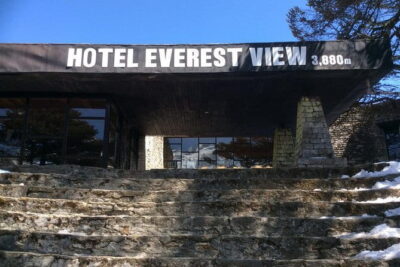
Everest Base Camp Helicopter Tour landing at Everest View Hotel
Read our review →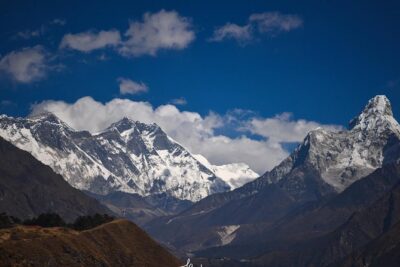
Everest Base Camp Helicopter Tour landing at Hotel Everest View
Read our review →
Browse the lists this tour appears in