
Reviewed · EVEREST BASE CAMP TREKS
Everest Base Camp Trek
Everest Base Camp gets in your head fast. This trek pairs a heart-pounding, scenic Kathmandu to Lukla flight with days of Sherpa culture, monasteries, and big Himalayan views, then pushes you up to 5,380m (17,600ft). I especially love the mix of high-mountain drama and real local life, from Namche Bazaar as the Khumbu trade hub to Tengboche Monastery as the spiritual anchor of the region. One consideration: the trail is steep at times, air gets thin near the top, and the lodges can feel basic when you’re tired and cold.
The experience is also well organized in the ways that matter, like airport pickup in Kathmandu, a small group size (max 15), and a team that stays on top of logistics when flights or timing get weird. You’re in Nepal’s Sagarmatha National Park, a UNESCO World Heritage Site, and you’ll get a true sense of the mountaineering legacy tied to Edmund Hillary and Tenzing Norgay.
In This Review
- Key Highlights Worth Knowing Before You Go
- Kathmandu To Lukla Flight: The Khumbu Starts Before the Trek
- Namche Bazaar: Sherpa Business Hub, Museum Stop, Real Culture
- Tengboche Monastery: Where the Mountains Feel Sacred
- Sagarmatha National Park: UNESCO Context on Every Step
- Everest View Hotel: A Real Break With Big Altitude Payoff
- Kala Patthar: The 360-Degree Everest Moment
- Everest Base Camp at 5,380m: When the Dream Becomes Real
- Altitude, Pace, and Why Guides Matter Here
- Price and Value: What $1,290 Actually Covers
- Service Level: Communication, Logistics, and a Small-Group Feel
- Who This Everest Base Camp Trek Fits Best
- Should You Book This Everest Base Camp Trek?
- FAQ
- Where does this Everest Base Camp trek start?
- How long is the trek?
- What is the highest elevation you reach?
- Is airport pickup offered?
- What’s included in the price?
- What’s not included?
- Do I need to arrange a Nepal arrival visa?
- What is the cancellation policy?
Key Highlights Worth Knowing Before You Go
- Scenic Lukla flight from Kathmandu to Tenzing Hillary Airport, the quickest way into the Khumbu world
- Namche Bazaar as a gateway plus a Sherpa Museum stop that explains how this region works
- Tengboche Monastery visit in the Khumbu, widely considered the largest monastery here
- Sagarmatha National Park days, with national park fees handled as part of the trek
- Kala Patthar 360-degree panorama, including Everest and nearby snowcapped peaks
- Everest Base Camp close-up plus the feeling of walking in the footsteps of climbing pioneers
Kathmandu To Lukla Flight: The Khumbu Starts Before the Trek
Most Everest Base Camp treks begin with altitude and the feeling that things are about to change. Here, that switch happens fast, with a flight from Kathmandu to Lukla (Tenzing Hillary Airport). The big value for you is simple: it compresses travel time and gets you into the Khumbu quickly, so you can spend your energy on the actual trek rather than long transfers.
You also get practical support up front. Pickup is offered, and the meeting point is Tribhuvan Airport in Kathmandu. Your tour lists airport and departure tax as included, which matters because it removes one more thing to chase after you land.
One heads-up: flights into and out of Lukla can be sensitive to conditions. Even when your trek plan is solid, your day-to-day rhythm can shift. The positive news, based on how this operator communicates, is that they try to keep the rest of your plan moving once you’re in-country.
More Treks in Kathmandu
- Everest Base Camp Trek – 14 Days
★ 5.0 · 1,499 reviews - Everest Base Camp Trek
★ 5.0 · 842 reviews - Everest Base Camp Trekking
★ 5.0 · 485 reviews
Namche Bazaar: Sherpa Business Hub, Museum Stop, Real Culture
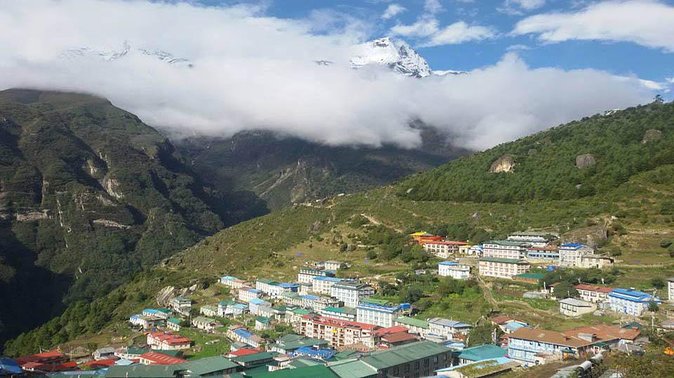
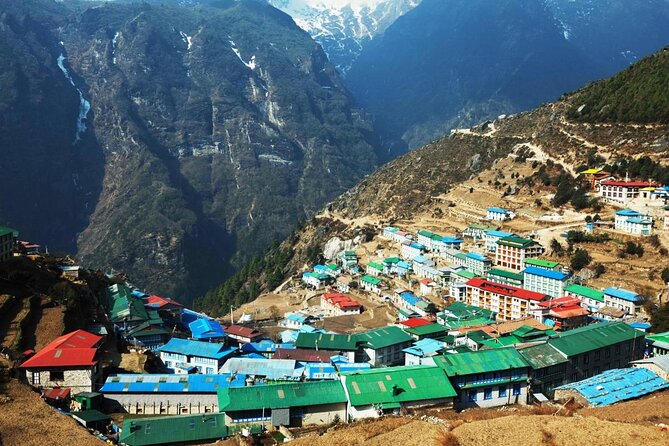
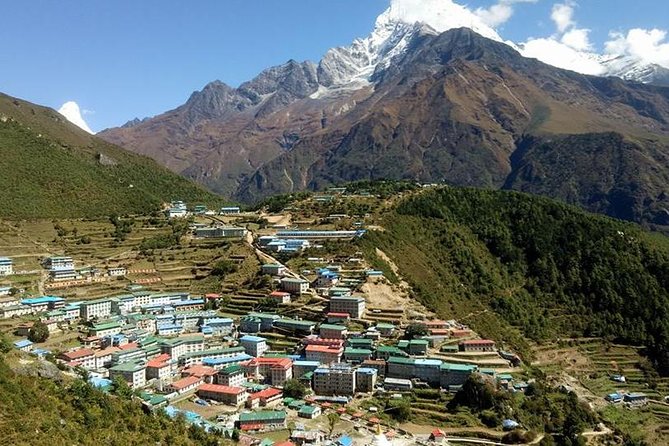
Namche Bazaar is not just a pretty town. It’s the business hub of the entire Khumbu region, and the experience here helps you understand what you’re seeing later on the trail. This is where you get a sense of trade routes, supplies, and the everyday economy that keeps life running in a place dominated by mountains and altitude.
A key stop is the Sherpa Museum, which gives context to the culture you’ll meet along the way. I like this kind of stop because it turns sightseeing into understanding. Instead of just passing through villages, you start to notice patterns: how people adapt their housing styles, how communities organize around seasons, and how hospitality shows up day after day.
Namche also functions as a gateway toward Everest Base Camp. That means you’ll likely feel the altitude and the pace more here than on the lowlands. The goal is to let your body catch up while your brain catches fire from mountain views, thick air, and that unmistakable Khumbu energy.
Tengboche Monastery: Where the Mountains Feel Sacred
Tengboche Monastery is one of the most meaningful cultural stops in the Everest region, and this trek includes a visit to it. The monastery is described as the largest in the Khumbu region, and it sits in a dramatic setting under the presence of nearby giants like Ama Dablam.
What you’ll experience at Tengboche is less about ticking a box and more about slowing down. Monasteries create a change in pace: you step into a spiritual atmosphere that feels different from market streets. If you’re the type who likes a place to have a purpose beyond scenery, Tengboche tends to land well.
A practical note: at this elevation, time outside can be tiring even if the walking feels manageable. Plan to enjoy the moment, but also respect the cold and the thin air. You don’t need to rush every minute here to make it count.
Sagarmatha National Park: UNESCO Context on Every Step
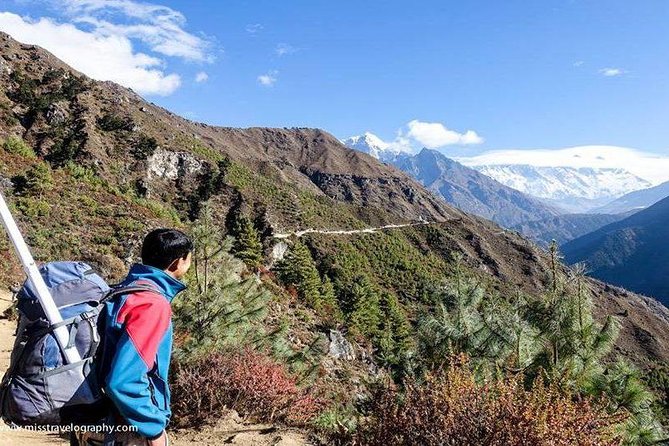
This trek takes you through Sagarmatha National Park, and the experience is tied to UNESCO World Heritage status. The value for you is that it frames the region as more than a mountain playground. You’re walking in a protected area with strong cultural and environmental significance.
National park fees are included, so you don’t need to worry about administrative add-ons mid-trek. That may sound minor, but it removes friction at the very time you’re focused on pace, breath, and staying warm.
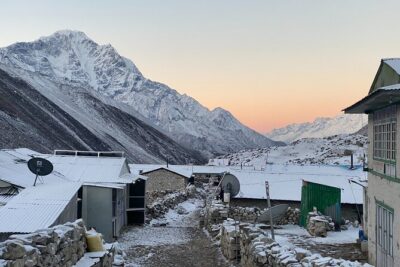
On the trail, the park context also shows up in how the region feels. As you gain elevation, the world changes from village life and greenery to harsher terrain and more stark skies. The park does what it should do here, it keeps the area protected while still allowing you to experience it firsthand.
More Everest Base Camp treks:
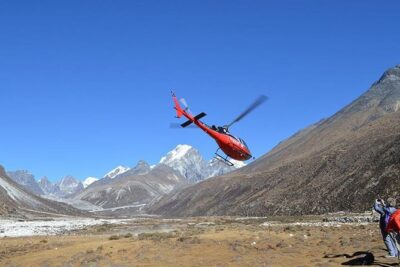
- Everest Base Camp Helicopter Tour landing at Everest View Hotel
★ 5.0 · 668 reviews - Everest Base Camp Trekking – 13 Day
★ 5.0 · 365 reviews - Everest Base Camp Trek
★ 5.0 · 350 reviews - Everest Base Camp Trek -14 Days
★ 5.0 · 321 reviews
Everest View Hotel: A Real Break With Big Altitude Payoff
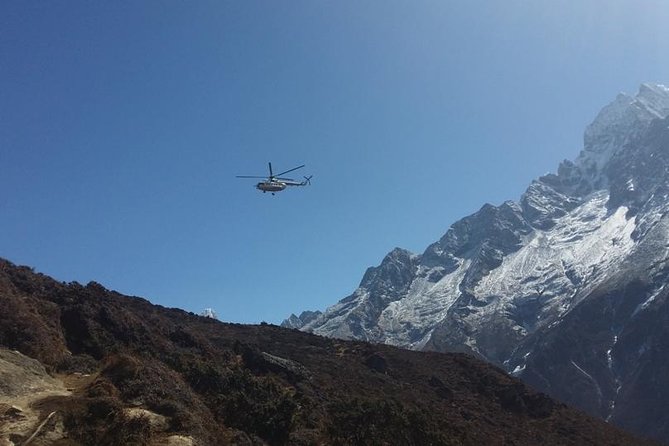
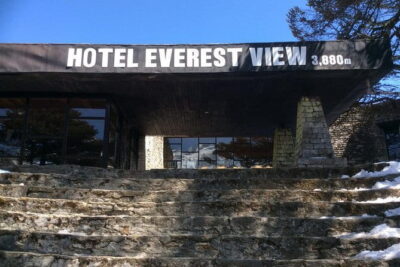
One of the smarter touches in this trek is the chance to stop for breakfast or lunch at Everest View Hotel, described as one of the world’s highest-altitude hotels. Even if you’re not thinking about food as a highlight, this matters. A proper break at altitude helps you refuel when you’ll otherwise just keep pushing because you’re eager to reach higher ground.
The hotel stop is also a gift for your senses. You’re higher up, closer to the dramatic panorama, and that makes even a simple meal feel like part of the journey rather than an interruption.
This is also a good reminder that altitude affects everything. Your body will work harder for basic tasks, so taking time to eat and drink is not a luxury. It’s part of how you keep the trek enjoyable.
Kala Patthar: The 360-Degree Everest Moment
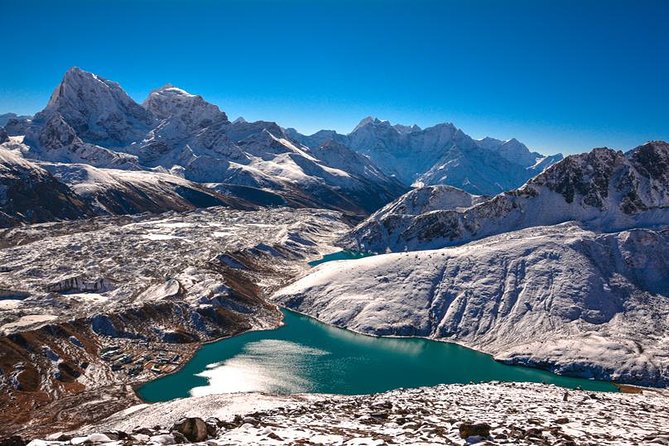
Kala Patthar is where the trek’s promise crystallizes into a view you can’t fake with photos. The trek highlights a 360-degree panoramic view of Mount Everest and nearby snowcapped peaks, which is the kind of detail that tells you this isn’t just about reaching a single landmark.
Why this stop matters for you: it gives perspective. You can look around and see how the Himalayas stack up, not just one iconic mountain. That makes the entire route feel more connected, especially once you’ve moved through Sherpa villages and monastery stops and learned a bit of the background.
If you’re prone to overdoing it on climbs, Kala Patthar is a lesson in pacing. You want your senses working so the view hits properly, not so you’re just surviving the final effort. That’s also why a guide and team who watch your progress can be a big deal here.
Everest Base Camp at 5,380m: When the Dream Becomes Real
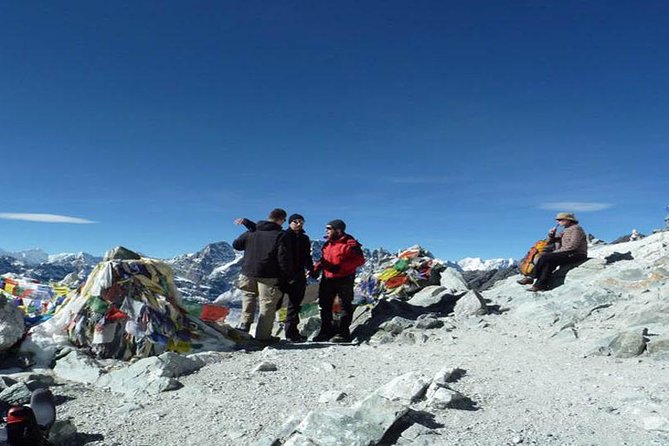
Reaching Everest Base Camp means getting close to the world’s highest peak, and this trek lists a maximum elevation of 5,380m (17,600ft). That number is important because it tells you what kind of challenge you’re signing up for. You’re not just hiking, you’re dealing with thin air and a body that needs time to adapt.
You’ll also experience the mountaineering legacy of Sir Edmund Hillary and Tenzing Norgay. That adds weight to the moment at Base Camp. Instead of feeling like you’re only chasing a view, you get a stronger sense of why people came here in the first place.
One possible reality check: the path can be steep at times, and some parts of the experience near the higher elevations can feel physically demanding. Lodges at altitude are often described as ascetic, meaning simple and minimal. If you expect comfort like a resort, you’ll be disappointed. If you expect a real mountain trek with basic shelter, you’ll feel right at home.
And still, the reward is the main point. Being this close makes the mountains feel larger than your imagination. It’s the kind of experience that resets your scale.
Altitude, Pace, and Why Guides Matter Here
This trek is aimed at people with moderate physical fitness, but altitude raises the stakes. Even if you’ve hiked before, the change in breathing at higher elevation is real, and it’s not something you can fully train for at home.
The practical benefit is that you’re not doing it alone. This operator’s team includes local guides and porters that have been named in past treks, such as Bishnu, Navien, Hari, Nawin, and Raj, with porters like Santa and team members like Tek also mentioned. You might work with a different combination based on your dates, but the common thread is safety-focused guidance.
Another detail I like: the team is described as flexible with the plan when it’s within your control. In one case, an extra day and even skipping a rest day were handled by the team without turning it into drama. That matters because altitude can change how you feel day to day.
So here’s my practical advice, keep your ego small. Climb by comfort, not pride. If you feel behind, slow down early. That one choice can make the later days less scary and more enjoyable.
Price and Value: What $1,290 Actually Covers
The listed price is $1,290 per person for an approximate 14-day trek. When you’re dealing with Everest region treks, cost isn’t just about walking. It’s also about permits, staff time, and logistics that are harder than they look on a map.
Included items are overnight accommodation, airport/departure tax, and national park fees. Those three categories cover the big administrative and basic living costs you would otherwise pay separately. The trek also includes a Kathmandu to Lukla flight in the experience highlights, and that flight is a major part of why this route works.
What’s not included is also clear:
- alcoholic beverages
- WiFi on board
- personal expenses
- Nepal arrival visa (with an arrival visa system)
- international flight fare
- tips for guide and porter
For value, the biggest question is not just what’s included, it’s how smoothly the whole trek runs once you’re in Nepal. The operator has a track record of being easy to communicate with and responsive to changes, including flight delays and cancellations that can happen around Lukla connections. That operational confidence is hard to price, but it can save you stress.
Service Level: Communication, Logistics, and a Small-Group Feel
One thing that keeps coming up in how people describe this company is communication. The local owner Shailesh and the broader team are mentioned for prompt replies and clear coordination, from airport pickup through the trek and back again. If you’re the kind of traveler who hates uncertainty, this kind of responsiveness is worth real money.
Guides and porters also get named for being well-trained and professional, including staff like Bishnu, Santa, Tek, Navien, Hari, Nawin, and Raj. Even when the guide name changes by group, the consistency is the personal service style. Small group size, max 15, supports that too, because it makes it easier to manage pace and questions.
This operator also appears willing to handle the human parts of travel. People cite adjustments like extra hotel stays, shifting plans based on your choice, and getting flights back on time. Even if your trek is already planned well, small changes like these keep the experience from feeling rigid.
Who This Everest Base Camp Trek Fits Best
This trek fits best if you want an Everest experience with both views and meaning. You’ll like it if you:
- want the Lukla flight into the Khumbu rather than long land travel
- care about Sherpa culture, monasteries, and the everyday life around the big peaks
- want a guided approach for safety at altitude
- can handle basic lodge conditions and simple meals
It might not be a match if you need predictable comfort or modern conveniences. WiFi on board is not included, and the lodge style at altitude is often described as plain. Also, the trek is physically challenging. If you’re not comfortable with steep sections and thin air, you’ll likely struggle.
If you travel solo, this format can still work, because the team supports you with a guide and porter. Just keep in mind that solo means you carry the whole weight of decision-making, so listen closely to your guide about pacing.
Should You Book This Everest Base Camp Trek?
If your dream is to get close to Everest and you’re willing to work for it, I’d seriously consider booking. The combination of a quick Kathmandu to Lukla start, cultural stops like Namche Bazaar and Tengboche Monastery, and the signature high points at Kala Patthar and Everest Base Camp makes this more than a checklist trek.
Book it if you value guided support, small-group attention, and a team that keeps logistics moving when travel gets unpredictable. Think twice if you’re looking for an easy walk, luxury lodging, or a fully connected digital lifestyle. For the right mindset, this is the kind of trip that turns into a story you tell for years.
FAQ
Where does this Everest Base Camp trek start?
The meeting point is Tribhuvan Airport in Kathmandu, Nepal.
How long is the trek?
The duration is listed as approximately 14 days.
What is the highest elevation you reach?
The trek reaches a highest elevation of 5,380m (17,600ft).
Is airport pickup offered?
Yes, pickup is offered.
What’s included in the price?
Overnight accommodation, airport/departure tax, and national park fees are included.
What’s not included?
Not included are alcoholic beverages, WiFi on board, personal expenses, Nepal arrival visa, international flights, and tips for guide and porter.
Do I need to arrange a Nepal arrival visa?
The Nepal arrival visa is not included, but the info says there is an arrival visa system.
What is the cancellation policy?
You can cancel up to 24 hours in advance for a full refund. If you cancel less than 24 hours before the start time, the amount paid is not refunded.
Latest additions near Kathmandu
- White Water River Rafting – 1 Day★ 4.3 · 3 reviews
- Traditional Momo Making Class★ 5.0 · 10 reviews
- Kathmandu to Pokhara Premium sofa bus ticket★ 4.0 · 17 reviews
- Ghorepani Poon Hill Trek★ 5.0 · 16 reviews
- Amazing 1 Day Trekking Experience in Kathmandu Nepal★ 5.0 · 24 reviews
- Ghorepani Poonhill Trek★ 5.0 · 5 reviews
- Walking tour of real Kathmandu through back streets.★ 5.0 · 3 reviews
- Wildlife Adventure in Chitwan Nepal★ 4.0 · 4 reviews
Everest Base Camp Treks, compared.
Everest Base Camp Helicopter Tour landing at Everest View Hotel
Read our review →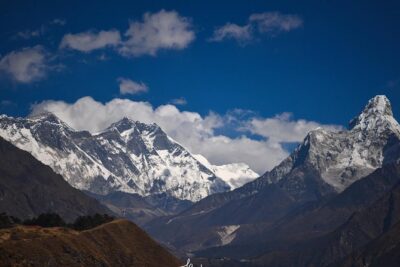
Everest Base Camp Helicopter Tour landing at Hotel Everest View
Read our review →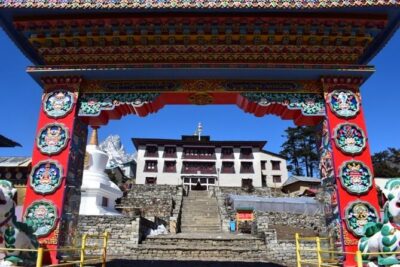
Browse the lists this tour appears in