
Reviewed · EVEREST BASE CAMP TREKS
Everest Base Camp Trek
Everest Base Camp, minus the chaos. This 16-day plan takes you from Kathmandu to Lukla and up through Namche Bazaar, Tengboche, and Gorak Shep, then on to Kala Patthar and Everest Base Camp. What makes it special is the mix of Himalayan scenery and steady, practical pacing, plus on-the-ground support led by Aashish, with the company founder Urja helping keep things on track.
I especially like how the route builds in acclimatization time, so you are not just climbing for days and days. And I like that a lot of the hard-to-organize items are handled upfront, including permits, meals during the trek, and essential cold-weather gear like a warm down jacket and sleeping bag. One thing to plan carefully for: the package does not include altitude sickness insurance, so you should arrange your own medical coverage before you go.
In This Review
- Quick Hits: What Sticks With This Everest Base Camp Trek
- Price and Logistics: What Your $1,850 Covers (and What It Does Not)
- Kathmandu Days: Getting Ready Without Feeling Rushed
- Lukla to Namche Bazaar: Rivers, Suspension Bridges, and the Big Reveal
- Namche Acclimatization: The Best Kind of Slow Day
- Tengboche and Beyond: Monasteries, Mountains, and Long Views
- The Thin-Air Stretch: How to Handle Days 9 and 10
- Kala Patthar Sunrise and the EBC Payoff
- Return to Kathmandu: Flights, Rest, and a Farewell Night
- What You’ll Like Most on the Trail (Based on the Team Style)
- Cold, Water, and Altitude Reality Check
- Value for Different Types of Trekking Styles
- Should You Book This Everest Base Camp Trek?
- FAQ
- How long is the Everest Base Camp trek?
- Where does the trek start, and what time do you meet?
- What’s included for my stay in Kathmandu?
- Are permits and TIMS cards included?
- Do you provide trekking gear?
- What meals are included during the trek?
- Is altitude sickness insurance included?
- Are flights included, and is the international flight included?
- Is this tour refundable if I cancel?
Quick Hits: What Sticks With This Everest Base Camp Trek
- Aashish as your guide, with a patient, go-slow approach that helps at higher altitude
- Permits and TIMS handled, plus a medical kit bag during the trek
- Cold-weather gear included, including a warm down jacket and sleeping bag
- Kala Patthar sunrise timing, so the effort has a payoff
- Real-world hydration advice, including what to carry on the Gorak Shep to EBC stretch
Price and Logistics: What Your $1,850 Covers (and What It Does Not)
At $1,850 per person, this trek is not a budget game. But the value is in what is wrapped into the trip, not just the itinerary name. You get transport from arrival through departure, three nights in Kathmandu with breakfast, welcome and farewell Nepali culture dinners, and daily meals on the trek (breakfast, lunch, dinner, plus tea and coffee).
You also get key paperwork support for the region, including trekking permits and TIMS cards. On top of that, Alliance Adventure provides trekking support that many DIY hikers forget, like a medical kit bag during the trek, and insurance coverage specifically for guides and potters (not for you at altitude).
What you will pay for separately is mostly “the extras” that creep up in the mountains: cold drinks, mineral water, battery charging, hot showers, and phone calls. It also does not include tips for your guide and potters, Kathmandu lunch and dinner, or any sightseeing entrance fees in Kathmandu. And yes, the big one for risk management is altitude sickness insurance, which is explicitly not included.
More Treks in Kathmandu
- Everest Base Camp Trek – 14 Days
★ 5.0 · 1,499 reviews - Everest Base Camp Trek
★ 5.0 · 842 reviews - Everest Base Camp Trekking
★ 5.0 · 485 reviews
Kathmandu Days: Getting Ready Without Feeling Rushed
Your trip starts in Kathmandu, meeting at 6:00 am in the Kathmandu Valley area. Day 1 is a warm welcome, then you brief on the trek and get time to prep your gear. This matters more than it sounds. When you are about to fly to Lukla and then start walking almost immediately, getting your layers right and organizing your pack can prevent a lot of stress later.
Day 2 adds a half-day city tour, then you drive to Manthali Airport, about four hours away. Along the drive, you pass through local villages and agricultural areas, which is a good reality check day. You get out of the pure tourist bubble, then you move toward the next stage of the journey.
If you like your travel days to have breathing room, this Kathmandu setup is a strong point. There is time to sort your kit and not just sprint straight into the mountains.
Lukla to Namche Bazaar: Rivers, Suspension Bridges, and the Big Reveal
On Day 3 you fly from Kathmandu to Lukla Hillary Airport, then begin trekking through Sherpa villages and mountain views. After landing, you walk toward the first key stop, Phakding, which is where the trail starts to feel like a true expedition rather than a sightseeing hike.
Day 4 is one of the most memorable “transition days.” The trail tracks along rivers, and you cross suspension bridges while climbing toward Namche Bazaar. You also take Hilary steps, and if the weather cooperates around the Hillary bridge, you can catch views of Mount Everest and other big peaks. Even when the summit views are hit-or-miss, these glimpses tell you you are in the right place.
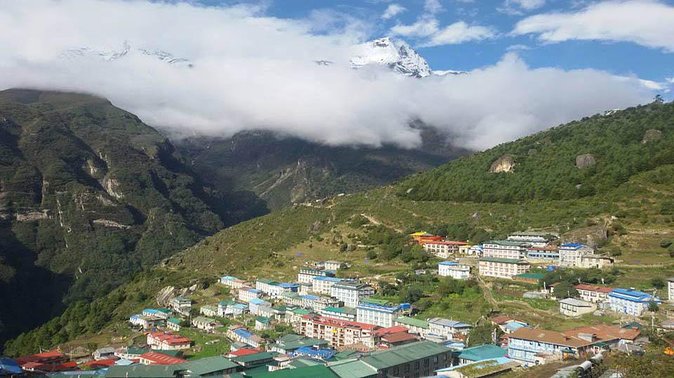
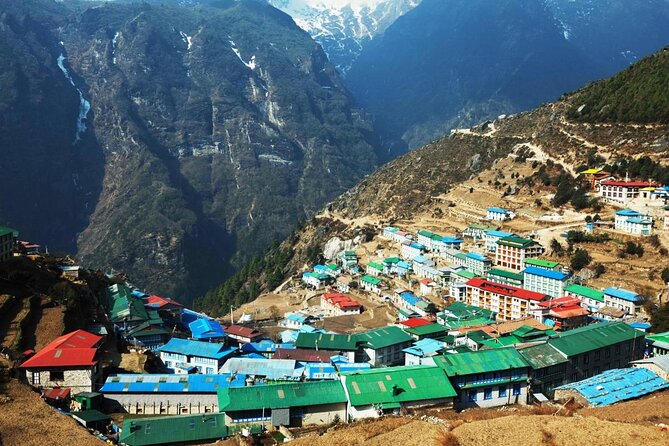
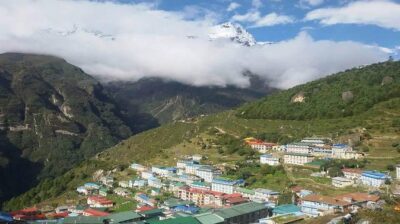
Namche Bazaar is your gateway to the Everest region. It is also where the trekking life becomes more concrete: lodges everywhere, a stronger sense of altitude, and more layers of trekkers moving in both directions.
Namche Acclimatization: The Best Kind of Slow Day
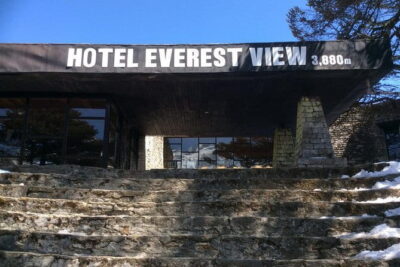
Day 5 is your acclimatization anchor in Namche. After breakfast you hike up toward Sagarmatha National Park and stop at Everest View Hotel and Khumjung Village. One of the most meaningful parts here is visiting the Hillary school in Khumjung. It is a simple stop, but it connects the trek to the human story of this region, not just the mountain photos.
You return to Namche for rest and free time. That “free time” is not filler. In this altitude band, it helps you slow down, hydrate, and avoid the urge to push too hard just because you feel fine for an hour.
If you tend to get overconfident on day one or two of high-altitude trips, this day is your correction tool. It gives you a chance to match your pace to your body instead of to your ambition.
More Everest Base Camp treks:
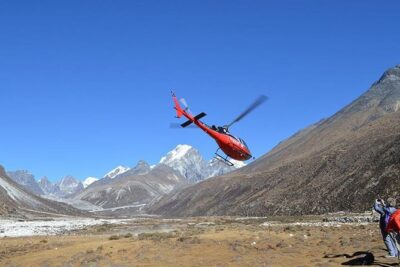
- Everest Base Camp Helicopter Tour landing at Everest View Hotel
★ 5.0 · 668 reviews - Everest Base Camp Trekking – 13 Day
★ 5.0 · 365 reviews - Everest Base Camp Trek
★ 5.0 · 350 reviews - Everest Base Camp Trek -14 Days
★ 5.0 · 321 reviews
Tengboche and Beyond: Monasteries, Mountains, and Long Views
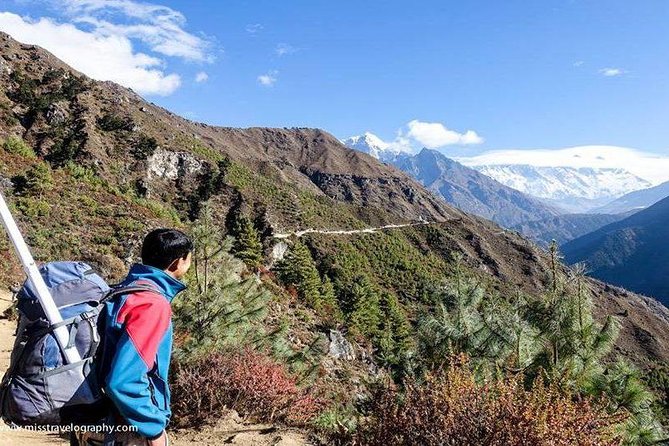
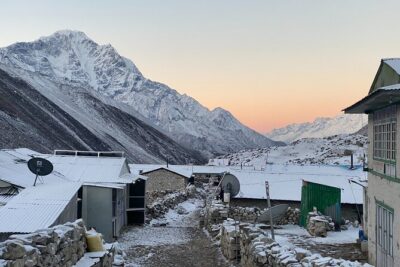
Day 6 takes you through scenery that feels instantly iconic. The trail moves past Mount Thamserku and Ama Dablam views, with Everest in the mix when conditions allow. You walk down toward Pungi Thanga, then climb up to Tengboche monastery.
Tengboche is where you get a different rhythm. You go from steep trekking effort to a calmer, more reflective stop. Monasteries are also useful waypoints in the mountains, because they tend to have solid local presence and a clear sense of where you are in the route.
Day 7 keeps the momentum but stays scenic and grounded, trekking through old village areas like Pangboche, with rivers and mountain views. Day 8 includes a hike to Nangkartshang Peak, then back to your lodge. This is not just a workout day. It is also a chance to practice the high-altitude basics that make the later days safer: slower steps, consistent breathing, and steady hydration.
The Thin-Air Stretch: How to Handle Days 9 and 10
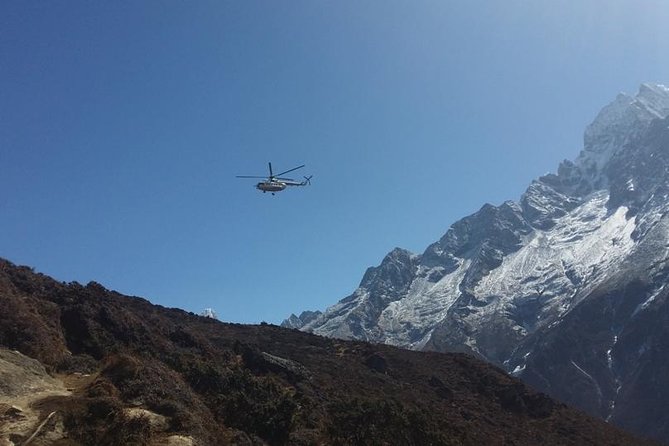
By Day 9, the trail enters the “thin air” phase. This is where the guide support matters most. The plan explicitly emphasizes walking slowly, using long breaths, and keeping warm. You are also encouraged to drink more hot water, including honey-ginger suggestions, and to stay covered because cold and fatigue can hit harder at altitude.
Day 10 is your push into the heart of the Everest Base Camp approach. You move through glaciers and surrounding peaks, then check in at your lodge for lunch before hiking to Everest Base Camp. One practical detail here is huge: the route from Gorak Shep to EBC does not have tea shops, so you should carry enough drinking water and energy snacks. This is exactly the kind of small planning detail that turns a hard day into a manageable one.
If you like clarity, you will appreciate that this plan gives you real instructions, not just a promise of views.
Kala Patthar Sunrise and the EBC Payoff
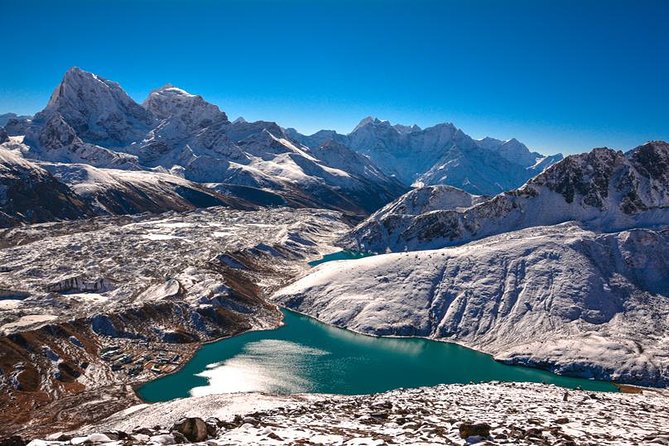
Day 11 is about early morning and Kala Patthar sunrise. The timing matters because you are chasing light across the peaks, not just walking to a viewpoint. After sunrise, you trek back to Lobuche. This is one of the days where energy management is everything. Starting early is tough, but it is also the reason the day feels like a peak moment instead of just another checkpoint.
Day 12 shifts gears. You head back along the trail and visit one of the biggest Buddhist monasteries in the Solu Khumbu area. Even though you are retracing steps, this day is still useful because it breaks up the altitude strain and gives you a meaningful cultural stop. It also supports better pacing by not forcing you into constant “up and up” motion.
Day 13 continues with monastery time, then you trek down and up toward Namche Bazaar, finishing toward Monjo. Day 14 is your last steps in the Everest region, with a celebration with your guide and potter. That celebration matters, because it marks the end of the most physical chunk of the trek while giving your team a proper moment.
Return to Kathmandu: Flights, Rest, and a Farewell Night
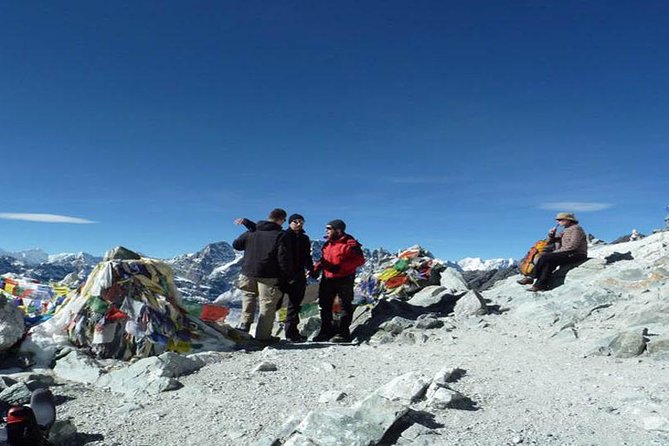
On Day 15, you take a short flight to Manthali Airport, then drive about four hours back to Kathmandu. You get a hotel and time to rest, plus free time to recover from days of walking and limited services.
Day 16 is your wrap-up day. You have breakfast, then your tour guide leads you to explore a heritage site and you end with a farewell dinner. It is a good closing rhythm: gentle sightseeing after the physical finish line.
What You’ll Like Most on the Trail (Based on the Team Style)
This trek earns its reputation through execution. In particular, the guide support shows up in two ways. First, Aashish’s style is described as patient and encouraging, with repeated reminders to go slow. That is not just comfort, it is safety. Second, meals and daily needs are handled in a way that helps you stop thinking about logistics and focus on breathing, walking, and staying warm.
Porters are also a key part of making this doable. When your route includes long climbs and cold early mornings, having strong, helpful potters can reduce the emotional weight of the trek. You still do the walking, but you are not trying to carry everything like a full DIY expedition.
Cold, Water, and Altitude Reality Check
The mountains will be cold. Even if you feel tough on day one, the combination of thin air and wind can change how you feel quickly. The trip includes gear to help: a warm down jacket and sleeping bag after the trek return process, plus a duffel bag that is waterproof. That helps a lot because buying the right gear just for one trek is a common hidden expense.
Still, the provided packing guidance is worth following closely:
- Bring gloves, a hat or cap, sun glasses, sun block, and lip balm to avoid sun burn at altitude.
- Use lightweight trekking shoes and warm wool or thermal socks.
- Have thermal undergarments for nights, since evenings can get cold.
- Bring a flashlight and spare batteries for early starts.
Also plan for limited services. Hot shower and hot water are not included, battery charging is not included, and you should expect to buy cold drinks separately. Water availability can be limited in practice, so your best habit is consistency, not occasional heroics.
Finally, remember the medical note. Altitude sickness insurance for you is not included, so handle that before you travel.
Value for Different Types of Trekking Styles
This works best if you want a guided, well-paced trek that is still adventurous, but not chaotic. If you like structure, this plan is set up with acclimatization days and purposeful stops like Namche, Tengboche monastery, and the cultural moments around Khumjung and Solu Khumbu monasteries.
It can also suit experienced hikers who still want the “planning stress” reduced. The itinerary includes major highlights and gives practical instructions for tricky stretches like Gorak Shep to EBC, plus a focus on cold weather prep.
If you are extremely sensitive to altitude or have doubts about your medical coverage, you should rethink this and talk to a medical professional before booking. The mountains do not care about confidence. They care about conditions and preparation.
Should You Book This Everest Base Camp Trek?
Book it if you want a mostly hand-held experience that still puts you in the real Everest region. The best reasons are the practical pacing, the team style led by Aashish and supported by Urja, and the way essential items like permits, meals, and cold-weather gear are included.
Don’t book it yet if you are not willing to arrange your own altitude sickness insurance and you hate packing and planning for cold, limited services. Also, at this price, you should feel comfortable paying for organization and support, not just for walking in dramatic scenery.
If you go in ready, this itinerary gives you the classic Everest story arc: Lukla to Namche to Tengboche, then forward to Gorak Shep, Base Camp, and a sunrise moment from Kala Patthar.
FAQ
How long is the Everest Base Camp trek?
The trek is listed as about 16 days.
Where does the trek start, and what time do you meet?
The start is Kathmandu (Kathmandu Valley, Bagmati Zone, Central Region) with a start time of 6:00 am.
What’s included for my stay in Kathmandu?
You get 3 nights in Kathmandu with breakfast included. You also get welcome and farewell Nepali culture dinners.
Are permits and TIMS cards included?
Yes. Trekking permits and TIMS cards are included in the package.
Do you provide trekking gear?
Yes. The package includes a warm down jacket and sleeping bag, plus a walking pole (returned after the trek). It also includes a trekking duffel bag (waterproof) and a T-shirt.
What meals are included during the trek?
Meals during the trek are included, including breakfast, lunch, dinner, and tea or coffee.
Is altitude sickness insurance included?
No. Insurance for altitude sickness is not included, and you are advised to arrange your own.
Are flights included, and is the international flight included?
The plan includes domestic and regional transport steps such as flying to Lukla and later to Manthali, plus drives back to Kathmandu. International flights and Nepal entry visa fees are not included.
Is this tour refundable if I cancel?
No. The experience is non-refundable and cannot be changed for any reason.
Latest additions near Kathmandu
- White Water River Rafting – 1 Day★ 4.3 · 3 reviews
- Traditional Momo Making Class★ 5.0 · 10 reviews
- Kathmandu to Pokhara Premium sofa bus ticket★ 4.0 · 17 reviews
- Ghorepani Poon Hill Trek★ 5.0 · 16 reviews
- Amazing 1 Day Trekking Experience in Kathmandu Nepal★ 5.0 · 24 reviews
- Ghorepani Poonhill Trek★ 5.0 · 5 reviews
- Walking tour of real Kathmandu through back streets.★ 5.0 · 3 reviews
- Wildlife Adventure in Chitwan Nepal★ 4.0 · 4 reviews
Everest Base Camp Treks, compared.
Everest Base Camp Helicopter Tour landing at Everest View Hotel
Read our review →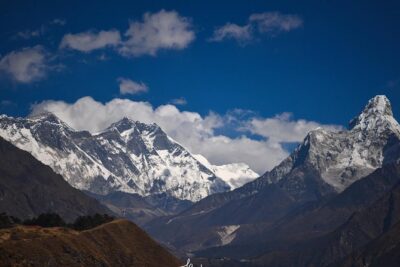
Everest Base Camp Helicopter Tour landing at Hotel Everest View
Read our review →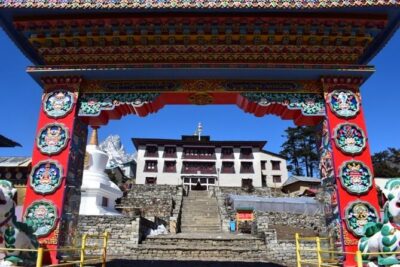
Browse the lists this tour appears in