
Reviewed · EVEREST BASE CAMP TREKS
Everest Base Camp Trek
Everest is close, even before you start climbing.
This trek strings together Kathmandu culture time and the Everest walk in a way that makes the big altitude days feel more manageable, with day-by-day planning and support built in. You also get the kind of on-the-ground guidance that shows up in real trip stories, like teams led by guides such as Vision Tamang and Biru.
Two things I like a lot are the acclimatization rhythm and the practical logistics that reduce stress. You rest at key altitude points (Namche and Pheriche), you get a higher acclimation walk (Khumjung), and you finish with the classic big-view payoff (Kala Pattar at 5,545m). One consideration: you are trekking at altitude for many days, and the route includes windy, colder nights higher up, so packing warm layers is not optional.
In This Review
- Key highlights worth packing your energy for
- Kathmandu start: Swayambhu views and real trekking prep
- The Lukla launch: 40 minutes that change how you look at the Himalayas
- Phakding to Namche: first Everest views, then the altitude reality check
- Namche acclimatization day: Khumjung and the logic behind taking it slow
- Namche to Tengboche, and why the monastery stop matters
- Pangboche, then Pheriche: alpine meadows, disappearing tree line, and windy nights
- Lobuche and Chukpilhara: altitude work plus a sobering kind of perspective
- Gorak Shep and Everest Base Camp: your classic “from up close” moment
- Kala Pattar at 5,545m: the early start you will thank yourself for
- Down to Tengboche, then past Namche: easier legs, different kind of attention
- Lukla return and Kathmandu reset: short trek, then shower time
- Kathmandu wrap-up: Boudhanath stupa and a group dinner
- Price and value: what your $2,051.48 per person really covers
- Who should book this Everest Base Camp plan
- Should you book Top of The World Treks?
- FAQ
- What is the start time for the experience?
- How long is the Everest Base Camp trek on this tour?
- Where is the tour located?
- Are flights included?
- Will I have transportation in Kathmandu?
- What meals are included on the trek?
- Are hotel meals in Kathmandu included?
- What documents and permits are covered?
- Is tipping included?
- Is cancellation free?
Key highlights worth packing your energy for
- Lukla flight jump-start, then trekking with porters carrying luggage
- Built-in altitude prep, including an extra day in Pheriche for acclimatization
- Kala Pattar timing early in the morning for the widest photo window
- Sherpa and Buddhist culture stops, from Swayambhu to Tengboche Gompa to Boudhanath
- Meal and tea choice on trek, so you are not guessing every day
- Permits and trekking documents handled for you (TIMS, park permits, and fees)
Kathmandu start: Swayambhu views and real trekking prep
Your trip begins in Kathmandu with a smooth airport-to-hotel flow. After you arrive at Tribhuvan International Airport, you are picked up, checked into your hotel, and given time for a basic reset, plus a first dinner and an early night.
Day two is more than sightseeing. You visit Swayambhunath (Swayambhu Mahachaitya), a Buddhist stupa and monastery with a history reaching back over 2,000 years, and you get that first wide view across Kathmandu valleys. Then you pivot into practical mode, using the afternoon to prepare your trek kit and handle last-minute shopping in Thamel, which is handy because trekking supply runs in Kathmandu are easier when you have daylight.
I like this setup because it prevents the common beginner problem, showing up to trek day with missing gloves, wrong socks, or a pack that is stuffed in the wrong order. You are also mentally warmed up for hills, since Kathmandu is not flat, even if it feels familiar at first.
More Treks in Kathmandu
- Everest Base Camp Trek – 14 Days
★ 5.0 · 1,499 reviews - Everest Base Camp Trek
★ 5.0 · 842 reviews - Everest Base Camp Trekking
★ 5.0 · 485 reviews
The Lukla launch: 40 minutes that change how you look at the Himalayas
The trek truly kicks off when you fly from Kathmandu to Lukla. The flight is about 40 minutes, and it is described as unforgettable because you fly over the foothills of the Himalayas, with a big change in scenery before you even put on boots.
Once you land, porters are employed to carry luggage, which matters more than it sounds. You still do the hard work, but you are not dragging a heavy load up and down narrow trails. Then you trek to Phakding at about 2,653m, which is a relatively short introduction at roughly 3 hours through local villages and along the river.
Then the route builds step by step. On the way to Monjo (around 2,835m), your morning is easy, and you get a first real taste of the valley’s rhythm. By the afternoon, the uphill starts to “kick in,” and that is when the scenery starts to reward the effort.
A small but real note: you start in low-altitude comfort and then quickly rise into thin-air trekking. Even if you feel fine on Day 3, you still want to pace like altitude matters, because it does.
Phakding to Namche: first Everest views, then the altitude reality check
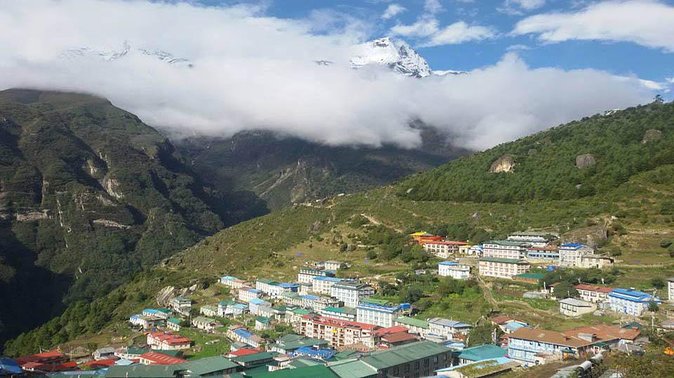
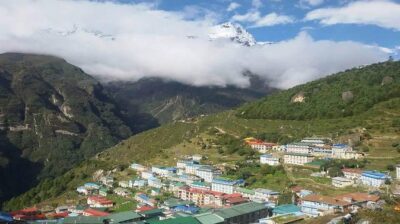
Day four is where many people start to feel the trek in their legs and in their lungs. You move up the Dudh Kosi river valley, crossing the river and entering Sagarmatha National Park along the way. Lunch lands in Monjo, then you push toward the steep climb that leads to Namche.
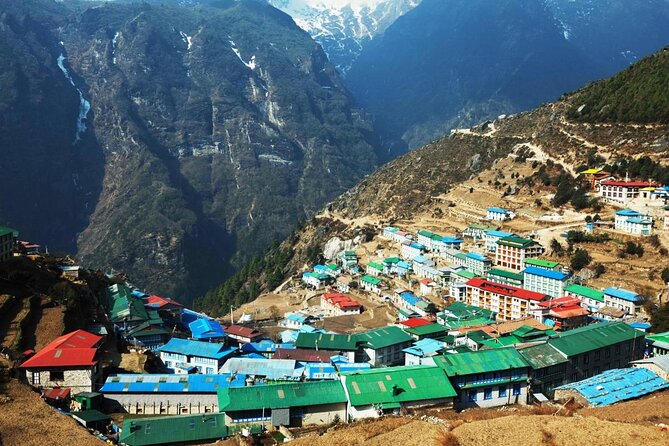
The pay-off is early: the first time you get a view of Mount Everest is often called out as a highlight of this day. You arrive in Namche Bazaar at around 3,440m, and that is also where altitude can start to bite. Namche is a rest hub, with shops, places to sit down, and a good chance to get supplies you realized you needed later.
I love that this plan does not pretend the climb is gentle. It tells you, clearly, that uphill intensifies, then it hands you a planned landing spot so you do not spiral into overexertion.
Namche acclimatization day: Khumjung and the logic behind taking it slow
Day five is an acclimatization day in Namche, and this is one of the reasons this itinerary feels “thought-through.” You stay in Namche and take a walk up to Khumjung around 3,780m. The walk is short enough to be doable, but it is high enough to teach your body what is coming.
This day also gives you a chance to see village life and get strong mountain views. You are not just walking for walking’s sake, you are using altitude to build tolerance without stacking more fatigue on fatigue.
If you have ever heard people argue about whether acclimatization days are “wasted,” this is the kind of schedule that makes the case the other way. You get to arrive better prepared for the colder, higher terrain ahead.
More Everest Base Camp treks:
- Everest Base Camp Helicopter Tour landing at Everest View Hotel
★ 5.0 · 668 reviews - Everest Base Camp Trekking – 13 Day
★ 5.0 · 365 reviews - Everest Base Camp Trek
★ 5.0 · 350 reviews - Everest Base Camp Trek -14 Days
★ 5.0 · 321 reviews
Namche to Tengboche, and why the monastery stop matters
On day six, you continue gaining height and finish at Devuche around 3,750m. Along the route you pass villages where you can spot daily Sherpa life and get frequent photo opportunities with mountains like Everest and Ama Dablam in view.
Then you reach Tengboche and visit the monastery there, often described as the religious heart of the Sherpa region. It is presented as the largest monastery in Nepal, and even if you are not a history buff, it helps you understand what you are walking through. This is not a theme park trek, it is a living cultural landscape.
You finish the day in Devuche, which keeps you moving but not rushing. You are building strength for the higher settlements that come next.
Pangboche, then Pheriche: alpine meadows, disappearing tree line, and windy nights
Day seven takes you toward Pangboche around 3,800m, and it is described as the highest all-year settlement in the region. Along the way you move through forest, pass mani stones, and cross that notable bridge moment that trekkers remember long after the mileage is forgotten.
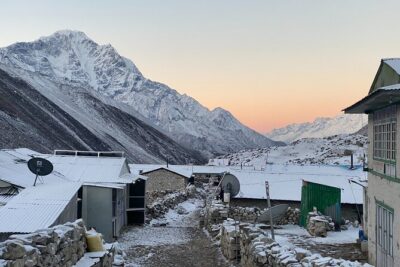
Then the landscape shifts. As you continue past the 4,000m mark, the tree line disappears and the terrain becomes alpine meadow type scenery. You then reach Pheriche at about 4,240m, and this is where the itinerary warns you about wind and cold, so warm clothing matters.
Day eight is a second acclimatization night in Pheriche. You go higher during the day and come back down, which is a smart pattern for helping your body adjust. If you are worried about slowing down, this is the day where slowing down pays you back later.
Lobuche and Chukpilhara: altitude work plus a sobering kind of perspective
Day nine is a longer push that gains around 700m, leading you to Lobuche around 4,930m. You can look back and see how far you have come, and that matters psychologically when the days are measured in meters instead of miles.
In the afternoon you reach Chukpilhara, described as a memorial area with stone monuments to climbers and mainly Sherpas. This is a powerful stop, not because it is meant to scare you, but because it gives context to the mountain. You are not “just going hiking,” you are entering terrain where people have risked a lot.
Even if you keep your pace steady, Lobuche is a reminder that safety comes from planning, not bravado.
Gorak Shep and Everest Base Camp: your classic “from up close” moment
Day ten brings Gorak Shep at about 5,160m. You rest and eat, then continue on to Everest Base Camp, described as the base camp used now, and you are trekking in May, which is peak climbing time for summit attempts.
This is where the day’s scenery matters more than distance. You are high enough that the sky feels closer, and the base camp area becomes a real place instead of a photo concept. The itinerary also signals that you will likely see it in full season, with the bustle of climbers coming and going.
Then you descend back to Gorak Shep for an early night. That early night is not for comfort alone. It sets you up for the next day’s biggest altitude moment.
Kala Pattar at 5,545m: the early start you will thank yourself for
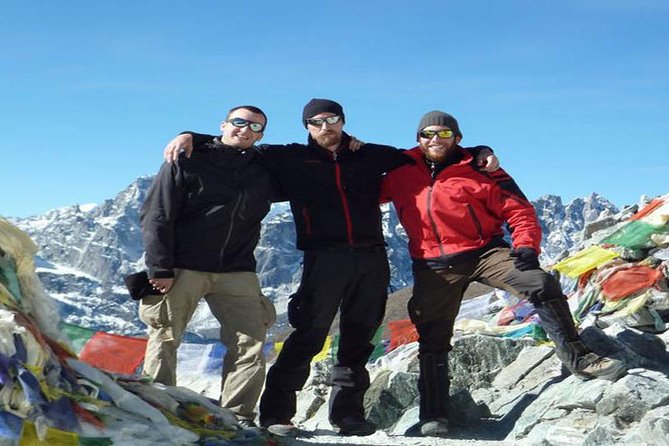
Day eleven is an early wake-up around 5am. You walk up to Kala Pattar at 5,545m, described as the peak of the trek. This is the day where views of Everest and neighboring peaks show up strongest, and you get time at the top for photos and to take it in.
If you are thinking about whether you will have enough breath for it, the schedule helps. You climb early when you are fresher, you spend time up top, then you descend back to Gorak Shep for lunch. After that, you walk down to Pheriche for the night.
I love that the itinerary keeps this day structured. It gives you the big view payoff without turning it into an all-day slog with no plan.
Down to Tengboche, then past Namche: easier legs, different kind of attention
Day twelve starts the descent toward Tengboche, with a steady feeling of relief as you drop in altitude. You sleep in Tengboche, which gives you a chance to regroup in a familiar, culturally rich setting.
Day thirteen continues descending back toward Namche. The route is described as easier on the uphills because you benefit from the altitude reduction. You also gain the chance to stop for shopping again, including a playful mention that you might find comfort food like apple pie.
That little detail matters, because it tells you the itinerary is practical. You are not just counting meters, you are also allowing for small comforts as you work your way back to lower altitudes.
Lukla return and Kathmandu reset: short trek, then shower time
Day fourteen is a shorter trekking day. The trail descends steeply for about 1.5 hours, then settles into small ups and downs through to Phakding via Monjo. The idea here is to bring you down without exhausting you on the final trekking morning.
You reach Lukla hopefully around 4pm, based on weather. There is time to wander the village, and the itinerary even notes the presence of something like Starbucks, which is a fun contrast after tea and local meals have been your rhythm.
Day fifteen brings the flight back to Kathmandu, then a mid-morning arrival back to your hotel. You get a welcome shower and clean clothes, and the rest of the day is at your leisure for lunch, shopping in Thamel, and adjusting to normal life again.
Kathmandu wrap-up: Boudhanath stupa and a group dinner
Day sixteen slows things down with another Kathmandu cultural stop. You visit Boudhanath Stupa, described as the largest Buddhist stupa in the world and a UNESCO world heritage site. It is presented as a chance to understand Buddhism and Nepali culture more directly.
In the evening, you have a group dinner to celebrate the end of the trek. For me, the best end-of-trek dinner is not about fancy food, it is about decompressing with people who have just shared the same hard, cold days.
Day seventeen is the final transfer back to Tribhuvan International Airport.
Price and value: what your $2,051.48 per person really covers
At $2,051.48 per person, this trek is not cheap, but it also bundles the big cost drivers you would otherwise have to piece together yourself. You get flights to Lukla and return, plus private car transportation in Kathmandu, including airport arrivals and departures and airport sightseeing.
You also get the trekking documents and fees covered, including national park permits, Pasang Lhamu Municipality fee, and your TIMS card. Add in guides and porters with insurance, trekking guide and porter wages, and a first aid kit, and you are paying for less guesswork and more risk management.
On the comfort side, the plan includes all accommodation while on trek and covers breakfast, lunch, and dinner while you are trekking. It even says you can choose any food, any tea for breakfast, lunch, and dinner on trek, which is a huge practical advantage on days when you do not want to eat whatever is sitting there.
What is not included is also clear. You pay for lunch and dinner while in Kathmandu, personal expenses like bar tabs and phone calls, tips for guides and porters, and your own insurance. So if you want a truly “all-in” trip budget, plan extra for those items.
Who should book this Everest Base Camp plan
This is a strong choice if you want a guided Everest Base Camp trek that prioritizes acclimatization and reduces logistics stress. The itinerary is described as suitable for travelers with moderate physical fitness, and the schedule has multiple built-in rest patterns, including the second night in Pheriche and the Khumjung acclimation walk.
It also fits well if you want more than scenery. The cultural stops are not random add-ons, they connect you to Sherpa religion at Tengboche and Buddhist practice at Swayambhunath and Boudhanath.
If you hate early starts, you should know day eleven is built around an early climb to Kala Pattar. If you are very sensitive to cold and wind, take seriously the itinerary note about Pheriche being windy, and pack accordingly.
Should you book Top of The World Treks?
I think you should book if you like structure. You will appreciate the plan that gets you to Everest Base Camp while intentionally scheduling altitude recovery, and you get a support team that is repeatedly described as patient and capable, with named guides like Vision Tamang and Biru.
Skip this plan if you want total freedom and zero structure. This is a private tour, but it is still a fixed trek rhythm with planned days and transfers. Also, your money does not cover tips and your insurance, so budget that in.
If you are ready for high-altitude trekking with smart pacing, you will likely find this itinerary a good value way to reach Everest Base Camp without turning your trip into a logistics project.
FAQ
What is the start time for the experience?
The experience start time is 10:15 am.
How long is the Everest Base Camp trek on this tour?
The duration is 17 days (approximately).
Where is the tour located?
The tour is based in Kathmandu, Nepal, and the trek follows the Everest Base Camp route.
Are flights included?
Yes. Flights to Lukla and return to Manthali for clients are included, and flights for the guide are included as well.
Will I have transportation in Kathmandu?
Yes. Private transportation in Kathmandu is included, including airport sightseeing, arrivals, and departures, plus Kathmandu to Manthali and return by private car.
What meals are included on the trek?
While on trek, you can choose any food and any tea for breakfast, lunch, and dinner. Breakfast is listed for 17 days, lunch for 12 days, and dinner for 12 days.
Are hotel meals in Kathmandu included?
No. Lunch and dinner while in Kathmandu are not included, and hotel accommodation or meals in Kathmandu are not included if you return early due to any reason.
What documents and permits are covered?
The tour includes national park permits, Pasang Lhamu Municipality fee, and TIMS card.
Is tipping included?
No. Tips for guides and porters are not included.
Is cancellation free?
Yes, free cancellation is offered. You can cancel up to 24 hours in advance for a full refund.
Latest additions near Kathmandu
- White Water River Rafting – 1 Day★ 4.3 · 3 reviews
- Traditional Momo Making Class★ 5.0 · 10 reviews
- Kathmandu to Pokhara Premium sofa bus ticket★ 4.0 · 17 reviews
- Ghorepani Poon Hill Trek★ 5.0 · 16 reviews
- Amazing 1 Day Trekking Experience in Kathmandu Nepal★ 5.0 · 24 reviews
- Ghorepani Poonhill Trek★ 5.0 · 5 reviews
- Walking tour of real Kathmandu through back streets.★ 5.0 · 3 reviews
- Wildlife Adventure in Chitwan Nepal★ 4.0 · 4 reviews
Everest Base Camp Treks, compared.
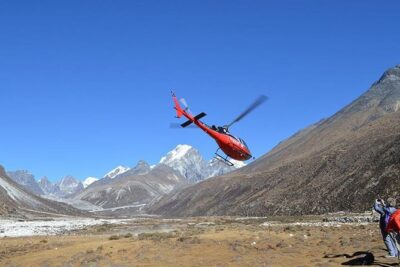
Everest Base Camp Helicopter Tour landing at Everest View Hotel
Read our review →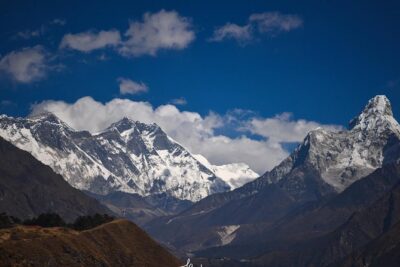
Everest Base Camp Helicopter Tour landing at Hotel Everest View
Read our review →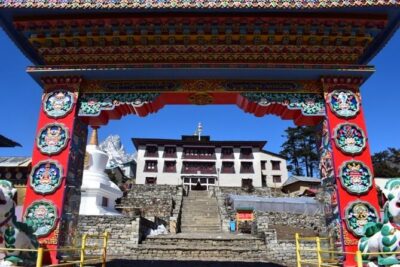
Browse the lists this tour appears in