
Reviewed · EVEREST BASE CAMP TREKS
Everest Base Camp Trek
Everest Base Camp is a big dream, made practical. This 14-day trek threads through Sherpa villages and classic high-Himalaya scenery, finishing with the best viewing angle from Kalapathar.
What I like most is how the trip is set up so you can focus on walking and acclimatizing, not hunting down logistics. Two standouts for me are the included flights to Lukla and the way the route builds in breathing room around altitude, including a real acclimatization day at Dingboche.
One consideration: you are still trekking at high elevation for many days, and conditions can change fast. If you are not comfortable with thin air, plan to move slowly, follow your guide’s pace, and ask for any needed adjustments early.
In This Review
- Key highlights to look for
- Everest Base Camp, but with the useful parts done for you
- Lukla flight, Phakding walking, and those first Khumbu views
- Namche Bazaar: Sherpa capital, market energy, and a real acclimatization feel
- Tengboche Gompa and Pangboche monastery: faith, stories, and a panorama
- Dingboche and Chukhung: the acclimatization day that protects your summit mood
- Lobuche and Gorakshep: glacier country and the climb into Base Camp territory
- Kalapathar at 5,550 m: the best summit view comes with wind and effort
- The return: Pheriche down to Pangboche, then Tengboche, Phunki, and Namche
- Lukla back down, Kathmandu up, and that last dinner with your team
- Price and logistics: what $1,650 buys you on a trek this demanding
- Who this trek fits best, and who should reconsider
- Should you book this Everest Base Camp trek with Dream Heaven Adventure?
- FAQ
- Where does the trek start and what time do you meet?
- How long is the Everest Base Camp trek?
- Are flights to Lukla included?
- What is included in the trek package?
- What meals are included?
- Do you visit Everest Base Camp and Kalapathar?
- Which monasteries are visited?
- Is there a vegetarian option?
- What if weather is poor?
- What is the cancellation refund timeline?
Key highlights to look for
- Lukla air access built into the package, so you are not stitching together flights and permits yourself
- Monastery time at Tengboche and Pangboche, where mountain views meet Himalayan faith and storytelling
- Kalapathar at 5,550 m for an almost windblown perspective of Everest’s summit
- Porter support ratio (2 trekkers, 1 porter) to keep your pack sensible
- Guide-led day pacing, including documented requests for slower schedules for seniors
Everest Base Camp, but with the useful parts done for you
This trek is not just about reaching Everest Base Camp. It is also about the whole corridor of the Khumbu region, where each day teaches you how people live, travel, and worship in a place that is mostly mountain and weather.
You start with the dramatic jump from Kathmandu to Lukla, then settle into a steady rhythm of villages, monasteries, and acclimatization. The best part is that the experience is organized as an end-to-end package, which matters on an expedition where a missing permit, a late flight, or wrong equipment can ruin your momentum.
For me, the value is in how many essentials are already handled: airport pickup in Kathmandu, round-trip flights between Kathmandu and Lukla, park fees, and meals during the trekking days. You get more mental space for the experience, not paperwork.
More Treks in Kathmandu
- Everest Base Camp Trek – 14 Days
★ 5.0 · 1,499 reviews - Everest Base Camp Trek
★ 5.0 · 842 reviews - Everest Base Camp Trekking
★ 5.0 · 485 reviews
Lukla flight, Phakding walking, and those first Khumbu views
Day 2 begins with a 40-minute flight to Lukla in the Khumbu. That flight is often the moment where people realize this is not a normal vacation. You get sweeping views of valleys below and terraced scenery, with a sense of entering a different world fast.
From Lukla you walk to Phakding, usually about 3 to 4 hours. This is a good start day because it lets you feel the trail without immediately grinding uphill for hours. Along the route, you pass mani stone walls made from carved stone tablets, often brightly painted. It is a small thing, but it gives the trek texture right away, not just views.
A practical note: Lukla days can be sensitive to weather. The operator states the trek is subject to favorable weather conditions, so if conditions are poor you should expect schedule adjustments or an alternative date.
Namche Bazaar: Sherpa capital, market energy, and a real acclimatization feel
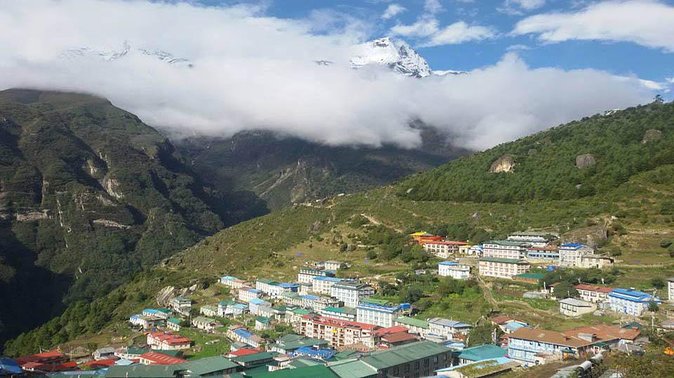
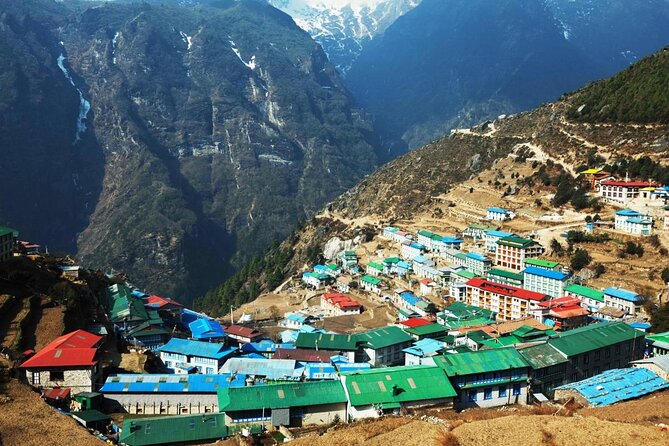
Namche Bazaar is the high point for culture and services in the Khumbu. You reach it on Day 3 after crossing through the Dudh Koshi valley and Sherpa villages, with forests along the way.
This is where the trek starts to show you why Sherpa communities matter here. Namche is described as the Sherpa capital and an important trading hub. In practical terms, that means you are more than “passing through.” You get a functioning mountain town where you can get your bearings, ask questions, and watch how people handle altitude day to day.
On Day 4, you get time in Namche Bazaar plus a short hike to Khumjung. That hike is a smart move because it gives you a lift in altitude while still keeping effort manageable. The payoff is big sightlines toward Everest, Ama Dablam, Thamserku, Nuptse, Lhotse, and Kwangde. It is the kind of panorama that makes you understand why people come back year after year.
I also like that the schedule includes a flexible-feeling block in Namche, rather than pushing you straight into harder climbs with no buffer.
Tengboche Gompa and Pangboche monastery: faith, stories, and a panorama
Monasteries are not “extras” on this trek. They are part of how the region makes sense. Spiritual sites also tend to be placed where views are strong, so your devotion and your camera time overlap.
Day 5 centers on Tengboche Gompa, a famous monastery in the Khumbu region with a commanding view of Everest and surrounding peaks. The route description highlights Everest, Lhotse, Nuptse, and Ama Dablam dominating the vista here, which is exactly what you want at this stage of the trek: inspiration without exhaustion.
Later, Day 11 includes a stop at Pangboche village, where you can see an older monastery in the region. The local lore shared with visitors is that it contains what is said to be a yeti scalp and bones. Even if you treat that as folklore, it is still an important cultural stop that helps you see how Himalayan stories travel through generations.
One consideration here: monastery visits happen in thin air. If you get headaches or feel dizzy, do not “power through” just to finish a photo stop. Tell your guide. This is one of those places where safety beats pride every time.
More Everest Base Camp treks:
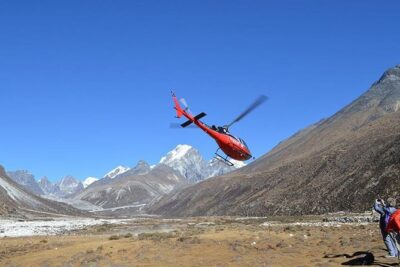
- Everest Base Camp Helicopter Tour landing at Everest View Hotel
★ 5.0 · 668 reviews - Everest Base Camp Trekking – 13 Day
★ 5.0 · 365 reviews - Everest Base Camp Trek
★ 5.0 · 350 reviews - Everest Base Camp Trek -14 Days
★ 5.0 · 321 reviews
Dingboche and Chukhung: the acclimatization day that protects your summit mood
Day 6 moves up the Imja valley to Dingboche. The trail passes through rhododendron forests and follows the valley up to a village often called the summer valley. The description also notes that gradients are relatively mild through this stretch, but you still walk slowly because altitude is doing the real work.
Dingboche is a great location for the kind of acclimatization day you actually need. On Day 7, you get a restful morning in Dingboche, with an option for a trek up to Chukhung cabins. This is a classic strategy: gain altitude gradually without turning the day into a marathon.
The day also includes monastery time in Dingboche, and the itinerary notes a monastery association with a unique animal scalp and hand. You also explore the Imja Khola area. For you, that means the “rest day” does not feel like sitting in place all day. You are still moving, just in a way that helps your body adapt.
If you are traveling as a group of seniors or you want a slower pace, the operator’s feedback points to real responsiveness. One group specifically requested a customized itinerary to avoid long hikes each day, and the team handled it with patience.
Lobuche and Gorakshep: glacier country and the climb into Base Camp territory
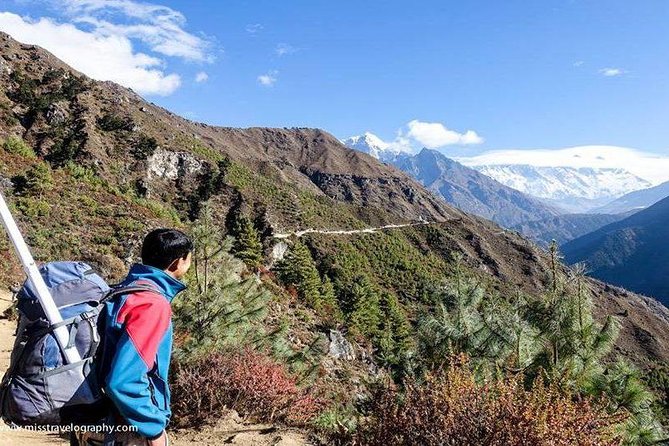
Day 8 heads toward Lobuche, typically around 5 hours. You hike up to a yak farm area with views of Tawache Peak and Cholatse peak before the trail continues toward the Khumbu Glacier and onward to Lobuche.
This is a day where the air can feel sharper and your body asks for steady breathing. The good news is that the route gives you memorable mountain views while you work.
Day 9 brings the big transition: you continue to Gorakshep and then proceed to Everest Base Camp. The itinerary describes walking over a series of short up and down hills before you reach Base Camp.
When you arrive, Base Camp is described as a wide area that feels like a tented town, with expeditions from around the world competing for space. For me, that detail matters. It means you are not walking into a lone mountaintop shrine. You are stepping into a temporary hub where logistics, gear, and human ambition show up right next to the world’s tallest mountain.
A quick practical thought: this is high-altitude terrain with variable conditions. Your guide’s pace and your own hydration plan are the real difference between a smooth Base Camp visit and a miserable one.
Kalapathar at 5,550 m: the best summit view comes with wind and effort
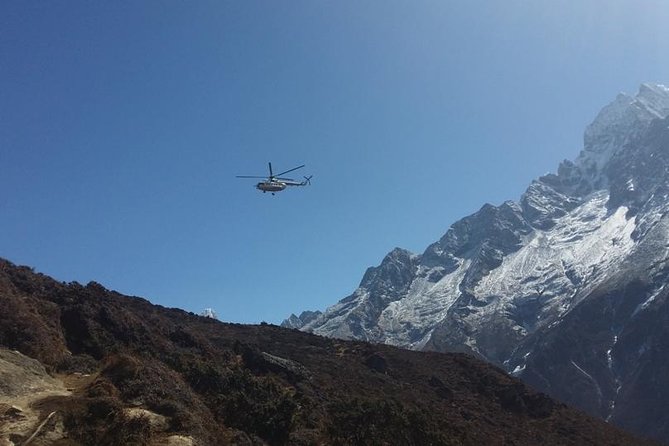
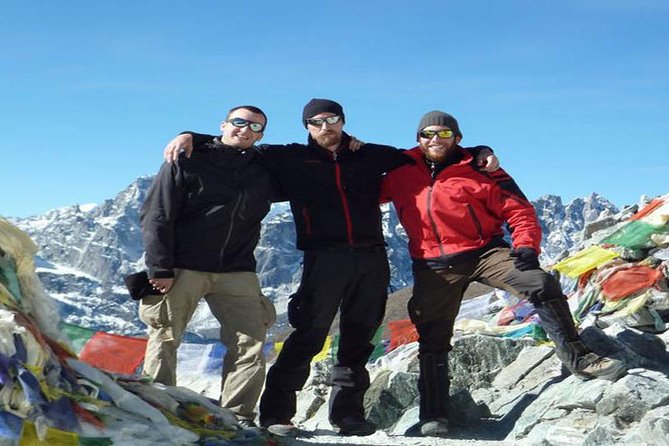
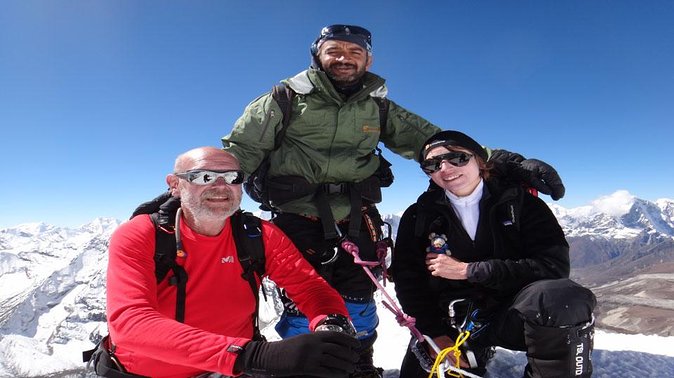
After Base Camp, Day 10 turns attention to Kalapathar. You climb up for about 2 hours to reach it, described as a windy path over rocky, sedge-like slopes. The altitude climb is serious, but the reward is exactly the kind of view you came for: an unhindered perspective of Everest at 8,848 m, plus other peaks like Khumbutse, Lhotse, Nuptse, Ama Dablam, Cholatse, Tawache, and Pumori.
Then you trek down to Gorakshep, and after breakfast you continue toward Pheriche, crossing Lobuche and Dhugla. The route includes chortens and stupas along the way, plus the classic animal traffic of the region, including yaks and zopkyos (a yak-cattle hybrid). It is a reminder that this is not just a hiking corridor. It is a working landscape for people and livestock.
For you, Day 10 is likely to feel like two trips in one: summit-view effort, then moving back into village life. If you get any nausea or fatigue from altitude, keep your pace slow and let the guide handle the timing.
The return: Pheriche down to Pangboche, then Tengboche, Phunki, and Namche
The return days are where a lot of first-timers underestimate the walking. You feel lighter because you have already hit Base Camp and Kalapathar, but your legs still have to do work on trails that can be slippery and steep.
Day 11 begins with a trek down to Pangboche village, then continues through forests of pine and juniper as you move toward Tengboche village. The itinerary notes a sharp drop toward the Dudh Koshi River, crossing bridges, and a climb back up through the villages. You end up at Namche Bazaar for overnight.
This day is more than “getting back.” It is where you connect the trek’s story. You revisit key terrain you already saw, but with the confidence of knowing you reached the goal.
Also, you get another chance to see monastery life through the region, not just as a single stop. That layered approach makes Tengboche and Pangboche feel like chapters, not checkboxes.
Lukla back down, Kathmandu up, and that last dinner with your team
Day 12 is the last trekking day. You drop sharply down to Lukla by following the Dudh Kosi River, then you finish with last mountain sunsets. Even when weather is cloudy, the change of light on the ridges can still be beautiful in a quiet, closing-the-loop way.
Day 13 is a scenic flight back to Kathmandu, about 35 minutes, then private vehicle transfer to your hotel. In the evening you share a cultural dinner together to mark the end of the trek.
That dinner matters. After two weeks of altitude living, it is a reset button. You get warm food, comfortable chairs, and a chance to process what you just did.
Price and logistics: what $1,650 buys you on a trek this demanding
At $1,650 per person, this trek is priced like a full service EBC expedition rather than a bare-bones DIY adventure. You are paying for the things that usually eat time and money on the ground.
Included items that drive real value:
- Round-trip airfare to Lukla (this is usually the big-ticket piece for EBC style trips)
- All necessary equipment included, so you are less likely to show up underprepared
- National park fees and entrance fees included
- Professional guide plus porter services with a clear ratio (2 trekkers to 1 porter)
- 14 nights accommodation, plus meals as per itinerary
- Airport transfer and transport by private vehicle in Kathmandu
There are also smart “not included” items that keep things simple. Drinks and personal extras like laundry, battery recharges, and hot showers are not included. That is normal for Nepal trekking. Plan for it so you do not get surprised mid-trek.
One more practical note: it is a private tour/activity, and only your group participates. That tends to make the pace and support feel more personal, especially if you want slower days.
Who this trek fits best, and who should reconsider
This trek fits best if you want a classic Everest Base Camp route with a strong balance of scenery and cultural stops, without the burden of managing logistics yourself.
It is also a good match for people with moderate fitness who accept that the altitude does the hard part. The operator specifically notes a moderate physical fitness level requirement and a minimum age of 18.
It may be less ideal if you hate uncertainty. Flights to and from Lukla depend on favorable weather. Also, even with acclimatization days, you are still trekking at high elevation for multiple days in a row.
If you are nervous about pacing or have a slower stride, ask for adjustments early. The operator’s own feedback shows they have handled customized pacing requests for seniors, which is a good sign that they respond to real needs, not just a fixed script.
Should you book this Everest Base Camp trek with Dream Heaven Adventure?
I would book it if you want the classic EBC experience with meaningful monastery stops, and you want the big logistics taken care of. The fact that Lukla flights, park fees, guides, and porter support are folded into the price makes it feel like a fair trade for your time and stress.
I would pause before booking if you are very sensitive to altitude or if you are counting on perfect weather. This region is beautiful, but it does not care about your schedule.
If you are ready for a real expedition rhythm, this trek is a strong, well-supported way to reach Everest Base Camp and still enjoy the Khumbu for what it is, villages, faith, and mountain views that never really get old.
FAQ
Where does the trek start and what time do you meet?
You meet at Tribhuvan International Airport in Kathmandu, Nepal at 5:15 am.
How long is the Everest Base Camp trek?
The duration is listed as 14 days, approximately.
Are flights to Lukla included?
Yes. Round-trip airfares are included, and the itinerary includes a flight to Lukla and a flight back to Kathmandu.
What is included in the trek package?
The package includes 14 nights accommodation, local taxes, national park fees, meals as per the itinerary, a professional guide, hotel pickup and drop-off, private tour transport, porter services (2 trekkers to 1 porter), and included flights. It also lists all necessary equipment included.
What meals are included?
Meals are included as per the itinerary, with lunch 11 times, breakfast 12 times, and dinner 11 times. Drinks are not included.
Do you visit Everest Base Camp and Kalapathar?
Yes. You trek to Everest Base Camp, and after Base Camp you hike up to Kalapathar at about 5,550 m for summit views.
Which monasteries are visited?
The itinerary includes Tengboche monastery and also mentions Pangboche village monastery. It also includes a monastery stop in Dingboche.
Is there a vegetarian option?
Yes. A vegetarian option is available if you advise at booking.
What if weather is poor?
The trek is subject to favorable weather conditions. If it is canceled due to poor weather, you are given an option of an alternative date.
What is the cancellation refund timeline?
You can cancel up to 6 days in advance for a full refund. The policy also states 50 percent refunds for cancellations 2 to 6 days before the experience start time, and no refund for cancellations less than 2 days before.
Latest additions near Kathmandu
- Traditional Momo Making Class★ 5.0 · 10 reviews
- White Water River Rafting – 1 Day★ 4.3 · 3 reviews
- Kathmandu to Pokhara Premium sofa bus ticket★ 4.0 · 17 reviews
- Ghorepani Poon Hill Trek★ 5.0 · 16 reviews
- Amazing 1 Day Trekking Experience in Kathmandu Nepal★ 5.0 · 24 reviews
- Ghorepani Poonhill Trek★ 5.0 · 5 reviews
- Walking tour of real Kathmandu through back streets.★ 5.0 · 3 reviews
- Wildlife Adventure in Chitwan Nepal★ 4.0 · 4 reviews
Everest Base Camp Treks, compared.
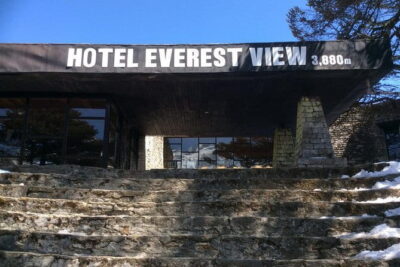
Everest Base Camp Helicopter Tour landing at Everest View Hotel
Read our review →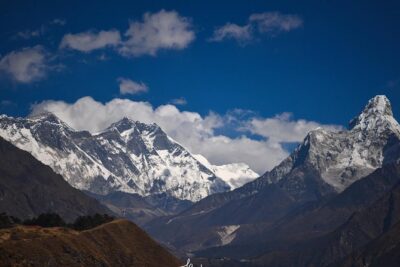
Everest Base Camp Helicopter Tour landing at Hotel Everest View
Read our review →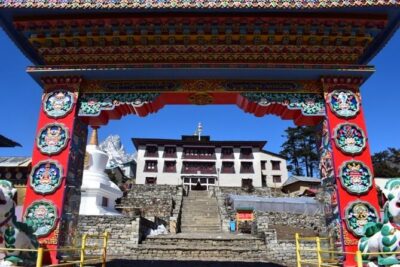
Browse the lists this tour appears in