
Reviewed · EVEREST BASE CAMP TREKS
Everest Base Camp Trek
Everest Base Camp hits fast, then stays with you. This trip is built around classic high-country pacing, with Lukla flights, tea-house comfort, and the big payoff moments at Base Camp and Kala Patthar. I like that the itinerary gives you a real acclimatization day in Namche, not just a long walk and hope for the best. I also like the practical support details, like a porter for each pair of trekkers and hot soup at higher stops. The main drawback to plan for is the altitude grind: even with good scheduling, you should be ready for tough days and cold nights.
You also get a well-organized start with airport pickup, and a private feel since it’s only your group. In other feedback about this provider, guides named Jangbu and Ajay are praised for being supportive and present, which matches what you want on a trek like this. One consideration: rescue and client travel insurance are not included, so you’ll want to sort that before you go.
In This Review
- Key Highlights to Know Before You Go
- The Big Picture: What This Everest Base Camp Trip Delivers
- Price and Value: What You’re Paying For at $2,500
- Getting There on Trek Time: Kathmandu, Lukla, and the 5:15 AM Start
- Days 1-3: Kathmandu to Phakding and a Real Namche Acclimatization Day
- Day 1: Lukla to Phakding
- Day 2: Phakding to Namche Bazaar
- Day 3: Acclimatization and Namche exploration
- Days 4-6: Tengboche, Dingboche, and the Climb Toward Lobuche
- Day 4: Namche to Tengboche
- Day 5: Tengboche to Dingboche
- Day 6: Dingboche to Lobuche
- Days 7-8: Gorakshep, Everest Base Camp, and the Kala Patthar Push
- Day 7: Lobuche to Gorakshep, then Everest Base Camp and back
- Day 8: Early Kala Patthar viewpoint
- Days 9-12: The Return Down Through Tengboche and Back to Kathmandu
- Day 9: Lobuche back to Tengboche
- Day 10: Tengboche to Manjo via Namche
- Day 11: Manjo to Lukla
- Day 12: Lukla to Kathmandu, private car to your hotel
- Tea Houses, Meals, and Hot Soup in the Thin Air
- Guides, Porters, and a Private-Group Pace That Works
- What to Pack (So the Trek Feels Like a Trek, Not a Punishment)
- Who This Trek Fits Best, and Who Might Reconsider
- Should You Book This Everest Base Camp Trek?
- FAQ
- Where is the trek meeting point and when does it start?
- How long is the trek?
- What transportation is included?
- Where do you stay during the trek?
- Are meals included?
- Do you get porter support?
- What is not included in the price?
Key Highlights to Know Before You Go
- Lukla to Phakding on Day 1: a short flight plus an easy landing-walk to get your legs working right away.
- Full Namche acclimatization day: you don’t just pass through, you actually adjust and explore the area around town.
- Tengboche monastery day: a cultural stop that breaks up the altitude with views and local life.
- Gorakshep to Everest Base Camp by foot: you’ll do the classic loop from higher ground, then push for the glacier and Base Camp area.
- Early Kala Patthar morning: that steep start is where the Everest region often rewards you most.
- Group-focused logistics: private-tour setup plus a porter ratio of 2 trekkers to 1 porter helps keep the trek manageable.
The Big Picture: What This Everest Base Camp Trip Delivers
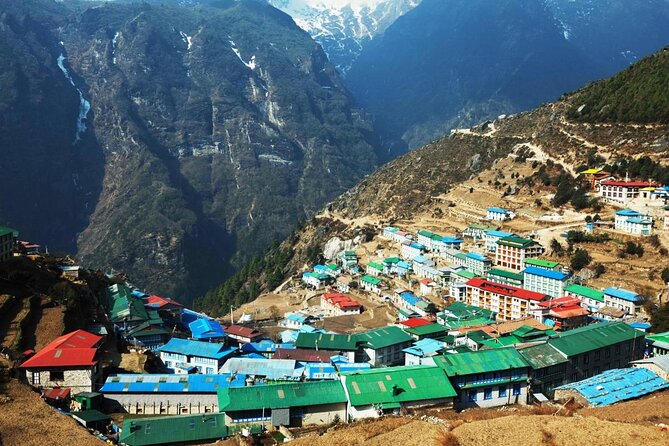
This is the kind of Everest trek people talk about for a reason. You’re not just walking through scenery. You’re moving through altitudes, weather, and villages in a tight loop inside Sagarmatha National Park. The route touches the core icons of the Everest region: Namche Bazaar, Tengboche, Dingboche, Lobuche, and the big two photo magnets, Everest Base Camp and Kala Patthar.
If you’re wondering what makes this tour feel “classic,” look at the structure. Day 1 gets you into the Khumbu region quickly. Days 2 and 4 step you upward. Day 3 is an acclimatization day with options to explore. Then the middle days gradually build you toward the high point zone around Gorakshep and Lobuche. That’s a sensible rhythm for most fit trekkers because it reduces the chance of going from “okay” to “out of breath” in one jump.
The value here isn’t fancy extras. It’s steadiness: three meals a day on trek, tea-house lodging, and a guide to keep you moving when your energy is low and the trail starts to look the same.
More Treks in Kathmandu
- Everest Base Camp Trek – 14 Days
★ 5.0 · 1,499 reviews - Everest Base Camp Trek
★ 5.0 · 842 reviews - Everest Base Camp Trekking
★ 5.0 · 485 reviews
Price and Value: What You’re Paying For at $2,500
$2,500 for a 12-day Everest Base Camp trek is not cheap, but it can be fair depending on what’s included. Here, the list covers the big cost drivers:
- Flights within Nepal from Kathmandu to Lukla and back
- Private airport transfers for both international and domestic flights
- Tea-house accommodation for the trekking days
- Three meals per day during the trek
- Porters (with a clear ratio of 2 trekkers to 1 porter)
- Guide service, plus insurance for the guide and porters
- Local and government taxes
- A trekking map and even a T-shirt
- Farewell dinner in Kathmandu and a completion certificate
What you should also notice is what’s not included. Your personal costs like hot showers, battery charging, laundry, bar bills, and water are on you. And you need your own visa, plus travel and rescue insurance for clients. That’s normal for treks, but it matters for your budget. The actual value depends on whether you plan ahead for those costs and pack to avoid expensive surprises.
My practical take: you’re paying for structure and reduced friction. The porter ratio and the guided route do more than look good on paper. They help you stay focused on walking, breathing, and enjoying stops, instead of managing logistics all day.
Getting There on Trek Time: Kathmandu, Lukla, and the 5:15 AM Start
The tour begins at Tribhuvan Airport in Kathmandu with a 5:15 am meeting time. That early start is not a gimmick. Lukla flights can be sensitive to daylight and conditions, so you’ll want to be ready and calm, not rushing with a shaky coffee.
Day 1 is built around a quick transition:
- Fly from Kathmandu to Lukla in about 25 minutes
- Trek to Phakding for about 3 hours
This is a smart “first day” design. After sitting on a plane, you get a short walk that wakes up your body without attacking your lungs immediately. You also get your first taste of the Everest region, with a chance to spot peaks if the weather is clear.
One thing to keep your expectations realistic: the itinerary even notes that views like Kanguru Peak depend on clear weather. In the mountains, you don’t control visibility. Good tour timing helps, but you still need flexibility.
Days 1-3: Kathmandu to Phakding and a Real Namche Acclimatization Day
More Everest Base Camp treks:
- Everest Base Camp Helicopter Tour landing at Everest View Hotel
★ 5.0 · 668 reviews - Everest Base Camp Trekking – 13 Day
★ 5.0 · 365 reviews - Everest Base Camp Trek
★ 5.0 · 350 reviews - Everest Base Camp Trek -14 Days
★ 5.0 · 321 reviews
Day 1: Lukla to Phakding
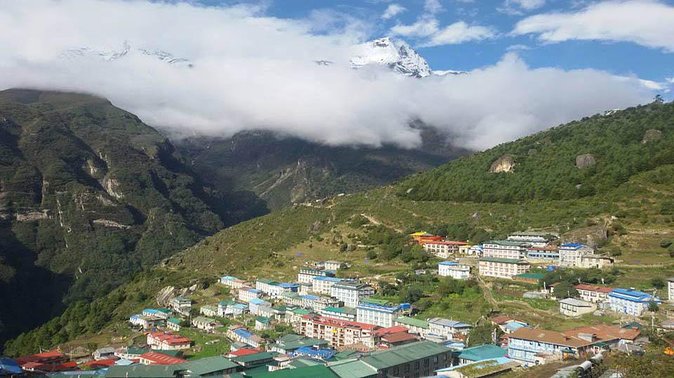
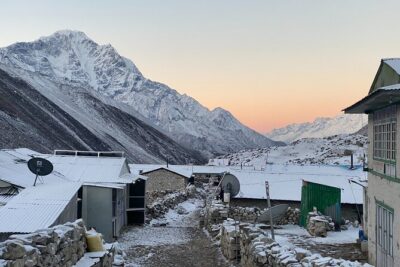
After the flight lands, the trail quickly turns into “Khumbu reality.” You’ll walk past forests and Buddhist monasteries, moving along paths that feel both busy and timeless. You’ll reach Phakding (around 2,650 meters) for the night. Even though it’s a shorter trek, it matters. Your body gets a chance to adjust from Kathmandu air pressure to something thinner.
Potential drawback: if you’re anxious about flights or if the air is cold, you may feel more tired than you expect. Plan for an early bedtime.
Day 2: Phakding to Namche Bazaar
Day 2 is about about 6 hours on the trail to Namche Bazaar (around 3,440 meters). You’ll go along river corridors, pass through villages and waterfalls, and likely stop for lunch along the route at Monje or Jorsalle.
This is where the trek turns from “walk to enjoy” into “walk to adapt.” Expect uphill sections and a pace that feels slower than your normal walking speed. If you’ve ever heard altitude advice like move slowly, hydrate, and don’t sprint, this is the day you feel why.
Day 3: Acclimatization and Namche exploration
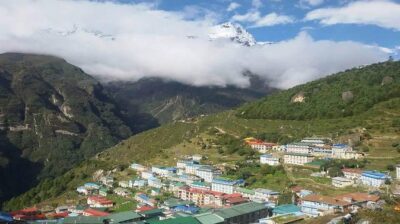
The best part of the early itinerary is the full acclimatization day in Namche Bazaar. You get time to explore instead of just suffering through another climb. You can hike toward viewpoints like Everest View Point and other nearby peaks, and you can also use this day to shop and reset.
Namche also has practical value. There’s a Sagarmatha National Park museum, which helps you connect what you’re seeing on the trail with the protected landscape around you. Even if you only have a short time inside, it gives context for the trek you’re already living.
Real-world note: acclimatization days aren’t “optional” in the mountains. They’re part of the plan. Take it seriously, even if you feel good early.
Days 4-6: Tengboche, Dingboche, and the Climb Toward Lobuche
Day 4: Namche to Tengboche
About 5 hours takes you to Tengboche (around 3,860 meters). You’ll cross rhododendron forest and river edges along the way. The big draw is the Tengboche monastery, which is one of the iconic cultural stops in the Everest region.
This is also a day that often feels both physical and spiritual. You climb, then you reach a community space where monks and locals practice long-established traditions. It’s a nice break from endless walking, and it helps your brain remember you’re traveling through a living region, not just a landscape.
Possible consideration: monasteries and viewpoints can be cold and windy, so plan to keep layers accessible and not stuck in your pack.
Day 5: Tengboche to Dingboche
Another 5 hours brings you to Dingboche (around 4,400 meters). The trek route includes a lunch stop around Pangboche or Somare. Dingboche is where you really start to feel the thin air. You’re higher, and the days ahead are going to be shorter in total hours but steeper in intensity.
The itinerary also makes room for rest and routine: breakfast, lunch, dinner, then sleep. That sounds basic, but in high altitude, routine is your friend.
Day 6: Dingboche to Lobuche
Day 6 is listed at about 4 to 5 hours (you’ll see it as roughly 5 hours in the detailed day plan). You pass clear views of peaks like Nuptse and Island Peak, and you reach Lobuche (around 4,910 meters).
This is a transition day. You’re moving into the zone where weather can change quickly and where the terrain feels more serious. If you’ve been taking the trek slow, you’ll feel better here. If you’ve been pushing to “catch up,” this is where the bill comes due.
Days 7-8: Gorakshep, Everest Base Camp, and the Kala Patthar Push
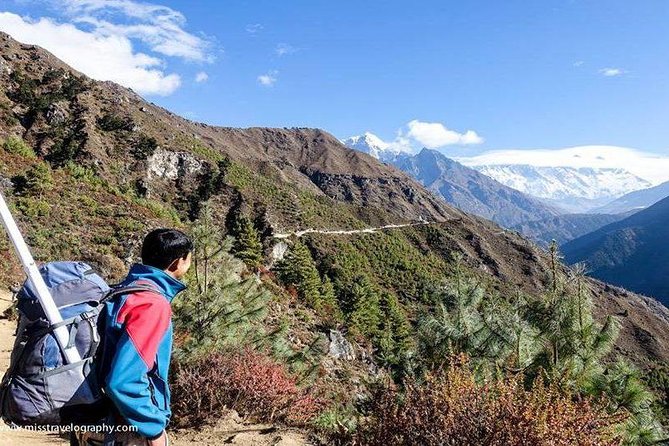
Day 7: Lobuche to Gorakshep, then Everest Base Camp and back
This day has two parts:
- Trek to Gorakshep (about 3.5 hours)
- Hike to Everest Base Camp and return to Gorakshep
You’ll be around 5,150 meters at Gorakshep. Then you go higher to Everest Base Camp (listed around 5,364 meters) after lunch. Expect tough breathing and a slow rhythm. This is not the day for racing.
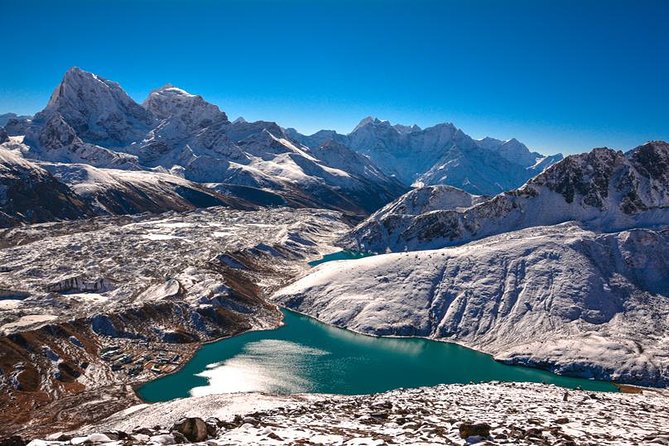
The mental payoff is real. You’ll be near the Khumbu glacier area, and the glacier and Base Camp surroundings give you that “this is it” feeling. You’ll take photos, yes, but also take a moment to realize how far you’ve walked.
Day 8: Early Kala Patthar viewpoint
Kala Patthar is the big viewing platform for the Everest region in this itinerary. You hike early, climb for about 3 hours, then descend to Lobuche for about 2.5 hours.
This is often the moment people remember years later. From Kala Patthar, you’re looking at the mountains at a different angle, and Everest looks both huge and close. You’re working hard, but the views are a payoff that feels earned.
Practical consideration: early starts mean you can feel stiff and cold. Keep your warm gear where you can reach it fast, and don’t assume you’ll want to put it on only at the top. You’ll likely want it before the climb really heats up.
Days 9-12: The Return Down Through Tengboche and Back to Kathmandu
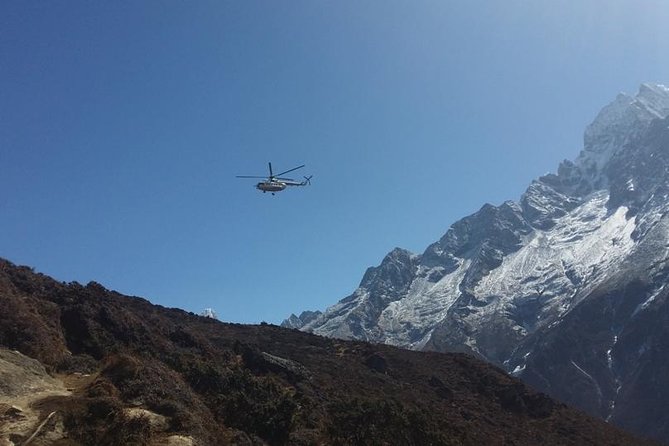
Day 9: Lobuche back to Tengboche
You’ll trek down about 5.5 hours toward Tengboche. The route includes pauses around Pangboche and Deboche for lunch. This is a good reminder that the trek isn’t only about going up. Descents can be tricky too. Your knees and feet will do the talking on uneven trails.
The upside: the day tends to feel less intense than the high zone days, and you get more time with monastery and village scenery.
Day 10: Tengboche to Manjo via Namche
About 6 hours brings you to Manjo, passing back through Namche Bazaar. This day is a “thread the needle” kind of day. You’re not going super high now, so the focus shifts to steady walking and enjoying the loop back through places you recognize.
You’ll also see the rhododendron forest again and stop for lunch back around Namche.
Day 11: Manjo to Lukla
The trek down to Phakding, then on to Lukla, takes about 5 hours. You’ll cross the Dudh Koshi river over a suspension bridge, which is exactly the kind of scene that makes the mountains feel alive and varied.
After a bridge, a long stretch of walking, and a few hours of rhythm, you’ll reach Lukla for the night.
Day 12: Lukla to Kathmandu, private car to your hotel
You fly back to Kathmandu in about 25 minutes. Then you’re escorted by a representative to a hotel by private car, and you stay overnight. This is a smart end. You get time to wash up and reset before your next day in the city.
If you’ve got a long travel day after the trek, this overnight in Kathmandu is valuable because it helps you avoid rushing straight from cold altitude to whatever comes next.
Tea Houses, Meals, and Hot Soup in the Thin Air
One of the most useful inclusion details is tea house accommodation plus three meals per trek. In other words, you’re not budgeting each meal from scratch while you’re tired and freezing. You also get hot soup in the high places, which matters more than it sounds.
In high altitude, heat and fluids are your energy system. Even if soup is simple, it can change how you feel during the rest of the day.
What you should remember: the itinerary says personal expenses like hot showers and battery charging are not included. Tea houses usually have limited power and charging options, so plan to keep your electronics use minimal and your power bank strategy realistic.
Guides, Porters, and a Private-Group Pace That Works
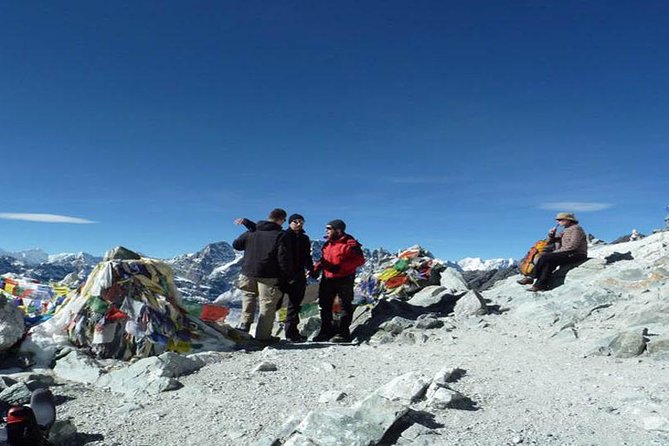
This is a private tour, meaning only your group participates. That can be huge for your experience. You’re not adjusting to a mixed group speed or random stops. The itinerary is paced around a continuous rhythm with time for exploration where it counts.
You also get a professional guide for trekking and sightseeing. The itinerary does not list the guide name, so you’ll meet your person on arrival, but the company has been praised for guide support in other trekking feedback. Names like Jangbu and Ajay came up as people who stayed supportive and on top of needs, which is exactly the vibe you want on a trek where it’s easy to feel overwhelmed.
Porters are another key point. You get porter service with a ratio of 2 trekkers to 1 porter. That usually means less load on you, and less load on your legs, which can make the difference between enjoying the views and just grinding through the trail.
What to Pack (So the Trek Feels Like a Trek, Not a Punishment)
The tour data doesn’t list a gear list, so I’ll stick to safe advice. For Everest Base Camp, your goal is comfort in cold, and efficiency on the trail.
I recommend focusing on:
- Warm layers you can adjust quickly (mornings can be brutal, then you warm up on climbs)
- Gloves and a hat that handle wind
- Trail shoes with good grip for rocky and muddy sections
- Sunglasses or good eye protection for glare
- A water plan you can actually follow every day, not a complicated one
Since battery charging is listed as a personal expense, use electronics thoughtfully. If you plan to take lots of photos, bring a strategy that reduces how often you need charging.
Also, keep expectations clear: tea houses can be basic. Your comfort will come from layers, sleep routine, and knowing you won’t have the same conveniences you have at home.
Who This Trek Fits Best, and Who Might Reconsider
This trek calls for moderate physical fitness. That sounds friendly, but “moderate” doesn’t mean easy. It means you should be comfortable hiking for hours, handling uphill and downhill, and keeping a steady pace without needing constant breaks.
This itinerary also fits people who:
- Want the classic Everest viewpoints, especially Kala Patthar
- Appreciate a structured route with an acclimatization day
- Like the cultural stop at Tengboche monastery
- Prefer having a guide and porter support, rather than navigating everything yourself
Who might reconsider? If you have significant altitude concerns, limited hiking stamina, or you hate cold mornings and early starts, you may find the schedule hard. You can still enjoy Everest in other ways, but this specific route asks for a commitment to walking and adjusting.
Should You Book This Everest Base Camp Trek?
I’d book this trip if you want the classic Everest Base Camp experience with good support and clear pacing. The combination of Namche acclimatization, tea-house meals included, and porter help makes the hardest part more manageable. It’s also a good value for $2,500 if you budget the items that are not included, especially visa and your own travel and rescue insurance.
Before you say yes, do two quick checks: make sure your fitness matches multi-day hiking at altitude, and confirm you’re okay with cold mornings, basic lodging, and paying for personal extras like charging and showers. If that sounds like you, this is a strong way to earn the views at Everest Base Camp and Kala Patthar.
FAQ
Where is the trek meeting point and when does it start?
You meet at Tribhuvan Airport, Kathmandu, Nepal, at 5:15 am.
How long is the trek?
The experience runs for 12 days (approx.).
What transportation is included?
The itinerary includes airport pickup and drop in private vehicles for international and domestic flights. It also includes flights from Kathmandu to Lukla and Lukla back to Kathmandu (about 25 minutes each way).
Where do you stay during the trek?
You stay in tea house accommodation during the trek.
Are meals included?
Yes. You get three times meal in the trek, plus hot soup in the high places.
Do you get porter support?
Yes. Porter service is included with a ratio of 2 trekkers to 1 porter.
What is not included in the price?
Not included are Nepal visa, international flights to and from Kathmandu, travel and rescue insurance for clients, and personal expenses like hot showers, battery charging, bar bills, laundry, and water. Tips for your guide and porters are also not included.
Latest additions near Kathmandu
- White Water River Rafting – 1 Day★ 4.3 · 3 reviews
- Traditional Momo Making Class★ 5.0 · 10 reviews
- Kathmandu to Pokhara Premium sofa bus ticket★ 4.0 · 17 reviews
- Amazing 1 Day Trekking Experience in Kathmandu Nepal★ 5.0 · 24 reviews
- Ghorepani Poonhill Trek★ 5.0 · 5 reviews
- Ghorepani Poon Hill Trek★ 5.0 · 16 reviews
- Walking tour of real Kathmandu through back streets.★ 5.0 · 3 reviews
- Wildlife Adventure in Chitwan Nepal★ 4.0 · 4 reviews
Everest Base Camp Treks, compared.
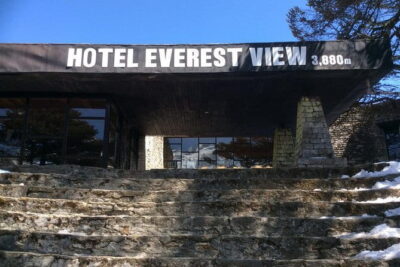
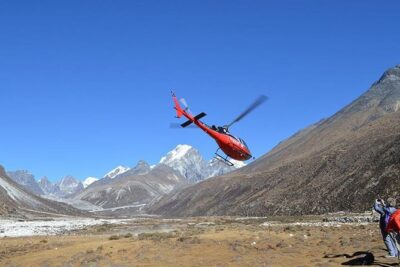
Everest Base Camp Helicopter Tour landing at Everest View Hotel
Read our review →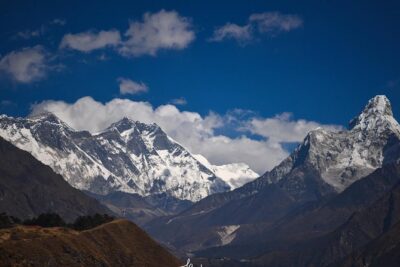
Everest Base Camp Helicopter Tour landing at Hotel Everest View
Read our review →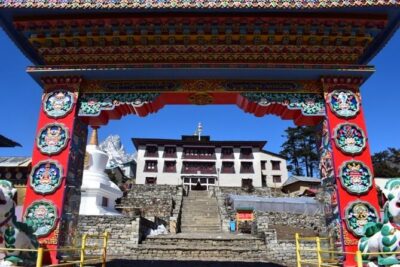
Browse the lists this tour appears in