
Reviewed · EVEREST BASE CAMP TREKS
Everest Base Camp Trek
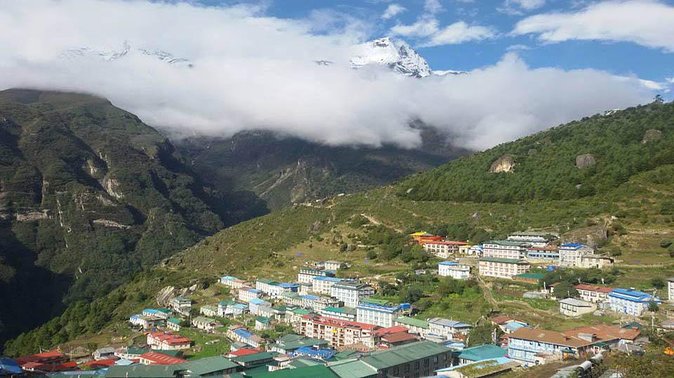
Everest Base Camp is not a casual trip. This 12-day trek from Kathmandu puts Namche Bazaar acclimatization and big views near Ama Dablam right at the center of the experience.
I like two things a lot. First, the package covers the heavy lifting up front with a domestic flight, permits, and airport transfers, so you are not scrambling for basics in Nepal. Second, the human side is strong, with guides such as Sau Bir Rai and Roshan highlighted for experience and calm, step-by-step support.
One thing to consider: the $990 price is not the whole budget. Your own insurance, your meals and lodging in Nepal, beverages, and expected trekking tips are not included, and you will need solid fitness because high altitude is part of the deal.
In This Review
- Key highlights you should care about
- Mt. Ama Dablam: why a peak name matters on your first days
- Namche Bazaar acclimatization: the part that can make or break you
- The 12-day rhythm from Kathmandu to Everest Base Camp
- Private tour setup and the guide factor that changes everything
- Price and logistics: what $990 does well, and what you must add
- What the included permits and flights really protect you from
- Fitness and altitude: the one requirement you should take seriously
- Timing notes: December can feel quieter
- What to expect when the day gets hard
- Should you book this Everest Base Camp trek?
- FAQ
- Where does the trek start and where does it end?
- How long is the Everest Base Camp trek?
- Is this a private trek?
- What is included in the price?
- What is not included?
- Do I need international flights and a Nepal visa?
- What fitness level do I need?
- What is the cancellation policy?
Key highlights you should care about
- Private trek setup where only your group participates
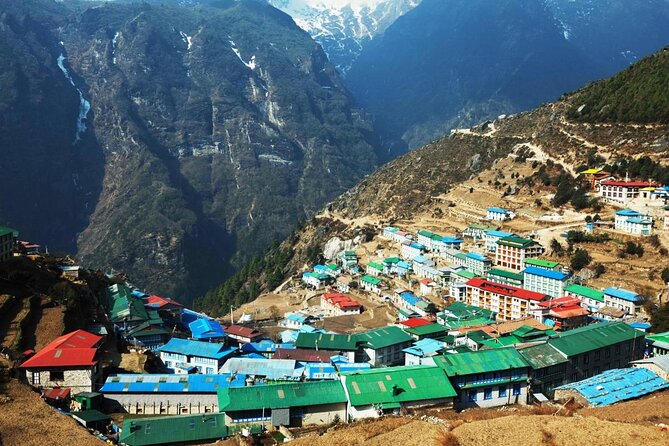
- Namche Bazaar as a real acclimatization stop before going higher
- Mt. Ama Dablam views tied to the Khumbu Valley’s dramatic scenery
- Logistics-heavy inclusions like domestic flights, permits, and transfers
- Experienced guides called out by name for organization and care
- Mobile ticket for a smoother start once you arrive
Mt. Ama Dablam: why a peak name matters on your first days
Mt. Ama Dablam is described as mother’s necklace, and honestly, that nickname tells you the vibe. This is one of those mountains people remember instantly because of its recognizable shape and how it sits in the Khumbu Valley. Even before you are thinking about Everest Base Camp, this kind of first mountain anchor helps you understand what you are actually traveling for: steep, technical-looking terrain, big altitude energy, and views that feel close even when you are still making your way in.
What I like about having Ama Dablam as an early highlight is that it gives context. You are not just walking toward a single landmark. You are moving through a region where the mountains have personalities, and Ama Dablam is one of the most talked-about ones for a reason. If you are the type of trekker who enjoys reading the mountains as much as seeing them, this stop sets you up well.
The only caution here is timing and expectations. Ama Dablam is an iconic target for climbers with interest in more technical climbing, so if you come into this thinking you will be scaling anything, you will want to calibrate. This trek is about high-altitude trekking to Everest Base Camp, not technical summit work.
More Treks in Kathmandu
- Everest Base Camp Trek – 14 Days
★ 5.0 · 1,499 reviews - Everest Base Camp Trek
★ 5.0 · 842 reviews - Everest Base Camp Trekking
★ 5.0 · 485 reviews
Namche Bazaar acclimatization: the part that can make or break you
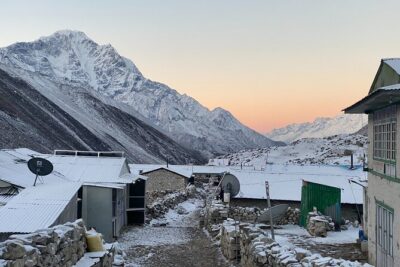
If Everest Base Camp is the headline, Namche Bazaar is the practical backbone. It is called the gateway to one of the most famous trekking destinations in the Everest region, and the key reason is acclimatization. This is where trekkers stop for the most important step in high-altitude trekking: adjusting before going higher.
Why this matters is simple. Altitude is not just about breathlessness. It affects sleep, appetite, energy, and decision-making. A planned acclimatization stop gives your body time to catch up with the elevation you have gained. You are also more likely to notice how you personally respond to altitude, which helps you make smarter pacing choices later.
Namche also tends to be a place where trekking life becomes real, not abstract. This is where you start meeting other people heading the same direction and where the rhythm of the trek clicks into place. If you are coming in nervous about altitude, having an explicit acclimatization stop built into the route is a comfort.
The 12-day rhythm from Kathmandu to Everest Base Camp
The details you have here describe a typical 12-day trek, starting in Kathmandu and ending back at the same meeting point. The experience ties together three big themes: mountaineering region energy, Nepali hiking, and the Everest Base Camp destination where trekkers and mountaineers gather to begin their Everest journey.
A practical way to read the 12 days is this: you are not sprinting. You are building time for travel, elevation gains, and recovery days where they make sense. Even with a private setup, high-altitude trekking is not about forcing the pace. It is about letting your body and your judgment work together.
The trip begins at Adventure Treks Nepal P. Ltd. in Thamel, Kathmandu, at Thamel Marg 44600. It ends back at the meeting point, which is handy when you are trying to keep your last day simple and avoid last-minute transport puzzles.
Private tour setup and the guide factor that changes everything
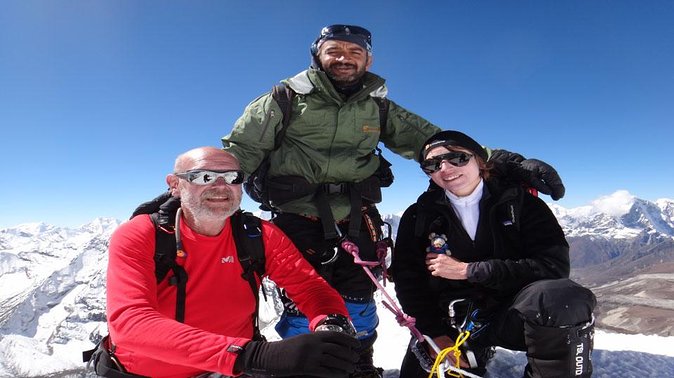
This is listed as a private tour/activity, meaning only your group participates. That is more than a luxury detail. It affects how your days feel. You get a guide’s full attention, and you are less likely to feel rushed by other people’s walking speeds or comfort levels.
The guide quality is where the reviews shine, and the names matter because you can picture the kind of support you want. Sau Bir Rai is described as very experienced and able to make everything seem easy. Roshan is highlighted for organizing accommodation, food, and transport during a busy season, which is exactly the kind of pressure a trekking group should not have to carry. Dipak is praised for being friendly and attentive, plus the ability to adapt the plan while trekking a combined route including Everest Base Camp and Gokyo.
Even Dil and Arjun show up in the feedback as steady support during planning and on the trail. That combination is what you want for Everest country trekking: someone who can handle logistics before you leave the city and someone who can keep things calm when the air gets thin.
One small caution: the package does include guide-related items like guide salary, guide food, equipment, and insurances including on trip cost. Still, your own choices matter. You will be the one managing your pace, hydration, and altitude awareness.
More Everest Base Camp treks:
- Everest Base Camp Helicopter Tour landing at Everest View Hotel
★ 5.0 · 668 reviews - Everest Base Camp Trekking – 13 Day
★ 5.0 · 365 reviews - Everest Base Camp Trek
★ 5.0 · 350 reviews - Everest Base Camp Trek -14 Days
★ 5.0 · 321 reviews
Price and logistics: what $990 does well, and what you must add
At $990 per person for roughly 12 days, this trek is priced like a full-service Nepal package, not like a bare-bones guided hike. The big value is that it includes several cost categories that can otherwise surprise you later.
Included in the price:
- Domestic flight
- Necessary permits and entrance fees
- Guide salary, food of guide, equipment, and insurances including on trip cost
- Airport transfer services for arrival and departure, including the domestic flight
Not included in the price:
- Beverages
- Tips
- Your insurance
- Personal or nature expenses
- International flight tickets and the Nepal Visa Fee
- Accommodation and food of the guest
- Tips for the trek guide (expected)
So here is how I would think about value. You are paying for the stuff that requires local licenses, scheduling, and professional handling. That is especially important for altitude travel, where being off by a day or missing an internal connection can snowball into real problems.
The budget reality is that you will still spend money on lodging and meals for yourself. Since those are not included, you should plan for daily costs in-country plus what you prefer for beverages. If you also want to travel without stress, make sure your own insurance is ready before you go.
What the included permits and flights really protect you from
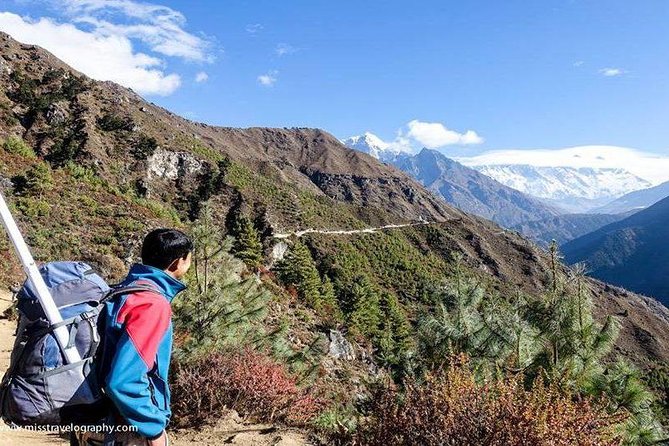
Permits and entrance fees might sound boring, but in Everest country they matter. Trekking to the Everest Base Camp area requires the right permissions, and these are specifically listed as included. That reduces one of the most common traveler headaches: arriving in Kathmandu or the region and discovering paperwork issues at the last minute.
The domestic flight and the airport transfer services are another major practical win. High-season timing can be tight, and flights in Nepal can shift. Having transfers and flight parts handled by the trip structure means you are not piecing together transport between different providers while you are also dealing with pre-trek nerves.
If you like control, this package might feel like it limits your own choices, but that is also the point. You are buying time and reducing uncertainty.
Fitness and altitude: the one requirement you should take seriously
This experience asks that travelers have a strong physical fitness level. That is not marketing copy. On an EBC trek, your fitness shows up in how well you handle steep days, how steady you feel after climbs, and how quickly you recover for the next push.
Because acclimatization is part of the plan through Namche Bazaar, you are not going straight up to Everest-area elevations without a pause. Still, altitude can affect people differently. Your best move is to take the fitness requirement at face value and train before you arrive, especially if you have limited hiking experience.
If you are someone who thinks you can power through fatigue, I would rethink that mindset. On high-altitude treks, smart pacing often matters more than raw speed.
Timing notes: December can feel quieter
One piece of timing advice comes through clearly from a December trip experience: off-season can mean cooler weather and trails that are much more empty. That can make the trek feel less crowded and help the days feel calmer.
The tradeoff is that you should expect temperature and conditions to be different than peak season. If you choose December, go in with flexibility and patience, and let your guide set the pace based on how you are feeling.
What to expect when the day gets hard
You are trekking in an Everest-region environment where the main challenge is not just walking. It is the combination of altitude, effort, and decision-making when you feel tired.
This is where having a guide you trust is worth real money. The feedback emphasizes guides who manage logistics and care about the group experience. That kind of support can help you stay focused on what you need to do each day, instead of worrying about where to go next or whether the plan is working.
Also, this is described as a private setup, so you should feel less pressured by other groups. That matters when you want to move at your pace and take acclimatization seriously.
Should you book this Everest Base Camp trek?
Book it if you want a private, logistics-forward trek to Everest Base Camp with a clear acclimatization stop in Namche Bazaar and an iconic mountain highlight tied to Ama Dablam. You are also a good fit if you value having permits and internal travel handled, plus you want a guide presence that is organized and attentive.
Skip or rethink if you are trying to keep costs as low as possible, because accommodation and food for you, beverages, tips, and your own insurance are not included. Also, only consider this if you truly meet the strong fitness expectation, since altitude trekking does not forgive shortcuts.
If you do your homework on budgeting and you come in fit, this kind of structured trek can turn Everest Base Camp from a scary idea into a journey you can actually enjoy.
FAQ
Where does the trek start and where does it end?
The experience starts at Adventure Treks Nepal P. Ltd. on Thamel Marg in Kathmandu. It ends back at the same meeting point.
How long is the Everest Base Camp trek?
The duration is listed as 12 days, approximately.
Is this a private trek?
Yes. It is listed as a private tour or activity, with only your group participating.
What is included in the price?
The included items are the domestic flight, necessary permits and entrance fees, guide salary, food of the guide, equipment, and insurances including on trip cost, plus airport transfer services for arrival and departure including the domestic flight.
What is not included?
Not included are beverages, tips, your insurance, personal or nature expenses, international flight tickets and the Nepal Visa fee, and accommodation and food of the guest. Tips for the trek guide are expected.
Do I need international flights and a Nepal visa?
Yes. International flight tickets and the Nepal Visa fee are not included, so you will need to arrange those separately.
What fitness level do I need?
The information provided says travelers should have a strong physical fitness level.
What is the cancellation policy?
Free cancellation is available. You can cancel up to 24 hours in advance for a full refund. If you cancel less than 24 hours before the start time, the amount paid is not refunded.
Latest additions near Kathmandu
- White Water River Rafting – 1 Day★ 4.3 · 3 reviews
- Traditional Momo Making Class★ 5.0 · 10 reviews
- Kathmandu to Pokhara Premium sofa bus ticket★ 4.0 · 17 reviews
- Ghorepani Poon Hill Trek★ 5.0 · 16 reviews
- Amazing 1 Day Trekking Experience in Kathmandu Nepal★ 5.0 · 24 reviews
- Ghorepani Poonhill Trek★ 5.0 · 5 reviews
- Walking tour of real Kathmandu through back streets.★ 5.0 · 3 reviews
- Wildlife Adventure in Chitwan Nepal★ 4.0 · 4 reviews
Everest Base Camp Treks, compared.
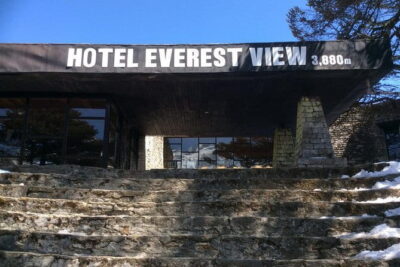
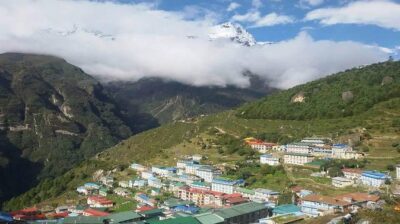
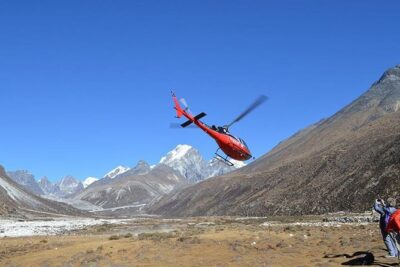
Everest Base Camp Helicopter Tour landing at Everest View Hotel
Read our review →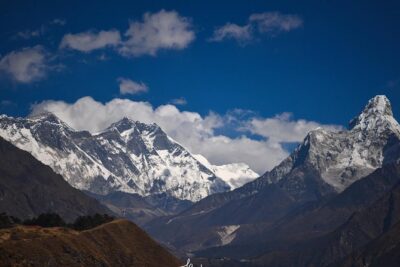
Everest Base Camp Helicopter Tour landing at Hotel Everest View
Read our review →
Browse the lists this tour appears in