
Reviewed · EVEREST BASE CAMP TREKS
Everest Base Camp Trek
Altitude and prayer flags steal your breath. This 12-day Everest Base Camp trek blends flights to Lukla with days of hiking through forests, Sherpa villages, and big mountain views.
I especially like the way the plan builds acclimatization into your route, with dedicated pauses at Namche Bazaar and Dingboche. I also love that you hike with a proper trekking guide who handles permits, logistics, and route know-how so you can focus on walking and breathing.
One consideration: you are relying on flights to and from Lukla, and high-altitude weather is a real factor. Even with a solid plan, you need to stay flexible and pack for cold nights and changing conditions.
In This Review
- Key Things You’ll Notice on This Everest Base Camp Trek
- Kathmandu To Lukla: Getting Above the Noise
- Namche Bazaar Acclimatization and Tengboche Monastery Views
- Dingboche, Lobuche, and the Slow Grind Toward Everest Base Camp
- Kala Patthar and the Return Down to Pheriche and Namche
- Lodges, Meals, Gear, and Vegetarian Options on the Trail
- Price and What You Get for $1,390 Per Person
- Who This Everest Base Camp Trek Suits Best
- Should You Book This Everest Base Camp Trek?
- FAQ
- Where is the trek starting point?
- What time does the experience start?
- Are airport pickups and drops included in Kathmandu?
- How do you travel between Kathmandu and Lukla?
- Are permits and taxes included?
- What meals are included during the trek?
- Is there a vegetarian meal option?
- What is not included in the package?
- Is this a private group experience?
Key Things You’ll Notice on This Everest Base Camp Trek
- Lukla round-trip flights are included, so you save days of extra travel.
- Acclimatization days are built in at Namche Bazaar and Dingboche to help your body adjust.
- Lodge trekking with 3 meals is included during the trek, so you are not hunting food every day.
- Kala Patthar gets its own day, giving you a chance for some of the best views in the area.
- Culture comes along for the walk, with monasteries, chortens, mani walls, and prayer flags on the trail.
- This is a private group experience, with airport transfers by private vehicle in Kathmandu.
Kathmandu To Lukla: Getting Above the Noise
Your trek starts in Kathmandu with an airport pickup in a private vehicle, and the start time is 6:00 am from Tribhuvan Airport. After that, the big jump is getting to Lukla, where the adventure really begins.
I like this early structure. It trades a lot of guesswork for a clear rhythm: fly, step onto the trail, and start acclimating right away with hiking that gradually ramps up. You are also avoiding the long slog that some overland approaches require, which matters when you are heading to high altitude.
The Lukla to Phakding day is also a good first test. The trail helps you get your legs moving without immediately throwing you into the steepest terrain. You’ll be surrounded by forests and river scenery, and the air feels different from Kathmandu the moment you’re out of the city grid.
If you’re sensitive to motion or nerves, flights to Lukla can be a mental hurdle. They are short, but they can feel intense. Also, the trek operates in all weather conditions, so if the weather turns, you should assume the mountain can be slow to cooperate.
More Treks in Kathmandu
- Everest Base Camp Trek – 14 Days
★ 5.0 · 1,499 reviews - Everest Base Camp Trek
★ 5.0 · 842 reviews - Everest Base Camp Trekking
★ 5.0 · 485 reviews
Namche Bazaar Acclimatization and Tengboche Monastery Views
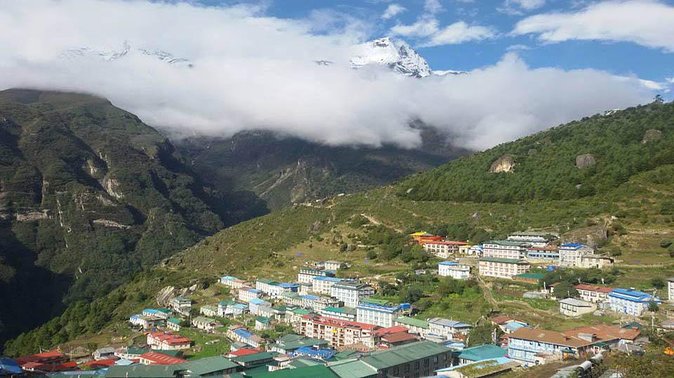
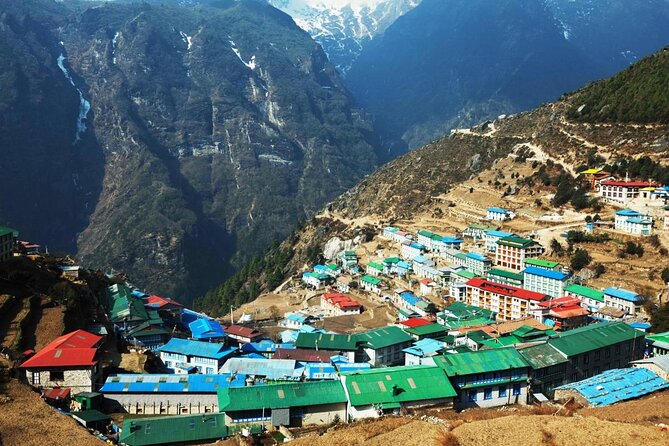
Once you’re on the main trekking corridor, the route moves you toward Namche Bazaar. The day from Phakding to Namche typically brings your first real sense of altitude change. You’ll feel it in your pace, your breathing, and how quickly you need breaks, even if the hike itself is steady.
Then comes a smart move: a full acclimatization day at Namche Bazaar. This is not a “sit around and do nothing” day. It’s your chance to adjust before you go higher, and it’s usually where trekkers start to understand how altitude affects effort. I like that the itinerary doesn’t pretend your body will just adapt by willpower.
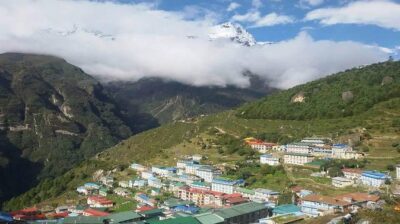
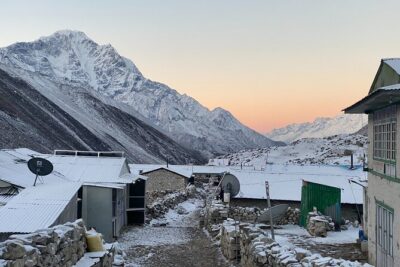
Namche also gives you a strong sense of Sherpa life in the Everest region. You’ll pass through village streets and viewpoints that make the whole trip feel real. It’s also a chance to see daily trekking culture at work, not just the big-photo moments.
After Namche, you head toward Tengboche, with a stop that adds a spiritual layer to the hike. Tengboche is known in this region for monasteries, and on this route you’ll also encounter chortens and mani walls with prayer flags along the way. That matters because the walk isn’t only about altitude. It’s about place, ritual, and how communities live alongside the mountains.
The one drawback here is pacing. Many people come in with excitement and accidentally hike too fast on the Namche to Tengboche leg. If you’re trying to “prove” something to yourself, the mountain can correct you fast. Your best strategy is simple: slow down, breathe, drink water, and let the day do the work.
Dingboche, Lobuche, and the Slow Grind Toward Everest Base Camp
Next comes Dingboche, and it’s one of the most important transitions on the whole trek. From Tengboche to Dingboche, you’ll keep climbing, and the terrain can feel more rugged as the trip gets closer to the big snow zone. You may notice fewer trees and more rocky sections, which changes how the trail feels underfoot.
Then you get the second acclimatization day, in Dingboche. I’m a big fan of this choice because it’s a practical way to reduce risk. It gives you time to adjust before the push toward Lobuche and beyond. You are still trekking, but it’s controlled and planned, not a sudden leap.
Dingboche also helps you build the mental stamina you’ll need later. By the time you hit this part of the trek, you’re not just hiking for scenery. You’re hiking for rhythm. Slow, steady movement becomes the whole game.
From Dingboche to Lobuche, the trail heads toward the Everest Base Camp approach. This is where you feel the “slow grind” nature of high-altitude trekking. The hiking is often manageable, but the altitude makes every step cost more energy.
Then you reach the day that most people dream about: Everest Base Camp via Gorakshep, plus the return to Gorakshep the same day. That structure is important. It means you hike out, reach the goal, and then turn back before you’re forced to guess what energy you’ll have later. You get the satisfaction of standing at base camp without stacking extra nights on top of altitude strain.
When you leave Lobuche for the base camp approach, expect a harsher feel to the surroundings. Rocky trail sections replace softer forest paths, and the cold can be real even if the day starts bright. This is also a day where you need to keep expectations grounded: you might arrive tired, you might not feel your best, and that doesn’t mean the trek is failing. It means you’re doing it at altitude, which is the point.
Kala Patthar and the Return Down to Pheriche and Namche
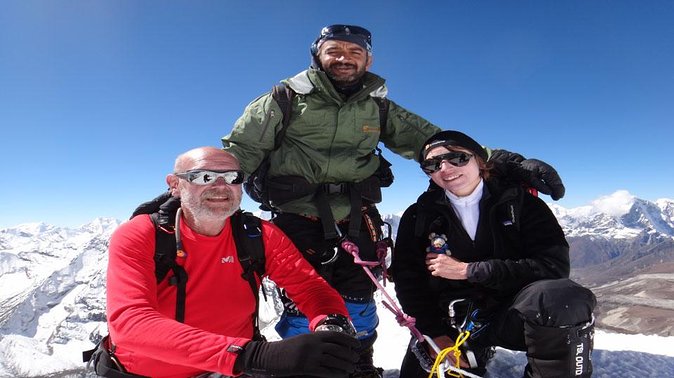
After base camp, the itinerary shifts toward Kala Patthar and then back down. You go from Gorakshep to Kala Patthar, then trek to Pheriche. Kala Patthar is the big viewpoint moment on this route, and it’s what gives many trekkers that final sense of Everest scale.
I like that the trek doesn’t end with base camp alone. Kala Patthar adds an extra step of purpose, and it helps you experience the Himalaya from a higher angle than you usually get on the way. If base camp is the destination, Kala Patthar can feel like the payoff.
Then the route returns you to Pheriche and onward to Namche Bazaar. This downhill sequence matters more than people think. Going down can feel easier, but it can also hit your knees and quads. Your best bet is short steps and steady footing, especially on rocky sections where balance matters.
The day from Pheriche to Namche helps you decompress mentally. You’re still at elevation, but you’re gradually moving toward a more comfortable range. It’s also a useful bridge for sleep, appetite, and energy before your final approach back to Lukla.
Finally, you hike from Namche to Phakding and then to Lukla, setting you up for the last flight back to Kathmandu. The last trekking day can feel oddly emotional, even when you’re exhausted. You’ve been living by the trail for almost two weeks, and once the flight time arrives, you realize how much the mountain consumes your attention.
The last thing is the return flight to Kathmandu. After days of altitude and cold nights, city air feels almost too easy. That’s when you start noticing all the little things you stopped thinking about during the trek.
More Everest Base Camp treks:
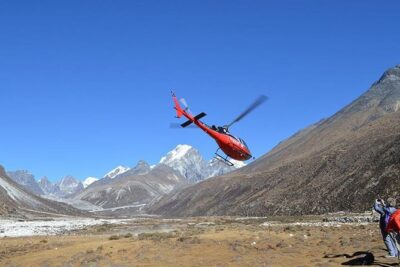
- Everest Base Camp Helicopter Tour landing at Everest View Hotel
★ 5.0 · 668 reviews - Everest Base Camp Trekking – 13 Day
★ 5.0 · 365 reviews - Everest Base Camp Trek
★ 5.0 · 350 reviews - Everest Base Camp Trek -14 Days
★ 5.0 · 321 reviews
Lodges, Meals, Gear, and Vegetarian Options on the Trail
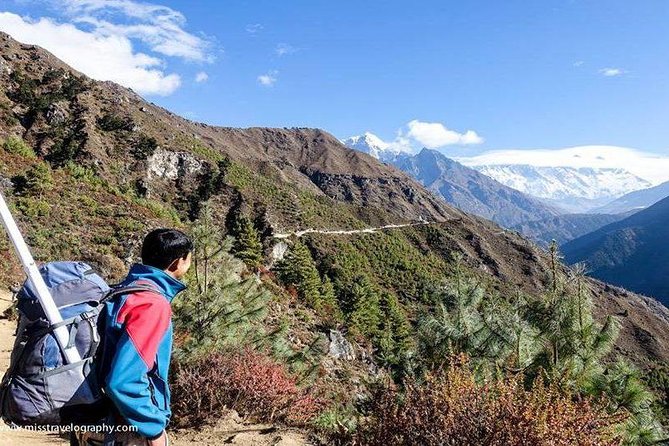
During the trek, you stay in guest house or lodge accommodations with meals included. The package lists 11 breakfasts, 11 lunches, and 11 dinners during the trekking portion, which is a big deal for budgeting and day-to-day stress. It means you can eat without constantly searching for options or negotiating prices at every stop.
Food along the route tends to be simple and filling. I like the practical side of this. After a long day, you don’t want culinary surprises. You want warm calories, tea or hot drinks if available, and something you can digest easily.
Vegetarian is available, and you just need to tell the operator at booking. That matters because at high altitude, menu choices can shrink fast. If you have dietary needs beyond vegetarian, you should clarify them early, because the provided info only guarantees a vegetarian option.
What is not included is alcohol and non-alcoholic beverages. That’s normal on trekking routes, but it’s still worth planning for. If you like soda or fancy coffees, you’ll likely pay extra. If your budget is tight, keep your drink list simple and focus on hydration.
As for weather, the trek operates in all weather conditions. That means you should dress for cold, wind, and changing conditions, not for a single perfect day forecast. On these higher parts of the route, layering is your friend. Think in terms of staying warm when you stop, not just when you walk.
One more small but useful point: your pack weight matters a lot. The itinerary is long, and you’ll feel every extra pound by day 8 or 9. If you’re traveling with friends, you’ll probably see who packed smart and who packed hopes.
Price and What You Get for $1,390 Per Person
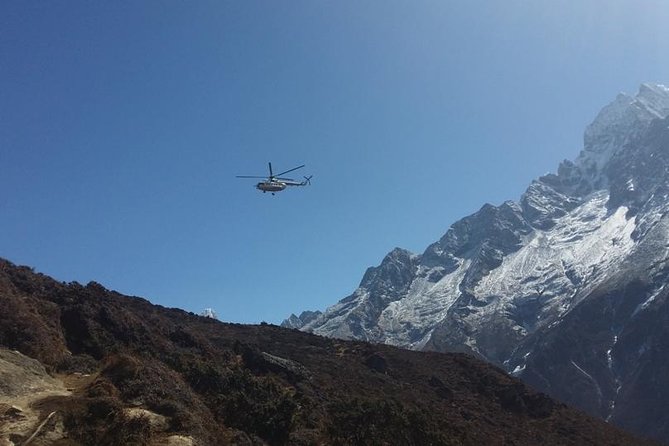
At $1,390 per person, this trek is priced like a full-service package rather than a bare-bones DIY plan. The included list covers some of the biggest expenses: round-trip flights between Kathmandu and Lukla, airport transfers in Kathmandu by private vehicle, lodge stays with meals during the trek, your trekking guide and their expenses, plus all necessary permits and taxes.
That combination is where the value usually lives. Flights to Lukla are not cheap, and permits plus guide time add up quickly if you try to stitch it together yourself. Also, having permits handled is not just paperwork. It’s peace of mind that you are trekking legally and correctly.
What is not included is also clear. You’ll need travel insurance for trekking, plus hotel and meals in Kathmandu before and after the trek, and you should plan for tips for guide, porter, and driver. Drinks are also extra, including alcohol and non-alcoholic beverages.
So who is this price for? If you want a guided trek where the big logistics are handled, and you’re okay paying for convenience, this can be good value. If you prefer DIY planning, you might find a cheaper route. But you’ll also take on the extra work of coordinating flights, permits, and daily meal and lodge decisions at elevation.
I’d also treat this like a reality check on budgeting. The trek covers a lot, but not everything. If you want a smooth trip, set aside money for Kathmandu nights, insurance, and optional drinks.
Who This Everest Base Camp Trek Suits Best
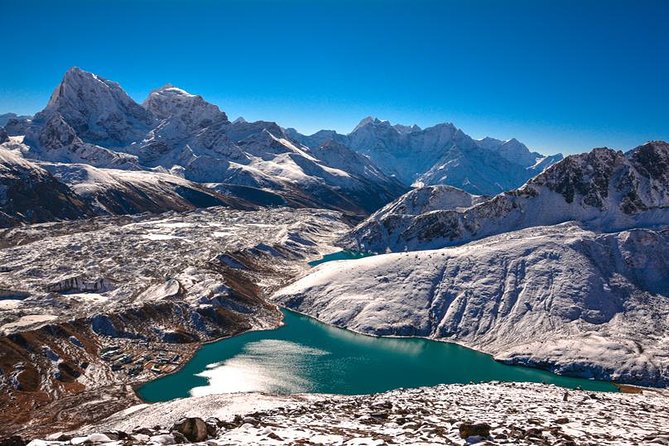
This trek is designed for people with moderate physical fitness. That doesn’t mean it’s easy. It means the route is built for steady hikers who can handle long walking days and higher altitude challenges with patience.
If you like structure, this itinerary fits. You get a clear rhythm, with acclimatization built in and a logical progression upward. If you are the kind of traveler who panics when plans change, it might help to know that operating in all weather conditions and relying on Lukla flights can test flexibility.
You’ll also enjoy this trek if you care about culture, not only views. The route includes Buddhist monasteries and lots of trail markers like chortens, mani walls, and prayer flags. Even when the day feels physically hard, these moments help you feel connected to place.
Finally, it suits travelers who want a more personal group experience. The tour notes it is a private tour/activity, meaning only your group participates, not random mixing with strangers. In a long trek, that matters more than people expect. Shared pace and shared expectations can make a huge difference.
One extra highlight from past group experiences is the human side of the guidance. People have credited guide teams, including names like Hari, Ongchhu, and Nima, for answering lots of questions well before the trek. That kind of prep is not fluff. It helps you pack right, pace right, and avoid avoidable stress.
Should You Book This Everest Base Camp Trek?
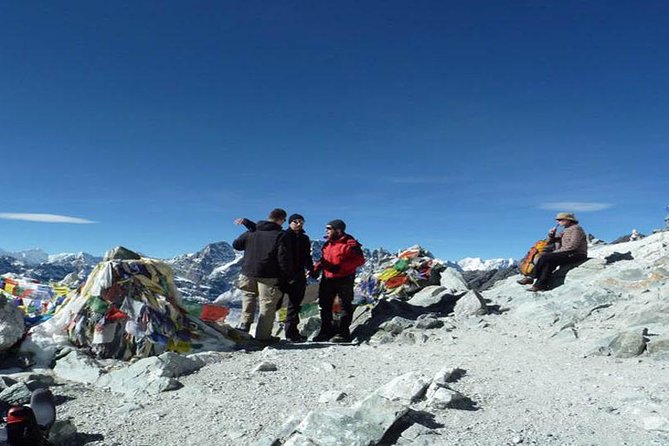
Book it if you want a guided, full-service Everest Base Camp plan that includes the expensive bits like Lukla flights, permits, and lodge meals during the trek. The schedule’s emphasis on acclimatization days is the kind of safety-minded planning you can feel in how the trek unfolds, day by day.
I would think twice if you are extremely budget-sensitive and planning to self-arrange everything, or if you know you cannot handle any travel uncertainty around Lukla flights. This is a mountain trek, and mountains don’t care about rigid schedules.
If your goal is a classic Everest Base Camp journey with practical support, steady altitude management, and plenty of real trail time, this package makes a lot of sense.
FAQ
Where is the trek starting point?
The trek starts at Tribhuvan Airport in Kathmandu, Nepal.
What time does the experience start?
Start time is listed as 6:00 am.
Are airport pickups and drops included in Kathmandu?
Yes. Airport pickups and drops are included in a private vehicle.
How do you travel between Kathmandu and Lukla?
You take both way flight tickets between Kathmandu and Lukla.
Are permits and taxes included?
Yes. The tour includes all necessary permits and taxes.
What meals are included during the trek?
Lodge accommodation during the trek includes 3 meals per day, listed as 11 breakfasts, 11 lunches, and 11 dinners.
Is there a vegetarian meal option?
Yes. A vegetarian option is available, and you should advise at booking if required.
What is not included in the package?
Alcohol and non-alcoholic beverages, travel insurance for trekking, and hotel and meals in Kathmandu are not included. Tips for guides, porters, and drivers are also not included.
Is this a private group experience?
Yes. This is listed as a private tour/activity, so only your group will participate.
Latest additions near Kathmandu
- White Water River Rafting – 1 Day★ 4.3 · 3 reviews
- Traditional Momo Making Class★ 5.0 · 10 reviews
- Kathmandu to Pokhara Premium sofa bus ticket★ 4.0 · 17 reviews
- Ghorepani Poon Hill Trek★ 5.0 · 16 reviews
- Amazing 1 Day Trekking Experience in Kathmandu Nepal★ 5.0 · 24 reviews
- Ghorepani Poonhill Trek★ 5.0 · 5 reviews
- Walking tour of real Kathmandu through back streets.★ 5.0 · 3 reviews
- Wildlife Adventure in Chitwan Nepal★ 4.0 · 4 reviews
Everest Base Camp Treks, compared.
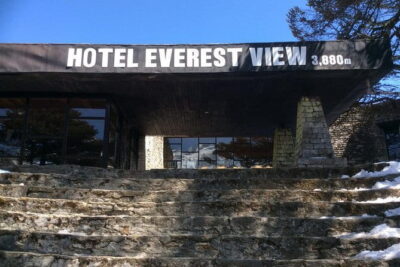
Everest Base Camp Helicopter Tour landing at Everest View Hotel
Read our review →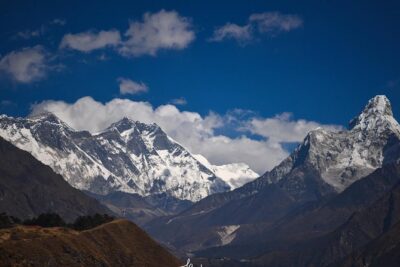
Everest Base Camp Helicopter Tour landing at Hotel Everest View
Read our review →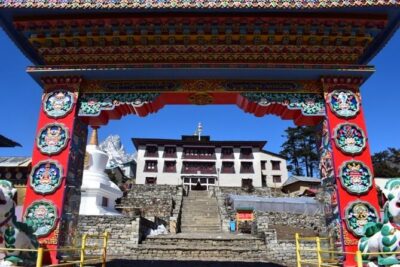
Browse the lists this tour appears in