
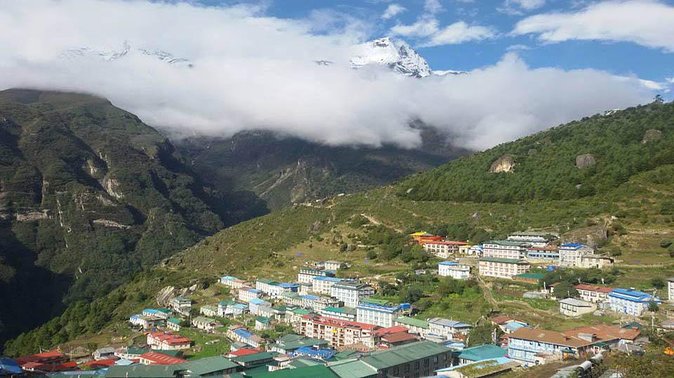
Reviewed · EVEREST BASE CAMP TREKS
Everest Base Camp Trek
One of the best views in Nepal starts at your own pace. This Everest Base Camp trek pairs Sherpa culture with big Everest Range scenery, moving through Namche Bazaar, Tengboche, and up to Base Camp in about two weeks. You also get a Kathmandu buffer so your first high-altitude days feel less like a punch to the lungs.
What I like most is the way the trek is supported end to end. Your guide and porter setup (1 porter for 2 people) keeps you moving with less stress, and the package includes lodge stays plus most meals so you are not budgeting every tea house stop. I also like that the itinerary builds in acclimatization time, not just altitude jumping.
The one caution is the logistics around the Lukla flights. Weather can delay or cancel flights, and while they will try to reschedule, you may face extra uncertainty without the right insurance backing.
In This Review
- Key things that make this trek tick
- Kathmandu first: a smart warm-up before you hit altitude
- The Lukla flight and the first walking day feel like a threshold
- Namche Bazaar acclimatization: Sherpa culture and altitude management
- Tengboche: monasteries, views, and the spiritual reset
- Dingboche and the Chhukhung day: how you learn your own pace
- Lobuche to Gorakshep to Base Camp: the payoff section
- Kala Patthar viewpoint and the long descent back to Namche
- Food, water, electricity, and what to pack in real terms
- Price and logistics: what $1,500 includes, and what it does not
- Your support team: why guides like Pradip matter more than you think
- Should you book this Everest Base Camp trek?
- FAQ
- What time does the trek start in Kathmandu?
- Does the tour include airport transfers in Kathmandu?
- How many nights do I stay in Kathmandu?
- What kind of accommodation do I get on the trek?
- Is a guide and porter included?
- Are meals included during the trek?
- What does the trip not include?
- What is the cancellation policy?
- Are there limits on group size?
Key things that make this trek tick
- Lukla, then Phakding: the trek proper starts fast after your early flight from Kathmandu.
- Acclimatization stops at Namche Bazaar and Dingboche help your body handle altitude better.
- Everest Base Camp via Gorakshep is treated as the main payoff section, not a token detour.
- Kala Patthar viewpoint time at 5,545m gives you a high-altitude photo window before descending.
- Porter support means you carry a day pack, while your main luggage rides with the porters.
- Guide support with real names like Pradip, and often top communication before and after, helps the whole trip feel smooth.
Kathmandu first: a smart warm-up before you hit altitude
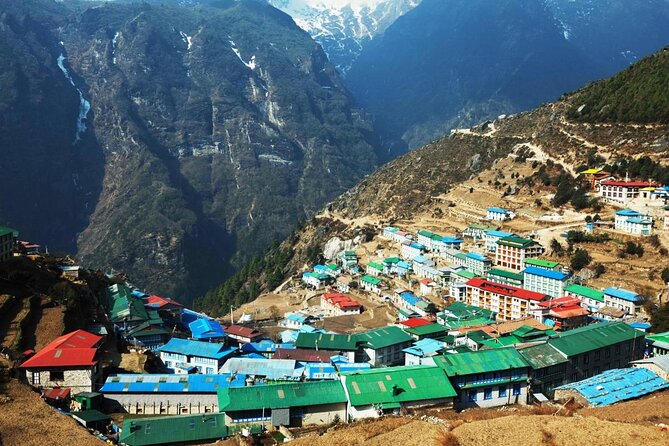
Kathmandu is not just a waiting room. On arrival day, you land at Tribhuvan International Airport, meet a representative, and transfer to a 3-star standard hotel for a comfortable first night. That matters because jet lag plus altitude is a rough combo. The tour also includes two nights in Kathmandu, one after the trekking as well, so you are not forced to rush straight back out of Nepal.
If you like structure, you’ll appreciate the “meeting and greeting” service. You are expected to share your international flight details so someone can meet you with your name at the airport customs exit. You also get private vehicle transfers in Kathmandu, plus a sightseeing component is mentioned in the inclusions, which is useful if you have only a short window to orient yourself.
One practical note: the package does not include lunch and dinner in Kathmandu. Breakfast is included on the trek and other parts, but in Kathmandu you’ll still want cash or a card for your meals, entrance fees, and drinks.
More Treks in Kathmandu
- Everest Base Camp Trek – 14 Days
★ 5.0 · 1,499 reviews - Everest Base Camp Trek
★ 5.0 · 842 reviews - Everest Base Camp Trekking
★ 5.0 · 485 reviews
The Lukla flight and the first walking day feel like a threshold
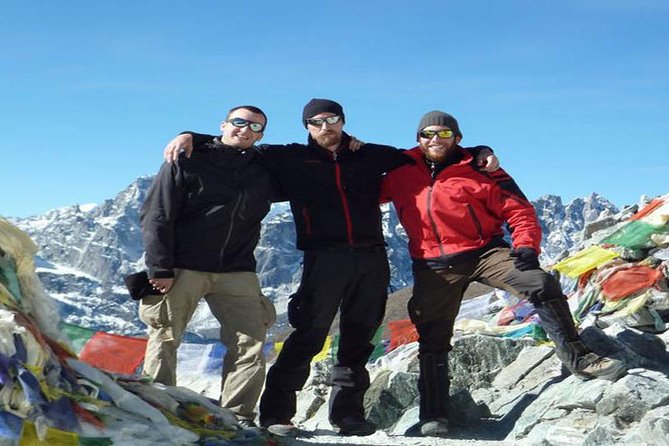
The trek starts with an early flight from Kathmandu to Lukla, landing at 2,886m. From there, you continue on foot to Phakding around 2,640m, typically taking about four hours on the first trek day.
This day does two important jobs. First, it reduces the amount of time you spend at moderate altitude without a plan. Second, it gets you into the rhythm of walking at elevation while your body is still adapting from Kathmandu. It is also a nice reality check. Even before the big climbs, you can feel the air working against you on the switchbacks.
Inclusions here are also straightforward: airport transfers, flight timing as arranged by the operator, and your trekking lodges are covered. What you provide is mostly effort, your day pack, and the patience to handle mountain timing, especially around flights.
Namche Bazaar acclimatization: Sherpa culture and altitude management
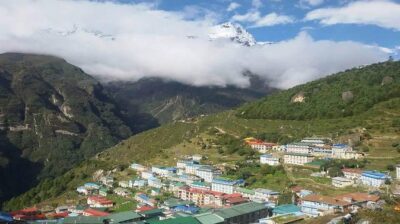
You trek from Phakding to Namche Bazaar around 3,440m. The climb takes about six hours and it is where the trek starts to feel serious.
Namche is not just a stop for photos. It is built into the plan as an acclimatization day, so you rest and adjust at 3,440m before going higher. This is the kind of pacing that can make the difference between “I can handle this” and “why does my body feel angry?”
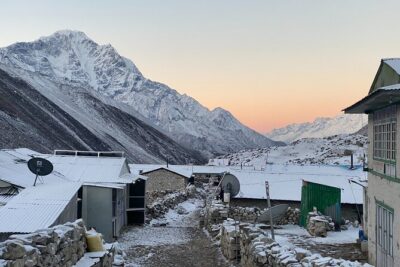
Namche is also where Sherpa culture becomes more than a concept. As you walk into town, you’ll notice the mix of everyday mountain life and the trekking industry that grew around it. And because you are staying in lodges here, you get normal human routines like tea house breakfasts, hot drinks, and a chance to ask your guide questions about what is coming next.
Tengboche: monasteries, views, and the spiritual reset
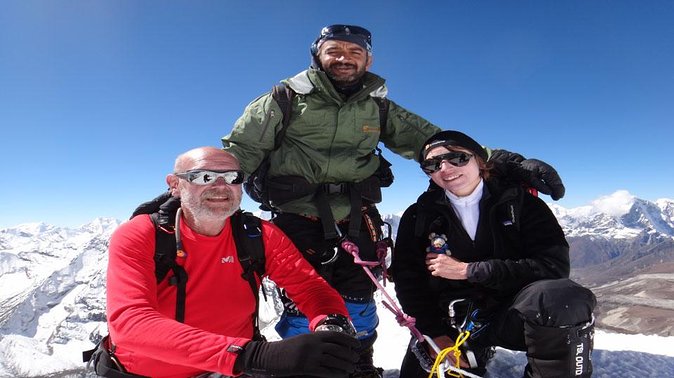
From Namche, you climb to Tengboche at about 3,867m. This day takes around six hours, and it is one of the classic “you are really in the Khumbu region” moments.
Tengboche is known for monasteries, and the tour is designed so that part of your experience is not only physical. Taking time in Tengboche helps you slow down and absorb the place. Even if you are not a big meditation person, there is something grounding about being in a village built around spiritual practice.
You also need this day for altitude layering. You will be going up again soon, so Tengboche works as both a cultural stop and a transition toward higher camps.
More Everest Base Camp treks:
- Everest Base Camp Helicopter Tour landing at Everest View Hotel
★ 5.0 · 668 reviews - Everest Base Camp Trekking – 13 Day
★ 5.0 · 365 reviews - Everest Base Camp Trek
★ 5.0 · 350 reviews - Everest Base Camp Trek -14 Days
★ 5.0 · 321 reviews
Dingboche and the Chhukhung day: how you learn your own pace
After Tengboche, the trek goes to Dingboche at about 4,260m. This day is roughly six hours and brings you into a higher altitude zone where your body starts asking for smart effort, not heroics.
Then comes another acclimatization day at Dingboche. The plan includes time at Dingboche and a route toward the Chhukhung area, which is typically the kind of day hike that helps your body adjust. You go higher, you return, and you let your lungs recalibrate.
This is where having an experienced guide really matters. In the reviews, multiple people highlight how guides like Pradip (also mentioned as Pradip Big Z in one write-up) made them feel safe and informed on the terrain. That kind of on-the-ground judgment is not just comfort. It helps you avoid pushing too hard when the trail is steep and the air is thin.
Lobuche to Gorakshep to Base Camp: the payoff section
From Dingboche, you head to Lobuche at about 4,930m. The itinerary mentions lunch at Dugla (around 4,595m), then continuing on toward Lobuche. This is another six-hour day, and it’s a big step in altitude.
The next stretch is the heart of the trek. You go from Lobuche to Everest Base Camp via Gorakshep, reaching Base Camp around 5,364m. This day is about six hours, and the description frames it as the most rewarding section.
What makes this section worth it is how it builds. You are not just “walking to a landmark.” You are moving through high, rocky country and then arriving at the point where the Everest climbing world comes to life, at least in atmosphere and history. The tour also keeps your lodge schedule steady here, so you have a place to regroup after Base Camp time.
Kala Patthar viewpoint and the long descent back to Namche
After Base Camp, you head to Gorakshep and then continue to Kala Patthar at 5,545m before trekking down to Pheriche at about 4,243m. This is listed as about six hours.
Kala Patthar is a high viewpoint, and it is one of the places where Everest feels close enough to be real. You will spend time at a height that makes every step count. Because the plan includes both the climb to Kala Patthar and the descent to Pheriche, you get a full “views, then recover” arc.
Then you begin your return. Pheriche to Namche Bazaar is a longer trek, around six hours, arriving late afternoon. From Namche to Lukla is another day of steady walking, also around six hours, with time to refresh when you reach Lukla.
From a comfort standpoint, this back half is where pace and hydration pay off. Your legs will feel the altitude more on the downhills, and your motivation depends on knowing you still have real lodge stays waiting each night.
Food, water, electricity, and what to pack in real terms
Your meals while trekking are included: breakfasts and dinners at your overnight lodges, plus lunch at an available stop picked by your guide each day. That helps a lot because you are not stuck negotiating meal costs at the worst moment.
Water is available in normal form in many places. The tour strongly recommends bringing water purification pills, so you can use regular water safely. Bottled water and boiled water are also options along the way, but those add cost and create extra plastic waste. I like having pills in my day pack because it gives you control.
For charging, there is electricity in some villages and solar power in some areas. You may need to pay for recharging batteries where power is limited, so pack with that in mind. Bringing spare batteries is a smart move so you are not stuck scrambling for a socket.
Gear logic is covered too: your main luggage is carried by porters and you carry a day pack. That is the practical way to keep your trekking experience enjoyable. The tour notes a trek bag is ideal and that you can leave travel clothes or extra items at hotel lockers in Kathmandu.
Price and logistics: what $1,500 includes, and what it does not
At $1,500 per person, this trek is priced like an all-in service package, not a bare-bones self-guided hike. What you get included is a lot of the moving parts that usually cost time and stress:
- Airport pick up and drop off by private vehicle in Kathmandu
- Two nights in Kathmandu at a 3-star standard hotel
- Lodge accommodations during the trek
- An experienced guide and porter support (1 porter for 2 people)
- Staff insurance, their food and logistics while working
- TIMS card fees and a first aid medical kit
- Many included meals: breakfast 14 times, plus lunch and dinner included during trekking days
- Flights Kathmandu to Lukla and return, plus private transfers around the itinerary
What’s not included is just as important for budgeting. Travel insurance is not included, and Kathmandu lunches and dinners are on you. Drinks, including alcoholic and non-alcoholic, are also not included. Entrance fees during Kathmandu sightseeing are mentioned as an extra cost.
A big value point here is the human support. In reviews, people highlight guides like Pradip for making the trek enjoyable and for spotting wildlife along the route. That kind of attention can turn “I walked for 14 days” into “I understood what I was seeing.” It also helps with safety decisions in the field.
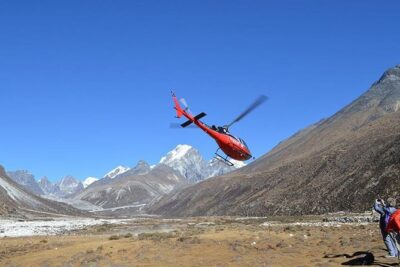
On the logistics side, be realistic about Lukla. Weather can cancel or delay flights. The tour says they will reschedule the flight for the following day if cancellation happens, subject to availability. There is also a helicopter option mentioned as a last resort, with a minimum cost around US$500 per person depending on group size, and travel insurance is recommended to cover that.
Your support team: why guides like Pradip matter more than you think
The trekking experience lives or dies by day-to-day decisions. You may think the “route” is the key, but in practice it is how someone plans your pace, handles altitude conversation, and responds when the trail or weather shifts.
The strongest praise in the feedback centers on guide experience and personality. Pradip is repeatedly named in positive notes as the highlight, with people emphasizing his mountain experience, safety focus, and the way he shared information on the trek. Another name that appears is Niti for pre-trip support, described as professional and organized. Hari is also mentioned in connection with providing the best guide, showing there is coordination behind the scenes too.
Even without personality details, the included porter ratio is a meaningful part of your comfort. With 1 porter for 2 people, your main luggage rides with a support worker, so you can spend energy on your legs, not your back.
Tipping is also part of the real-world culture. The tour suggests budgeting about 10 to 15 percent of the total tour cost for staff if you feel services were good. That guideline helps if you worry about what amount is fair at the end.
Should you book this Everest Base Camp trek?
Book it if you want a guided, service-supported trek with acclimatization days, predictable lodge stays, and a team that handles the real-world stuff like flights, cards like TIMS, and meals. You’ll also like it if you prefer not to piece together logistics from scratch when Lukla adds its own uncertainty.
Skip it or think hard first if you do not have strong physical fitness. This trek is built on sustained days at altitude, with multiple 6-hour walking days and higher elevations like Lobuche, Base Camp approach areas, and Kala Patthar.
Finally, if you are the type who hates uncertainty, read the flight cancellation note closely and plan insurance that covers flight cancellation. Lukla is not fully controllable, but good planning helps you feel calmer when weather changes the script.
FAQ
What time does the trek start in Kathmandu?
The meeting point is Tribhuvan Airport, Kathmandu, Nepal, and the start time is 5:30am.
Does the tour include airport transfers in Kathmandu?
Yes. The package includes airport pick up and drop by private car/van/bus.
How many nights do I stay in Kathmandu?
You get two nights of 3-star standard accommodation in Kathmandu, one on arrival day and one after the trek according to the program.
What kind of accommodation do I get on the trek?
During the trek you stay in lodges or tea houses. While in Kathmandu, the hotel is described as 3-star standard with attached bath and hot water.
Is a guide and porter included?
Yes. An experienced guide is included, plus porters with a ratio of 1 porter for 2 people.
Are meals included during the trek?
Yes. Breakfast is included 14 times, and dinner 11 times and lunch 11 times, on the trekking portion as listed in the inclusions.
What does the trip not include?
Travel insurance is not included, and lunches and dinners in Kathmandu are not included. Alcoholic and non-alcoholic drinks are also not included.
What is the cancellation policy?
Free cancellation is offered. You can cancel up to 24 hours in advance of the experience’s start time for a full refund.
Are there limits on group size?
Yes. The tour/activity has a maximum of 15 travelers.
Latest additions near Kathmandu
- White Water River Rafting – 1 Day★ 4.3 · 3 reviews
- Traditional Momo Making Class★ 5.0 · 10 reviews
- Kathmandu to Pokhara Premium sofa bus ticket★ 4.0 · 17 reviews
- Ghorepani Poon Hill Trek★ 5.0 · 16 reviews
- Amazing 1 Day Trekking Experience in Kathmandu Nepal★ 5.0 · 24 reviews
- Ghorepani Poonhill Trek★ 5.0 · 5 reviews
- Walking tour of real Kathmandu through back streets.★ 5.0 · 3 reviews
- Wildlife Adventure in Chitwan Nepal★ 4.0 · 4 reviews
Everest Base Camp Treks, compared.
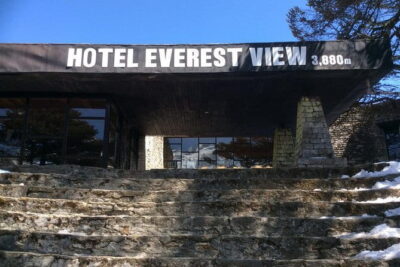
Everest Base Camp Helicopter Tour landing at Everest View Hotel
Read our review →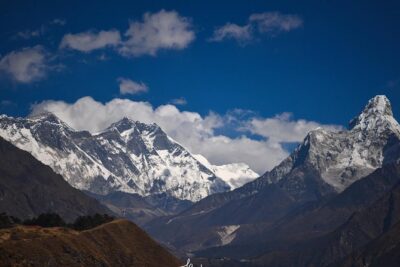
Everest Base Camp Helicopter Tour landing at Hotel Everest View
Read our review →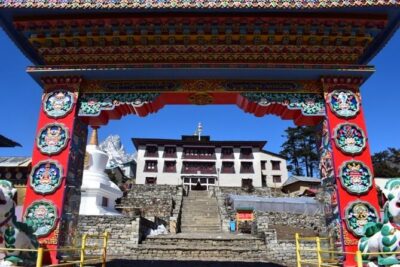
Browse the lists this tour appears in