
Reviewed · EVEREST BASE CAMP TREKS
Everest Base Camp Trek
Two weeks from Kathmandu to Everest Base Camp.
What makes this trek different is the mix of day-by-day licensed guide support and your own freedom to manage the rest of Nepal your way. You’ll move through the Khumbu with a government-licensed English-speaking guide, plus a porter team and emergency planning that keeps the whole adventure feeling organized rather than chaotic. Guides on similar departures, including people like Devendra and Suraj, are known for staying steady and practical when plans shift on the ground.
I also love that the route builds in common-sense altitude care. You’ll get a real acclimatization day around Dingboche, plus scenic culture stops in Namche, like the Sherpa Museum and viewpoints around Syangboche and Everest View Hotel. A possible drawback is that getting to Lukla involves flights that can be routed through Manthali during peak congestion seasons, and the trek is still altitude-heavy even with the best schedule.
In This Review
- Key highlights worth your attention
- A guide-led Everest Base Camp trek, with room for your own choices
- Price and logistics: what $1,600 buys you (and what it does not)
- Day 1 in Kathmandu: the pre-trek meeting that sets expectations
- Day 2 flight to Lukla, then a gentle start toward Phakding
- Day 3 Namche Bazaar: suspension bridges, steep climbs, and your first real altitude check
- Day 4 Namche acclimatization plus Sherpa culture at the right altitude
- Day 5 to 6: Tengboche Gompa to Dingboche, monasteries and deliberate pacing
- Day 7 Dingboche acclimatization: Nangkartshang Peak and a chance to breathe
- Day 8 Lobuche: Khumbu Glacier moraine walking and the reality check day
- Day 9 Everest Base Camp at 5,365m: the day you came for
- Day 10 Kala Patthar: the hardest day with the biggest panorama pay-off
- Day 11 to 12: leaving the mountains behind, then Lukla celebrations
- Day 13 and 14: back to Kathmandu, and what you can add
- Where you sleep and eat: tea houses, guesthouses, and cold reality
- The service quality people keep praising: guide attitude and porter support
- Who should book this Everest Base Camp trek, and who should think twice
- Should you book this Everest Base Camp trek with Travel Pinto?
- FAQ
- How long is the Everest Base Camp trek?
- What does the $1,600 per person price include?
- Are meals included during the trekking days?
- Do I need to bring my own trekking equipment?
- What about trekking readiness and age limits?
- Can the trip be canceled for a refund, especially due to weather?
Key highlights worth your attention
- Licensed guide, day-by-day decision making to help you pace altitude, not just follow a map
- Acclimatization stops that actually change your itinerary, including a full day near Dingboche
- Kathmandu support for add-ons, so you can tack on Chitwan, rafting, or extra city time
- Everest Base Camp at 5,365m plus Kala Patthar at 5,555m for big summit-style panoramas
- Value-packed inclusions like Lukla flights, park permits, filtered water, and all trekking meals
A guide-led Everest Base Camp trek, with room for your own choices
Everest Base Camp is the kind of goal that sounds simple until you’re dealing with thin air, weather, and long travel days. What I like about this style of trip is that you’re not just handed a route and hoped-for luck. The package is built around a professional guide on a day-by-day basis, so someone is making the calls on pacing, when to press forward, and when to slow down.
You keep a kind of independence too. The trek is guided, but you’re not locked into every single add-on. When you return to Kathmandu, the local support team can help you organize extra experiences that match your interests, whether that’s more trekking, wildlife in Chitwan, river rafting, or simply time for shops and food.
One more practical piece: it’s a small group size, capped at 14. That matters on Everest trails. Smaller groups usually move more smoothly through tea houses, manage delays better, and give your guide room to check in on everyone.
More Treks in Kathmandu
- Everest Base Camp Trek – 14 Days
★ 5.0 · 1,499 reviews - Everest Base Camp Trek
★ 5.0 · 842 reviews - Everest Base Camp Trekking
★ 5.0 · 485 reviews
Price and logistics: what $1,600 buys you (and what it does not)
At $1,600 per person, this is not a budget trek. The upside is that a lot of the expensive basics are handled for you. You’re paying for guided support, the porter system, and the big logistics that can be messy if you try to DIY.
Here’s what the package includes that usually adds real cost if you book separately:
- Airfare for Kathmandu to Lukla and back, including the departure tax in that sector
- Everest/Sagarmatha National Park entry permit plus the Pasang Lhamu Rural Municipality fee
- 11 days of porter service (a porter for 2 clients) to reduce load on the hardest days
- All standard meals during the trek (breakfast, lunch, dinner)
- Kathmandu transfers in a private vehicle and 3-star twin-share lodging in Kathmandu for 2 nights
- Filtered water using a Katadyn Pocket Water Filter
- First-aid trained government-licensed guide, plus a first-aid kit and emergency evacuation arrangements in worst-case scenarios
What’s not included (and you should plan for it early):
- Nepal visa, international flights, and travel insurance that covers high-altitude rescue and evacuation
- Tips for guide and porter (expected)
- Your own personal trekking gear
- Meals in Kathmandu (lunch and dinner)
- Alcohol and other drinks
My rule of thumb: if you want comfort with the process, this price can feel fair because you’re buying fewer unknowns. If you love DIY travel and already have gear, insurance lined up, and a plan for permits and domestic flights, you might find alternatives cheaper. But you’ll also spend more time managing the hard parts.
Day 1 in Kathmandu: the pre-trek meeting that sets expectations
Your trek starts with pickup at Tribhuvan International Airport. You’ll be met by an airport representative holding a Travel Pinto signboard, then transferred to your hotel in a private tourist vehicle.
Then comes the part people sometimes rush: the pre-trip briefing and paperwork. If you arrive after 4 pm, your guide briefing happens as a pre-trek meeting. If you arrive earlier, you likely attend the meeting at the office that day.
For the meeting, come ready with:
- your passport
- three copies of passport-size photos
- a readable copy of your travel insurance policy
You’ll clear any due balance, sign a trip form, and read a non-liability disclaimer. It sounds bureaucratic. It’s actually useful. You’ll get a clearer picture of what the trek means in real terms, and you can ask questions before altitude makes everything feel slower.
Day 2 flight to Lukla, then a gentle start toward Phakding
Day 2 is the classic “gear up and head into Khumbu” moment. You’ll leave Kathmandu for an early flight. One thing to know: during peak trekking congestion (March, April, May, October, November), flights can be shifted to Manthali Airport in the Ramechhap district due to congestion at Kathmandu’s airport.
From there, you’ll take a scenic flight to Tenzing and Hillary Airport at Lukla (2,804m). The flight time is short, about 35 minutes, but it sets the emotional tone. You land in a place that feels like a gateway to a different world.
After landing, your guide briefs you and introduces porters, then you start trekking toward Phakding (2,610m). The walking is described as easy. You’ll descend toward the Dudh Kosi River, then join the main trail to Namche Bazaar above Chaunrikharka (2,713m). You’ll cross suspension bridges and pass through villages like Ghat before reaching Phakding.
This first trekking day matters because it’s where you find your rhythm. Don’t try to “win” Day 2. Enjoy it. Your body is still learning how to handle the schedule.
More Everest Base Camp treks:
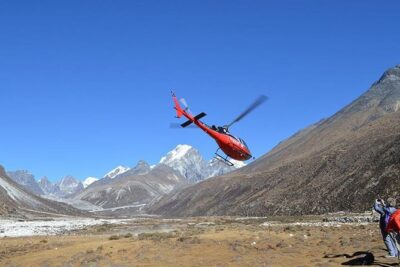
- Everest Base Camp Helicopter Tour landing at Everest View Hotel
★ 5.0 · 668 reviews - Everest Base Camp Trekking – 13 Day
★ 5.0 · 365 reviews - Everest Base Camp Trek
★ 5.0 · 350 reviews - Everest Base Camp Trek -14 Days
★ 5.0 · 321 reviews
Day 3 Namche Bazaar: suspension bridges, steep climbs, and your first real altitude check
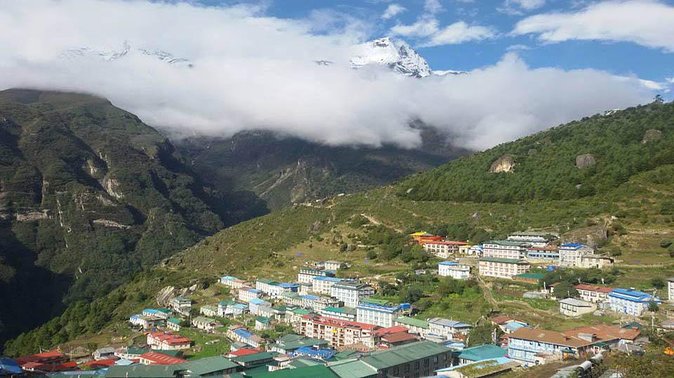
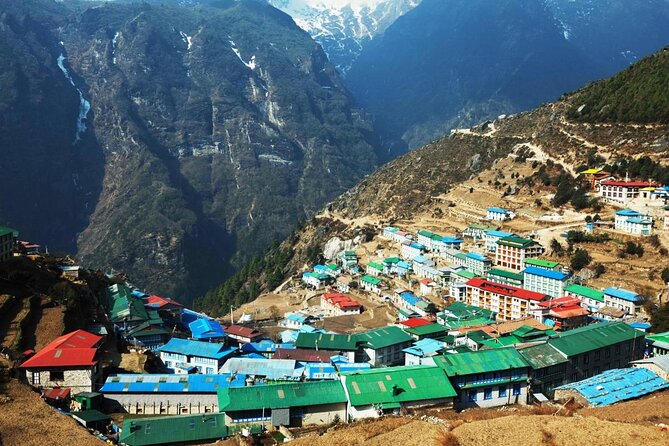
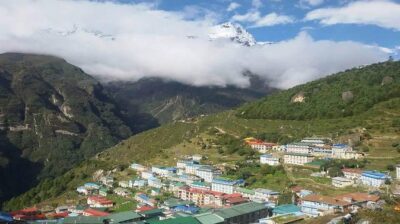
Namche Bazaar is the big hub in the Khumbu region. The route follows the Dudh Koshi and includes multiple suspension bridges with prayer flags. It’s scenic, yes, but it’s also practical.
As you enter Sagamartha National Park, the trail climbs steeply. That climb is the first hint you need to listen to the altitude, not your ambition. Namche itself is where you’ll find restaurants, lodges, shops, money exchange services, and internet cafes. It’s the place where comfort creeps in, so people often relax too much. A good guide keeps you moving at a sensible pace.
Day 4 Namche acclimatization plus Sherpa culture at the right altitude
Day 4 is a full acclimatization day. You stay in Namche and adjust to thinning air. Rather than just resting, you do short hikes and culture.
You’ll visit the Sherpa Museum, which focuses on traditional Sherpa customs. Then you’ll hike up toward Syangboche Airport and the Everest View Hotel, a high viewpoint hotel where, on clear days, you can enjoy impressive Himalaya views including Mt Everest.
This is a smart use of a day. It keeps you active, but not exhausting. It also puts you in the rhythm of the trek, where you balance “moving” and “recovering” rather than treating every day as a march.
If you’re someone who hates wasting days, this should still feel worthwhile. It’s not a random detour. It’s altitude management with culture.
Day 5 to 6: Tengboche Gompa to Dingboche, monasteries and deliberate pacing
Day 5 continues along glacial waters and mountain views, and it leads you to Tengboche (3,860m). You’ll visit Tengboche Gompa, where the monastery interior includes ornate wall hangings and a large Buddha sculpture. The guide brings the group to observe a prayer ceremony either in the evening or morning, depending on the trek day.
This stop does two things for you. It’s a meaningful cultural moment, and it’s also a natural pause. In a trek like this, small pauses are what keep your legs from feeling like overworked cables.
Day 6 takes you to Dingboche after moving down toward Debuche, crossing another suspension bridge over the Imja Khola, and climbing through Pangboche, surrounded by thousands of mani stones. Dingboche sits in a classic view corridor for Lhotse, Island Peak, and Ama Dablam.
The emphasis here is on taking your time to avoid the hit from altitude.
Day 7 Dingboche acclimatization: Nangkartshang Peak and a chance to breathe
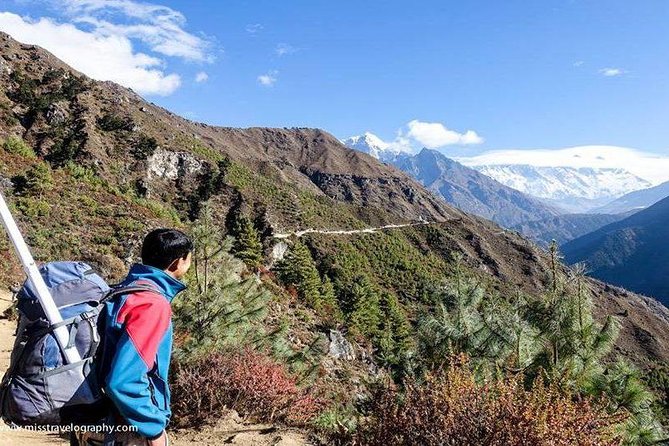
Day 7 is another acclimatization day, and this one is clearly about recovery. You don’t push toward Everest Base Camp on this day. Instead, you hike to Nangkartshang Peak just above Dingboche for excellent views, especially of Ama Dablam if the weather is clear.
You get a second option too: afternoon time for resting or simply strolling in the village.
This is one of the most valuable parts of the itinerary because it respects what high altitude does to your body. Even if you feel fine in the morning, thin air can catch up later. A full day here gives your body time to adapt.
In past departures, some trekkers have still felt altitude effects and needed extra acclimatization. That’s not a failure. That’s what the mountains do. If you want a trek that can respond thoughtfully, the guide-led approach helps.
Day 8 Lobuche: Khumbu Glacier moraine walking and the reality check day
On Day 8, you continue toward Lobuche, walking along the lateral moraine of the Khumbu Glacier. This is also where you pass stone memorials for climbers who have perished on nearby summits.
Those memorials are sobering. They’re also practical. They remind you this is serious terrain, not just a hike.
Lobuche sits at the foot of Lobuche Peak, and the itinerary notes that some breathing problems may arise due to altitude. That warning is worth taking seriously. On this day, your job is steady effort, slow pace, and listening to your body.
Day 9 Everest Base Camp at 5,365m: the day you came for
Day 9 is a big one. The trek goes along the Khumbu Glacier and up to Everest Base Camp at 5,365m, the closest you can get to Everest without mountaineering equipment.
During spring, you may see expedition teams getting ready nearby, which adds to the sense that you’re standing at the world’s biggest project staging area.
At Base Camp, the views of the Khumbu Icefall are described as spectacular. Then you return for the night to Gorak Shep.
If you want my practical advice: treat the walk as a controlled effort. You’ll feel “inspired” up there. Then the descent and cold wake-up days will follow. Your guide will likely encourage you to pace and manage hydration so the return doesn’t knock you out.
Day 10 Kala Patthar: the hardest day with the biggest panorama pay-off
Day 10 is often the emotional peak, but physically it’s demanding. You head up to Kala Patthar (5,555m). The ascent takes time and effort. The reward is a huge panorama: Everest in the center, with giants like Nuptse, Pumori, Chagatse, and Lhotse around you.
After a descent back to Gorak Shep, you have hot breakfast, then trek down to Pheriche.
This is one of the days where the guide’s pacing matters. You’re not just climbing a hill. You’re climbing at altitude where every step costs more oxygen than you think it should.
If you’re feeling good, don’t rush. If you’re not, don’t panic. Kala Patthar is worth it, but it’s also a day to respect limits.
Day 11 to 12: leaving the mountains behind, then Lukla celebrations
Day 11 brings the descent. You leave the Everest region through Pangboche and Tengboche, then continue to Namche Bazaar. You arrive in the afternoon, with a lighter feel compared to the climbing days.
Day 12 takes you further down to Lukla. You’ll reflect on the trek with the group, and the itinerary notes free time in the afternoon for relaxing and getting a hot shower. In the evening, you’ll have a chance for celebratory drinks and dancing with your trek-mates.
This stage can feel strange. The air is thicker. Your legs know they did it. You might feel emotional because the challenge is done. It’s also a good time to take stock of what you learned about your pace and endurance.
Day 13 and 14: back to Kathmandu, and what you can add
On Day 13, you fly from Lukla back to Kathmandu, about 35 minutes. You’ll be transferred back to the starting hotel. If you want to extend your trip, options include Chitwan jungle safari, river rafting, Kathmandu shopping, and mountain biking.
Day 14 is your final airport transfer to Tribhuvan International Airport for departure.
This structure is one reason I like the guided model. It doesn’t end when the trail ends. You get a smooth exit plan, which makes the whole thing feel less stressful.
Where you sleep and eat: tea houses, guesthouses, and cold reality
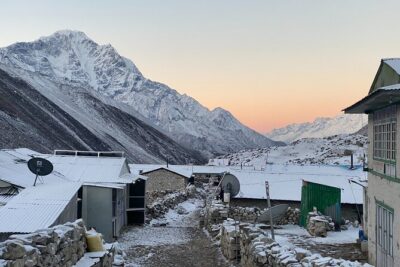
During the trek, you’ll stay in guesthouses. The itinerary specifically mentions attached toilets in Lukla, Phakding, and Namche. Don’t assume every stop will have that setup. Plan for basic rooms and cold nights.
Meals during the trek are included: breakfast, lunch, and dinner. That’s a big deal. Food uncertainty can ruin altitude focus. Here, you can focus on moving and resting.
A small but smart inclusion: filtered water with a Katadyn Pocket Water Filter. Water access at altitude can be a stress point. Having a practical solution helps you stay consistent.
One tip that matters at altitude: even when you’re tired, your body still spends energy staying warm. Pack layers you can move in, and keep your gloves and hat accessible.
The service quality people keep praising: guide attitude and porter support
The most repeated praise in past departures is the human side of the trip.
People commonly highlight that communication is easy from the start, and that guides stay helpful when plans need adjustment. Names you may see mentioned include Devendra, Suraj, Mohan, Uddhav, and Dave. The theme is consistent: guides are patient, responsible, and ready to support you when something changes day-to-day.
Porter support also gets strong credit. A porter can make the difference between finishing the day and arriving feeling smashed. The package uses a porter system of one porter for two clients, and that balanced ratio usually helps keep the trekking experience fair and manageable.
Who should book this Everest Base Camp trek, and who should think twice
This trek fits well if you:
- Want a licensed guide who manages pacing and altitude with you
- Prefer a guided plan but still want time in Kathmandu for your own choices
- Like small-group travel, where you’ll get personal attention
- Value a package that includes permits, domestic flights, and trekking meals
You might think twice if you:
- Want to travel totally independently with no guide support
- Have tight timing around peak seasons when flights may route through Manthali due to congestion
- Don’t have insurance that covers high-altitude rescue and evacuation, because that is explicitly excluded
One more reality check: even with acclimatization days and a smart route, altitude can still affect you. If you’re prone to breathing issues, bring that up early and be ready to adapt.
Should you book this Everest Base Camp trek with Travel Pinto?
If your priority is a guided, well-supported Everest Base Camp experience with fewer logistics to juggle, I’d say this is a solid choice. The value comes from the big-ticket items you don’t want to DIY: Lukla flights, permits, guide leadership, porter support, and trekking meals.
I’d book it if you want a confident framework for the trek and a plan for returning to Kathmandu smoothly. I’d also book it if you appreciate that the itinerary has built-in acclimatization, not just “walk up until you feel miserable,” because that day-by-day guidance can protect your trip.
But if you’re chasing the cheapest option, or you already have every piece of logistics lined up, you may prefer a more DIY route.
FAQ
How long is the Everest Base Camp trek?
The trek is listed as 14 days approximately, including time in Kathmandu before and after the trekking portion.
What does the $1,600 per person price include?
It includes a professional (first-aid trained, government licensed) English-speaking trekking guide, Kathmandu and airport transfers in a private vehicle, Kathmandu lodging (3-star twin-share for 2 nights with breakfast), trekking guesthouse stays, porter service for 11 days (1 porter for 2 clients), trekking meals (standard breakfasts, lunches, and dinners), park permits and trekking fees, Lukla airfare (Kathmandu to Lukla and back), filtered water using a Katadyn Pocket Water Filter, and emergency medical evacuation arrangements in a worst scenario.
Are meals included during the trekking days?
Yes. Standard meals during the trek are included, including breakfast, lunch, and dinner. Lunch and dinner in Kathmandu are not included.
Do I need to bring my own trekking equipment?
Yes. Personal trekking equipment is not included, so you’ll need to plan for the gear you bring.
What about trekking readiness and age limits?
The tour notes that you should have moderate physical fitness, and the minimum age is 18 years.
Can the trip be canceled for a refund, especially due to weather?
You can cancel up to 6 days in advance for a full refund, with 50% refund for cancellations 2 to 6 days before the experience start time, and no refund if you cancel less than 2 days before. The experience requires good weather, so if it is canceled due to poor weather, you’ll be offered a different date or a full refund.
Latest additions near Kathmandu
- White Water River Rafting – 1 Day★ 4.3 · 3 reviews
- Traditional Momo Making Class★ 5.0 · 10 reviews
- Kathmandu to Pokhara Premium sofa bus ticket★ 4.0 · 17 reviews
- Ghorepani Poon Hill Trek★ 5.0 · 16 reviews
- Amazing 1 Day Trekking Experience in Kathmandu Nepal★ 5.0 · 24 reviews
- Ghorepani Poonhill Trek★ 5.0 · 5 reviews
- Walking tour of real Kathmandu through back streets.★ 5.0 · 3 reviews
- Wildlife Adventure in Chitwan Nepal★ 4.0 · 4 reviews
Everest Base Camp Treks, compared.
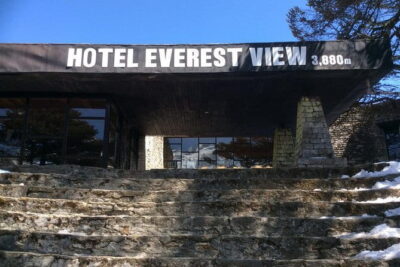
Everest Base Camp Helicopter Tour landing at Everest View Hotel
Read our review →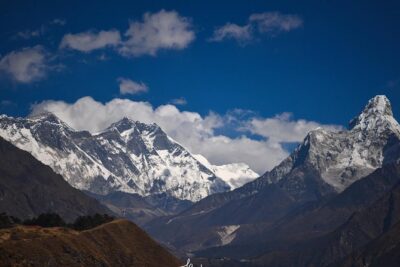
Everest Base Camp Helicopter Tour landing at Hotel Everest View
Read our review →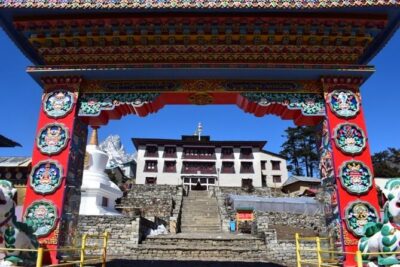
Browse the lists this tour appears in