
Reviewed · EVEREST BASE CAMP TREKS
Everest Base Camp Trek
Everest gets real after Lukla. This private, fully customizable guided trek moves through the Khumbu with the big logistics taken care of, so your days can stay focused on walking, acclimatizing, and enjoying Sherpa country life.
What I like most is how the package is built around the rhythm of the trail, not last-minute problem solving. You get a guide, a clear multi-day plan, and the kind of day-to-day support that makes the mountains feel more manageable.
I also love that meals and lodge stays are included, plus key essentials like permits and airport transfers. One drawback to plan for up front: Lukla flights can get delayed or canceled due to mountain weather, so you need extra patience and a little schedule slack.
In This Review
- Key reasons this Everest Base Camp trek works
- Everest Base Camp, simplified: what your guide actually handles
- Price and logistics: why $1,380 can feel fair for Everest
- Lukla flights: the one variable you should plan like it will happen
- The trek in two halves: from Lukla to Namche to Tengboche
- From Dingboche to Everest Base Camp and Kala Pattar
- Acclimatization: why these rest days are the real itinerary
- Lodges, meals, and the small comforts you actually use
- Who this trek is best for, and who should think twice
- Should you book this Everest Base Camp trek with Adventure Bound?
- FAQ
- How long is the Everest Base Camp trek?
- Where does the trek start and end?
- What is included in the trek price?
- Are meals included?
- Are permits and fees included?
- Is this a private tour?
- What are the main things not included?
- What is the minimum age?
- Can the Lukla flights be delayed or canceled?
- Is the booking refundable if plans change?
Key reasons this Everest Base Camp trek works
- Private, customizable guiding that can adjust to your pace and comfort as you go
- All-inclusive trail basics (full board meals, lodge accommodation, guide) so you are not juggling logistics
- Strong acclimatization structure with built-in rest days at higher elevations
- Big “view payoffs” tied to Kala Pattar, plus the approach to Everest Base Camp
- Guide support that people remember, with names like Raji, Chakra, Santosh, Raj, and Raman showing up in standout experiences
- Lukla flight realism, including guidance on what to do if weather disrupts schedules
Everest Base Camp, simplified: what your guide actually handles
This trek is interesting because it keeps the human parts front and center: trust the guide, follow the trail, eat, hydrate, sleep, repeat. You are still doing the hard work of altitude and steep steps, but you are not doing the hard work of figuring everything out.
In practice, that means you will show up in Kathmandu, get moved for the domestic logistics, and then step into the trekking flow with an experienced guide and full board meals on the mountain. Many trekkers also talk about how the guide’s job is not just leading, it is fixing small problems fast, like getting your day back on track when conditions change.
The best thing about a private setup is the flexibility it allows. I like that this trip is described as customizable, with examples of guides adapting the pace for safety and comfort. That is the difference between a trek that feels like a checklist and one that feels like a journey.
More Treks in Kathmandu
- Everest Base Camp Trek – 14 Days
★ 5.0 · 1,499 reviews - Everest Base Camp Trek
★ 5.0 · 842 reviews - Everest Base Camp Trekking
★ 5.0 · 485 reviews
Price and logistics: why $1,380 can feel fair for Everest
At $1,380 per person for a roughly 12-day trek, you are not just paying for walking. You are paying for the expensive, high-friction parts of Everest: Lukla air access, permits, and organized meals and lodging.
Here is what is included that matters most:
- Round-trip flights Kathmandu to Lukla and Lukla to Kathmandu, including departure taxes
- Twin sharing lodge accommodation during the trek
- Full board meals (breakfast, lunch, dinner) while trekking
- Sagarmatha National Park permits and TIMS fee
- Private airport transfers in Kathmandu (pickup and drop via private vehicle)
- Experienced guide, plus a first aid medical kit
What is not included also shapes value:
- Travel and rescue insurance is your responsibility
- Personal expenses like phone calls, laundry, battery recharges, and bottle or boiled water
- Tips for guides and porters (porter service itself is optional)
- Possible extra nights in Kathmandu if timing changes due to late or canceled flights
So if you are the kind of traveler who hates spreadsheet chaos, this package makes sense. You pay more than a DIY approach, but you also buy back time, fewer mistakes, and smoother daily life on the trail.
Lukla flights: the one variable you should plan like it will happen
If Everest has a villain, it is weather. The Kathmandu to Lukla to Kathmandu flights often get delayed by hours or canceled due to conditions at Lukla’s airstrip, even in popular months like October and November.
This matters because it can change your start or end days. The operator notes you might have to wait at Kathmandu or Lukla airports, and they will try to secure the earliest next flight, but flight queues can stretch for days.
What I recommend you do before you go:
- Build in a bit of contingency time at the end of your trip so delays do not crush your plans
- Stay mentally flexible. A trekking itinerary is only as strong as the flight schedule behind it
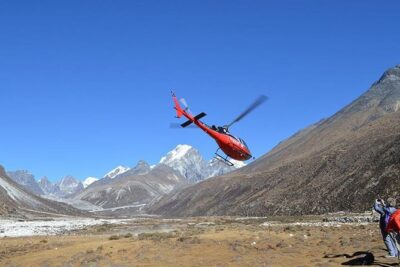
There is also a helicopter option mentioned as an escape route in urgent situations, with a tentative cost of about US$ 3,000 per lift and a capacity for up to 5 persons (subject to weather). This is not something to count on, but it is a useful safety valve to know exists, and it may be covered depending on your insurance.
The trek in two halves: from Lukla to Namche to Tengboche
Your first days are about getting your legs working and your body adapting, without going too hard too fast.
Day 1: Fly to Lukla, trek to Phakding (2,652m).
This is your first taste of Khumbu trails after the flight. You will likely feel the altitude in your breathing even when the distances feel manageable. The goal is simply to move, settle in, and sleep.
Day 2: Trek to Namche Bazaar (3,446m).
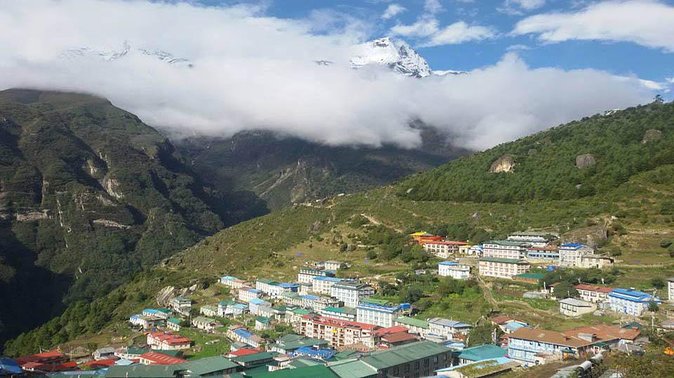
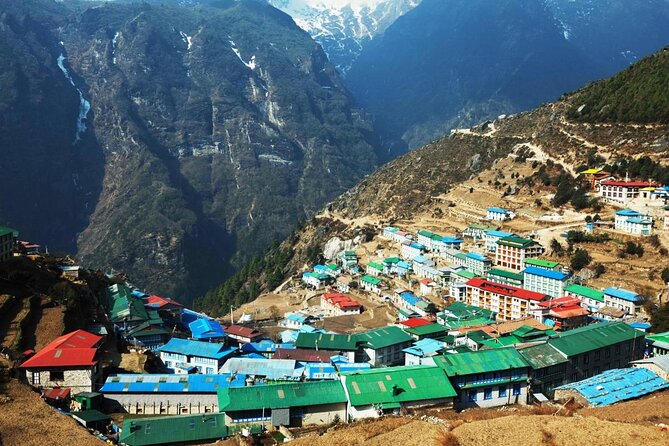
Namche is the big hub town. It is where you feel the height more clearly. This is also where you start to notice the Sherpa-world details: teahouses, mountain supply rhythms, and the community energy that keeps trekkers going.
Day 3: Acclimatization at Namche (3,446m).
This day is not wasted time. It is your chance to slow down, breathe, and let your body adjust before you climb again. Even if you feel good, the point is to stabilize and prepare.
Day 4: Trek to Tengboche (3,820m).
Tengboche is a classic spiritual and scenic stop. The altitude is rising, and the trail becomes more “mountain exposed,” so pacing matters. Think small steps, steady rhythm, and early starts.
Day 5: Trek to Dingboche (4,410m).
Now you are moving deeper into higher-elevation territory. Dingboche is where many trekkers begin to feel the thin air during normal activities, so treat evenings as recovery time.
Day 6: Acclimatization at Dingboche.
This second acclimatization day is key. It supports safer progress later, especially before the push toward Lobuche, Gorak Shep, and base camp.
More Everest Base Camp treks:
- Everest Base Camp Helicopter Tour landing at Everest View Hotel
★ 5.0 · 668 reviews - Everest Base Camp Trekking – 13 Day
★ 5.0 · 365 reviews - Everest Base Camp Trek
★ 5.0 · 350 reviews - Everest Base Camp Trek -14 Days
★ 5.0 · 321 reviews
From Dingboche to Everest Base Camp and Kala Pattar
The second half is where the views get serious and the effort rises. You are still trekking the same route idea, but your body is now working with less oxygen.
Day 7: Trek to Lobuche (4,930m).
Lobuche sits at a height where fatigue can hit fast. This is the kind of day where consistency beats heroics. You do not need to move fast, you need to move steady.
Day 8: Trek to Gorak Shep (5,140m), then on to Everest Base Camp (5,364m).
This is the big “arrive” day. Gorak Shep is the staging area, and then you head toward Everest Base Camp. The elevation makes every stop feel longer, but that is also why the achievement feels huge when you reach the camp area.
Day 9: Kala Pattar (5,554m), then back to Pheriche (4,243m).
Kala Pattar is the payoff viewpoint. Even though you are exhausted, this is a day where people often remember the scene for a long time. Then you descend to Pheriche, which helps your body recover after the highest points.
Day 10: Trek to Namche (2,840m).
This is a major drop compared with earlier days. Descents can still be tough on knees and shins, so take them slow and treat footing like it matters.
Day 11: Trek to Lukla (2,840m).
Almost there. You will probably feel a mix of relief and remaining leg fatigue. You just need enough energy to finish the walk to Lukla and settle for the flight day.
Day 12: Fly back to Kathmandu (1,300m), transfer to hotel.
After days of cold air and higher altitude sleeping, Kathmandu can feel loud and warm. This is your decompression day, so I like using it to reset rather than trying to cram in too much sightseeing.
Acclimatization: why these rest days are the real itinerary
This trek’s design is built around acclimatization, not just moving forward. You get dedicated adjustment time at Namche Bazaar and Dingboche, which is exactly what you want at these elevations.
Here is the practical takeaway: when you slow down on purpose, you reduce the odds that you will pay for it later. That matters because the trek climbs quickly up toward Lobuche and then jumps again toward Gorak Shep and base camp.
I also like that the trek is described as flexible for safety. In real-world trekking, your body can surprise you. Guides such as Raji, Raj, Chakra, and Santosh show up in accounts as people who organize accommodations and meals well and also find solutions when conditions or comfort levels change. In plain terms, a good guide helps you keep the plan realistic.
Lodges, meals, and the small comforts you actually use
On Everest routes, lodges are basic by design. Still, included lodging and full board meals are a big deal because it removes daily decisions you do not want to make at altitude.
With this package, you are set up with:
- Breakfast, lunch, and dinner during the trek
- Twin sharing lodge accommodation
- A guide who helps keep the day moving
In some experiences shared with this operator, trekkers mention receiving warm down jackets and sleeping bags. That is not a guarantee in your written inclusions, but it is a useful sign that they think about cold-weather comfort.
Food and warmth matter because cold and hunger both mess with your pace. If your day ends with a hot meal and a bed, you wake up with energy instead of dread.
Who this trek is best for, and who should think twice
This is best for travelers with moderate physical fitness, and it is ideal if you want a guided trek that handles permits, flights, meals, and lodging.
It is also a smart choice if you:
- want private, customizable guidance
- dislike logistics work at altitude
- want the structure of clear daily stages plus acclimatization days
Think twice if:
- you are not comfortable planning around possible flight disruptions at Lukla
- you need guaranteed medical or rescue support that is not covered by your own insurance
- you dislike altitude stress, because even with the pacing, the journey still climbs to high points like Kala Pattar
Minimum age is listed as 8 years, so families can plan with that baseline in mind, though fitness and comfort will be individual.
Should you book this Everest Base Camp trek with Adventure Bound?
I would book this trek if you want Everest done with fewer moving parts. Paying for Lukla flights, permits, meals, and guided support removes the most stressful friction points, and it keeps your energy for breathing, walking, and enjoying Khumbu life.
I would also book it with one mindset shift: plan for the flight schedule to be imperfect. If you treat delays as a possibility, not a crisis, the trek feels smoother.
If you are still deciding, my quick checklist is simple:
- Can you handle long waiting time if Lukla weather hits?
- Do you have travel and rescue insurance?
- Are you happy with twin sharing lodge rooms?
- Does having a guide and included logistics matter more than saving money with DIY?
FAQ
How long is the Everest Base Camp trek?
The duration is about 12 days.
Where does the trek start and end?
It starts in Kathmandu, Nepal, and ends back in Kathmandu after the return flight from Lukla.
What is included in the trek price?
The price includes round-trip flights Kathmandu to Lukla and back, twin sharing lodge accommodation during the trek, full board meals, an experienced guide, Sagarmatha National Park permits, TIMS fee, a first aid medical kit, and domestic airport transfers in a private vehicle.
Are meals included?
Yes. Breakfast, lunch, and dinner are included during the trek.
Are permits and fees included?
Yes. The Sagarmatha National Park permit fee and TIMS fee are included.
Is this a private tour?
Yes. It is listed as private, and only your group participates.
What are the main things not included?
Travel and rescue insurance, personal expenses, tips for guides and porters, and extra nights or meals in Kathmandu if flight timing changes are not included.
What is the minimum age?
The minimum age is 8 years.
Can the Lukla flights be delayed or canceled?
Yes. The flights can be delayed by hours or canceled due to weather at Lukla’s airstrip, even during popular seasons, and you should be prepared for waits.
Is the booking refundable if plans change?
No. The experience is non-refundable and cannot be changed for any reason.
Latest additions near Kathmandu
- White Water River Rafting – 1 Day★ 4.3 · 3 reviews
- Traditional Momo Making Class★ 5.0 · 10 reviews
- Kathmandu to Pokhara Premium sofa bus ticket★ 4.0 · 17 reviews
- Ghorepani Poon Hill Trek★ 5.0 · 16 reviews
- Amazing 1 Day Trekking Experience in Kathmandu Nepal★ 5.0 · 24 reviews
- Ghorepani Poonhill Trek★ 5.0 · 5 reviews
- Walking tour of real Kathmandu through back streets.★ 5.0 · 3 reviews
- Wildlife Adventure in Chitwan Nepal★ 4.0 · 4 reviews
Everest Base Camp Treks, compared.
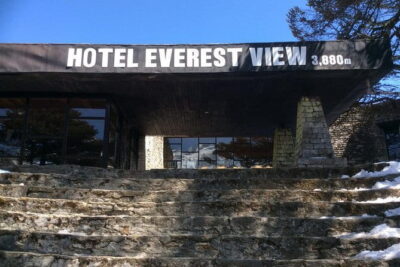
Everest Base Camp Helicopter Tour landing at Everest View Hotel
Read our review →
Everest Base Camp Helicopter Tour landing at Hotel Everest View
Read our review →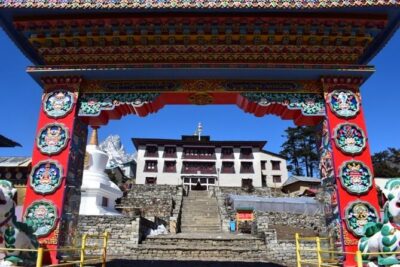
Browse the lists this tour appears in