
Reviewed · EVEREST BASE CAMP TREKS
Everest Base Camp Trek -17 Days
Everest Base Camp starts with a flight and a story. This 17-day trek gets you into Sagarmatha National Park with real Sherpa culture baked in, from village stops to a monastery visit. Two things I especially like: the plan includes door-to-door transfers and a proper Sherpa-led trekking setup, and the pacing builds in acclimatization before the big summit day toward Kala Pattar.
One consideration to keep in mind is altitude. You are going high for multiple days, and the trek is physically demanding even with porters and a guided pace. If you are not comfortable with steady uphill days and thin air, this is the kind of challenge you should train for first.
In This Review
- Key things I like about this Everest Base Camp plan
- Kathmandu prep: where you get your bearings fast
- Fly to Lukla, then walk into the mountains: Phakding and Namche
- Khumjung, Khunde, Tengboche: Sherpa villages and monastery time
- Dingboche and beyond: acclimatization work that pays off
- Everest Base Camp and Kala Pattar: the day you remember forever
- The long return: Pheriche to Namche, then Lukla and Kathmandu
- Price and logistics: why this trek costs what it costs
- What is included on the trail, and what you must bring
- Who should choose this Everest Base Camp itinerary
- Should you book this Everest Base Camp trek?
- FAQ
- What is the meeting point for the trek in Kathmandu?
- How long is the Everest Base Camp trek tour?
- Are domestic flights included for the Lukla part of the trek?
- What is included for meals during the trek?
- What trekking permits are covered?
- Does the tour include a guide and porters?
- Is Kathmandu sightseeing included?
- What is not included in the price?
- Is there support for flight delays back from Lukla?
Key things I like about this Everest Base Camp plan
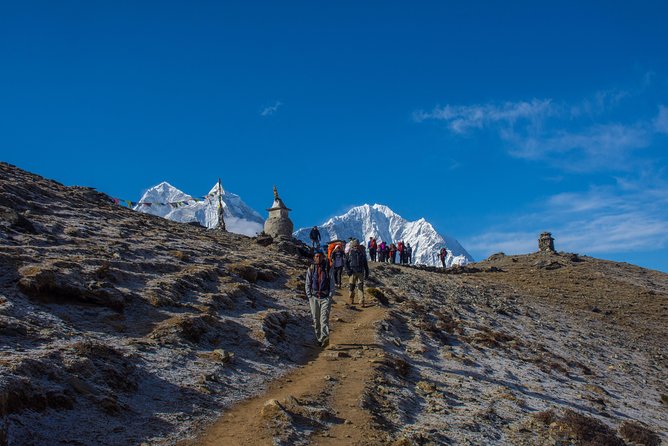
- All-in support on the trail, including an experienced Sherpa guide, support staff, and porters
- Domestic flights included (Kathmandu to Lukla and back), which saves you time and planning stress
- Meals and hot drinks included, plus treated drinking water and a first aid kit
- Culture built into the route, with Sherpa villages, monasteries, and heritage time in Kathmandu
- A classic high-point itinerary, including Everest Base Camp and Kala Pattar on separate days
- An emergency flight day built into the Kathmandu schedule for Lukla to Kathmandu weather delays
Kathmandu prep: where you get your bearings fast
Your trip begins at Tribhuvan Airport in Kathmandu, with a pickup and hotel transfer. Day 1 is all about settling in, then doing a trip briefing so you know what to expect on the trek and what to pack. This matters more than it sounds. EBC is not just about distance, it is about being ready for cold nights, high-altitude walking, and the small logistics that can get messy when you are trying to move as a group.
Day 2 adds a half-day tour of world heritage sites with a guide and private transport. After seeing key Kathmandu sights, the focus shifts to preparation and packing. That timing is smart. You can walk off jet lag with easy sightseeing, then use the rest of the day to sort gear before your early transition into the mountain rhythm.
I also like that the package covers practical basics in advance: permits, trekking duffle bags for each trek member, and the trek first aid kit. You still need your personal gear, but the trip is not asking you to solve everything yourself.
More Treks in Kathmandu
- Everest Base Camp Trek – 14 Days
★ 5.0 · 1,499 reviews - Everest Base Camp Trek
★ 5.0 · 842 reviews - Everest Base Camp Trekking
★ 5.0 · 485 reviews
Fly to Lukla, then walk into the mountains: Phakding and Namche
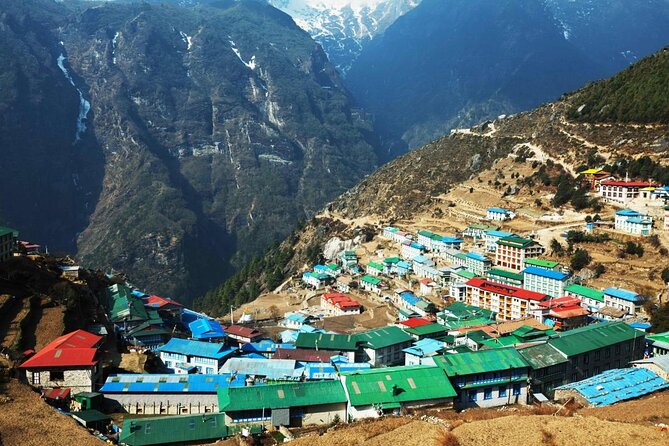
Day 3 is your gateway day: you fly from Kathmandu to Lukla, then trek to Phakding. Lukla sits at 2,840 m, and Phakding is around 2,610 m. The walking time on this segment is about three hours, which is a good way to start. You are not going straight into a grind, you are waking up your legs while the air is still manageable.
Day 4 is the first big effort: trek to Namche Bazar (about 3,440 m) for roughly five hours. This is where the Everest region starts to feel real. As you climb, you also feel the change in how you breathe. Even if you are used to hiking, the altitude makes you walk slower. That is normal here.
The itinerary also gives you time at key towns for acclimatization rather than treating every day like a forced march. That is a value point. When you plan for breathing, you spend more energy enjoying the views, not fighting your own pace.
Khumjung, Khunde, Tengboche: Sherpa villages and monastery time
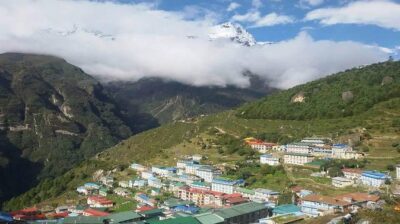
Day 5 adds a day hike to Khumjung and Khunde, both at higher elevations, with an overnight back in Namche. This is one of the most rewarding rhythm changes on the trek. Instead of only climbing, you are also learning how Sherpa communities live in the Everest region. You get a chance to slow down, see daily life, and understand why this area is more than a mountain destination.
Day 6 continues with a trek to Tengboche (about 3,860 m), around five hours, including a monastery visit. A monastery stop can feel like a tourist checkbox on other trips. Here, it tends to land differently because of the route you have already walked. You arrive after several days of altitude work, so the setting feels quieter and more intentional.
Also note the pacing: these are not jam-packed days where you only have time for walking. The route leaves enough room to look around, talk to your guide, and absorb the place.
Dingboche and beyond: acclimatization work that pays off
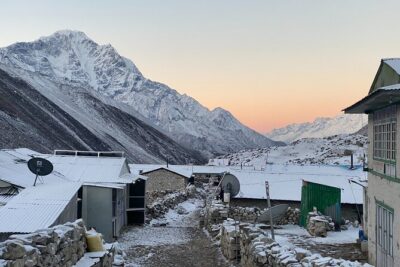
On Day 7 you trek to Dengboche (around 4,410 m), roughly five hours. By now, you will feel the altitude, even if your trekking pace feels controlled. This is where you should lean into the guided approach. The point of EBC is not to race. Your plan is structured around getting your body used to higher altitudes before the highest days.
Day 8 is a second acclimatization day with a hike to Nagarjun Peak, then an overnight in Dengboche. (The itinerary lists Nagarjun Peak at 50,85 m, but treat it as a high-altitude day hike and expect colder, thinner conditions.) This is the kind of day where you practice steady breathing and smart hiking habits: slow steps, breaks before you feel wiped out, and focus on hydration.
From here, Day 9 takes you to Lobuche (about 4,910 m), around four hours. Day 10 goes to GorakShep (about 5,140 m) for about four hours. These segments push your elevation higher, and they set you up for the big event: Everest Base Camp and then Kala Pattar.
One practical note I appreciate: the itinerary separates Everest Base Camp and Kala Pattar across different days. That gives you time to recover and adjust before the highest viewpoint day.
More Everest Base Camp treks:
- Everest Base Camp Helicopter Tour landing at Everest View Hotel
★ 5.0 · 668 reviews - Everest Base Camp Trekking – 13 Day
★ 5.0 · 365 reviews - Everest Base Camp Trek
★ 5.0 · 350 reviews - Everest Base Camp Trek -14 Days
★ 5.0 · 321 reviews
Everest Base Camp and Kala Pattar: the day you remember forever
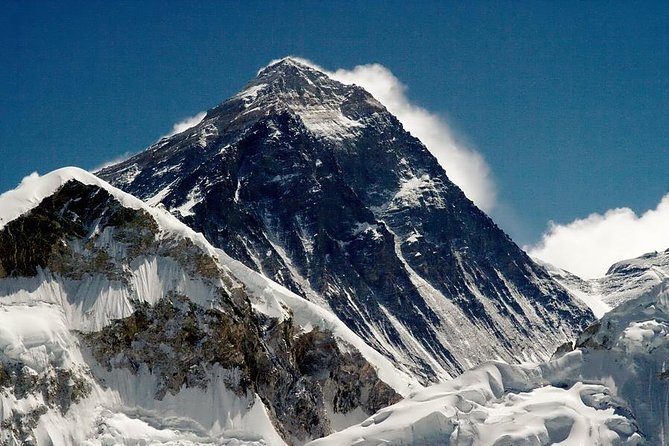
Day 11 is the Everest Base Camp push. You trek to Everest Base Camp (about 5,364 m) and then overnight at GorakShep (about 5,140 m). This is a long, demanding day. The altitude makes every step feel like effort, and cold can hit hard once you are up high for hours.
But this is also the day that earns its fame. You are walking into the Everest “work zone” for climbers. Even without technical climbing, the atmosphere is powerful. Your guide’s role here is not just route knowledge. A good Sherpa guide helps you keep your pace calm, manage the day’s energy, and deal with fatigue without panic.
Day 12 starts with the Kala Pattar climb (listed at 5,550 m) for about four hours, then you trek to Pheriche (around 4,210 m) for about four hours. Kala Pattar is the viewpoint day. Expect spectacular mountain views and that sharp, thin-air feeling that makes your senses extra clear. This is also where you earn a bit of relief, because you descend to Pheriche after the viewpoint.
If you are the kind of traveler who likes doing the big goal and still having energy to enjoy it, this itinerary is laid out well. You do not stack every highlight into one brutal day.
The long return: Pheriche to Namche, then Lukla and Kathmandu
Day 13 takes you from Pheriche back to Namche (about 3,440 m) for about six hours. Descents still work you. Your quads will notice the repeated altitude changes, and the trail can feel different when you are tired. The good news is that you are moving toward lower elevations, so breathing becomes easier.
Day 14 goes to Lukla for about six hours, with evening free time. This is your “you made it” evening. After days of high altitude walking, just being back in a lower-elevation settlement feels like a milestone.
Day 15 includes an early morning flight to Kathmandu and then a free day. Day 16 gives you another Kathmandu free day, plus an emergency day for the Lukla to Kathmandu flight. That is not overkill. Flights in this region can shift with weather, and having a scheduled backup day protects the trip experience.
Day 17 is for international departures as per your schedule time.
Price and logistics: why this trek costs what it costs
At $2,000 per person, this is not a budget hike. But it is also not just “a guide and some paperwork.” The included package covers the big cost drivers that usually hit hard on your own:
- Round trip domestic airfare between Kathmandu and Lukla, including domestic airport taxes
- All airport-hotel-airport transfers by private vehicles
- Permits for Sagarmatha National Park and other required local and government taxes
- Trek duffle bag for each member
- All meals on the trek (breakfast, lunch, dinner) plus hot drinks and treated drinking water
- Trekking support, including an experienced Sherpa trek guide, support Sherpa staff, and the required number of porters
- A trekking first aid kit and insurance for the guide and porters with emergency rescue
You still pay extra for major personal items like your personal medical high-risk insurance, personal trek gear, and personal expenses. Tips to the guide and porters are also not included. Those omissions are common on trekking packages, but you should plan for them so your budget does not get surprised late.
In plain terms, you are paying for less decision-making and more safety structure. That matters on EBC, where weather, timing, and gear readiness all affect how enjoyable the trek is.
What is included on the trail, and what you must bring
I love that the package covers the day-to-day needs that drain energy. On trek days, you get all meals of high quality and hygienic food, plus hot drinks like tea, coffee, and hot chocolate. Treated drinking water is included, which helps you avoid the guessing game of water safety at altitude.
There is also a trek first aid kit, and the guide and porters have insurance that includes emergency rescue. That is helpful for the people doing the heavy lifting, and it shows the operator is thinking in terms of risk management.
What you still need to bring is your own personal trek gear. The tour does not include bottles of water, soft drinks, or beers, and it also does not include bottle water or boiled water as a packaged item. You can expect the tour to provide treated drinking water and hot drinks, but you should still plan how you will handle hydration bottles and personal snacks.
Finally, double-check your personal high risk medical insurance. The package explicitly does not include medical insurance for you. On an emergency evacuation cost, this is the difference between a manageable plan and a disaster.
Who should choose this Everest Base Camp itinerary
This trek is a good fit if you have moderate physical fitness and you want a structured, supported route with Sherpa leadership. It also suits groups that want culture and not just a checklist hike. The day hike to Khumjung and Khunde, plus the monastery visit at Tengboche, makes the trek feel more human.
It also fits travelers who value organization. Past guests have praised Dream Himalaya Adventures for communications and logistics, and the name Dawa comes up often as a key coordinator. Even if your exact guide may vary, the operator clearly leans on strong local leadership and a team approach.
If you are traveling with family or mixed-experience hikers, the porters and guided pacing can take pressure off you. You still have to walk, and you still have to respect altitude, but the setup reduces friction.
Should you book this Everest Base Camp trek?
I would recommend booking it if you want the classic EBC route with a calm, supported plan, and you value having permits, flights, meals, and transfers handled. The price is easier to justify because the package includes the big logistical pieces that usually become headaches.
I would pause if you do not have solid altitude comfort or you are not ready to train for long hiking days. Also pause if you cannot secure personal high-risk medical evacuation coverage, since that is not included.
If you want Everest Base Camp plus the Kala Pattar viewpoint, with Sherpa culture stops and real support behind you, this is a strong option to consider.
FAQ
What is the meeting point for the trek in Kathmandu?
The meeting point is Tribhuvan Airport in Kathmandu, Nepal.
How long is the Everest Base Camp trek tour?
The duration is about 17 days.
Are domestic flights included for the Lukla part of the trek?
Yes. Round trip domestic airfares between Kathmandu and Lukla are included, including domestic airport taxes.
What is included for meals during the trek?
All meals of high quality and hygienic food are included on trek days, including breakfast, lunch, and dinner. Hot drinks and treated drinking water are also included.
What trekking permits are covered?
The package includes necessary trekking permits, including conservation and national park permits plus local and government taxes.
Does the tour include a guide and porters?
Yes. It includes an experienced Sherpa trek guide, support Sherpa staff, and the required number of porters.
Is Kathmandu sightseeing included?
Yes. You get a half-day world heritage sites tour with a guide and private transport.
What is not included in the price?
Not included are international flight fare and major meals in Kathmandu, personal trek gear, personal expenses (telephone calls, laundry, toiletries), bottle water and soft drinks or beers, and tips to the guide and porters.
Is there support for flight delays back from Lukla?
Yes. Day 16 in Kathmandu is listed as an emergency day for the Lukla to Kathmandu flight.
Latest additions near Kathmandu
- Traditional Momo Making Class★ 5.0 · 10 reviews
- White Water River Rafting – 1 Day★ 4.3 · 3 reviews
- Kathmandu to Pokhara Premium sofa bus ticket★ 4.0 · 17 reviews
- Ghorepani Poon Hill Trek★ 5.0 · 16 reviews
- Amazing 1 Day Trekking Experience in Kathmandu Nepal★ 5.0 · 24 reviews
- Ghorepani Poonhill Trek★ 5.0 · 5 reviews
- Walking tour of real Kathmandu through back streets.★ 5.0 · 3 reviews
- Wildlife Adventure in Chitwan Nepal★ 4.0 · 4 reviews
Everest Base Camp Treks, compared.
Everest Base Camp Helicopter Tour landing at Everest View Hotel
Read our review →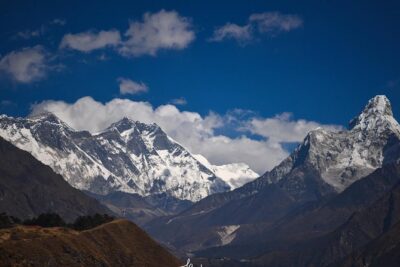
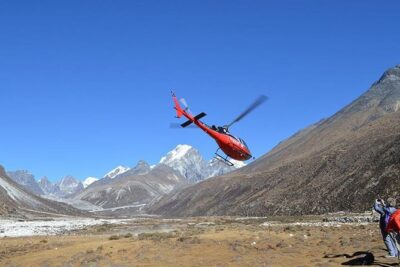
Everest Base Camp Helicopter Tour landing at Hotel Everest View
Read our review →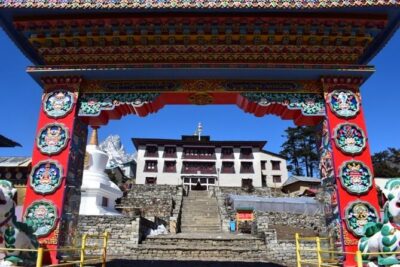
Browse the lists this tour appears in