
Reviewed · EVEREST BASE CAMP TREKS
Everest Base camp Trek
Lukla starts the adventure fast. This Everest Base Camp trek has the classic route through Namche, Tengboche, and onward to Base Camp, then the added climb to Kalapathher for bigger summit-style views. What makes it interesting is the mix of big mountain effort and small human details, like how your guide supports your pace and how the days slowly turn into a mental mission.
I love that the trip is set up like a complete package. You get flights to Lukla, airport pickup and drop-off, three meals a day, teahouse-style accommodations, and the required Everest National Park paperwork handled for you. I also love the human side, especially the way guides like Damu (Damodar Mainali) and Kamal Bhai, with assistants, focus on daily check-ins and calm group management.
One consideration: this is not a casual walk. You’re expected to have moderate fitness and ideally some trekking experience, and the comfort level is basic, like accommodations with toilets outside your room and no hot shower or battery charging included.
In This Review
- Quick hits before you lace up
- From Tribhuvan Airport to Lukla: the day that changes everything
- Lukla to Phakding: Dudh Koshi, bridges, and the warm-up you didn’t know you needed
- Namche Bazaar: acclimatization with views and Sherpa culture energy
- Tengboche: monastery vibes and a slower day with big spiritual weight
- Dingboche to Lobuche: the trail gets tougher, so your planning matters more
- Gorekshep to Everest Base Camp: the final grind and the surreal feeling
- Kalapathher above Base Camp: the bonus view that justifies the extra effort
- The guide team: why so many people remember the people, not just the peaks
- Price and value: what your $1,500 actually covers
- What is included, what isn’t, and how to plan your daily budget
- Comfort level on the trail: teahouses, outside toilets, and cold reality
- What this trek is best for, and who should consider something else
- Should you book this Everest Base Camp trek?
- FAQ
- Where does the Everest Base Camp trek start?
- How long is the trek?
- What is included in the price?
- What is not included?
- What fitness level should I have?
- Is free cancellation available?
Quick hits before you lace up
- Thrilling flight to Lukla sets you up for real trekking right away, plus it saves you a lot of road travel.
- Real acclimatization time on the trail as you move through towns like Namche, Dingboche, and Lobuche at a workable pace.
- Everest Base Camp plus Kalapathher gives you the main goal and a bonus viewpoint above it.
- Government-licensed, English-speaking guide support plus porter support (listed as 1 porter for about every 2 clients).
- Meals and lodging included, but expect simple teahouse comfort and outside toilets.
- Your money goes toward logistics, since major items like flights, permits, taxes, and the guide are included in the base price.
From Tribhuvan Airport to Lukla: the day that changes everything
Your trip starts at Tribhuvan Airport in Kathmandu. You’re picked up and transported by private vehicle, then you fly onward to Lukla, with flights running from Kathmandu or Ramechap depending on what’s scheduled.
The Lukla flight is a big deal, not because it’s fancy, but because it instantly drops you into the Everest world. After that, you’re not “approaching” the mountains for days, you’re already in the trekking rhythm, watching the terrain tighten around you.
If weather or flight timing affects your start, it can shift the day-by-day feel. Still, having flights and major logistics arranged is what lets you focus on walking, eating, and resting like a pro.
More Treks in Kathmandu
- Everest Base Camp Trek – 14 Days
★ 5.0 · 1,499 reviews - Everest Base Camp Trek
★ 5.0 · 842 reviews - Everest Base Camp Trekking
★ 5.0 · 485 reviews
Lukla to Phakding: Dudh Koshi, bridges, and the warm-up you didn’t know you needed
You begin trekking from Lukla, then head toward Phakding on the bank of the Dudh Koshi river. Along the way, you pass features that make the route feel alive: suspension bridges, a river corridor vibe, and stretches of forest walk.
This first trekking segment is your body’s “hello” to altitude and cold. Even if the climbs feel manageable, you still want to keep your effort steady and avoid going out too fast, because the higher days will ask for patience.
Phakding is also where you learn the teahouse routine. Meals come in predictable slots, and your day plan becomes simple: walk, eat, rest, and repeat. It sounds obvious, but getting that rhythm right helps a lot when the trail starts getting steeper.
Namche Bazaar: acclimatization with views and Sherpa culture energy
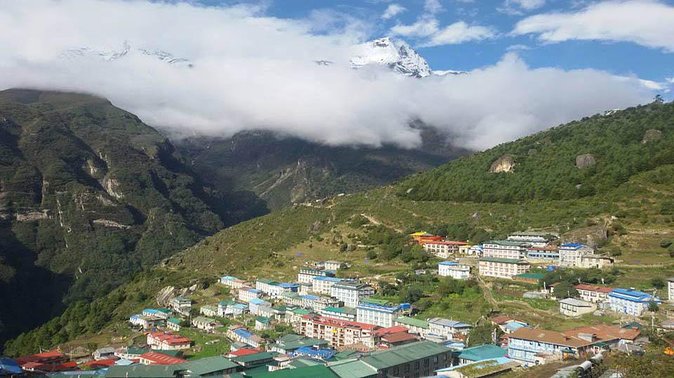
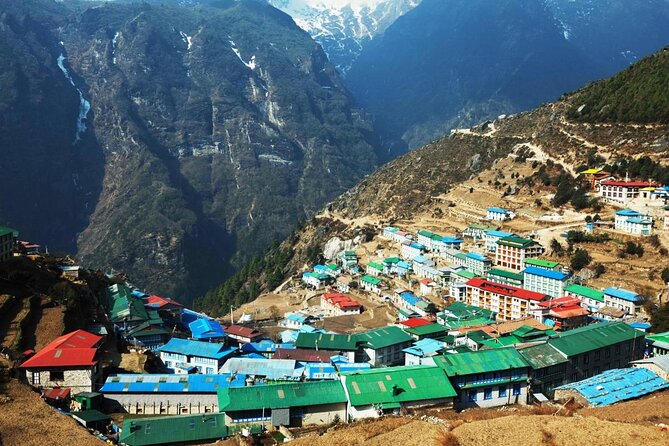
Next comes Namche, the famous gateway town that most Everest trekkers build their confidence around. This is where the route becomes more than just a line on a map, because you’re surrounded by trekking life and mountain culture at the same time.
You’ll likely feel the altitude more here than on the lower days. The key is not to treat Namche like a sprint stop. Let yourself move at a comfortable pace, hydrate, and spend some time adjusting before you push higher.
One reason Namche is worth it is the payoff. As the trail lifts, the mountain drama ramps up, and you start getting those classic views that make the effort feel real. Even on cloudy days, the change in air and direction of sight is noticeable.
Tengboche: monastery vibes and a slower day with big spiritual weight
From Namche you move to Tengboche, a stop many people remember for the atmosphere. It’s not just a viewpoint day. It’s a day that often feels quieter, more focused, and more reflective, even with a steady flow of trekkers.
The elevation also makes the air feel sharper. So you’ll want to keep your clothing strategy ready, since mornings can feel cold even if the sun shows up later.
Tengboche is also where the route starts stacking iconic sights in your mind. As you continue onward to places like Dingboche and Lobuche, you’ll see more of those sharp peaks and ridges that Everest country is known for.
More Everest Base Camp treks:
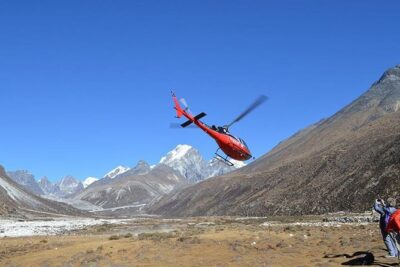
- Everest Base Camp Helicopter Tour landing at Everest View Hotel
★ 5.0 · 668 reviews - Everest Base Camp Trekking – 13 Day
★ 5.0 · 365 reviews - Everest Base Camp Trek
★ 5.0 · 350 reviews - Everest Base Camp Trek -14 Days
★ 5.0 · 321 reviews
Dingboche to Lobuche: the trail gets tougher, so your planning matters more
After Tengboche, the route continues to Dingboche, then Lobuche. These are not just “more villages,” they are altitude zones where your walking gets slower and your decision-making matters.
In practical terms, this is where you should stay strict with pacing. If you rush, you’ll pay for it later in breathlessness and fatigue. If you stay consistent, you’ll feel more in control, and you’ll be better prepared for the higher push to Gorekshep and Base Camp.
The other reason these stops matter is logistics. Your guide and porter team help you keep the day organized, including knowing when to take breaks and when to conserve energy. A good guide can turn a tough day into a manageable one, and that’s exactly what many trek-goers highlight from the operator’s guide team.
Gorekshep to Everest Base Camp: the final grind and the surreal feeling
To reach Everest Base Camp, you go onward to Gorekshep first. This stage often feels like the longest stretch in the trek, because the walking keeps demanding even as you get closer to your goal.
Base Camp itself is the moment you planned for. It can feel slightly unreal, because the place exists at the end of days of breath control, careful steps, and constant attention to weather.
What I like about structuring it through Gorekshep is that it gives you a proper staging point. You don’t stumble into Base Camp cold and unprepared. You arrive with fatigue, yes, but also with clear intention.
This is also where a guide’s mindset matters. Many past trekkers talk about leaders who frame the experience as a mental and emotional journey, not just a physical checklist. That matters, because Everest country rewards calm focus.
Kalapathher above Base Camp: the bonus view that justifies the extra effort
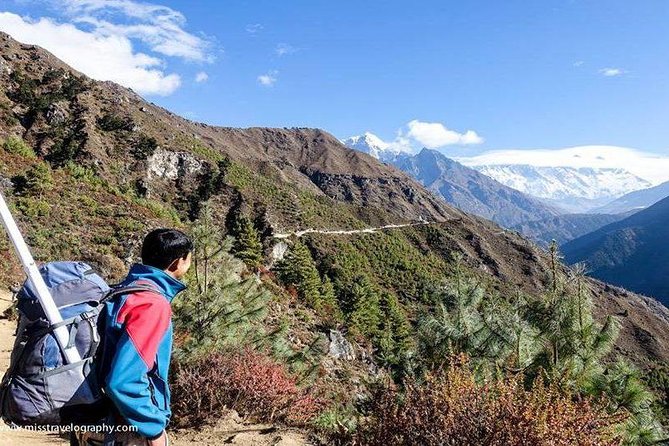
The trek doesn’t stop at Base Camp. Next is Kalapathher, a viewpoint above Base Camp that adds a second summit-feeling moment.
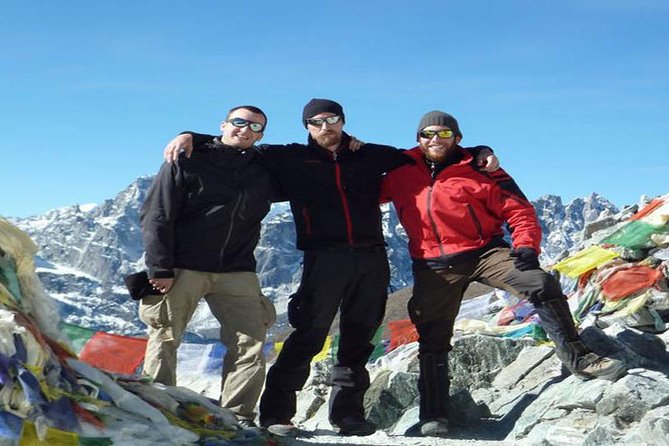
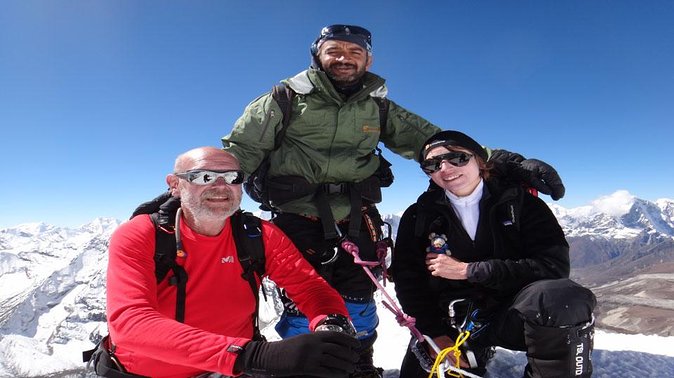
The reward is a lineup of mountain views people talk about again and again. From the Kalapathher angle, you can see peaks and ridges such as Ama Dablam, Makalu, Lhotse, Thamserku, and more names like Cholatse and Island Peak. Even when the view is partly blocked, the geometry of the mountains still reads clearly.
If you’re tempted to skip this part because you’re tired, don’t decide on the spot. Ask your guide how you’re doing that day. When your pacing has been right earlier in the trek, Kalapathher feels like a fair capstone instead of a last-minute suffering contest.
The guide team: why so many people remember the people, not just the peaks
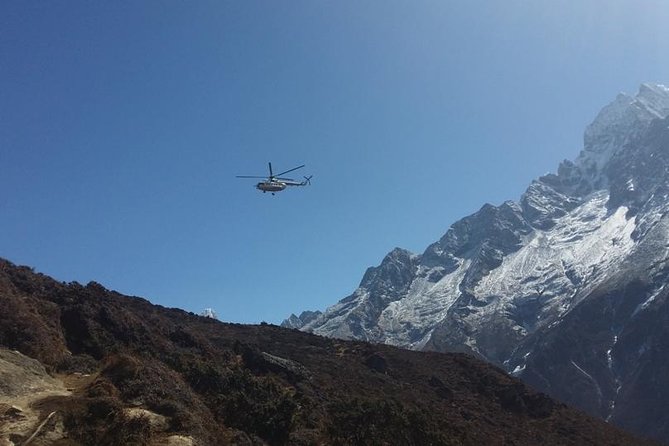
Here’s the truth: Everest Base Camp is hard, but the experience gets much better with the right support. This operator emphasizes a government-licensed, well English-speaking guide. You also get porter support listed as 1 porter for about every 2 clients, which can take pressure off your legs and shoulders.
The strongest theme from trek feedback is that the guide leads with structure and care. People describe leaders like Damu and Kamal Bhai doing evening briefings, checking in during tough sections, and managing group energy with calm confidence.
I like that this matters for safety and comfort, not just vibes. Better pacing reduces mistakes, and better communication helps you adjust when your body is lagging or when conditions change.
If you care about the trip feeling organized from start to finish, this is a major reason the trek earns high marks.
Price and value: what your $1,500 actually covers
The price is listed at $1,500 per person for about 12 days. That sounds like a lot until you look at what’s bundled: flights to Lukla and back, airport pickup and drop-off, meals, lodging, permits paperwork, and the guide plus porter support.
You’re also not paying separately for lots of little bureaucratic items. The package includes Everest National Park entry permit paperwork, government taxes and office expenses, and domestic airport tax.
What’s not included helps you budget correctly. You will still pay for the Nepal entry visa fee (listed as USD 40), plus international airfare and travel insurance. You’ll also need to cover extras like mineral water, battery charging, and Wi-Fi if you want it.
In plain terms, this price looks like strong value if you prefer fewer headaches. It’s not the cheapest way to do Everest, but it is the kind of setup that reduces the chance of missed logistics when you’re already dealing with altitude.
What is included, what isn’t, and how to plan your daily budget
Included in the trek:
- Airport pickup and drop-off by private vehicle
- Flights from Kathmandu or Ramechap to Lukla, plus the return flight
- Breakfast, lunch, and dinner during the trek
- Accommodation during the trek (toilet outside your room)
- Everest National Park entry permit paperwork
- Government taxes and office expenses, plus domestic airport tax
- A trained guide and porter support (listed as 2 clients to 1 porter)
Not included:
- Nepal entry visa fee (USD 40)
- International airfare and travel insurance
- Mineral water, bottles and snacks, and sweets during the trek
- Hot shower, battery charge, or camera Wi-Fi access
- Tips for guide and porter
This matters because your daily comfort and small purchases add up fast in Everest country. If you want more warmth and convenience, set aside extra money for charging and basic drinks. If you’re fine with simple tea options and limited charging, your budget stays healthier.
Comfort level on the trail: teahouses, outside toilets, and cold reality
The accommodations are typical of the region. You get lodging during the trekking days, but the toilet is outside your room.
That’s not a deal-breaker, but it’s a real comfort factor, especially at night or in cold weather. Plan your clothing for early mornings, and assume you’ll spend more time thinking about warmth than you do at home.
Hot showers are not included. Battery charging and Wi-Fi for camera gear also aren’t included, which means you’ll want to think ahead about power banks and where you plan to use your devices.
What this trek is best for, and who should consider something else
This trek fits you best if you want the classic Everest Base Camp route with solid logistics. It’s also a good match if you value a guide who helps you pace, because the climb is as much about mental control as it is about legs.
It’s less ideal if you’re looking for luxury comfort or lots of amenities. The comfort level is simple, and you’ll need to handle cold and basic facilities without expecting major upgrades.
Also, even with a private group, the effort is real. The info notes you should have moderate physical fitness. If you struggle with long uphill days, consider a shorter trek in Nepal first, then come back for Everest when your legs are ready.
Should you book this Everest Base Camp trek?
I’d book it if you want a structured Everest trip that handles key moving parts for you, especially flights to Lukla, permits, meals, and daily support from a licensed guide team. At $1,500, the value makes sense for travelers who prefer not to juggle logistics while also managing altitude and fatigue.
I would hesitate if you need hot showers, easy charging, or a very laid-back pace. This trek demands steady walking and a realistic comfort setup, like outside toilets and limited extra services.
If you do your homework on trekking fitness and you’re ready for an honest, front-row mountain experience, this is exactly the kind of Everest Base Camp setup that can turn into a story you keep telling.
FAQ
Where does the Everest Base Camp trek start?
The start point is Tribhuvan Airport, Kathmandu, Nepal.
How long is the trek?
The duration is listed as 12 days (approx.).
What is included in the price?
The package includes airport pickup and drop-off, flights from Kathmandu or Ramechap to Lukla and back, three meals a day during the trek, accommodations (with toilets outside your room), Everest National Park permit paperwork, a government-licensed English-speaking guide, porter support (listed as 2 clients to 1 porter), and government taxes and domestic airport tax.
What is not included?
Not included items are the Nepal entry visa fee (USD 40), international airfare, travel insurance, mineral water or bottled drinks and snacks, hot shower, battery charge, or Wi-Fi for the camera, and tips for the guide and porter.
What fitness level should I have?
You should have moderate physical fitness, and the trek is intended for people who are prepared for trekking in the Everest region.
Is free cancellation available?
Yes. You can cancel up to 24 hours in advance for a full refund.
Latest additions near Kathmandu
- White Water River Rafting – 1 Day★ 4.3 · 3 reviews
- Traditional Momo Making Class★ 5.0 · 10 reviews
- Kathmandu to Pokhara Premium sofa bus ticket★ 4.0 · 17 reviews
- Ghorepani Poon Hill Trek★ 5.0 · 16 reviews
- Amazing 1 Day Trekking Experience in Kathmandu Nepal★ 5.0 · 24 reviews
- Ghorepani Poonhill Trek★ 5.0 · 5 reviews
- Walking tour of real Kathmandu through back streets.★ 5.0 · 3 reviews
- Wildlife Adventure in Chitwan Nepal★ 4.0 · 4 reviews
Everest Base Camp Treks, compared.
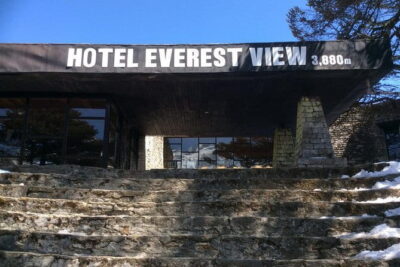
Everest Base Camp Helicopter Tour landing at Everest View Hotel
Read our review →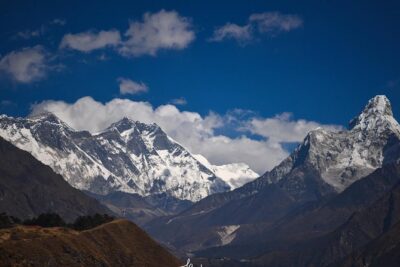
Everest Base Camp Helicopter Tour landing at Hotel Everest View
Read our review →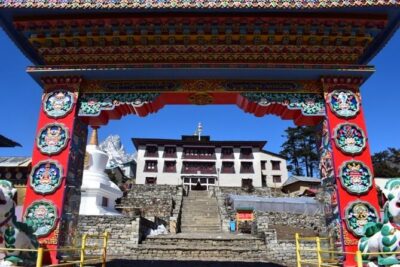
Browse the lists this tour appears in