
Reviewed · EVEREST BASE CAMP TREKS
Everest Base Camp Trek 16 Days
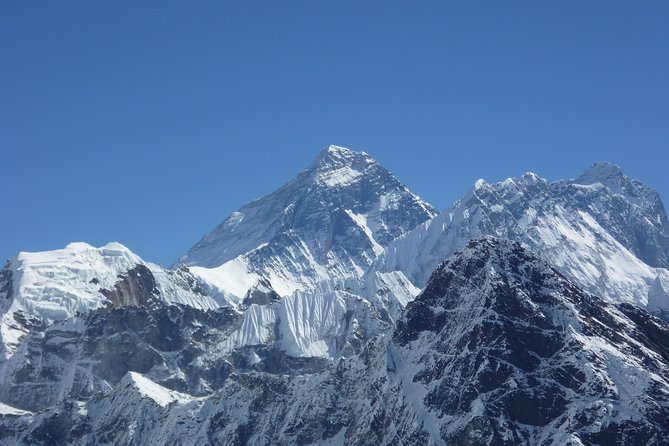
Everest Base Camp gets real fast. This moderate trek in Nepal puts you in the Everest region for about 14 walking days, with big up-close views of Everest and nearby giants, plus rhododendron-lined paths along the Dudh Koshi.
I also like the way this team support shows up on the ground. Guides such as Binod Silwal set a steady pace and even help with practical choices like where to eat and which huts to use for overnight stays, with Mani helping keep things organized. One thing to flag: lunch and dinner are not included, so you will plan and pay for meals yourself during the trek.
In This Review
- Key highlights worth knowing before you go
- What makes Everest Base Camp feel so close to the peaks
- Kathmandu pickup and private transport, minus the day-of chaos
- Rhododendron trails along Dudh Koshi: your daily trekking mood
- Ice sheets, icefalls, and cascades in the Everest zone
- Guide support that keeps your pace steady and your food sorted
- How moderate fitness fits this 15-day Everest Base Camp plan
- Price and logistics: what $1,538.47 per person actually covers
- Meals, overnight huts, and what you will likely budget for
- Weather and route conditions: why flexibility is part of the deal
- Who should book this private Everest Base Camp trek
- Should you book this Everest Base Camp Trek?
- FAQ
- How long is the Everest Base Camp trek?
- Is pickup included?
- Are meals included?
- What fitness level do I need?
- Is this a private tour?
- What happens if weather is bad?
Key highlights worth knowing before you go
- Close-up peak lineup: Everest plus Lhotse, Nuptse, Pumori, Ama Dablam, Thamserku, Kusum Kanguru, and more.
- Dudh Koshi trekking rhythm: you walk along trails where rhododendron blooms show up in the scenery.
- Everest-zone sightseeing focus: you visit the ice sheets, icefalls, and falling cascade views around Everest.
- Support that works with your pace: a guide like Binod Silwal is noted for a good walking pace and useful food and hut recommendations.
- Private group feel: it is a private tour/activity, and your group is the only one participating.
- Less stress starts in Kathmandu: pickup is offered, and private transportation is included.
What makes Everest Base Camp feel so close to the peaks
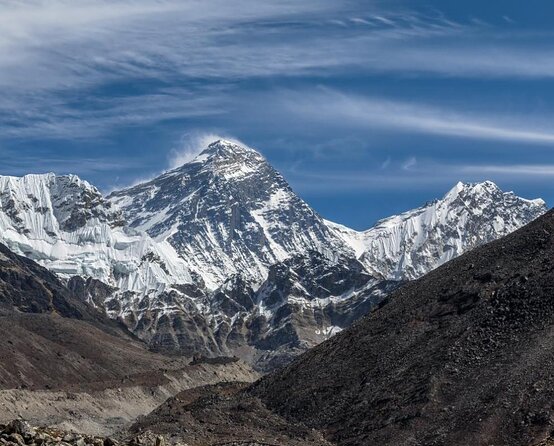
The Everest Base Camp trek is famous for a reason, but the difference here is the way you are set up to experience the mountain lineup at relatively close range. You will spend days in the Everest region where the views are not distant postcard shots. They are the kind of angles that make you look up without meaning to.
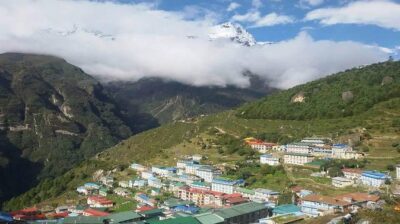
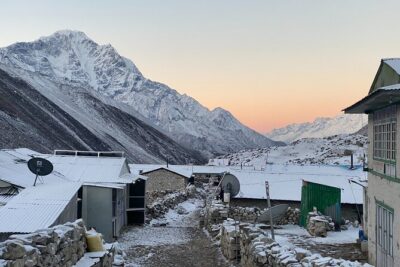
You are also not limited to just one big mountain. The trek includes sightings of Mount Everest (8,848 m) and several neighbors that show different shapes and moods. Lhotse, Nuptse, Pumori, and other surrounding peaks like Ama Dablam and Thamserku can appear as the trail bends, which makes the trip feel more like a front-row seat than a single moment.
And then there is the Everest Base Camp zone itself. The route is described as including visits to ice sheets, icefalls, and falling cascades around Everest. That matters because it shifts the experience from scenic hiking to something closer to a moving, changing “nature exhibit” where the ice and rock features are the main event.
More Treks in Kathmandu
- Everest Base Camp Trek – 14 Days
★ 5.0 · 1,499 reviews - Everest Base Camp Trek
★ 5.0 · 842 reviews - Everest Base Camp Trekking
★ 5.0 · 485 reviews
Kathmandu pickup and private transport, minus the day-of chaos
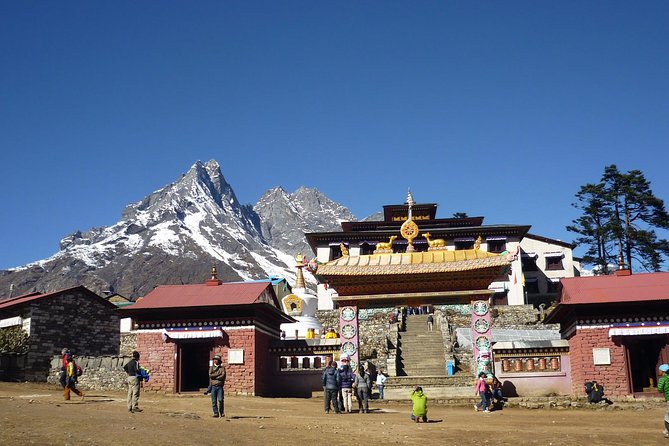
Your trip starts in Kathmandu, Nepal, and having pickup offered plus private transportation included is a real quality-of-life upgrade. If you have ever tried to solve transport after a long travel day, you already know the drill. You do not want to spend energy bargaining or guessing routes while your time is tight and your schedule is moving.
With private transport, you can keep the beginning of the trip simple. You can also use the early hours to get clarity on gear and logistics, especially because the team is described as helping with practical needs like buying or renting supplies, along with airport support.
This also matters because it is a private tour/activity. Only your group participates, so you should not feel like you are squeezed into someone else’s pace. That is a big deal on a trek where small schedule mismatches can turn stressful fast.
Rhododendron trails along Dudh Koshi: your daily trekking mood
One of the most enjoyable details is the trek’s focus on the Everest locale trails along the Dudh Koshi River. The description calls out walking on landscapes where you find rhododendron blooms along the banks of Dudh Koshi. Even if you cannot control the exact timing of flowers, the route’s identity is tied to that riverside trekking feel.
Why I like that for planning your own expectations: it gives you variety beyond “altitude plus stone.” A river corridor often means steadier rhythm, frequent changes in viewpoint, and a sense of the landscape moving with you. You get long stretches where the trail is the main task, then you get peaks and ridgelines breaking into view again and again.
This part of the trek also supports the “moderate” character mentioned in the trek summary. Moderate does not mean easy. It means you should be able to handle long days with reasonable physical fitness, and you can likely manage it with a steady pace instead of heroic sprinting. That style tends to make the views last longer in your memory.
Ice sheets, icefalls, and cascades in the Everest zone
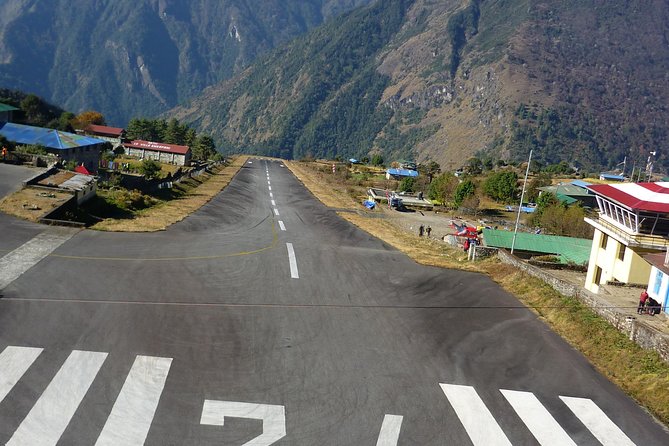
The Everest area is not just about tall mountains. The trek description explicitly includes visits to ice sheets, icefalls, and falling cascades in the Everest zone. That is the kind of detail that helps you understand what you are walking toward.
If you like the “process” of seeing something firsthand, this is satisfying. You are not only chasing a single high point. You are spending time where ice and glacier features are part of the environment, and the textures matter. The way ice breaks, the way cascades fall, and the way the terrain changes around these features give the whole region a different character than a typical high-mountain trail.
It also helps explain why guides and pace matter. When you are in a zone like this, you want time to look, photograph, and take it in without burning out. A guide who keeps a good rhythm can make the difference between arriving wired and arriving steady enough to enjoy what you came for.
More Everest Base Camp treks:
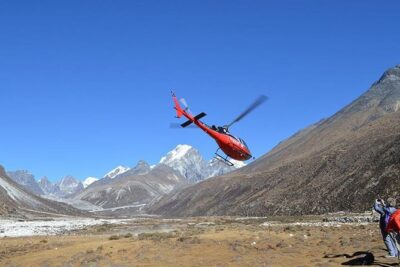
- Everest Base Camp Helicopter Tour landing at Everest View Hotel
★ 5.0 · 668 reviews - Everest Base Camp Trekking – 13 Day
★ 5.0 · 365 reviews - Everest Base Camp Trek
★ 5.0 · 350 reviews - Everest Base Camp Trek -14 Days
★ 5.0 · 321 reviews
Guide support that keeps your pace steady and your food sorted
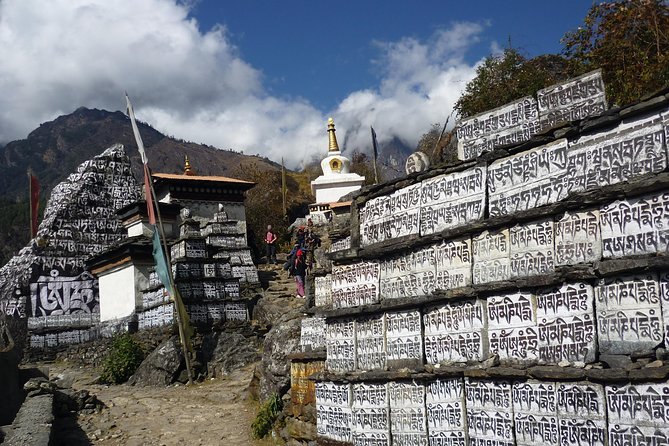
The most praised aspect across the team stories you provided is how hands-on the support feels in real life. Named guides come up, like Binod Silwal, and the details are practical. He is noted for helpfulness, good English, and a pace that works. That combination sounds simple until you try it on a multi-day trek.
Speed is not a personal preference thing out here. Too fast can flatten your energy. Too slow can mess with rest days and timing. A guide with a good sense of pace helps you stay functional for the next day, and it also helps you enjoy the scenery instead of just surviving it.
Food and overnight planning also came up in the support details. Binod is described as recommending great food and good huts for overnight stay. Even if your own tastes are picky, having someone who can point you toward reliable options saves time and reduces guesswork when you are tired.
Mani also appears as a key person in organizing and communication. That matters because the “togetherness” of the trip is not just about hiking. It is also about getting from place to place and keeping the plan clear when conditions change. On a trek, clarity is comfort.
How moderate fitness fits this 15-day Everest Base Camp plan
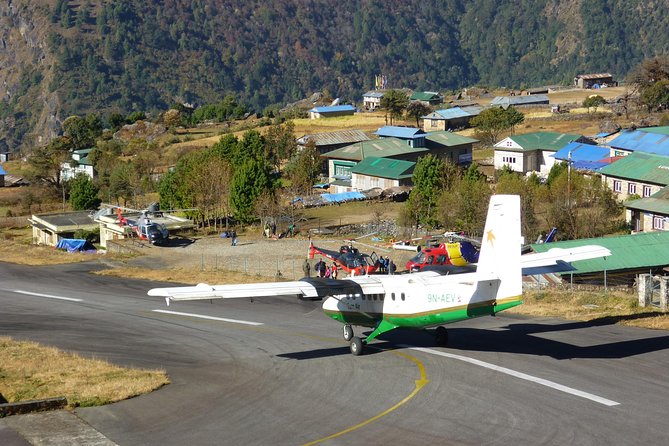
The trek summary says travelers should have moderate physical fitness. So, interpret this as a trek that expects real walking days, not a stroll. You should be comfortable with long periods on your feet and with a routine that repeats day after day.
Moderate fitness is also the reason private pacing matters. With only your group participating, you can match walking rhythm to your ability. That is the kind of setup where you can go steady, take sensible breaks, and keep your energy for the big view days.
At the same time, do not treat “moderate” as a guarantee of comfort. A high-altitude trek is still high-altitude trekking in the real world, and conditions can vary. Your best move is to train your legs and practice hiking with a pack before you go, so you show up ready to enjoy the mountains, not just endure them.
Price and logistics: what $1,538.47 per person actually covers
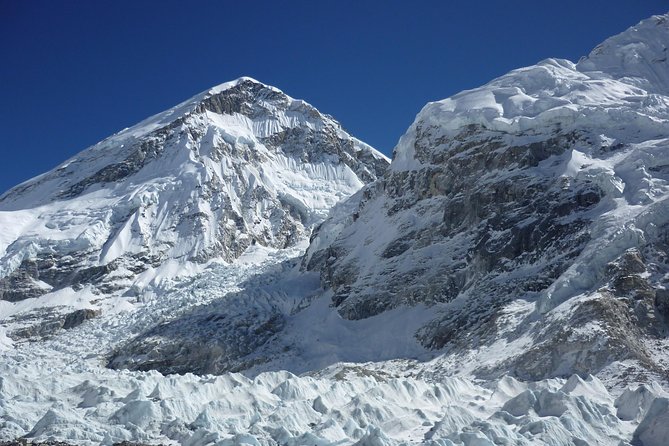
The listed price is $1,538.47 per person, and the value question is fair. The included items you have here specifically mention private transportation. Pickup is offered, and the tour is private, so you are paying for reduced hassle and a more tailored group setup.
But because only dinner and lunch exclusions are listed, you should do a quick reality check when comparing prices. Ask what is included beyond transport, such as guide services, permit coverage, lodging arrangements, and any flight help, if your route uses flights. One provided team story includes booking a flight to Lukla for the start, but you should confirm what your exact departure plan includes.
In other words, treat the price as reasonable for a private, supported mountain trek, but verify the full bundle. On Everest routes, the difference between a great deal and a confusing deal is often what is and is not packaged.
If you want value, prioritize what matters most to you:
- Private pacing and fewer logistics headaches
- A guide team you trust for practical decisions
- Clarity on meals, since lunch and dinner are not included
Meals, overnight huts, and what you will likely budget for
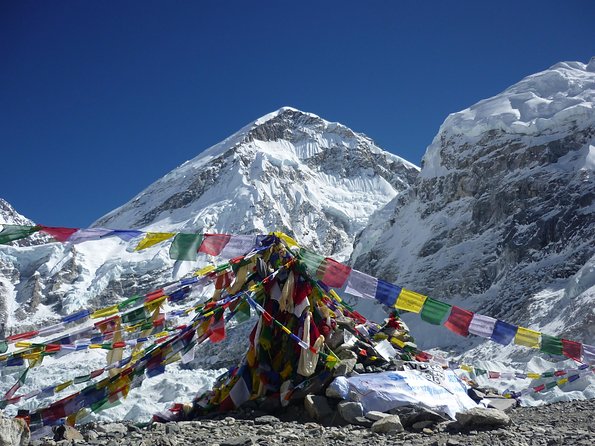
The tour data is clear on one point: dinner and lunch are not included. That means you should plan spending for meals during the trek days. It also means you should expect to make choices while you are hiking and resting, not just follow a pre-set meal schedule.
The good news is that the support system includes local guidance for practical food and lodging decisions. In one guide story, Binod Silwal is described as recommending great food and good huts for overnight stays. That kind of guidance can help you avoid the bland, overpriced, or inconvenient options that pop up in busy spots.
What to do before you go:
- Decide how much you are comfortable paying per meal each day
- Pack a small stash of snacks you enjoy, so you have something familiar
- Keep an open mind about hut accommodations, since the style can vary by location
If you hate meal uncertainty, this is your biggest trade-off in this package. If you can handle flexible meals and you want mountain time to be the focus, it can work very well.
Weather and route conditions: why flexibility is part of the deal
The experience notes that it requires good weather. It also states that if the trek is canceled due to poor weather, you will be offered another date or receive a full refund. That is important on Everest routes, because conditions can change fast and safety comes first.
This is also one reason a well-organized team matters. When weather shifts, you want someone who can explain options clearly and move the plan without chaos. The team support described in the guide and director communication details points to that kind of readiness.
For you, the practical takeaway is simple. Build in patience. Pack for layered weather. Plan your expectations around the fact that timing can be influenced by conditions even when you do everything right.
Who should book this private Everest Base Camp trek
This one fits best if you want the Everest region experience with a private group setup and you value guided support in day-to-day decisions. If you like steady pacing and you appreciate help with food and overnight choices, the guide stories you provided are a strong sign.
It also suits people who are comfortable with a moderate fitness requirement and who want about 14 days of trekking in the Everest locale. If you are aiming for the full “Everest zone” feel, including icefall and ice feature sightseeing, this trek description matches that goal.
If you are going with friends or a small group and you prefer not to share your experience with strangers, the private format is a plus. On a multi-day trek, shared pace decisions can either make the trip smoother or more stressful. Here, you get your own group dynamic.
Should you book this Everest Base Camp Trek?
Book it if you want a supported, private Everest Base Camp journey that focuses on close mountain views, rhododendron-and-river trekking vibes along Dudh Koshi, and time in the Everest zone around icefall and cascade features. I would also lean toward it if you like the idea of a guide who helps with practical matters like pacing, food choices, and huts, especially with guides such as Binod Silwal and leadership support associated with Mani.
Do not book it if meal costs and meal uncertainty during the trek would stress you out. Lunch and dinner are not included, so you should budget for it and plan to eat on your own schedule.
Finally, compare value with questions, not just price. Confirm what your total trek package covers beyond private transport, especially meals, guide and porter arrangements, and any flight planning your specific departure uses.
FAQ
How long is the Everest Base Camp trek?
The duration is listed as 15 days (approx.), with trekking in the Everest region for around 14 days.
Is pickup included?
Pickup is offered, and private transportation is included as part of the experience.
Are meals included?
Dinner and lunch are not included. You will need to plan and pay for those meals during the trek.
What fitness level do I need?
The experience says travelers should have moderate physical fitness.
Is this a private tour?
Yes. This is a private tour/activity, and only your group will participate.
What happens if weather is bad?
The experience requires good weather. If it is canceled due to poor weather, you will be offered a different date or a full refund. You can also cancel up to 24 hours in advance for a full refund.
Latest additions near Kathmandu
- Traditional Momo Making Class★ 5.0 · 10 reviews
- White Water River Rafting – 1 Day★ 4.3 · 3 reviews
- Kathmandu to Pokhara Premium sofa bus ticket★ 4.0 · 17 reviews
- Ghorepani Poon Hill Trek★ 5.0 · 16 reviews
- Amazing 1 Day Trekking Experience in Kathmandu Nepal★ 5.0 · 24 reviews
- Ghorepani Poonhill Trek★ 5.0 · 5 reviews
- Walking tour of real Kathmandu through back streets.★ 5.0 · 3 reviews
- Wildlife Adventure in Chitwan Nepal★ 4.0 · 4 reviews
Everest Base Camp Treks, compared.
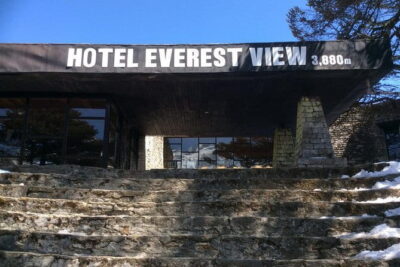
Everest Base Camp Helicopter Tour landing at Everest View Hotel
Read our review →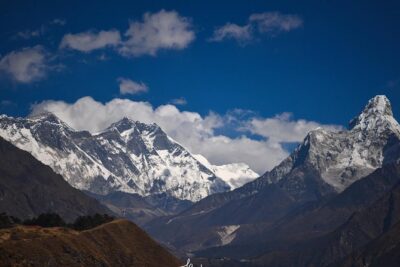
Everest Base Camp Helicopter Tour landing at Hotel Everest View
Read our review →
Browse the lists this tour appears in