
Reviewed · EVEREST BASE CAMP TREKS
Everest Base Camp Trek – 16 Days
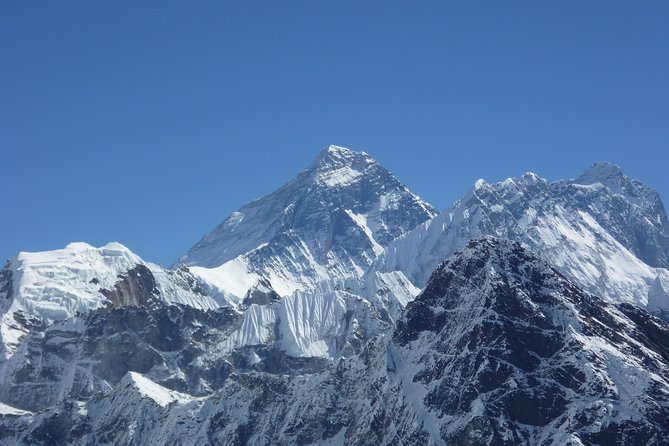
Everest Base Camp always sounds bigger than life, until you see the details. This 16-day plan strings together Lukla flights, smart acclimatization stops, and the big ticket sunrise at Kalapatthar, with cozy guesthouses and practical support along the way. I especially like the way the itinerary builds in altitude recovery days, and how the operator includes guides, porters, and key gear for the trek. One drawback to plan for, up front: Lukla is weather-dependent, so you should expect possible flight changes.
If you like mountain days that are long but not chaotic, you’ll probably enjoy this rhythm. You’ll move village to village through the Khumbu region, cross suspension bridges, and earn the big views step by step. And because this is a private trek for your group (up to 14), you get a more controlled pace than joining a random crowd on the trail.
In This Review
- Key highlights worth knowing before you go
- Kathmandu Start, Prep Day, and the Lukla Flight Stress Test
- From Phakding to Namche Bazaar Through UNESCO Sagarmatha Park
- Namche Acclimatization Day at Everest View Hotel
- Tengboche to Dingboche: Rhododendrons, Monasteries, and Mani Stones
- Nagarsan Hill and the Dingboche Altitude Routine
- Lobuche and Kalmer Moments Near the Khumbu Glacier
- Everest Base Camp, Changri Glacier, and the Final Prayer Flags
- Kalapatthar Sunrise, Pheriche, and the Return to Kathmandu
- Comfort Details: Meals, Guesthouses, Bathrooms, and Provided Gear
- Guides, Safety, and Handling Flight Cancellations and Illness
- Price and Value, Plus Extra Costs to Plan For
- Should You Book This 16-Day Everest Base Camp Trek?
- FAQ
- What airport pick-up and drop-off is included?
- Are flights included, and where do they fly?
- What meals are included during the trek?
- How much luggage is allowed on the domestic flights?
- What trekking gear is provided and what do I need to bring?
- Is oxygen included?
Key highlights worth knowing before you go
- Lukla flight connection: you start trekking right away after landing in the Khumbu area
- Real acclimatization built into the schedule: Namche plus Dingboche help you handle altitude smarter
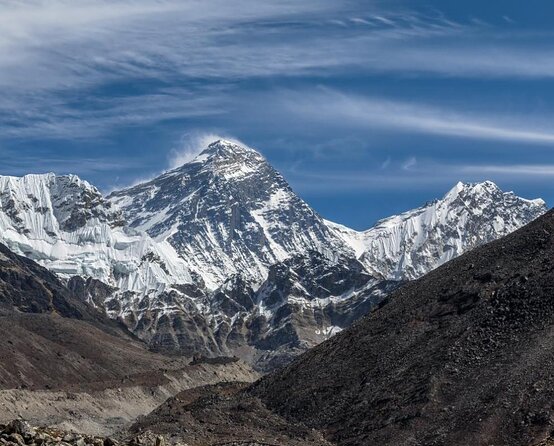
- Kalapatthar sunrise focus: early morning payoff with wide Everest-region views
- Included trek logistics: permits, paperwork, experienced English-speaking guide, and a porter setup
- Mountain culture details: prayer wheels, mani stones, prayer flags, and monastery visits are not an afterthought
Kathmandu Start, Prep Day, and the Lukla Flight Stress Test
Your journey begins in Kathmandu, with an airport pick-up by private vehicle and a three-star hotel stay on a room-and-breakfast basis for two nights. That matters, because you land tired and you need a real place to reset before trekking. Someone also helps with check-in and gives you the practical info you’ll need for the Everest Base Camp trek.
Day 2 is built as a preparation day, plus time to stroll around Kathmandu. That sounds simple, but it’s useful. You’re also getting a feel for the country before your body has to deal with thinner air. In many Himalayan treks, the early days are where you either get your footing or start rushing. This schedule leans toward easing into it.
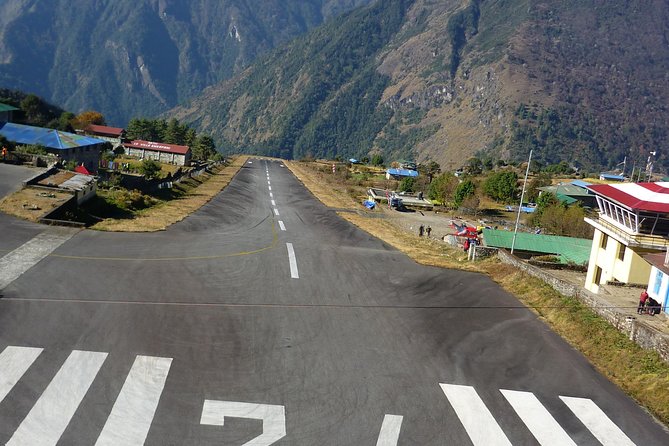
Then comes Lukla. You fly from Kathmandu to Lukla on day 3, which is famous for its dramatic setting. From Lukla, your guide leads you onto the Khumbu trail, and you drop into the valley toward the Dudh Koshi River. Expect a mix of small cultural moments and real trekking work right away, including passing prayer wheels you can spin clockwise to activate the mantras written on the scrolls. The first suspension bridge crossing also sets the tone, you’re not just walking, you’re moving through a living transport network of trails.
Practical note: domestic flight luggage allowance is 15 kg, so pack to that weight. If you show up with a heavy bag, you might end up rearranging later at the worst possible time.
More Treks in Kathmandu
- Everest Base Camp Trek – 14 Days
★ 5.0 · 1,499 reviews - Everest Base Camp Trek
★ 5.0 · 842 reviews - Everest Base Camp Trekking
★ 5.0 · 485 reviews
From Phakding to Namche Bazaar Through UNESCO Sagarmatha Park
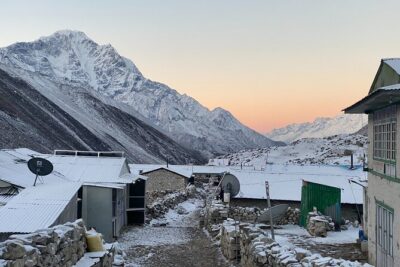
The trek day to Phakding keeps things manageable as a start. You’ll take about four hours walking, including that first descent toward the river and your first bridge crossing. Phakding is a small village, and you’ll sleep in a guesthouse with breakfast, lunch, and dinner included. This matters because early on you need reliable meals more than big “extras.”
Day 4 is where the trail starts feeling like the Everest region. You’ll weave up and down through villages and rhododendron forests, passing donkeys, yaks, and Sherpas carrying heavy loads since there are no road routes in the Himalayas. After that, you enter Sagarmatha National Park, a UNESCO World Heritage Site, and keep walking toward Namche Bazaar.
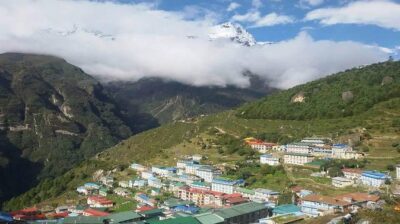
Namche is the big acclimatization hub for a reason. It’s also where you’ll notice the difference between “walking in the hills” and “walking at altitude.” You cross two swinging bridges on the way, with the higher and lower suspension lines giving you a great photo moment, but also a real mental check: you’re moving where footing matters.
The day’s end is Namche Bazaar after roughly six hours of trekking. You’ll find energy here. It’s a popular stop with lots of hikers and tea house life. The upside is easier logistics. The caution is that Namche can tempt you to move too fast. Your schedule helps you avoid that trap on day 5.
Namche Acclimatization Day at Everest View Hotel
Day 5 is an acclimatization day in Namche Bazaar, not a “free day” to blow off altitude. The idea is simple: at higher elevations, you don’t just rest. You move lightly so your body adapts. The plan gives you options, either a short hike or a relaxed day wandering.
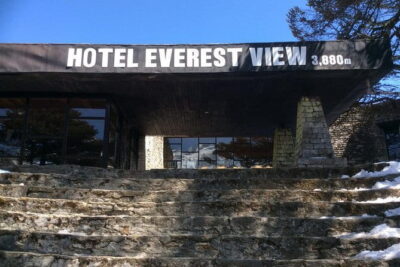
For hikers who want an easy win, the short hike can include a trip to the world’s highest-placed hotel, the Everest View Hotel. From there you get wide views of Mt. Everest and other peaks in the region, including Ama Dablam and Thamserku, plus the distinctive Snow Saddle geography. It’s not the same as standing on the Everest Base Camp prayer flags, but it scratches the “I need to see it now” itch while still keeping your legs under control.
I like that this day is designed around balance. You get the view, you get the movement, and you still protect your energy for the tougher days ahead.
Tengboche to Dingboche: Rhododendrons, Monasteries, and Mani Stones
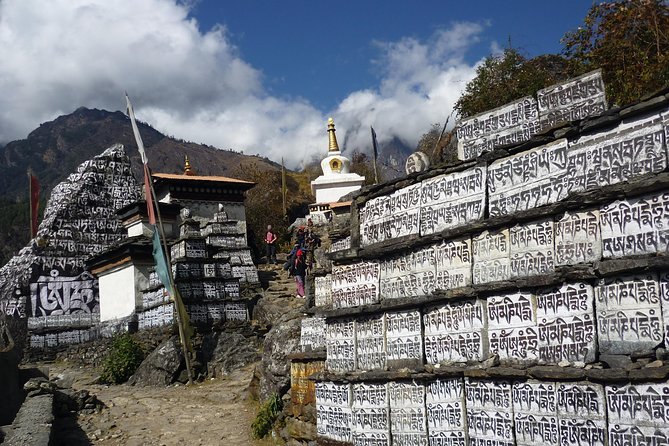
Day 6 pushes you toward Tengboche, with about six hours of walking. It’s a mixed uphill and downhill day, which tends to feel tiring even when the distance is reasonable. The payoff is the scenery, including views of Everest and other peaks in the Rolwaling range like Lhotse and Nuptse, depending on conditions.
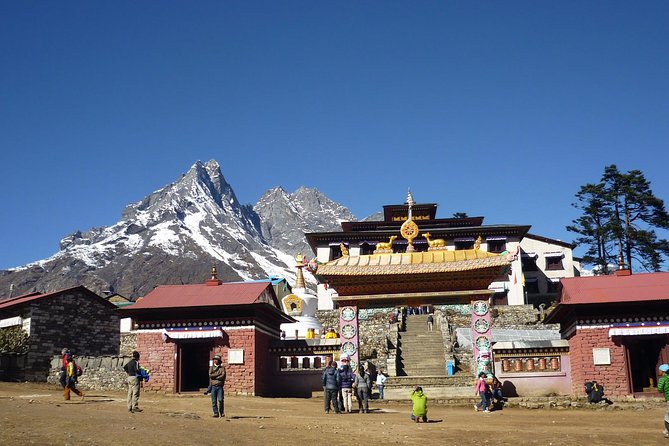
The trail through pine and rhododendron forests keeps your head busy, and you’ll pass yak herders along the way. But Tengboche itself is the cultural highlight. It’s known for a monastery setting and the way it frames sunrise and mountain views. If you’re lucky, you might even catch monks playing football near the village center. Even without that, monasteries bring a calm rhythm to the day.
Day 7 continues the trek, heading toward Dingboche. It includes time around Tengboche monastery in the early part of the day, with prayer wheels and prayer flags you can interpret through their colors representing five Tibetan Buddhist elements: earth, wind, fire, water, and consciousness. Then you slowly descend toward Deboche, and you pass through forests again before crossing the Imja Khola on a bridge.
You’ll also notice mani stones and prayer flags along the route. These aren’t random decoration. They’re part of how people mark daily life in a high, remote place. When you pay attention, the trail feels less like a checklist and more like a place you’re actually passing through.
More Everest Base Camp treks:
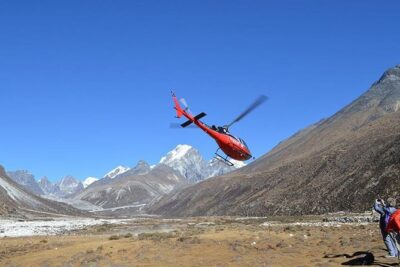
- Everest Base Camp Helicopter Tour landing at Everest View Hotel
★ 5.0 · 668 reviews - Everest Base Camp Trekking – 13 Day
★ 5.0 · 365 reviews - Everest Base Camp Trek
★ 5.0 · 350 reviews - Everest Base Camp Trek -14 Days
★ 5.0 · 321 reviews
Nagarsan Hill and the Dingboche Altitude Routine
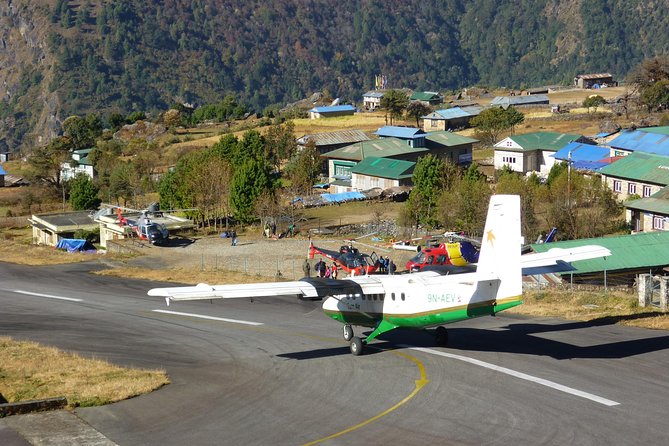
Day 8 is your second big acclimatization routine at Dingboche. Again, the plan isn’t just about resting at altitude. It sends you up to Nagarsan Hill at about 5,100 meters. This hike is shorter than what you’ll do later around base camp, but it’s intentionally steep enough to matter.
From the top, you’re rewarded with panoramic views of the Everest region peaks such as Island Peak, Ama Dablam, Lhotse, Makalu, and Nuptse. Then you head back down, and the descent is part of the process. The body learns faster when you combine slow ascent and controlled recovery.
Overnight is back in a guesthouse in Dingboche. In practical terms, this is also where you start to feel the altitude more directly in day-to-day actions like eating, hydration, and breathing rhythm. The schedule gives you that reality check early, so you’re not surprised on day 10.
Lobuche and Kalmer Moments Near the Khumbu Glacier
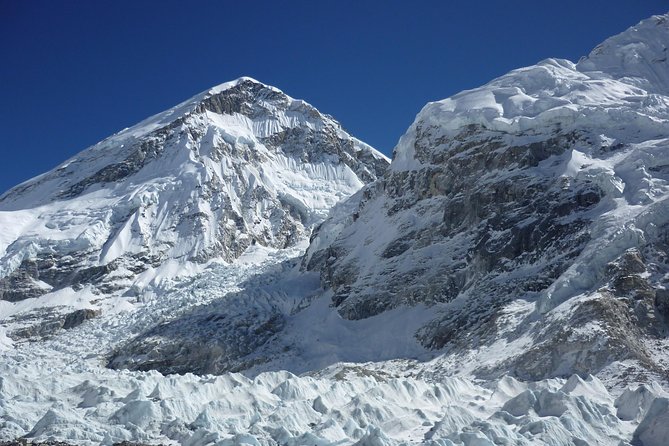
Day 9 heads to Lobuche, about five hours of trekking. You’ll walk along the valley floor, leaving the Khumbu glacier behind for a bit before you reach the more glacier-linked terrain. This is one of those “watch your pace” days. The air feels thinner, and going too fast here can steal energy later.
A key moment on this day is the cemetery stop where climbers who lost their lives during their Everest attempts are resting. Take a moment here. You don’t need to make it emotional, but it adds weight to the goal you’re chasing.
At Lobuche, you’ll get splendid views of peaks like Pumori, Lingtren, Khumbutse, and Mahalangur. Nuptse also comes into sight as you cross toward the glacier edge. Overnight is in a guesthouse, continuing the pattern of included meals and reliable basics.
Everest Base Camp, Changri Glacier, and the Final Prayer Flags
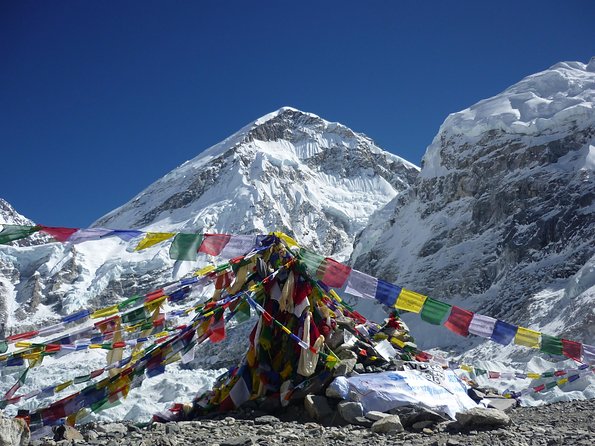
Day 10 is the headline day. You’ll trek to Everest Base Camp, and the plan describes reaching it through a route involving a steep climb over the Changri glacier area. Along the way, Kalapatthar comes into sight, and the day continues to Gorekshep.
This is a long day, about eight hours. You’ll pass glaciers and frozen rivers, creating that classic snow and ice world feel where everything looks sharper and more silent. When you finally reach the last stretch, the prayer flags at Everest Base Camp are the visual finish line.
What I like about this day’s structure is that you’re not just “there and done.” Ending at Gorekshep keeps the goal grounded, and it sets up the next day’s sunrise push. You’ll sleep in a guesthouse in Gorekshep area so you can move early.
Kalapatthar Sunrise, Pheriche, and the Return to Kathmandu
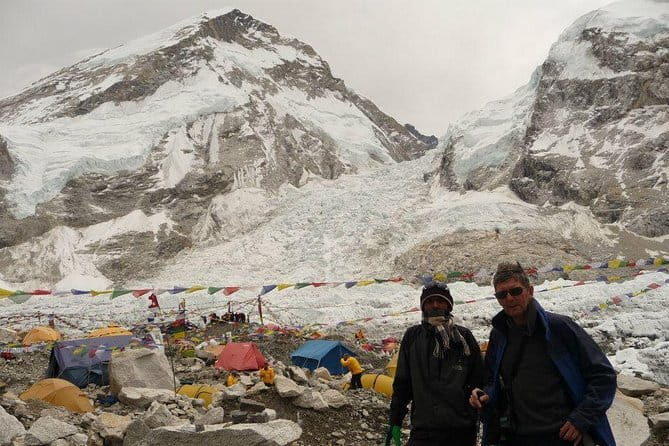
Day 11 focuses on Kalapatthar sunrise, with an early rise so you can watch golden light emerge behind the peaks. This is one of the best kinds of rewards in trekking: the view has a clear start time, and you feel the reason you woke up before you were fully awake.
After sunrise, you’ll descend to Pheriche for overnight. The plan also frames Kalapatthar as a top photography spot, with Mt. Everest clearly visible in the reddish morning glow when weather cooperates. Then your journey starts shifting from “forward progress” to “bringing your body down to earth.”
Day 12 returns you to Namche Bazaar, about seven hours, walking the same general path but with a different perspective. Day 13 continues back to Lukla, also about seven hours, with Dudh Koshi, suspension bridges, and lush valley sections feeling like reverse flashbacks because you’ve already learned the route once.
Day 14 flies from Lukla back to Kathmandu. When you land, the plan escorts you to your hotel, and the rest of the day is free for rest or wandering. Day 15 continues with leisure in Kathmandu, with ideas like shopping, massage, and relaxed meals in tea garden or rooftop terrace settings. Day 16 ends with a pick-up and airport transfer for your flight home.
This finish matters. The Everest region can leave you wired. Having full days in Kathmandu at the end lets you decompress properly instead of rushing straight into travel stress.
Comfort Details: Meals, Guesthouses, Bathrooms, and Provided Gear
This trek isn’t built like roughing it in the dark ages. You’ll have three times daily meals with tea or coffee included, including breakfast, lunch, and dinner. In a high-altitude trek, having consistent meal planning takes a big worry off your plate.
Guesthouses are the norm on this route, and twin sharing is used during the trek with “best available accommodation.” The plan also states attached bathrooms with hot shower rooms in Lukla, Phakding, and Namche. That’s not something you should assume on every Everest trek, so it’s worth noticing.
Gear support is also part of the value here. The trek includes a sleeping bag and down jacket during the trek. You still need to arrange personal trekking equipment, but having core warmth gear provided can save you money and hassle, especially if you’re coming from abroad.
Guides, Safety, and Handling Flight Cancellations and Illness
The best praised part of this trek in the provided feedback is how the guide team and porters handle the real-life problems that show up on Everest itineraries. Weather can delay or cancel flights to Lukla, and health issues can pop up even for people who planned well.
I’ve seen examples of guides adapting when flights to Lukla were cancelled due to poor weather. I’ve also seen cases where someone developed a chest infection mid-trek, and the response was not panic. The group stayed coordinated, and support included someone staying with the sick trekker so they could rest before rejoining when possible. That kind of practical care is what you want on a route where one bad day can snowball fast.
Guide names that show up in the feedback include Bheg and Shiva, Hem and Ram, Santa, Kamal, Surya, Prem Karki, and Lukpa, plus mention of Ming Chin Yang and Lal Gurung in other Himalayan trips run by the same organization. The recurring theme is attention to safety, gear checking, and patient pacing. In one note, a guide stayed with a slower trekker and helped them step by step, which is exactly what you want if your pace is steady rather than fast.
Personal Sherpa support is available upon request with extra charge, which is useful if you want extra hand-holding on steep stretches or with pack management. You also travel with an experienced English-speaking guide, plus a porter system described as 2 travelers for 1 porter.
Price and Value, Plus Extra Costs to Plan For
The price shown in your details is $0.00, which looks like a placeholder. So I can’t help you judge the total cost number itself. But I can tell you what the package explicitly includes, and where extra costs commonly show up on EBC treks so you can budget like a grown-up.
Included items in these details are strong for value: round trip flights Kathmandu-Lukla-Kathmandu or Kathmandu-Ramechhap-Lukla-Ramechhap, airport transfers, Kathmandu hotel (two nights) on BB, three meals a day with tea or coffee, hot showers in specified towns, trekking permits and paperwork, English-speaking guide plus porter setup, and key trek gear like the sleeping bag and down jacket. You also get a trekking map and a trip achievement certificate at the end.
What is not included is equally important. You must have travel insurance. International flights and Nepal entry visa are not included. Cold drinks, water, and other beverages are not included. Tips for drivers, guides, and porters are not included. Trekking equipment is partly on you, since personal gear must be arranged. And oxygen cylinder and oxygen mask are on request with extra charge, not automatically provided.
There’s also a solo travel detail to plan for. If there isn’t an existing group to share accommodation with, a single surcharge of USD 230 is applicable, paid upon arrival in Nepal. If you do book as a single and want a solo departure, that same surcharge applies.
Should You Book This 16-Day Everest Base Camp Trek?
Book this trek if you want a structured, altitude-aware itinerary with strong logistics: flights to Lukla, acclimatization days at Namche and Dingboche, and the Kalapatthar sunrise plan. You’ll likely appreciate that meals are handled, key gear is provided, and the company brings experienced guides and porters who show up in the feedback as patient and safety-focused.
Think twice if your schedule is inflexible or you can’t tolerate possible Lukla flight changes due to weather. Also be honest about your fitness. The plan says travelers should have moderate physical fitness, and the days around base camp are long and demanding.
If you want Everest Base Camp without turning the trip into a self-managed puzzle, this package looks like a good fit.
FAQ
What airport pick-up and drop-off is included?
The trip includes airport pick-ups and drops off with a private vehicle in Kathmandu.
Are flights included, and where do they fly?
Round trip domestic flights are included for the Kathmandu-Lukla-Kathmandu route, or an alternative route via Ramechhap-Lukla-Ramechhap.
What meals are included during the trek?
During the trek you get three times daily meals with a cup of tea or coffee, including breakfast, lunch, and dinner.
How much luggage is allowed on the domestic flights?
Domestic flight luggage allowance is 15 kg.
What trekking gear is provided and what do I need to bring?
A sleeping bag and down jacket are included during the trek, but you still need to arrange your personal trekking equipment.
Is oxygen included?
Oxygen cylinder and oxygen mask are available on request with extra charge.
Latest additions near Kathmandu
- White Water River Rafting – 1 Day★ 4.3 · 3 reviews
- Traditional Momo Making Class★ 5.0 · 10 reviews
- Kathmandu to Pokhara Premium sofa bus ticket★ 4.0 · 17 reviews
- Ghorepani Poon Hill Trek★ 5.0 · 16 reviews
- Amazing 1 Day Trekking Experience in Kathmandu Nepal★ 5.0 · 24 reviews
- Ghorepani Poonhill Trek★ 5.0 · 5 reviews
- Walking tour of real Kathmandu through back streets.★ 5.0 · 3 reviews
- Wildlife Adventure in Chitwan Nepal★ 4.0 · 4 reviews
Everest Base Camp Treks, compared.
Everest Base Camp Helicopter Tour landing at Everest View Hotel
Read our review →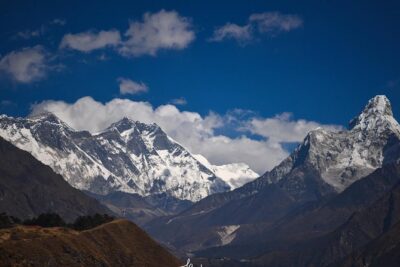
Everest Base Camp Helicopter Tour landing at Hotel Everest View
Read our review →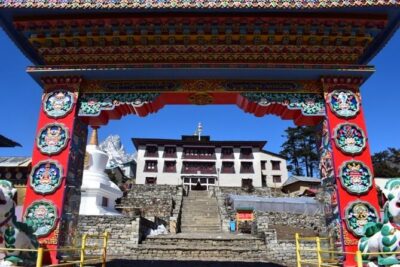
Browse the lists this tour appears in