
Reviewed · EVEREST BASE CAMP TREKS
Everest Base Camp Trek
Everest Base Camp starts with a single flight. You’ll trade Kathmandu traffic for scenic Lukla flights and a trek built around Sherpa villages, mountain-tea houses, and face-to-face views of the Himalaya. It’s also a nicely organized setup, with a pickup offered and a mobile ticket so you can focus on walking instead of paperwork.
What I love most is how the trek earns its altitude. I especially like the rhythm of going up, then spending time in Namche Bazaar for acclimatization before you press higher toward the biggest viewpoints. The only real drawback to plan for is weather around Lukla, because flight changes can happen, and you need some flexibility in your schedule.
In This Review
- Key things to know before you go
- The Kathmandu to Lukla start, why it changes the whole trek
- Phakding and the Dudh Koshi valley, where the trek finds its pace
- Namche Bazaar acclimatization day, your best friend against altitude
- Syangboche Airport, high altitude without pretending it is easy
- Kalapatthar to Everest Base Camp, how the views work and what to expect
- Sherpa culture and tea house life, the real comfort between big climbs
- Your budget and what $1,350 per person really covers
- Equipment and packing, what you should bring and what they already cover
- Pacing, fitness, and the small choices that keep you moving
- The guide team, what support feels like on real days
- Who this Everest Base Camp trek is best for
- Should you book this Everest Base Camp trek?
- FAQ
- What is the price of the Everest Base Camp trek?
- How long is the trek?
- Where does the trek start and what is the flight included?
- Are meals included during the trek?
- What meals are not included?
- Do I need to bring personal trekking equipment?
- Is travel or rescue insurance included?
- How much weight can a porter carry?
- Can I cancel for a full refund?
Key things to know before you go
- Lukla flights bookend the trek, so weather planning matters from day one
- Namche acclimatization is built in, which helps your body adjust before the higher passes
- Kalapatthar and Everest Base Camp are the payoff, with iconic views tied to your hard work
- Meals are included on the trek (breakfast, lunch, dinner), but tea and coffee are not
- Gear support is part of the deal, including down jackets and down sleeping bags
- Porter rights are respected, with a stated max porter weight allowance of 15kgs
The Kathmandu to Lukla start, why it changes the whole trek
The best thing about starting this trek is how quickly you get into the Everest region mindset. You begin in Kathmandu, then fly to Lukla, the mountain airstrip that acts like a gate into the Khumbu. If you have ever pictured the start of the Everest story, this is it. The route feels immediate and real, not like a long preamble.
For many people, the Lukla flight is also the moment the trip becomes tangible. You’re not guessing what you came for. You can look out and see why this area is so famous. It’s also practical: you skip days of lower walking that would otherwise eat up energy you want for higher altitudes.
Two small details that I appreciate as a traveler: you get pickup offered (so you are not scrambling on arrival days), and you’ll have a mobile ticket. When you are heading into a place where plans can shift, anything that reduces stress helps.
More Treks in Kathmandu
- Everest Base Camp Trek – 14 Days
★ 5.0 · 1,499 reviews - Everest Base Camp Trek
★ 5.0 · 842 reviews - Everest Base Camp Trekking
★ 5.0 · 485 reviews
Phakding and the Dudh Koshi valley, where the trek finds its pace
After landing in Lukla, you walk north for about three hours to Phakding. This first leg matters more than it sounds. It is a gentle way to start, get used to your breathing, and dial in your stride before you start climbing toward the busier hubs.
From there, the trek continues up through the Dudh Kosi valley. This is where the scenery starts to feel more like a journey than a hike. You’re surrounded by rugged terrain, and the trail atmosphere is very different from flat treks at lower elevations. Even when the daily distance is moderate, the air feels sharper, and every stop for water becomes more important.
A practical note: because tea houses are your main break points, you’ll want to pace yourself so you can enjoy meals without rushing. The included meals (breakfast, lunch, dinner) mean you can keep a steady routine. Still, you should bring your own snack options if you like having something familiar, since tea and coffee are not included.
Namche Bazaar acclimatization day, your best friend against altitude
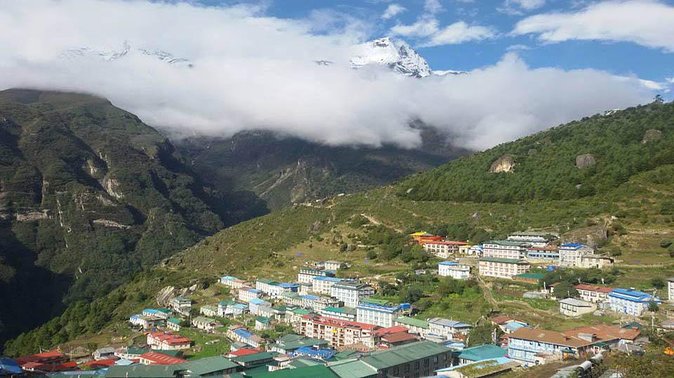
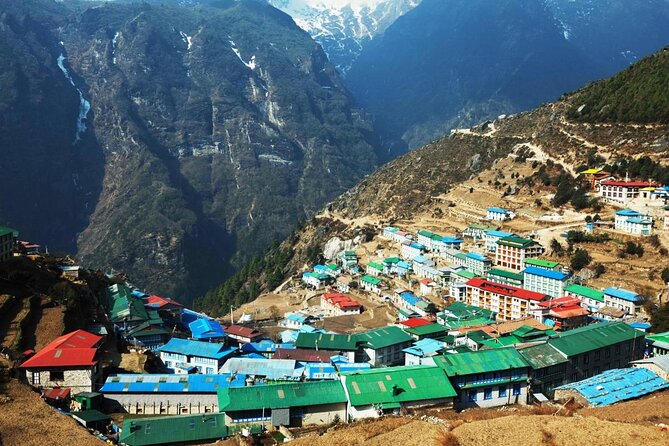
Namche Bazaar is not just a pretty stop. It is your altitude reset. The itinerary includes around one day in Namche for acclimatization, which is exactly what you want before you go higher.
Why does this day matter? Because the Everest region punishes speed. Even if you feel okay in the morning, your body may not fully agree by afternoon. An acclimatization day helps you reduce the chance of getting knocked back at the worst possible time. It also gives you time to take it slow, walk a little, rest a lot, and learn how cold you feel when the sun drops behind the peaks.
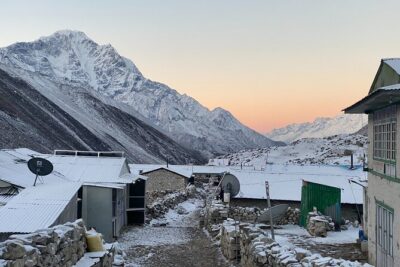
Namche is also where Sherpa culture becomes part of your daily experience. You will see how local families live with the mountains nearby, and you’ll notice how tea houses function as warm community spaces. In my view, this is where the trek starts to feel personal, not just scenic.
If you’re the type who worries about doing too much or too little, Namche is the sweet spot. It gives structure. You don’t just climb until something goes wrong.
Syangboche Airport, high altitude without pretending it is easy
As you continue upward, you reach Syangboche Airport. This kind of stop can be easy to underestimate because it’s not always the final goal. But it’s important because it signals you are truly in the higher zone now.
At this stage, you’ll feel altitude more clearly. The air is thinner, you might get a higher breathing rate sooner, and your body may take longer to bounce back after short climbs. This is where good pacing becomes a skill, not a suggestion.
One helpful thing from the way the trek is set up: you’ll have consistent support, and the trek is run as a private group. That means your guide team can adjust the feel of the day to your group’s needs, rather than forcing everyone into the same pace.
You’ll also want to keep an eye on your warmth strategy. Cold doesn’t just hit at sunrise. It shows up when you stop moving. Your day backpack should include your warm layers for those moments, not just for the top of the trail.
More Everest Base Camp treks:
- Everest Base Camp Helicopter Tour landing at Everest View Hotel
★ 5.0 · 668 reviews - Everest Base Camp Trekking – 13 Day
★ 5.0 · 365 reviews - Everest Base Camp Trek
★ 5.0 · 350 reviews - Everest Base Camp Trek -14 Days
★ 5.0 · 321 reviews
Kalapatthar to Everest Base Camp, how the views work and what to expect
This is where your trek earns its name. After the higher route, the plan brings you to Kalapatthar and then onward to Everest Base Camp.
Kalapatthar is a big deal for a reason. The views are famous because the area gives you a clear sense of scale. You’re not just seeing mountains, you are seeing the route, the ridgelines, and the dramatic geometry of the Khumbu. It’s the kind of place that makes you realize why people plan their lives around this mountain.
Then comes Everest Base Camp itself. Even if you’ve seen photos, being there shifts how you understand the journey. Base Camp is not a place for rushing. You’ll want to take time, absorb the scale, and enjoy how the scene changes with the light.
A few practical expectations:
- The trekking can feel arduous as you go higher, especially once you’re above where you normally live
- Weather can change what you see, so don’t plan your day around one perfect sky
- You’ll likely be moving in cold air, so you’ll want to protect extremities and keep moving when you can
What helps most is how the trek’s structure supports you. You’ve already done Namche acclimatization, so you are better prepared for the final push. And because meals are built in on the trek, you can keep your energy steady instead of playing catch-up.
Sherpa culture and tea house life, the real comfort between big climbs
One reason the Everest Base Camp trek is so loved is not just the peaks. It’s the people and routines around the trail.
On this trek, you’ll spend time in places like Namche and along the route toward Base Camp where Sherpa culture is part of everyday life. Tea houses are your rhythm: warm drinks, meals, rest stops, and quick conversations that make the day feel lighter.
What I think you’ll enjoy is how hospitality works here. You are not treated like a customer who just buys a bed and disappears. Instead, people help make the trek manageable. They understand the pace, they understand the cold, and they understand why you might feel slow one day and steady the next.
Also, you’ll appreciate the practical support. Adventure Magic Treks provides down jackets and down sleeping bags for their trips. That is a big deal for value and comfort, because cold nights are one of the biggest deal-breakers for people who underestimate what “high altitude” means.
Your budget and what $1,350 per person really covers
At $1,350 per person for about 14 days, this trek sits in the mid-to-upper range for Everest trips. The key question is: what are you getting for that money?
You are getting a lot of what usually costs time and logistics headaches elsewhere:
- Flight to and from Lukla is included
- Meals on the trek are included: breakfast, lunch, dinner
- A local pickup is offered
- The trek is private, meaning only your group participates
- Down jacket and down sleeping bag support is included
- Porter carry is part of the plan, with a stated maximum weight allowance of 15kgs per porter
- An admission ticket is listed as free
What is not included matters too. You are not covered for travel and rescue insurance, and tea and coffee during the trek are not included. Also, you’ll need personal trekking equipment, plus personal expenses like phone calls, laundry, hot showers, bettery re-charge, and bar bills. Tips for driver, guides, and porters are also not included.
My practical take on value: if you price in the Lukla flights and the guided, organized structure, this can be a solid deal. If you like to travel light and rely on provided cold-weather gear, it gets even better. If you are hoping this price includes every cup of tea, every Kathmandu meal, and insurance, you will want to budget separately so nothing surprises you.
Equipment and packing, what you should bring and what they already cover
The packing list for this trek is not about fashion. It is about staying functional in cold air and keeping your gear dry.
Here are the essentials you should plan to bring:
- Foot wear: walking boots and wool or liner socks
- Clothing: waterproof jacket and trousers, trekking trousers, long sleeve shirts, layers like fleece and thermals
- A medium-weight down jacket is recommended, even though down insulation is provided, because you might want extra flexibility
- Gloves and warmer mittens or gloves for colder moments
- Head wear: wool or fleece hat, sun hat, scarf
- A head torch with extra batteries
- Sunglasses
- A sleeping bag is still on the personal equipment list in the guide material, but the trek provider states they provide down sleeping bags, so you should confirm what you are expected to carry versus what you receive
For trekking comfort, I like having:
- Trekking poles
- A water purification plan, such as tablets, since water safety is part of survival here
- Two water bottles (wide mouth options like Nalgene are recommended)
- Sunscreen and lip salve with high SPF
- A small day backpack that holds your warm layers, camera, water, and snacks
One detail that helps a lot: your duffel bag or large backpack can be carried by a porter for your personal gear, and there is a max porter allowance of 15kgs. Use a small combination padlock if you want to secure your bag.
Also, they explicitly mention porter rights and no exploitation. That should matter to you. In a place like this, “who carries what” is part of the ethical story of your trek.
Pacing, fitness, and the small choices that keep you moving
This trek is described as requiring moderate physical fitness. That’s good news and also a reality check. Moderate means you should be able to hike steadily for long stretches, handle stairs and uneven trails, and not panic when you feel slow uphill.
The itinerary includes acclimatization and staged movement, which helps your body. But you still need to make daily choices:
- Keep your day backpack light
- Drink water consistently
- Dress in layers, so you can adjust fast when the weather shifts
- Plan for cold when you stop moving
- Don’t force your pace just because other hikers look steady
Altitude can affect appetite too. Some people find they cannot eat as much in higher zones. The included meals help, but I still recommend carrying a few favorite snack items in your day bag so you can eat something you actually want.
There’s also an optional acclimatization medication mentioned, Diamox. If you think you might use it, discuss it with a medical professional before you go, and only follow appropriate guidance.
Finally, this trip requires good weather. If the region doesn’t cooperate, your schedule can change.
The guide team, what support feels like on real days
In an Everest trek, your guide team affects how you experience everything from pacing to problem solving.
The experience provider is Shankar Pandey, and the team includes guides and Sherpas you may see referenced like Krishna and Shajan, plus Sherpa guides such as Gelu Sherpa and Ngathe Sherpa. There is also mention of guides like Sagan Thapa and porters like Bim in past experiences.
Why I like hearing this name variety, rather than just a generic service description, is that Everest logistics are not always smooth. When flights are canceled or weather turns ugly, you want a team that can make housing and route decisions on the fly. In the Everest region, that kind of support can be the difference between a stressful trip and a manageable one.
You are also in a private group. That usually makes it easier to adjust the day, especially if someone in your party gets hit harder by altitude than expected.
Who this Everest Base Camp trek is best for
This trek works well if you want:
- A structured EBC plan that includes Namche acclimatization
- Guided support with a team that can handle route or timing changes
- The classic Everest experience: Lukla flights, Sherpa villages, Kalapatthar, Everest Base Camp
- Included trek meals, so you are not doing daily menu math at altitude
- Cold-weather gear support, especially down jackets and down sleeping bags
You might not love it if you are the kind of traveler who hates schedule changes. Weather around Lukla matters, and flight uncertainty is a real part of planning. If you absolutely need fixed dates with zero flexibility, you should rethink the timing.
If you are a comfortable hiker with moderate fitness and you can handle cold days and thinner air, this is an exciting, high-reward trip.
Should you book this Everest Base Camp trek?
I think you should book if you want the classic Everest arc with smart pacing, included meals, and a team that handles the reality of mountain travel. The price feels more reasonable when you factor in Lukla flights plus guided structure plus down cold-weather gear. The Namche acclimatization day is a big quality signal, not just a checkbox.
I would pause and plan carefully if you hate uncertainty, since good weather is required and Lukla schedules can shift. If you can accept that and build flexibility into your broader travel plans, this trek has the ingredients for one of those trips you talk about for years.
FAQ
What is the price of the Everest Base Camp trek?
The price is $1,350.00 per person.
How long is the trek?
The duration is listed as 14 days approximately. The overview also mentions 15 days trekking.
Where does the trek start and what is the flight included?
You start in Kathmandu, and the trek includes a scenic flight to and from Lukla.
Are meals included during the trek?
Yes. Breakfast, lunch, and dinner are included during the trek.
What meals are not included?
Lunch and dinner in Kathmandu are not included.
Do I need to bring personal trekking equipment?
Yes. Personal trekking equipment is not included, though the provider states they give down jackets and down sleeping bags for all trips.
Is travel or rescue insurance included?
No. Travel and rescue insurance is not included.
How much weight can a porter carry?
The maximum weight allowance is 15kgs or 33 pounds, and the provider notes porter rights and against exploitation.
Can I cancel for a full refund?
Free cancellation is offered, with full refunds available if you cancel at least 24 hours in advance. If canceled less than 24 hours before, you will not be refunded. If the experience is canceled due to poor weather, you will be offered a different date or a full refund.
Latest additions near Kathmandu
- Traditional Momo Making Class★ 5.0 · 10 reviews
- White Water River Rafting – 1 Day★ 4.3 · 3 reviews
- Kathmandu to Pokhara Premium sofa bus ticket★ 4.0 · 17 reviews
- Ghorepani Poon Hill Trek★ 5.0 · 16 reviews
- Amazing 1 Day Trekking Experience in Kathmandu Nepal★ 5.0 · 24 reviews
- Ghorepani Poonhill Trek★ 5.0 · 5 reviews
- Walking tour of real Kathmandu through back streets.★ 5.0 · 3 reviews
- Wildlife Adventure in Chitwan Nepal★ 4.0 · 4 reviews
Everest Base Camp Treks, compared.
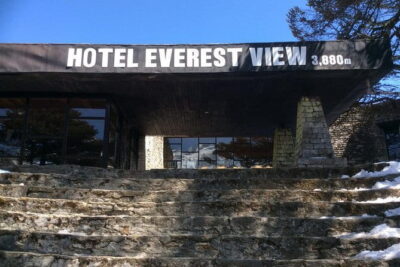
Everest Base Camp Helicopter Tour landing at Everest View Hotel
Read our review →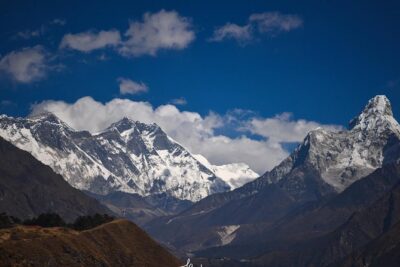
Everest Base Camp Helicopter Tour landing at Hotel Everest View
Read our review →
Browse the lists this tour appears in