
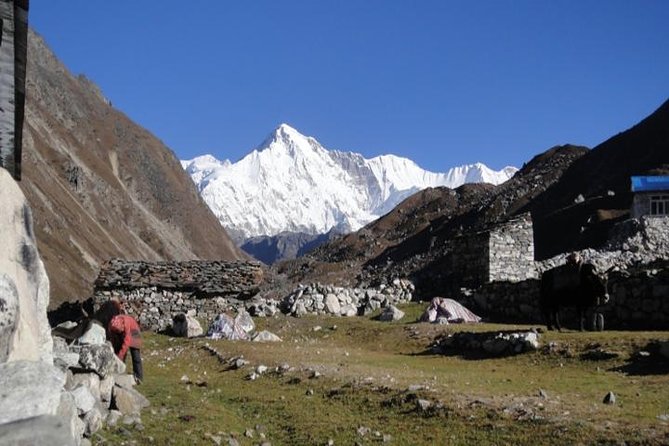
Reviewed · EVEREST BASE CAMP TREKS
Everest Base Camp Trek – 15 Days
Everest Base Camp is one of those trips that changes your sense of scale. This 15-day route takes you lodge-to-lodge through the Khumbu, with daily altitude steps that build safely for the highest payoff: Everest Base Camp and Kala Patthar.
I especially like how the trip combines big-picture logistics with real trekking rhythm. The support is clear from the start, with hotel transfers in Kathmandu, a licensed English-speaking guide, and a porter for every two people.
One thing to consider: you’re dealing with altitude and weather, especially around the Lukla flights. If you go in expecting hard hiking and occasional delays, you’ll handle it far better.
In This Review
- Key things worth knowing before you go
- Everest Base Camp, but with a smart climb
- Kathmandu Day 1 to Day 3: a smooth start, then a very real Lukla leap
- Phakding to Namche: rivers, park gates, and Sherpa village texture
- Namche to Tengboche: monastery day with big mountain theatre
- Tengboche to Dingboche: higher, quieter, and better for acclimatization
- Dingboche to Lobuche: the view sharpens, and the terrain gets serious
- Lobuche to Gorakshep, then Everest Base Camp: the main payoff
- Kala Patthar sunrise, then Pheriche: go high, then come down
- The Lukla flight back and Kathmandu wrap-up: a real ending
- Price and value: what $1,600 covers, and what it does not
- The guide matters, and you should ask about theirs
- Who this trek suits best
- Should you book this Everest Base Camp trek?
- FAQ
- What is the meeting time for this Everest Base Camp trek?
- How long is the trek?
- Does the price include flights to Lukla and back?
- What kind of lodging will I get on the trek?
- Is Everest Base Camp lodging included, or do I need a hotel there?
- Are trekking permits included?
Key things worth knowing before you go
- Lukla is your launchpad: you’ll fly Kathmandu to Lukla, then start trekking within hours.
- Acclimatization is built in: Namche and Dingboche each get a rest day so you climb with less stress.
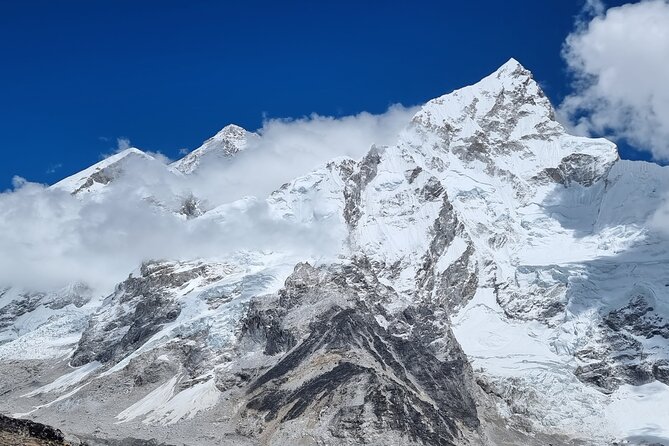
- Everest Base Camp is only part of it: Gorakshep and Khumbu Glacier views lead into the main moment.
- Kala Patthar is the sunrise target: it’s a high, early push with huge payoff.
- You get guided culture stops: monasteries, Sherpa villages, and a museum visit add meaning beyond photos.
- Crew support can make or break the trip: guides like Padam and Pralad Simkhada are praised for staying organized and upbeat.
Everest Base Camp, but with a smart climb
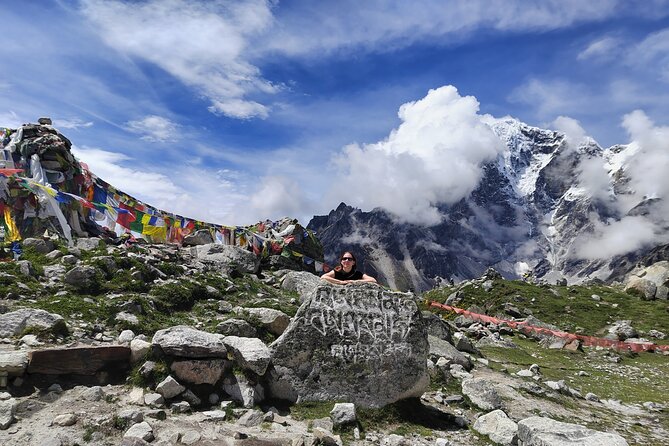
Everest Base Camp is often sold as one destination. On this trek, it feels more like a sequence of worlds, each one higher and a little more dramatic than the last. Starting from the Dudh Koshi valley, the trail gradually moves you toward the Khumbu heart, where the mountains get sharper and closer.
What I like about this itinerary is the balance between effort and breathing time. You’re not trying to brute-force altitude day after day. You’ll get a proper acclimatization stop in Namche Bazaar and another in Dingboche, which matters because your body needs time to adjust.
The big “moment” days are real, too. You’ll reach Everest Base Camp after a long day from Lobuche to Gorakshep and onward, and then you’ll chase sunrise from Kala Patthar. That second hit is why so many people talk about the trip as more than a checkbox.
More Treks in Kathmandu
- Everest Base Camp Trek – 14 Days
★ 5.0 · 1,499 reviews - Everest Base Camp Trek
★ 5.0 · 842 reviews - Everest Base Camp Trekking
★ 5.0 · 485 reviews
Kathmandu Day 1 to Day 3: a smooth start, then a very real Lukla leap
Kathmandu is where you get set up and try to sleep like a person before the mountain takes over. On Day 1, you land at Tribhuvan International Airport and transfer to a 3-star hotel in Thamel, with options like Thamel Eco Resort or The Address Kathmandu Hotel. It’s a practical start, with an easy base for getting your gear in order.
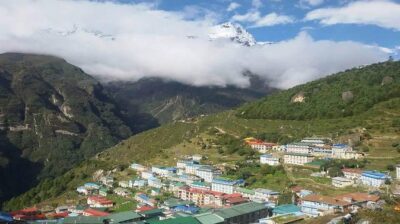
Day 2 is the pivot. You fly to Lukla (2886m), then trek toward Phakding (2640m). This first walking day is often the one where your legs feel the most elastic because the climb is gentle, following the left bank of the Dudh Koshi. You also get that early taste of big peaks across the valley, with Nupla visible nearby.
On the way, you’re mostly learning the trail rhythm: small climbs, short descents, and frequent chances to pause and look up. The teahouse you reach in Phakding gives you a first real night in the trekking ecosystem, where dinner and tomorrow’s schedule become the main storyline.
A key consideration here is mental: Lukla flights can be weather-sensitive. You’ll want a calm plan, since your trek timing depends on getting into Lukla, then out later.
Phakding to Namche: rivers, park gates, and Sherpa village texture
Day 3 climbs into Namche Bazaar (3440m) after a trek that’s all about the Dudh Koshi valley. You’ll cross and pass through places like Monjo, and you’ll also deal with the Sagarmatha National Park service entry fee, which gets deposited as part of the process.
If you want to understand the region beyond Instagram angles, Day 3 and Day 4 are where it happens. The trail threads through forest sections, smaller villages, and viewpoints where the valleys look deep enough to be unreal. You’ll feel the altitude as you move upward, but the day is still manageable if you keep your pace steady.
Namche itself is a high-altitude hub. On Day 4, you stay there for acclimatization. You’ll take it seriously but not in a boring way: you’ll walk up to Khumjung and visit the small monastery, plus the Sherpa museum near Namche. This is where Sherpa culture stops feeling like a “fact” and starts feeling like a lived community with history and pride.
Namche to Tengboche: monastery day with big mountain theatre
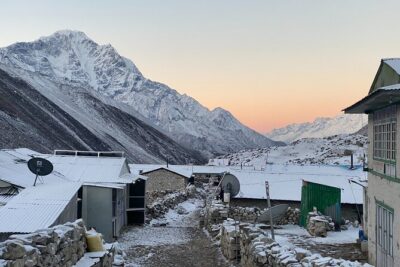
Day 5 pushes you from Namche to Tengboche (3867m). The trail leaves a steep cliff above the Dudh Kosi and opens the sky for wide views of Everest, Lhotse, Nuptse, Ama Dablam, and more. This is a day for slow walking and frequent stops, because the panoramas show up in layers.
Tengboche is not just a place to sleep. You’ll visit the monastery area and pass through stops like Trashinga and Phunki Tenga on the way. The monastery setting gives the trek a spiritual weight, especially when the air is clear and the mountains frame the buildings.
One practical bonus: Tengboche is known for good sunrise and sunset views of Everest and Ama Dablam. If you like photographing early light, you’ll appreciate how the day is set up for it.
More Everest Base Camp treks:
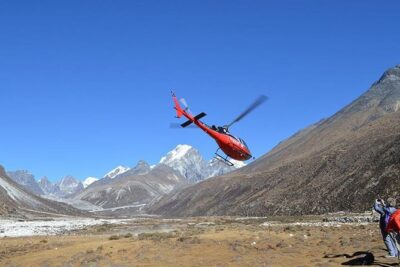
- Everest Base Camp Helicopter Tour landing at Everest View Hotel
★ 5.0 · 668 reviews - Everest Base Camp Trekking – 13 Day
★ 5.0 · 365 reviews - Everest Base Camp Trek
★ 5.0 · 350 reviews - Everest Base Camp Trek -14 Days
★ 5.0 · 321 reviews
Tengboche to Dingboche: higher, quieter, and better for acclimatization
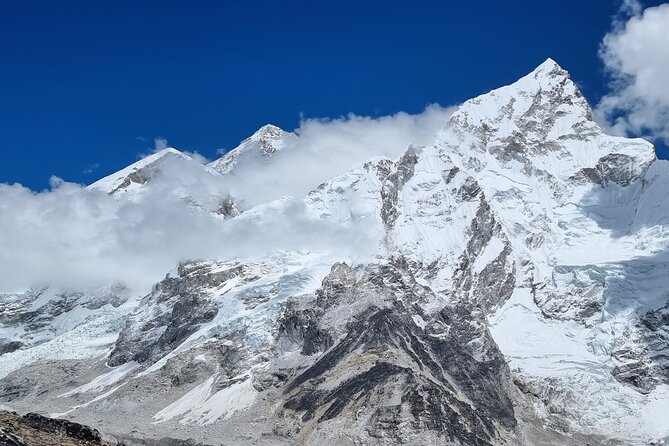
Day 6 moves you to Dingboche (4260m). You’ll descend through a rhododendron forest and go through Deboche, then cross a suspension bridge at Imja Khola. This kind of trail variation matters. It keeps you from feeling like you’re doing the same slope every day.
Dingboche sits under major peaks like Ama Dablam, Nuptse, and Lhotse. You’ll feel the altitude more here, not because you’re struggling constantly, but because your pace naturally slows.
Day 7 is another acclimatization day, with an optional hike up to Chhukum in the afternoon. That gives your body the benefit of movement while your lungs learn the altitude. You’ll also get expansive views of Island Peak, Ama Dablam, Makalu, and surrounding peaks on clear stretches.
Dingboche to Lobuche: the view sharpens, and the terrain gets serious
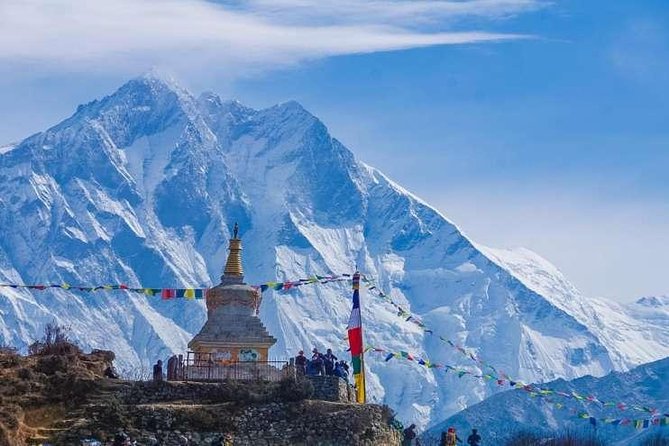
Day 8 is a climb toward Lobuche. You’ll trek from Dingboche for about five and a half hours under normal walking pace, reaching Lobuche after breaks and a lunch at Dugla (4595m). Along the way, you’ll be treated to big-wall views and mountain silhouettes that feel close enough to touch.
This day is also a useful mental check. It’s not the hardest day of the trek, but it nudges you into the “real Everest-region” feeling: rocky path edges, more exposed terrain moments, and less forest as you go higher.
The peaks you’ll spot include Tawache, Ama Dablam, Pokalde, Kongma-tse, and Nuptse’s dramatic presence. Even if clouds roll in sometimes, this is the part of the trek where you start realizing why people plan their lives around getting here.
Lobuche to Gorakshep, then Everest Base Camp: the main payoff
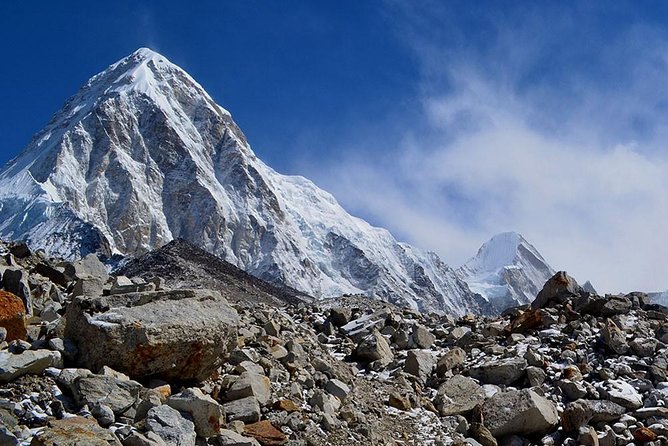
Day 9 is the classic “reward day,” heading from Lobuche to Gorakshep (5140m) and onward to Everest Base Camp. The route winds through rocky sections and past the Khumbu Glacier area, and the views of Nuptse, Lho-La, and Khumbutse show up fast.
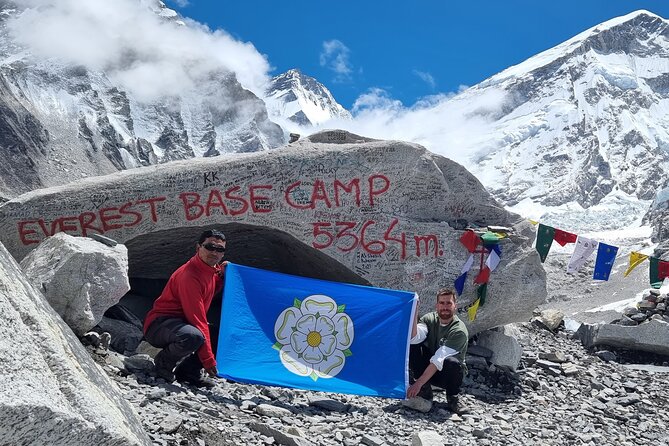
When you reach Everest Base Camp, the place hits you in two ways. First, it’s visually intense because the surrounding walls of rock and ice feel gigantic. Second, it’s emotionally intense because it’s the endpoint of days of effort.
The plan is simple but demanding. You’ll visit Everest Base Camp and return to Gorakshep for the night. That means you’re not lingering forever, you’re doing it like a trek, with enough energy left for the next day.
Kala Patthar sunrise, then Pheriche: go high, then come down
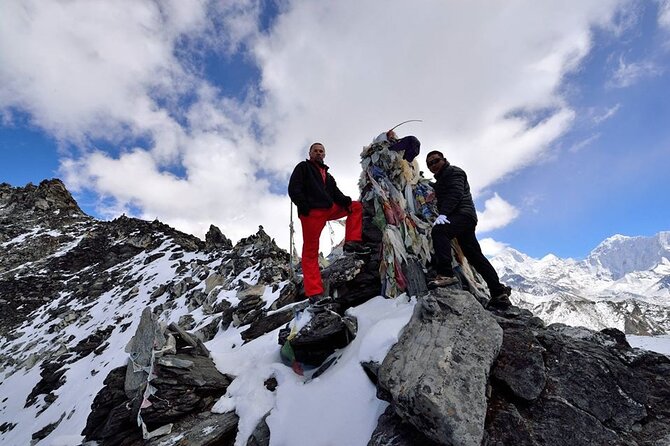
Day 10 starts with the push to Kala Patthar (5545m), then down to Pheriche (4243m). This is an early morning climb, and it’s timed for sunrise, so you’re going to feel the cold even if your daytime body is warmed up.
From Kala Patthar, you’ll get sweeping views of Everest and many neighbors, including Pumori, Lingtren, Khumbetse, Nuptse, Lhotse, Ama Dablam, and Thamserku. If you want one “wow” moment that feels earned and slightly unreal, this is it.
After sunrise, you’ll descend to Pheriche, and you’ll get practical help on the ground too. There is a Himalayan Rescue Association Aid Post available at Pheriche, with foreign volunteer doctors for medical treatment. Even if you’re healthy, knowing support exists can be reassuring.
Day 11 then takes you from Pheriche back toward Namche Bazaar (3440m). En route, you’ll visit Khumjung and Khunde and stop at a monastery that has a Yeti scalp display. It’s quirky, but it also adds character and local storytelling to the return journey.
The Lukla flight back and Kathmandu wrap-up: a real ending
Day 12 is your last trekking day, moving from Namche Bazaar down to Lukla. You’ll take about four and a half hours from Namche to Lukla, with lunch served en route. It feels good because your body recognizes the downhill as a reward.
Day 13 switches back to city life. You fly Lukla to Kathmandu early, then transfer to your hotel again. In the afternoon, you get time for shopping and a farewell dinner at Bhojan Ghar, described as a typical Nepali restaurant. This is a nice soft landing after days of teahouse meals and trekking snacks.
Day 14 gives you a chance to see Kathmandu without rushing, with options like Monkey Temple, Patan Durbar Square, Boudhnath Stupa, and Pashupatinath. Day 15 is departure day, with the group dropped at the airport by private car.
If you like a trip that ends cleanly, this schedule does that. You’re not left scrambling for transport on your last hours in Nepal.
Price and value: what $1,600 covers, and what it does not
At $1,600 per person, this trek can feel like a bargain or a lot, depending on what you compare it to. The strong value angle is that it includes the stuff that usually adds up fast for Everest region trips: airfare Kathmandu to Lukla and back, trekking permits, most meals during the trek, tea house lodging, and a licensed guide with first-aid training.
It also includes a porter for every two clients, plus staff expenses, medicine, and insurance for the crew. That means you’re paying for a working system, not just a person with a map.
On the other hand, some costs are clearly your responsibility. International flights are not included, and the Nepal visa is something you obtain on arrival. Travel insurance covering emergency high-altitude rescue and evacuation is not included either, and that is a big practical gap you should handle before you go. Also, Kathmandu lunches and dinners are not included, and personal trekking equipment is on you.
Tips for guide and porter are expected. That’s common in Nepal, but it’s still something to budget for, so it doesn’t surprise you mid-trek.
Overall, this price makes sense if you want guided support, permits handled, and logistical stress kept low while you focus on walking and acclimatizing.
The guide matters, and you should ask about theirs
The best part of any Everest trek is how your team handles the small moments: pacing decisions, tea house choices, and the ability to keep morale steady when weather changes plans. In past trips, guides such as Padam and Pralad Simkhada have stood out for staying attentive, organized, and in good spirits. People also praised communication by Hari Khadka, especially before and during the trip.
You can’t control every cloud bank on mountain schedules, but you can choose a trek operator that treats details as important. This itinerary is built around careful acclimatization stops and structured high-days, and a good guide makes those structures feel smooth, not mechanical.
Who this trek suits best
This is for you if you have strong physical fitness and you’re comfortable with long walking days at high altitude. The route is described as not extremely difficult, but it is not easy in the real-world sense, because the altitude is high and the days stack up.
You’ll also like it if you enjoy a mix of culture and mountains. The monasteries, Sherpa museum, Sherpa villages, and the Yeti scalp stop add meaning, not just scenery.
If you hate group travel, loud schedules, or you want total independence, this probably won’t feel like your style. But if you want a guided, structured trek with the essentials handled, it’s a solid fit.
Should you book this Everest Base Camp trek?
I’d book it if your priorities are clear: guided pacing, permits and domestic flights handled, teahouse comfort, and an itinerary that includes acclimatization days at Namche and Dingboche. The inclusion of porters, meals during the trek, and the licensed guide support means you spend your energy on hiking and altitude, not paperwork and logistics.
I would hesitate only if you’re not ready for the altitude reality or if weather-related flight uncertainty would stress you out. If you go in prepared, with proper insurance and the right mindset, this trek gives you the full Everest arc: Khumbu Glacier drama, Everest Base Camp arrival, then Kala Patthar sunrise with views that feel larger than life.
FAQ
What is the meeting time for this Everest Base Camp trek?
The meeting start time is 6:15 am.
How long is the trek?
The duration is listed as about 15 days.
Does the price include flights to Lukla and back?
Yes. Airfare for the Kathmandu to Lukla and return sector, including airport departure tax, is included.
What kind of lodging will I get on the trek?
You stay in guesthouses during the trek, mostly twin-share and sometimes dormitory-style rooms.
Is Everest Base Camp lodging included, or do I need a hotel there?
You’ll visit Everest Base Camp from the trekking route via Gorakshep. Guesthouse accommodation is provided during the trek nights, including at Gorakshep and Pheriche.
Are trekking permits included?
Yes. All necessary trekking permits are included. Tips for guide and porter are expected, but they are not included.
Latest additions near Kathmandu
- White Water River Rafting – 1 Day★ 4.3 · 3 reviews
- Traditional Momo Making Class★ 5.0 · 10 reviews
- Kathmandu to Pokhara Premium sofa bus ticket★ 4.0 · 17 reviews
- Ghorepani Poon Hill Trek★ 5.0 · 16 reviews
- Amazing 1 Day Trekking Experience in Kathmandu Nepal★ 5.0 · 24 reviews
- Ghorepani Poonhill Trek★ 5.0 · 5 reviews
- Walking tour of real Kathmandu through back streets.★ 5.0 · 3 reviews
- Wildlife Adventure in Chitwan Nepal★ 4.0 · 4 reviews
Everest Base Camp Treks, compared.
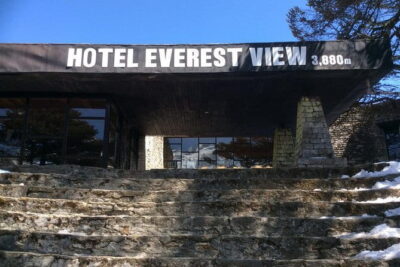
Everest Base Camp Helicopter Tour landing at Everest View Hotel
Read our review →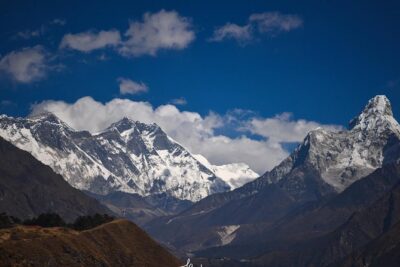
Everest Base Camp Helicopter Tour landing at Hotel Everest View
Read our review →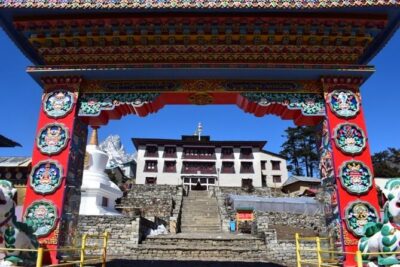
Browse the lists this tour appears in