
Reviewed · EVEREST BASE CAMP TREKS
Everest Base Camp Trek
You get Everest without the summit push. This 14-day private trek pairs Sherpa villages with serious mountain scenery, plus Kala Patthar for the close-up views. The one drawback to watch is altitude and stamina, especially on the long day to base camp and the return days from higher villages.
I also like how the trip is set up for your day-to-day reality, not fantasy fitness. You get a licensed trek leader, an assistant guide for the group, and a porter to carry your main luggage, so you spend more energy walking and less energy wrestling gear.
One more practical heads-up: flights into the Everest gateway can shift. Because of airport changes, you may need a night drive to Manthali (Ramechhap) for the short hop to Lukla, which adds early-morning fatigue on top of hiking.
In This Review
- Key highlights to look forward to
- Why this Everest Base Camp trek feels truly guided
- Price and what $1,169 really buys you
- Day 1 in Kathmandu: the Thamel warm-up that matters
- The Manthali, Ramechhap plan for the Lukla flight day
- Phakding and the river trails, where your lungs learn the rhythm
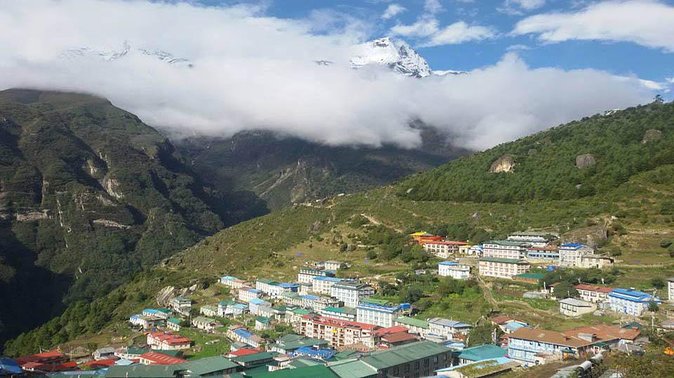
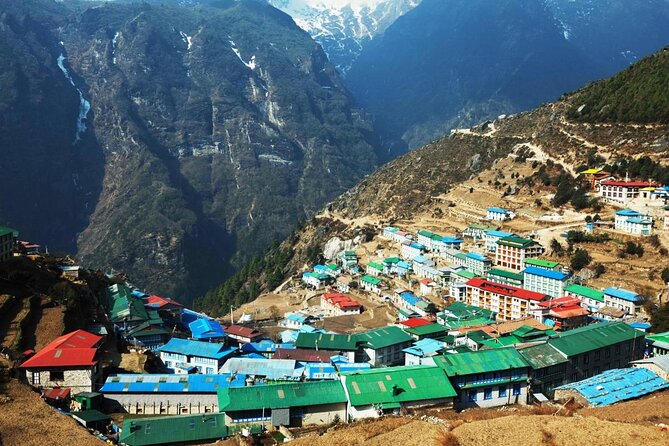
- Namche Bazaar: the Sherpa capital stop and first Everest sighting
- Acclimatize in Namche, then enjoy the Everest View Hotel
- Tengboche Monastery: where the trail slows down on purpose
- Dingboche and Nagarjun Hill: high altitude, but not technical
- Lobuche and the long trek day to Everest Base Camp
- Kala Patthar, 5,550 m: the viewpoint that changes your brain
- Downhill back to Namche and Lukla: keep your steps smart
- Kathmandu again, with a different kind of quiet
- Should you book this Everest Base Camp trek?
- FAQ
- What is included in the trek price?
- How big is the group?
- Do you provide permits and park fees?
- What about flights to Lukla?
- What is the highest point on the trek?
- What if I have to cancel or it is canceled due to weather?
Key highlights to look forward to
- Private guided feel with small group size (maximum 9 travelers), plus an assistant guide for personalized care
- Teahouses with big-window views, from Phakding and Namche to places like Gorakshep
- Kala Patthar (5,550 m), the trek’s highest point for that close Everest moment
- Sherpa culture touchpoints, including Tengboche Monastery and the Khumbu towns you pass through
- Altitude support kit, with a first aid kit, pulse oximeter, and essential medicines (including Diamox mentioned)
- Souvenirs included, such as a duffel bag, T-shirt, and trekking map
Why this Everest Base Camp trek feels truly guided
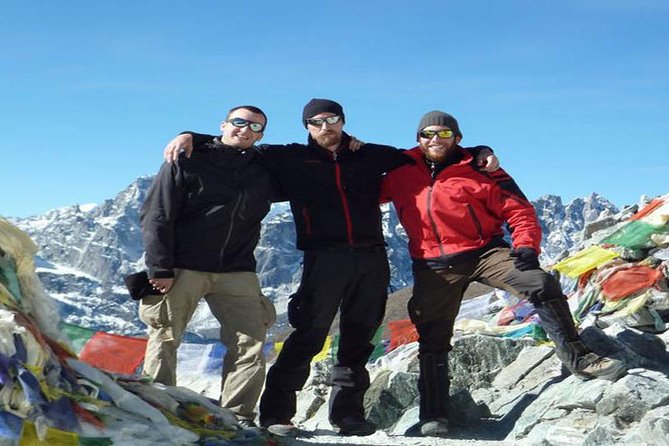
This is a private guided Everest Base Camp trek, not a “follow the dots” hike. With a maximum of 9 travelers, you usually feel like you’re in a real group, with enough people to share the experience, but not so many that you get lost in the crowd.
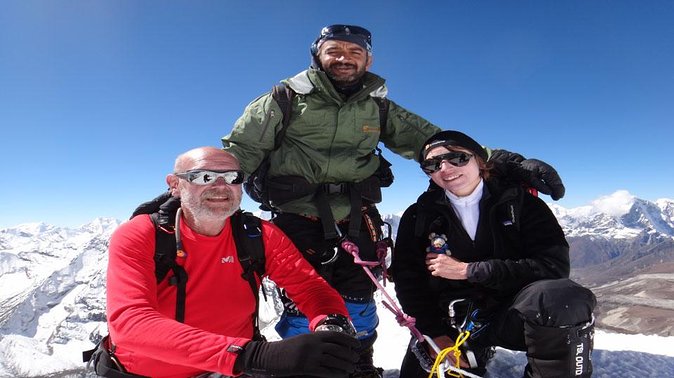
A big value here is the staffing. You have a highly experienced English-speaking trek leader, plus an assistant trekking guide with a 4 trekkers to 1 assistant ratio. That matters when the trail gets slow, when someone is struggling on steep sections, or when you need calm reassurance at high altitude.
And then there’s the porter setup. You carry your essentials, but your main luggage is handled by a porter (listed as 2 trekkers to 1 porter). On paper, that’s just a logistics line item. On the trail, it means you can keep moving without turning every day into a heavy-pack endurance test.
The best praise I see is consistent: the guides are praised for keeping people safe, coaching the group, and handling all the small details that can otherwise derail a trek. Names that show up again and again include Shiva Shrestha, Hari, and Avinash, with Himal mentioned in planning support. If you care about how someone runs the day, this trek is designed for that.
More Treks in Kathmandu
- Everest Base Camp Trek – 14 Days
★ 5.0 · 1,499 reviews - Everest Base Camp Trek
★ 5.0 · 842 reviews - Everest Base Camp Trekking
★ 5.0 · 485 reviews
Price and what $1,169 really buys you
At $1,169 per person, you’re not just paying for views. You’re buying a lot of what makes Everest logistics work: licensed leadership, porter help, meals, and the national park fees.
From the included items list, the core value pieces are:
- Twin-share tea house accommodation during the trek
- Full board meals (breakfast, lunch, dinner)
- Sagarmatha National Park entry fee and community fee
- Porter service to carry your main luggage
- Down jacket and sleeping bag, to be returned after the trek
- Guide and assistant guide services, plus first aid supplies and a pulse oximeter
- Souvenirs (duffel bag, T-shirt, trekking map)
Not included items you should plan around:
- Tips for guide, porter, and driver (tipping is expected)
- Travel and medical insurance
- Personal expenses like phone use, internet, laundry, snacks, battery recharge
- Accommodation in Kathmandu (unless you already have it sorted)
- Lukla flight is listed as not included
- Porter for solo traveler is listed as not included
One tricky point for planning: the overview says domestic flights are included, but the “not included” list specifically calls out Lukla Flight. If you book, ask the operator to spell out exactly what you’re covered for on the flight day, especially if your trek uses the Manthali to Lukla connection.
Day 1 in Kathmandu: the Thamel warm-up that matters
Kathmandu is where your trek starts before your first step. On arrival, you get picked up and escorted to your hotel, then you meet your trek leader and the team.
The practical part is the gear check. Your leader will help you sort what you need for cold nights, long walking days, and high-altitude conditions. This is also when it helps to do your last-minute shopping around Thamel, since many trekkers realize mid-day that they forgot gloves, a warm layer, or something small but crucial.
If you’ve never done a high-altitude trek before, this briefing is one of those quiet “makes or breaks” moments. You’ll learn what to expect and you’ll have time to ask questions before the mountains take over the schedule.
The Manthali, Ramechhap plan for the Lukla flight day
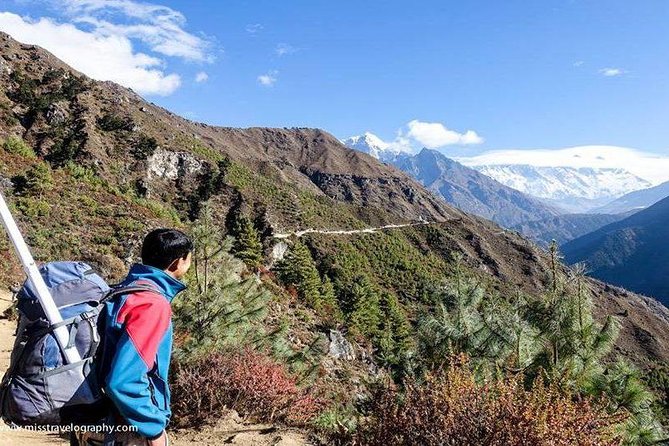
The route to the Khumbu often revolves around Lukla. But in this trek, the plan can change due to airport regulations and upgrades. You may fly from Manthali Airport in Ramechhap District instead.
That means a four-hour drive from Kathmandu during the night, followed by an early-morning flight that’s about 20 minutes. The mountain flight itself is described as spectacular, using a small Dornier or Twin Otter aircraft. You also get a vivid detail: the runway is 60 meters (197 feet) higher on one end than the other, and that landing is part of why people talk about the “Lukla moment” for years.
Real-world consideration: this day frontloads fatigue. Even if you sleep on the drive, you’re still going into a flight and then into hiking the next stretch. If you’re sensitive to early mornings or you hate night drives, talk to your operator before departure and confirm which airport setup you’ll use.
More Everest Base Camp treks:
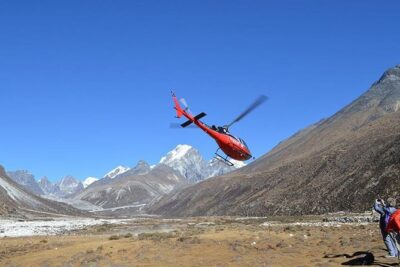
- Everest Base Camp Helicopter Tour landing at Everest View Hotel
★ 5.0 · 668 reviews - Everest Base Camp Trekking – 13 Day
★ 5.0 · 365 reviews - Everest Base Camp Trek
★ 5.0 · 350 reviews - Everest Base Camp Trek -14 Days
★ 5.0 · 321 reviews
Phakding and the river trails, where your lungs learn the rhythm
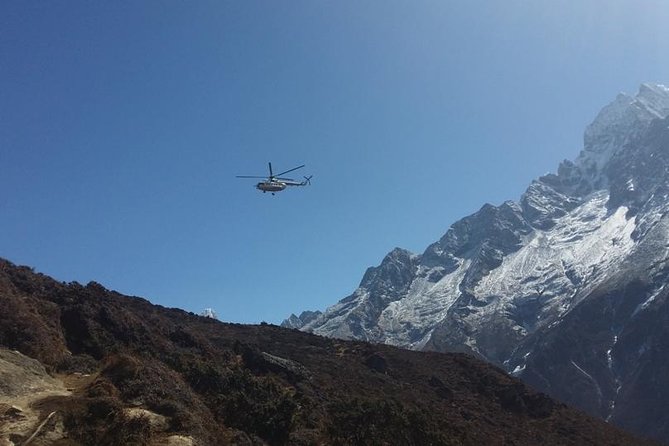
After landing in Lukla, you start trekking toward Phakding. The early trail is a mix of village paths and river views. You walk through Chauri Kharka village, descend toward the Dudh Koshi River, and follow the valley as the landscape opens up.
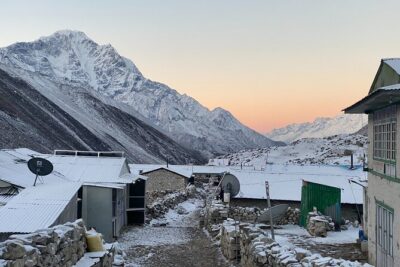
Phakding sits at about 2,610 m, in the Dudh Koshi Valley. It’s a small Sherpa village, and it’s a good “first taste” of how the Khumbu towns work. There’s time to stroll, interact with locals, and grab a hot drink. This is the kind of day where you’re not only training your body, you’re learning the vibe of the region.
En route, you may spot Khumbila, a sacred peak worshipped by Sherpas, and noted as one of the few unclimbed peaks in the Khumbu area where stepping on it is not allowed.
Namche Bazaar: the Sherpa capital stop and first Everest sighting
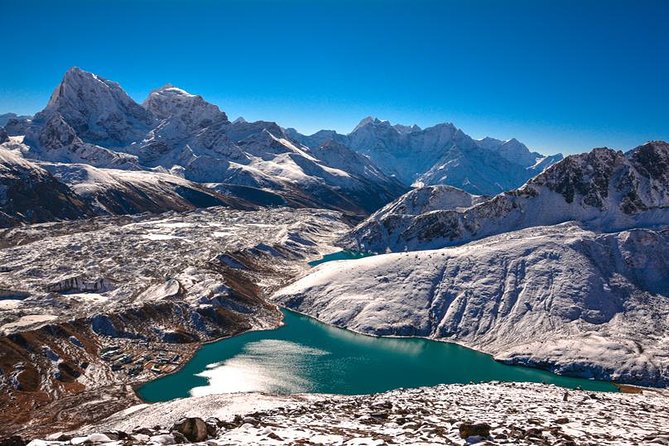
Your next big push heads to Namche Bazaar, often called the Sherpa capital. The trail crosses the milky glacial stretches of the Dudh Koshi River and climbs through forests with pine and a steady rhythm of suspension bridges.
One highlight of this section is the famous Hillary Suspension Bridge. It’s one of those structures you remember because you feel the movement of a high bridge, with the valley dropping away beneath you.
You’ll also need your permits ready as you approach the entrance to Sagarmatha National Park. That’s not glamorous, but it is part of the real Everest experience: this is a protected area with rules, and your presence helps fund conservation and community efforts.
The climb into Namche ends with that first view of Everest from a spot called Tope Danda. It’s not the full-on wall-to-wall Everest moment, but it’s a powerful “yes, it’s real” view that helps you mentally carry the harder days.
Acclimatize in Namche, then enjoy the Everest View Hotel
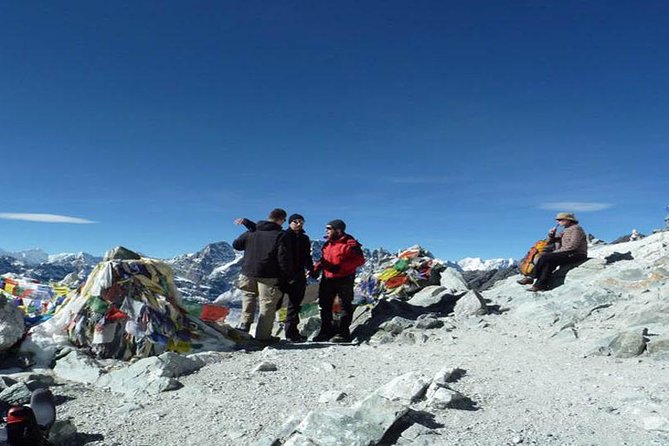
Day 4 is a rest and acclimatization day at Namche Bazaar. This is where you turn a hike into a trek. If you skip these breaks on high-altitude trips, you pay for it later.
Namche itself is practical: cafes, gear shops, and Wi-Fi linked spots. It’s a good place to check your water, re-pack layers, and use the day to choose a short hike that helps you acclimatize without draining you.
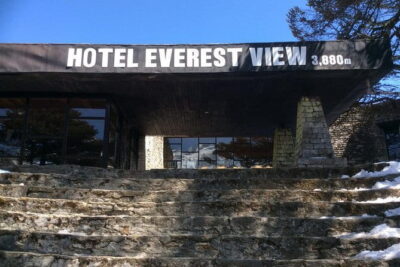
The trek schedule includes a highlighted option at Hotel Everest View, which sits on a ridge with sweeping 360-degree views and a view of Everest from many rooms. Even if you don’t treat it like a “luxury stop,” it’s a useful waypoint because you get a strong sense of the terrain you’re walking into.
You’ll also pass by Syangboche Airport area. The airstrip is described as the closest one to Everest Base Camp, but it’s also noted as not often used for trekkers who want safe, reasonably paced acclimatization. In other words, it’s there, but this trek is still built around walking your way up properly.
Tengboche Monastery: where the trail slows down on purpose
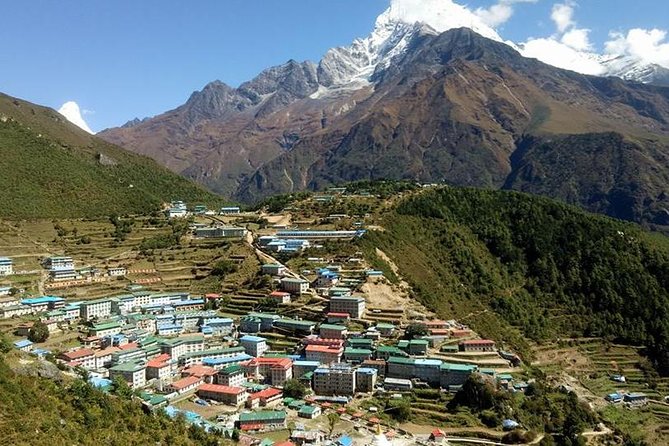
The day to Tengboche is one of the most rewarding stretches visually. You see big peaks in clearer frames, including Everest, Nuptse, Lhotse, Ama Dablam, Thamserku, and Kwangde.
The forest walk is part of the charm: juniper and rhododendron, with towering mountains looming overhead. This is also the day that brings you into Tengboche, a Sherpa village where the Tengboche Monastery dominates the scene.
The monastery is described as the largest Buddhist monastery in the Khumbu region, and sitting around 3,867 m. Visiting a gompa here gives you a quiet counterpoint to the physical effort of the trek. Even if you’re not religious, it helps you understand how daily life and mountain life are connected for Sherpa communities.
Dingboche and Nagarjun Hill: high altitude, but not technical
Dingboche is where you start feeling the altitude more clearly. The route to get there crosses toward the Imja Khola area via Pangboche, and the villages have a strong Sherpa feel and local food options.
You then take another acclimatization day in Dingboche. This is where your schedule turns smart. The plan includes an upward hike to Nagarjun Hill (about 5,100 m), with no technical sections. That’s important. You’re working on oxygen adaptation, not climbing skills.
From the hill, you get wide views across peaks like Makalu, Lhotse, Ama Dablam, Kantega, and Thamserku. You can also see the Imja glacier up close.
This day can be a little scrambly on loose rocks, so watch your footing. But the bigger “challenge” is altitude. If you pace yourself and drink water, this acclimatization hike is designed to help you handle the next stage with more confidence.
Lobuche and the long trek day to Everest Base Camp
After Dingboche, the trek continues to Lobuche, and you’re moving toward harsher, more glacier-adjacent terrain. You’ll walk along the lateral moraine of the Khumbu Glacier and pass stone memorials for climbers who have perished.
This is a heavy day emotionally and physically. The schedule also warns that breathing problems may arise due to altitude. That’s not drama, it’s a reality check.
Then comes the big one: the day walk to Everest Base Camp. The walk time is listed around 7 to 8 hours (about 12 km), with a return to Gorak Shep for the night. The trek covers the Khumbu Glacier and climbs to 5,365 m at Base Camp, described as the closest you can get to Everest without mountaineering equipment.
If you’re hoping for the “wow” moment, this is it. The Khumbu Icefall views from base camp are noted as spectacular, and during spring there may likely be expedition teams present. Even when it’s busy, the landscape makes the whole experience feel bigger than any checklist.
A practical tip for this day: plan for a slower pace than you think. You will feel altitude, even if you’re fit.
Kala Patthar, 5,550 m: the viewpoint that changes your brain
You’ll go from Gorak Shep to Kala Patthar after breakfast. Kala Patthar is listed as the most popular viewpoint in the Everest region and also your trek’s highest point at about 5,550 m.
The big reason people do this is simple: Everest’s summit is not visible from base camp, so Kala Patthar is your best shot for a close-up view. The viewpoint is surrounded by icy walls of Mount Pumori, Everest, Nuptse, and Lhotse, with a 360-degree view.
You also get those classic sunrise-style lighting moments, when the rocky pinnacle of Everest catches early light. You’ll feel it in your photos, but you’ll also feel it in your body because you’re standing high and cold and the air is thin.
After Kala Patthar, you return to Gorak Shep and head down toward Pheriche for the night. That descent is not only about covering distance. It helps your body recover from the highest point of the trek.
One more realism check: teahouses at Gorak Shep are described as basic. Some more modern amenities exist there, including satellite high-speed internet access in recent times. If you need constant connectivity, you might find it, but do not count on it like at home.
Downhill back to Namche and Lukla: keep your steps smart
Your return schedule is a mix of long walking days and downhills that can still be tough on knees.
From Pheriche you trek down to Tengboche, and by late afternoon you reach Namche Bazaar. That late-day arrival matters because it gives you enough time to reset, eat well, and sleep.
Then the trek brings you to Lukla again. On the way you pass the Hillary Suspension Bridge area and through local villages until you reach Lukla. This is your last night in the mountains.
If you want a simple rule for this stage: keep your stride short. Even on downhill days, your body can pay back the effort. The reward is that you can finally let your brain switch from “survival pacing” to “enjoy the valley” mode.
Kathmandu again, with a different kind of quiet
On day 13, you return to Kathmandu, wake early to see the peaks one more time, and then transfer to your hotel. After the trek, Kathmandu can feel loud and fast, which is normal.
Thamel is still the easiest place to eat and decompress. You’ll be able to recognize many of the peaks you saw on the way up, which makes dinner feel extra meaningful because it’s tied to real routes you walked.
Then on day 14 you head to the airport for your international flight. If you want more time in Nepal, this is the moment to extend, even just for a calmer city stay after 14 days of high-altitude effort.
Should you book this Everest Base Camp trek?
I’d book this if you want:
- Guided support with a licensed trek leader and assistant guide, especially if it’s your first time on this route
- Teahouse trekking with full board meals and included park fees
- A trek that actively builds in acclimatization at Namche and Dingboche
- The Kala Patthar viewpoint included as the big payoff moment
I’d think twice if:
- You’re very sensitive to early starts, since the Manthali to Lukla flight plan can include a night drive
- Your travel planning depends on being sure about flight inclusions, since the “Lukla Flight” line item is listed as not included
- You hate carrying any personal weight, because porter service is provided but solo-traveler porter details are specifically listed as not included
If you go in with realistic pacing and a plan for altitude, this trek is a strong value for the money. You get the mountain highlights, plus the kind of organized human support that makes Everest feel possible, one step at a time.
FAQ
What is included in the trek price?
The price includes airport pick up and drop off by private vehicle, a licensed English-speaking trek leader, an assistant guide, porter service for main luggage, Sagarmatha National Park entry and community fees, a first aid kit and pulse oximeter with essential medicines, twin-share tea house accommodation, and full board meals. It also includes souvenirs like a duffel bag, T-shirt, and a trekking map, plus a down jacket and sleeping bag to be returned after the trek.
How big is the group?
This trek has a maximum of 9 travelers.
Do you provide permits and park fees?
Yes. The Sagarmatha National Park entry fee and community fee are listed as included.
What about flights to Lukla?
The flight plan may change due to airport regulations, and you may fly from Manthali Airport in Ramechhap District, with an early morning flight to Lukla after a night drive. Lukla Flight is listed as not included, so confirm exactly what flights you are covered for at booking.
What is the highest point on the trek?
Kala Patthar is the highest point, listed at 5,550 m.
What if I have to cancel or it is canceled due to weather?
You can cancel up to 3 days in advance for a full refund. If canceled due to poor weather, you will be offered a different date or a full refund.
Latest additions near Kathmandu
- White Water River Rafting – 1 Day★ 4.3 · 3 reviews
- Traditional Momo Making Class★ 5.0 · 10 reviews
- Kathmandu to Pokhara Premium sofa bus ticket★ 4.0 · 17 reviews
- Ghorepani Poon Hill Trek★ 5.0 · 16 reviews
- Amazing 1 Day Trekking Experience in Kathmandu Nepal★ 5.0 · 24 reviews
- Ghorepani Poonhill Trek★ 5.0 · 5 reviews
- Walking tour of real Kathmandu through back streets.★ 5.0 · 3 reviews
- Wildlife Adventure in Chitwan Nepal★ 4.0 · 4 reviews
Everest Base Camp Treks, compared.
Everest Base Camp Helicopter Tour landing at Everest View Hotel
Read our review →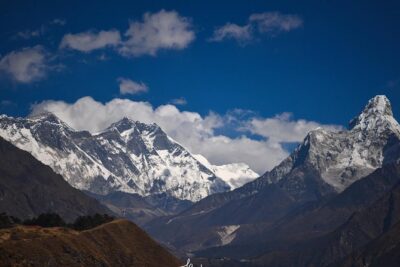
Everest Base Camp Helicopter Tour landing at Hotel Everest View
Read our review →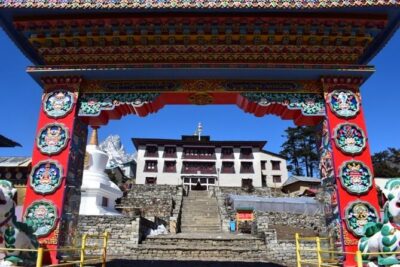
Browse the lists this tour appears in