
Reviewed · EVEREST BASE CAMP TREKS
Everest Base Camp Trek 14 days
Everest Base Camp feels painfully close. This 14-day trek from Kathmandu to the high Himalaya is built around smart altitude steps above 5000m, with enough structure to keep you moving without feeling rushed. I love how the trip handles the key logistics for you, from airport pickup to the domestic flights, so you can focus on breathing, walking, and taking in the snow peaks.
I also like the human side of the planning. The owner, Bimal Dahal (often called Happy Bimal), is known for answering questions clearly in advance and even sharing lodging options and pictures so you have a realistic sense of what to expect. One consideration: you are going high, including a dawn climb to Kalapathar at 5550m, so the trek is demanding and weather can affect flights to Lukla.
Key points I think you will care about
- Bimal Dahal planning support before you arrive, including answers and even lodging previews
- Lukla flights included to save you from a long overland start
- Acclimatization days built in at Namche Bazaar and Dingboche
- Full-board meals on trek, plus three cups of tea or coffee per day
- Porter support (1 porter between 2 people) to reduce the load
- Permits handled via TIMS and the Everest National Park trekking entry permit
In This Review
- Everest Base Camp with Happyland Treks, what it really feels like
- Before Day One: Kathmandu prep that actually matters
- Price and logistics: is $1,897 good value here?
- Getting to Lukla at 2840m: why this flight changes everything
- Phakding to Namche Bazaar: the climb that teaches you pacing
- Namche Bazaar day: use the time, don’t just sleep
- Tengboche to Dingboche: higher altitude, gentler days
- Lobuche and Gorakshep: where the trek starts feeling very high
- Kalapathar at sunrise: the payoff and the workload
- Pangboche to Namche: a long descent that still needs care
- Namche to Lukla and the flight back to Kathmandu
- Included meals and tea-house comfort: what you should expect
- The support team: guide, porter, and the medical kit
- Who this trek suits best, and who should reconsider
- Should you book this Everest Base Camp trek with Happyland Treks?
- FAQ
- What is included in the trekking portion for meals?
- Are flights to Lukla included?
- What permits are included for trekking?
- How does porter support work for your group?
- Where do you meet the tour, and what time does it start?
- Can you cancel for a full refund?
Everest Base Camp with Happyland Treks, what it really feels like
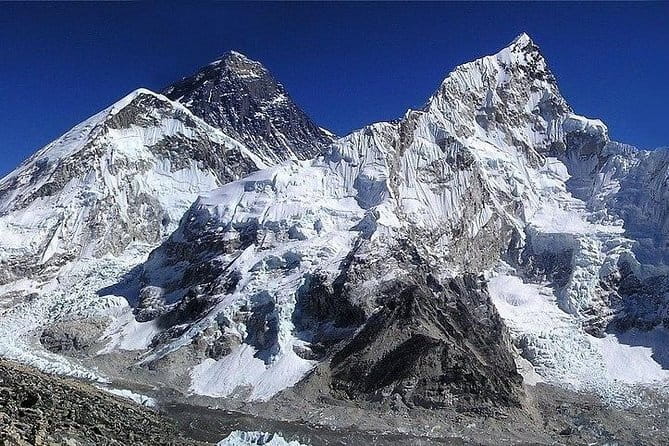
If you have ever looked at Everest photos and wondered what it would feel like to be near that world, this trek is the honest answer. It is not just a checklist of high points. It is a slow, stair-step experience where the air gets thin, your muscles get efficient, and the mountains keep getting bigger, then bigger again.
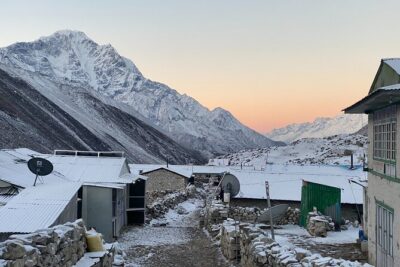
This is a tea-house trek, meaning you sleep in simple lodges along the way and eat what is available locally. That matters because it turns the trek into a steady rhythm, not a logistics scramble. You will still do plenty of walking, but you are not hauling tents or organizing every meal stop.
You also get a real guide and a support team. The plan includes an English-speaking guide, a medical kit, and staff support, plus a trip certificate and even a company duffel bag and a t-shirt. Small perks, sure, but they also signal that this operator expects to run trekkers through the full routine, not just to “show up and see what happens.”
Before Day One: Kathmandu prep that actually matters
Kathmandu starts the way many mountain trips should: with time to get organized. You arrive, transfer to your hotel, and spend the night there to prepare. It sounds basic, but after a flight day, that one extra night is your buffer for jet lag and last-minute details.
You also get airport pickup and drop by car, van, or bus. That reduces the first-day stress, and it helps if you are arriving early or late. It also means you will not be trying to figure out transport while you are still sorting your own bags and energy.
On this trip, preparation is part of the value. You are not just paying for days on a trail. You are paying for the pieces that keep the start from turning into a mess.
More Treks in Kathmandu
- Everest Base Camp Trek – 14 Days
★ 5.0 · 1,499 reviews - Everest Base Camp Trek
★ 5.0 · 842 reviews - Everest Base Camp Trekking
★ 5.0 · 485 reviews
Price and logistics: is $1,897 good value here?
At $1,897 per person, this is not a budget trek, but it is also not just “pay for walking.” The included package covers a lot of the expensive moving parts:
- Two nights in Kathmandu with breakfast
- TIMS card and Everest National Park trekking entry permit
- Tea-house accommodation during the trek
- All standard meals while trekking, with breakfast and lunches and dinners counted for the trek days
- Three cups of tea or coffee per day
- An English-speaking guide
- Porter service with a practical ratio of one porter between two people
- Domestic flight tickets Kathmandu to Lukla and Lukla to Kathmandu, plus airport tax
- Medical kit and staffing costs like insurance and medicine for staff
What you will pay extra for is clearly your personal and emergency risk. The trip does not include travel medical insurance or emergency evacuation costs. It also does not include your Nepal entry visa fee, international airfare, tips for guide and porter, or personal expenses like hot showers, battery charging, and water bottles.
So the value question becomes simple: if you want flights handled, permits handled, meals and lodging handled, and human support in place, the price makes sense. If you were planning to DIY much of it, you could lower the cost, but you would also increase the risk of delays and wrong turns, especially around Lukla.
Getting to Lukla at 2840m: why this flight changes everything
On day two, you fly from Kathmandu to Lukla (2840m) on a short flight of about 40 minutes. Then you start walking right away, with breakfast in Lukla followed by a trek to Phakding (2610m).
That first walking day is your on-ramp. Even though the altitude is high, the route drops slightly from Lukla to Phakding, which helps you settle into the routine. It is a gentle start that still gets you out of the city and into the mountains.
Flights into Lukla are weather dependent. The trip notes that it requires good weather, and you should be ready for the reality that timing can shift. The good news is that the operator builds the trek around the standard pattern of acclimatization days and a return flight back to Kathmandu from Lukla later.
Phakding to Namche Bazaar: the climb that teaches you pacing
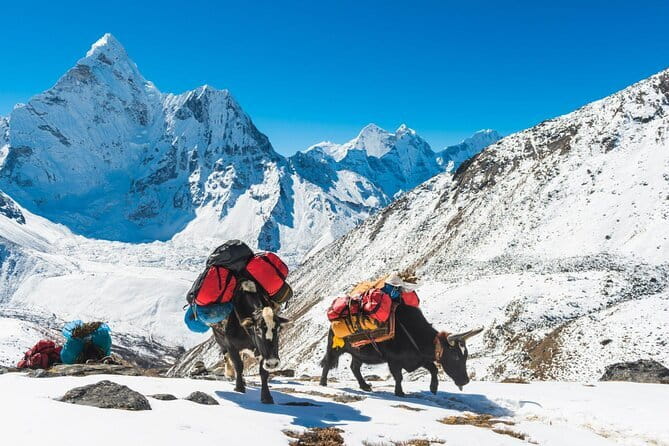
The trek from Phakding to Namche Bazaar climbs to 3440m, and you pass through Monjo along the way. This is where your body starts negotiating with the altitude, not with the trail.
This is also a stretch where your strategy matters more than speed. If you go too hard, the altitude reminds you quickly. If you keep the pace steady and breathe calmly, you will arrive able to explore, not just collapse.
Then you get what most people underestimate: a full acclimatization day in Namche Bazaar. You rest, chill, explore, and enjoy the views from one of the Himalaya’s better-known hubs. That rest day is not wasted time. It improves your odds of moving comfortably through the higher sections later.
More Everest Base Camp treks:
- Everest Base Camp Helicopter Tour landing at Everest View Hotel
★ 5.0 · 668 reviews - Everest Base Camp Trekking – 13 Day
★ 5.0 · 365 reviews - Everest Base Camp Trek
★ 5.0 · 350 reviews - Everest Base Camp Trek -14 Days
★ 5.0 · 321 reviews
Namche Bazaar day: use the time, don’t just sleep
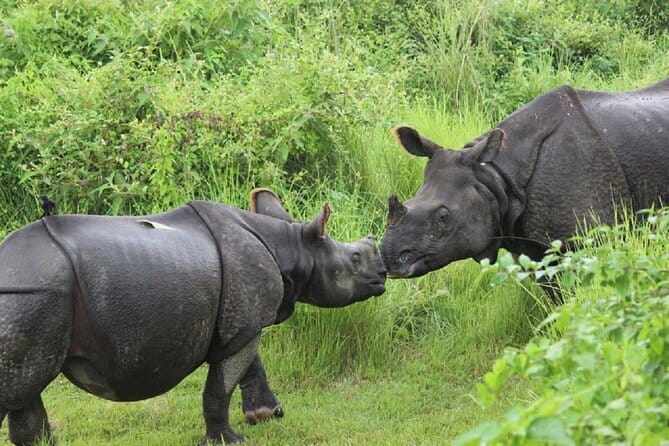
The Namche acclimatization day is built for adjustment. Yes, you can rest. But I recommend you do a little exploration around your lodge area and take breaks often. You are trying to feel comfortable in altitude, not to win a walking contest.
Namche is also a place where you can get your bearings. You will see the flow of trekkers coming and going, and you will learn what the trail feels like on different altitudes. The views matter too, but the real value is mental: you settle into the rhythm, and you stop thinking of altitude as a sudden jump.
Tengboche to Dingboche: higher altitude, gentler days
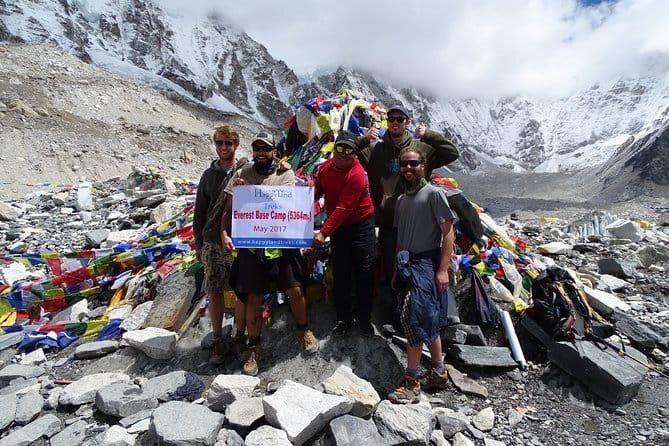
From Namche Bazaar, the trek continues to Tengboche (3868m), a big step up in elevation. Tengboche is a turning point because the air feels different, and your effort gets more noticeable with every switchback.
Then you move to Dingboche (4410m). Again, this is a climb that will feel serious even if your legs are strong. The trip wisely adds another acclimatization day at Dingboche, where you can explore around and let your body catch up.
That second acclimatization stop is a gift. By the time you reach Dingboche, you have already done enough climbing to understand what to avoid. This day helps you repeat good habits: slow steps, enough water, and staying warm even when the sun drops.
Lobuche and Gorakshep: where the trek starts feeling very high
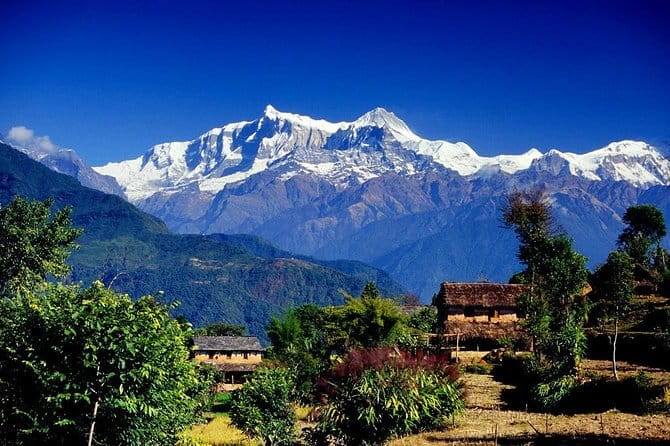
After Dingboche, you head toward Lobuche (4910m). This is already beyond where many people feel comfortable. The air is thin, and you start noticing that breath control matters as much as leg strength.
Then comes a key day: trekking from Lobuche to Gorakshep (5180m), plus going on to Everest Base Camp at 5364m. You will overnight in Gorakshep.
This is the part of the trek where the landscape and glacier scenery becomes the main event, not the walk itself. But remember: Base Camp is reached at high elevation, so you do not need to sprint, and you definitely do not want to burn energy you will need the next morning.
Tea-house life continues here too, and that is part of the realism. You get a place to sleep, food, and a routine. The higher you go, the more that routine matters.
Kalapathar at sunrise: the payoff and the workload
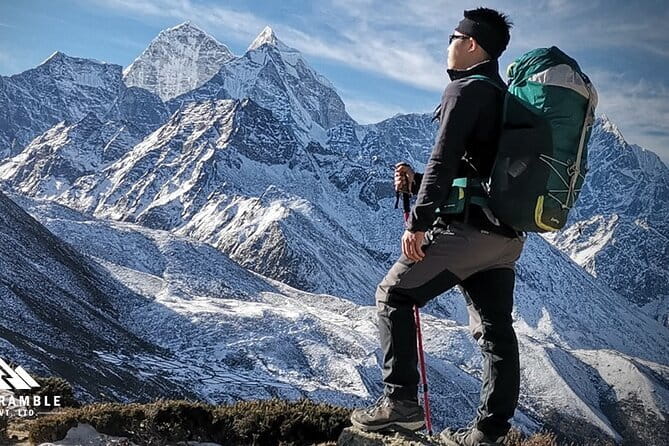
The early morning hike to Kalapathar (5550m) is one of the big reasons people choose Everest Base Camp trekking. The goal is sunrise and mountain range views, including Mt Everest. Then you hike back to Gorakshep, have breakfast, and continue on to Pangboche (3990m) for the night.
This day is long and physical. It is also emotionally intense, because you are chasing light while your body is working hard at altitude. If you are prone to rushing, practice patience early. Slow movement helps you conserve warmth and breath.
I also like that this plan does not stop at Kalapathar and call it a day. It follows the high effort with a descent to Pangboche (down to 3990m), which gives your body a little relief.
Pangboche to Namche: a long descent that still needs care
From Pangboche, you trek back to Namche Bazaar (3440m). This is where people sometimes feel confident and then get sloppy. Descent is not a free pass.
Your knees and ankles still work. Your pace matters. You will still be high enough that you cannot treat it like a casual downhill walk.
But there is also a big emotional payoff here: you are reversing your path, seeing familiar areas again, and it feels like the trek is truly turning into a journey home.
Namche to Lukla and the flight back to Kathmandu
After Namche, you trek to Lukla (2840m). Then you fly to Kathmandu (1336m) the following day.
This is the moment where practical success shows up. Once you reach Lukla, your trek chapter ends and the city chapter begins. Your body will still feel tired, but the altitude pressure becomes less intense as you drop down.
In Kathmandu on the final day, you can depart for your international flight, or if you have extra time, you can take the day to shop and sightsee at your own pace. It is a nice buffer after the mountain grind.
Included meals and tea-house comfort: what you should expect
This trek includes standard meals while trekking, plus three cups of tea or coffee a day. In practice, this means you are not left hunting for food at every stop, which is important when your energy levels are changing day to day.
Tea-house accommodation is part of the deal. That is simple lodging, and it works because you know the routine is consistent. As altitude rises, comfort depends on the lodge, not on luxury. You can also expect that “extras” like a hot shower, battery charging, or extra drinks are personal expenses.
If you hate uncertainty, this structure helps. If you hate simple rooms, you might struggle, but at least you are not guessing about whether food and sleep will be available.
The support team: guide, porter, and the medical kit
An English-speaking guide is included, and that matters because you will be making decisions every day: pacing, timing, and how to respond to altitude.
You also get porter service with a clear ratio: one porter between two people. That means you can travel lighter and protect your stamina for the uphill work. It is a big deal, especially on the highest days where you want your energy reserved.
There is a medical kit included, plus staff insurance and medicine support. What is not included is your personal travel medical insurance and any evacuation costs. That is not a small footnote. It is a serious reality check for anyone planning a high-altitude trek.
Who this trek suits best, and who should reconsider
This is best suited for people with moderate physical fitness who want a structured Everest Base Camp trek without having to run logistics. If you like clear pacing, acclimatization days, and an operator that takes permits and flights seriously, this fits well.
It also suits travelers who want a real human point of contact. The owner, Bimal Dahal, is specifically mentioned as easy to reach with detailed answers and helpful pre-trek sharing like lodging options and pictures.
If you are dealing with health conditions affected by altitude, or you are not ready for long, cold early mornings, you should talk with your doctor before committing. The trek goes above 5000m multiple days, including 5550m for Kalapathar.
Should you book this Everest Base Camp trek with Happyland Treks?
I would book this if you want a classic Everest Base Camp route with acclimatization built in, domestic flights handled, meals and tea-house stays covered, and a guide plus porter support that makes the trek feel like a plan, not a scramble.
You should think twice if you want a low-cost DIY style experience, or if you are not comfortable with altitude intensity and early starts. This trek is not a gentle stroll, it is a high Himalaya commitment.
If you are the type who asks questions before you go, you will probably like this operator. The emphasis on advance clarity and the owner’s direct planning support, including detailed answers and lodging previews, is the kind of comfort that makes the start of a tough journey easier.
If you want, tell me your trekking experience level and your target month. I can help you sanity-check whether this pacing and route fit your comfort with altitude.
FAQ
What is included in the trekking portion for meals?
You get standard meals while trekking, with breakfast, lunches, and dinners included, plus three cups of tea or coffee per day. Tea-house accommodation is also included during the trek.
Are flights to Lukla included?
Yes. Domestic flights are included for Kathmandu to Lukla and Lukla to Kathmandu, along with airport tax.
What permits are included for trekking?
The package includes a TIMS card and an Everest National park trekking entry permit.
How does porter support work for your group?
Porter service is included on a basis of 1 porter between 2 people, so you share porter support rather than having one porter per person.
Where do you meet the tour, and what time does it start?
The meeting point is Happyland Treks in Kathmandu, and the start time is 5:00 am.
Can you cancel for a full refund?
Yes. Free cancellation is available, and you can cancel up to 24 hours in advance for a full refund. The trip can also be canceled due to poor weather, with an offer of a different date or a full refund.
Latest additions near Kathmandu
- White Water River Rafting – 1 Day★ 4.3 · 3 reviews
- Traditional Momo Making Class★ 5.0 · 10 reviews
- Kathmandu to Pokhara Premium sofa bus ticket★ 4.0 · 17 reviews
- Amazing 1 Day Trekking Experience in Kathmandu Nepal★ 5.0 · 24 reviews
- Ghorepani Poonhill Trek★ 5.0 · 5 reviews
- Ghorepani Poon Hill Trek★ 5.0 · 16 reviews
- Walking tour of real Kathmandu through back streets.★ 5.0 · 3 reviews
- Wildlife Adventure in Chitwan Nepal★ 4.0 · 4 reviews
Everest Base Camp Treks, compared.
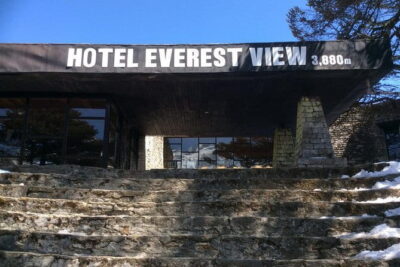
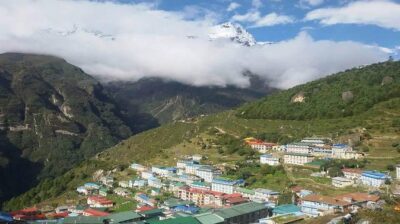
Everest Base Camp Helicopter Tour landing at Everest View Hotel
Read our review →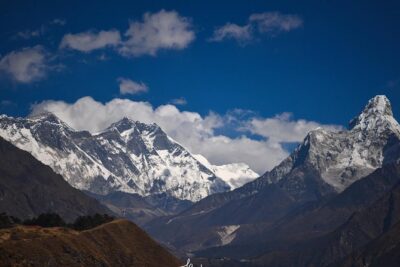
Everest Base Camp Helicopter Tour landing at Hotel Everest View
Read our review →
Browse the lists this tour appears in