
Reviewed · EVEREST BASE CAMP TREKS
Everest Base Camp Trek – 14 Days
That first step onto the Everest trail feels unreal.
This 14-day hike links Kathmandu culture to Sagarmatha National Park, then pushes you up through Sherpa villages toward the Khumbu Glacier and Everest Base Camp. You get the full altitude arc, not just a postcard photo stop, plus a clear structure that helps you handle the climb.
I especially like the way the trip builds in real acclimatization time in Namche Bazaar and again around Dingboche, so you are not just grinding higher every day. I also like the practical support built into the logistics, including an English-speaking guide, a porter system (shared), and included permits and flights that remove a lot of guesswork.
One drawback to think about is weather and flight risk. The Lukla hops are short but not guaranteed, and this trek depends on good conditions, so you should be flexible in your expectations about timing and routing.
In This Review
- Key things I’d clock before you go
- Entering Kathmandu Mode: Hotel nights and an easy start in Thamel
- The Lukla flight and your first trail day to Phakding
- Namche Bazaar: acclimatization plus Sherpa culture, not just breathing practice
- Tengboche and Dingboche: monasteries, pine forests, and higher nights
- The optional Chhukung Ri day: choosing effort wisely
- Lobuche and Gorakshep: when the trail turns snow, slope, and silence
- Kala Patthar at 5,545 m: the Everest view you plan for, not just hope for
- Coming down to Namche: same route, but your body reads it differently
- Kathmandu again: last mountain looks before you fly home
- Price and logistics: whether $1,800 makes sense for you
- Who this Everest Base Camp trek fits best, and who should be cautious
- Should you book this Everest Base Camp trek?
- FAQ
- Where does the Everest Base Camp trek start?
- How do I get to Lukla?
- What is the trekking duration?
- Are permits and flights included?
- Is a porter included?
- Are meals included?
- Do I need travel insurance?
- Is there a minimum age for alcohol?
- Is the trek dependent on weather?
Key things I’d clock before you go
- Lukla flight timing and risk: Your route hinges on small-airport weather.
- Altitude plan that isn’t random: Namche and Dingboche give your body a chance.
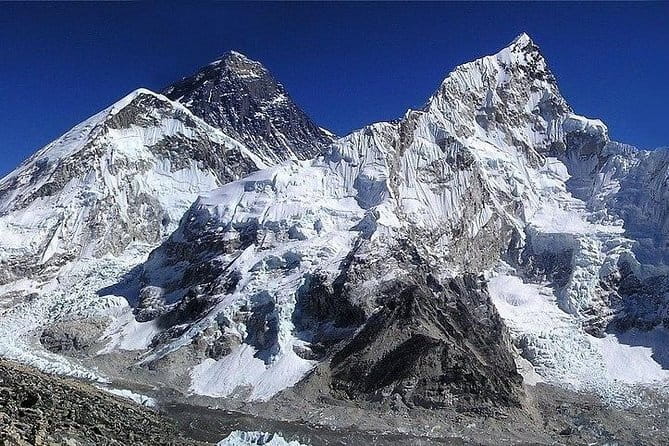
- Kala Patthar as the payoff: A high point built into the itinerary for Everest views.
- Sherpa life in the middle of big mountains: Villages, schools, and teahouses shape the days.
- Logistics you do not have to micromanage: Guides, permits, flights, and porters are included.
- Snowy, tree-line travel near Lobuche and beyond: Expect a different feel once you go above the treeline.
Entering Kathmandu Mode: Hotel nights and an easy start in Thamel
Your trek starts in Kathmandu, and that matters more than people think. After you land, an airport representative meets you with a sign and gets you to the hotel. You also start the next day from Tribhuvan Airport at 6:15 am, so you are not wasting precious energy figuring out transport at the last minute.
Two nights in Kathmandu are included in a 3-star hotel or similar. That is a real value add for an Everest trek because you arrive tired, slightly overstimulated, and in need of sleep that is not wonky. The Kathmandu leg is also where you can do the small, easy prep tasks that keep the mountains calmer later, like stocking up on snacks or a few last-minute trekking items.
If you are the type who likes structure, this itinerary gives it to you without feeling overbearing. You know when you will move, who you will meet, and how the first big leap of the trek works. That confidence pays off later when everything gets harder.
More Treks in Kathmandu
- Everest Base Camp Trek – 14 Days
★ 5.0 · 1,499 reviews - Everest Base Camp Trek
★ 5.0 · 842 reviews - Everest Base Camp Trekking
★ 5.0 · 485 reviews
The Lukla flight and your first trail day to Phakding
On Day 2, you take a scenic flight from Tribhuvan International Airport in Kathmandu to Tenzing and Hillary Airport in Lukla (2,804 m). The flight is short, about 35 minutes, but it is one of the key pressure points of the whole trip. In Everest trekking culture, Lukla is where weather can turn your plan into a puzzle.
Once you land, your guide briefs you and introduces the porters. Then you start hiking toward Phakding, dropping to the Dudh Kosi River and joining the main trail to Namche. Your route passes through small villages, including Ghat (2,550 m), and you end up in Phakding around 2,610 m.
Why I like this first walking day: it is long enough to get moving but not so punishing that you arrive wrecked. It sets your rhythm early. The terrain is also the first taste of the Everest region, where you can look around and see the trail, river valleys, and village life all in one frame.
What to watch for: even though it is called an easy day, you still need to manage effort. Fresh lungs beat heroic pace every time, especially with altitude in the background.
Namche Bazaar: acclimatization plus Sherpa culture, not just breathing practice
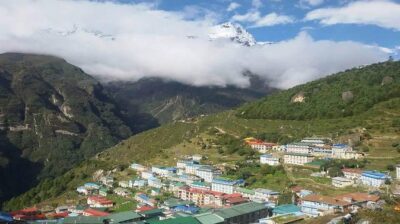
You reach Namche Bazaar, the main Sherpa hub in the Khumbu region. On the way, you pass forests, traditional villages with plowed fields, and yak pastures. This is one of those sections where the hike does not feel like you are only climbing. You get a layered view of how people actually live next to the mountains.
Namche is also where the trip does altitude management in a way that feels intentional. After lunch, you keep going toward Namche, and on the next day you get a full acclimatization focus.
One of the best parts here is the built-in flexibility: you are not forced into a single plan. You can hike around the area for a few hours, or visit the school in Khumjung built by Sir Edmund Hillary. That small cultural detour turns a “rest day” into something meaningful. You are still adapting to altitude, but you are also learning why this region is such a magnet for mountaineers and long-term Sherpa support systems.
The view list from this day is huge in the real way, not the brochure way. You can see peaks like Thamserku, Kangtega, Nuptse, Lhotse, Ama Dablam, and of course Everest. Seeing all that while your body catches up helps keep motivation steady for what comes next.
Possible drawback: Namche days can tempt you to overdo it because you finally feel human again. Use the day to move, not to prove you can sprint.
Tengboche and Dingboche: monasteries, pine forests, and higher nights
Day 5 moves you from Namche toward Tengboche. The trail goes up slowly, sometimes close to steep slopes. You get sweeping mountain views, including Ama Dablam, and the scenery turns more forested with rhododendrons and pine trees. The pace is the point on this day, not speed.
You also lunch at around 3,680 m. That detail matters. Eating high means your body is working while you fuel, so it is smart to keep portions sensible and drink consistently. After lunch, you reach Tengboche and spend the night.
Then Day 6 brings you to Dingboche at 4,410 m. This is one of the “higher altitude feels different” moments. You will notice the route choices described as lower and upper paths, plus the trail crossing alpine meadows above the tree line. Once you get that above-tree-line vibe, the mountains feel sharper and the air changes.
Dingboche is also a good place to relax while still being in the middle of it. From here you can see Ama Dablam and the Imja River. The village has practical trekking infrastructure too, including an Internet Cafe and lodging like Moonlight Lodge. The fact that there is a high-billing billiards hall mentioned in this area tells you something real: people come here for long stays, not only overnight stops.
The drawback to keep in mind is that Dingboche nights can feel “quietly serious.” Your breathing will be a little more deliberate, sleep can be lighter, and your energy budget gets tighter. That is normal, not a failure.
More Everest Base Camp treks:
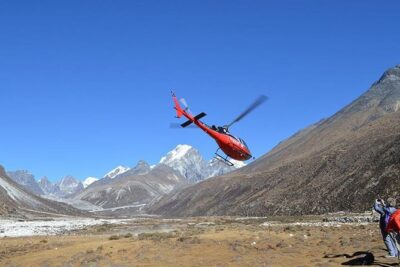
- Everest Base Camp Helicopter Tour landing at Everest View Hotel
★ 5.0 · 668 reviews - Everest Base Camp Trekking – 13 Day
★ 5.0 · 365 reviews - Everest Base Camp Trek
★ 5.0 · 350 reviews - Everest Base Camp Trek -14 Days
★ 5.0 · 321 reviews
The optional Chhukung Ri day: choosing effort wisely
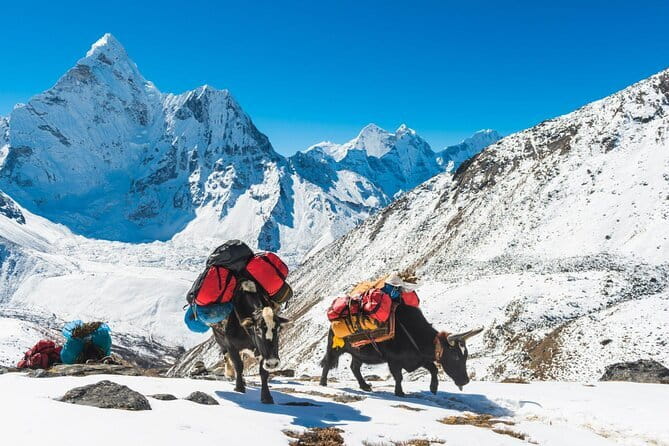
On Day 7, you get another day off in Dingboche, and you can choose your effort level. One option is hiking to Chhukung Ri (5,550 m), an outcrop with big views of Makalu, Ama Dablam, and Baruntse. Another option is just hiking around Chhukung village at 4,730 m and keeping it calmer.
This is one of the smartest “choose your own day” setups in an Everest route because it lets you match your body to your plan. If you feel good and want a higher view, you can push. If you are feeling the altitude, you can still move and enjoy the scenery without going too high.
Either way, you return to Dingboche after lunch. The lunch part is up to you, including a popular hotel choice like Bright Star. I like that it is not rigid, because on high-altitude days the best plan is often the one that matches how you feel at breakfast.
Lobuche and Gorakshep: when the trail turns snow, slope, and silence
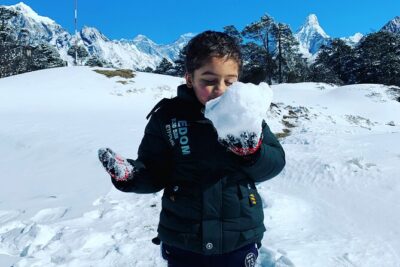
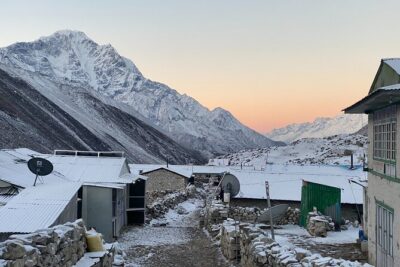
Day 8 shifts you toward Lobuche via wide valleys and yak fields. You pass through Dusa and continue toward Lobuche (4,910 m). Above the tree line, the environment changes fast. Paths become emptier, snow-covered, and the green stops. Instead, you are looking at slopes and snow patterns, with tea houses scattered like small islands.
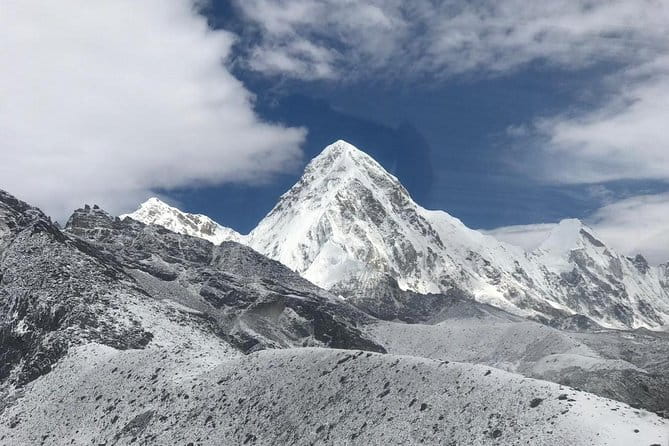
There are no Sherpa villages at Lobuche described in the route, which makes it feel more like a functional trekking stop than a community hub. The upside is you get intense mountain visibility. You can spot peaks like Tawache, Pumari Peak, and Cholaste, and you notice how close the big shapes are to your walking level.
Day 9 moves you from Lobuche to Gorakshep and then toward Everest Base Camp. The walking time is listed as two to three hours for the section, and it includes passing the Khumbu Glacier, described as the world’s tallest glacier, about 12 km long and shaped like the moon.
That glacier detail is not trivia. Walking through that area changes your sense of scale. You are on ground that feels sculpted and unfinished. The route includes ice formations and small water pools, and it is the part where the mountain feels less like a backdrop and more like an active force.
Everest Base Camp itself is described as where climbers start their journey upward. Standing there is one of those “words fail” moments on any trek, but you do not need poetic explanations. You can feel why the place matters, even if you are not climbing.
Kala Patthar at 5,545 m: the Everest view you plan for, not just hope for
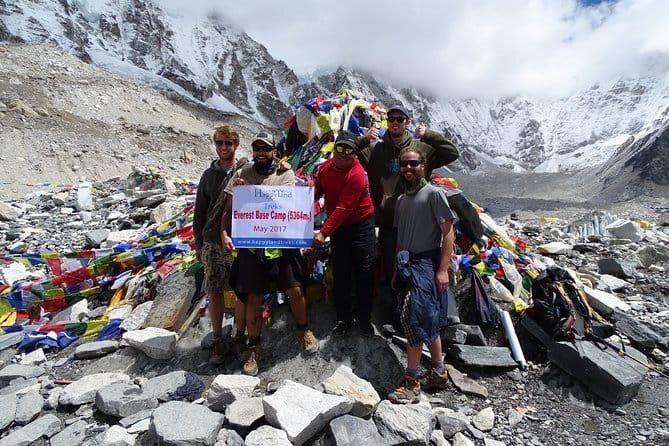
Day 10 is built around Kalapatthar, the highest point of this trek at 5,545 m. This is the day you hike toward the viewpoint and get close views of Mount Everest and nearby peaks like Ama Dablam and Pumori.
This day is not just about the summit view. It is also about timing. Even if clouds roll in, you will have already earned the moment you do get. The trek’s value is that the itinerary includes the hard view day, not a casual “if the weather is good, maybe you’ll see something” strategy.
There is also an additional stop option described here: you can visit the H.M.A.R. hospital built in 1975 or the nearby village at 4,371 m. That gives you a human counterweight to the huge mountain. You are reminded this region is not just for dramatic photos, it is for real infrastructure, medical care, and long-term effort.
Coming down to Namche: same route, but your body reads it differently
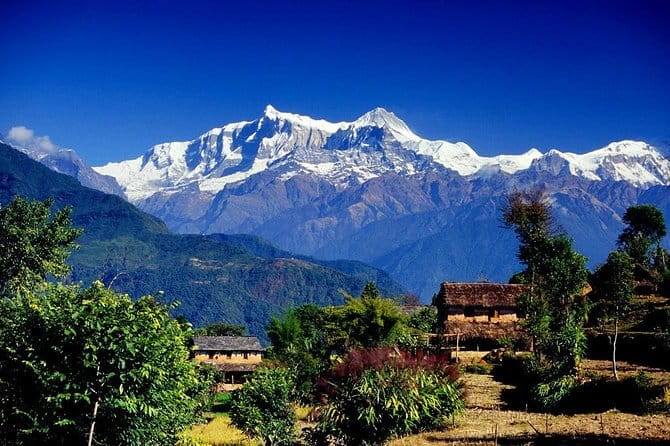
Day 11 returns you toward Namche Bazaar. The route is described as easy to walk, and you get numerous short stops for mountain views through Orsho, Somare, Pangboche, and Tengboche.
This is a tricky part psychologically. When you are going down, you might feel invincible and overconfident. The trail can still be uneven, and fatigue still builds. I like how the itinerary keeps the pace gentle here, with slow walking and planned viewpoints, so you get the mountains without turning the descent into knee damage.
Day 12 takes you back to Lukla, the finish point in the mountains. There is also time in the afternoon to relax, get a hot shower, and then meet the group for drinks and dancing in the evening. After 14 days, that kind of community moment can feel bigger than it sounds, especially if you have been quietly managing effort every day.
Kathmandu again: last mountain looks before you fly home
Day 13 brings the return flight from Lukla to Kathmandu. The schedule is a 35-minute scenic flight, meant to let you enjoy one last look at the range. Then the airport representative takes you back to the hotel.
On Day 14, you get dropped at Tribhuvan International Airport for your departure. This clean ending matters. When you end with solid logistics, you actually remember the trek instead of worrying about the next transfer.
If you want to extend your trip, Kathmandu offers options like jungle safari in Chitwan, river rafting, shopping, and mountain biking. The key is you will already be acclimated to Nepal by then, so planning extra days feels like a choice, not a scramble.
Price and logistics: whether $1,800 makes sense for you
The listed price is $1,800 per person, and the value comes from what is included rather than from what is excluded. Included items cover the big-ticket logistics: permits, the Kathmandu-Lukla-Kathmandu flights, a trekking guide (English speaking with 10+ years experience), and a porter arrangement where 2 guests share 1 porter for luggage.
You also get 2 nights in Kathmandu in a 3-star hotel and a chunk of meals (lunch, dinner, breakfast listed across the days). That meal coverage is practical on Everest because you do not want to spend your energy hunting for food choices at altitude.
Where you should be honest with yourself: this is still a high-altitude trek, so you will pay with effort and patience, not only money. You also need travel insurance that covers both medical and emergency evacuation, which is a real cost for many people, even if it is not listed in the tour price.
Tips for guide and porter are not included, and tipping is expected. That is normal in this region, and it is smart to budget for it before you land.
If you want a “plan it for me” experience with a professional local team handling the moving parts, this price structure tends to feel fair. If you are a hardcore DIY planner with your own gear, time, and altitude comfort built in, you might question the cost. But for most people chasing Everest with limited stress, the bundled logistics are the point.
Who this Everest Base Camp trek fits best, and who should be cautious
This trip is described as suitable for people with moderate physical fitness. The itinerary includes long hiking days (often listed at 16 hours), but it also spreads the altitude climb with acclimatization breaks in Namche and Dingboche.
You’ll likely love it if you want:
- A classic EBC route with culture stops and Sherpa villages, not only mountain scrambling
- A guided experience with practical logistics handled
- Big viewpoint days like Kala Patthar planned into the schedule
You should be cautious if:
- You are not comfortable with altitude and the idea that your body might force you to go slower
- You know you hate any travel uncertainty, because Lukla flights depend on weather
- You are counting on precise timing, down to the hour, in the Everest region
One more practical note: group size is capped at 15 travelers. That usually keeps things friendly without becoming chaotic.
Should you book this Everest Base Camp trek?
My short take: I would book if you want the classic Everest Base Camp experience with Sherpa culture built in and you prefer a team that handles the high-stakes parts like flights, permits, and guiding. The itinerary’s altitude rhythm, plus the inclusion of the big viewpoint at Kala Patthar, makes it feel designed for success, not luck.
I would hesitate if you need rigid scheduling, or if altitude stress would push you into panic. This trek can be dramatic. The best way to enjoy it is to treat it as a climb with a plan, not a race to the map pin.
If you are ready for mountains up close, and you want your time in Nepal to feel real, not hurried, this is a strong choice.
FAQ
Where does the Everest Base Camp trek start?
It starts at Tribhuvan Airport in Kathmandu, Nepal, with a start time of 6:15 am. The ticket redemption point is Nepal Trek Adventure and Expedition P. Ltd., Thamel Marg, Kathmandu 44600, Nepal.
How do I get to Lukla?
On Day 2 you take a 35-minute scenic flight from Tribhuvan International Airport in Kathmandu to Tenzing and Hillary Airport in Lukla.
What is the trekking duration?
The trek is listed as 14 days (approx.).
Are permits and flights included?
Yes. The package includes all permits and the flight from Kathmandu to Lukla and back to Kathmandu.
Is a porter included?
Yes. A trekking porter is included, and the plan is 2 guests sharing 1 porter for carrying your luggage.
Are meals included?
Yes. The package lists lunch, dinner, and breakfast as included (with counts listed in the included section).
Do I need travel insurance?
Yes. Travel insurance must be covered in both medical and emergency evacuation.
Is there a minimum age for alcohol?
Yes. The minimum age requirement for alcohol consumption is 18 years.
Is the trek dependent on weather?
Yes. The experience requires good weather. If it is canceled due to poor weather, you will be offered a different date or a full refund.
Latest additions near Kathmandu
- White Water River Rafting – 1 Day★ 4.3 · 3 reviews
- Traditional Momo Making Class★ 5.0 · 10 reviews
- Kathmandu to Pokhara Premium sofa bus ticket★ 4.0 · 17 reviews
- Ghorepani Poon Hill Trek★ 5.0 · 16 reviews
- Amazing 1 Day Trekking Experience in Kathmandu Nepal★ 5.0 · 24 reviews
- Ghorepani Poonhill Trek★ 5.0 · 5 reviews
- Walking tour of real Kathmandu through back streets.★ 5.0 · 3 reviews
- Wildlife Adventure in Chitwan Nepal★ 4.0 · 4 reviews
Everest Base Camp Treks, compared.
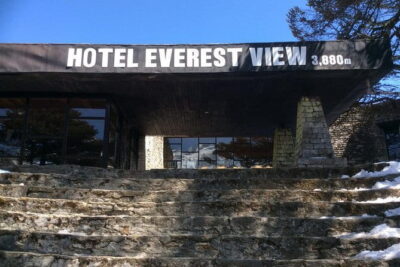
Everest Base Camp Helicopter Tour landing at Everest View Hotel
Read our review →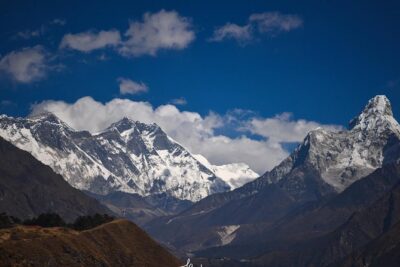
Everest Base Camp Helicopter Tour landing at Hotel Everest View
Read our review →
Browse the lists this tour appears in