
Reviewed · EVEREST BASE CAMP TREKS
Everest Base Camp Trek – 14 Days
Cold air, big peaks, real Khumbu life.
This Everest Base Camp trek is interesting for its step-by-step acclimatization and the way it mixes famous moments with everyday village rhythm across the Khumbu. You get the classic trekking arc from Lukla through Namche, Tengboche, Dingboche, Lobuche, and Gorakshep, then up to Kalapathar (about 5,545m) for wide-open Himalayan views.
What I like most is how the schedule builds in acclimatization time and viewpoint hikes instead of rushing. You also get strong on-the-ground coordination, with airport transfers in Kathmandu and a private trekking setup where only your group participates.
The main consideration is altitude and pacing. You will go up to Kalapathar and spend multiple days on 7- to 8-hour treks, so you should be ready for cold air, steep sections, and a moderate fitness base.
In This Review
- Key things that make this trek work
- 14 Days Around Everest Base Camp, with Kalapathar as the High Point
- Kathmandu Arrival: Private Transfers, a 3-Star Base, and a Clear First Morning
- Lukla to Phakding: That First Flight Glow and the Easy Start into the Khumbu
- Namche Bazaar: National Park Entry, a Rest Day That Actually Helps, and Viewpoint Loops
- Tengboche and Dingboche: Rhododendron Trails, the Major Monastery Stops, and Optional High Pushes
- Lobuche and Gorakshep: The Glacier Moraine Climb, Prayer Flags, and the Big Everest Day
- Kalapathar Sunrise Approach: Why This Day Feels Like the Climax
- Heading Back to Namche and Lukla: Monasteries, Village Culture, and a Controlled Descent
- Flights Back to Kathmandu and the Post-Trek Day You Can Actually Enjoy
- Support in Real Life: Guides, Lodges, and How the Trek Handles the Hard Parts
- Price and Value: What $1,099.06 Covers, and What You Still Need to Budget
- Who Should Choose This Everest Base Camp Trek?
- Should You Book This Everest Base Camp Trek?
- FAQ
- Where does the trek start and where is the meeting point in Kathmandu?
- What is the highest altitude on this trek?
- How do you travel to and from Lukla?
- Are meals and lodge accommodations included?
- Is the tour private?
- What is not included in the price?
Key things that make this trek work
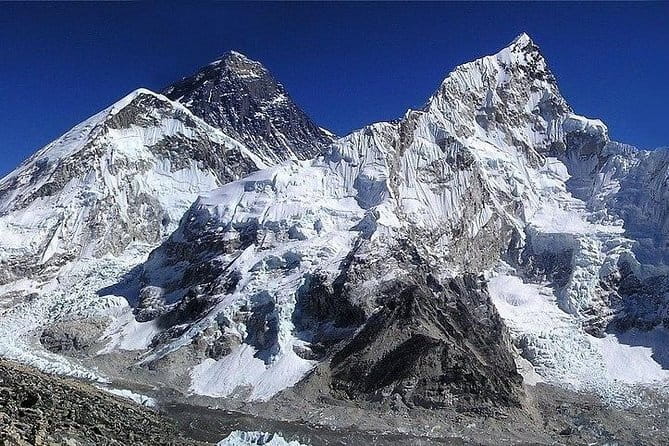
- Kalapathar at roughly 5,545m gives you the highest viewpoint on the route
- Acclimatization rests in Namche and Dingboche so your body has time to adjust
- Sagarmatha National Park entry adds a real sense of place and protection
- Lodges and meals are arranged for you, so you can focus on walking and breathing
- Cultural stops include Tengboche Gompa and the Pangboche monastery with local legends
- Strong support names show up repeatedly in feedback, including Ghan, Lila, Biru, Raju, and Santosh Tamang
14 Days Around Everest Base Camp, with Kalapathar as the High Point
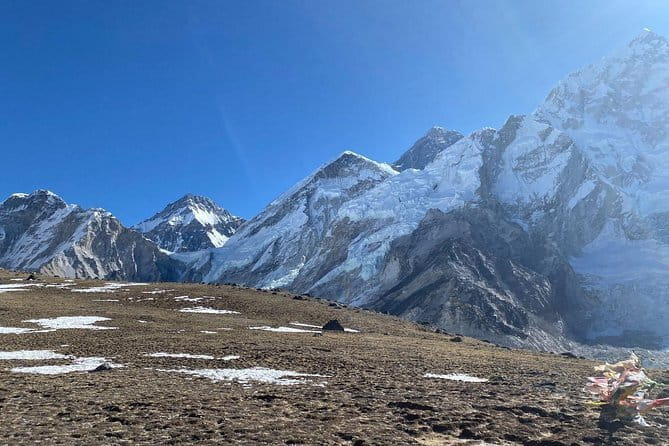
This is a 14-day Everest Base Camp trek that spends about 12 days in the mountain zone and 2 days in Kathmandu. The route is built like a ladder: you climb, rest, climb again, rest again, and then you push higher for the big viewpoint days.
The trip’s highest altitude target is Kalapathar, around 5,545m. That matters because your best moments up high are not only about scenery. They also depend on whether you pace well, drink enough, and let your breathing settle before you rush for photos.
Also note the emotional rhythm of the day-by-day plan. Some days are long and physical, others are shorter in feel because they are structured as acclimatization or a viewpoint loop. Even if the trek looks straightforward on paper, you’ll feel the difference in the field.
More Treks in Kathmandu
- Everest Base Camp Trek – 14 Days
★ 5.0 · 1,499 reviews - Everest Base Camp Trek
★ 5.0 · 842 reviews - Everest Base Camp Trekking
★ 5.0 · 485 reviews
Kathmandu Arrival: Private Transfers, a 3-Star Base, and a Clear First Morning
You land in Kathmandu, and a representative meets you at Tribhuvan International Airport. Then you ride in a private tourist vehicle to your hotel. You can relax, or swing by the office to get trek details, which is helpful if you like to get your bearings fast.
You spend two nights in Kathmandu at a 3-star hotel with breakfast. In practical terms, that gives you breathing room to sort gear, do a little shopping, and handle anything you forgot before trekking. On the final day, you also get a Kathmandu time block for shopping and a post-trek celebration with your group.
One detail I appreciate for value: the meeting point is clearly set at Himalayan Partner Treks and Expedition, 3rd floor, Thamel Marg, and the start time is 5:00am. That early start is not a problem if you’re prepared for it, but it is a reality. Plan to sleep early on both ends of the trek.
Lukla to Phakding: That First Flight Glow and the Easy Start into the Khumbu
Day 2 is where the trip becomes real. After breakfast, you go to a domestic airport terminal and fly to Lukla. The plan emphasizes the early-morning view from the flight, with the snowcapped mountains showing up as the light changes. When you land at Tenzing-Hillary Airport, you start trekking right away.
You meet the trekking crew at Lukla and then walk to Phakding. This first walking day is short and intentionally gentle in feel, because it is your first lodge night in the region. Phakding is where you’ll settle into the rhythm: tea house or lodge evening, simple meals, and an early night before you head toward Namche.
A small but smart thing here: starting from the airport itself helps you skip the long transfer scramble some treks force on day one. You start hiking with the day’s purpose already locked in.
Namche Bazaar: National Park Entry, a Rest Day That Actually Helps, and Viewpoint Loops
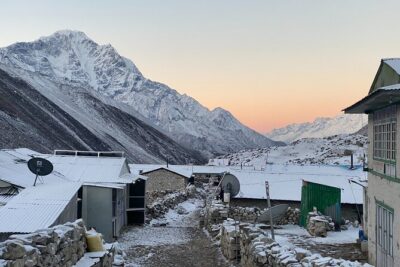
Day 3 pushes you into the Sagarmatha National Park zone. The route goes through pine forests and along the Dudh Koshi River, with mountain views including Thamserku along the way. Then you pass a checkpoint that marks the entrance to Sagarmatha National Park.
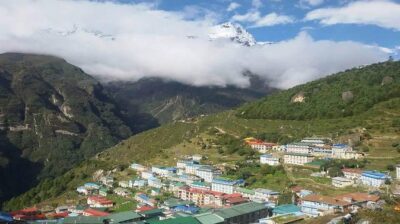
From there, you trek through the confluence area of Dudh Koshi and Bhote Koshi, followed by a steep ascent to Namche Bazaar. Namche is a big deal in the Khumbu. It’s the hub where you’ll find services like ATMs, internet cafes, and restaurants. Even if you don’t plan to use them much, knowing they are there reduces stress.
Then comes the acclimatization rest day in Namche. This is not a true zero day. You take a short hike to a nearby viewpoint area such as Thame or Khunde and you tour the Tourist Visitor Center, which covers information about Everest climbers, Sherpa people, and the local flora and fauna. You still sleep in a lodge that night, which keeps the acclimatization plan intact.
The practical win: this is where you learn to manage effort. You’ll feel the altitude more now than in Kathmandu, but the hiking is structured enough that you can adapt without panic.
More Everest Base Camp treks:
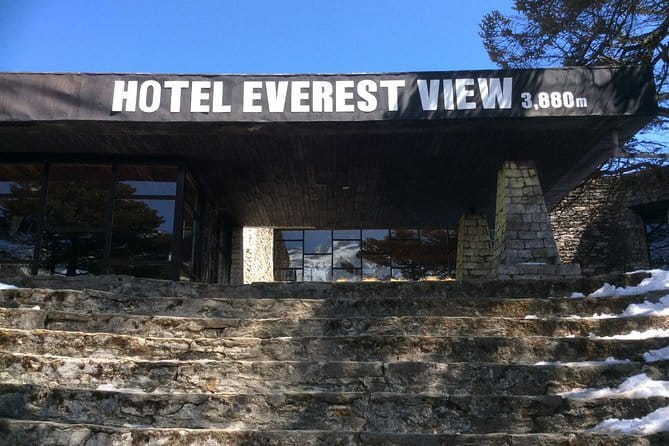
- Everest Base Camp Helicopter Tour landing at Everest View Hotel
★ 5.0 · 668 reviews - Everest Base Camp Trekking – 13 Day
★ 5.0 · 365 reviews - Everest Base Camp Trek
★ 5.0 · 350 reviews - Everest Base Camp Trek -14 Days
★ 5.0 · 321 reviews
Tengboche and Dingboche: Rhododendron Trails, the Major Monastery Stops, and Optional High Pushes
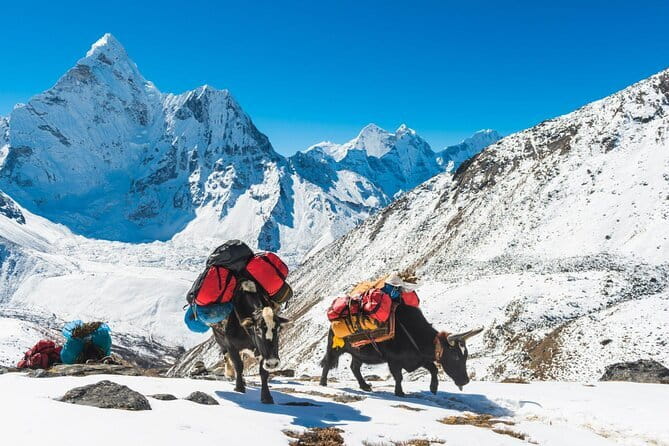
After Namche, the plan moves you toward Tengboche. The day includes juniper and rhododendron forests, plus mountain views along the trail. When you reach Tengboche, you visit Tengboche Gompa, described as the biggest monastery in the Sagarmatha region.
Monastery time does two useful things on an EBC trek. First, it gives you a mental reset when the trekking effort gets heavy. Second, it slows your pace just enough to notice details, like prayer flags and how the community organizes life around the seasons.
Day 6 and the move to Dingboche keeps that rhythm going, with an extended travel day that passes multiple villages including Pangboche, Shomare, Orsho, and Tsuro Wog. The views are a big part of this stretch, with mountains such as Ama Dablam, Nuptse, Lhotse, Thamserku, and others mentioned as you pass through the Khumbila Khola valley to a ridge top.
Dingboche then brings another acclimatization day. You have options on what to do, including hikes to Nangkartshang Peak (about 5,083m) or Chhukung Ri (about 5,546m). If you prefer a lighter day, you can also choose rest or short local walks around Dingboche and nearby areas.
This is a key value feature of the trip. Instead of forcing one single acclimatization hike, you get choices that match your comfort level.
Lobuche and Gorakshep: The Glacier Moraine Climb, Prayer Flags, and the Big Everest Day
From Dingboche, the route continues to Lobuche. You’ll tackle steep sections, including the terminal moraine of the Khumbu glacier and then the ascent to areas like Chupki Lhara. You also pass a memorial stone arrangement with prayer flags honoring American mountaineer Scott Fischer and Babu Chhiri Sherpa, who is noted in the plan as a 10-time Everest summitteer.
This is also the part of the trek where the air can feel different. The itinerary mentions you might experience little symptoms of altitude sickness along the trail. The best response is what the trip already encourages through pace and rest: keep moving steadily, stop when needed, and let your body settle before you force the climb.
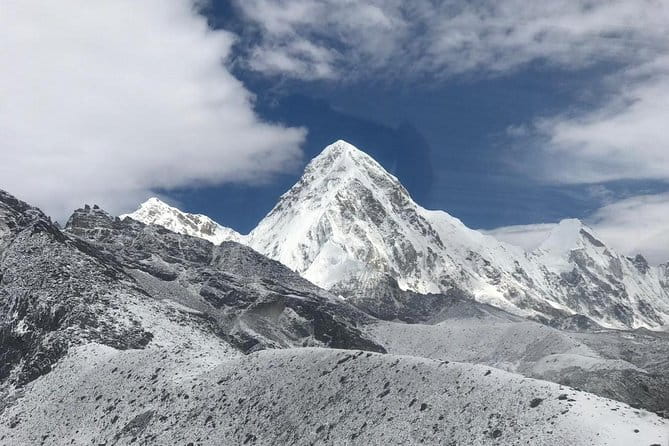
The plan’s most important day is the one that ties Everest Base Camp to Gorakshep. You trek to Base Camp at about 5,364m, then return to Gorakshep in roughly 7 to 8 hours of hiking. One detail worth knowing: from the route point mentioned as Thangma Riju, you get a 360-degree panoramic view, but Mount Everest itself is not seen from there. You may still see other major peaks clearly, including Nuptse and Pumori.
This is smart planning. You’re not counting on one single sighting moment. You’re building appreciation through layered viewpoints.
Kalapathar Sunrise Approach: Why This Day Feels Like the Climax
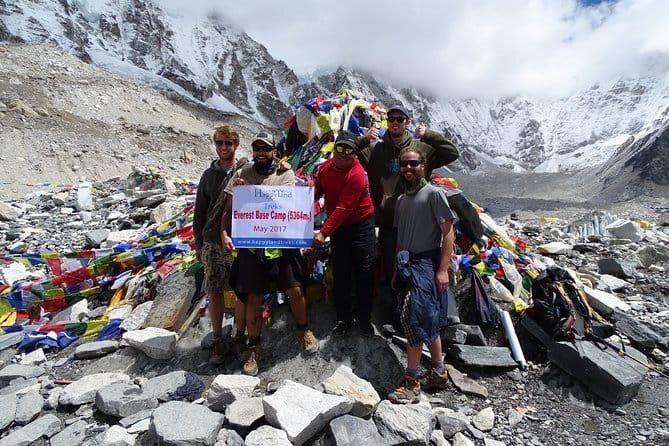
The trek’s climax day starts very early, so you can see the transition as dusk turns to bright morning light. You’ll pass viewpoints with peaks mentioned along the way, including Lingtren, Khumbutse, and Changtse.
Then comes the ascent to Kalapathar, which takes hours. The plan specifically recommends pausing to catch your breath and take photos at intervals. That kind of advice is not fluff. At this altitude, your body needs frequent micro-rests, and the trip builds that expectation into the climb.
After the viewpoint time at Gorakshep and Kalapathar, you start descending toward Pheriche after lunch, with the lodge night set for that return leg.
This is also where people tend to remember the trip for one reason beyond views: the feeling of working for it. You get that because the day is structured like a purposeful climb, not a casual walk.
Heading Back to Namche and Lukla: Monasteries, Village Culture, and a Controlled Descent
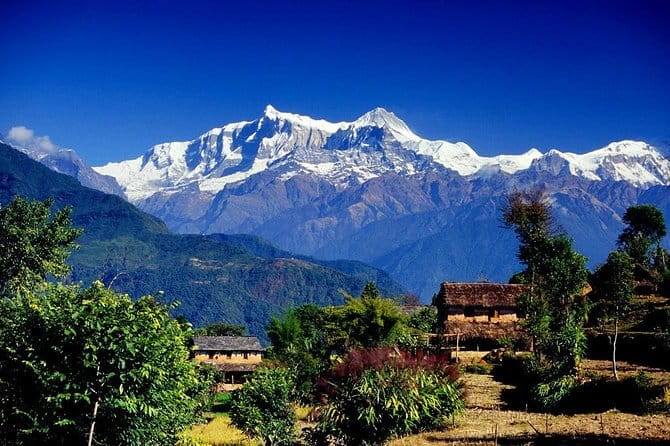
After Kalapathar and your return toward Gorakshep, the route descends through places like Duglha and passes villages including Pheriche and Orsho, with Shomare also on the path. The itinerary includes a stop in Pangboche, described as having the oldest monastery in the region. It also notes a local legend about the monastery storing scalp and bones of Yeti.
Keep this in the mental category of folklore and local belief, not a scientific claim. On a trek, these stories are part of how the community explains itself to visitors and younger generations.
Then you continue down toward Namche, enjoying views of Ama Dablam, Lhotse, and the tip of Everest mentioned as visible from the trail route in certain sightlines, plus Tengboche along the way. This is a real mental shift from the go-up days. Your body is still working, but the trail focus changes from altitude gains to stable, careful legs.
Finally, you end at Lukla with a steep downward trail. The plan highlights walking slowly and with control on rocky terrain until you reach a suspension bridge over Dudh Koshi, then moving through an open plain and rhododendron forest before arriving in Lukla. That careful descent is a key consideration for safety and comfort.
Flights Back to Kathmandu and the Post-Trek Day You Can Actually Enjoy
Day 13 includes your mountain flight from Lukla back to Kathmandu. Then you have time for shopping and a walk around the city. The itinerary also frames the evening as a celebration of successfully completing the trek.
Day 14 is the wrap-up day. You can extend your tour, or you get dropped back to the airport for your final departure.
If you’re a planner, this is a relief. The trip gives you a clear end, plus a day in Kathmandu that is not just another scramble.
Support in Real Life: Guides, Lodges, and How the Trek Handles the Hard Parts
A strong theme in the feedback I reviewed is the human side of the trek. Names that came up include Ghan as the Kathmandu coordinator and organizer, and guides such as Lila, Biru, and Raju. Support also included Santosh Tamang, mentioned as providing safety help on the trail.
That matters because Everest Base Camp is not just a physical test. It’s also a navigation and timing test, and a weather of your own emotions test. The more organized the trip is, the more you can focus on walking, drinking, and adjusting.
This tour also has practical strengths that show up in its setup: 14 nights accommodation (with 12 nights in the mountains and 2 nights in Kathmandu), pre-booked lodge stops, and three meals per day during the trek, including coffee and tea. When food is covered, you spend less mental energy deciding what to eat, and more energy staying warm and hydrated.
Price and Value: What $1,099.06 Covers, and What You Still Need to Budget
At $1,099.06 per person for a roughly 14-day package, you’re paying for more than the trek itself. Here’s what the package includes, based on the tour details:
- Airport pick up and drop by private car in Kathmandu
- 2 night 3-star hotel in Kathmandu with breakfast
- Lodge stays for 12 mountain nights
- Three meals per day during the trek, with coffee and tea
- Both way flights to Lukla (or from Ramechhap, depending on the routing)
- Pick up and drop off to Ramechhap by sharing bus or car, with an option for a private car noted at $85 for 3 pax
What’s not included matters for real budgeting:
- International airfare and Nepal visa fee
- Food in Kathmandu and extra days
- Tips for guides, porters, and drivers
So when does this feel like a win? When you value having your walking days supported by logistics, your meals handled, and your flights and lodge nights lined up. If you prefer to self-plan everything, you might find you can price-shop. But for many people, the value here is the reduction in decisions, stress, and last-minute problem solving.
Who Should Choose This Everest Base Camp Trek?
This is best for you if:
- you have moderate physical fitness
- you want a private tour where only your group participates
- you care about both the big sights and the Khumbu villages and culture
- you’re comfortable with an itinerary that includes 7 to 8 hour days and a high point near Kalapathar
It’s also a good fit if you like structure. The acclimatization days in Namche and Dingboche, plus viewpoint hikes like Thame/Khunde, help you pace the climb instead of treating altitude like a hurdle you can sprint over.
Should You Book This Everest Base Camp Trek?
I’d recommend booking if you want a trek that is built around sensible altitude pacing, with meals, lodge nights, and key transfers handled. The biggest reason to lean in is the focus on acclimatization and the clear plan to reach Kalapathar (about 5,545m) while also spending real time in villages like Namche, Tengboche, Dingboche, Lobuche, and Pangboche.
Before you book, be honest about two things. First, you’re committing to early starts and long trekking days, even on the return. Second, your out-of-pocket budget should include what’s not listed, especially international airfare, the Nepal visa fee, and tips.
If you’re ready for cold air at altitude and you want a guided, well-managed route through the Khumbu, this one is a solid choice.
FAQ
Where does the trek start and where is the meeting point in Kathmandu?
The trek starts at Himalayan Partner Treks and Expedition on Thamel Marg, Kathmandu 44600. The start time is listed as 5:00am.
What is the highest altitude on this trek?
The highest altitude covered is Kalapathhar at about 5,545m (the itinerary also references around 5,546m for a viewpoint option).
How do you travel to and from Lukla?
You fly to Lukla after departing Kathmandu, and you fly back to Kathmandu from Lukla on the final mountain day. The package also includes transfer support related to Ramechhap, using a sharing bus or car.
Are meals and lodge accommodations included?
Yes. The package includes 14 nights accommodation and three meals per day during the trek (breakfast, lunch, and dinner), including coffee and tea.
Is the tour private?
Yes. It is listed as a private tour/activity, and only your group participates.
What is not included in the price?
Not included are international airfare, the Nepal visa fee, food in Kathmandu and extra days, and tips for guides, porters, and drivers.
Latest additions near Kathmandu
- White Water River Rafting – 1 Day★ 4.3 · 3 reviews
- Traditional Momo Making Class★ 5.0 · 10 reviews
- Kathmandu to Pokhara Premium sofa bus ticket★ 4.0 · 17 reviews
- Ghorepani Poon Hill Trek★ 5.0 · 16 reviews
- Amazing 1 Day Trekking Experience in Kathmandu Nepal★ 5.0 · 24 reviews
- Ghorepani Poonhill Trek★ 5.0 · 5 reviews
- Walking tour of real Kathmandu through back streets.★ 5.0 · 3 reviews
- Wildlife Adventure in Chitwan Nepal★ 4.0 · 4 reviews
Everest Base Camp Treks, compared.
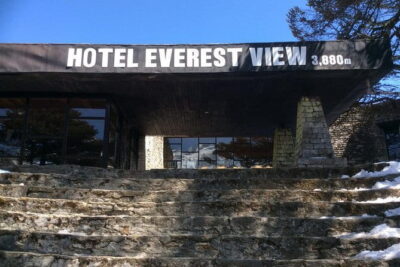
Everest Base Camp Helicopter Tour landing at Everest View Hotel
Read our review →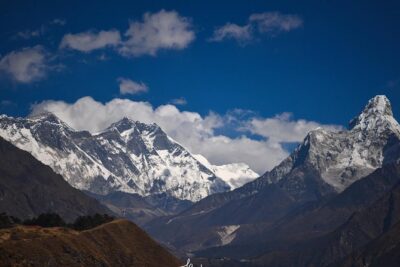
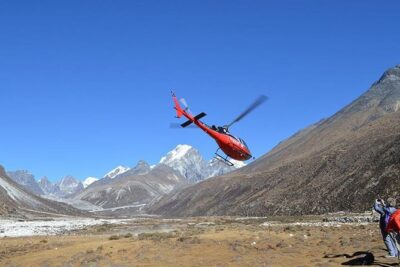
Everest Base Camp Helicopter Tour landing at Hotel Everest View
Read our review →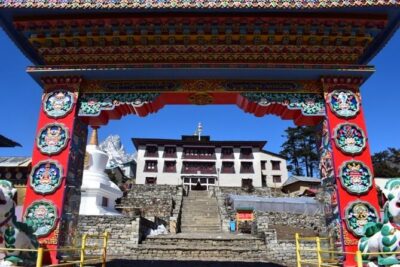
Browse the lists this tour appears in