
Reviewed · EVEREST BASE CAMP TREKS
Everest Base Camp Trek -14 Days
Everest Base Camp starts with a hop to Lukla. This 14-day trek is interesting because it strings together big-ticket moments, like flying into Lukla, walking through Sagarmatha National Park, and finishing with Kalapatthar views. I also like the included guide and porter setup (a porter for 2 clients), plus the fact that you have travel and rescue arrangements and a first aid kit on the trail. One consideration: flights and mountain schedules can get delayed by weather, and the plan notes you may have extra costs if you need to stay longer in the mountains.
What makes this itinerary feel manageable is the pacing built around altitude, not just checklists. I really like the acclimatization days in Namche Bazaar and Dingboche, with extra village time at Khumjung and a chance to breathe before going higher. The main drawback for some people is simply the altitude itself, with big jump days like Thukla Pass and the hike to Everest Base Camp at altitude, so you’ll want moderate fitness and a steady hiking rhythm.
In This Review
- Key highlights worth your attention
- Entering Everest Base Camp country from Kathmandu
- Lukla flight day and the Phakding warmup (Days 2 to 3)
- Namche Bazaar, Khumjung, and altitude that teaches fast (Days 4 to 5)
- Tengboche to Dingboche: monasteries, higher altitude, and the Dingboche rest day (Days 6 to 7)
- Lobuche and the Thukla Pass approach (Days 8 to 9)
- Everest Base Camp and Kalapatthar day: the big payoff (Days 9 to 10)
- The descent back through Namche and down to Lukla (Days 11 to 13)
- Price and logistics: what $1,800 covers and what it doesn’t
- Food, sleep, and gear realities on lodge-to-lodge trekking
- Safety, guides, and how teams handle problems on the trail
- Who this trek fits best
- Should you book this Everest Base Camp trek?
- FAQ
- Where is the meeting point and what time does it start?
- What’s included for Kathmandu at the start of the trip?
- Does the trek include flights to and from Lukla?
- What kind of lodging do you use during the trek?
- Are trekking meals included?
- Are permits and park fees included?
- What about guide and porter support?
- Is Nepal visa cost included?
- Is travel insurance included?
Key highlights worth your attention
- Flight-in, lodge-out simplicity: Kathmandu to Lukla and back by flight is built into the plan, with lodges/tea houses along the way.
- Acclimatization that actually shows up on the calendar: Namche Bazaar and Dingboche are given rest-and-learn days.
- Sherpa culture stops, not just mountain miles: Khumjung and Tengboche bring village life and monasteries into the trek.
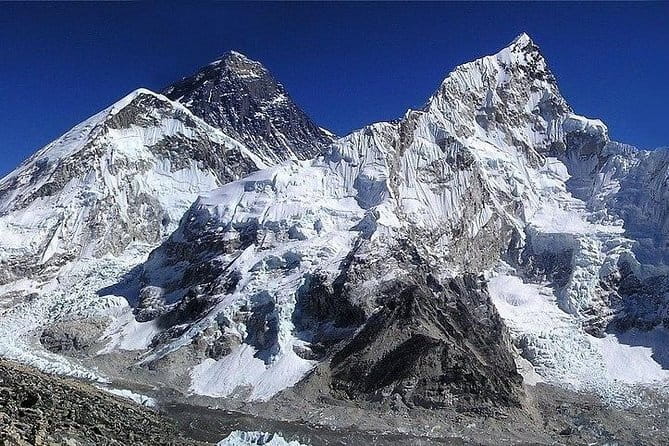
- Everest Base Camp day is treated as an experience: Gorakshep to EBC and then back, with time for viewpoints and photos.
- Staff that get praised for care and professionalism: the operator’s guides and team names that come up often include Bhagwat Simkhada (organizer), Prakash Adhikari (lead guide), Mingma (assistant), and Nima or Urken Sherpa (co-guides in different trips).
- Good extras for comfort and organization: duffle bag handling, company T-shirts, and a farewell dinner with cultural performance.
Entering Everest Base Camp country from Kathmandu
Your trip starts in Kathmandu with a smooth, practical setup. You get private vehicle pickup, a transfer to your hotel, and two nights in a 3-star hotel with breakfast. This matters because it gives you a buffer to handle last-minute logistics like buying a Nepal visa at the airport, organizing a few items, and keeping sleep and hydration on track before the mountain grind.
Kathmandu isn’t just a staging area here. You’re also dealing with paper work as part of the program, and you’ll be using permits that the trek operator includes, including TIMS and Khumbu valley fees. That’s one less headache once you’re already tired from travel.
If you’re the type who likes a clear plan, you’ll appreciate the structure. If you’re hoping for total freedom to change everything last minute, you should know the trek follows a set rhythm and altitude schedule.
More Treks in Kathmandu
- Everest Base Camp Trek – 14 Days
★ 5.0 · 1,499 reviews - Everest Base Camp Trek
★ 5.0 · 842 reviews - Everest Base Camp Trekking
★ 5.0 · 485 reviews
Lukla flight day and the Phakding warmup (Days 2 to 3)
Lukla is the gateway, and the itinerary makes that clear by starting with the short flight from Kathmandu. On Day 2 you land at Lukla (2,860m), then hike to Phakding (2,610m) in about 3 to 4 hours, with meals included as B/L/D. Even though the walk is shorter than later days, it’s a smart warmup because it gets your legs moving without immediately throwing you into the highest altitudes.
Phakding is where you learn the first trekking rhythm: steady steps, frequent water stops, and a pace that doesn’t turn every hill into a sprint. The trail follows the Dudh Koshi River corridor, which is a familiar feature of the classic Khumbu approach. That river valley feel tends to make the first day feel less intimidating.
Day 3 is the real step-up, taking you from Phakding to Namche Bazaar (3,446m) in about 6 to 7 hours. This is the day where you start noticing altitude in your breathing, especially if you push too hard early. Keep your effort smooth and you’ll enjoy the changing views and the steady grind.
Namche Bazaar, Khumjung, and altitude that teaches fast (Days 4 to 5)
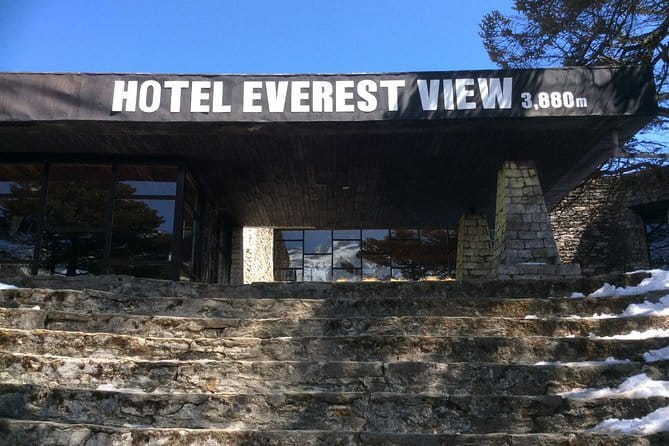
You spend Day 4 as an acclimatization day in Namche Bazaar (3,880m for the Khumjung and Hotel Everest View outing). The plan includes visiting Khumjung Village and Hotel Everest View, with meals covered. This is a valuable break from pure climbing because it mixes slower trekking, local culture, and a chance to see how daily life adjusts at altitude.
Khumjung is one of those places where you get more than a photo. You get context for the people who live around Everest, including Sherpa village life and religious sites. Tengboche later continues that theme, but this Namche-Khumjung block sets the tone for the rest of the trek.
Then Day 5 takes you to Tengboche (about 3,860m) in roughly 5 to 6 hours. Tengboche is a popular stop for good reason, and it tends to feel like a spiritual checkpoint after the more practical days. You’ll also notice the trail’s rhythm shifting as you follow the route toward Sagarmatha National Park areas and deeper Khumbu foothills.
A practical tip: your day in Namche is also where you’ll want to slow down and protect your sleep. Even if the trek is going well, poor sleep at altitude can make the next day feel harder than it should.
Tengboche to Dingboche: monasteries, higher altitude, and the Dingboche rest day (Days 6 to 7)
Day 6 moves from Tengboche to Dingboche (4,360m) in about 5 to 6 hours, and this is where the altitude starts demanding real respect. The plan keeps you fed with B/L/D, which is a big deal in the high Himalaya, because eating helps you avoid the spiral of low energy and slower recovery.
Day 7 is another acclimatization day, this time in Dingboche (4,360m). That rest day is valuable, not because you’re doing nothing, but because it lets your body adjust while you stay in the 4,000m-plus band. You’re not just climbing toward Lobuche, you’re setting yourself up to handle it.
From a comfort perspective, this also gives you a chance to manage small things that matter at altitude, like drying out socks, finding a comfortable sleeping setup, and keeping your hydration consistent. If you’ve ever gotten a headache on a steep hike, you’ll understand why these pauses are part of why the itinerary is designed this way.
More Everest Base Camp treks:
- Everest Base Camp Helicopter Tour landing at Everest View Hotel
★ 5.0 · 668 reviews - Everest Base Camp Trekking – 13 Day
★ 5.0 · 365 reviews - Everest Base Camp Trek
★ 5.0 · 350 reviews - Everest Base Camp Trek -14 Days
★ 5.0 · 321 reviews
Lobuche and the Thukla Pass approach (Days 8 to 9)
Day 8 takes you from Dingboche to Lobuche (4,910m) in about 5 to 6 hours. This is a meaningful increase, and you’ll likely feel it in your breath and legs. Lobuche sits higher than many earlier stops, so the terrain and oxygen levels start affecting your pace more than on the lower river valley days.
Day 9 is the serious transition day. You hike from Lobuche to Gorakshep (about 5,160m), then onward toward Everest Base Camp (about 5,360m). The plan calls it about 6 to 7 hours total. This is the day where you’re trading easy conversation pace for focused hiking, and you’ll want to keep your effort steady rather than chasing speed.
The itinerary also mentions trekking via the Khumbu Glacier area to reach Base Camp and the high routes that lead your feet toward the EBC region. That means the day feels like “mountain goals” more than “village walking,” even if the scenery is stunning throughout.
Everest Base Camp and Kalapatthar day: the big payoff (Days 9 to 10)
The Everest Base Camp moment is the reason most people do this trek. The schedule is built so you reach the base camp area during the high-altitude window, then the next day focuses on the famous viewpoint at Kalapatthar (5,545m) plus the return toward Pheriche (4,371m).
On Day 10, you go from Gorakshep to Kalapatthar and then onward to Pheriche, totaling about 4 to 5 hours. Kalapatthar is high and demanding even at the best of times, but it’s also the part of the trek where you’ll usually feel like you’ve earned a hard-won reward.
I also like that this plan doesn’t rush the story. You don’t just hit Base Camp and disappear. You get a viewpoint day that helps turn the whole trek into one continuous narrative: Lukla arrival, Sherpa villages and monasteries, glacier route, then the high viewpoint near the end.
Keep expectations balanced. You’re visiting an area where weather changes quickly, and cloud or wind can affect visibility. When that happens, a good operator helps you keep the day on track safely, even if the exact view moment is different than you imagined.
The descent back through Namche and down to Lukla (Days 11 to 13)
Day 11 takes you from Pheriche back to Namche Bazaar (3,446m) in about 6 to 7 hours. Going down usually feels easier on the lungs, but harder on the knees and feet. This is where trekking poles help and where good shoe fit matters more than you think.
Day 12 brings you from Namche to Lukla (2,860m) in about 5 to 6 hours. The itinerary drops you back to the starting altitude after all the high work, and it tends to feel emotional even for people who tried to be stoic about it. You’re also back in the more familiar river valley rhythm.
Day 13 is a flight from Lukla back to Kathmandu, and then you’re done with the mountain portion. That transition day is surprisingly important because it helps you recover from altitude stress while still having the trip’s structure intact.
Price and logistics: what $1,800 covers and what it doesn’t
At $1,800 per person for 14 days, you’re paying for more than walking. This price includes airport pickup, a private vehicle transfer to your hotel, two nights in a 3-star Kathmandu hotel with breakfast, and all lodge/tea house accommodations during the trek. It also includes lunch, dinner, and breakfast while trekking, plus key items like TIMS permits and Khumbu valley fees.
It’s also inclusive in ways that matter at altitude: an experienced guide and porter team, paper work support, travel and rescue arrangements, duffle bag handling (returned after the trek), and a first aid kit. Flights to Lukla are included, and the plan even accounts for possible use of Ramachap to Lukla and return from Kathmandu.
Here’s what’s not included, and you should treat that as part of your real budget: Nepal visa fee, international flights to and from Kathmandu, extra Kathmandu nights if timing changes, all meals in Kathmandu, any extra mountain days if weather delays require adjustments, travel and rescue insurance, and personal expenses like phone calls, laundry, battery recharge, hot shower costs, plus bottled or boiled water. Tips for guide and porter are also not included.
Value-wise, the big win is that the trek operator is bundling the hard-to-organize parts: permits, flights, food on trek days, and staffing. If you tried to piece this together on your own, the time and risk would likely erase a chunk of the savings.
Food, sleep, and gear realities on lodge-to-lodge trekking
During the trek, you stay in lodges/tea houses, and meals during trekking are included. That’s not luxury, but it is predictable, and predictability is your friend when you’re hiking at altitude. Your day plan also includes structured meal stops (breakfast and dinner plus lunch on trek days), which helps you keep energy steady.
You should still plan for the fact that higher-altitude nights can feel colder than you expect. The itinerary does say the tour operates in all weather conditions, so you’ll want to dress appropriately and bring layers that you can adjust as temperature changes.
On gear, you’ll be glad you’re not carrying everything yourself. With porter support (1 porter for 2 clients), you can keep your personal load manageable. The duffle bag arrangement also helps keep your things organized while you focus on the day’s climb.
What’s not spelled out, so you should be prepared to handle: bottled or boiled water costs, battery recharge, and phone usage. Those add up, especially if you’re trying to stay online for family back home.
Safety, guides, and how teams handle problems on the trail
Safety here is a mix of planning and human skill. The tour includes travel and rescue arrangements and basic medical supplies like a first aid kit. That gives you a safety net, but it doesn’t replace travel insurance, which the plan clearly lists as not included.
The staff names that show up repeatedly in the provided feedback include Bhagwat Simkhada as organizer, Prakash Adhikari as lead guide, and assistant support such as Mingma, plus co-guides like Nima or Urken Sherpa. One standout theme from the same group of feedback is professionalism and responsiveness, including examples of how guides helped in medical situations and coordinated care when someone needed attention.
That matters because Everest trekking can include unexpected health issues even for strong hikers. If you’re choosing an operator, you want the kind of team that responds quickly, communicates, and keeps you calm when plans shift.
Also, this itinerary includes acclimatization days. Those are not just for comfort. They reduce the chance of rushing into altitude trouble.
Who this trek fits best
This is best for hikers with moderate physical fitness who can walk 4 to 7 hours most trekking days at altitude. You’ll also want to be comfortable with the idea of climbing higher even when you feel tired, then resting properly when the schedule asks for it.
It’s also set up as a private tour/activity, meaning only your group participates. That can be a big deal if you like having your guide’s attention more directly than on a big group trek.
Minimum age is 8 years, and the program is designed to work as a family-friendly option for groups who can handle the altitude pace. Still, kids and teens need careful pacing, and you should expect the slower rhythm that good acclimatization requires.
Should you book this Everest Base Camp trek?
I’d book this trek if you want a classic Everest Base Camp route with acclimatization days in the right places, included permits and flights, lodge support, and a team that’s used to handling both the fun moments and the uncomfortable ones. The $1,800 price looks fair when you account for Kathmandu hotels, trekking meals, staffing, TIMS and Khumbu fees, and the Lukla flights being part of the package.
I would pause before booking if you hate the idea of altitude risk, or if you know you’ll be sensitive to weather-related schedule changes. Since the plan notes you might pay extra if delays force additional nights or meals, you should build a little flexibility into your overall Nepal trip plan.
If you’re ready for the real Everest journey, this one hits the highlights in a practical order: Namche, Tengboche, Dingboche, Lobuche, Base Camp, Kalapatthar, and the descent back to Lukla.
FAQ
Where is the meeting point and what time does it start?
You meet at Tribhuvan Airport in Kathmandu, Nepal. Start time is listed as 7:00 am.
What’s included for Kathmandu at the start of the trip?
The package includes pickup from the airport and transfer to your hotel by private vehicle, plus two nights in a 3-star hotel with breakfast.
Does the trek include flights to and from Lukla?
Yes. Flights are included from Kathmandu to Lukla and from Lukla back to Kathmandu. The plan also notes flights may be from Kathmandu/Ramachap to Lukla.
What kind of lodging do you use during the trek?
You stay in lodges or tea houses throughout the trekking portion.
Are trekking meals included?
Yes. Lunch, dinner, and breakfast are included during the trek.
Are permits and park fees included?
Yes. TIMS permit and Khumbu valley fees are included, plus paper works are handled as part of the trip.
What about guide and porter support?
An experienced guide is included, along with a porter. The porter ratio is listed as 1 porter for 2 clients.
Is Nepal visa cost included?
No. The Nepal visa fee is not included, and you can obtain it in Kathmandu airport.
Is travel insurance included?
No. Travel and rescue insurance is not included, even though the trip includes travel and rescue arrangements and medical supplies like a first aid kit.
Latest additions near Kathmandu
- White Water River Rafting – 1 Day★ 4.3 · 3 reviews
- Traditional Momo Making Class★ 5.0 · 10 reviews
- Kathmandu to Pokhara Premium sofa bus ticket★ 4.0 · 17 reviews
- Ghorepani Poon Hill Trek★ 5.0 · 16 reviews
- Amazing 1 Day Trekking Experience in Kathmandu Nepal★ 5.0 · 24 reviews
- Ghorepani Poonhill Trek★ 5.0 · 5 reviews
- Walking tour of real Kathmandu through back streets.★ 5.0 · 3 reviews
- Wildlife Adventure in Chitwan Nepal★ 4.0 · 4 reviews
Everest Base Camp Treks, compared.
Everest Base Camp Helicopter Tour landing at Everest View Hotel
Read our review →
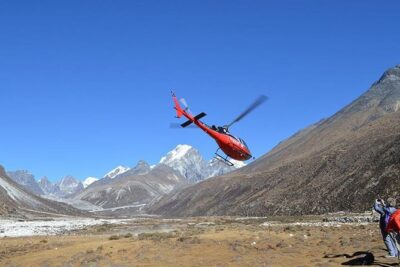
Everest Base Camp Helicopter Tour landing at Hotel Everest View
Read our review →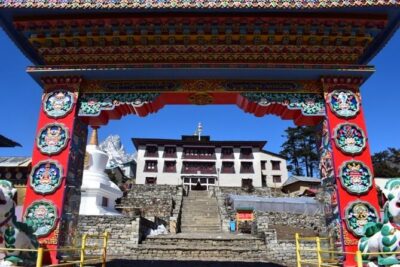
Browse the lists this tour appears in