
Reviewed · EVEREST BASE CAMP TREKS
Everest Base Camp Trek 14 Days
Everest Base Camp feels real and close. From Kathmandu, this 14-day trek uses a Lukla flight and a guided route through Sherpa villages, so you spend less time guessing and more time walking toward big mountain days.
One of the things I like most is the way this trip handles the tough logistics for you, from pickup in Kathmandu to the flight schedule and permits. I also love that you’re in a private group, not a noisy crowd, and you’ll get real time with your guide as you adjust to altitude.
A key consideration: accommodation and meals for guests are not included, and you’re expected to have moderate physical fitness for long trekking days.
In This Review
- Key things to know before you go
- From Thamel pickup to your guide meeting in Kathmandu
- Lukla flight and why Day 2 sets the whole rhythm
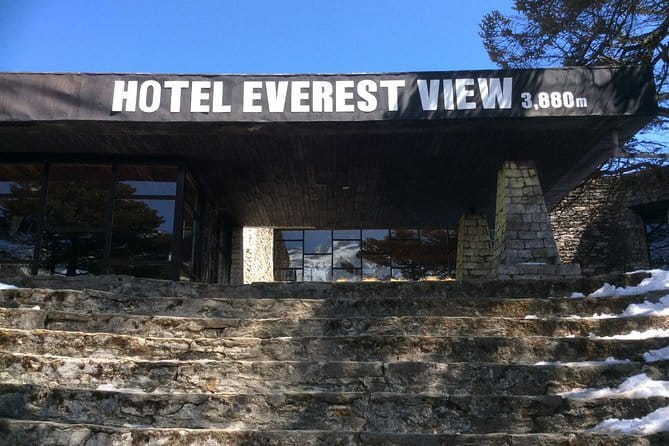
- Namche Bazaar acclimatization, plus the Everest Hotel viewpoint
- Tengboche Gompa, the rhododendron and juniper trail, and a cultural pause
- Dingboche and your second acclimatization day with peak options
- The rocky push to Lobuche, then the Everest Base Camp day
- Kalapatthar views, then the downhill return via Pheriche and Namche
- The Lukla return and your Kathmandu free day in Thamel
- Guides, organization, and the human side that makes EBC work
- Price and what $999 really covers, plus what you must budget
- Fitness reality: moderate fitness, long days, and how to prep smart
- Should you book Everest Base Camp with this operator?
- FAQ
- How long is the Everest Base Camp trek?
- Where does the trip start and end?
- Are airport pickups included?
- Are flights to Lukla included?
- What permits are included?
- What is not included in the price?
- What fitness level do I need?
- Can I get a full refund if I cancel?
Key things to know before you go
- Private setup so it’s only your group, with a guide working at your pace
- Lukla flights included (Tenzing Hillary Airport), which makes the trek possible in 14 days
- Clear altitude strategy with acclimatization days in Namche Bazaar and Dingboche
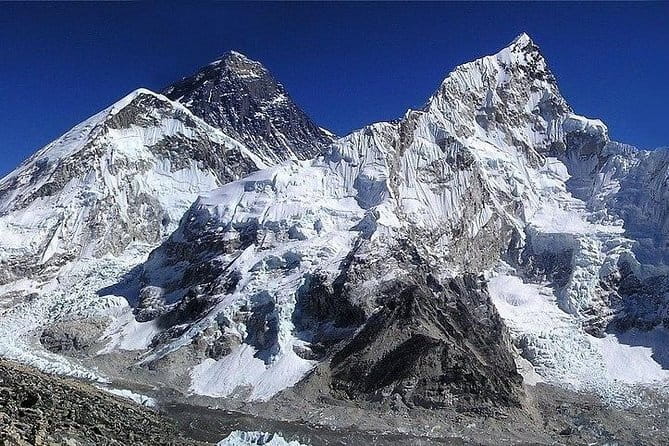
- Iconic viewpoint hits like Everest Hotel views and Kalapatthar
- Permits handled for you, including TIMS and national park/local permits
- Budget for tea-house nights and meals, since those are not included
From Thamel pickup to your guide meeting in Kathmandu
Your trek starts in Kathmandu, and the first win is how smooth the handoff feels. You get an airport representative pickup and an escort to your hotel or hostel, plus a guide intro in the evening. That matters more than it sounds, because Everest-area trekking runs on small details: the right layers, a pack that’s not too heavy, and knowing how you’ll manage your gear each day.
Thamel is your pre-trek base. It’s a practical place to start because you can get oriented quickly, and if you forgot something small (gloves, a warm hat, blister care), you’re in the right area to fix it.
From the operator side, the guide meeting includes an equipment check. That’s exactly what you want on Day 1, because it reduces the chance you’ll discover problems once the days get colder and harder.
More Treks in Kathmandu
- Everest Base Camp Trek – 14 Days
★ 5.0 · 1,499 reviews - Everest Base Camp Trek
★ 5.0 · 842 reviews - Everest Base Camp Trekking
★ 5.0 · 485 reviews
Lukla flight and why Day 2 sets the whole rhythm
Day 2 is a flight to Lukla, landing at Tenzing Hillary Airport. Then you trek to Phakding village for the night. This is one of the clearest examples of why this 14-day format works: you’re not spending days grinding up from the low country. Instead, you get right into the Khumbu rhythm.
Also, the trek route keeps you moving but not immediately to the biggest climbs. Phakding is a good first landing point before the big Namche push. If you’ve ever done a hike where you feel too worn out on the first real day, you’ll appreciate starting with a progression that eases you in.
If you want one takeaway for your planning, it’s this: treat Lukla day like a transition. Keep your energy for walking, hydrate, and don’t go too hard just because the views are starting.
Namche Bazaar acclimatization, plus the Everest Hotel viewpoint
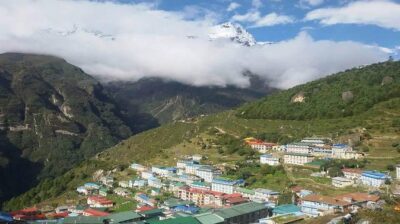
You reach Namche Bazaar on Day 3 after crossing the Dudh Koshi river and passing through Monjo village, with entry into Sagarmatha National Park along the way. The route moves through dense forests and into the thicker-air feel of the high Khumbu.
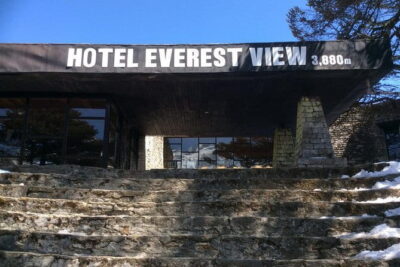
Day 4 is built around adjusting to altitude. You stay in Namche Bazaar, then hike up to the Everest View Point from the Everest Hotel area. This is a smart pairing, because it gives you high-mountain views without turning the day into a suffer-fest.
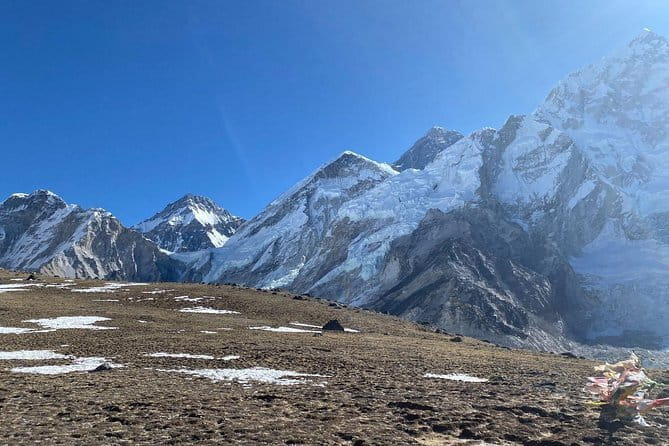
You get big sight lines here: Mt. Everest, Ama Dablam, Mt. Thamserku, Mt. Lhotse, and more. Even if you’ve seen photos before, this is when the mountains start looking real in scale. The practical value is that it sets your expectations early, so you’re not guessing later whether you’re truly close.
Tengboche Gompa, the rhododendron and juniper trail, and a cultural pause
On Day 5 you leave Namche behind and continue toward Tengboche. The trail passes through juniper and rhododendron forests, and the payoff is Tengboche Gompa, where you visit the monastery.
This is more than a checkbox stop. When you’re trekking at altitude, your body needs mental resets, and places like Tengboche do that. It also helps you connect the trek to the Sherpa communities you’re walking through. The mountains are the headline, but the culture is what keeps the journey from feeling like a long, repetitive grind.
If you’re the kind of traveler who enjoys a mix of scenery and stories, you’ll probably find this day keeps you engaged when the walking starts to feel routine.
More Everest Base Camp treks:
- Everest Base Camp Helicopter Tour landing at Everest View Hotel
★ 5.0 · 668 reviews - Everest Base Camp Trekking – 13 Day
★ 5.0 · 365 reviews - Everest Base Camp Trek
★ 5.0 · 350 reviews - Everest Base Camp Trek -14 Days
★ 5.0 · 321 reviews
Dingboche and your second acclimatization day with peak options
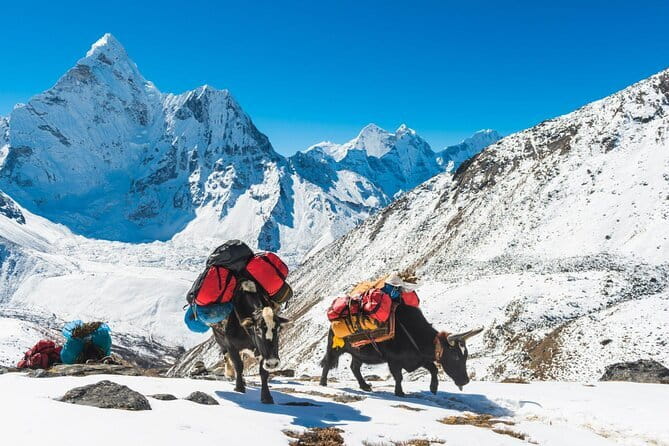
Day 6 brings you to Dingboche after crossing the Imja Khola and walking trails with panoramas of Island Peak and Ama Dablam. Dingboche is where the trek starts to feel high-high, not just high.
Then Day 7 is your second acclimatization day. You have options: hike toward Nangkartshang Peak (5083 m) or go for Chhukung Ri (5546 m). Both options are about giving your body a chance to adapt, while still giving you that reward of seeing far over the valleys and ridges.
Here’s the practical point: choose based on your energy and how you feel that morning. If you push too hard on acclimatization days, you can end up tired for the later stages. If you go too easy, you might miss the satisfaction of that sweeping view. Your guide should help you choose a pace that works.
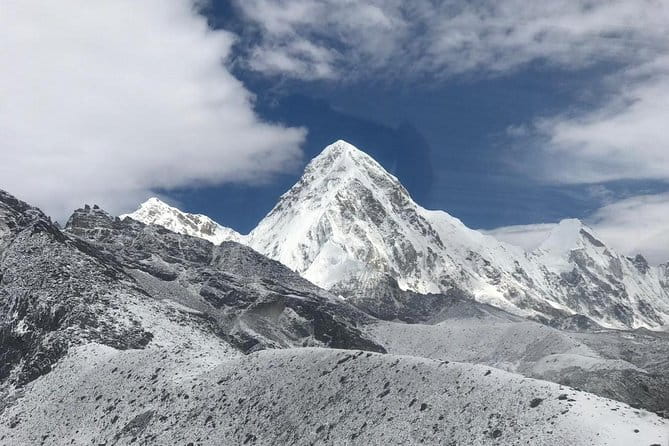
The views listed for this day include Everest, Ama Dablam, Island Peak, and Pumori, so no matter which route you pick, you’re setting yourself up for the climax days ahead.
The rocky push to Lobuche, then the Everest Base Camp day
On Day 8 you head to Lobuche via an uneven rocky path. The terrain becomes more demanding, but the views along the way are a big reason people keep going. Mt. Pumori, Mt. Nuptse, Lobuche Peak, and surrounding features are highlighted for this stretch.
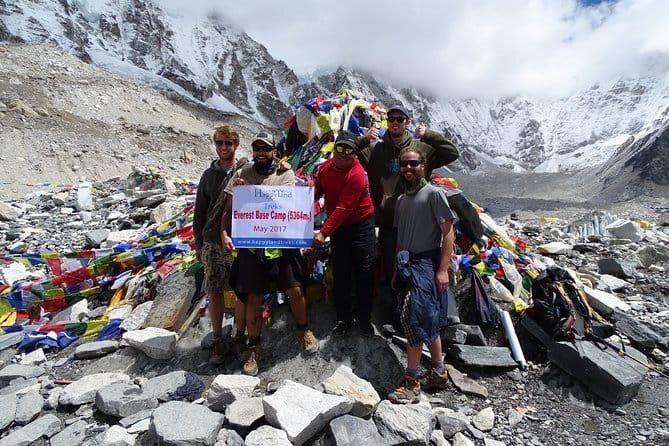
Day 9 is the long day: trekking through the Khumbu Glacier to Everest Base Camp and then returning to Gorakshep. You’ll see the Khumbu icefall from Everest Base Camp. This is the moment many people picture when they book EBC, and it tends to feel surreal in person.
Even if your motivation is the summit dream, Base Camp hits differently. It’s not about climbing. It’s about being near a landscape that’s constantly changing, with the glacier and icefall showing the scale of what makes Everest so extreme.
For your own comfort, treat this as a day where you manage time and energy carefully. You’ll likely spend the day on your feet, and the return matters because the fatigue stacks up.
Kalapatthar views, then the downhill return via Pheriche and Namche
Day 10 is all about the viewpoint. You hike up to Kalapatthar for magnificent views of Mt. Everest, then walk down to Pheriche. That downhill leg is important. After a high-impact day at Base Camp and Gorakshep, descending gives your legs a different kind of relief, even if it still isn’t easy on tired knees.
Day 11 brings you back toward Namche Bazaar. You’re leaving the mountains behind gradually, crossing suspension bridges and passing through villages. This is a mental shift day. The scenery is still dramatic, but your focus can change from “reach the next place” to “take it all in, because you’re getting closer to the end.”
If you’ve been watching your steps carefully, this is also a good moment to check your gear and feet. A small blister now can become a bigger problem later, especially with long walking days.
The Lukla return and your Kathmandu free day in Thamel
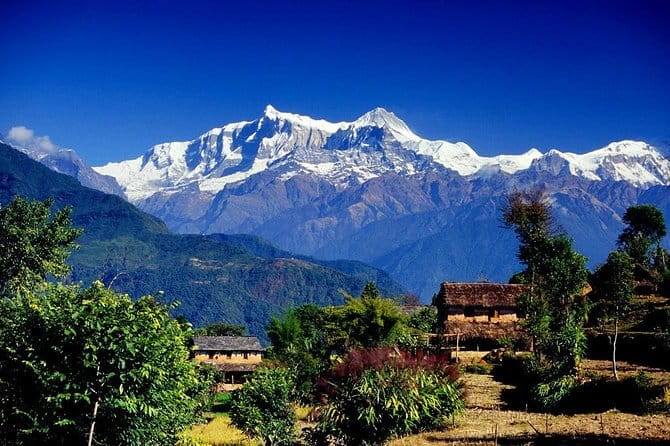
Day 12 is the trek from the higher route down toward Lukla, passing by Jorsale and Monjo, reaching Phakding, then crossing numerous bridges over Dudh Koshi before arriving in Lukla. This is a long day in a tired-body sense, even if the altitude is dropping.
Then Day 13 is early flight to Kathmandu, about 35 minutes. The afternoon is free. You can stroll around Thamel and pick up souvenirs at your own pace, with no more scheduled trekking.
I like this setup because it gives you time to come down emotionally after the hardest walking days. You’re not rushed immediately into packing or airport chaos.
Day 14 finishes with a drop to the airport, or you can extend your Nepal trip.
Guides, organization, and the human side that makes EBC work
This kind of trek lives or dies on organization and people skills. The guides named across past trips with Nepal Nirvana Trails repeatedly come through as professional and caring. People have specifically highlighted guides such as Raju, Roshan, Ram, Abinash, and the broader support from KP and his team.
What that usually means in practical terms is you get help that goes beyond directions. Guides help with pacing, encourage you during tougher segments, and often add cultural context so the trek feels connected to the people around you, not just the views above you.
One more positive: equipment checks happen early, and that sets a tone. If your guide takes time to get you set for the cold and long days, you start the trek calmer.
Price and what $999 really covers, plus what you must budget
The price is $999 per person for 14 days, with pickup offered and a mobile ticket. The value angle isn’t just the total cost. It’s what’s operationally handled: airport transfer services, guide salary and food, guide equipment and insurances (including on trip cost), TIMS and national park and local permits, and the flights between Kathmandu or Manthali and Lukla, plus Lukla back to Kathmandu or Manthali.
That bundle matters because EBC is heavy on paperwork and flights. If you tried to DIY the whole thing, you’d spend time and money solving those pieces yourself.
Now the tradeoff: accommodation and food for guests during the complete trip are not included. Tips for the trek guide are expected. Nepal entry visa, international airfare, and travel and health insurance that covers emergency rescues and evacuations are also not included.
So for a real budget, you should plan for:
- Nights in Kathmandu and on the trekking route (not covered)
- Daily meals while trekking and in Kathmandu
- A realistic tip for your guide
- Insurance that specifically covers emergency rescue and evacuation
If that extra budget is fine for you, then $999 starts to look more like a logistics service plus guiding, not just a ticket to the Himalayas.
Also note the trip is booked about 46 days in advance on average. That suggests this route fills, especially for private departures.
Fitness reality: moderate fitness, long days, and how to prep smart
The requirement is moderate physical fitness. The itinerary includes very long walking time blocks, including days marked at 16 hours. That doesn’t mean you’ll walk every single minute, but it does tell you the schedule is substantial and you’ll be on your feet for a big portion of the day.
Here’s how I’d prep based on this trek design:
- Train for steady uphill walking, not just short bursts
- Practice carrying your loaded daypack for hours
- Prioritize good sleep and hydration in Kathmandu before departure
- Bring warm layers and rain protection, because you’ll move through forests early and higher cold zones later
Most importantly, treat acclimatization days like part of the plan, not a bonus. Namche Bazaar and Dingboche have built-in strategies so your body can adjust before you go after Everest Base Camp and the big viewpoint day.
If you’re sensitive to altitude, you should be conservative with optional peak choices on Day 7. The listed options are high (5083 m and 5546 m), and your comfort matters more than checking the highest number.
Should you book Everest Base Camp with this operator?
I’d book this trek if you want a structured, private 14-day EBC plan that handles the hardest logistics for you, especially flights to and from Lukla, permits, and guide support. The acclimatization pacing through Namche Bazaar and Dingboche is a thoughtful match to an EBC timeline, and the viewpoint sequence (Everest View Point, then Kalapatthar) gives you multiple ways to see Everest clearly.
I would pause before booking if you do not want to manage the extra costs of guest accommodation and meals, or if you’re not ready to cover insurance that specifically includes emergency rescue and evacuation coverage. Also, if your fitness base is weak, the long walking blocks will feel punishing.
If you’re comfortable budgeting the extras and you want a trip where the human support is a big focus, this one looks like a strong fit for Everest Base Camp in 14 days.
FAQ
How long is the Everest Base Camp trek?
It’s listed as 14 days (approx.).
Where does the trip start and end?
It starts in Kathmandu at the Nepal Nirvana Trails meeting point in Thamel, or at Tribhuwan Airport, and it ends in Kathmandu.
Are airport pickups included?
Yes. Airport transfer services arrival and departure are included.
Are flights to Lukla included?
Yes. Flight tickets from Kathmandu or Manthali to Lukla, and Lukla back to Kathmandu or Manthali are included.
What permits are included?
All applicable National park TIMS and local permits are included.
What is not included in the price?
International flight tickets, Nepal entry visa, travel and health insurance for emergency rescues and evacuations, accommodation and food of guests for the complete trip, and tips for the trek guide are not included.
What fitness level do I need?
Travelers should have a moderate physical fitness level.
Can I get a full refund if I cancel?
Yes. You can cancel up to 24 hours in advance for a full refund. If you cancel less than 24 hours before the start time, the amount paid is not refunded.
Latest additions near Kathmandu
- White Water River Rafting – 1 Day★ 4.3 · 3 reviews
- Traditional Momo Making Class★ 5.0 · 10 reviews
- Kathmandu to Pokhara Premium sofa bus ticket★ 4.0 · 17 reviews
- Ghorepani Poon Hill Trek★ 5.0 · 16 reviews
- Amazing 1 Day Trekking Experience in Kathmandu Nepal★ 5.0 · 24 reviews
- Ghorepani Poonhill Trek★ 5.0 · 5 reviews
- Walking tour of real Kathmandu through back streets.★ 5.0 · 3 reviews
- Wildlife Adventure in Chitwan Nepal★ 4.0 · 4 reviews
Everest Base Camp Treks, compared.
Everest Base Camp Helicopter Tour landing at Everest View Hotel
Read our review →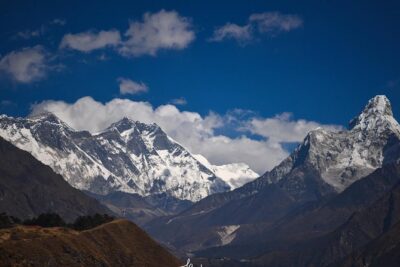
Everest Base Camp Helicopter Tour landing at Hotel Everest View
Read our review →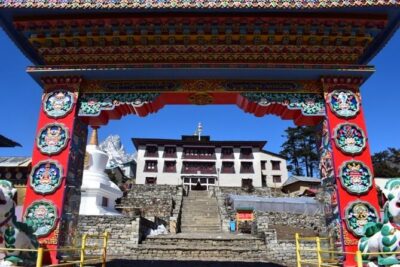
Browse the lists this tour appears in