
Reviewed · EVEREST BASE CAMP TREKS
Everest Base Camp Trek
Everest Base Camp begins before you even hike. This 14-day trek lines up iconic moments of the Khumbu region, from a flight into Lukla to viewpoints like Kala Patthar and the Everest Base Camp area in Sagarmatha National Park. Along the way, you get serious mountain scenery plus real Sherpa culture stops that help the route make sense.
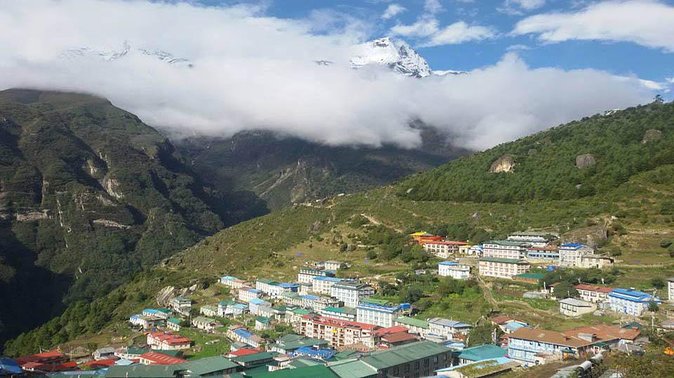
I especially like the acclimatization day in Namche Bazaar. It gives your body time at 3,440 m, and it also makes your first taste of the Sherpa hub more than just a quick photo stop. I also like the way the itinerary builds toward the big payoff: Hotel Everest View and then Kala Patthar for that early-morning, high-elevation view focus.
The main drawback to plan around is weather and flight risk. Flights into and out of Lukla can be delayed or canceled, and this trek depends on good conditions to keep the schedule moving.
Key highlights that matter on the ground
- A classic 14-day EBC route with acclimatization built in
- Namche Bazaar, Tengboche, and Sherpa Museum stops that add context
- Kala Patthar at 5,550 m for the highest viewpoint moment
- Everest Base Camp plus time in the Khumbu Icefall area
- Small group size (max 8 travelers), so you are not lost in crowds
- Service reputation from guides and porters like Ram, Prakash, Gore, and Amer’s support
In This Review
- First Day Kathmandu: Thamel basecamp and a pre-trek plan
- Lukla flights: the shortest ride that shapes the whole trek
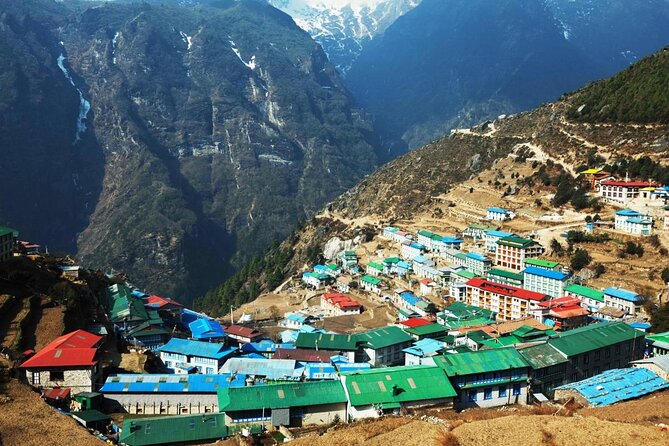
- From Phakding to Namche: suspension bridges and the Sherpa entrance
- Namche acclimatization at 3,440 m: the day that helps you finish
- Tengboche: monastery calm with big mountain framing
- Dingboche and Deboche: rhododendron meadows, nuns, and altitude rhythm
- Lobuche and the memorial trail: meaning near the glacier moraine
- Everest Base Camp and Gorak Shep: icefall context, stony dunes, and lodges
- Kala Patthar at 5,550 m: the dawn viewpoint push
- Pheriche down to Namche again: Pangboche monastery and the long descent
- Fly out of Lukla: timing roulette, plus a final Kathmandu unwind
- What you’re really paying for: $1,300, flights, and end-to-end structure
- Guides and support: why calm leadership can be the difference
- Who this Everest Base Camp trek suits best
- Should you book Everest Base Camp with Nepal Hiking Adventure?
- FAQ
- Where does the Everest Base Camp trek start?
- How long is the trek?
- Is a flight to Lukla included?
- How many people are in the group?
- What happens on the acclimatization day?
- What is the highest elevation on the trek?
- Does the itinerary include a rest day?
- What meals and lodging are included?
- What if flights or weather cause cancellations?
First Day Kathmandu: Thamel basecamp and a pre-trek plan
You land in Nepal, then you immediately settle into the rhythm of the trip. Your staff pickup takes you from Tribhuvan International Airport to a hotel near Thamel, and there is a pre-trip meeting with your team so you can align on the next day’s move.
This matters because Everest logistics are not only about legs. They are also about timing, weather, and knowing what to expect when you shift from city life to small mountain villages. After that first check-in, you are in “trek mode” without scrambling for details.
You are staying two nights in Kathmandu on a bed-and-breakfast basis, using Hotel Kailash Kutee or a similar category. That gives you a comfortable buffer before the big flight day.
Lukla flights: the shortest ride that shapes the whole trek
Day 2 is where the adventure becomes real. You fly about 40 minutes from Kathmandu or Ramechap to Lukla, and the trek starts from there with a short walk to Phakding for your first overnight.
A flight to Lukla is always a bit of a dramatic start. This route even calls Lukla one of the most challenging airports in Nepal, and it also flags that delays and cancellations can happen depending on local factors and weather. So you should treat the flight day as “plan for it, but do not assume it is guaranteed.”
Still, the upside is huge. Lukla compresses days of travel into hours, and it drops you quickly into the Khumbu region’s trekking world. Once you are moving, you get that gradual elevation feel that makes the rest of the trek more manageable.
More Treks in Kathmandu
- Everest Base Camp Trek – 14 Days
★ 5.0 · 1,499 reviews - Everest Base Camp Trek
★ 5.0 · 842 reviews - Everest Base Camp Trekking
★ 5.0 · 485 reviews
From Phakding to Namche: suspension bridges and the Sherpa entrance
Your Day 3 route builds from village walking to a real sense of arrival. You trek west along the Dudh Koshi river, cross two small suspension bridges, and reach Monjo before continuing to Namche Bazaar, the cultural entrance and hub for the Everest region.
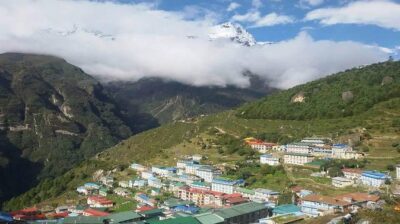
This is where you start seeing how the mountains and community connect. Namche is not just a stopping point, it is a place where Sherpa life, mountaineering history, and the practical side of trekking collide. It is also the staging ground for acclimatization, which is one reason it is such a smart place to slow down.
The itinerary also includes time at Namche’s Sherpa Museum. If you want the route to feel less like a checklist and more like a living place, this kind of stop gives you context for what you will see later on the trail.
Namche acclimatization at 3,440 m: the day that helps you finish
Day 4 is your acclimatization day in Namche Bazaar at 3,440 m. The plan is to adjust gradually as the trek rises. You do not just sit still; you use the day for a lighter rhythm and learning, including Sherpa Museum time.
I like this structure because it respects altitude, not just ambition. On an Everest Base Camp trek, pushing too fast is when things start to go sideways. An acclimatization day also gives you more chances to spot mountain views as the air clears, including peaks you will hear about again later.
Practical takeaway: treat this day like it is part of the “training.” If you move with care here, the next days feel more like steady progress rather than an uphill surprise.
Tengboche: monastery calm with big mountain framing
On Day 5 you head toward Tengboche, climbing from the Dudh Koshi area and taking in major peaks along the way, including Everest, Nuptse, Lhotse, Thamserku, and Kwang… (the itinerary lists additional views beyond that). Tengboche is a classic Khumbu stop for a reason: the scenery and the spiritual sites create a different kind of trekking day.
You are also stepping into a landscape defined by monasteries and viewpoints. The itinerary highlights the serene atmosphere of Tengboche Monastery, and that calm can be a real mental break after long walking stretches.
Day 5 is also a place to pay attention to how your body handles climbing. If you are feeling good, it is a day to enjoy the view moments. If you are not, it is a day to keep your pace gentle, because the next days still climb.
More Everest Base Camp treks:
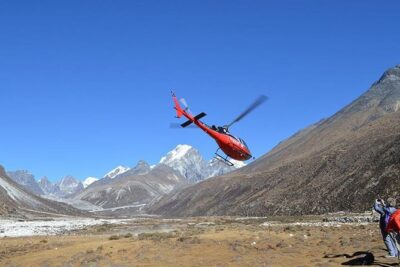
- Everest Base Camp Helicopter Tour landing at Everest View Hotel
★ 5.0 · 668 reviews - Everest Base Camp Trekking – 13 Day
★ 5.0 · 365 reviews - Everest Base Camp Trek
★ 5.0 · 350 reviews - Everest Base Camp Trek -14 Days
★ 5.0 · 321 reviews
Dingboche and Deboche: rhododendron meadows, nuns, and altitude rhythm
Days 6 and 7 focus on Dingboche, with an in-between stop at Deboche. Day 6 takes you through rhododendron forests and meadows, past a Buddhist nunnery at Deboche before arriving at Imja Khola. This is a day that blends scenery with culture, not just elevation.
Day 7 is your rest and recovery time. The plan says you take a day off to relax in Dingboche, with optional walks if you want movement without pressure.
I like that the itinerary treats the rest day as real. Dingboche is high enough that your body needs downtime, and a structured rest day can keep you safer for the later pushes toward Lobuche and Base Camp. In other words, you are not buying the viewpoint with suffering only. You are also buying it with smarter pacing.
Lobuche and the memorial trail: meaning near the glacier moraine
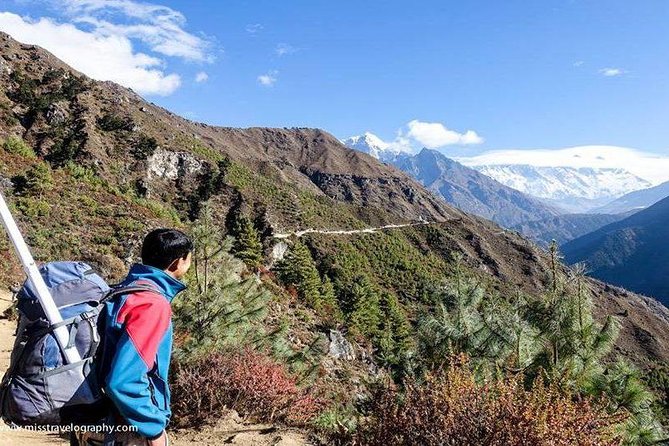
Day 8 moves you toward Lobuche, trekking over a hill toward Dughla. The itinerary notes memorials to Sherpas who lost their lives on Everest trips, and that stop is more than a solemn pause. It puts your own journey into the broader reality of what it takes to operate in this region.
After Dughla, you continue along the Khumbu Glacier moraine with views that point toward Kalar Pattar and Pumori. This is the start of the “final approach energy,” where the trail feels more raw and the terrain begins to look less like village walking and more like a high-altitude corridor.
If you tend to get anxious about what is ahead, this is a good day to ground yourself. The route is reminding you that you are following a path people walk with purpose, not just for sightseeing.
Everest Base Camp and Gorak Shep: icefall context, stony dunes, and lodges
Day 9 is the big reach day. After lunch, you continue toward the Khumbu Icefall and Everest Base Camp, walking through stony dunes, moraines, and streams until you reach the Base Camp area. The plan also includes a tour of Base Camp and views tied to the glacier and icefall area.
Even though this is called Everest Base Camp, it is really about the broader glacier system. The Khumbu Glacier and the icefall are part of what makes the region feel extreme and alive at the same time. You get that reality without needing technical climbing.
The day ends in Gorak Shep, where you check into your lodge. The itinerary describes a steeper ascent early, then a descent to Gorak Shep, so expect energy to be spent even before you reach your lodge for the night.
A useful mindset: Gorak Shep is where your body starts asking for patience. Hydrate, pace your breathing, and keep your focus on sleep quality, because Day 10 is the high one.
Kala Patthar at 5,550 m: the dawn viewpoint push
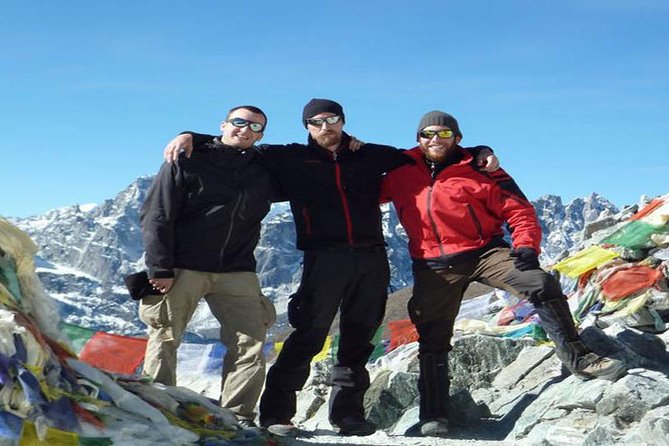
Day 10 centers on Kala Patthar, described as the highest elevation on the trek, at 5,550 m. Your guide schedules time for the climb to this famous viewpoint, known for early Everest dawn views.
The itinerary frames it as a short-to-moderate climb that can take about two hours, with a return afterward to Gorak Shep for breakfast. Then you descend toward Pheriche for the overnight.
This is the single most “memory-making” day in the whole route because the viewpoint is specific and the goal is clear. It also tests how well your acclimatization worked earlier. If you were conservative back in Namche and Dingboche, this day tends to feel like a worthwhile grind rather than a panic scramble.
Pheriche down to Namche again: Pangboche monastery and the long descent
Day 11 brings you to another cultural moment at the Pangboche monastery, described as the oldest monastery in the area when you arrive. Then you descend through Tangboche toward Phungithanka, and continue trekking down toward the next overnight stop.
Day 12 focuses on returning to Lukla. The itinerary says you trek through lush green backgrounds and pass local Sherpa hamlets and the Hillary suspension bridge on the way down.
It is a nice contrast. Your earlier days felt like you were climbing toward the sky. These days feel like you are walking back into human scale, and you get more time for quiet moments, not only big views.
Fly out of Lukla: timing roulette, plus a final Kathmandu unwind
Day 13 is your flight day, flying from Lukla back. The plan includes flying to Kathmandu or Ramechhap based on conditions, with Ramechhap flights happening in busy seasons due to air traffic at Kathmandu airport, and a drive in the peak season.
Day 14 finishes with a final airport transfer to Tribhuvan International Airport. You have time on the last day for additional adventures you booked separately.
This finish matters because the trek is not a closed loop. You want a clean handoff back to the city, not a rushed scramble. The included airport drop makes that easier.
What you’re really paying for: $1,300, flights, and end-to-end structure
At $1,300 for about 14 days, you are paying for more than a walking route. You are paying for the hard parts of logistics in Nepal’s Everest region.
Here is what the package covers:
- Airport pickup on arrival and final departure transfers
- Flight tickets for you (KTM to Lukla to KTM, or Ramechap to Lukla to Ramechap, with a drive to Ramechap in peak season)
- Flight ticket for your guide
- Two nights in Kathmandu on bed-and-breakfast (Hotel Kailash Kutee or similar)
- Meals: breakfast (13), lunch (11), dinner (11)
In places like this, the “value” often comes from removing decision fatigue. You do not have to coordinate day-to-day timing between Kathmandu, Lukla, and the return. You also do not have to guess how the trek pacing connects with acclimatization.
The small group size helps, too. With a maximum of 8 travelers, you are less likely to feel like you are in a moving crowd. That can make it easier to keep a pace that suits you.
Guides and support: why calm leadership can be the difference
The biggest advantage you can feel on Everest routes is not only trail knowledge. It is emotional steadiness, especially when weather changes plans.
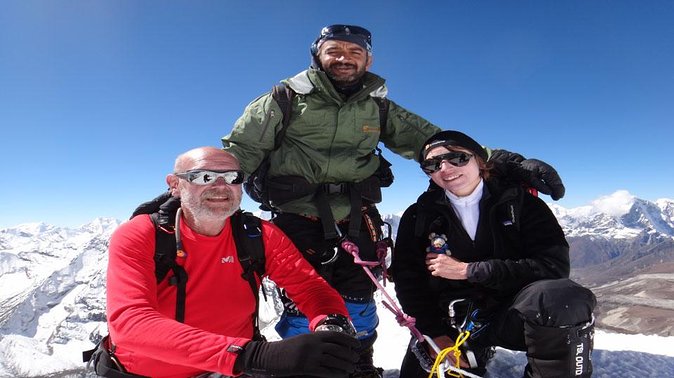
In the reviews connected to this operator, I noticed repeated praise for guides such as Ram, Prakash, and Gore, plus strong support from porters like Amer. Several comments highlight that guidance focused on staying calm, solving small problems fast, and supporting people through tough days. One review also mentions a family trek where the guide kept things upbeat with a game of cards, which is a reminder that morale is part of the itinerary, even if it is not on a map.
That kind of service mindset matters most on the days that feel uncertain, like flight timing and the final approach days when your body is already taxed.
Who this Everest Base Camp trek suits best
This trek fits you best if:
- You have moderate physical fitness and you are ready for a multi-day mountain routine
- You want a structured route with acclimatization time built in
- You care about Sherpa culture stops, not only the summit-style moments
- You prefer a small group experience (max 8)
It may not be the right fit if you need a perfectly predictable flight schedule, or if you get stressed by altitude and weather dependencies. This region is beautiful, but it is also operationally sensitive.
Should you book Everest Base Camp with Nepal Hiking Adventure?
I would book this if you want an organized, classic 14-day Everest Base Camp trek with the key altitude pacing handled and the major cultural stops included. The itinerary’s rhythm, especially the Namche acclimatization and the Dingboche rest day, is exactly what helps you finish feeling proud instead of exhausted and behind schedule.
I would hesitate only if you cannot handle the reality of weather-related flight changes. This trek requires good conditions, and the Lukla segment is where that matters most.
If you are comfortable with a high-altitude challenge and you want strong on-the-ground support from a team that has earned praise from past trekkers, this is a solid choice.
FAQ
Where does the Everest Base Camp trek start?
The trip starts in Kathmandu, Nepal, with an airport pickup and hotel stay near Thamel.
How long is the trek?
It runs about 14 days.
Is a flight to Lukla included?
Yes. Your package includes flight tickets KTM to Lukla to KTM, or Ramechap to Lukla to Ramechap, depending on the routing and season.
How many people are in the group?
The maximum group size is 8 travelers.
What happens on the acclimatization day?
You take an acclimatization day in Namche Bazaar at 3,440 m, with time to visit places like the Sherpa Museum.
What is the highest elevation on the trek?
Kala Patthar is the highest viewpoint, at 5,550 m.
Does the itinerary include a rest day?
Yes. There is a day off in Dingboche to relax before the later trekking push.
What meals and lodging are included?
You get two nights in Kathmandu on a bed-and-breakfast plan, and meals on the trek include 13 breakfasts, 11 lunches, and 11 dinners.
What if flights or weather cause cancellations?
The experience requires good weather, and if it is canceled due to poor weather you are offered a different date or a full refund. You can cancel up to 3 days in advance for a full refund.
Latest additions near Kathmandu
- White Water River Rafting – 1 Day★ 4.3 · 3 reviews
- Traditional Momo Making Class★ 5.0 · 10 reviews
- Kathmandu to Pokhara Premium sofa bus ticket★ 4.0 · 17 reviews
- Amazing 1 Day Trekking Experience in Kathmandu Nepal★ 5.0 · 24 reviews
- Ghorepani Poonhill Trek★ 5.0 · 5 reviews
- Ghorepani Poon Hill Trek★ 5.0 · 16 reviews
- Walking tour of real Kathmandu through back streets.★ 5.0 · 3 reviews
- Wildlife Adventure in Chitwan Nepal★ 4.0 · 4 reviews
Everest Base Camp Treks, compared.
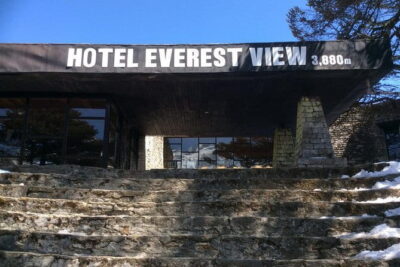
Everest Base Camp Helicopter Tour landing at Everest View Hotel
Read our review →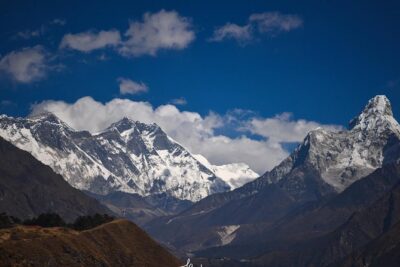
Everest Base Camp Helicopter Tour landing at Hotel Everest View
Read our review →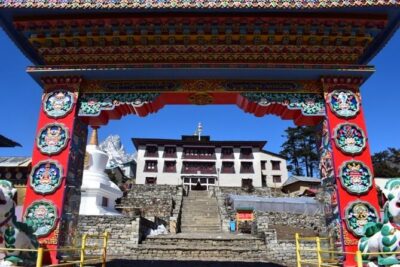
Browse the lists this tour appears in