
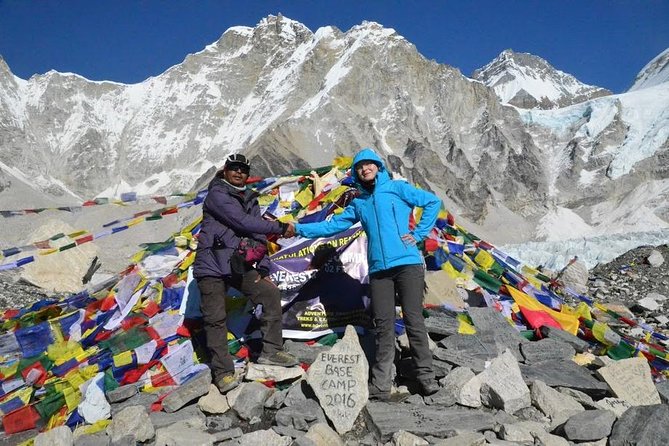
Reviewed · EVEREST BASE CAMP TREKS
Everest Base Camp trek- 13 Days
Lukla feels like part daredevil, part wonder. This 13-day Everest Base Camp trek takes you from Kathmandu to Lukla by flight, then into Sherpa villages and big-name stops like Namche Bazar, Tengboche, and Everest View points, with the practical comfort of an experienced team. I especially like that you travel with a licensed English-speaking guide and that key paperwork like Sagarmatha National Park and Khumbu village permits is handled for you. The one drawback to plan for is that the trek nights are in basic tea houses, with outside toilet and bathroom, so this is not the trip for comfort-first travelers.
What really makes the route work is the rhythm. You get built-in acclimatization days in Namche Bazar and Dingboche, and the schedule includes the classic sunrise move at Kalapatthar. On top of that, the porter setup is thoughtful, with a strong porter for every two travelers carrying up to 25 kilos, which can make a noticeable difference once the trail gets steeper.
In This Review
- Key highlights worth your attention before you go
- Price and what $1,300 actually buys you
- Day 1, Kathmandu to Lukla to Phakding: start early, start high
- Phakding to Namche Bazar: the Sherpa hub and the hanging-bridge moment
- The acclimatization day in Namche: where you earn the rest of the trek
- Namche to Tengboche: 3,860 meters and the monastery stop
- Tengboche to Dingboche and the second acclimatization: altitude gets personal
- Dingboche to Lobuche: the climb toward the Base Camp approach
- Gorak Shep to Everest Base Camp and back: the day the trek earns its name
- Kalapatthar sunrise and the return to Pheriche: cold reward, big payoff
- Back over Tengboche and Namche: the route changes, your perspective shifts
- Day 12 to Day 13: Lukla flight and a proper send-off
- What your daily meals and tea house stays feel like
- Your guide and porter setup, and why it changes the trek
- Who this Everest Base Camp trek suits best
- Should you book this Everest Base Camp trek?
- FAQ
- How long is the Everest Base Camp trek?
- Where does the trip start and where is the meeting point?
- What is included in the price?
- What kind of accommodation will I have during the trek?
- Are meals included, and can I choose what to eat?
- Do I get support from a porter, and how much will they carry?
- Are drinks and bottled water included?
- Is the guide’s travel and expenses included?
- Are tips included?
- What happens if the trek is canceled due to weather?
Key highlights worth your attention before you go
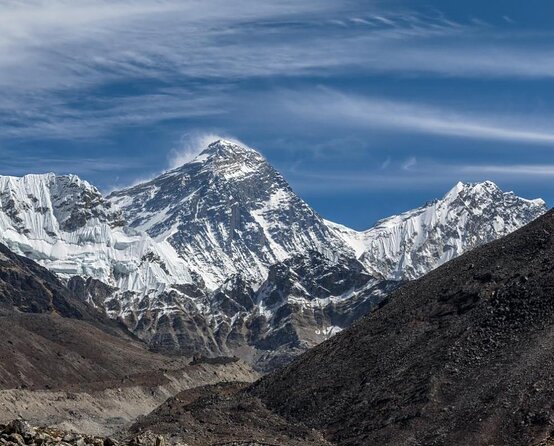
- Lukla flight included: a short hop that turns Day 1 into the start of the mountain story.
- Acclimatization built in: extra days in Namche Bazar and Dingboche to help you handle altitude.
- Tea house stays, outside facilities: basic lodging with outside toilet and bathroom, so pack for cold and simplicity.
- English-speaking guide and porter support: licensed guide and a porter system (up to 25 kg per porter for every two travelers).
- Cultural add-on to end the trek: a farewell dinner at an authentic Nepali restaurant with live cultural show.
- More than just sightseeing: the route hits Sherpa villages, hanging bridges, Tengboche, and the Everest Base Camp area, not only viewpoints.
Price and what $1,300 actually buys you
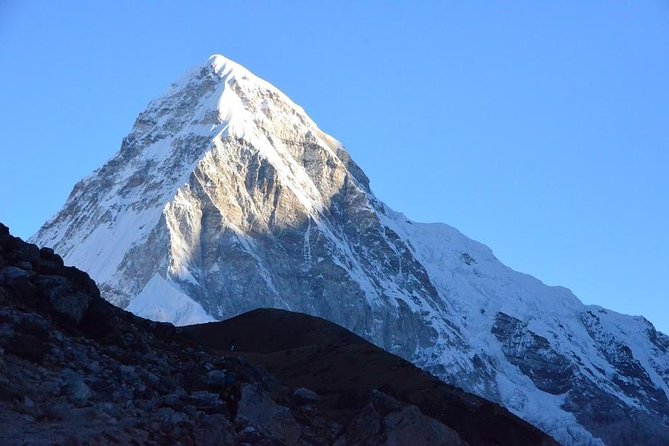
At $1,300 per person, this trek is priced like a full-service Everest Base Camp package, not like a bare-bones logistics plan. The value is strongest because several expensive and time-consuming pieces are included: the Kathmandu-Lukla-Kathmandu flights, park and village permits, airport to hotel transfers, and an English-speaking licensed guide with his expenses covered. You also get all breakfasts, lunches, and dinners during the trek with a menu choice for one dish per meal, which matters when you’re tired and altitude makes decisions harder.
You do still have to budget for what’s not included. Drinks, bottled water, and hot drinks are extra, and hot showers are also not part of the package. Tips for guide and porters are mandatory, and you’ll want to have that ready so you’re not scrambling at the end of the trip when everyone is wiped out. If you go in knowing what the package covers, the price feels fair and predictable.
More Treks in Kathmandu
- Everest Base Camp Trek – 14 Days
★ 5.0 · 1,499 reviews - Everest Base Camp Trek
★ 5.0 · 842 reviews - Everest Base Camp Trekking
★ 5.0 · 485 reviews
Day 1, Kathmandu to Lukla to Phakding: start early, start high
Your day begins with a 5:15 am start at the meeting point in Thamel, Kathmandu. That early timing helps you reach Lukla in time for the flight window and keeps the first trekking day from becoming a midnight grind. After a short flight of about 30 minutes, you land at Lukla around 2,840 meters, then trek down to Phakding around 2,610 meters for about 4 to 5 hours.
This first day is less about athletic achievement and more about rhythm. You’ll adjust to the walking pace, the thin air, and the fact that the trail is busy with people moving in both directions. It’s also where you’ll feel how the itinerary is built around steady progress, with a downhill start that gives your body a small breather after flying in.
Phakding to Namche Bazar: the Sherpa hub and the hanging-bridge moment
Day 2 climbs you from Phakding to Namche Bazar, around 3,440 meters, with a 6 to 7 hour trek. Namche is the gateway town, and this is where the trek starts to feel like a real community journey rather than just a hike. You’ll pass Sherpa villages, cross hanging bridges, and keep seeing villages and tea houses appear where you expect only rocks and trails.
One practical thing I like about this day is that it’s long enough to feel like you did something, but not so long that it wrecks you. Namche is where altitude starts to matter, so you arrive ready to rest and hydrate, not ready for another marathon.
The acclimatization day in Namche: where you earn the rest of the trek
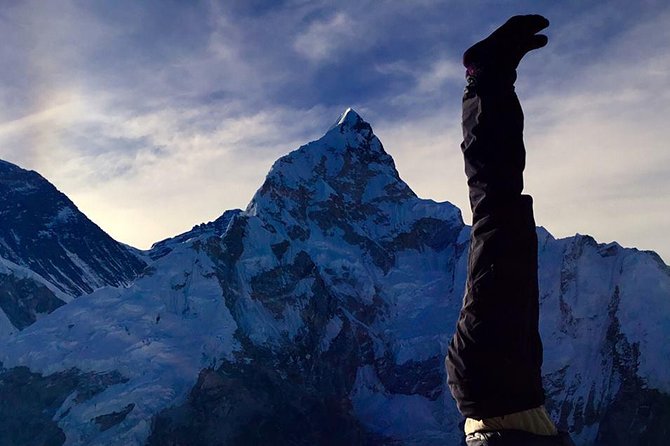
Day 3 is a dedicated acclimatization day in Namche Bazar. This is not filler. It’s one of the smarter parts of the entire itinerary because it reduces the odds of feeling crushed by altitude on the later stretches.
On a day like this, your job is to take it slow, move at a reasonable pace, and give your body time to adjust. Even if you feel fine in the morning, you’ll still want to be cautious and follow your guide’s pacing advice. This is also the day when you can really appreciate the logistics support: you’re not figuring out timing, food stops, or route decisions alone.
More Everest Base Camp treks:
- Everest Base Camp Helicopter Tour landing at Everest View Hotel
★ 5.0 · 668 reviews - Everest Base Camp Trekking – 13 Day
★ 5.0 · 365 reviews - Everest Base Camp Trek
★ 5.0 · 350 reviews - Everest Base Camp Trek -14 Days
★ 5.0 · 321 reviews
Namche to Tengboche: 3,860 meters and the monastery stop
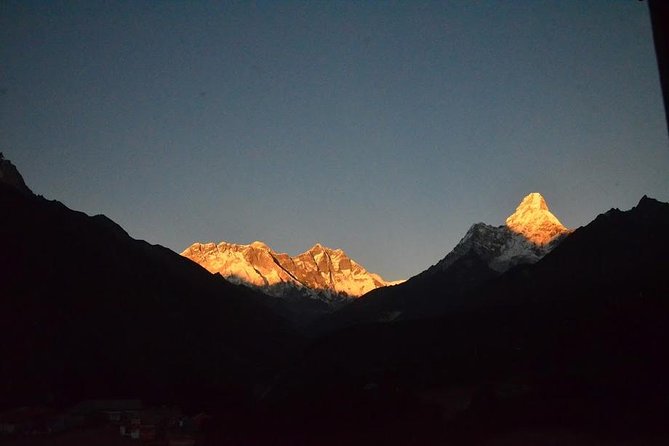
Day 4 is a classic high point on the route: Namche Bazar to Tengboche at about 3,860 meters, roughly 5 to 6 hours. Tengboche is famous for its monastery, and this stop adds meaning beyond the view. You’ll be moving through the culture and daily life of the region, not just hiking from altitude marker to altitude marker.
If you’re into spiritual architecture and mountain traditions, Tengboche delivers. Also keep in mind that this area is near what’s described as the Hotel Everest View zone, a spot known for maximum-altitude hotel views. Even a short pause here helps you connect the dots between what you see on the ground and what you’re working toward later.
Tengboche to Dingboche and the second acclimatization: altitude gets personal
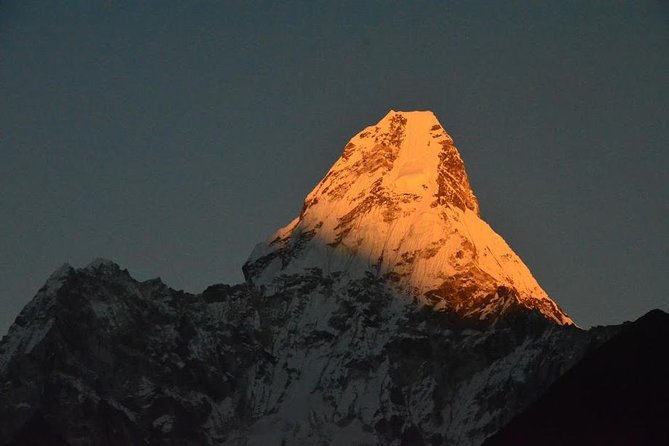
Days 5 and 6 take you from Tengboche to Dingboche, with Day 6 dedicated to acclimatization in Dingboche. Dingboche sits at about 4,000 meters, and the extra rest day is there because your body needs time at that height.
The main drawback people hit on Everest routes is pushing forward when they should be consolidating gains. This itinerary avoids that mistake by refusing to “rush to the next town.” You get a chance to walk, breathe, and settle, which helps you arrive at later days with more energy.
Dingboche to Lobuche: the climb toward the Base Camp approach
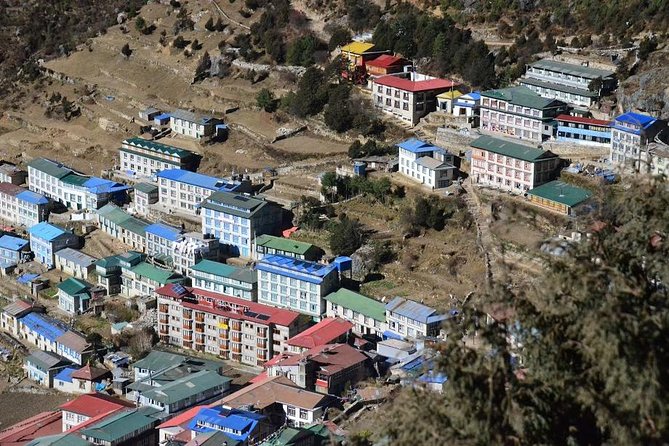
Day 7 goes from Dingboche to Lobuche. By now you’re deep in Everest territory, both in altitude and in the feeling that the terrain is serious. Day 8 continues to the Gorak Shep area, and the plan on Day 8 is your biggest concentration of effort: Everest Base Camp and back, plus the Gorak Shep lodging.
This is also the point where your gear choices matter. Since drinks and hot drinks are not included, you’ll want to be intentional about how you hydrate and how you manage warm layers. Tea house life helps you rest, but you still want your body ready for cold mornings and long stretches.
Gorak Shep to Everest Base Camp and back: the day the trek earns its name
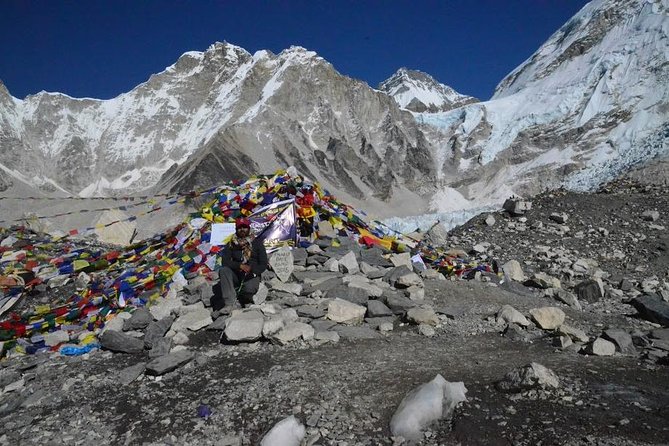
Day 8 is the long push to the Everest Base Camp area and back to Gorak Shep. You’ll start at the Gorak Shep side and work toward Base Camp, then return for the night. Even if you’re feeling strong, this is a day where steady footwork and pacing matter more than speed.
I love this structure because it keeps you from rushing past the moment. You get the payoff of reaching Everest Base Camp, but you also get the realism of returning the same day, which keeps the experience grounded. The tea house dinner that night is not an afterthought, it’s part of your recovery plan.
Kalapatthar sunrise and the return to Pheriche: cold reward, big payoff
Day 9 is where the classic view gets its own headline. You’ll go from Gorak Shep to Kalapatthar for sunrise views, then continue to Pheriche. Sunrise at Kalapatthar is a real mental shift, because you go from exhaustion to awe within minutes once the sky opens.
After that, Day 9 is still travel time, not a free day. You’ll trek to Pheriche, and this helps you reset for the return leg while staying on the schedule. If you’ve ever felt torn between rest and adventure, this is the kind of day that makes you appreciate why sunrise is worth the wake-up.
Back over Tengboche and Namche: the route changes, your perspective shifts
Day 10 returns from Pheriche to Tengboche, Day 11 goes Tengboche to Namche Bazar, and Day 12 continues from Namche Bazar to Lukla. This is one of the best parts of the trek: the trail is familiar, but you’re not. Coming back over the same general corridor often feels easier physically, yet you notice details you missed earlier.
You’re also more aware of altitude now, so your movements feel smoother and more deliberate. This is when the guide matters, because he can help you keep walking efficiently while still stopping when the trail and views ask for it.
Day 12 to Day 13: Lukla flight and a proper send-off
On Day 12 you trek to Lukla, then Day 13 is Lukla back to Kathmandu by flight. After the flight, you’ll transfer to your hotel and have a farewell dinner in the evening at an authentic Nepali restaurant with live cultural show. This end matters because it gives you a full-circle feeling, you finish the trek, then celebrate the effort with something warm and local.
One practical note: the flight days are major milestones. You’re moving on a schedule where weather can change plans, so you’ll want to stay flexible and keep your priorities realistic. Your guide and team provide emergency assistance support, which gives peace of mind on a route where nature sets the terms.
What your daily meals and tea house stays feel like
Your trek nights are in basic tea houses on a twin-sharing basis, and the outside toilet and bathroom detail is part of the deal. For me, that’s the trade-off that makes the overall experience possible and affordable. You’ll likely spend a lot of time in warmth, layers, and routine rather than comfort.
Food is included: breakfast, lunch, and dinner, with one dish chosen from the menu for each meal. That’s a simple system, and it keeps the day from getting complicated. If you’re picky, or if your appetite drops at altitude, keep things straightforward and aim for warm, filling meals.
Drinks are not included, including bottled mineral water and boiled water, and cold or alcoholic drinks are extra. So plan to budget for hydration and hot drinks as you go, especially during colder mornings.
Your guide and porter setup, and why it changes the trek
This is a guided trek with an experienced English-speaking licensed guide, and the team brings porter support on a clear formula. You’ll have a strong porter for every two travelers, carrying up to 25 kilos, and all porter expenses are included.
That matters more than it sounds. When you’re at altitude, fatigue makes everything harder, even if the trail distance isn’t your biggest enemy. Offloading heavy items helps you keep your core strength for the uphill sections and reduces the chance you burn out before the big days like Base Camp and Kalapatthar.
The experience also includes emergency assistance, plus insurance for the guide and porters. It’s not a guarantee against everything that can happen in the mountains, but it is a sign that the operation expects real-world risk.
Who this Everest Base Camp trek suits best
This trip is best for people with moderate physical fitness who want a structured, supportive plan rather than a DIY challenge. If you like clear pacing, planned acclimatization days, and having the permits and flights handled, you’ll probably feel at ease.
It can also suit couples and groups who want flexibility within the trek structure and appreciate group discounts. Since it is described as private and only your group will participate, you’re not sharing the trek with unrelated strangers.
If you’re looking for luxury hotels, private bathrooms, or hot showers every night, this is not that. The tea house setup with outside facilities is part of the authenticity and part of the trade-offs.
Should you book this Everest Base Camp trek?
I’d book this trek if you want a well-run Everest Base Camp experience with the heavy logistics taken care of, especially the Lukla flights, permits, guide support, and included meals during the trek. The acclimatization days are a big green flag, and the porter system helps you stay in the game for the high-demand days like Everest Base Camp and sunrise at Kalapatthar.
I would think twice if outside toilets and basic tea house lodging feel like a deal-breaker for you, or if you’re counting on drinks and hot beverages to be included. The route rewards the prepared, and with the mandatory tips and extra drink costs, you should budget for the real-life mountain expenses too.
FAQ
How long is the Everest Base Camp trek?
The trek is scheduled for about 13 days.
Where does the trip start and where is the meeting point?
It starts at Outdoor Himalayan Treks on Thamel Marg in Kathmandu. The start time is listed as 5:15 am.
What is included in the price?
Inclusions include Kathmandu to Lukla round-trip flight tickets, hotel-airport-hotel transfers, permits (Sagarmatha National Park and Khumbu village), an English-speaking licensed guide, porter support, emergency assistance, and breakfast, lunch, and dinner during the trek.
What kind of accommodation will I have during the trek?
You stay in basic tea houses on a twin-sharing basis. Toilet and bathroom are outside.
Are meals included, and can I choose what to eat?
Yes. Breakfast, lunch, and dinner are included, and you can choose from the menu with one dish per meal.
Do I get support from a porter, and how much will they carry?
Yes. There is a porter for every two travelers, and the porter carries up to 25 kilos.
Are drinks and bottled water included?
No. Beverage items like cold or alcoholic drinks, bottled mineral water, and boiled water are not included.
Is the guide’s travel and expenses included?
Yes. The guide’s expenses are included, and insurance for the guide and porters is included as well.
Are tips included?
No. Tips for the guide and porters are mandatory and are not included in the price.
What happens if the trek is canceled due to weather?
The experience requires good weather. If it is canceled due to poor weather, you will be offered a different date or a full refund.
Latest additions near Kathmandu
- White Water River Rafting – 1 Day★ 4.3 · 3 reviews
- Traditional Momo Making Class★ 5.0 · 10 reviews
- Kathmandu to Pokhara Premium sofa bus ticket★ 4.0 · 17 reviews
- Ghorepani Poon Hill Trek★ 5.0 · 16 reviews
- Amazing 1 Day Trekking Experience in Kathmandu Nepal★ 5.0 · 24 reviews
- Ghorepani Poonhill Trek★ 5.0 · 5 reviews
- Walking tour of real Kathmandu through back streets.★ 5.0 · 3 reviews
- Wildlife Adventure in Chitwan Nepal★ 4.0 · 4 reviews
Everest Base Camp Treks, compared.
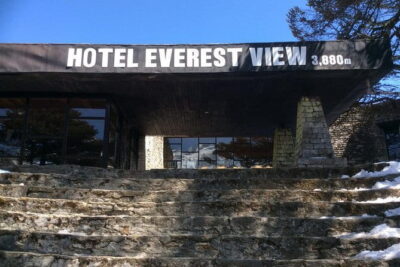
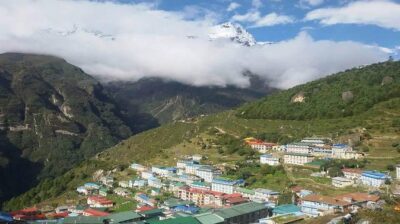
Everest Base Camp Helicopter Tour landing at Everest View Hotel
Read our review →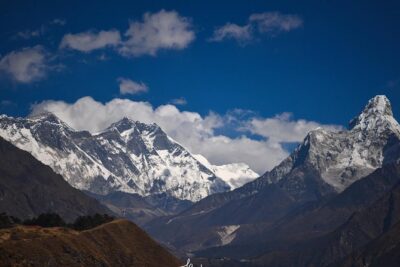
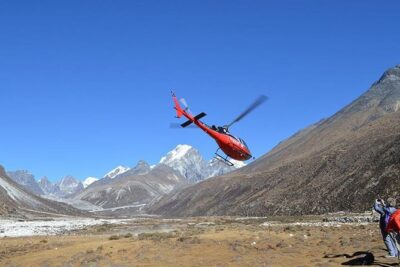
Everest Base Camp Helicopter Tour landing at Hotel Everest View
Read our review →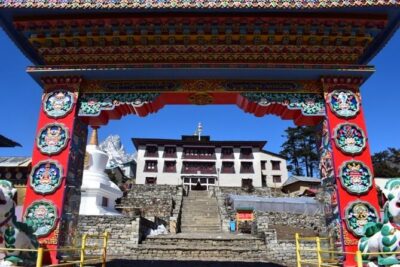
Browse the lists this tour appears in