
Reviewed · EVEREST BASE CAMP TREKS
Everest Base Camp Trek
Lukla to Everest Base Camp is the real deal. What makes this trek so compelling is the way it mixes high-altitude realism with solid logistics, and I really like that you get a government certified guide plus practical support when the mountains start pushing back. I also like the pace built around acclimatization stops in places like Namche Bazaar and Dingboche, not just nonstop climbing. The one drawback to consider is the effort curve, because you do long walking days, including an 8 hour push toward Everest Base Camp and optional extra climbs that can feel heavy at altitude.
I also appreciate the value side of the package at $1,600 per person, because the essentials are actually covered. You are getting round-trip domestic flights to the trek region, permits and entrance fees, daily lodge stays in twin sharing, and three meals a day during the trek, plus an oxi-meter in the first aid kit for altitude monitoring. One more plus, this is run by Glorious Himalaya Trekking Pvt. Ltd., and past trekkers highlight the owner, Ganesh, for responsive communication and team flexibility when things need adjusting.
In This Review
- Key Takeaways Before You Go
- Kathmandu Arrivals, Private Transfers, and Two Hotel Nights
- Flying Into Lukla and Reaching Phakding by Foot
- Namche Bazaar: First Everest Views and the Acclimatization Reset
- Tengboche and Pangboche: Monasteries, Forest Trails, and Wildlife Hints
- Dingboche and Chhukung: The Altitude Buffer Day That Pays Off
- Lobuche and the Trekkers Aid Post: Memorials and Medicine on the Trail
- Gorakhshep, Kala Patthar, and Everest Base Camp: The 8 Hour Big Push
- Kala Patthar Breakfast Views, Then the Descent Through Pheriche and Namche
- Lukla to Kathmandu: Tenzing Hillary Bridge, Dudh Koshi River, and a Safe Landing
- Price and Value: What $1,600 Really Covers Here
- Who This Trek Fits Best, Based on Real Trekker Patterns
- Should You Book This Everest Base Camp Trek?
- FAQ
- Where does the trek start and where does it end?
- How do you travel from Kathmandu to Lukla?
- Is there an acclimatization day during the trek?
- Is the trip fully guided?
- What is included in the price of $1,600 per person?
- What is not included?
- Do you provide medical monitoring for altitude?
- Is a porter included automatically?
- Do I need a permit for using a drone?
- Is free cancellation offered?
Key Takeaways Before You Go
- Lukla flight day sets the tone with that classic, nerve-jangling runway entrance and Himalayan views from the air.
- Namche Bazaar includes an acclimatization day plus a chance to get supplies and reset your body.
- Dingboche and Chhukung are a smart altitude “buffer” when you want better mountain views without rushing.
- Kalapathar is the payoff moment that combines a steep climb with a breakfast and glacier panoramas.
- You get practical safety gear including an oxi-meter and first aid kit on the trek.
- Local lodge life is part of the deal, so this is for people who want mountain days, not comfort-chasing.
Kathmandu Arrivals, Private Transfers, and Two Hotel Nights
Your trip starts in Kathmandu with an airport pickup and private vehicle transfer to your hotel. This matters more than it sounds, because Kathmandu traffic is chaotic enough that you will feel better spending your first hour not stressed about directions.
You also get two nights in Kathmandu with buffet breakfast included. That buffer helps after international arrival, and it gives you a clean runway before the trek starts. If you are flying in the same day as your trek booking, those extra nights can be the difference between feeling ready and feeling behind.
On the last days, you will fly back to Kathmandu from the Ramechhap area, then your guide transfers you to the hotel again. You finish with a farewell dinner with your group, which is a nice way to decompress after a long run of walking days.
More Treks in Kathmandu
- Everest Base Camp Trek – 14 Days
★ 5.0 · 1,499 reviews - Everest Base Camp Trek
★ 5.0 · 842 reviews - Everest Base Camp Trekking
★ 5.0 · 485 reviews
Flying Into Lukla and Reaching Phakding by Foot
Day two is the big transition day. You leave early from Kathmandu, fly for about 30 to 35 minutes to Lukla, and then start the trek to Phakding right away. The flight itself is one of those moments where the whole trip feels real, because you get aerial views of valleys, rivers, and the Himalayan range.
Once in Lukla, you meet the team, including porters, and begin the descent toward Phakding. The trail is not just a march, either. You pass local settlements, spin prayer wheels, cross suspension bridges, and walk through dense forest. That blend of human detail and mountain motion is a big part of what makes the early days enjoyable.
What to watch for: the day is described as a short trek but still includes forest walking, bridges, and altitude adjustment. If you are someone who wants a perfectly easy start, you will still feel the altitude shift, even on a “starter” day.
Namche Bazaar: First Everest Views and the Acclimatization Reset
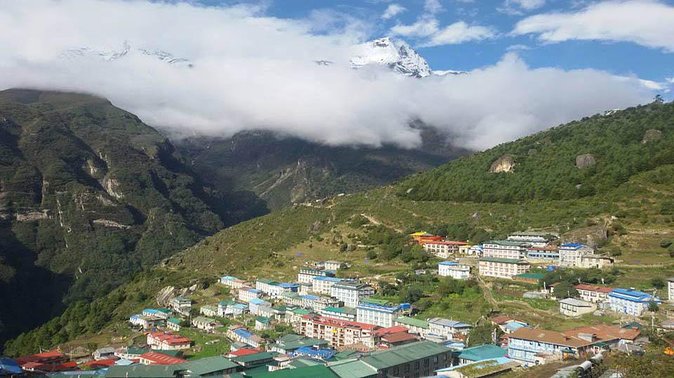
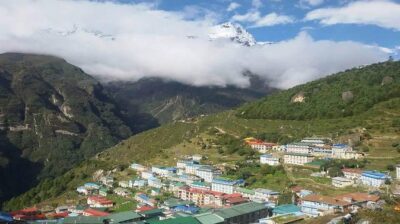
The trek into Namche Bazaar is where the scenery starts grabbing attention hard. You follow along the riverbank, cross a Hilary bridge, and then climb up to Namche. On the way, you get first views of Everest (8848 m), Lhotse, Nuptse, Ama Dablam, and other peaks listed on the route.
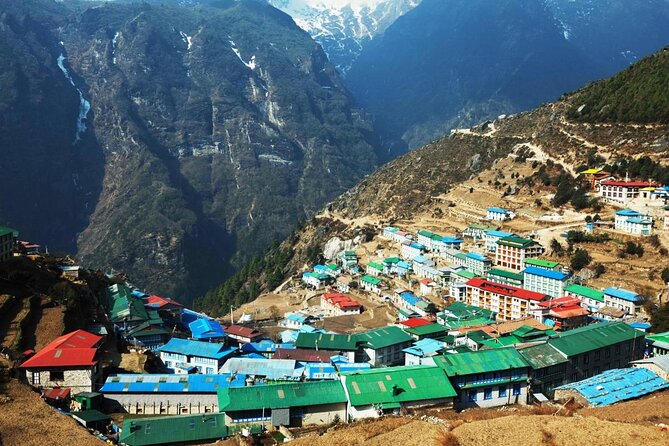
Then you get something many trekkers thank their future selves for: a real acclimatization day in Namche Bazaar. Instead of treating the rest day like a forced nap, the plan encourages you to stay active. You can do small vertical treks or explore the town. Namche is also where practical stuff becomes easier, with lodges, tea shops, souvenir shops, ATMs, money exchangers, internet cafes, restaurants, and bakeries.
Why this is valuable: acclimatization days are not just tradition, they keep you moving safely. One day in Namche helps you adjust before you go higher into the tougher elevations.
Possible consideration: Namche day also means you will be tempted to overdo it with activities. Keep your energy for the mountains. Explore, yes, but don’t turn the acclimatization day into a second “main trek day.”
Tengboche and Pangboche: Monasteries, Forest Trails, and Wildlife Hints
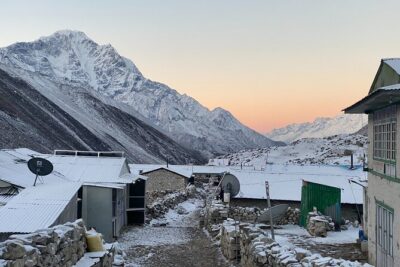
From Namche, you head to Tengboche after breakfast. The trail is described as moderate, with ups and downs. You will keep seeing more snowy peaks along the way, including Everest, Nuptse, Lhotse, and Ama Dablam.
This is also the day format that tends to feel rewarding, because you get both views and culture. You can visit monasteries, walk through villages, and pass river and forest sections. The route even mentions possible wildlife, including musk deer, Himalayan Thar, and colorful pheasants.
A related stop comes soon after, when you walk through the Imja Valley toward Pangboche. Pangboche’s monastery is part of the appeal, and it is described as dating back to early Buddhism in the Khumbu region. That gives you a sense of how old the region’s spiritual landscape is, even if your main focus is the mountain.
Consideration: wildlife sightings are never guaranteed. The better bet is that you will get plenty of chances for photos and monastery visits, because those are built into the route.
More Everest Base Camp treks:
- Everest Base Camp Helicopter Tour landing at Everest View Hotel
★ 5.0 · 668 reviews - Everest Base Camp Trekking – 13 Day
★ 5.0 · 365 reviews - Everest Base Camp Trek
★ 5.0 · 350 reviews - Everest Base Camp Trek -14 Days
★ 5.0 · 321 reviews
Dingboche and Chhukung: The Altitude Buffer Day That Pays Off
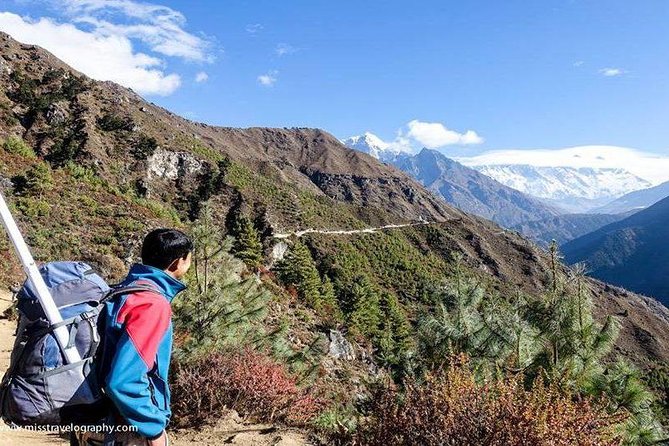
Your route continues higher into Dingboche. The trek moves from the Imja Valley through forest sections, then you reach Pangboche and later Dingboche for the night. Dingboche is listed at about 4,410 m, so this is clearly the point where the air gets thinner.
Day seven is your buffer day. You stay in Dingboche and have the option to hike up to Chhukung. The plan gives a start time around 8:30 in the morning after breakfast, and it describes Chhukung as not too difficult. This kind of out-and-back is a common acclimatization strategy: you get altitude exposure without committing to a huge, exhausting leap.
You should also expect stronger winds returning from Chhukung, because the route calls that out. If you do Chhukung, keep your pace steady and plan on windy conditions.
Why I like this structure: you are not just collecting elevation, you are learning your body’s limits. That makes the later big day feel more manageable.
Lobuche and the Trekkers Aid Post: Memorials and Medicine on the Trail
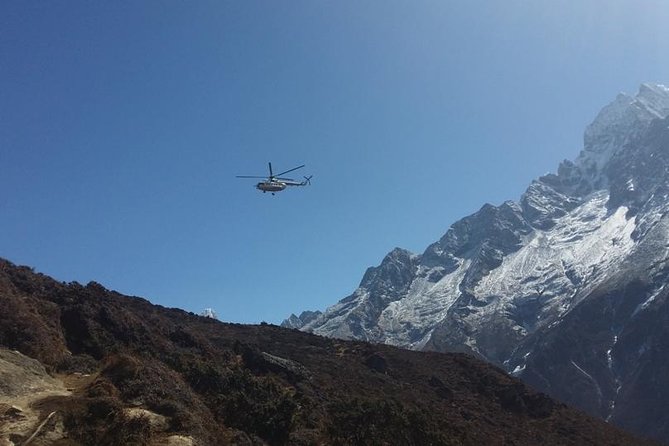
The day to Lobuche is highlighted as one of the most beautiful segments of the trek. The description emphasizes how the massive snow-capped mountains make the small villages look tiny. That sense of scale is what makes the Everest region so hard to shake, even when you are tired.
The trail passes major mountain viewpoints like Ama Dablam, Pokalde, Kongma-Tse, and Nuptse. You also pass the Trekkers Aid Post at Pheriche, described as volunteered by western doctors. That detail matters because it signals real medical support infrastructure exists in the region.
Later, you reach Chukpo Lari after a short steep climb. The spot is described as filled with memorials for climbers who died during Everest expeditions. It is the kind of place where your energy shifts from excitement to respect, and that tone is a good reminder that this is not a theme park.
Possible drawback: the day includes a short steep climb and a steady progression upward. Even if you feel okay earlier in the trip, Lobuche and the Chukpo Lari area can feel emotionally heavy because of those memorials.
Gorakhshep, Kala Patthar, and Everest Base Camp: The 8 Hour Big Push
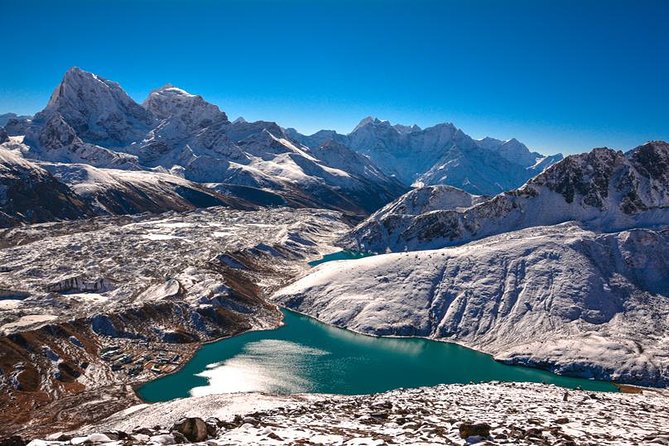
This is the day most people plan around. You leave for the Everest Base Camp area with a long walking day, described as around 8 hours. The trek includes rocky paths, glacial ponds, and icebergs. You climb through meadows and stone steps, which can feel like slow stairs at altitude.
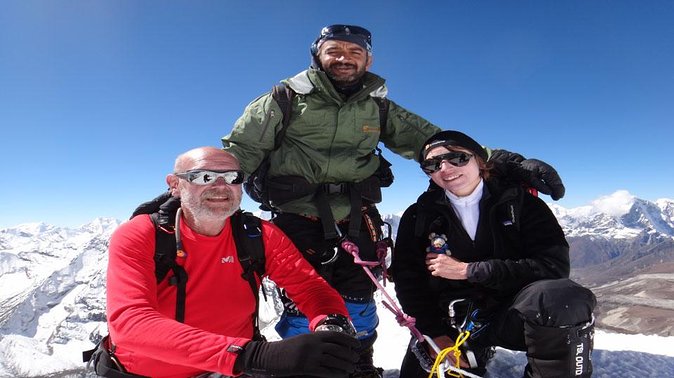
You reach Gorakhshep, and the route gives you two options: you can climb to Kala Patthar (around 5,555 m) or continue on to Everest Base Camp itself. The typical win here is that you get to choose how to manage your energy, because base camp is a destination and Kala Patthar is a perspective.
Base camp is described as a paradise-like experience after you spend time there. Then you return to Gorakhshep for the night at a guesthouse.
What to consider: this is not a day for spectators. Even if the distances seem manageable on paper, the altitude makes effort feel different. If you are prone to getting breathless, treat pace like your best tool.
Kala Patthar Breakfast Views, Then the Descent Through Pheriche and Namche
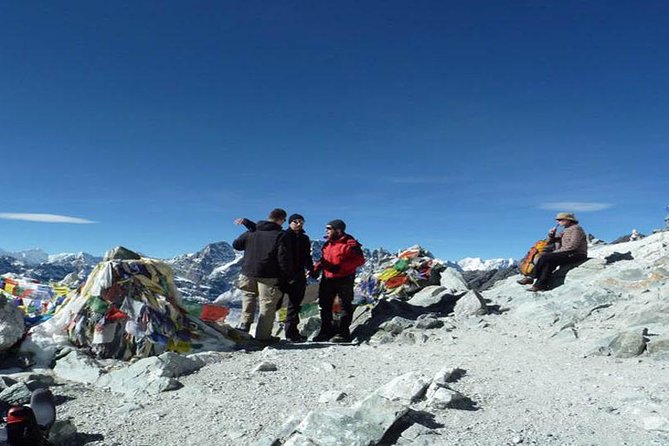
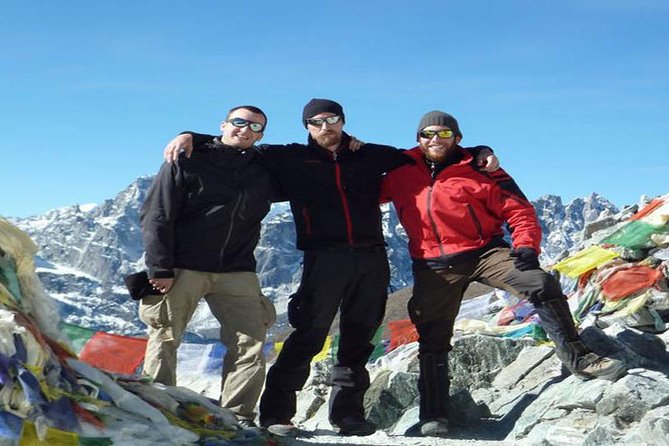
On day ten, the plan sets an early start. You climb for about two hours and reach Kala Patthar, described as strenuous, but rewarded with views beyond expectations. The summit area has prayer flags, cairns, and even small stupas and a weather station listed on the route.
Then comes the important part: breakfast back at Gorekshep, which means the day is not only about suffering for photos. After that, you descend to Pheriche for a well earned rest.
From Pheriche, the route continues downward in day eleven toward Namche Bazaar. You follow valleys and pasturelands, passing Tengboche again and following the Monjo valley. You retrace your path toward Lukla while continuing to enjoy views along the hillside with rhododendrons and juniper trees.
The route also mentions possible wildlife such as colorful pheasants, mountain goats, and snow leopards. Again, sightings are never guaranteed, but the trail does seem to move through habitat where wildlife could appear.
Why the descent days matter: even though breathing feels easier lower down, your legs take a beating. Plan on careful foot placement, especially after days of stairs and rocky sections.
Lukla to Kathmandu: Tenzing Hillary Bridge, Dudh Koshi River, and a Safe Landing
Day twelve takes you to Lukla with a final set of downhill miles. The route highlights the Tenzing and Hillary suspension bridge and says you follow the Dudh Koshi River, crossing suspension bridges and passing forests and small villages.
Once you reach Lukla, you can explore Lukla Bazaar and shop local items. This is a low-pressure way to celebrate your finish without needing extra energy for long detours.
Day thirteen brings a flight back, with an early departure from Tenzing Hillary airport and a scenic 35 minute flight to Ramechhap or Kathmandu. You land back in Kathmandu, get transferred to your hotel, and enjoy that deserved rest. Then, the farewell dinner wraps the trip.
Finally, day fourteen is simply your airport drop so you can catch your return flight on time.
Price and Value: What $1,600 Really Covers Here
At $1,600 per person, this trek prices in a lot of the big ticket items that usually get tacked on later. You get:
- Round-trip domestic flights for the Lukla in and out segments
- Trekking permits and entrance fees
- Professional and government certified guide
- Twin sharing local lodges during the trek
- Three meals a day every day of the trek, plus seasonal fruits as dessert each evening
- 2 nights Kathmandu hotel with buffet breakfast
- Airport pick up and drop offs by private vehicles
- First aid medical kits including an oxi-meter to measure pulse
- A company duffel bag and sleeping bags to use if needed
- A trip achievement certificate at the end
What is not included is also clear, and that matters for budgeting: Nepal entry visa and international flights are on you, and porters are available at an extra cost.
The value logic: you are paying for organization that reduces decision fatigue. The hardest part of Everest region trekking is not only the hiking, it is the logistics of where you sleep, what you eat, how you handle permits, and how you manage altitude. When those pieces are handled, you spend more mental energy on walking well and listening to your body.
Who This Trek Fits Best, Based on Real Trekker Patterns
This trek is built for people with moderate physical fitness. The route durations show why: days can range from 4 hours to long 7 and 8 hour pushes, plus optional hikes like Chhukung and the Kala Patthar option.
It also can work for solo travelers. One solo female trekker specifically noted no issues, which suggests the team approach can feel supportive rather than isolating. Since this is fully guided, you are not left to figure out trail decisions on your own.
The safest match is someone who:
- Wants Sherpa village life plus iconic peaks
- Can commit to long walking days and slower altitude pacing
- Likes having a plan, but still appreciates options on harder days, like Kala Patthar choices
If you are someone who absolutely needs a soft, cushy itinerary with no long days, this probably will feel like too much. EBC is famous for a reason: it is effort, not luxury.
Should You Book This Everest Base Camp Trek?
Book it if you want a well-run, guide-led EBC trip where the key logistics are covered and you get the altitude basics handled through planned rest and buffer days. I especially like that you get an oxi-meter in the first aid kit and a government certified guide, because altitude treks are the one place where safety systems are not optional.
Hold off if you are not comfortable with long walking days and optional strenuous climbs. Also, budget for the items not included, like the Nepal visa and international flights, and think about whether you will use a porter for an extra support layer.
If you are ready to trade comfort for real mountain time, this route has the structure to get you to Everest Base Camp with a plan that respects acclimatization, not shortcuts.
FAQ
Where does the trek start and where does it end?
The trip starts in Kathmandu with an airport pickup and hotel transfer. It ends after the trek when you fly back to Kathmandu and then get dropped at the Kathmandu airport for your return flight.
How do you travel from Kathmandu to Lukla?
On the second day, you take an early morning flight from Kathmandu to Lukla. The flight time is listed as about 30 to 35 minutes.
Is there an acclimatization day during the trek?
Yes. There is a rest and acclimatization day in Namche Bazaar where you can stay active with short vertical treks or explore the town.
Is the trip fully guided?
Yes. The tour is fully guided, with a trained local guide throughout the trek.
What is included in the price of $1,600 per person?
The price includes round-trip domestic flights, permits and entrance fees, a government certified trekking guide, twin sharing local lodge accommodations during the trek, and three meals every day of the trek. It also includes Kathmandu hotel nights with breakfast, airport pick up and drop offs by private vehicles, and a first aid kit with an oxi-meter.
What is not included?
Not included are the Nepal entry visa and your international flights. Porters are also not included and are available at an extra cost.
Do you provide medical monitoring for altitude?
Yes. The included first aid medical kits include an oxi-meter to measure your pulse during the trek.
Is a porter included automatically?
No. Porter availability is listed as an extra cost, while the trekking guide is included.
Do I need a permit for using a drone?
Yes. Special permits for drones are required if you want to use them inside Sagarmatha National Park.
Is free cancellation offered?
Yes. You can cancel up to 24 hours in advance for a full refund. If you cancel less than 24 hours before the experience’s start time, it will not be refunded.
Latest additions near Kathmandu
- White Water River Rafting – 1 Day★ 4.3 · 3 reviews
- Traditional Momo Making Class★ 5.0 · 10 reviews
- Kathmandu to Pokhara Premium sofa bus ticket★ 4.0 · 17 reviews
- Ghorepani Poon Hill Trek★ 5.0 · 16 reviews
- Amazing 1 Day Trekking Experience in Kathmandu Nepal★ 5.0 · 24 reviews
- Ghorepani Poonhill Trek★ 5.0 · 5 reviews
- Walking tour of real Kathmandu through back streets.★ 5.0 · 3 reviews
- Wildlife Adventure in Chitwan Nepal★ 4.0 · 4 reviews
Everest Base Camp Treks, compared.
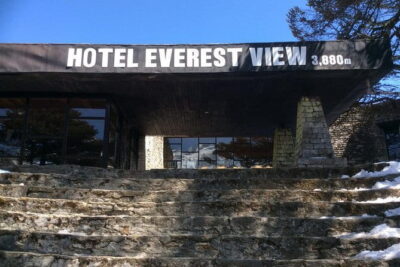
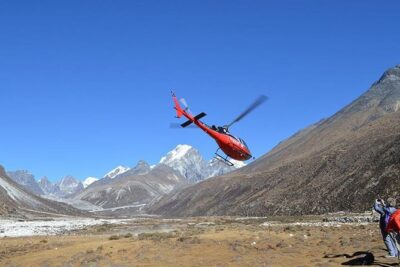
Everest Base Camp Helicopter Tour landing at Everest View Hotel
Read our review →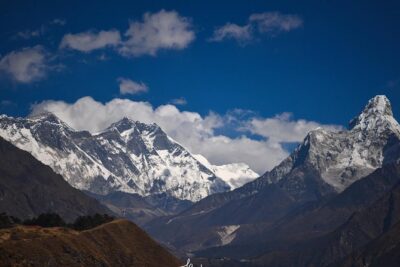
Everest Base Camp Helicopter Tour landing at Hotel Everest View
Read our review →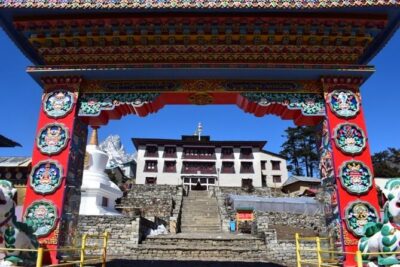
Browse the lists this tour appears in