
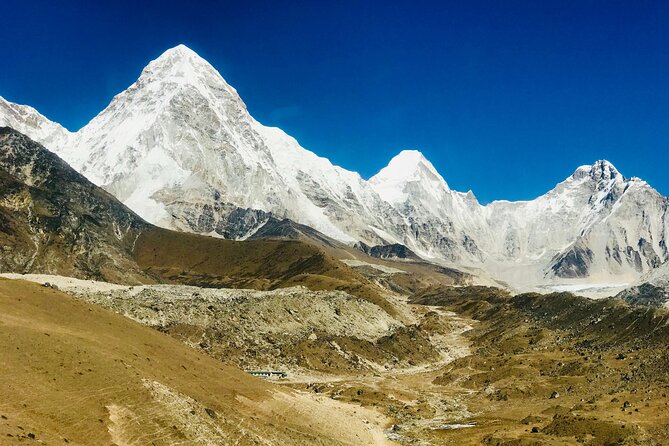
Reviewed · EVEREST BASE CAMP TREKS
Everest Base camp Trek-12 days
Everest starts with a wild little airport. This 12-day group trek takes you from Kathmandu to Lukla, through Sherpa villages and rhododendron forests, and up to Everest Base Camp with teahouse accommodation included.
I like the way the plan is built for real breathing time, not just treadmill climbs. You also get practical logistics covered, including domestic flights and park fees, so you can focus on the walking and the people.
One thing to consider is that this trek is for moderately fit hikers with experience. The daily climbs can be steep, and you will be sleeping at altitude during acclimatization.
In This Review
- Key highlights to know before you go
- Kathmandu to Lukla: the trip’s loudest first step
- Lukla to Phakding: warming up along Dudh Kosi
- Namche via Jorsale and a steep stairway to higher air
- Everest View Hotel acclimatization: high trekking, lower sleep logic
- Tengboche day: monasteries, Mongla Pass, and the Ama Dablam hits
- Through forests and villages: Dingboche country starts showing up
- Nangkartshang acclimatization: a viewpoint hike that keeps you sane
- Dingboche to Dughla: narrowing valleys and Everest-history vibes
- Gorak Shep and Everest Base Camp: 5,364 m and a lot of feelings
- Kala Patthar sunrise: why you get out of bed early again
- The descent through Pangboche to Namche, then back toward Lukla
- Price and logistics: what $1,400 really buys you
- Teahouses and meals: simple comfort at altitude
- Altitude and pace: the hidden skill of a good EBC plan
- Guide support that actually shows up
- Should you book this Everest Base Camp trek?
- FAQ
- What is the duration of this Everest Base Camp trek?
- How do we get from Kathmandu to Lukla?
- What is the highest altitude reached on this trek?
- Are teahouse accommodations included?
- What meals are included in the price?
- What gear is included?
- Is pickup offered in Kathmandu?
- How large is the group?
- Do I need my own porter?
- What if the trek cannot run due to weather?
Key highlights to know before you go
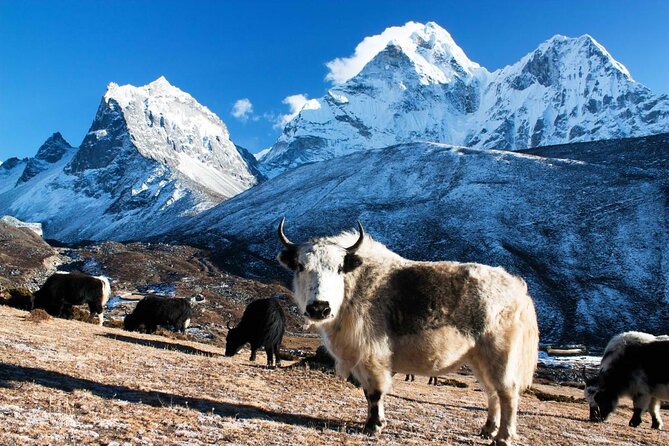
- Lukla fly-in thrill: about 40 to 45 minutes each way, plus that nail-biting landing feel.
- Teahouse nights included: you won’t need to bring tents or hunt for beds.
- Acclimatization built in: high days with lower sleeping, plus viewpoint hikes like Everest View Hotel and Nangkartshang.
- Everest Base Camp day makes the trip real: you reach 5,364 m and then you still get the sunrise bonus.
- Guide and admin support: staff like Subash are reported to respond quickly, and guides such as Ram Tamang, Basu, Suman, Shasi, and Tika show up in the trip stories.
- Economical group value: for $1,400, the core costs are bundled, including flights, fees, meals, and selected gear.
Kathmandu to Lukla: the trip’s loudest first step
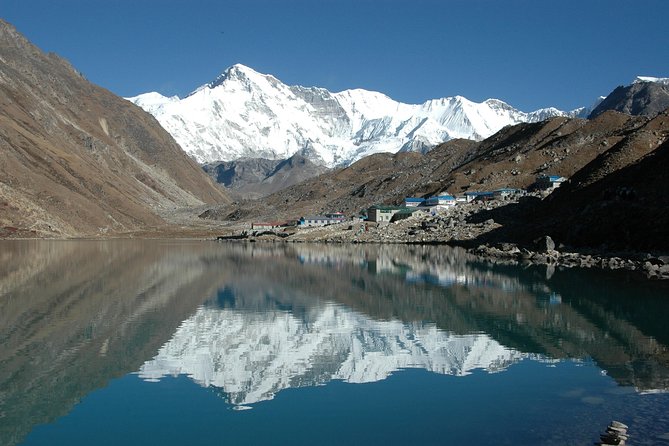
Kathmandu is where you set your “trek brain” to on mode. Expect an early start, pickup offered, and a smooth run to Tribhuvan International Airport. The itinerary lists a 6:00 am start time, so plan on an organized, not leisurely, morning.
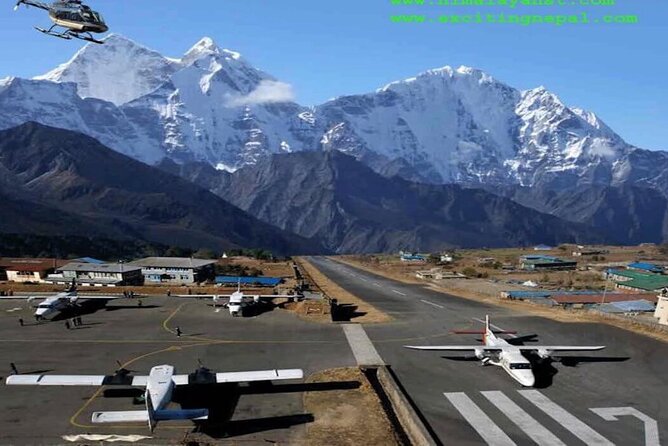
Then comes the signature part: flying from Kathmandu to Lukla, with a flight of about 40 to 45 minutes. The big reason this is worth caring about is not the time in the air. It is the landing itself, famous for being narrow and high-suspense.
More Treks in Kathmandu
- Everest Base Camp Trek – 14 Days
★ 5.0 · 1,499 reviews - Everest Base Camp Trek
★ 5.0 · 842 reviews - Everest Base Camp Trekking
★ 5.0 · 485 reviews
Lukla to Phakding: warming up along Dudh Kosi
After landing, you meet porters and trekking staff and start walking right away. Day 2 is a descent to begin, then you follow the trail toward the Dudh Kosi River. The walk is described as chalky-colored water coming from glaciers, which is a great reminder that you are moving through a living river system, not just scenery.
You’ll continue along the trail following the river to Phakding. This is a useful first “real day” because it is long enough to get into rhythm but not yet the brutal altitude grind. You’ll also get a feel for how teahouses work here, since you’ll be using them throughout the trek.
Namche via Jorsale and a steep stairway to higher air
On Day 3, the trek takes you to Monzo, then onward toward Jorasele and through Sagarmatha National Park. You pass rhododendron forest and get that early taste of Sherpa country. Then you hit the push toward Namche, with the plan noting a short but serious climb to the town area.
Two things make this day special. First, it has that “starting to feel the mountains” sunrise vibe while you hike toward higher ground. Second, it is the day you cross from lower Khumbu routines to the more altitude-aware pace.
The itinerary calls out a max altitude of 3,445 m, which is still manageable, but it is high enough that you should not waste energy. Walk steady. Breathe through it. This is where good guides earn trust by setting a pace you can actually hold.
Everest View Hotel acclimatization: high trekking, lower sleep logic
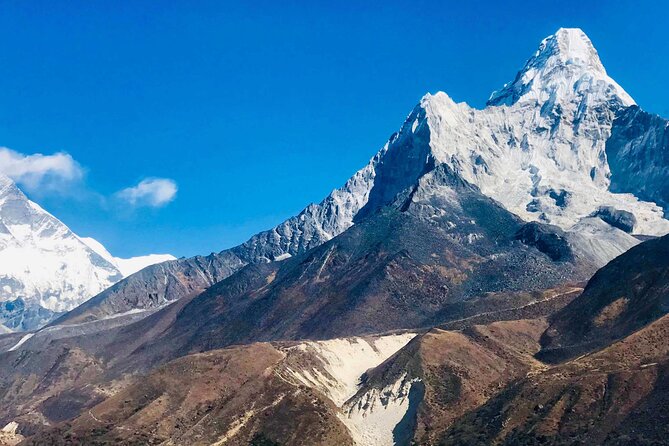
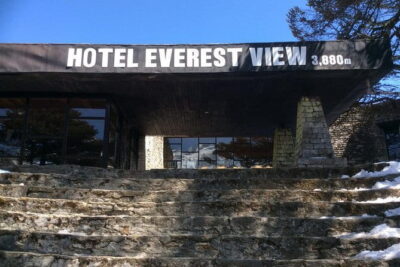
Day 4 is your first true acclimatization and exploration day. The plan works on a simple rule: trek higher during the day and sleep lower at night. You climb above Namche toward the Everest View Hotel, then move through Khunde and on to Khumjung.
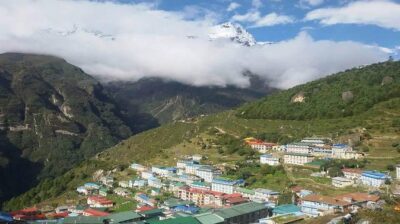
This is the day for views plus culture. Khumjung is described as a wealthier area with good houses, and you also get views of Ama Dablam. Even if you never care about buildings, it helps to understand the region is not just huts and trails. It’s villages with routines, work, and families.
More Everest Base Camp treks:
- Everest Base Camp Helicopter Tour landing at Everest View Hotel
★ 5.0 · 668 reviews - Everest Base Camp Trekking – 13 Day
★ 5.0 · 365 reviews - Everest Base Camp Trek
★ 5.0 · 350 reviews - Everest Base Camp Trek -14 Days
★ 5.0 · 321 reviews
Tengboche day: monasteries, Mongla Pass, and the Ama Dablam hits
Day 5 is one of the route days with big scenery payoffs. You head from Namche toward Tengboche, with the plan listing 5 to 6 hours of trekking and a max altitude around 3,975 m. You’ll likely feel it after the earlier days, because this is a day with a meaningful pass crossing.
Along the way you pass Buddhist monuments, including gompas and stupas, and the trail follows stone steps and contours. The highlight named in the schedule is Mongla Pass (3,975 m), plus the moment you get real views of Ama Dablam, which is often the mountain people talk about first in the Khumbu.
Then you descend toward the Dudh Kosi River and climb again to reach Tengboche Villa. The drawback? Days like this are long, and you’ll want to pack your energy carefully. If you go too fast early, the later climbs will feel unfair.
Through forests and villages: Dingboche country starts showing up
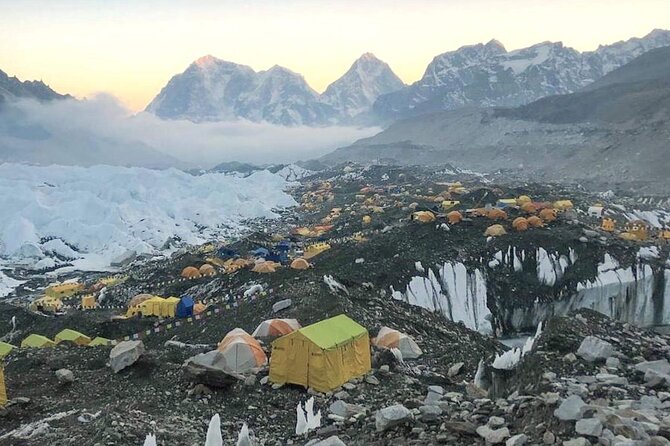
Day 6 continues trekking through alpine forests. The schedule notes walking through birch, conifer, and rhododendron forests, plus villages where you can see local life. You also pass the Khumbila Khola valley and climb toward a ridge line, where the itinerary calls the surroundings awe-inspiring.
The max altitude listed is 4,350 m, and the hike duration is 5 to 6 hours. This is not a “rest day,” it’s a day that builds stamina. If you want to enjoy it, your best move is to keep your pace conversational, even if you are huffing.
You’re also in the part of the trek where the mountains start stacking close. The plan mentions views of Mt. Taboche, Mt. Nuptse, and Mt. Cholatse, among others. When peaks show up in clusters like that, your brain realizes you are in the real Everest region, not a postcard version of it.
Nangkartshang acclimatization: a viewpoint hike that keeps you sane
Day 7 is planned as another acclimatization day. The plan includes a hike to Nangkartshang peak just above Dingboche, and it’s described as an excellent viewpoint, especially for Ama Dablam.
This day matters because it breaks the monotony of constant “just more uphill.” You’ll hike to a viewpoint, then you have time in the afternoon to stroll around Dingboche or rest. If you’re prone to overthinking altitude, this is the kind of day that helps your body and your mind.
Dingboche to Dughla: narrowing valleys and Everest-history vibes
Day 8 is a longer trek, about 5 hours and 11 km, with max altitude listed at 4,950 m. You start from Dingboche and get wide Himalayan views at first, then the valley narrows near Dusa.
One cool detail in the route description is passing the campsite of the first successful Everest expedition. That is a nice reminder that you are walking in a corridor of history, not just walking in a national park.
You cross a stream and ascend to Duglha, a village with prayer flags. This part of the trek is where you’ll start to feel the altitude as “real,” meaning you should slow down on uphills and accept that small efforts feel bigger.
Gorak Shep and Everest Base Camp: 5,364 m and a lot of feelings
Day 9 is the money day for the trip. The schedule lists 7 to 8 hours and 15 km, with a max altitude of 5,364 m at Everest Base Camp. You continue toward Gorak Shep, and along the way you’ll get a sight of the Khumbu Glacier.
The description calls the walk gradual ups and downs for a while, then rough as you approach Gorak Shep, including walking over a large rock with ups and downs. That last effort matters. It’s not dramatic on paper, but rock hopping at altitude makes you move slower, which is exactly what you want to do for safety.
Then you reach Everest Base Camp. The schedule describes it as a mixed feeling of excitement and cold reality. I like that wording, because it is usually how the first big altitude goal feels. The place is stunning, but it also tells you the mountain is the boss.
Kala Patthar sunrise: why you get out of bed early again
Day 10 starts very early with a hike of 3 to 4 hours to Kala Patthar. The schedule calls it the best viewpoint for Mt. Everest, the Khumbu Glacier, and the Khumbu Icefall.
This is where you cash in your planning. Clear weather gives you a sunrise scene where the Himalayan ranges glow. The plan also promises a 360-degree panorama and the sensation that the peaks are very close.
Practical tip: on cold sunrise mornings, your body needs time to warm up. Layers matter. You’ll likely be managing gloves and breath fog. If you take the morning slow, the views will still come, and you’ll enjoy them more.
The descent through Pangboche to Namche, then back toward Lukla
Day 11 is your long day leaving the high region behind. The route descends through Pangboche and Tengboche before continuing to Namche Bazaar, where you arrive in the afternoon.
Day 12 brings you back to Lukla, starting around a 10 km walk and a max altitude around 2,840 m. The plan says you trek from Manjoo to Lukla following the way through Benkar, Phakding, and Lukla. You cross suspension bridges over the Dudh Kosi River, and the schedule describes walking along forests and passing small Sherpa settlements.
Finally, you arrive in Lukla, described as busy with lodges, tea houses, and shops. This is a strange emotional swing. You go from quiet mountain days to loud village life, and it can feel like landing after a deep dream.
Day 13 is your return to Kathmandu via an early morning flight. The schedule suggests a window seat for aerial views, which makes sense, because from above you can understand how the villages link together across the valley.
Price and logistics: what $1,400 really buys you
At $1,400 per person, this is positioned as an economical group trek. But the smarter way to judge value is to look at what gets included so you are not paying surprises later.
This trip includes:
- Domestic flights to and from Lukla
- National park fees
- Teahouse accommodation during the trek
- Meals: 12 breakfasts, 11 lunches, and 11 dinners
- Selected gear, specifically sleeping bags and down jackets
- Normal medical kits
- Seasonal fruits
- Arrival and departures, plus pickup offered
- A mobile ticket
That gear list matters because it offsets one of the biggest “trek cost traps.” Renting or buying cold-weather items can get expensive fast, and quality varies. If the sleeping bag and down jacket are in good shape, it can make your nights way more comfortable.
One more value point comes from the small-group size. The tour lists a maximum of 26 travelers, which usually means you get a more personal rhythm than huge bus-tours. In the reviews, the team responsiveness shows up a lot, including fast replies from Subash before and during the trek.
Teahouses and meals: simple comfort at altitude
You will be living in teahouses most nights. That usually means basic rooms, shared dining spaces, and a constant tradeoff between warmth and air quality. The schedule includes dinner, lunch, and breakfast counts, so you can expect meals are part of the daily plan.
The more important part is water and warmth management, which is not spelled out in detail here. Still, I’d plan like this: eat what you can, drink consistently, and don’t wait until you feel awful. High-altitude trekking can trick you into thinking hunger or thirst is optional.
If you’re using provided gear, you’ll want to keep your sleeping bag dry and your down jacket accessible. Cold mornings are not the time to play gear Tetris.
Altitude and pace: the hidden skill of a good EBC plan
This itinerary is not a sprint. It includes multiple acclimatization days and raises sleeping altitudes more slowly than many aggressive plans would. You do a viewpoint climb to Everest View Hotel, then later another acclimatization hike to Nangkartshang.
The schedule also includes a pattern you should copy on your own hikes: go high during the day, sleep lower when possible, and move slowly as altitude tightens your lungs. Day 9 to Base Camp includes rough terrain near Gorak Shep, so pacing matters even more than usual.
Possible drawback: steep trail days like the climb toward Namche and later segments toward higher camps can be tough even for hikers with experience. You’ll want trekking poles if you use them. If you don’t have them, you might find the pace feels slower without help, especially on stone steps and rocky uphills.
Guide support that actually shows up
A recurring theme in the trip stories is guide care and clear communication. Names mentioned include Ram Tamang, Basu, Suman, Shasi, and Tika. People also praise Subash in the office for quick replies and hands-on planning help.
What I like about this is simple. On an Everest trek, the best guides do two things. They keep you safe with pacing and altitude awareness. They also make decisions clear day to day so you are not guessing.
So when you book, don’t just ask who the guide is. Ask how they handle pacing and what the plan looks like if weather is off. The trek depends on conditions, and clarity is comforting.
Should you book this Everest Base Camp trek?
If you want Everest Base Camp without wrestling logistics, this is a solid option. The mix of included flights, park fees, teahouse stays, and a smart acclimatization structure makes the trip feel organized. The price also lands in a reasonable range for how much is covered.
This is best for you if you are a moderately fit hiker with experience and you are okay with steep trail days and basic lodging. If you hate early starts, or you have a history of altitude issues, consider working with your doctor first and think carefully about your risk tolerance.
If you like a group rhythm, want real Sherpa village walking, and want your money to go toward the trail instead of logistics, then yes, booking makes sense.
FAQ
What is the duration of this Everest Base Camp trek?
The trek runs about 13 days, with daily trekking and travel days that add up to an extended schedule including time in Kathmandu and the return flight from Lukla.
How do we get from Kathmandu to Lukla?
You fly from Kathmandu to Lukla, with a flight duration listed as about 40 to 45 minutes.
What is the highest altitude reached on this trek?
The itinerary lists a max altitude of 5,364 meters at Everest Base Camp.
Are teahouse accommodations included?
Yes. Teahouse accommodation during the trek is included.
What meals are included in the price?
Breakfast is included 12 times, lunch 11 times, and dinner 11 times.
What gear is included?
The tour includes equipment like sleeping bags and down jackets.
Is pickup offered in Kathmandu?
Yes, pickup is offered, and there is a start time listed as 6:00 am.
How large is the group?
The tour lists a maximum of 26 travelers.
Do I need my own porter?
Porter carrier if you need it is not included, so you would need to arrange it separately if required.
What if the trek cannot run due to weather?
This experience requires good weather. If it is canceled due to poor weather, you will be offered a different date or a full refund. You can cancel for a full refund up to 24 hours in advance of the start time.
Latest additions near Kathmandu
- White Water River Rafting – 1 Day★ 4.3 · 3 reviews
- Traditional Momo Making Class★ 5.0 · 10 reviews
- Kathmandu to Pokhara Premium sofa bus ticket★ 4.0 · 17 reviews
- Ghorepani Poon Hill Trek★ 5.0 · 16 reviews
- Amazing 1 Day Trekking Experience in Kathmandu Nepal★ 5.0 · 24 reviews
- Ghorepani Poonhill Trek★ 5.0 · 5 reviews
- Walking tour of real Kathmandu through back streets.★ 5.0 · 3 reviews
- Wildlife Adventure in Chitwan Nepal★ 4.0 · 4 reviews
Everest Base Camp Treks, compared.
Everest Base Camp Helicopter Tour landing at Everest View Hotel
Read our review →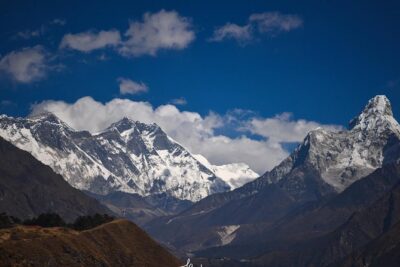
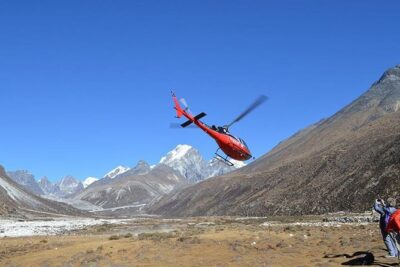
Everest Base Camp Helicopter Tour landing at Hotel Everest View
Read our review →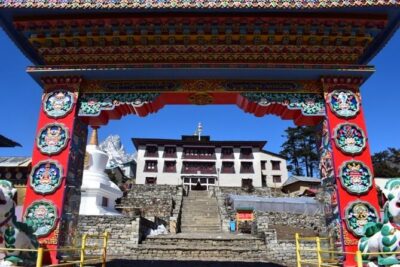
Browse the lists this tour appears in