
Reviewed · EVEREST BASE CAMP TREKS
Everest Base Camp trek 12 days from Kathmandu
Everest starts with a cockpit ride and a climb. I love the Kala Pathar panorama and the government-licensed guide style of leadership that keeps you informed step by step. One thing to think about first is logistics during peak season, because your Lukla flights can shift to Ramechhap and that can mean an early start.
You’ll get a real sense of the Khumbu changing as you move from busy market towns to quieter monasteries and high, windy ridgelines. The base camp day has that classic big-thought feeling, but what makes it memorable is the build-up, especially the acclimatization stops that help you keep your energy.
My only caution is physical pacing. This is not a race, and some days stack up long hiking hours at higher altitudes, so you’ll want a steady, sensible rhythm and a willingness to move slower than you think you should.
In This Review
- Key highlights you’ll care about
- Entering Everest’s “real” first steps in Lukla
- Price and Logistics: what $1,600 really covers
- Getting to Lukla from Kathmandu or Ramechhap (and why it matters)
- Day-by-day: what each stage is really doing for you
- Day 1: Kathmandu to Lukla, then Phakding (about 3 to 4 hours)
- Day 2: Phakding to Namche Bazaar (about 6 to 7 hours)
- Day 3: Acclimatization in Namche, hike to Everest View Hotel (about 3 to 4 hours)
- Day 4: Namche to Tengboche (about 5 to 6 hours)
- Day 5: Tengboche to Dingboche (about 5 to 6 hours)
- Day 6: Acclimatization day, hike to Nagarjun hill (about 4 to 5 hours)
- Day 7: Dingboche to Lobuche (about 4 to 5 hours)
- Day 8: Lobuche to Gorak Shep, then Everest Base Camp (about 7 to 8 hours)
- Day 9: Gorak Shep to Kala Pathar, then Pheriche (about 6 to 7 hours)
- Day 10: Pheriche back to Namche Bazaar (about 6 to 7 hours)
- Day 11: Namche to Lukla (about 6 to 7 hours)
- Day 12: Fly back to Kathmandu
- Guides, pacing, and the support style that makes it easier
- Lodges, meals, and the comfort tradeoffs you should plan for
- Who should book this trek, and who should reconsider
- Should you book it?
- FAQ
- What is the duration of the Everest Base Camp trek from Kathmandu?
- Where does the trek start and what time is the meeting?
- Are flights included in the price?
- What is the highest point on this trek?
- Are meals and accommodations included?
- What trek gear is included?
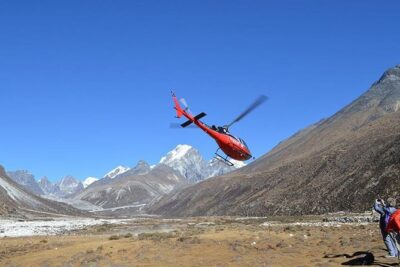
- Is insurance or rescue and helicopter support included?
Key highlights you’ll care about
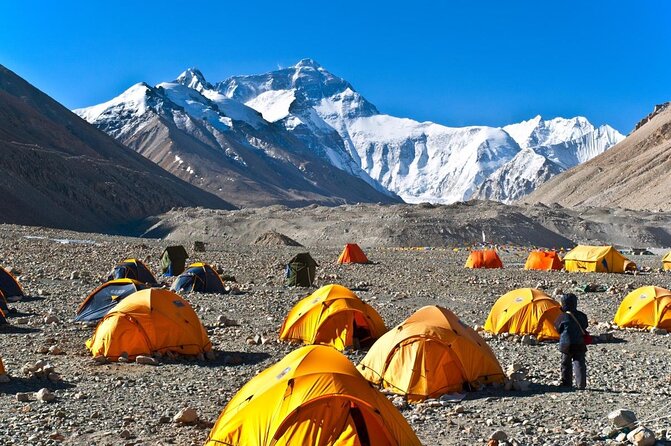
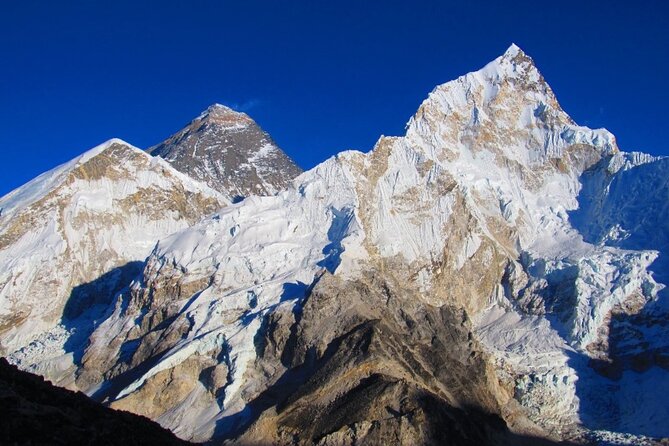
- Kala Pathar at 5,550m: one of the best chances for close Everest views plus a wide Khumbu sweep
- Namche Bazaar as your altitude hub: markets, viewpoints, and an easy place to reset between climbs
- Tengboche Gompa: a major stop for the region’s Buddhist spiritual life
- Guesthouse trek rhythm: twin-sharing lodges with meals planned in, so you are never guessing what’s next
- Peak season flight workaround: Lukla flights may run from Ramechhap, which changes your travel day
Entering Everest’s “real” first steps in Lukla
Most big-mountain treks feel like they start when you lace your boots. This one also starts when you board a small plane. The Lukla flight is short, roughly 40 minutes, but it sets the tone immediately, because the entire trek is built around what happens next: a long hike from the first village trailhead.
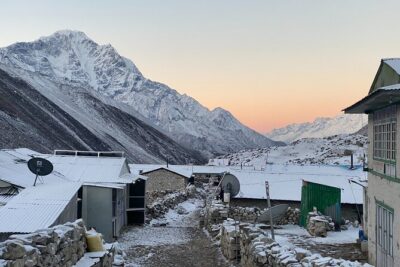
You’ll land in Lukla, then hike toward Phakding at about 2,652m. This first day is usually your settling-in phase. You’re moving, but you’re not yet hitting the steepest altitude work. The route is long enough to get your legs warmed up, and that matters, because later days ask more of you.
What I like for you here: you go from flight stress to a simple rhythm fast, with a clear goal on the trail and lodge nights already planned. Potential downside: if you’re sensitive to early mornings or a slightly stressful departure, the timing for day one can feel like it lands on you quickly, especially if you did not build in buffer time from Kathmandu.
More Treks in Kathmandu
- Everest Base Camp Trek – 14 Days
★ 5.0 · 1,499 reviews - Everest Base Camp Trek
★ 5.0 · 842 reviews - Everest Base Camp Trekking
★ 5.0 · 485 reviews
Price and Logistics: what $1,600 really covers
At $1,600 per person, the big question is value. Here’s the practical answer: a chunk of the price buys you the stuff that normally costs money and time in the Everest region, including flights and planning.
Included:
- Pick up and drop off in Kathmandu, or in the Ramechhap area when flights shift there
- Flight fare between Kathmandu or Ramechhap and Lukla, plus the return flight
- Guesthouse/lodge accommodation during the trek, based on twin sharing
- Meals: breakfast, lunch, and dinner during the trek days
- A highly experienced government-licensed guide
- Trek permits and fees
- A set of trekking support gear: duffle bag, down jacket, sleeping bag, and walking pole
- A trek map and an achievement certificate
Not included:
- Travel items outside the trek days, drinks, and personal extras
- Rescue or helicopter flights, plus insurance and evacuation costs
- Tips, and a porter if you decide you want one
How I see the math: if you have to arrange flights on your own, source permits, and also rent or buy proper cold-weather gear, the price starts to make sense fast. The included equipment is especially helpful because cold management is a real issue on higher nights, and you don’t want to gamble with gear at altitude.
One more logistics point you should not ignore: transfers to Ramechhap, when needed, are on a sharing basis. That can add some group-time waiting, but it also reduces cost and keeps the schedule simpler than self-arranging.
Getting to Lukla from Kathmandu or Ramechhap (and why it matters)
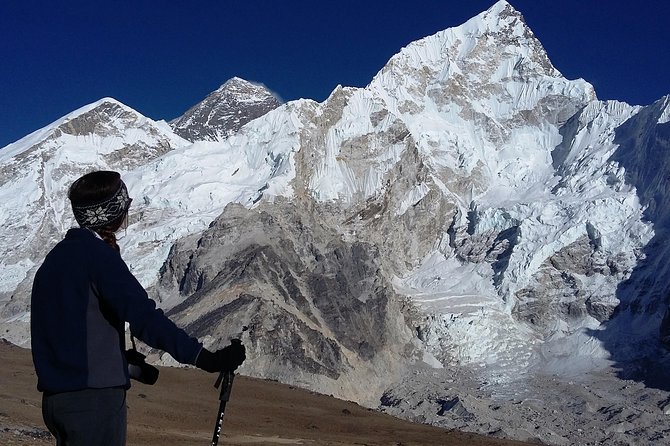
During peak season, flights to Lukla may shift from Kathmandu to Ramechhap Airport due to high air traffic. This is not a small change. Ramechhap is about a 5 to 6 hour drive from Kathmandu.
You have two choices:
- Travel to Ramechhap the day before your flight and stay overnight
- Or depart Kathmandu around 1 AM on the day of your flight
Both options work, but they create different kinds of stress. An overnight in Ramechhap reduces the hour-of-the-night panic. A very early departure can save you a hotel night, but it steals sleep and makes the day feel long before your trek even starts.
Practical advice: if you dislike unpredictability, pick the option that gives you the most sleep first. Everest is demanding enough without adding a lack-of-rest tax.
Also note the meeting time: 5:15 am at the start. That means your prep in Kathmandu should be tight, because once the morning starts, there is no time for last-minute sorting.
Day-by-day: what each stage is really doing for you
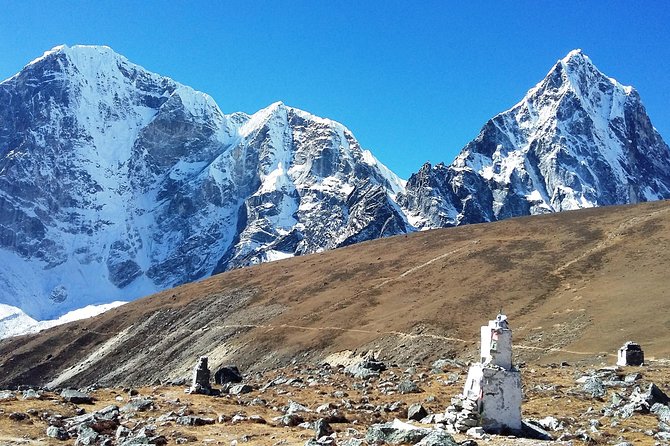
Below is the real purpose of each hike segment. The distances and hours help, but the “why” matters more when you’re planning your energy and your acclimatization.
More Everest Base Camp treks:
- Everest Base Camp Helicopter Tour landing at Everest View Hotel
★ 5.0 · 668 reviews - Everest Base Camp Trekking – 13 Day
★ 5.0 · 365 reviews - Everest Base Camp Trek
★ 5.0 · 350 reviews - Everest Base Camp Trek -14 Days
★ 5.0 · 321 reviews
Day 1: Kathmandu to Lukla, then Phakding (about 3 to 4 hours)
You fly to Lukla (around 40 minutes), then hike to Phakding at about 2,652m. This day is about transition. You go from low elevation travel to mountain air, and your job is to move smoothly without trying to prove anything.
Watch-outs: your first day pace can set the tone for how tired you feel later. If you rush, you’ll pay for it. If you keep it calm, you’ll sleep better tonight.
Day 2: Phakding to Namche Bazaar (about 6 to 7 hours)
This is where the trek starts to feel clearly uphill. You hike to Namche Bazaar around 3,440m, and the longer hours start to matter.
Namche is your main altitude base in the region. It’s not just a place to sleep. It’s the place where your body learns to function a little better at higher elevations.
Why Namche is valuable: it gives you services and a sense of structure. You’re not stranded on a blank map.
Day 3: Acclimatization in Namche, hike to Everest View Hotel (about 3 to 4 hours)
This day is a smart move. You acclimatize, then hike toward Everest View Hotel at about 3,900m.
Even if you don’t think you need an acclimation day, your lungs usually disagree once you’re in the upper Khumbu. This stage is about giving your body a chance to adjust before you go higher.
What you’ll enjoy: viewpoints, big skies, and that feeling of the mountains getting more detailed each day.
Day 4: Namche to Tengboche (about 5 to 6 hours)
You hike from Namche to Tengboche around 3,860m and stop at Tengboche Gompa.
This is one of the trek’s emotional stops. The monastery area often brings a different atmosphere than market towns. Even if you don’t read Tibetan scripts or know every symbol, you can feel the shift. People slow down. The place invites calm.
Potential drawback: if you arrive tired, you might want to rush past the quieter moments. Try not to. Tengboche is one of the places where “arrive” is part of the experience.
Day 5: Tengboche to Dingboche (about 5 to 6 hours)
You climb to Dingboche around 4,410m. This is sustained altitude work. The trail can feel steady, but every step costs more at this height.
I like this stage because it’s structured. You’re moving toward the high-gravity zone gradually rather than jumping instantly into the hardest elevations.
Day 6: Acclimatization day, hike to Nagarjun hill (about 4 to 5 hours)
You do a second acclimatization day, hiking to Nagarjun hill around 5,100m.
This is the kind of day that makes or breaks comfort later. A good acclimatization day feels like productive effort, not punishment. If you keep your pace controlled and take breaks, you build strength without draining yourself.
Day 7: Dingboche to Lobuche (about 4 to 5 hours)
You hike to Lobuche around 4,910m. This is one of the steps toward the Everest-adjacent terrain where the air thins further and the days feel longer.
Consideration: you may notice you are more focused on breathing and footing than on scenery details. That’s normal. It’s the mountain asking for attention.
Day 8: Lobuche to Gorak Shep, then Everest Base Camp (about 7 to 8 hours)
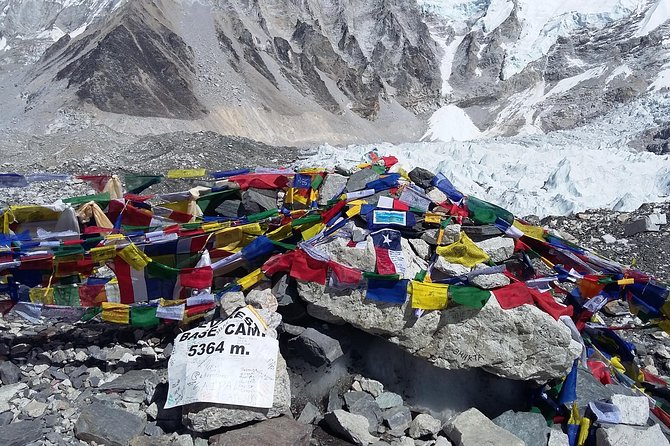
Today is a big one. You go to Gorak Shep, then hike to Everest Base Camp at 5,320m. This is the day you’ve been building toward.
The length matters because you need energy for the Base Camp push. The good news is that the plan gives you enough days around it so your altitude body has practice.
What makes this day special: you finally step into the place where Everest expeditions begin. The setting, the glacier surroundings, and the sheer scale can hit all at once.
Day 9: Gorak Shep to Kala Pathar, then Pheriche (about 6 to 7 hours)
You go up to Kala Pathar at about 5,550m, then descend toward Pheriche around 4,371m.
Kala Pathar is a standout viewpoint. It’s your best shot at close Everest views and a 360-degree panorama of the Khumbu mountains. This is often the day where the trek switches from “I climbed” to “I see why people fall for this place.”
Practical note: the altitude here is serious, even if the hike segments are not huge. Layering and wind protection matter a lot.
Day 10: Pheriche back to Namche Bazaar (about 6 to 7 hours)
You descend to Namche again. This day can feel like relief, but it’s also tiring. Descending uses different muscles and can be harder on your knees than you expect.
I like this stage because it gives you a chance to reset with familiar surroundings. You already know what Namche feels like now, so it’s easier to enjoy instead of just survive the logistics.
Day 11: Namche to Lukla (about 6 to 7 hours)
You head back to Lukla for your flight.
This is an honest day. It’s less about hitting milestones and more about getting through with good spirits. If your pacing has been solid all along, you’ll likely feel steadier than you fear.
Day 12: Fly back to Kathmandu
You finish with the flight back to Kathmandu. The trek ends, but the contrast stays in your head: the quiet mountain air versus city noise.
Guides, pacing, and the support style that makes it easier
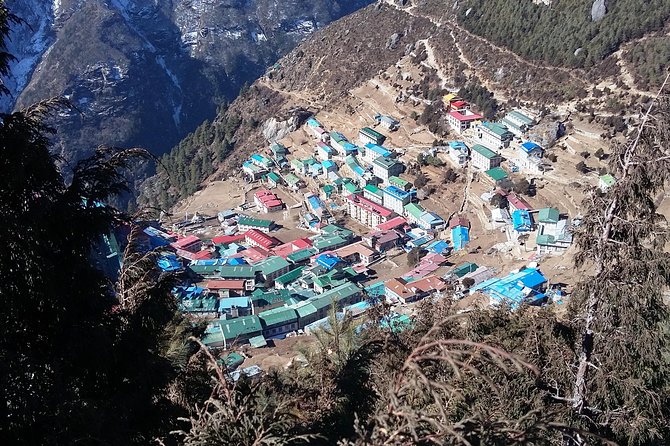
What you’re paying for here is not just the trail. It’s the decisions around the trail.
A government-licensed guide is a big deal in the Everest region because it means leadership and route management is built in. In practice, I like itineraries where you get an evening overview of the next day, plus enough peak knowledge to make the mountains feel real instead of random silhouettes. This tour’s support style is built around that kind of daily guidance, and the team is set up to keep you moving safely.
Your group will stay in twin-sharing lodges, and meals are handled during the trek. That reduces decision fatigue. You spend your brain on the hike instead of on logistics.
Also, you’re provided trek gear including a down jacket, sleeping bag, and walking pole. That can be a huge value item. On Everest, cold nights are not the place to discover your jacket is too thin.
One more real-world point: porters are not included, but you can use one if you need it. The question is not whether you can carry a daypack. The question is how you want your energy budget to look at 5,000m plus.
Lodges, meals, and the comfort tradeoffs you should plan for
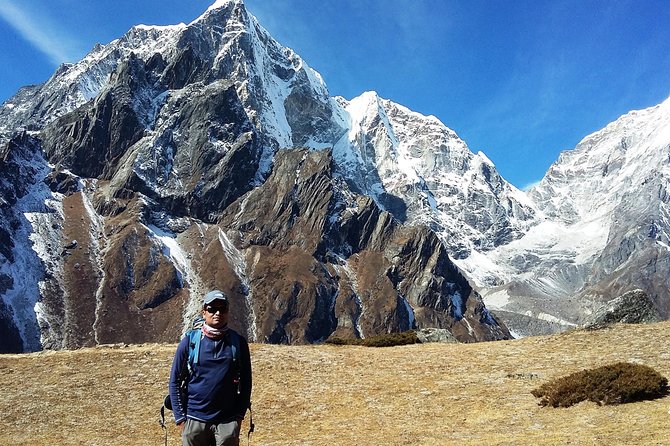
The tour uses guesthouses and lodges along the route. That means the experience is comfortable enough to sleep and eat, but you should still expect basic mountain conditions.
Meals are included as breakfast, lunch, and dinner during the trek. You’ll still want to manage how much you eat, especially on long days. When you’re at altitude, your appetite may change, so stick to what feels good and steady.
What is not included:
- Drinks like tea/coffee and bottled water
- Hot shower options and personal extras
- Phone and internet use, laundry, and other small costs
So budget for those daily purchases if you care about them. The trek can feel cheaper if you’re careful, but these little add-ons add up fast, especially in towns like Namche.
And yes, you will spend time thinking about the weather. Layers, dry socks, and a windproof layer matter. The down jacket is included, but you still want a plan for how you’ll wear it.
Who should book this trek, and who should reconsider
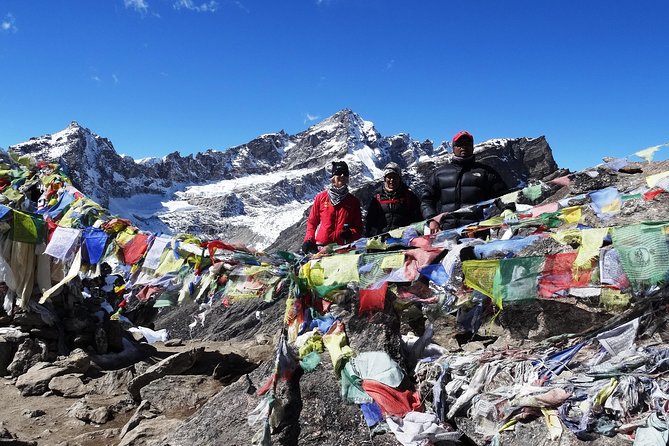
This Everest Base Camp trek is positioned for people with moderate physical fitness and no prior experience needed, as long as you’re willing to follow a climb that respects altitude.
It’s a great fit if:
- You want a classic Everest route with the big highlights: Base Camp and Kala Pathar
- You like structured acclimatization days and a guide-led plan
- You want gear included so you can travel lighter
You might reconsider if:
- You know you struggle with early departures, especially during peak season when Ramechhap comes into play
- You need a very short walking day every day, because this route includes long hiking stretches
- You want fully private transfers at every step, since airport and road transfers can be on a sharing basis
If you’re healthy, coachable, and ready for slow days that feel like progress, this trek can be an excellent match.
Should you book it?
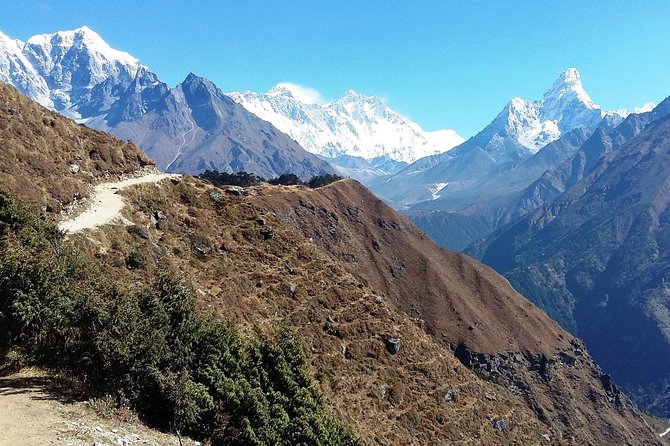
Yes, if you want a guided, well-supported Everest plan that reduces guesswork. The value is strongest because flights, permits, meals, and even cold-weather gear are included. That combo is a big deal, and it makes it easier to focus on the hiking instead of managing a checklist of rentals and paperwork.
I would book it especially if you like having a guide who gives real daily context, not just directions. The tour’s style looks built around safety, planning, and keeping you informed every evening about what comes next.
I’d hesitate if early-morning logistics will be a deal-breaker for you. Peak season Ramechhap changes the game, and the choice between an overnight stay or a 1 AM departure can make or break your enjoyment before you even start climbing.
If you want, tell me your travel month and fitness level. I can suggest which Ramechhap option tends to feel better, and how to prep for the longest hiking days.
FAQ
What is the duration of the Everest Base Camp trek from Kathmandu?
The trek runs for about 12 days.
Where does the trek start and what time is the meeting?
The meeting point start time is 5:15 am. Your trek begins in Kathmandu, with flights to Lukla as part of the journey.
Are flights included in the price?
Yes. Flight fare from Kathmandu or Ramechap to Lukla and back to Kathmandu or Ramechap is included.
What is the highest point on this trek?
Kala Pathar is listed at about 5,550m. Everest Base Camp is listed at about 5,320m.
Are meals and accommodations included?
Yes. Accommodation is included at guest houses or lodges based on twin sharing, and breakfast, lunch, and dinner are included during the trek.
What trek gear is included?
You are provided a duffle bag, down jacket, sleeping bag, and walking pole.
Is insurance or rescue and helicopter support included?
No. Rescue and helicopter flights, insurance, and evacuation costs are not included. Tips for the crew are also not included.
More day tours out of Kathmandu
- Nagarkot Sunrise View and Day Hiking from Kathmandu
★ 5.0 · 471 reviews - Private Bhaktapur and Nagarkot Day Tour From Kathmandu
★ 5.0 · 305 reviews - Day Trip to Bhaktapur and Panauti from Kathmandu
★ 5.0 · 184 reviews - From Kathmandu: 1 hour Panoramic Everest Flight
★ 4.4 · 175 reviews
Latest additions near Kathmandu
- White Water River Rafting – 1 Day★ 4.3 · 3 reviews
- Traditional Momo Making Class★ 5.0 · 10 reviews
- Kathmandu to Pokhara Premium sofa bus ticket★ 4.0 · 17 reviews
- Ghorepani Poon Hill Trek★ 5.0 · 16 reviews
- Amazing 1 Day Trekking Experience in Kathmandu Nepal★ 5.0 · 24 reviews
- Ghorepani Poonhill Trek★ 5.0 · 5 reviews
- Walking tour of real Kathmandu through back streets.★ 5.0 · 3 reviews
- Wildlife Adventure in Chitwan Nepal★ 4.0 · 4 reviews
Everest Base Camp Treks, compared.
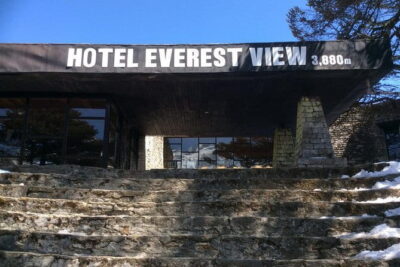
Everest Base Camp Helicopter Tour landing at Everest View Hotel
Read our review →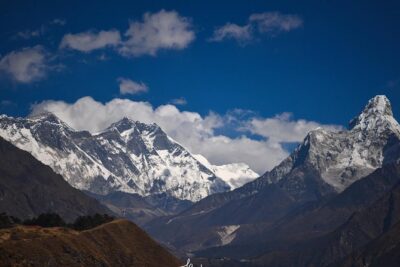
Everest Base Camp Helicopter Tour landing at Hotel Everest View
Read our review →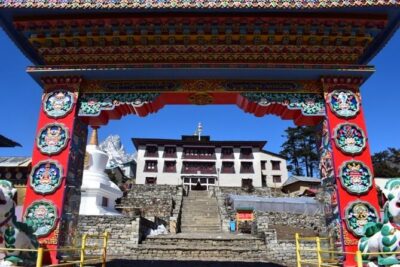
Browse the lists this tour appears in