
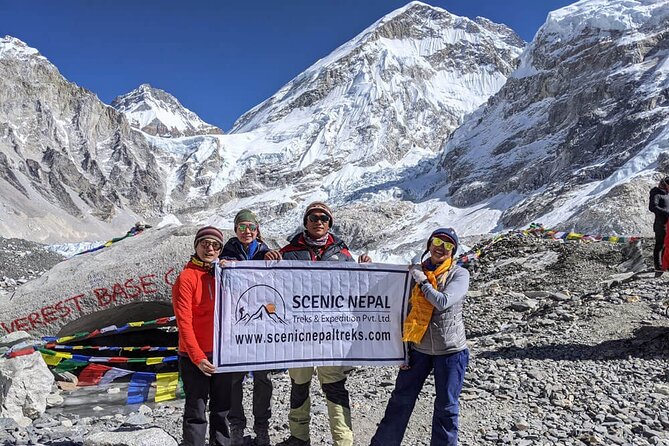
Reviewed · EVEREST BASE CAMP TREKS
Everest Base Camp Trek 12 Days – Best Himalayan Adventure
A cold mountain sunrise can change your whole week. This 12-day private Everest Base Camp trek packs big scenery, culture, and real local leadership in a tight plan.
I especially like how the trek is guided by an experienced Sherpa guide, with acclimatization built into the schedule so you’re not just chasing altitude. I also like the small-group feel and the practical support, including tea-house stays and optional porter help so you can focus on walking.
One consideration: you need a moderate fitness level and you should expect real weather swings, including snow and slowdowns around the higher sections. The trip is designed for safety, but the mountains do not care about your plans.
In This Review
- Key highlights worth planning around
- From Kathmandu check-in to your first high-altitude steps
- Lukla flights from Ramechap, then the trail takes over
- Namche Bazaar: acclimatization with real village energy
- Tengboche and Dingboche: colder air, sharper views, steady pacing
- Mount Everest section: the Base Camp goal at 5,364m
- Gorak Shep and Kala Patthar: your big sunrise payoff
- Tea houses, twin-sharing comfort, and optional porter help
- Price and value at $1,439 per person
- Packing for cold, altitude, and the day-to-day reality
- Weather happens: how the team handles snow and slowdowns
- Who this private EBC trek suits best
- Should you book this Everest Base Camp trek?
- FAQ
- What is the duration of this Everest Base Camp trek?
- Where does the trek start and end?
- Is the trek private, and how many people are in a group?
- What does the trek price include?
- What is not included in the price?
- Does the trek include flights to Lukla?
- Is vegetarian food available?
- What gear does the operator provide, and what should I bring?
Key highlights worth planning around
- Sherpa-led private trek with minimum 2 travelers, so you get real attention on the trail
- Lukla and return flights included (flight may run via Ramechap) to save you serious hiking time
- Acclimatization pacing for safety, plus big viewpoint moments like Kala Patthar
- Tea-house lodging for 11 nights with twin sharing during the trek
- Porter support option (2 hikers get 1 porter), which can make the trek feel fair on your body
- Small-group cap (maximum 10 travelers mentioned), helping keep logistics calmer
From Kathmandu check-in to your first high-altitude steps
Your trip starts in Kathmandu at Scenic Nepal Treks & Expedition Pvt. Ltd. on Bhagwati Marg, with pickup offered. You’ll also get the kind of planning help that matters before you leave town, because once you’re headed toward the Khumbu, everything moves to a mountain schedule.
A key practical point: this is designed as a guided program with permits and logistics handled, so you’re not stuck figuring out paperwork while also trying to stay calm. You’ll also do sightseeing excursions in Kathmandu as part of the package, which gives you a buffer day structure before the trek work starts.
Then comes the big handoff: you trade city comforts for the slower pace of the mountains, with a team that knows where you’re going and why you’re stopping when you stop. That matters for morale on day one, because the first feeling you get after landing is usually equal parts excitement and, yes, “what have I done.”
More Treks in Kathmandu
- Everest Base Camp Trek – 14 Days
★ 5.0 · 1,499 reviews - Everest Base Camp Trek
★ 5.0 · 842 reviews - Everest Base Camp Trekking
★ 5.0 · 485 reviews
Lukla flights from Ramechap, then the trail takes over
A flight to Lukla is the classic way into the Everest region, and this trip includes round-trip domestic flights. The plan also notes that the flight might operate from Ramechap Airport, which is worth paying attention to so you’re not surprised by the departure point.
Why the flight matters: it compresses the trek timeline. Instead of spending days getting to altitude by land, you can get on the trail and use your walking days for scenery, village life, and acclimatization. The downside is that you’re jumping into a high-altitude environment quickly, so mentally you should expect the first walking stretch to feel more intense than a typical hike at home.
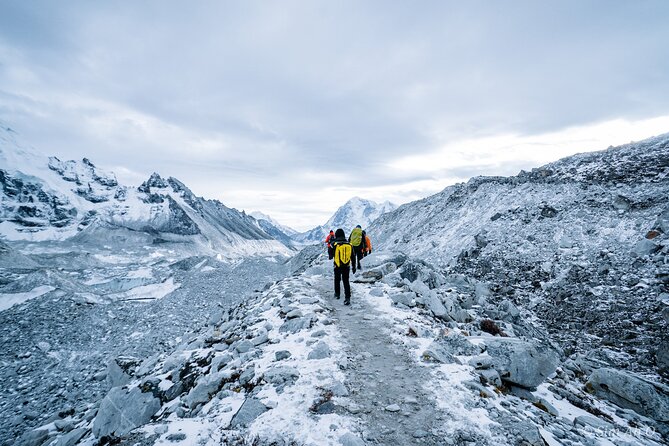
Once you’re in the Lukla-to-Namche flow, you’ll follow long-established Sherpa routes through suspension bridges, alpine forests, and glacial valleys. You’ll feel the rhythm change from airy forest walking to steeper, colder hiking, and you’ll start to understand why guides talk so much about pace.
Namche Bazaar: acclimatization with real village energy
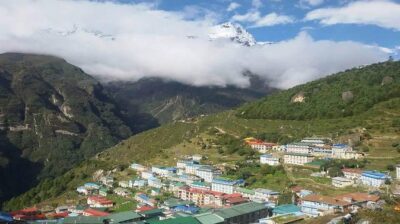
Namche Bazaar is one of the best places on this route to feel both the cultural side of the Khumbu and the altitude side of the Khumbu. It’s not just a waypoint. It’s where many treks settle into the “slow down and adapt” mindset.
This trip builds in acclimatization days for safety, and Namche is a natural place for that. The practical goal is simple: help your body adjust before you go higher, so the later sections feel possible rather than brutal. You’ll also get time around village life, which keeps the trek from feeling like nonstop survival.
What I like about this approach is that it turns acclimatization into something active rather than something you endure. Even if you’re tired, you’re still moving through a place with everyday mountain routines, not just staring at your feet and hoping altitude behaves.
Potential drawback here: because Namche is a hub, you might notice more foot traffic and busy trails than in quieter sections. If you want pure solitude, you’ll have to take that as part of the tradeoff for being on the well-timed EBC route.
Tengboche and Dingboche: colder air, sharper views, steady pacing
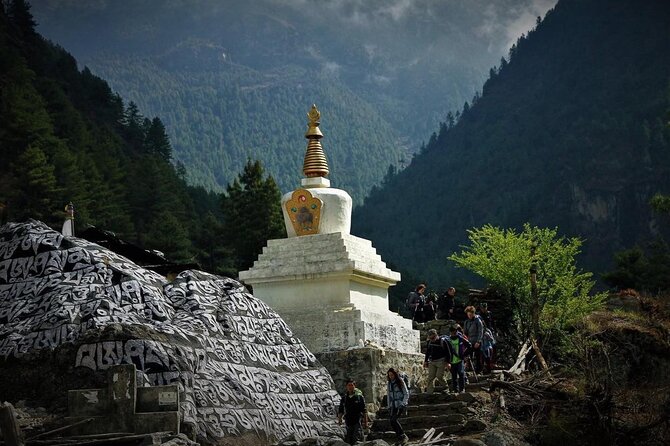
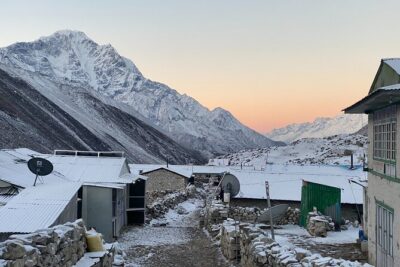
Next come Tengboche and Dingboche, two high-altitude stops that help you build forward without skipping critical elevation stages. These areas are where the trail gets less forgiving, not because it’s technically harder, but because the air gets thinner and your legs start paying attention.
This is also where you’ll likely notice the shift from forests and lower valleys to more open, big-view walking. The trek description specifically calls out panoramic scenery along the way, and that’s the real point of these stops: they set up the next phase where viewpoints start to feel like they’re layered on top of each other.
Dingboche is especially important in the general Everest storyline, and for you it’s mostly about readiness. With acclimatization built into the itinerary, these sections help you arrive at higher elevations feeling prepared rather than shocked.
My advice: treat every day as a practice run for the later challenge sections. Drink water consistently. Eat when you can, even if you don’t feel hungry. And keep your pace steady. On this trek, the biggest skill is not speed. It’s rhythm.
More Everest Base Camp treks:
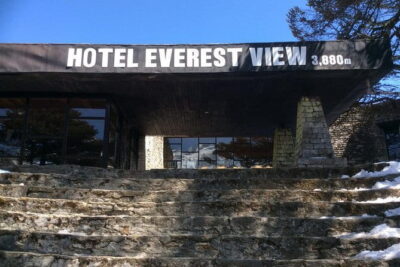
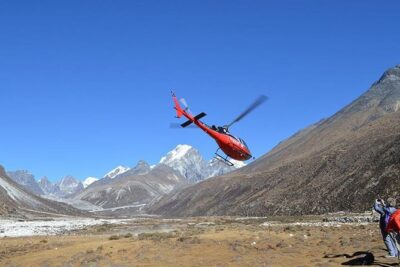
- Everest Base Camp Helicopter Tour landing at Everest View Hotel
★ 5.0 · 668 reviews - Everest Base Camp Trekking – 13 Day
★ 5.0 · 365 reviews - Everest Base Camp Trek
★ 5.0 · 350 reviews - Everest Base Camp Trek -14 Days
★ 5.0 · 321 reviews
Mount Everest section: the Base Camp goal at 5,364m
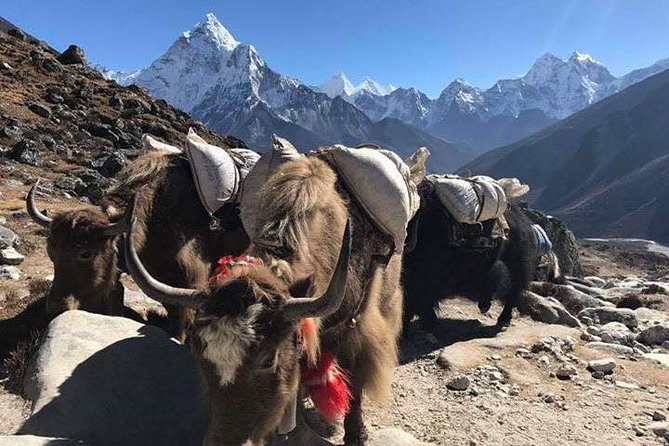
The heart of the plan is getting to Everest Base Camp, listed at 5,364m. Reaching Base Camp is the kind of moment that makes people forget how tired they were, but you still need the right setup to get there.
This trek is positioned as a guided, private trek with highly experienced Sherpa support, and it includes the necessary trekking permits. That’s not glamorous, but it’s valuable. You spend less energy on administrative hurdles and more on the actual walk.
Also included: tea-house lodging during the hike for 11 nights on a twin-sharing basis. Tea houses keep the trip realistic, because you’re not carrying cooking gear or dealing with camping logistics at high altitude. The tradeoff is comfort varies, and bathrooms are not like home. If you go in with the right expectations, the tradeoff feels worth it.
Meals are listed as included in the trip details, but personal expenses and meals are listed as not included. Translation: you can expect core trek meals to be part of the plan, but you should still budget for your own extra snacks and any personal spending you choose to do along the route.
One more plus: the operator lists staff insurance, medication and equipment, and a first aid kit. That’s the kind of behind-the-scenes safety net you hope you never need, but you’ll be grateful it exists.
Gorak Shep and Kala Patthar: your big sunrise payoff
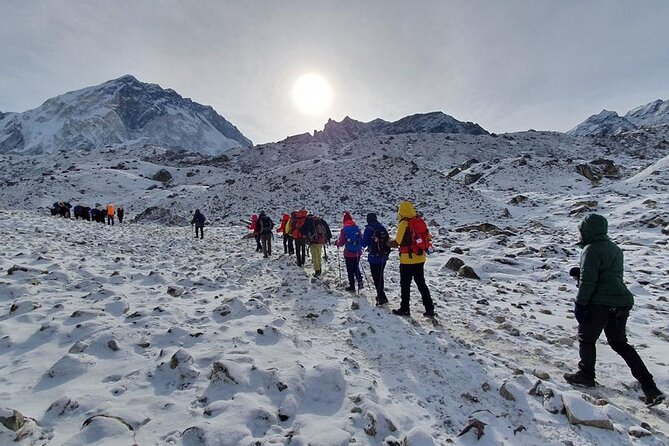
After the Base Camp area, the plan includes Gorak Shep. This stop matters because it’s where you’re close enough to make the next viewpoint push feel within reach.
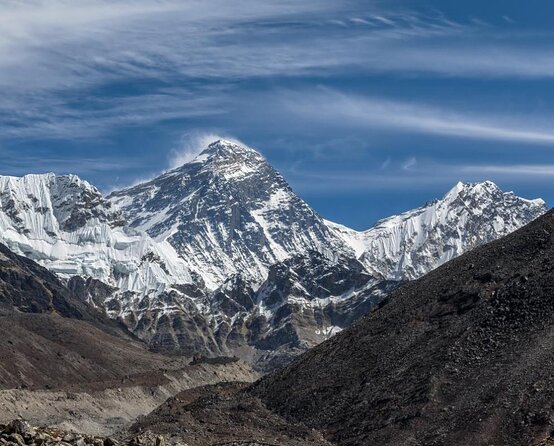
And yes, the trip highlights Kala Patthar as a panoramic viewpoint. If you’ve never done a high-altitude sunrise hike, this is the moment where the early wake-up starts to make sense. Kala Patthar is all about angles and layers, the way Everest, Lhotse, Nuptse, Ama Dablam, and Pumori can show up in your field of vision like a mountain cast list.
Why this stage is so worth it: the trek’s earlier days build your endurance and your perspective. Then Kala Patthar gives you the view people chase. This is where the “why” catches up to the “how.”
A real consideration: early sunrise hikes at altitude can feel punishing, even for fit hikers. The air is thin and cold, and your breathing will be the first thing you notice. Plan to go slow, use your layers, and trust your guide’s pace. You’ll arrive. You don’t need hero speed.
Tea houses, twin-sharing comfort, and optional porter help
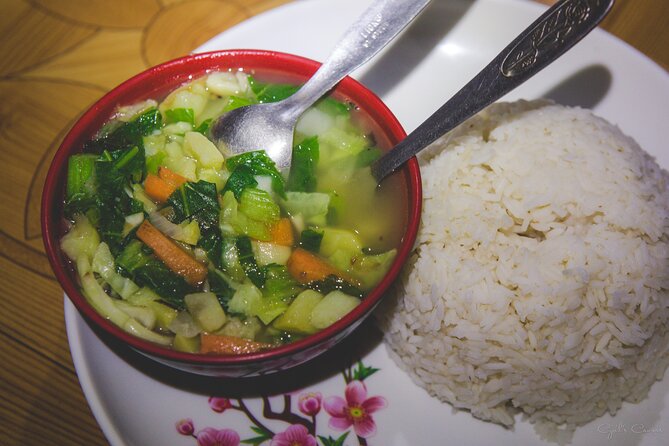
One of the most practical parts of this trek is how it handles load management. You can add a porter to carry your bags, and the plan states 2 hikers get 1 porter. That ratio matters. It usually means you’re not stuck with a porter who has to sprint between checkpoints.
Tea-house accommodation is listed as twin sharing for 11 nights during the hike. That keeps costs down and keeps the trek moving smoothly. It also helps you meet other walkers in a small-group setting, which can be reassuring when the mountain weather shifts.
Vegetarian options are available, and you can request them during booking. That’s a big deal on multi-day treks, because food choices can get limited at altitude. If you have dietary preferences, handle them upfront.
What I like most about porter support is how it protects your time. When your legs are tired, you lose patience and you start rushing. Lighter loads make it easier to keep a steady rhythm, and steady rhythm is what gets you to the viewpoint days without feeling wrecked.
Price and value at $1,439 per person
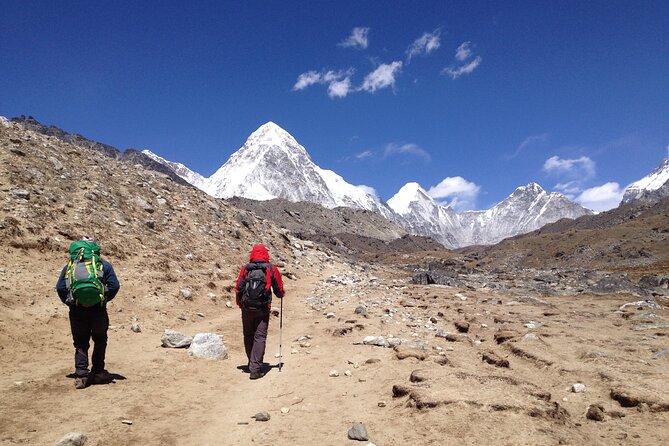
The listed price is $1,439 per person. At first glance, that can feel steep. But when you look at what’s included, it becomes more understandable.
Included items that affect real-world cost:
- Domestic flights (round-trip, possibly from Ramechap)
- Trekking permits
- Highly experienced Sherpa guide
- Tea-house accommodation (11 nights, twin sharing)
- First aid kit plus staff insurance and medication and equipment
- Meals are listed as included
- Porter option with the stated 2 hikers to 1 porter model
- Pickup offered and a mobile ticket
Not included items to plan for:
- International airfare
- Nepal entry visa
- Personal travel and trekking insurance
- Personal expenses and meals during the trek
- Tips and gratuities for trekking staff and drivers
- Personal trekking equipment
So the value question becomes: are you buying convenience, safety planning, and smooth logistics? With permits, flights, guide leadership, and lodging already handled, you’re mostly paying for the things that are hard to DIY cleanly and safely.
If you’re someone who wants a structured plan and doesn’t want to negotiate permits or organize flights last-minute, this price starts to make sense. If you prefer total independence and already have equipment, insurance, and a firm grasp of what to book, a DIY approach might cost less. But it also shifts the workload onto you.
Packing for cold, altitude, and the day-to-day reality
This trek is altitude-focused, and the gear list reads like a reality check, not a brochure. You’ll want proper boots and extra spare laces, plus clothing for serious cold and wind.
Things the plan specifically calls for:
- Hat (warm), scarf, and gloves
- Waterproof jacket
- Trouser, warm layers, thermal underwear
- Down jacket (minimum -10C, depends where and when you trek)
- Fleece jacket, quick dry T-shirts
- Backpack plus a duffel bag solution (the operator provides a duffel bag)
- Sleeping bag and silk liner are provided by the operator
- Water purification tablets
- Sunblock and lip warm
- Polarizing sunglasses
- Locks for your bags during trek
- Ear plugs and a small flashlight
The humor in trekking packing is that you end up carrying extra stuff you never use, if you’re not careful. The mountain version of good packing is simpler: pack what you’ll actually wear when you’re stopped, not just what looks good on a warm day.
Also, the trek notes running shoes, sandals, or flip shoes for off-trail use. That’s actually smart. Your feet will appreciate easy footwear in tea houses, even if hiking shoes feel like prison bars by the end of the day.
Weather happens: how the team handles snow and slowdowns
The Everest region can throw surprises. One story noted a snow storm period around Lobuche, including a couple of days of bad weather, and the group still made it to the goal.
What that teaches you for your own planning: don’t build your emotional timeline around perfect conditions. Instead, be ready for rough days where you walk less, rest more, or wait for clearer weather. The value of having an experienced guide and local Sherpa leadership is that they know how to respond and when to push.
You should also understand that this is a trek where altitude and weather can both affect energy levels. If you treat the days as flexible, you’ll have a better trip even when the mountains get moody.
Who this private EBC trek suits best
This is a strong fit if you want:
- A private guided experience with a Sherpa guide and small group limits
- Comfort with guided pacing, including acclimatization
- Tea-house trekking instead of camping
- Clear logistics handled for permits, flights, and lodging
It may not be your best match if:
- You want total self-direction and zero reliance on a scheduled plan
- You’re not comfortable with cold-weather layers and altitude fatigue
- You strongly dislike cold sunrise hikes or high-altitude exposure
One more note: the trip is set for fit beginners to experienced hikers, but you still need moderate physical fitness. In practice, that means you should be able to walk uphill for hours, carry a manageable day pack, and handle breathlessness without panicking.
Should you book this Everest Base Camp trek?
If you want a structured, Sherpa-led Everest Base Camp trek with flights, permits, and tea-house lodging handled, I think this is an easy “yes” to consider. The core value is safety-minded pacing plus mountain support, not just the idea of the final photo at Base Camp.
Book it if:
- You want private guidance and a small-group feel
- You’d rather pay for logistics than manage them
- You’re excited about Kala Patthar views and the classic Everest region route
Pass or ask more questions first if:
- You have very specific gear needs beyond what’s listed
- You’re unsure about cold-weather comfort at altitude
- You prefer deep independence over guided planning
If you do book, my best advice is simple: train a bit before you go, pack smart, and treat acclimatization as part of the experience, not a delay. The mountain rewards steady people.
FAQ
What is the duration of this Everest Base Camp trek?
It’s listed as approximately 12 days.
Where does the trek start and end?
The start is at Scenic Nepal Treks & Expedition Pvt. Ltd. in Kathmandu. The activity ends back at the same meeting point.
Is the trek private, and how many people are in a group?
It is a private guided trek with a minimum of 2 travelers per booking and a maximum of 15 per booking. The additional info also notes a maximum of 10 travelers.
What does the trek price include?
The package includes a highly experienced Sherpa trekking guide, return domestic flights (flight may fly from Ramechap Airport), trekking permits, staff insurance, medication and equipment, a first aid kit, twin sharing tea-house accommodation during the hike, and porter support (2 hikers get 1 porter). Meals are also listed as included.
What is not included in the price?
Not included are personal travel and trekking insurance, international airfare, Nepal entry visa, personal expenses and meals during the trek, personal trekking equipment, and tips and gratuities for trekking staff and drivers.
Does the trek include flights to Lukla?
Yes. Domestic flights are included, with the plan noting that flights may operate from Ramechap Airport.
Is vegetarian food available?
Yes. A vegetarian option is available if you advise them at booking.
What gear does the operator provide, and what should I bring?
The trip description notes Scenic Nepal Treks provides a sleeping bag and silk liner and a duffel bag. You should bring items like trekking boots with spare laces, warm hat, scarf, gloves, a waterproof jacket, down jacket (noting -10C as a minimum depending on where and when), and a backpack.
Latest additions near Kathmandu
- White Water River Rafting – 1 Day★ 4.3 · 3 reviews
- Traditional Momo Making Class★ 5.0 · 10 reviews
- Kathmandu to Pokhara Premium sofa bus ticket★ 4.0 · 17 reviews
- Ghorepani Poon Hill Trek★ 5.0 · 16 reviews
- Amazing 1 Day Trekking Experience in Kathmandu Nepal★ 5.0 · 24 reviews
- Ghorepani Poonhill Trek★ 5.0 · 5 reviews
- Walking tour of real Kathmandu through back streets.★ 5.0 · 3 reviews
- Wildlife Adventure in Chitwan Nepal★ 4.0 · 4 reviews
Everest Base Camp Treks, compared.
Everest Base Camp Helicopter Tour landing at Everest View Hotel
Read our review →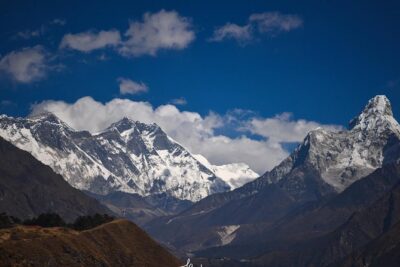
Everest Base Camp Helicopter Tour landing at Hotel Everest View
Read our review →
Browse the lists this tour appears in