
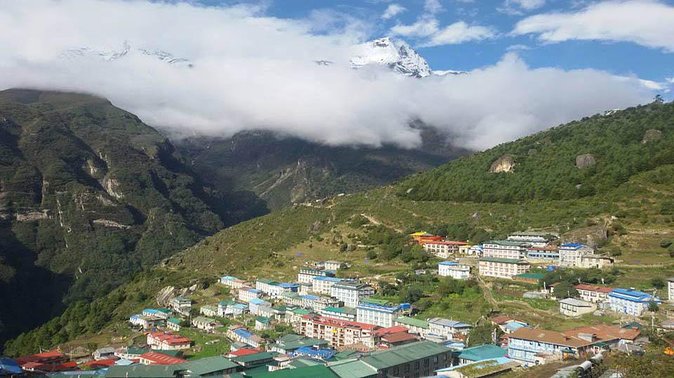
Reviewed · EVEREST BASE CAMP TREKS
Everest Base Camp Trek
Everest Base Camp is a trip of endurance. This 12-day trek in Nepal blends big mountain views with a village-and-monastery feel, with tea house nights and a steady 6 to 7 hours of daily hiking rhythm. The tradeoff is you must be ready for long days up high, plus basic comforts.
I also like that the human side gets real attention. You are traveling with a small team, led by Rajesh and supported by guides such as Dinesh, Resham, and Prakash, who show up in past client stories for staying calm, communicative, and practical when conditions get tricky. You also get a fully packaged approach where accommodation, guide, permits, and meals are included, so you spend less time managing logistics and more time walking and taking in the Himalaya.
In This Review
- Key highlights that matter on the ground
- Everest Base Camp trek, the real reason it clicks
- What you’re paying for with a $1,590 per person package
- Your team on the trek: small group plus strong local operators
- How Kathmandu sets you up, with pickup and a practical schedule
- Trekking rhythm: tea houses, 6 to 7 hours a day, and real downtime
- Villages and monasteries: culture that slows you down
- Everest Base Camp day: what you’re really chasing
- Sherpa hospitality you will feel in the small things
- What to budget for beyond the package
- Fitness reality check: who should book, and who should think twice
- Should you book this Everest Base Camp trek?
- FAQ
- What is the duration of the Everest Base Camp trek?
- Where does the trek start?
- How much does the trek cost?
- How many people are in the group?
- Are meals and accommodation included?
- What is not included during the trek?
- Is cancellation free, and what happens if weather is poor?
Key highlights that matter on the ground
- Small group size (max 10): easier pace control, more attention from your guide, and less crowding at tea houses.
- Tea house trekking with meals included: you can plan calories and costs without hunting for lunch every day.
- Everest Base Camp access on an established route: you get a clear path to the base camp area while still experiencing local stops.
- Sherpa hospitality focus: you are not just doing scenery, you are meeting the people who live and work up here.
- Permits and national park fees included: fewer surprises, and it supports the places you walk through.
- Professional guide support: day-by-day planning, route knowledge, and on-the-spot problem solving.
Everest Base Camp trek, the real reason it clicks
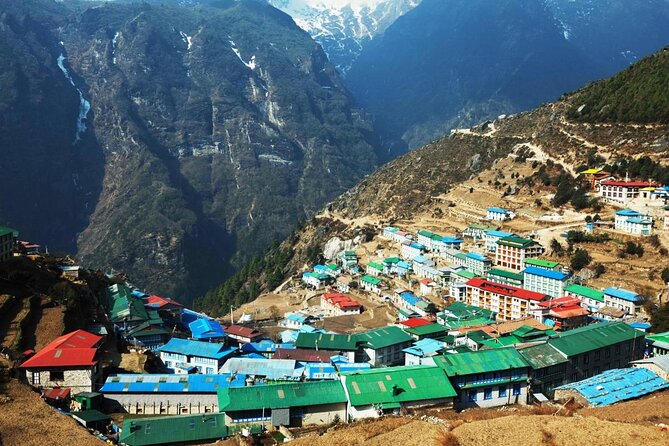
Everest Base Camp trips have a way of turning your brain off and your body on. Day after day, you work through steepness, thin air, and that slow climb where every step counts. And then, eventually, you get to the base camp area and realize the entire trek was building toward one hard-to-describe moment.
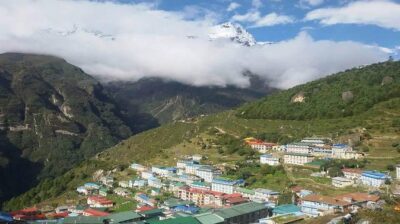
What makes this version appealing is how it mixes the famous destination with everyday mountain life. The route includes visits to villages and historic monasteries along the way, so you are not only hiking between viewpoints. You also have time to notice plants, birds, and wildlife patterns in a place where conditions are strict and the ecosystem has learned to adapt.
Just as important, the tour is structured for real trekking time. Expect roughly 6 to 7 hours of hiking daily. That is enough to feel like a trek, not just a scenic walk. But it is also something you can train for, if you plan ahead.
More Treks in Kathmandu
- Everest Base Camp Trek – 14 Days
★ 5.0 · 1,499 reviews - Everest Base Camp Trek
★ 5.0 · 842 reviews - Everest Base Camp Trekking
★ 5.0 · 485 reviews
What you’re paying for with a $1,590 per person package
At $1,590 per person for about 12 days, this is not a budget hike. But the price makes sense when you look at what is covered.
You get:
- Accommodation as per the itinerary (tea houses while trekking)
- Meals according to the plan (breakfast, lunch, dinner)
- National park fees and local taxes
- Permits tied to the route
- A professional guide
- Hotel pickup and drop-off
That bundle matters because the big hidden costs on Everest-region treks tend to be guide time, permits, and food. When those are already built into your cost, you can budget for only the extras you actually choose, like drinks, alcohol, and personal photo purchases.
Also note what is not included. Temple and monastery entrance fees, alcohol, and drinks like cola, Fanta, and bottled water during the trek are extra. If you drink a lot of sodas or you rely on bottled water for every refill, that can add up fast. The smart play is to treat those as optional splurges, not essentials.
Your team on the trek: small group plus strong local operators
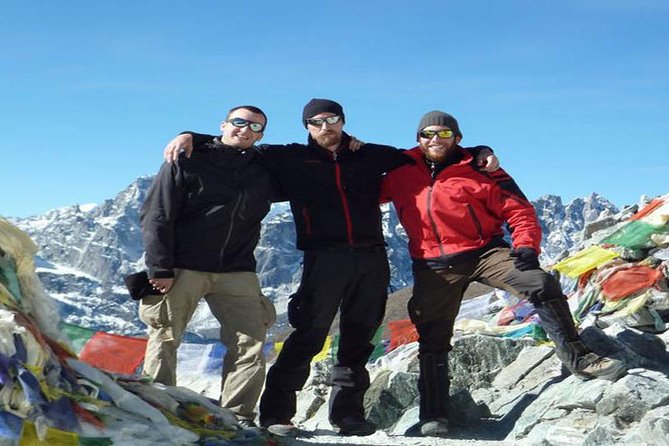
This tour caps at 10 travelers, which is a big deal on popular routes. With a smaller group, you get a calmer tea house experience, fewer bottlenecks when you set off each day, and a guide who can actually notice who is struggling and who needs a slower tempo.
The operator, Nepal Trekking Experts Pvt. Ltd., also has a track record for organized communication. In client feedback, people highlight responsiveness before arrival and confidence once they land. There is also mention of Rajesh stepping in when flights run late and helping trekkers keep their connections moving, which is exactly the kind of stress you want someone else to handle.
Guides and support staff mentioned in past stories include Dinesh, Orsun, Resham, Prakash, and even team members referenced by name like Ganesh. You do not need to memorize all the names. The point is that this is a Nepal-based outfit with a real local network, not a middle layer.
How Kathmandu sets you up, with pickup and a practical schedule
Most Everest treks start in Kathmandu because you need a base for orientation, gear checks, and pacing your first day above sea level. This tour includes hotel pickup and drop-off, which helps you avoid wasting time figuring out transport.
The meeting point window is listed as open daily from 6:15 AM to 10:45 PM, so there is flexibility if your flight timings shift. You also get confirmation at booking time and a mobile ticket. That combination usually means less back-and-forth, which matters when paperwork and pre-trek coordination can eat up your attention.
One more important detail: you must provide passport information at booking, including the passport name, number, expiry, and country for all participants. This is standard for Nepal trekking permits, but you should treat it as a checklist item, not a last-minute chore.
More Everest Base Camp treks:
- Everest Base Camp Helicopter Tour landing at Everest View Hotel
★ 5.0 · 668 reviews - Everest Base Camp Trekking – 13 Day
★ 5.0 · 365 reviews - Everest Base Camp Trek
★ 5.0 · 350 reviews - Everest Base Camp Trek -14 Days
★ 5.0 · 321 reviews
Trekking rhythm: tea houses, 6 to 7 hours a day, and real downtime
The core of the experience is simple: hiking, exploring, and staying overnight in tea houses. The tour description calls out that hiking and exploring preserved culture, plus flora and fauna, are major attractions. Translation: you are not sprinting from one photo stop to the next.
A typical day on a trek like this tends to follow a pattern:
- Start with enough time to warm up and get moving
- Hike for hours through changing terrain and air pressure
- Pause for lunch when the plan says so, not whenever you feel like it
- Continue toward your overnight tea house
- Settle in, eat dinner, and rest
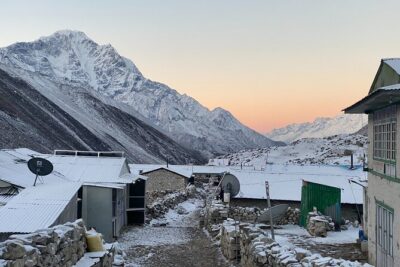
Tea houses are basic by design. That is part of the charm. The rooms are functional, and the social rhythm is real. You will see other trekkers, you will share small talk, and you will learn how people deal with cold, altitude, and tired legs. If you expect hotel comfort, you will feel disappointed. If you treat tea houses as a warm pause between hikes, you will enjoy them more.
The tour includes meals, so you are not guessing what you will eat each day. Still, budget extra time and attention for how you drink and snack. Long trekking days require steady fuel, and your body is working harder than on flat ground.
Villages and monasteries: culture that slows you down
This is not a trek that only talks about altitude. You are also visiting villages and historic monasteries along the way.
Why that matters: these stops break the monotony of walking. They also give you context for why life in the Himalaya works the way it does. Mountain communities are shaped by seasons, trade routes, religion, weather patterns, and resource limits. When you stop at a monastery or pass through a village, you are not only seeing something pretty. You are learning what people prioritize in a place where small changes in weather can affect everything.
One practical note: entrance fees for temples and monasteries are not included. So if your guide points out a site and you want to go in, you may need to pay on the spot. It is not a dealbreaker, just plan for it.
Everest Base Camp day: what you’re really chasing
Reaching Everest Base Camp is the headline. But the way this trek is structured makes the lead-up feel earned.
On the hiking days, you build:
- Gradual strength from repeated long walks
- Familiarity with conditions and your own pacing
- A better understanding of how the route moves through mountain villages
Then, when you reach the base camp area, the moment lands differently than a quick sightseeing stop. It feels like a finish line you have been training for in your lungs and legs.
Also, the tour highlights include world-class views on the way to base camp. That is believable because the Everest region is high and exposed. But the real value is that your guide keeps you moving with a realistic pace and plan. This is not about racing to the destination. It is about getting there in a way your body can handle.
If you are someone who enjoys quiet moments, base camp is often where the trek vibe shifts. People tend to slow down, look around, and absorb the scale of the mountains rather than just snapping photos.
Sherpa hospitality you will feel in the small things
Sherpa hospitality is mentioned as a highlight, and you can experience that through how the trip runs.
Good hospitality on a trek is not a slogan. It shows up in:
- Staff and guides communicating clearly about what’s next
- Tea house stays that feel organized and predictable
- A focus on safety and pacing over macho energy
- A willingness to help when someone is struggling with altitude discomfort or fatigue
Based on past client stories, one recurring theme is guide patience during harder moments. Dinesh is specifically praised for being patient and bringing humor during tough stretches. That kind of attitude helps because mountain trekking can turn one bad hour into a full-day problem if the group energy collapses. A steady guide can prevent that.
It also helps that this is a small group. When the trek gets demanding, you want your guide to have enough time to work with individuals, not just manage the schedule.
What to budget for beyond the package
Because meals and accommodation are included, you only need to plan for a few extras:
- Alcohol (available to purchase)
- Drinks like cola, Fanta, and mineral water during the trek
- Food and drinks in Kathmandu
- Temple and monastery entrance fees
- Souvenir photos (sold on-site)
The biggest money leaks on trekking packages are usually drinks. On Everest routes, bottled water and convenience items cost more because they have to be transported uphill. If you want to keep costs down, set a spending limit before you arrive. You can still enjoy a cold drink sometimes. Just do it intentionally.
Also, Kathmandu costs you more than you expect if you run on tourist prices right before departure. Build in a buffer for meals, snacks, and any last-minute gear needs.
Fitness reality check: who should book, and who should think twice
This trek is for people with strong physical fitness. You should be comfortable hiking 6 to 7 hours daily for days in a row, even if you are not an elite athlete.
It is best for:
- Active travelers who like structured days
- People who want a guided trek with less hassle and fewer permit worries
- First-time Everest-region trekkers who value experienced leadership
- Anyone who enjoys meeting local communities and visiting monasteries, not only chasing views
Consider thinking twice if:
- You hate long hiking days and need lots of frequent breaks
- You struggle with basic endurance training
- You are not ready to handle simple tea house conditions at night
- You are uncomfortable with high-altitude trekking demands, even with a guide
The good news is that the tour keeps the daily expectation pretty clear. When you know the time on your feet, you can train for it.
Should you book this Everest Base Camp trek?
If you want Everest Base Camp without turning your trip into a logistics project, this package is a solid choice. The biggest strengths are the small group size, the included guide and permits, and the meal plus tea house setup that keeps you fueled and moving. It is also appealing if you care about culture stops like villages and monasteries, because the trek does not treat those as optional side quests.
I would book it if:
- You are physically ready for 6 to 7 hours of daily hiking
- You want tea house trekking with included meals, not guesswork
- You value organization and responsive leadership, like the kind highlighted by Rajesh and his team
I would hesitate if you want comfort-first travel, or if you do not want to plan around extra costs for water, drinks, and entrance fees. A trek like this rewards flexible travelers who are happy trading easy sightseeing for real walking.
FAQ
What is the duration of the Everest Base Camp trek?
The trek is listed as 12 days approximately.
Where does the trek start?
It’s based in Kathmandu, Nepal, and includes hotel pickup and drop-off.
How much does the trek cost?
The price is $1,590.00 per person.
How many people are in the group?
The tour has a maximum of 10 travelers.
Are meals and accommodation included?
Yes. The package includes accommodation as per the itinerary and meals as per the itinerary, with breakfast, lunch, and dinner included.
What is not included during the trek?
Not included are temple and monastery entrance fees, alcoholic drinks, drinks like cola, Fanta, and mineral water during the trek, plus food and drinks in the city. Souvenir photos are also not included.
Is cancellation free, and what happens if weather is poor?
Free cancellation is available, with a full refund if you cancel at least 24 hours before the experience start time. The trek requires good weather, and if it is canceled due to poor weather, you are offered a different date or a full refund.
Latest additions near Kathmandu
- White Water River Rafting – 1 Day★ 4.3 · 3 reviews
- Traditional Momo Making Class★ 5.0 · 10 reviews
- Kathmandu to Pokhara Premium sofa bus ticket★ 4.0 · 17 reviews
- Ghorepani Poon Hill Trek★ 5.0 · 16 reviews
- Amazing 1 Day Trekking Experience in Kathmandu Nepal★ 5.0 · 24 reviews
- Ghorepani Poonhill Trek★ 5.0 · 5 reviews
- Walking tour of real Kathmandu through back streets.★ 5.0 · 3 reviews
- Wildlife Adventure in Chitwan Nepal★ 4.0 · 4 reviews
Everest Base Camp Treks, compared.
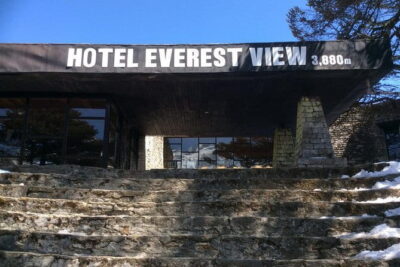
Everest Base Camp Helicopter Tour landing at Everest View Hotel
Read our review →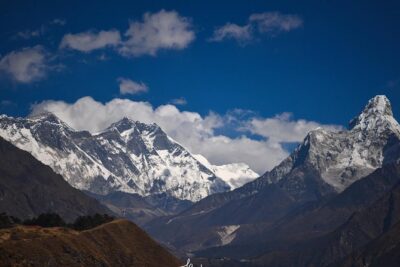
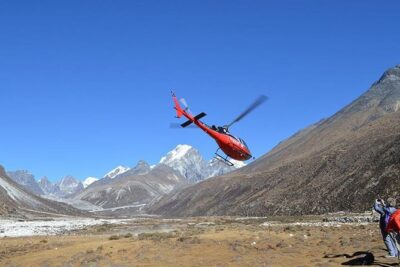
Everest Base Camp Helicopter Tour landing at Hotel Everest View
Read our review →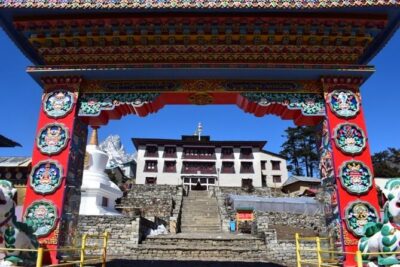
Browse the lists this tour appears in