
Reviewed · EVEREST BASE CAMP TREKS
Everest Base Camp trek- 11 days
A mountain ride to Everest begins with Lukla. This 11-day Everest Base Camp trek mixes high-altitude trekking, Sherpa villages, and the big-ticket sights like Tengboche Monastery and Kalapathar.
I particularly like the way your plan builds in acclimatization at Namche Bazaar, so the climb feels smarter, not rushed.
What I also like is the logistics focus: pickup for the Lukla flight, flights Kathmandu to Lukla and back, full-board meals on trek days, and a government-licensed guide. You are also in a private group, so pacing and questions stay yours.
The main drawback is simple: this is high altitude. You should have a moderate fitness level, because the trek goes from around 2,660m up toward 5,545m and beyond.
In This Review
- Key Highlights You Should Not Miss
- Lukla Flight, Namche Steps, and the Khumbu Culture Beat
- Price and Logistics: What Your $1,699 Covers, and What You Still Need to Plan
- Your 11-Day Route, Day by Day: Altitude, Views, and Rest Days
- Day 01: Kathmandu to Lukla Flight, Then Trek to Phadking (2,660m)
- Day 02: Phakding to Namche Bazaar (3,435m)
- Day 03: Acclimatization Day in Namche Bazaar (3,435m)
- Day 04: Namche Bazaar to Tengboche (3,890m)
- Day 05: Tengboche to Dingboche (4,400m)
- Day 06: Dingboche to Lobuche (4,910m)
- Day 07: Lobuche to Gorakshep, Everest Base Camp (5,380m) to Gorekshep (5,180m)
- Day 08: Gorekshep to Kalapathar (5,545m) and Pheriche (4,320m)
- Day 09: Pheriche to Namche Bazaar (3,435m)
- Day 10: Namche to Phakding and Lukla (around 2,835m)
- Day 11: Lukla to Kathmandu Flight
- What Lodges and Daily Rhythm Feel Like on This Trek
- Guides, Porters, and the Small Support That Makes Hard Days Work
- Packing and Training Tips for an 8,000m Dream
- Who Should Book This Everest Base Camp Trek, and Who Might Want a Different Plan
- Should You Book Everest Base Camp with Mount Face Nepal?
- FAQ
- What is the duration of this Everest Base Camp trek?
- Where do I start and what time does the trek begin?
- Is pickup included for the Lukla flight?
- Are meals during the trekking days included?
- Do I get a guide and porter?
- Are flights included?
- What trekking documents or permits are included?
- What is not included in the tour price?
Key Highlights You Should Not Miss
- Lukla flight plus sunrise views to start the adventure the right way
- Namche Bazaar acclimatization day at 3,435m before higher gains
- Monasteries and Sherpa culture through Tengboche and the Khumbu villages
- Everest Base Camp and Khumbu Icefall area in your main push days
- Kalapathar at 5,545m for one of the best viewpoint payoffs on the route
- Licensed guide and porter support (typically 1 porter for 2 clients)
Lukla Flight, Namche Steps, and the Khumbu Culture Beat
Most Everest Base Camp treks start with the same dream: seeing Everest for real. Here, the journey starts with a flight into Lukla and an early morning sunrise view over snowcapped peaks, which sets the tone fast.
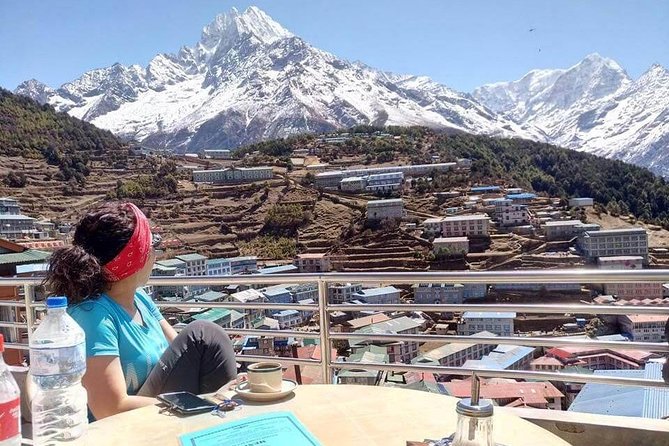
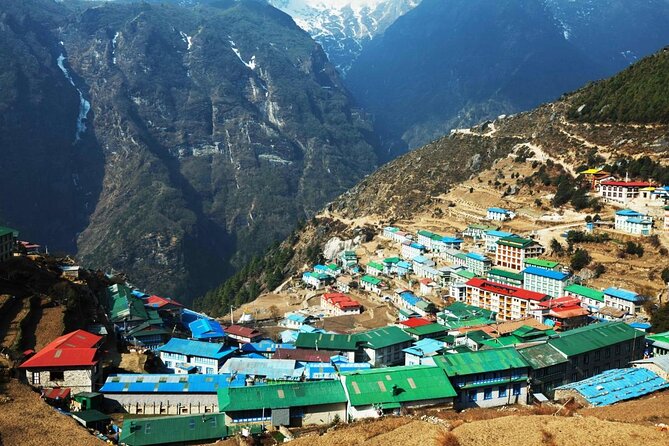
Once you land, the trek turns from “big talk” into real time walking between villages. You pass through Phakding and head to Namche Bazaar, the gateway town where the altitude begins to feel noticeable even though the route is planned to stay steady.
I love that this itinerary mixes scenery with people. You get Sherpa home-town vibes, local daily life, and visits to monasteries, especially around Tengboche. If you care about travel that feels human, not just altitude, this route gives you that balance.
More Treks in Kathmandu
- Everest Base Camp Trek – 14 Days
★ 5.0 · 1,499 reviews - Everest Base Camp Trek
★ 5.0 · 842 reviews - Everest Base Camp Trekking
★ 5.0 · 485 reviews
Price and Logistics: What Your $1,699 Covers, and What You Still Need to Plan
At $1,699 per person for 11 days, the real question is value. The price includes more than the walking part: it covers Kathmandu to Lukla and back flights, pickup and drop to the local airport for the Lukla flight, and full-board meals (breakfast, lunch, dinner) during the trekking period.
You also get practical support built into the cost:
- Best available accommodations during the trek
- A government license holder guide
- A porter to carry your baggage (not your comfort blanket, but your weight)
- TIMS card (Trekker’s Information Management System)
- Trekking permits needed for restricted area trekking
- A first aid kit and coverage for guide and porter costs, plus taxes and service charges
- A farewell dinner prior to departure
The items that are not included are where you should budget carefully:
- Meals and hotel in Kathmandu
- Travel insurance
- Nepal entry visa fee
- International airfare and airport departure tax
- Tips for trekking staff
- Drinks (hot/soft/cold) and liquors
- Personal shopping, laundry, and personal trekking equipment
My quick takeaway: the price looks fair if you want a well-run trek where you are not juggling permits, flight segments, and daily meals. If you already planned your flights and will handle permits yourself, you might compare options. But if you want the “focus on trekking, not logistics” style, this package includes the big moving parts.
Your 11-Day Route, Day by Day: Altitude, Views, and Rest Days
This trek uses a classic rhythm: move upward, pause to adjust, then push again. The altitude numbers matter because they explain why certain days feel easier than others.
Day 01: Kathmandu to Lukla Flight, Then Trek to Phadking (2,660m)
You start with the flight from Kathmandu to Lukla at about 2,850m. The route immediately brings you into the Khumbu region, with that sunrise mountain viewing opportunity mentioned in the trek highlights.
Then you hike to Phadking at 2,660m. That slight downshift is not an accident. It helps your body settle and helps your legs get into “trek mode” before the bigger altitude steps start.
More Everest Base Camp treks:
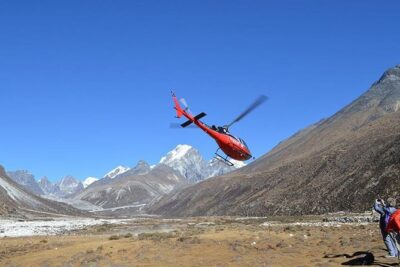
- Everest Base Camp Helicopter Tour landing at Everest View Hotel
★ 5.0 · 668 reviews - Everest Base Camp Trekking – 13 Day
★ 5.0 · 365 reviews - Everest Base Camp Trek
★ 5.0 · 350 reviews - Everest Base Camp Trek -14 Days
★ 5.0 · 321 reviews
Day 02: Phakding to Namche Bazaar (3,435m)
Today is your first real climb in terms of elevation gain, heading to Namche Bazaar at 3,435m. Expect the air to feel thinner compared to the day before, even if the trail is manageable.
Namche is also where the trek begins to feel like a true hub. You get a better sense of the Sherpa world you came for, not just mountain scenery.
Day 03: Acclimatization Day in Namche Bazaar (3,435m)
This is the smart day. Staying at 3,435m helps your body adapt before you go higher toward Tengboche and above.
I like these built-in rest days because they reduce the “suffer first, acclimatize later” mistake people sometimes make. You are still moving and staying active, but you are not stacking altitude on top of altitude.
Day 04: Namche Bazaar to Tengboche (3,890m)
You climb again to Tengboche at 3,890m. This is where the trek leans into the spiritual and cultural side, with Tengboche Monastery included in the experience highlights.
Tengboche is also a major viewpoint area in the Khumbu. You get famous views of peaks like Everest, Lhotse, and Nuptse as the route opens up.
Day 05: Tengboche to Dingboche (4,400m)
Today takes you up to Dingboche at 4,400m. The air feels different here, and the pace matters more.
This stop is also where the trek transitions into more serious high-altitude country. Lodges exist, but it is still rugged terrain and you will want to keep your schedule calm and your breathing steady.
Day 06: Dingboche to Lobuche (4,910m)
Now you climb to Lobuche at 4,910m. This is the “you are really in it now” day.
Lobuche typically feels like a threshold before the Everest Base Camp push. It helps to keep your mind focused on the next two days, because they include the biggest altitude moments and the core visit.
Day 07: Lobuche to Gorakshep, Everest Base Camp (5,380m) to Gorekshep (5,180m)
This is the day many people remember for the rest of their lives. You head from Lobuche to Gorakshep, reach Everest Base Camp around 5,380m, then end at Gorekshep at 5,180m.
The elevation makes this a demanding day, so success is about pacing, not speed. The route also ties directly into the highlights of seeing the Khumbu Icefall area and the feel of the Natural Park ecosystem.
One practical consideration: after reaching Base Camp, you do not stay at the highest spot. You return to Gorekshep to sleep. That makes logistics more realistic, but it also means you will still be walking when you are tired.
Day 08: Gorekshep to Kalapathar (5,545m) and Pheriche (4,320m)
Today is a high-payoff combo. You go to Kalapathar at 5,545m, then descend to Pheriche at 4,320m.
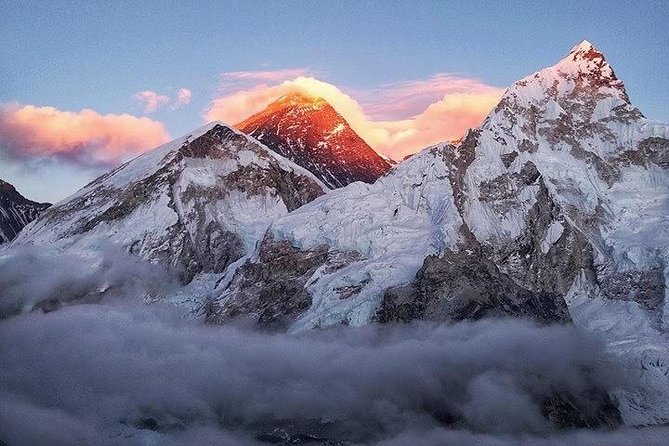
Kalapathar is called out as the viewpoint to see the world’s highest peak, and it is one of the strongest reasons people choose this trek. Even if Everest weather changes what you see, the effort can still feel worth it because the viewpoint experience is the peak of the trip.
Day 09: Pheriche to Namche Bazaar (3,435m)
You descend back to Namche Bazaar. That is a psychological win as much as a physical one. Your body gets a breather from the highest altitudes, and you get to revisit Namche’s calmer village energy.
This is also a good day to slow down, regroup, and notice how your trekking routine changes when altitude is lower.
Day 10: Namche to Phakding and Lukla (around 2,835m)
You head back toward Phakding and end near Lukla at about 2,835m. This is your return leg day, and it is where you can start feeling that travel home feeling building.
Do not assume it is easy just because it is lower. Trekking days can still be long. The goal is to finish strong so you have an easier time with the final flight day.
Day 11: Lukla to Kathmandu Flight
Your trek ends with the flight from Lukla back to Kathmandu. After 10 days of climbing and descending, the contrast is big, so it helps to plan for rest when you arrive.
A nice bonus included in this trip style is the overall wrapping-up feeling, including the farewell dinner prior to departure.
What Lodges and Daily Rhythm Feel Like on This Trek
This operator includes best available accommodations during the trekking days and provides meals. That matters because at Everest Base Camp elevations, your comfort options are not the same as a European hotel.
Even with good lodging, expect basic conditions and focus on what the package helps with:
- You are not deciding where to eat or which guesthouses to target
- You have breakfast, lunch, and dinner included during trekking time
- You have a guide who can keep the pacing sensible
Also, drinks are not included. That is a small detail, but it can affect your budget because tea and bottled drinks can add up over 11 days. If you like staying warm with hot drinks, plan money for it.
Guides, Porters, and the Small Support That Makes Hard Days Work
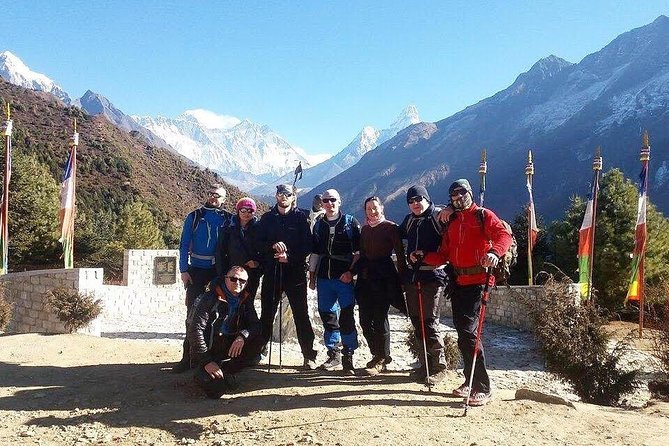
The standout pattern in the trip stories you supplied is the human support. A guide named Dipu shows up repeatedly, praised for being helpful, staying in touch, and keeping people comfortable during the hike.
That type of support is not just politeness. On an Everest trek, help can mean:
- clearer pacing and trail decisions
- encouragement when altitude and fatigue hit
- practical check-ins so you feel taken care of
You also get a porter to carry your baggage, typically 1 porter for 2 clients. That ratio matters because it balances cost with real relief. You still trek yourself, but you are carrying less, which can save you late in the week.
The other quiet win is the checklist approach: TIMS, permits for restricted trekking areas, and a first aid kit are included. I like that because it reduces the chance of avoidable stress when you are far from city services.
Packing and Training Tips for an 8,000m Dream
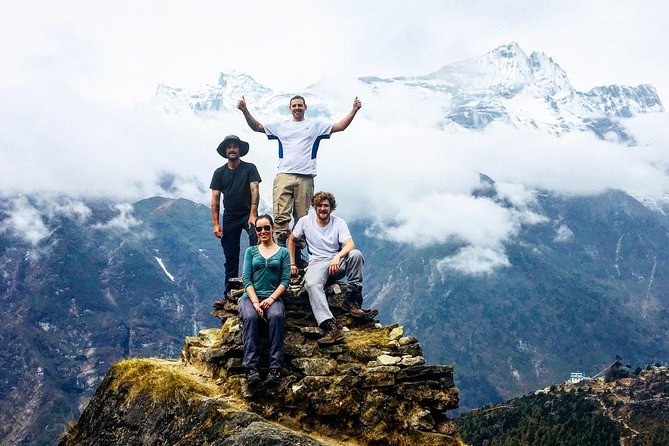
The trek goes high enough that comfort and safety depend on preparation. The data here only states you need moderate physical fitness, but in practice that means you should train your legs and endurance enough to handle steady uphill days and long walking hours.
A simple approach:
- Train for hiking time, not gym time. Long walks with elevation changes help.
- Practice layering. Cold can hit fast at higher elevations, especially around early starts tied to viewpoint moments.
- Bring a system for keeping your hands and feet warm. Small comfort items make a big difference on cold days.
- Plan for altitude basics. Talk to your doctor, especially if you have any health concerns.
Since personal trekking equipment is not included, you will want to bring what you need. Also remember: drinks and liquors are not included, so decide ahead of time how you want to handle that cost.
Who Should Book This Everest Base Camp Trek, and Who Might Want a Different Plan
This tour is a good fit if you want:
- an 11-day Everest Base Camp route with a clear acclimatization stop in Namche
- cultural stops like Tengboche Monastery and Sherpa village life
- a guided trek with private group pacing
- full-board meals during trekking days
It might not be ideal if you:
- have very low hiking tolerance. This is not a gentle stroll, even with rest days
- need a lot of hotel comfort every night. Accommodations are “best available,” not luxury
If you are the type who wants authentic mountain travel, not just peak photos, you should enjoy the mix of culture, monasteries, and big viewpoints.
Should You Book Everest Base Camp with Mount Face Nepal?
I would book this trek if you value logistics that are handled and want a plan that respects altitude with an acclimatization day. The inclusion list is strong for an 11-day Everest Base Camp trip: flights, permits, full-board meals, licensed guide, and porter support.
I would think twice if you want lots of extras included in Kathmandu, since Kathmandu hotel and meals are not included, and drinks on the trail cost extra. Also, make sure you honestly rate your fitness. The itinerary’s altitude climb is real.
If that fits you, this looks like a solid way to do Everest Base Camp with less stress and more focus on the trail, the people, and those moments when the mountains finally feel close enough to touch.
FAQ
What is the duration of this Everest Base Camp trek?
The trek is 11 days approximately, running from Kathmandu to Lukla and back to Kathmandu.
Where do I start and what time does the trek begin?
The meeting point is Thamel, Kathmandu 44600, Nepal. Start time is 7:15 am.
Is pickup included for the Lukla flight?
Yes. The package includes pickup and drop to the local airport for the Lukla flight.
Are meals during the trekking days included?
Yes. You get full board meals (breakfast, lunch, and dinner) during the trekking period.
Do I get a guide and porter?
Yes. You receive a government license holder guide and a porter to carry your baggage, normally 1 porter for 2 clients.
Are flights included?
Yes. The tour includes air fare for Kathmandu to Lukla and Lukla to Kathmandu.
What trekking documents or permits are included?
You receive a TIMS card and trekking permits needed for restricted area trekking.
What is not included in the tour price?
Not included are Kathmandu lunch and dinner, hotel in Kathmandu, travel insurance, Nepal entry visa fee, international airfare and airport departure tax, tips for trekking staff, drinks and liquors, and personal shopping plus personal trekking equipment.
Latest additions near Kathmandu
- White Water River Rafting – 1 Day★ 4.3 · 3 reviews
- Traditional Momo Making Class★ 5.0 · 10 reviews
- Kathmandu to Pokhara Premium sofa bus ticket★ 4.0 · 17 reviews
- Ghorepani Poon Hill Trek★ 5.0 · 16 reviews
- Amazing 1 Day Trekking Experience in Kathmandu Nepal★ 5.0 · 24 reviews
- Ghorepani Poonhill Trek★ 5.0 · 5 reviews
- Walking tour of real Kathmandu through back streets.★ 5.0 · 3 reviews
- Wildlife Adventure in Chitwan Nepal★ 4.0 · 4 reviews
Everest Base Camp Treks, compared.
Everest Base Camp Helicopter Tour landing at Everest View Hotel
Read our review →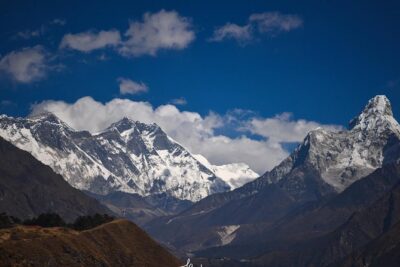
Everest Base Camp Helicopter Tour landing at Hotel Everest View
Read our review →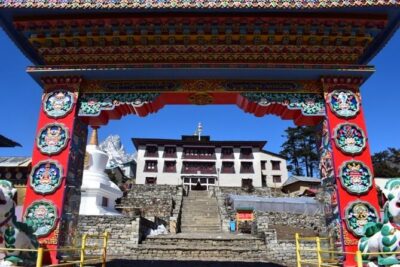
Browse the lists this tour appears in