
Reviewed · EVEREST BASE CAMP TREKS
Everest Base Camp Standard Trek
Everest Base Camp starts with a terrifyingly beautiful flight. This trek strings together standout Lukla air views and a serious payoff at Kala Patthar with 360-degree panorama time, all wrapped in a well-paced 12 days that includes acclimatization and Kathmandu sightseeing. I also like the way the route is built around real high-altitude days that help your body adjust. One consideration: the itinerary is weather-dependent and the cold can be intense, especially around the early morning push to Kala Patthar.
What makes this trip feel practical is the support package. You get government-authorized guides and porters, hygienic trek meals, park entry and TIMS, and even key gear like a sleeping bag and warm layers. In the field, I’d bet the biggest difference is human, and here the provider’s guides show up in the details, including praise for guide Bhim, plus help from Bandhu, Ramesh, and Umesh mentioned in past experiences.
In This Review
- Key things that make this Everest trek work
- A 12-day rhythm: flight in, high passes, then Kathmandu sightseeing
- Your $2,000 budget, explained: what’s included vs. what you’ll pay later
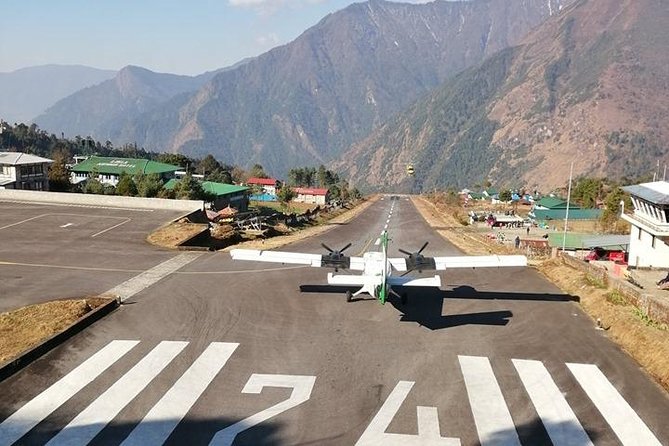
- The Lukla flight: one 30-minute window into the Himalaya
- Day 1: Cheplung to Phakding, the first taste of Khumbu life
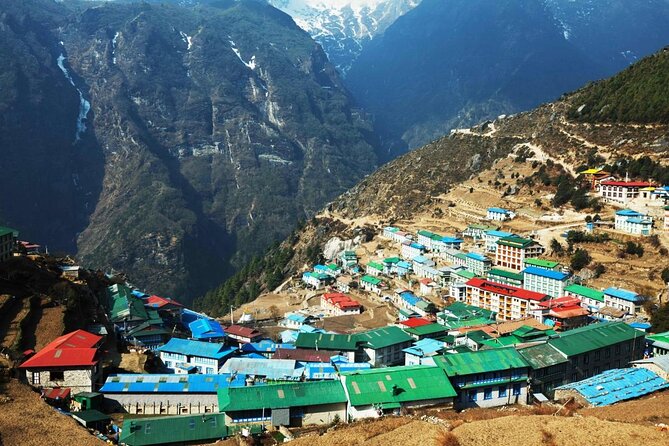
- Day 2: Phakding to Namche Bazaar, pine forests, rivers, and Everest glimpses
- Day 3: Namche Bazaar rest day, plus Khumjung for a smart altitude hike
- Days 4 and 5: Tengboche Gompa and monastery views in rhododendron country
- Day 5 into Day 6: Dingboche acclimatization, with fields built for cold
- Day 7: Lobuche and the memorial stones on the Khumbu moraine
- Day 8: Gorak Shep to Everest Base Camp, gray terrain and big tents
- Day 9: Kala Patthar from Pheriche, -10 to -14 C and 360-degree Everest views
- Days 10 and 11: Pheriche to Namche Bazaar, suspension bridges and forest descents
- Day 12: Lukla to Kathmandu, rest, souvenirs, and a farewell dinner
- The human side: guides and porters who keep you steady
- Should you book this Everest Base Camp Standard Trek?
- FAQ
- Is pickup included in Kathmandu?
- What kind of lodging do I get during the trek?
- Are meals included?
- Are park fees and TIMS included?
- What equipment is provided?
- Are international flights included?
- What should I know about weather?
- Is this tour private?
Key things that make this Everest trek work
- Lukla flight sets the tone with a short 30-minute hop into a hillside airstrip framed by huge peaks.
- Acclimatization is built in, with rest and day-hike options at Namche Bazaar and Dingboche.
- Kala Patthar is the visual climax, paired with an early start from Pheriche and a listed cold range around -10 to -14 C.
- Route-finding matters near Base Camp, with a note that paths can be misleading and you should follow your Sherpa lead.
- Support is bundled, including guides, porters, meals during the trek, park entry fees, and TIMS.
A 12-day rhythm: flight in, high passes, then Kathmandu sightseeing
This is a “classic” Everest Base Camp trek, designed for a steady climb and smart pacing rather than a speedrun. You’ll spend most of your time in the Khumbu region, moving village to village, with rest days that matter because altitude is doing the hard work.
The tour also pays attention to the start and finish. You fly from Kathmandu to Lukla to begin, then after your mountain days you return to Kathmandu for a simpler landing, rest time, and some sightseeing plus a farewell dinner.
If you’re aiming for Everest Base Camp without trying to race the mountains, this format tends to fit well. The days are long enough to feel like a real journey, but the plan keeps giving you chances to breathe and adjust.
More Treks in Kathmandu
- Everest Base Camp Trek – 14 Days
★ 5.0 · 1,499 reviews - Everest Base Camp Trek
★ 5.0 · 842 reviews - Everest Base Camp Trekking
★ 5.0 · 485 reviews
Your $2,000 budget, explained: what’s included vs. what you’ll pay later
At $2,000 per person for about 12 days, the value is strongest when you compare what’s bundled. This package includes flights to and from Lukla, Kathmandu airport transfers, a 3-star or above hotel in Kathmandu with breakfast, and local guest house stays during the trek.
On top of that, you get the operational basics that are easy to underestimate on Everest routes: guide and porters, insurance, meals during the trek (breakfast, lunch, dinner), and even the trekking equipment like a sleeping bag and warm layers, plus a first aid kit and maps. The national park entry and TIMS card are also included.
What you should expect to pay extra is pretty standard, but it matters for budgeting. International airfare is not included, and meals in Kathmandu beyond breakfast are your responsibility. You’ll also want to plan for tips for your guide and porter, and note that shower and charging fees may apply in some guest houses. Alcohol and snacks like tea or coffee are also not included.
The Lukla flight: one 30-minute window into the Himalaya
The trek opens with a short flight from Kathmandu to Lukla. It’s listed at about 30 minutes, but in practice it feels like the start of the story rather than just transport.
You come in to Lukla at around 9,186 ft, and the description focuses on that famous hillside setting surrounded by tall peaks. Once you land, you meet your trekking crew, arrange gear, and then begin with an easy-to-moderate descent that helps you settle in.
This matters because Everest treks often fail on day-one fatigue from too-rapid altitude exposure. Starting with a gradual walk after the flight is one of those small planning choices that can make a big difference.
Day 1: Cheplung to Phakding, the first taste of Khumbu life
Your first trekking day moves from Lukla into the Cheplung area, with about an hour of gradual descent that takes you to Cheplung village. Here you can get a glimpse of Mt. Khumbila at 18,900 ft, described as sacred and never climbed.
From Cheplung the path continues down to Phakding, where you spend the night. This is the stage where you learn the rhythm: steady stepping, regular breaks, and getting comfortable with thin air without yet demanding heroics.
If you’re new to multi-day trekking, the early nights in Phakding can help you mentally adjust. You start slow, see village life, and then build from there.
More Everest Base Camp treks:
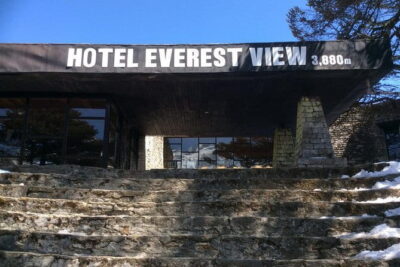
- Everest Base Camp Helicopter Tour landing at Everest View Hotel
★ 5.0 · 668 reviews - Everest Base Camp Trekking – 13 Day
★ 5.0 · 365 reviews - Everest Base Camp Trek
★ 5.0 · 350 reviews - Everest Base Camp Trek -14 Days
★ 5.0 · 321 reviews
Day 2: Phakding to Namche Bazaar, pine forests, rivers, and Everest glimpses
Day 2 is where the trail begins to feel more serious. You walk through pine forest and follow the valley toward the north, crossing the Dudh Koshi River and passing Chumoa and Monjo.
Monjo is your entrance to Everest National Park. That transition is more than paperwork. It changes the feeling of the route, because you’re now inside the protected Everest zone.
Then come suspension bridges and a long riverside walk along the Dudh Koshi and Bhote Koshi. You’ll still be moving when the terrain ramps up, including a steep ascent into Namche Bazaar, the Sherpa region’s main hub.
If weather permits, you may catch views of Mt. Everest and Mt. Lhotse near the approach. That’s a common moment people remember because it makes the trek feel real.
Day 3: Namche Bazaar rest day, plus Khumjung for a smart altitude hike
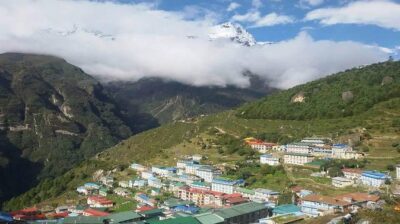
Namche Bazaar is a functional place at altitude, with government offices, ATMs, internet cafes, shops, restaurants, and a market. That’s useful because you’re not just passing through. You’re able to manage small needs: supplies, a recharge in routine, and a buffer day before going higher.
This day is meant for relaxation, but there’s also a built-in option for a day hike. If you feel good, you can trek to Khumjung village, listed at 12,401 ft. It’s a Sherpa settlement and the plan notes you’ll enjoy the altitude-appropriate flora and fauna.
I like rest days like this because they take pressure off. Instead of pushing every day, you get a choice: keep it light, then come back ready for the next climb.
Days 4 and 5: Tengboche Gompa and monastery views in rhododendron country
Your route drops toward the Dudh-Koshi River, then climbs again toward Tengboche. The plan calls out rhododendron forests, plus views that can include Everest, Lhotse, Nuptse, Ama Dablam, Thamserku, and Kongde.
Tengboche is also about the monastery. You visit Tengboche Gompa, described as the largest in the region, and you get to take in views of Everest and Ama Dablam from the area.
You’ll overnight in Tengboche, which gives you time to see the place settle and change with the light. The next day continues with descent through birch, conifers, and rhododendrons, then turns you toward Dingboche via the Imja Valley and the Lobuche River.
Two days here means less rushing through a scenic section. It also gives you a better shot at catching clear peak views, because the weather at altitude can shift fast.
Day 5 into Day 6: Dingboche acclimatization, with fields built for cold
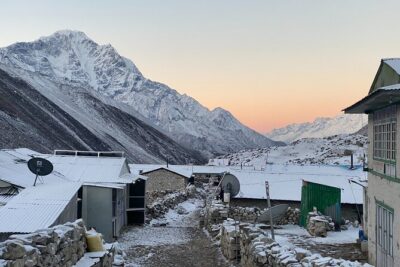
Dingboche is one of those villages that feels practical. The plan describes stone-walled fields that protect barley, buckwheat, and potatoes from cold winds and grazing animals. That’s your reminder that people actually live and farm here, not just pass through.
Day 6 is a rest and acclimatization day in Dingboche. The itinerary offers day hikes to either Nagarjun Hill or Chukkhung Valley, with views that can include Makalu, Lhotse, Chalotse, Tawache, and Ama Dablam.
I like that this stage gives you structured options. You can choose your intensity level, and you’re not stuck deciding last minute in the cold.
Acclimatization days are not free time. They’re part of the safety strategy. Even if you feel fine, following the plan helps you keep altitude stress lower as you head toward higher areas.
Day 7: Lobuche and the memorial stones on the Khumbu moraine
Your walk begins with a gradual climb to Duglha at the end of the terminal moraine of the Khumbu. From there, you take a steep trail up to Chupki Lhara, a spot marked by stone memorials with prayer flags.
These memorials include names associated with Everest tragedy and history: Scott Fischer and Babu Chiri Sherpa, described as a Nepali mountain guide who perished on an Everest mission.
Then the trail continues along the Khumbu moraine, and the plan notes you’ll face impressive peaks like Khumbutse, Lingtren, Pumori, and Mahalangur Himal. After that, the route eases as you follow the valley to Lobuche.
This day is about more than scenery. It’s the emotional and physical transition from mid-altitude villages into the more barren, high Everest-world feeling of the route.
Day 8: Gorak Shep to Everest Base Camp, gray terrain and big tents
Today you push toward Everest Base Camp via Gorak Shep. The route is described as following a trail leading through the once vast Gorak Shep Lake area and passing Indian army mountaineers’ memorials.
The plan also warns about one of the key realities of trekking at elevation: the path can be misleading. That’s why it stresses following your lead Sherpa.
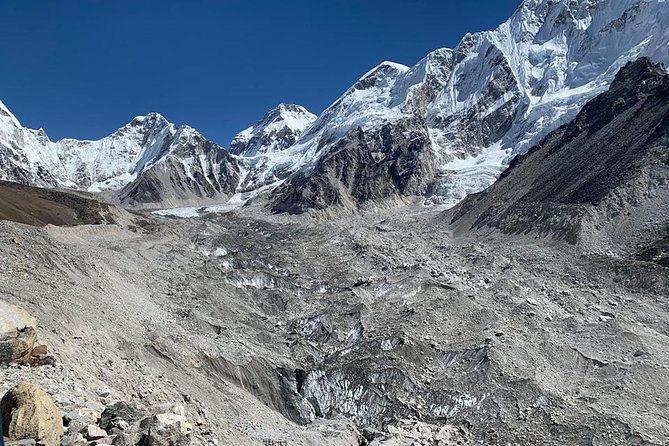
Once you get near Base Camp, you’ll deal with thinner air, and the walk is described as strenuous. You’ll pass rocky dunes, moraine, and streams before reaching Everest Base Camp itself. There you’ll see mountaineers’ tents, bright against the gray surroundings, especially in spring.
From Base Camp, you can view Nuptse, Khumbuste, and Pumori. Then you return to Gorak Shep for the night.
Practical tip: keep your pace steady even when you’re excited. Base Camp is not a sprint moment. It’s a “arrive and take it in safely” moment.
Day 9: Kala Patthar from Pheriche, -10 to -14 C and 360-degree Everest views
Day 9 is early and cold. The itinerary describes pre-dawn departure with temperatures around -10 to -14 C, plus the possibility of chilly winds.
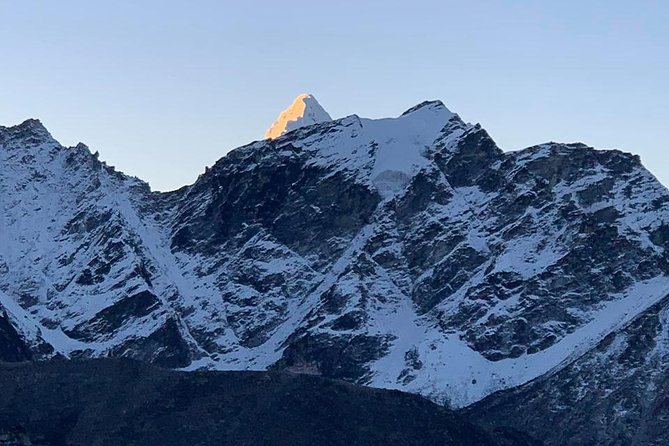
You’ll head toward Kala Patthar for a reason: it’s where you get 360-degree up-close views of Everest. The plan also notes that familiar peaks such as Lingtren, Khumbutse, and Changtse stand to the east while Everest begins to reveal itself.
Once you reach Kala Patthar, you spend time enjoying panoramic views and taking pictures, then you return back toward Lobuche for the night.
This is the day that turns the trek from scenic to unforgettable. It’s also the day where your headlamp routine, layering choices, and breathing discipline matter most.
Days 10 and 11: Pheriche to Namche Bazaar, suspension bridges and forest descents
The return route is long, and that’s where careful footwork pays off. From Pheriche you descend through the rhododendrons and juniper trees, plus you’ll pass prayer flags along the trail.
The plan calls out suspension bridges over the Dudh Koshi River. After crossing, your route follows the Dudh Koshi gorge, descending rapidly through pine forests. There’s even a note that you may see colorful pheasants and mountain goats in the forest.
The trek continues toward Sansa, with viewpoints along the way, including possible views of Ama Dablam, Thamserku, and Nuptse. Then you reach Namche Bazaar and spend the night.
Day 11 is another steep-descend day, so the message is clear: walk cautiously on rocky terrain. After crossing fast-flowing suspension bridges and tributaries, the trail becomes more level as you near Lukla, where you finish with a chance to stretch out and reset.
This part can feel tougher than the climb, mostly because your legs are already tired. If you keep steps short and watch your footing, it becomes manageable.
Day 12: Lukla to Kathmandu, rest, souvenirs, and a farewell dinner
On your final day, you catch an early flight back to Kathmandu after finishing the long mountain journey. Once you land, you can rest or shop for souvenirs.
The itinerary notes your guides can help you with souvenir shopping if you want to explore more of Kathmandu on your own. In the evening, there’s a farewell dinner to celebrate the completion of the trek.
I like this ending because it doesn’t throw you back into chaos right away. It gives you a real landing, so the trek doesn’t end with stress.
The human side: guides and porters who keep you steady
The trek is only as good as the people running it, especially on Everest timing. This package includes government-authorized guides and porters, plus insurance and a first aid kit, which means you’re not relying on luck.
Past experiences with Shepherd Holidays put special emphasis on guide Bhim. Descriptions highlight that Bhim was funny, knowledgeable, and very helpful, and that he kept people feeling great throughout the trip. Other names like Bandhu, Ramesh, and Umesh also come up as helpful and experienced.
That kind of consistent praise is a good sign because these treks are emotional. You’ll have cold mornings, long walks, and moments when the climb feels endless. A guide who reads your pace and keeps morale up makes the difference between a tough day and a miserable one.
Should you book this Everest Base Camp Standard Trek?
You should consider booking if you want a structured classic Everest Base Camp itinerary with Lukla flights, acclimatization days, and a strong support bundle. It’s also a good fit if you have moderate physical fitness and you want guides and porters to handle the logistics while you focus on walking and adjusting.
You might think twice if you know you struggle with cold early mornings or you get anxious about weather uncertainty. This is an experience that depends on good conditions, and the plan itself flags that you’ll be out in bitter temperatures for the Kala Patthar segment.
If you do book, do one thing that pays off immediately: plan your attitude. Expect long days, be patient with altitude, and treat every rest stop as part of the route, not time off.
FAQ
Is pickup included in Kathmandu?
Yes. The package includes transportation to and from Tribhuvan Airport.
What kind of lodging do I get during the trek?
You stay in a 3-star or above hotel in Kathmandu before and after the trek, and you get local guest house accommodation in the mountains during the trek.
Are meals included?
Meals during the trek are included and described as hygienic, with breakfast, lunch, and dinner during trekking days. Meals in Kathmandu besides breakfast are not included.
Are park fees and TIMS included?
Yes. The plan includes the Sagarmatha National Park entry fee and a TIMS card.
What equipment is provided?
The package includes trekking equipment such as a sleeping bag and warm layers, plus a first aid kit and maps.
Are international flights included?
No. International airfare is not included.
What should I know about weather?
The experience requires good weather. If it’s canceled due to poor weather, you’ll be offered a different date or a full refund.
Is this tour private?
Yes. It’s described as a private tour/activity, meaning only your group participates.
Latest additions near Kathmandu
- White Water River Rafting – 1 Day★ 4.3 · 3 reviews
- Traditional Momo Making Class★ 5.0 · 10 reviews
- Kathmandu to Pokhara Premium sofa bus ticket★ 4.0 · 17 reviews
- Ghorepani Poon Hill Trek★ 5.0 · 16 reviews
- Amazing 1 Day Trekking Experience in Kathmandu Nepal★ 5.0 · 24 reviews
- Ghorepani Poonhill Trek★ 5.0 · 5 reviews
- Walking tour of real Kathmandu through back streets.★ 5.0 · 3 reviews
- Wildlife Adventure in Chitwan Nepal★ 4.0 · 4 reviews
Everest Base Camp Treks, compared.
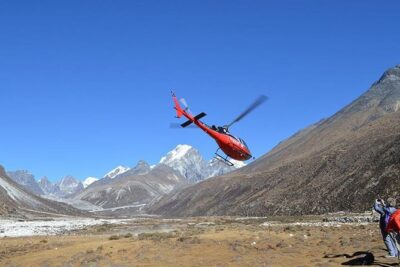
Everest Base Camp Helicopter Tour landing at Everest View Hotel
Read our review →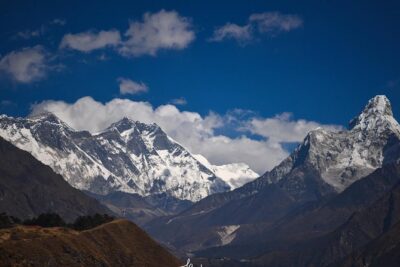
Everest Base Camp Helicopter Tour landing at Hotel Everest View
Read our review →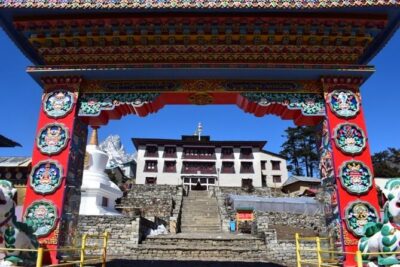
Browse the lists this tour appears in