
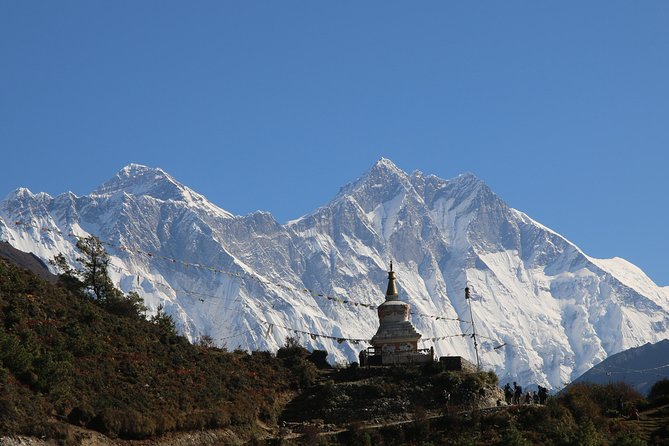
Reviewed · EVEREST BASE CAMP TREKS
Everest Base Camp Budget Trekking
One word, big altitude: Everest. This budget-focused Everest Base Camp trek is interesting because you get real acclimatization time plus a professional English-speaking guide to keep the logistics tight. I also like that the trip is arranged as a private activity, so it is not you plus a random crowd doing stop-and-go trekking.
The main drawback is simple: your costs do not include trekking meals or drinks, and altitude is serious here. Above 4,500 m, acute mountain sickness is a real risk, so the slower pace and rest days are not optional.
In This Review
- Quick Takeaways Before You Go
- Why This 14-Day Budget Everest Trek Is a Smart Choice
- Kathmandu to Lukla Flights: The Day You Start Paying Attention
- Namche Bazaar and Acclimatization: Where the Trek Gets Serious
- Tengboche, Dingboche, and the Climb Past 4,000 m
- Lobuche to Everest Base Camp: One Big Effort Day (Then Recovery)
- Kalapattar at 5,545 m: The Trek’s Big Finale
- Price and Inclusions: What You Pay For, What You Still Need to Budget
- Guides, Teamwork, and the Solo Pace Question
- Who Should Book This Everest Base Camp Budget Trek, and Who Should Rethink It
- Should You Book This Everest Base Camp Budget Trek?
- FAQ
- How many days is the Everest Base Camp budget trek?
- Where does the trek start and where does it end?
- Are flights between Kathmandu and Lukla included?
- What is the luggage limit for the Lukla flights?
- Are trekking meals and drinks included in the price?
- Is there an acclimatization plan built into the trek?
- Is this a private tour?
Quick Takeaways Before You Go
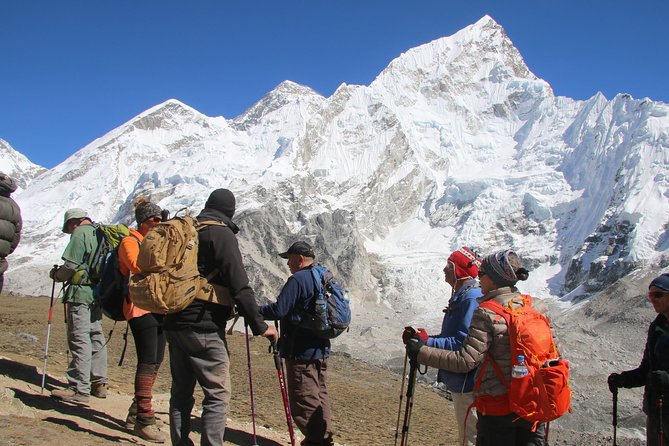
- Budget-friendly value that includes Lukla flights, permits, and a guide, so your biggest admin headaches are handled.
- Two acclimatization days in Namche Bazaar give your body a fighting chance before higher passes.
- A high point at Kalapattar (5,545 m) means a big lung test, but it also sets up the classic Everest views.
- Everest Base Camp day includes a return to Gorekshep, so you plan for a full effort day, then rest and eat your way back down.
- You must budget for trekking meals and drinks, since food and beverages during the trek are not included.
- Luggage on Lukla is capped at 15 kg, so packing light is not a suggestion.
Why This 14-Day Budget Everest Trek Is a Smart Choice
If you want Everest without making your trip a second mortgage, this format is worth a look. For $900 per person, you are paying for the big structural items that often blow up a trekking budget: domestic flight logistics between Kathmandu and Lukla, national park and community fees, TIMS paperwork, and a guide plus porters.
This is also the kind of trek where the itinerary matters. You do not just climb, pause, then climb again. You build altitude gradually through places like Phakding, Namche Bazaar, Tengboche, and Dingboche before pushing higher toward Lobuche and Everest Base Camp. And you get dedicated acclimatization days in Namche Bazaar. That is the difference between a trek that feels like a grind and one that feels like a plan.
Another thing I appreciate is the practical mindset behind it. You get a first aid kit, sleeping baggage for the trek (refundable after you finish), and the staff side is covered (staff food, accommodation, salary, transportation, insurance, and equipment/medicine). That means you can focus on the only job you really have: walking steadily at a safe pace.
The altitude risk is the one big consideration. The region has many trekking days above 4,500 m, and acute mountain sickness is serious. Your success is tied to sticking to the itinerary’s slower rhythm and taking the rest days seriously.
More Treks in Kathmandu
- Everest Base Camp Trek – 14 Days
★ 5.0 · 1,499 reviews - Everest Base Camp Trek
★ 5.0 · 842 reviews - Everest Base Camp Trekking
★ 5.0 · 485 reviews
Kathmandu to Lukla Flights: The Day You Start Paying Attention
Your trip begins in Kathmandu with an airport pickup and a transfer to your hotel. Then it is off to Lukla by plane. This route uses the classic starting point trekkers associate with Everest: you start at Lukla’s elevation and build upward fast.
A few details matter here. First, the Lukla flight cost is included as part of the itinerary, but luggage is capped at 15 kg per person. That is tight enough that you will want to pack like you mean it. Second, only 15 kg on that flight can shape how you think about everything else, from what you bring to what you buy later.
This is also where “budget” needs clear-eyed expectations. Flights are included, but things like flight delays and bad weather are still part of real life. The important point for you: helicopter charter fees are not included if flights are postponed or cancelled due to bad weather.
Once you land, you trek to Phakding (about 2,652 m) for a short start. The walking time is listed as roughly 3 to 4 hours, which is exactly what you want on Day 2. You are building routine, not trying to win a race.
Namche Bazaar and Acclimatization: Where the Trek Gets Serious
Namche Bazaar is one of the key “body check” stops on this trek. On Day 3, you walk from Phakding to Namche Bazaar (around 3,440 m) for about 5 to 6 hours. It is longer than Day 2, but still a manageable step into higher terrain.
Then comes the best part of the schedule: an acclimatization day in Namche Bazaar on Day 4. This is not an extra you can skip. It is built into the plan for a reason, since you will keep climbing and many days are above 4,500 m. Day 7 also includes a second acclimatization day. You feel the altitude later if you cut these short.
Namche is also the place where the trek starts to feel like Everest travel, not just walking. You transition from “getting there” into “living at altitude,” even if it is still only temporary.
For you, the practical takeaway is that acclimatization days turn the itinerary into a safer rhythm. For the operator, it also keeps your overall plan smoother because you are not arriving at higher camps in a compromised state.
Tengboche, Dingboche, and the Climb Past 4,000 m
After Namche, the route continues upward in a sequence that looks designed for gradual adaptation.
On Day 5 you trek to Tengboche (around 3,860 m) in about 5 to 6 hours. It is a classic step in the Khumbu region, and you get the feeling that the trail is heading deeper into Everest territory. The walking is still moderate enough that you can keep your pace controlled.
Day 6 goes to Dingboche (about 4,410 m) for roughly 5 to 6 hours. This is a turning point elevation wise, because you are heading into the range where altitude issues become more common. Then you get another acclimatization day on Day 7 in Dingboche. Two separate acclimatization days, two different altitude “checkpoints.” That is a smart approach for a budget trek, because it reduces the chance of illness wrecking your schedule.
Here is a small but important reality for you: you will not feel altitude only in your breath. You can also feel it in decision-making. When you are tired, you want to push. The itinerary is built to stop that impulse. Stick to it, even when the trail looks inviting.
More Everest Base Camp treks:
- Everest Base Camp Helicopter Tour landing at Everest View Hotel
★ 5.0 · 668 reviews - Everest Base Camp Trekking – 13 Day
★ 5.0 · 365 reviews - Everest Base Camp Trek
★ 5.0 · 350 reviews - Everest Base Camp Trek -14 Days
★ 5.0 · 321 reviews
Lobuche to Everest Base Camp: One Big Effort Day (Then Recovery)
Lobuche is where the trek really starts to flex. Day 8 takes you to Lobuche (about 4,910 m) in roughly 5 to 6 hours. It is higher, and you feel it. But you are not alone on the trail, and the route still moves in controlled steps.
Day 9 is the Everest Base Camp day. You trek to Everest Base Camp (about 5,160 m), then return to Gorekshep. The walking time is listed around 5 to 6 hours, which tells you it is not just a quick photo stop. You are walking out, hitting the destination, and coming back in the same day.
One thing I like about this version of the plan is that it does not pretend you will bounce back instantly. You arrive at Gorekshep and you have time to recover before the next big push.
If you are worried about whether Everest Base Camp is “too much,” this plan helps because it spreads the climbing workload across many days. This is not a fast assault. It is a steady grind with scheduled altitude management.
Kalapattar at 5,545 m: The Trek’s Big Finale
Day 10 gives you the high-altitude highlight: hiking to Kalapattar (about 5,545 m), then trekking down to Pheriche (about 4,210 m) in roughly 6 to 7 hours.
Kalapattar is the kind of mountain-top goal that makes all the earlier days feel worth it. It also tests your stamina and breathing. Since you are already above 5,000 m the day before, you need to treat this like a peak-effort day, not an easy stroll.
Then you drop down to Pheriche, which gives your body room to breathe again. That downhill is not just nice, it is part of the altitude strategy, letting you keep the descent from feeling like a sudden crash.
Day 11 returns to Namche (about 6 to 7 hours). Day 12 returns to Lukla (again about 6 to 7 hours). This is your “walking home” phase. It still takes time and energy, but mentally it is easier because you know you are heading back to flights and civilization.
Day 13 flies from Lukla back to Kathmandu (about 1,337 m). Day 14 is your final departure to your onward destination.
Price and Inclusions: What You Pay For, What You Still Need to Budget
At $900 per person for a 14-day trek, this is a budget trek in the practical sense: the itinerary includes the stuff that tends to cost money and time to arrange.
Included items you should care about:
- Airport transfers in Kathmandu
- Kathmandu to Lukla to Kathmandu flight fare
- One professional English-speaking guide and necessary porters
- The required permits and paperwork (Everest National Park permit, community fees, and TIMS card fees)
- Sleeping baggage for the trek (refundable after finish)
- A first aid kit
- A complementary farewell cultural Nepali dinner on the last day
- All government taxes
- KTM to Lukla to KTM flight cost for guides
Now the parts you must plan and pay for:
- International airfare and Nepal entry visa fees
- Meals during the trekking (all food during the trek is listed as not included)
- Beverages, alcoholic drinks, mineral water, and boiled water during the trekking
- Hot shower during the trek
- Travel insurance and any emergency rescue
- Helicopter charter fees if flights are delayed or cancelled due to bad weather
This last group is where your real budget gets shaped. Even if the trekking “cost” looks low, the day-to-day spending in lodges can add up. Because your trek meals and drinks are not included, bring enough funds for breakfast, lunch, and dinner choices along the way, plus your water and beverage needs.
One more value lever: you are traveling privately, meaning only your group participates. That can be worth something if you want less friction and more control over your pace.
Guides, Teamwork, and the Solo Pace Question
The human side is a big part of why this trek gets good marks. Past trekkers highlighted the team experience as fantastic and the planning as professional and worry-reducing. The operator’s named contacts, Surya and Samsher, show up in feedback as people who helped with planning from the United States, which matters if you are not fluent in local logistics.
You also get a guide plus porters. That is not just comfort. It protects your time and energy, since you are not spending mental bandwidth on permits, route details, or moving gear.
There is also a useful note about pace. One solo trekker described doing their second EBC trip with a Sherpa and liking the ability to walk their own pace and stop when needed. I cannot promise that same setup for every booking, but it does confirm a key point: in this region, pace control is the difference between coping and suffering.
If you are moderately fit and you want Everest without having to be a mountaineer, this type of guided trek is typically the right path. The trek is described as suitable for all kinds of people who are moderately fit, and it says no previous adventures experience is required, though basic physical activity like running, swimming, and walking is recommended before you go.
Who Should Book This Everest Base Camp Budget Trek, and Who Should Rethink It
This is best for you if:
- You are moderately fit and can handle long walking days
- You want Everest without technical climbing experience
- You like having the big logistics handled, especially permits and guide support
- You understand that food and drinks on the trail are your responsibility
You might want to rethink it if you:
- Have pre-existing medical issues. The trip notes that people with pre-existing medical flaws must seek medical advice before considering the trek.
- Get altitude nervous. Even with acclimatization days, the plan still includes treks above 4,500 m, and acute mountain sickness is a serious risk.
And one more practical point: hot shower is not included. If you are expecting a spa atmosphere after a day at 5,000 m, you will be disappointed. This trek is about movement, not comfort perks.
Should You Book This Everest Base Camp Budget Trek?
Yes, you should consider booking if you want a well-structured, lower-cost Everest route where your guide, permits, and main transport steps are included, and the itinerary takes altitude seriously with scheduled rest days.
Skip it if your budget depends on meals and beverages being included, or if you need emergency rescue coverage built into the package. Since travel insurance and rescue are not included, you should plan for that separately.
If you are fit, flexible, and ready to treat altitude like the main event, this budget trek offers a very direct path to the Everest experience, from Kathmandu to Lukla to base camp and back, with a team that keeps the moving parts from taking over your trip.
FAQ
How many days is the Everest Base Camp budget trek?
The trek is listed as 14 days (approx.). The itinerary starts in Kathmandu, includes the trek and flights, and ends back in Kathmandu with a final departure the following day.
Where does the trek start and where does it end?
It starts in Kathmandu with an airport pickup and transfer to your hotel. You fly from Lukla back to Kathmandu partway through the end of the trip, and the final day is your onward departure from Kathmandu.
Are flights between Kathmandu and Lukla included?
Yes. The itinerary includes the flight fare from Kathmandu to Lukla and back, and it also includes KTM to Lukla to KTM flight cost for the guide.
What is the luggage limit for the Lukla flights?
Luggage is limited to 15 kg per person.
Are trekking meals and drinks included in the price?
No. Lunch, dinner, and other expenses in Kathmandu are not included, and trekking food and beverages during the trek are also listed as not included. Hot shower during the trek is not included either.
Is there an acclimatization plan built into the trek?
Yes. There is an acclimatization day in Namche Bazaar and a second acclimatization day (in the itinerary after Dingboche).
Is this a private tour?
Yes. It is a private tour/activity, and only your group will participate.
Latest additions near Kathmandu
- White Water River Rafting – 1 Day★ 4.3 · 3 reviews
- Traditional Momo Making Class★ 5.0 · 10 reviews
- Kathmandu to Pokhara Premium sofa bus ticket★ 4.0 · 17 reviews
- Ghorepani Poon Hill Trek★ 5.0 · 16 reviews
- Amazing 1 Day Trekking Experience in Kathmandu Nepal★ 5.0 · 24 reviews
- Ghorepani Poonhill Trek★ 5.0 · 5 reviews
- Walking tour of real Kathmandu through back streets.★ 5.0 · 3 reviews
- Wildlife Adventure in Chitwan Nepal★ 4.0 · 4 reviews
Everest Base Camp Treks, compared.
Everest Base Camp Helicopter Tour landing at Everest View Hotel
Read our review →
Everest Base Camp Helicopter Tour landing at Hotel Everest View
Read our review →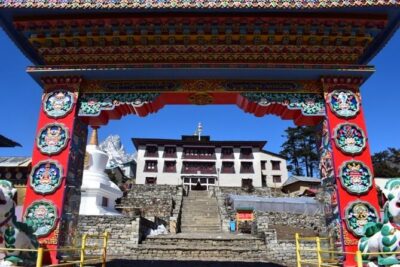
Browse the lists this tour appears in