
Reviewed · EVEREST BASE CAMP TREKS
Everest Base Camp Adventure Trek 12 days
Lukla to Everest, all in 12 days. This adventure is interesting because it strings together Sherpa villages, sacred monasteries, and big-mountain views in a tight schedule.
What I like most is how easy the trip feels to manage once you arrive, plus the day plan that builds in high-altitude breathing room. One thing to keep in mind: you’re going up in altitude, and the trek includes an extra acclimatization day only at a specific point, so you need to take it seriously.
I also like the “real places” angle. You don’t just stare at mountains from one viewpoint, you pass through spots tied to everyday Khumbu life, from Namche Bazaar markets to Tengboche’s monastery.
Here’s the main drawback. Lunch, dinner, and most drinks are not included, and a support porter for bedding or a duffle bag is also not listed as included, so budget for those choices.
In This Review
- Key Highlights You’ll Want to Plan For
- From Kathmandu Guest House to Lukla’s Mountain Gateway
- Lukla and the First Taste of Khumbu Life in Namche Bazaar
- Sagarmatha Museum, Everest View Hotel, and the Smart Use of Altitude
- Tengboche Gompa: Sacred Ground Meets Big Peak Views
- Ama Dablam Views and a Proper Dingboche Acclimatization Day
- Lobuche and Everest Base Camp, Where the Adventure Becomes Real
- Kala Patthar Sunrise: Watching Everest Wake Up
- Back Down Through Namche and Lukla, Then Into Kathmandu Quiet
- Price and Logistics: What $1,565 Costs You, and What It Covers
- Guides, Coordination, and Why the Team Matters at Altitude
- Who Should Choose This Everest Base Camp Trek, and Who Might Want Another Plan
- Should You Book This Trek?
- FAQ
- Where does the trek start and end?
- How long is the Everest Base Camp trek?
- What is included in the price?
- What is not included?
- What kind of fitness level do I need?
- What happens if the trek can’t run due to weather?
Key Highlights You’ll Want to Plan For
- Flights ktm to Lukla and back: saves days of road travel for a classic route
- Sagarmatha permits included: you can focus on the trek instead of paperwork
- Namche Bazaar and Everest View Hotel: big panoramas at altitude without the “just hike and hope” feeling
- Tengboche Gompa stop: one of the Everest region’s most important monasteries
- Kala Patthar early hike: sunrise plan for the Everest skyline, including Nuptse and Lhotse
- Acclimatization day in Dingboche: a practical rest that helps you handle the climb
From Kathmandu Guest House to Lukla’s Mountain Gateway
Your trip starts in Kathmandu, with a meeting point at Kathmandu Guest House, Saathgumti-16, and a start time of 8:15 am. Pickup is offered, so you’re not left figuring out transport on day one. For many people, that matters because the Kathmandu portion sets the tempo for the whole trek.
The big value is that domestic flights are included: Kathmandu to Lukla, plus the return flight Lukla to Kathmandu. That’s a huge help on a 12-day schedule, since it replaces long travel days with flying time and early mountain immersion. You also get vehicle transfer two ways, which makes the Kathmandu start and finish smoother.
The overall tone of the experience is private. It’s set up as a private tour, meaning your group travels together rather than being mixed into a random larger crowd. That can be a quiet win when you’re trying to keep your pace consistent on a high-altitude trek.
More Treks in Kathmandu
- Everest Base Camp Trek – 14 Days
★ 5.0 · 1,499 reviews - Everest Base Camp Trek
★ 5.0 · 842 reviews - Everest Base Camp Trekking
★ 5.0 · 485 reviews
Lukla and the First Taste of Khumbu Life in Namche Bazaar
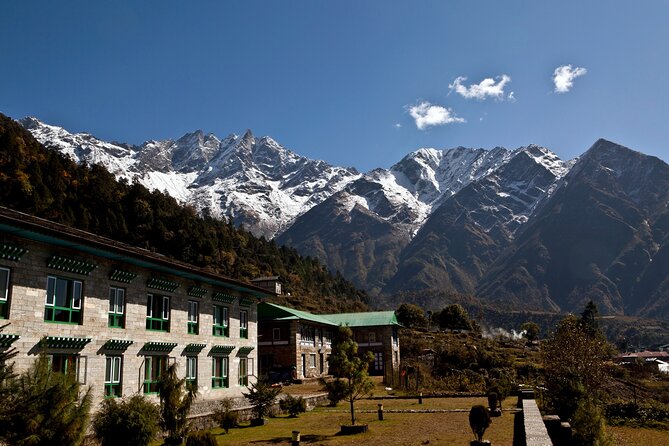
Day one puts you on the scenic flight into Lukla, described as the gateway to Mount Everest. Even if you’ve seen photos, the reality of Lukla’s position in the mountains hits differently. From here, the trek quickly shifts from travel logistics to walking rhythm.
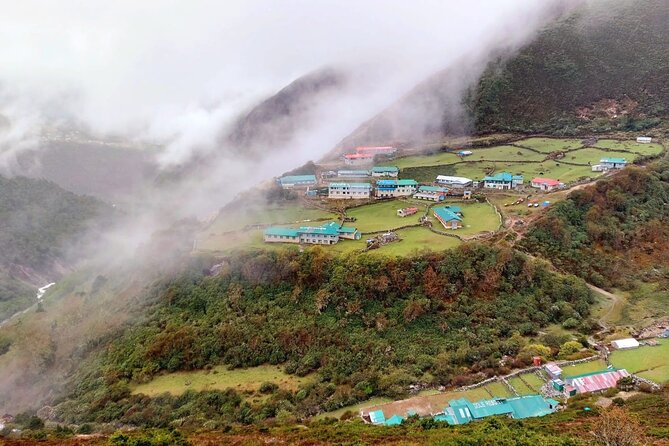
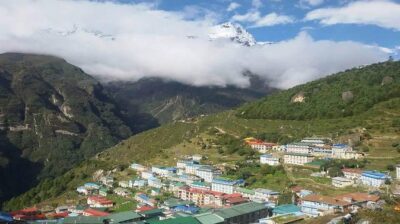
On day two, you reach Namche Bazaar, one of the best-known Sherpa hubs in the region. This is where you’ll feel the “living-in-the-mountains” side of Nepal. The village is described as well maintained, with upgraded hotels and lodges, plus local markets where you can buy equipment and food. Even if you do not need much, browsing markets is useful. It helps you understand what people actually carry and what day-to-day items matter up here.
The best part of Namche is the way it functions as both a town and an altitude checkpoint. You’re not just passing through a scenic spot, you’re stepping into a place where Sherpa culture and everyday needs meet. That’s a big reason this route feels more authentic than a simple point-to-point trek.
Sagarmatha Museum, Everest View Hotel, and the Smart Use of Altitude
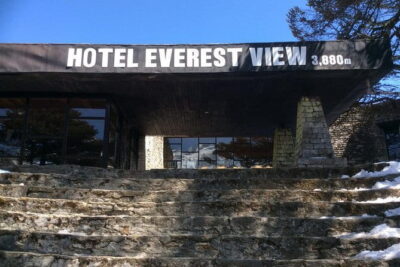
Day three is a strong “context day.” You visit Sagarmatha National Park Museum around Namche, with time for cultural viewing and a short hike to Everest View Hotel at 3,880 meters. The payoff here is the panorama plan. From Everest View Hotel, you’re set up to look out toward Everest, Lhotse, Ama Dablam, and other major peaks.
Why this matters: it gives you a realistic first look at scale before you commit to pushing higher. Instead of saving all the visual payoff for the end, you start early with a view, and you do it while still in a functioning base for acclimatization.
The short hike is also a useful training moment. It’s demanding enough to feel the altitude, but not so intense that it blows your day. If you’re the type who likes to arrive informed and paced, this stop is the kind of structure that helps you keep your head clear.
Tengboche Gompa: Sacred Ground Meets Big Peak Views
After leaving Namche, day four takes you to Tengboche Gompa, described as the biggest monastery in the Everest region and one of the most sacred. This is where the trek shifts from trekking effort to spiritual atmosphere.
Tengboche is important on this route because it breaks up the mountain focus with something you can feel on the ground: monastery life and the cultural fabric of the Khumbu. If you care about religion and community, it’s one of the stops that gives the trek more than scenery.
A practical note: monastery days can be slower in pace than you expect. You might linger for views, photos, and quiet moments around the gompa. That’s not a problem, just plan to go with the flow instead of trying to “outwalk” every day.
More Everest Base Camp treks:
- Everest Base Camp Helicopter Tour landing at Everest View Hotel
★ 5.0 · 668 reviews - Everest Base Camp Trekking – 13 Day
★ 5.0 · 365 reviews - Everest Base Camp Trek
★ 5.0 · 350 reviews - Everest Base Camp Trek -14 Days
★ 5.0 · 321 reviews
Ama Dablam Views and a Proper Dingboche Acclimatization Day
Day five brings a standout view moment: the plan calls out Mount Ama Dablam and other Himalayan giants dominating the horizon. This is where you start to understand why experienced trekkers talk about the Everest region as a visual feast, even before you reach Everest Base Camp.
Day six is where the route gets smarter. You stay in Dingboche for an additional day to adapt to altitude. This is one of the most practical choices in the whole itinerary. High-altitude treks are not only about walking, they’re about handling the thin air with time. That extra day gives your body a better chance to adjust.
The plan also offers an optional activity: you can climb Nangkartshang Peak for stunning vistas of the Khumbu Valley. Even if you do not take the optional climb, the key benefit is the slower day. It’s built into the schedule for a reason.
From a value standpoint, I like that the route includes an acclimatization-focused day. Many shorter trekking options race higher with less breathing room. Here, you get a structured pause before the route pushes closer to Everest.
Lobuche and Everest Base Camp, Where the Adventure Becomes Real
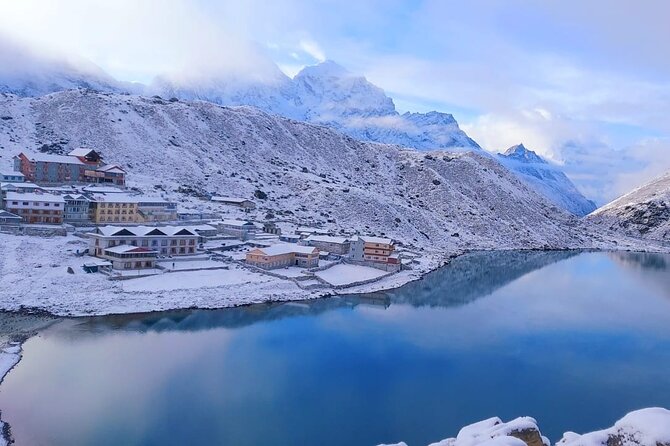
On day seven, you move to Lobuche, and the description emphasizes being closer to Everest with unspoiled mountain scenery. Lobuche is the stage where you start feeling that the trek is no longer “building toward Everest.” You’re actively in the approach zone.
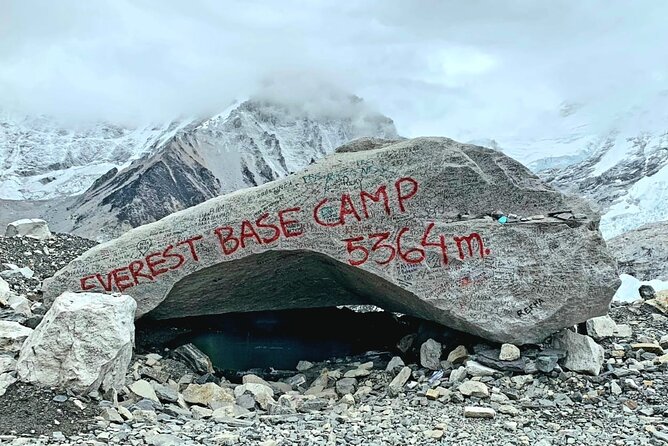
Day eight is the big moment: Everest Base Camp. You reach the world-famous base camp where climbers congregate to get ready for their ascent. Even if you’re not climbing Everest yourself, seeing base camp in person changes how the mountain looks in your mind. It’s not abstract anymore. It’s an organized place in a harsh environment.
This is also one of the best days to practice calm enthusiasm. Base Camp can feel chaotic from a distance in photo stories, but on the ground, you’ll likely notice how purposeful everything is: movement, gear, and the intense focus of people nearby.
You’ll also be in the broader area tied to the Khumbu glaciers and lakes described for this region. While the exact day-by-day glacier scenes are not spelled out, the route is clearly designed around the Everest region’s natural features and the way the terrain shapes travel.
Kala Patthar Sunrise: Watching Everest Wake Up
Day nine is built around an early start, with a hike to Kala Patthar for sunrise. This is the kind of plan you either love or dread, and most people end up loving it after they get through the cold hours.
From Kala Patthar, you’re set up for panoramic views of Everest, Nuptse, and Lhotse. The itinerary specifically calls out sunrise over Everest and the sunrise viewpoint experience. That early timing matters because light changes everything, and you also get a moment when visibility can be best.
This is also the hardest-feeling day in the emotional sense. Early starts make you aware of your body. If you’ve been pacing well and taking the acclimatization day seriously, you should be able to enjoy the view rather than just surviving it.
A tip that’s more mindset than gear: if you can, focus on the payoff. You’re not hiking “for steps,” you’re hiking for a specific skyline moment at a specific time. That helps you keep going when the climb feels long.
Back Down Through Namche and Lukla, Then Into Kathmandu Quiet
Day ten returns you to Namche Bazaar, with time to explore local markets and enjoy Sherpa cuisine. This is a good day for balance. You’re no longer climbing higher, and you can shift into recovery mode with food and wandering.
The route then goes to Lukla on day eleven for the final moments. The day description emphasizes taking mental pictures and having a delicious dinner and overnight. Since dinner is listed as not included in the cost details, think of this as time set aside for you to eat well before the flight day, likely on your own or via your lodge.
Day twelve is the final travel day. You fly from Lukla to Kathmandu in the morning, described as a short but scenic flight. After landing, you’re transferred to the booked hotel. For many people, this is where the trek sinks in. You’ve been watching peaks for days, and suddenly they’re gone from your route, just visible in memory.
Price and Logistics: What $1,565 Costs You, and What It Covers
At $1,565 per person, the value comes from what’s included. The big wins are:
- Domestic flights Kathmandu to Lukla and back
- Vehicle transfers two ways
- All Sagarmatha permits
- Professional certified guide
- Accommodation during the trekking for 11 nights
- Breakfast included (12 breakfasts, as listed)
That’s a lot of real costs bundled into one price. Trekking in Nepal can get expensive fast if you start adding permits, guide time, and lodging separately. Here, the structure is meant to keep your budget predictable.
What’s not included is equally important:
- Lunch and dinner
- Coffee and/or tea and other drinks
- Hot and cold drinks generally, plus bottled water and hot water are listed as personal costs
- Kathmandu hotel before and after the trek, listed at US$ 30 per person per night on a B&B basis
- A support porter for carrying bedding or a duffle bag is not listed as included
This means you should budget extra money for meals and drinks, especially since you’ll want energy during high-effort days like Kala Patthar. If you’re traveling with sensitive knees or you simply want a lighter load, consider arranging porter support that carries bedding or your duffle, since it’s not included in the package details.
Also note the minimum number of travelers requirement. The trip is private, but the operator still needs at least two travelers to operate at the stated price.
Guides, Coordination, and Why the Team Matters at Altitude
A trek goes smoothly when someone handles timing, paperwork, and the daily walking plan. In past experiences with this operator, Ashok is mentioned as meeting a traveler at their hotel with necessary gear and coordinating everything from there. That kind of hands-on coordination reduces the “am I on the right track?” stress, especially if you’re new to Nepal.
The reviews also highlight the guide and porter as supportive, including support for an elderly solo traveler who needed help to make the trek possible. That’s not a guarantee for every group, but it signals that the people doing the work are not just “there,” they are actively helping you through the hard parts.
Still, I want you to be clear-eyed. The package includes a professional certified guide, but porter help for bedding or duffle bag carriage is explicitly not listed as included. So if porter support is a must-have for you, confirm it before you go. You’ll enjoy the trek more if your energy goes toward walking and acclimatizing, not toward managing heavy loads.
Who Should Choose This Everest Base Camp Trek, and Who Might Want Another Plan
This trek is a good fit if you want:
- A classic Everest route with Everest Base Camp and Kala Patthar
- A structured plan that includes an acclimatization day in Dingboche
- A package that covers most core logistics, especially permits and flights
It’s also a good option if you like cultural stops, not only views. Namche Bazaar and Tengboche Gompa add Sherpa community context. If you’re curious about how Buddhism and community life fit into the Khumbu, you’ll likely appreciate these stops.
It may be less ideal if you’re hoping for meals and drinks to be largely covered, or if you need baggage carriage support included. Since lunch, dinner, and most drinks are not included, you’ll spend extra. And since porter support for bedding or duffle bag is not listed as included, you’ll either carry more yourself or pay for help.
The trek asks for moderate physical fitness. That doesn’t mean “easy,” it means you should be comfortable with sustained walking, early starts, and altitude effects. If you handle those basics well, this route is likely a strong match.
Should You Book This Trek?
Yes, if you want a well-structured, classic Everest Base Camp experience where major logistics are handled and the itinerary includes key view days like Everest View Hotel and Kala Patthar sunrise. I also think it’s good value for the money because permits, flights, guide, and trekking nights are included.
I would hesitate if you have a tight meal budget, dislike early mornings, or you strongly prefer porter-bag support included in the price. In that case, you can still do this trek, just plan for extra costs and confirm porter options up front.
If you want, tell me your travel month and fitness level. I can suggest how to think about pacing for the Dingboche acclimatization day and the Kala Patthar sunrise hike.
FAQ
Where does the trek start and end?
It starts at Kathmandu Guest House, Saathgumti-16, Kathmandu 44600, Nepal, with a start time of 8:15 am. The experience ends back at the same meeting point.
How long is the Everest Base Camp trek?
The duration is listed as 12 days approximately.
What is included in the price?
The price includes domestic flights (Kathmandu to Lukla and Lukla to Kathmandu) and two-way vehicle transfers, accommodation during the trek for 11 nights, permits for Sagarmatha National Park, a professional certified guide, and breakfast during the trek.
What is not included?
Lunch and dinner are not included, as are coffee and/or tea and other hot and cold drinks. A support porter for carrying bedding or a duffle bag is also not included, and hotel accommodation in Kathmandu before and after the trek is not included (listed at US$ 30 per person per night on a B&B basis).
What kind of fitness level do I need?
Travelers should have moderate physical fitness level.
What happens if the trek can’t run due to weather?
The experience requires good weather. If it’s canceled due to poor weather, you’ll be offered a different date or a full refund.
Latest additions near Kathmandu
- Traditional Momo Making Class★ 5.0 · 10 reviews
- White Water River Rafting – 1 Day★ 4.3 · 3 reviews
- Kathmandu to Pokhara Premium sofa bus ticket★ 4.0 · 17 reviews
- Ghorepani Poon Hill Trek★ 5.0 · 16 reviews
- Amazing 1 Day Trekking Experience in Kathmandu Nepal★ 5.0 · 24 reviews
- Ghorepani Poonhill Trek★ 5.0 · 5 reviews
- Walking tour of real Kathmandu through back streets.★ 5.0 · 3 reviews
- Wildlife Adventure in Chitwan Nepal★ 4.0 · 4 reviews
Everest Base Camp Treks, compared.
Everest Base Camp Helicopter Tour landing at Everest View Hotel
Read our review →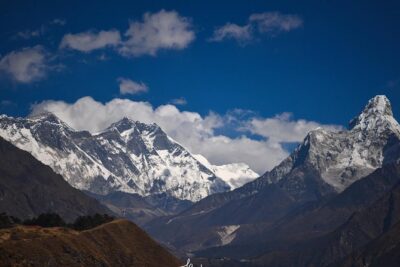
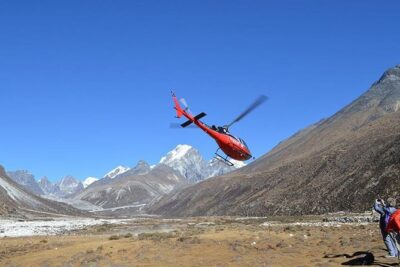
Everest Base Camp Helicopter Tour landing at Hotel Everest View
Read our review →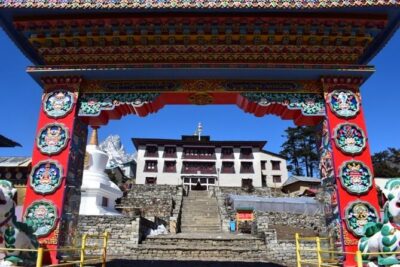
Browse the lists this tour appears in