
Reviewed · TREKS IN KATHMANDU
Dive into Spirituality: 6 Days Trek to Gosaikunda Lake
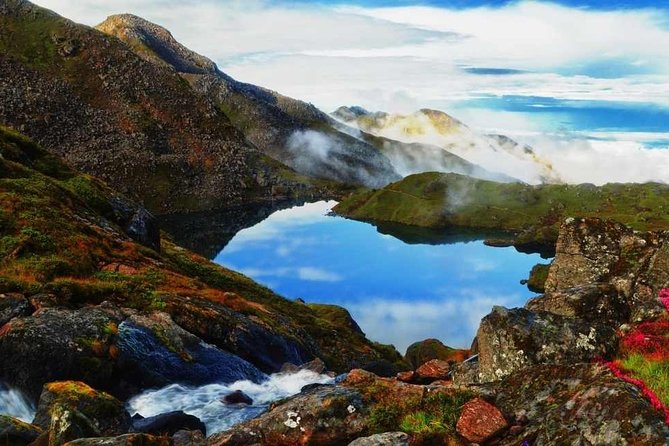
Sacred water, big mountains, short days. A 6-day Gosaikunda Lake trek from Kathmandu gives you sacred lake waters and big Langtang Himal views without dragging your holiday into weeks. You’ll also spend real time walking through village paths and forested stretches, with a spiritual stop at Surya Kunda, Saraswoti Kunda, Bhairab Kunda, and more.
I like that the route is intentionally compact, so you still get that special high-country feel. The possible drawback is that the schedule is tight and Day 2 includes a real uphill grind to Chandanbari, so go in with steady fitness and a calm attitude.
In This Review
- Quick Hits Before You Go
- Sacred Gosaikunda Lake Trek: What Makes It Worth Your Time
- Your 6-Day Plan, Day by Day
- Day 1: Kathmandu to Dhunche (Drive + First Night)
- Day 2: Dhunche area to Chandanbari (Uphill Trek, 6 to 7 Hours)
- Day 3: Chandanbari to Gosaikunda Lake (Early Start + Kunda Visits)
- Day 4: Back to Chandanbari (Return Trek)
- Day 5: Chandanbari back to Dhunche (Downhill Trek)
- Day 6: Dhunche to Kathmandu (Drive + Time to Reset)
- What the Package Includes, and Why It Matters
- Price Check: Is $735 Good Value for This Trek?
- The Trek Reality: Food, Teahouses, and Sleep
- Timing and Fitness: Who This Trek Is For
- Weather, Wildlife, and the One Thing You Can’t Control
- Service and Planning: What the Mountain Hike Nepal Experience Feels Like
- Should You Book the Gosaikunda Lake Trek?
- FAQ
- What time does the trek start?
- How long is the Gosaikunda Lake trek?
- Is pickup included?
- What permits are included?
- What is included during the trek?
- What is not included in the price?
- Is travel insurance required?
Quick Hits Before You Go
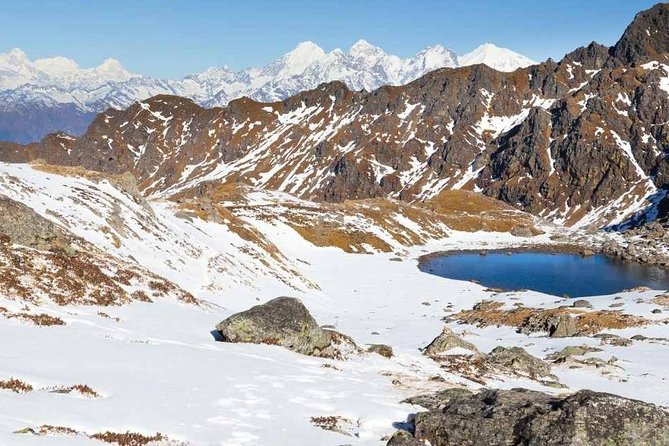
- Sacred kunda circuit at Gosaikunda: Surya Kunda, Saraswoti Kunda, Bhairab Kunda, and worship at the holy lake.
- Langtang-region mountains in multiple directions: Langtang Himal and Ganesh Himal views show up while trekking.
- Permits and trek paperwork included: Langtang Conservation Area Permit and TIMS card are part of the package.
- Guide and porter support: An English-speaking trekking guide plus a Sherpa porter, with a 2 trekkers to 1 porter ratio.
- Time-friendly 6-day format: You get a meaningful trek experience without committing to a longer trek.
Sacred Gosaikunda Lake Trek: What Makes It Worth Your Time
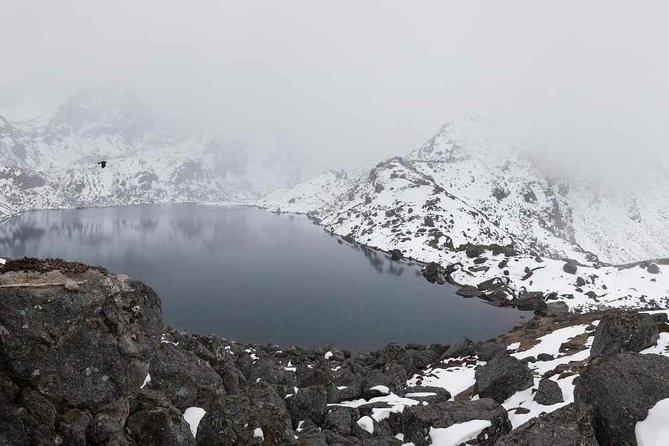
If you want a trek that feels spiritual and scenic, Gosaikunda is a smart target. The lake is sacred and revered by Hindus and Buddhists, so the walking is tied to something bigger than just a view. On clear days, you also get that head-up feeling where the peaks seem to stay in frame.
What I like most is how the “why” and the “wow” come together. You’re not only hiking through forest and changing terrain, you’re also visiting a cluster of kundas around the holy lake area. That gives the day a purpose, and it helps you focus when you’re tired.
The other big plus is access from Kathmandu. This trek is positioned as one of the nearer options for reaching the Langtang region, which matters when your holiday is short and you don’t want to spend half your trip on travel days.
More Treks in Kathmandu
- Everest Base Camp Trek – 14 Days
★ 5.0 · 1,499 reviews - Everest Base Camp Trek
★ 5.0 · 842 reviews - Everest Base Camp Trekking
★ 5.0 · 485 reviews
Your 6-Day Plan, Day by Day
This trek runs from Kathmandu to Dhunche, then into the Gosaikunda area, then back again. Expect early mornings, steady trekking hours, and teahouse-style nights during the trek portion.
Day 1: Kathmandu to Dhunche (Drive + First Night)
You’ll start with an early drive from Kathmandu to Dhunche via Trisuli Bazar. The schedule is set up so you’re not just sitting in a car all day, you’re arriving with enough time to settle in for the night.
Dhunche is your launchpad. You’ll likely use this first evening to sort gear, confirm your layers for colder air, and get your body ready for the uphill day that follows.
Practical note: the package lists public transport for the Kathmandu to Dhunche and return legs. That can be more realistic than private transfers, but it also means you should build patience into your travel rhythm.
Day 2: Dhunche area to Chandanbari (Uphill Trek, 6 to 7 Hours)
On Day 2, the trek to Chandanbari begins with a dissent uphill walk for about 6 to 7 hours. The key word here is uphill. This is the day where your legs tell you what kind of shape you’re truly in.
You’ll be moving through changing scenery, including lush forest stretches as the route climbs. Even without being extreme, a long uphill day at altitude-like conditions can feel tougher than the clock suggests, so pace matters.
The overnight stop is Chandanbari, which means you’ll be ending the day after a solid push uphill rather than a quick hop.
Another way to spend the time in Nepal:
- Private Kathmandu Sightseeing Tour | UNESCO World Heritage sites
★ 5.0 · 756 reviews - Kathmandu: 7 UNESCO Sites with Lunch
★ 4.8 · 744 reviews - Everest Base Camp Helicopter Tour landing at Everest View Hotel
★ 5.0 · 668 reviews - Half day cooking class in Thamel kathmandu
★ 5.0 · 607 reviews
Day 3: Chandanbari to Gosaikunda Lake (Early Start + Kunda Visits)
Day 3 is the big spiritual day. You trek early morning toward Gosaikunda, the holy lake, and you get to visit Surya Kunda, Saraswoti Kunda, Bhairab kunda, and other kundas in the area. This is the part where the trek becomes more than exercise. Worship and quiet reflection fit naturally here, because the place is treated as sacred.
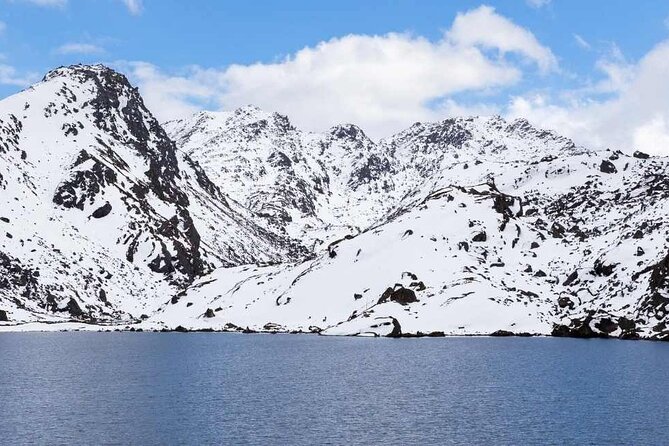
As you walk around and approach the lake area, the views are the payoff. You get breathtaking mountain views of Langtang Himal and Ganesh Himal mentioned in the itinerary, which is exactly what you want after multiple days of steady effort.
You’ll sleep overnight near the lake area, which typically helps you catch the day’s atmosphere instead of rushing through and leaving before you’ve really arrived.
Day 4: Back to Chandanbari (Return Trek)
Day 4 is a return to Chandanbari. You’re retracing steps, so it can feel like repetition, but it’s also where you get to move with a little more confidence because you know what the path feels like.
This is a good day for collecting yourself. You can also take a more observational approach, checking out village life and the way the terrain changes as you drop and rise again.
The overnight stay is in Chandanbari again, keeping the trek balanced rather than pushing you nonstop.
Day 5: Chandanbari back to Dhunche (Downhill Trek)
You trek back to Dhunche in the early morning, and the itinerary calls out that the trekking is downhill here. Downhill sounds easier until your knees start sending messages.
So you’ll want a careful downhill strategy: shorter steps, controlled speed, and a steady rhythm. If you packed trekking poles, this is where they can earn their keep, but even without poles, focus on foot placement.
The payoff at the end is Dhunche again, setting you up for the drive back to Kathmandu on Day 6.
Day 6: Dhunche to Kathmandu (Drive + Time to Reset)
You finish with a drive back to Kathmandu. This is the day to stop thinking like a trekker and start thinking like a city visitor again, even if all you do is eat a hot meal and rest your legs.
Mentally, I like to use the final day to reflect on the experience, because the trek’s meaning is easier to feel once you’re off the trail. After six days, Gosaikunda and the kundas become more than a checklist.
What the Package Includes, and Why It Matters
The included list is practical, which is why the price can make sense. You’re covered for the core operating costs, so you don’t end up playing catch-up with permits, transport, and guide fees.
Included highlights:
- Kathmandu to Dhunche to Kathmandu by public transport
- All local meals (breakfast, lunch, dinner) during the trek
- Teahouse accommodation on twin sharing
- Langtang Conservation Area Permit and TIMS card
- One experienced trekking guide (English speaking) and a Sherpa porter
- Government taxes and service charge
That TIMS card and conservation area permit inclusion is one of the smartest parts for many people. Paperwork can be confusing, especially on short timelines, so having it handled for you reduces stress.
Also, the guide plus porter setup is a real value. With a 2 trekkers to 1 porter ratio, you get support for carrying loads and staying on route, which helps you spend your energy on walking, not logistics.
Price Check: Is $735 Good Value for This Trek?
At $735 per person for about 6 days, this sits in the range where you should compare what you get, not just the sticker.
Here’s the value picture based on what’s included:
- Meals during the trek are included, which can add up fast.
- Teahouse nights are included, and you’re getting twin sharing.
- The guide and porter support is included, along with the permit and TIMS card.
What’s not included, and can affect your real cost:
- Tips for the guide and porter
- Kathmandu meals and accommodation
- Drinks (tea, coffee, water, soft drinks, alcohol)
- Hot shower, internet
- Travel insurance
If you’re trying to keep your budget controlled, the included meals and basic lodging help a lot. If you like frequent drinks, hot shower breaks, or you want to stay online constantly, those add-ons will be on you.
For a short trek, I’d call this a reasonable deal if you’re happy with teahouse style accommodation and you’re okay with early start days.
The Trek Reality: Food, Teahouses, and Sleep
During the trek, you’ll have breakfast, lunch, and dinner included. You’ll stay in teahouses on a twin sharing basis. That’s a common trekking arrangement, and it usually means simple, functional lodging rather than comfort-by-default.
The comfort issue that matters is warmth and timing. Because the itinerary starts early and you’re walking uphill for multiple days, your body wants rest more than luxury. You’ll likely do best with layered clothing and a mindset that sleep is about recovery, not pampering.
Also, hot shower is listed as not included. Even if you don’t love the idea, it’s a normal reality on many trekking routes. Plan to focus on the bigger wins, clean clothes when possible, and a relaxed routine at night.
Timing and Fitness: Who This Trek Is For
The itinerary is set for people with moderate physical fitness. That doesn’t mean it’s effortless, it means the trek is structured to be achievable if you show up prepared.
Who this trek suits:
- You want a spiritually meaningful trek, not just a scenic hike
- You have limited time and need something around 6 days
- You like the idea of village trekking through the Langtang region
- You want organized support with an English-speaking guide
Who might find it tough:
- You don’t handle uphill walking well
- You’re not comfortable with downhill days that can stress knees
- You expect a slow, casual pace with lots of spare time
The key is to respect the rhythm. Early starts at 5:45 am and long walking hours are built into the plan, so don’t treat this like a leisurely weekend stroll.
Weather, Wildlife, and the One Thing You Can’t Control
This experience requires good weather. That’s not just a nice-to-have detail, it’s the reason treks like this sometimes change dates. If conditions are poor, you’ll be offered a different date or a full refund.
Wildlife is part of the Langtang conservation area story. The route is described as being in an area where you might find rare species such as red pandas and snow leopards, though sightings are never guaranteed.
What you can count on is human scale of the trek. People are walking this route for spiritual reasons and personal challenges, and that energy tends to keep the days feeling real and grounded.
Service and Planning: What the Mountain Hike Nepal Experience Feels Like
One of the most praised aspects tied to the operator is professionalism. In planning, a person named Manish is mentioned as suggesting the Langtang region option when someone had a short holiday. That type of guidance matters, because it helps you pick a trek that actually fits your timeline instead of chasing a fantasy itinerary.
You’re also assigned an experienced trekking guide who speaks English, plus a Sherpa porter. That combo is a big deal for communication and day-to-day confidence, especially on early mornings when you need answers fast.
Finally, the reviews signal that the trip is run like a plan, not a loose suggestion. When the route includes multiple days of walking and a spiritual lake circuit, having a steady team behind the scenes keeps you from feeling like you’re improvising.
Should You Book the Gosaikunda Lake Trek?
I’d book if you want a short, meaningful trek that mixes sacred sites with serious Himalayan views. It’s especially a good choice if Kathmandu to the Langtang region is your priority and you’re working with a limited holiday window.
I’d hesitate if you need a fully relaxed pace, you dislike early morning starts, or you know uphill and downhill trekking will stress your body. This is a 6-day trek, not a quick nature walk.
If you’re okay with teahouses, included trek meals, and the reality that weather can shift plans, this is one of those trips where the memories go beyond photos because the place itself carries a spiritual weight.
FAQ
What time does the trek start?
The meeting time is 5:45 am.
How long is the Gosaikunda Lake trek?
It runs for 6 days (approx.).
Is pickup included?
Pickup is offered, and the meeting point is near public transportation.
What permits are included?
The package includes the Langtang Conservation Area Permit and a TIMS card.
What is included during the trek?
Local meals (breakfast, lunch, dinner) during the trek are included, along with teahouse accommodation on twin sharing.
What is not included in the price?
Tips for the guide and porter, Kathmandu meals and accommodation, drinks, hot shower, internet, and travel insurance are not included.
Is travel insurance required?
Yes. Travel insurance is compulsory for this adventure trip.
Latest additions near Kathmandu
- White Water River Rafting – 1 Day★ 4.3 · 3 reviews
- Traditional Momo Making Class★ 5.0 · 10 reviews
- Kathmandu to Pokhara Premium sofa bus ticket★ 4.0 · 17 reviews
- Ghorepani Poon Hill Trek★ 5.0 · 16 reviews
- Amazing 1 Day Trekking Experience in Kathmandu Nepal★ 5.0 · 24 reviews
- Ghorepani Poonhill Trek★ 5.0 · 5 reviews
- Walking tour of real Kathmandu through back streets.★ 5.0 · 3 reviews
- Wildlife Adventure in Chitwan Nepal★ 4.0 · 4 reviews
Treks in Kathmandu, compared.
Nagarkot Sunrise View and Day Hiking from Kathmandu
Read our review →
Browse the lists this tour appears in