Reviewed · TREKS IN KATHMANDU
Circle the Annapurna: A Life-Changing Trek Adventure
One pass changes how you see mountains. The Annapurna Circuit Trek loops the range, with big-altitude days and village life from Kathmandu foothills to Thorong La, then back through classic viewpoints and valleys. I like that it’s structured for altitude with a true rest day in Manang, not just nonstop climbing. I also like the people side, reviews highlight caring leaders like Govinda and porter support like Purna. The main drawback to consider is simply time and fitness, this is a long, demanding itinerary.
You get a full Nepal rhythm, Kathmandu orientation, a long scenic drive to start hiking, then day after day of valleys, ridgelines, and tea-house stays. Most nights are on the trekking circuit, and the food gets repeatedly praised as genuinely delicious, not just something to survive on. If you are hoping for an easy walk, you might find the altitude gains and long walking days challenging, especially around Thorong La.
The group size is capped at 10, and that matters on a trek like this. Smaller groups tend to move with fewer headaches when snow, wind, or slow walkers show up. And yes, the price is a chunk of money at $2,100, but it’s tied to a lot of in-country logistics, with meals and trek accommodations included, while Kathmandu meals and drinks are extra.
In This Review
- Key Things To Know Before You Go
- The Value Picture: What You Pay For, What You Don’t
- Kathmandu Orientation at 1,334m, Then Valley Sightseeing
- The Big Jump: 8-9 Hours of Drive to Ngadi (890m)
- Your First Trek Days: Jagat, Dharapani, and Chame
- Lower Pisang and Manang: The Curve Toward Classic Circuit Views
- From Yak Kharka to Thorong Phedi: Building Up to the Pass
- Thorong La and Muktinath: The High-Drama Day
- Kagbeni, Marpha, and Ghasa: Descent With Personality
- Tatopani and Ghorepani: Lower Terrain, Still Busy Days
- Poon Hill and Ghandruk: Short Hike, Big Payoff
- Nayapul to Pokhara, Then Kathmandu Return
- The People Factor: Guides, Porters, and Real Support
- Fitness and Match: Who Should Choose This Trek
- Should You Book Circle the Annapurna?
- FAQ
- What are the dates and length of the trek?
- Where does the tour start and what time does it begin?
- What meals are included during the trek?
- Is lunch and dinner in Kathmandu included?
- How big is the group?
- What happens if poor weather cancels the experience?
Key Things To Know Before You Go
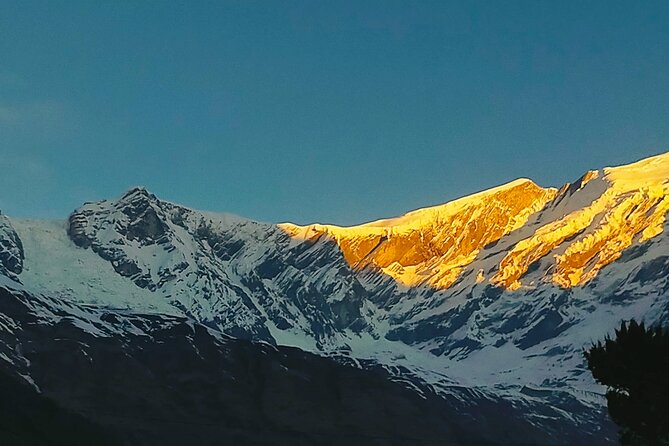
- Thorong La 5,416m is the pivot day, then you drop to Muktinath the same trip day
- Small group max 10, so your guide can actually manage pacing
- Tea-house nights for most of the trek, and the food is repeatedly called out as a strong point
- Culture along the way with Gurung and Thakali hospitality in the villages and home stays you pass
- Two return options from Pokhara to Kathmandu, drive 6-7 hours or fly in about 30 minutes
The Value Picture: What You Pay For, What You Don’t
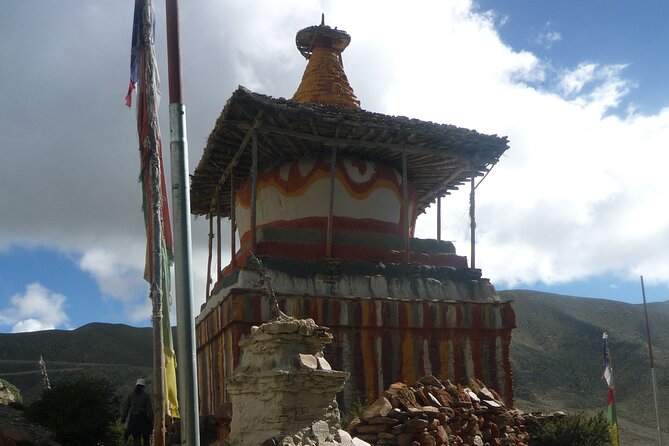
At $2,100 per person for roughly 21 days, you’re not just buying a trail. You’re paying for multi-day transport, trek accommodations, and a support team framework that keeps the trip moving between villages.
Here’s what’s explicitly included:
- 3 meals during the trek
- All overnight accommodations while on the trek
- Kathmandu lodging (listed as B/B)
- Office staff salary and wages
- Office staff travel and rescue fees
And here’s what’s not included:
- Lunch and dinner in Kathmandu
- International airfare
- Airport departure tax (if applicable)
- Travel and rescue insurance, plus trip cancellation coverage
- Nepal visa fees
- Beverages
- Personal equipment and any extra services
So is it good value? For an Annapurna Circuit itinerary that spends many days on the trail with lodging and most meals handled, the included coverage can make your budget simpler. Your biggest “surprise” costs will likely come from what you do in Kathmandu (lunch and dinner), plus drinks and personal gear. The safest move is planning for extra meals, water, and any upgrades you want.
More Treks in Kathmandu
- Everest Base Camp Trek – 14 Days
★ 5.0 · 1,499 reviews - Everest Base Camp Trek
★ 5.0 · 842 reviews - Everest Base Camp Trekking
★ 5.0 · 485 reviews
Kathmandu Orientation at 1,334m, Then Valley Sightseeing
Your trip starts in Kathmandu with a hotel transfer at 1,334m. This matters because it gives you a little time to adjust before you start moving toward higher terrain. Day 2 is a blend of Kathmandu Valley sightseeing and trek preparation, so you get your bearings and handle practical things early.
Why this is valuable: on a circuit trek, the days are long and the schedule is tight. If your orientation is rushed, it shows later. The Kathmandu block helps you line up gear needs and understand what’s coming next, including the long drive day that starts your hiking.
What to keep in mind: lunch and dinner in Kathmandu are not included, so eat smart that first day or two. You also want to avoid overpacking in the name of optimism. The trek days are long, and everything you carry eventually becomes a tax on your legs.
The Big Jump: 8-9 Hours of Drive to Ngadi (890m)
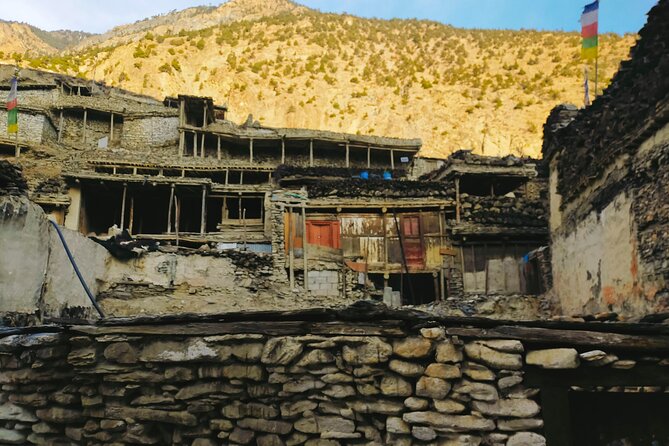
On Day 3, you drive to Ngadi at 890m, with the schedule calling for 8-9 hours and about 200 km. That’s a long day before you even start hiking.
Why it works: after Kathmandu, you’re quickly placed at the trailhead area. It reduces the number of tiny “starter hikes” that can waste energy. It also gives you time to sit, recover, and let the trip team handle routing and timing.
How it can feel: even if the drive is comfortable, you’re still sitting for most of the day. Treat Day 3 as a reset. Hydrate, keep your layers ready, and don’t plan anything dramatic that evening.
Your First Trek Days: Jagat, Dharapani, and Chame
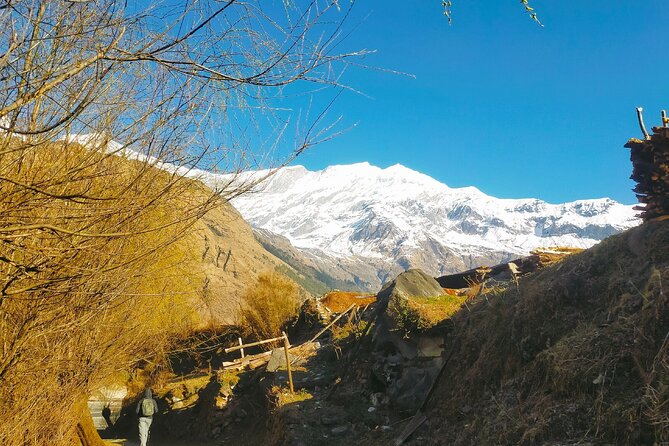
Day 4 starts your hiking, from Kathmandu-area to Jagat (1,300m), about 4-5 hours and roughly 7 km. Day 5 takes you to Dharapani (1,860m) with 5-6 hours and about 8 km. Day 6 climbs again to Chame (2,670m) in 5-6 hours over around 8 km.
This is the part of the trek I like most for first-time circuit hikers, because it’s paced. You’re moving up, but not racing to a summit-style finish every day. You learn the rhythm: steady walking, frequent breaks, and checking how your body responds to higher air.
What makes each stop worth a look:
- Jagat is your first real taste of village tea-house life on the circuit.
- Dharapani is a checkpoint that keeps the day-to-day structure clear.
- Chame is where the climb starts to feel “real,” because you’re higher and the days are still long.
A practical caution: as altitude rises, your breathing changes. You won’t fix that by pushing harder. You fix it by pacing.
Another way to spend the time in Nepal:
- Private Kathmandu Sightseeing Tour | UNESCO World Heritage sites
★ 5.0 · 756 reviews - Kathmandu: 7 UNESCO Sites with Lunch
★ 4.8 · 744 reviews - Everest Base Camp Helicopter Tour landing at Everest View Hotel
★ 5.0 · 668 reviews - Half day cooking class in Thamel kathmandu
★ 5.0 · 607 reviews
Lower Pisang and Manang: The Curve Toward Classic Circuit Views
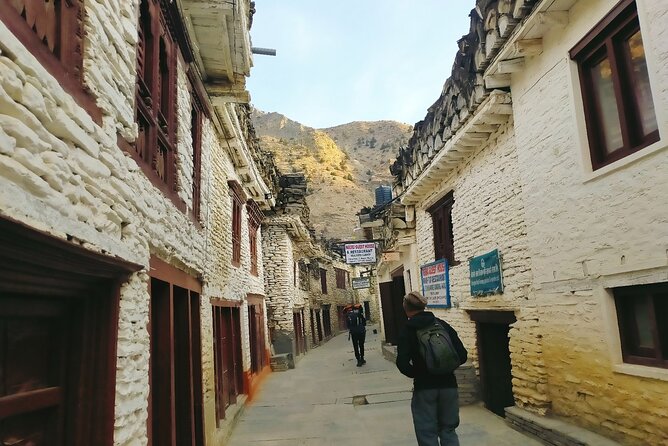
Day 7 takes you to Lower Pisang (3,200m), about 4-5 hours and 7 km. Day 8 climbs to Manang (3,500m) in 5-6 hours over around 8 km. Day 9 is a true rest day in Manang (3,500m).
This rest day is one of the biggest reasons the itinerary is effective. Your altitude has been climbing. Instead of forcing you higher every day, Day 9 gives you a buffer. That reduces the risk of getting hit hard when you do go for the high pass.
If you like real mountain culture, Manang is also where the circuit starts to feel like its own world, not just a hiking route. Reviews praise the warmth and hospitality you experience through the region, including Gurung and Thakali communities.
From Yak Kharka to Thorong Phedi: Building Up to the Pass
Day 10 is to Yak Kharka (4,050m), about 4-5 hours and 7 km. Day 11 goes to Thorong Phedi (4,525m) with 4-5 hours over about 7 km.
This stretch is about positioning. You’re not just walking, you’re staging your body for the next big move: Thorong La. If you’ve ever done high terrain before, you know the pattern. You feel it in your breathing and your pace.
What I recommend here: keep your steps conservative. Many people can “make it” to the pass by brute force, but not all of them feel good at the top. The goal is finishing the day, not winning a race against your own ego.
Thorong La and Muktinath: The High-Drama Day
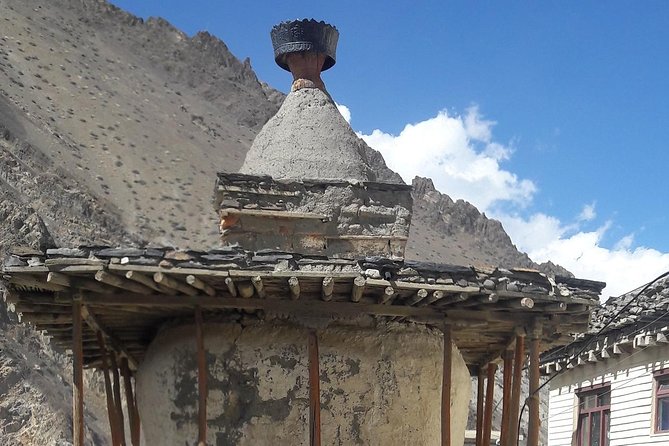
Day 12 is the signature moment:
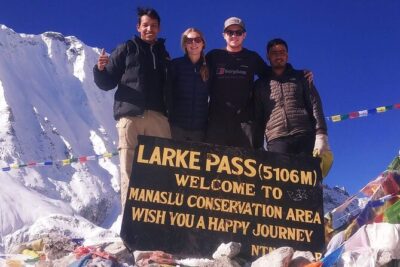
- You pass Thorong La at 5,416m
- Then you trek to Muktinath (3,800m) in about 7-8 hours over around 9 km
This is the hinge day. You go from the highest point in the itinerary to a major religious site area at lower altitude, and the contrast can be intense. Even if you’re fit, the combination of high altitude and long travel time is demanding.
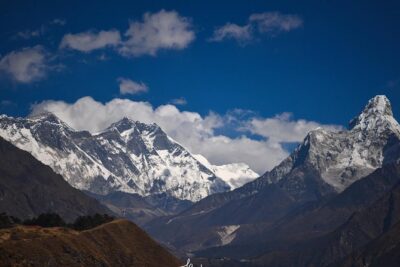
The upside: if you want one day that feels like the reason you came, this is it. The views from Thorong La country are why the Annapurna Circuit gets talked about again and again. And the reward in Muktinath is more than scenery, it’s the feeling of reaching a place that carries meaning for local communities.
Kagbeni, Marpha, and Ghasa: Descent With Personality
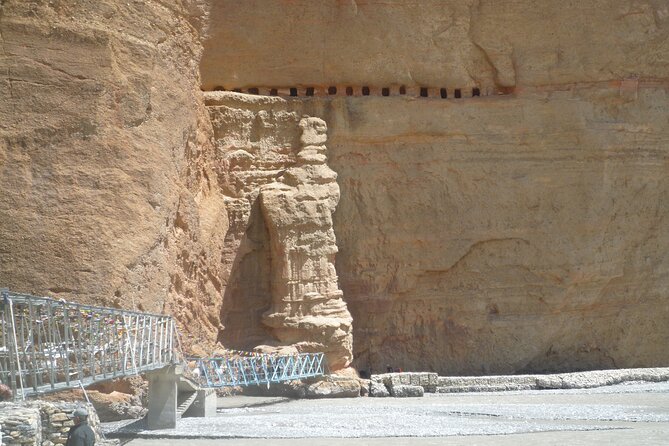
After Muktinath, the itinerary turns toward lower villages:
- Day 13: Trek to Kagbeni (2,810m) in 4-5 hours, about 6 km
- Day 14: Marpha (2,670m) in 5-6 hours, about 8 km
- Day 15: Ghasa (2,010m) in 5-6 hours, about 8 km
These days matter because you’re still walking a lot, but the hiking style changes. The air is less punishing than the pass day. That lets you enjoy what you might have missed earlier: village details, tea-house pacing, and how life adjusts to altitude.
Marpha is one of those stops that tends to stick in memory, and I like that your itinerary doesn’t rush through it. You have a full day there rather than just passing through.
Practical note: descent can still beat you up. Your knees do the work when your lungs get a little relief. Take your time on downhills and keep your gait steady.
Tatopani and Ghorepani: Lower Terrain, Still Busy Days
Day 16 takes you to Tatopani (1,190m) in 5-6 hours over about 7 km. Day 17 goes to Ghorepani (2,860m) in 5-6 hours over around 8 km.
Tatopani at 1,190m signals a bigger drop in altitude. Then Day 17 climbs back up toward Ghorepani. That back-and-forth is part of the route’s character. It keeps the views coming and sets you up for the famous sunrise viewpoint hike.
If you’re feeling tired around Day 16, don’t treat it as the finish. Day 17’s climb is real.
Poon Hill and Ghandruk: Short Hike, Big Payoff
Day 18 is two parts:
- Hike Poon Hill (3,210m) for about 1 hour over roughly 2.5 km
- Then trek to Ghandruk (2,600m), about 6-7 hours over roughly 15 km
Poon Hill is a brilliant add-on because it’s short enough to be manageable even when you’re tired, yet it’s high enough for strong mountain views. Then you get a longer trekking day down toward a village base at Ghandruk.
What I like about this combo: you get a concentrated “views moment” and then you still get a real hiking day to finish out the circuit rhythm.
Nayapul to Pokhara, Then Kathmandu Return
Day 19 brings you to Nayapul (950m) in about 4-5 hours over around 7 km, then you drive to Pokhara (820m) in about 1.5 hours. Day 20 returns to Kathmandu with a choice: 6-7 hours drive or a quick 30-minute flight. Day 21 is fly back home.
This is a smart way to handle fatigue. You finish the trek on the trail, you do not immediately jump into a full travel day without a break. Pokhara also gives you a breather before Kathmandu.
One thing to note: since drive and flight are both options, you’ll want to be ready for either schedule depending on conditions and timing. Flight can save time, but drive can feel easier if you dislike airports.
The People Factor: Guides, Porters, and Real Support
This is where the reviews shine, and I think it’s worth emphasizing. People mention leaders by name, and the pattern is consistent: helpful guidance, steady porter support, and supervision that keeps logistics from getting messy.
Examples from feedback include:
- A guide named Govinda, praised for taking amazing care of the group
- A porter named Purna, called out as a rock throughout the trek
- Support from Badri supervising trips and being there when needed
- Other named support staff including Dhruba, Keshav, and Nawin, noted for excellent guidance and day-to-day help
Even without naming every detail, the takeaway is clear. On a high-altitude trek, the “how” matters as much as the “where.” A good guide helps you pace, plan for timing, and handle problems fast. A good porter helps your body stay functional for tomorrow’s steps.
Fitness and Match: Who Should Choose This Trek
This itinerary is best for you if:
- You have a strong physical fitness level, the trip explicitly asks for it
- You enjoy steady daily hiking with real altitude work
- You want both mountains and village culture, including Gurung and Thakali hospitality
- You’re okay with tea-house style nights for most of the trek
It may be a tough fit if:
- You want short days or frequent “off” time
- You struggle with altitude or long walking blocks
- You dislike a schedule that moves from trek to drive and then to flights by the end
Should You Book Circle the Annapurna?
Book it if you want the classic Annapurna Circuit story, not a sampler. The itinerary includes the signature high pass day, a rest day in Manang that helps your body handle altitude, and the Poon Hill and Ghandruk finale that gives you variety before the trek ends.
Don’t book it yet if you’re planning around comfort over effort. This trek asks for fitness, and the altitude around Thorong La is the kind of day that rewards preparation and calm pacing. Also remember what’s not included, Kathmandu meals, drinks, and travel and rescue insurance are on you.
If you want a quick decision checklist, here it is:
- You like mountain circuits with real walking days: yes
- You’re comfortable planning for altitude: yes
- You’re budgeting for Kathmandu extras and insurance: yes
- You want a larger, casual vacation vibe: this may feel too serious
FAQ
What are the dates and length of the trek?
The trek is listed as 21 days approximately. It starts in Kathmandu, includes trekking around the Annapurna range, and ends back at the meeting point after a return trip via Pokhara and either drive or a short flight back to Kathmandu.
Where does the tour start and what time does it begin?
It starts at Bagawan Bahal Marg 29, Kathmandu 44600, Nepal. The start time is 6:15 am.
What meals are included during the trek?
The package includes 3 meals during the trek.
Is lunch and dinner in Kathmandu included?
Lunch and dinner in Kathmandu are not included.
How big is the group?
The maximum group size is 10 travelers.
What happens if poor weather cancels the experience?
This experience requires good weather. If it is canceled due to poor weather, you will be offered a different date or a full refund.
Latest additions near Kathmandu
- White Water River Rafting – 1 Day★ 4.3 · 3 reviews
- Traditional Momo Making Class★ 5.0 · 10 reviews
- Kathmandu to Pokhara Premium sofa bus ticket★ 4.0 · 17 reviews
- Ghorepani Poon Hill Trek★ 5.0 · 16 reviews
- Amazing 1 Day Trekking Experience in Kathmandu Nepal★ 5.0 · 24 reviews
- Ghorepani Poonhill Trek★ 5.0 · 5 reviews
- Walking tour of real Kathmandu through back streets.★ 5.0 · 3 reviews
- Wildlife Adventure in Chitwan Nepal★ 4.0 · 4 reviews
Treks in Kathmandu, compared.

Nagarkot Sunrise View and Day Hiking from Kathmandu
Read our review →