Reviewed · TREKS IN KATHMANDU
Birding Hike: Day Birdwatching in Kathmandu
Birding close to Kathmandu is one of those ideas that sounds simple, then turns into a full-day obsession. This Nagarjun to Phulchoki style hike is built around serious bird habitat, with spectacular Himalayan views to the north and a bird’s-eye view of the Kathmandu Valley below. Two things I especially like: you get targeted day birdwatching in top bird-and-biodiversity country, and the route can mix in quiet temple stops so it feels more like Nepal than just nature for nature’s sake. One drawback to plan around: lunch and bottled water are not included, so you’ll want to handle food and hydration on your own.
The hike is organized year-round and can run anywhere from 4 to 9 hours depending on your pace and the day’s bird activity. You’ll start and return to Amrit Marg in Kathmandu, with private transportation doing most of the heavy lifting between the birding areas.
If you’re traveling with kids, school groups, or anyone who wants a mindful day that still delivers real wildlife, this is a strong match. Just keep expectations honest: birding is always a little unpredictable, even in peak habitat.
In This Review
- Key things to know before you go
- Entering the birdy side of Kathmandu
- Price and logistics: what your $220 buys you
- Meeting point timing and how the day actually feels
- Birding stop by stop, from Nagarjun to Manohara
- Nagarjun, the bird-rich start
- Shivapuri National Park, where sound does the work
- Phulchoki Protected Forest, high-altitude odds
- Champadevi Hills, views plus walking
- Sankhu, cultural pauses along the route
- Sundarijal, the valley edge feel
- Suryabinayak Forest, steady bird habitat
- Manohara, finishing with a calmer vibe
- How hard is the hike?
- Bird targets: the Spiny Babbler and why guides matter
- Views you can use: Himalayan lookouts and valley terracing
- The guides: names to remember, traits to look for
- What to bring for a smooth birding day
- Who this day birding hike is best for
- Should you book this Kathmandu birding hike?
- FAQ
- How long is the Kathmandu birding hike?
- Where does the experience start and end?
- What is included in the price?
- What is not included?
- Is this a private tour or shared group?
- What time does the experience operate?
- Is it available year-round?
- Is the itinerary dependent on weather?
Key things to know before you go
- 311+ bird species in the wider area with 117 migratory birds, so the odds are good for variety.
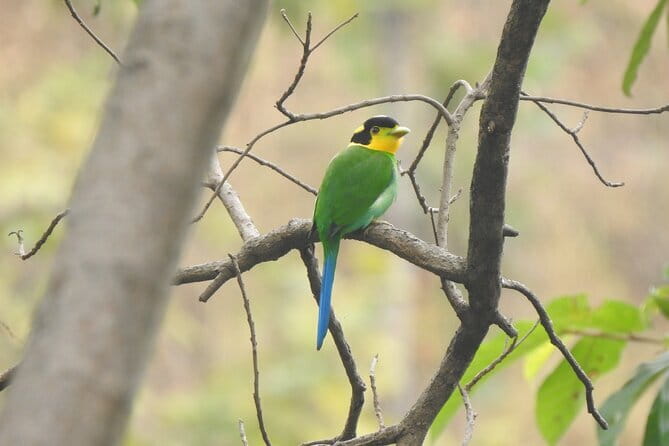
- Spiny Babbler (Nepal endemic) is singled out as a possible sighting in this bird-rich region.
- Hill-forest birding by sound, the kind where you learn to listen as much as look.
- Private transportation keeps the day focused on birds instead of traffic wrangling.
- Temple stops can be included, so you get views and culture in the same outing.
- Guides often emphasize getting good sightings, including tactics for attracting birds when possible.
Entering the birdy side of Kathmandu
Kathmandu is famous for temples and trails, but what surprised me most about this kind of day outing is how quickly it shifts into a birdwatching mission. The Kathmandu Valley sits inside a surprisingly complex mix of forests and hills, and the areas around Nagarjun and Shivapuri bring you into habitat that supports a large number of species.
The best part is that this is not just a scenic walk. You are moving through places identified as important for birds and biodiversity, and the experience is designed around that. That means you’ll spend more time where birds are likely to be active, and less time wandering.
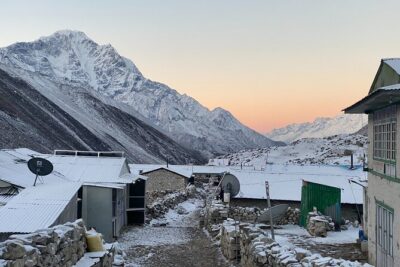
And yes, you get the views. On a clear day you look north toward the Himalayan range, and from higher points you can see the Kathmandu Valley’s terraced fields like a patchwork map. It makes the walking feel worth it even on slower birding mornings.
More Treks in Kathmandu
- Everest Base Camp Trek – 14 Days
★ 5.0 · 1,499 reviews - Everest Base Camp Trek
★ 5.0 · 842 reviews - Everest Base Camp Trekking
★ 5.0 · 485 reviews
Price and logistics: what your $220 buys you
At $220 per person, this is not a cheap “wander and maybe see a bird” plan. The value is in how the day is structured.
Here’s what you are paying for, from a practical standpoint:
- Private transportation, so you are not piecing together buses and taxis while also trying to track birds.
- Guide fees, so your spotting and identification effort is supported by someone local.
- All fees and taxes are included, which reduces surprise add-ons.
What you should not count on:
- Lunch is not included.
- Bottled water is not included.
- Coffee or tea is not included.
- Alcoholic beverages are not included.
So for value, you’ll do best if you treat it like a guided full day outdoors, not a short excursion. If you budget for food and water, the money starts to make sense fast, especially compared with paying for transport plus paying a guide separately.
Meeting point timing and how the day actually feels
The activity starts at Amrit Marg, Kathmandu 44600, and it ends back at the meeting point. It runs within opening hours from 6:45 AM to 4:45 PM, seven days a week, and it’s organized on request.
Why timing matters for birding: birds are often most active early, and morning light helps with spotting and photography. With a 4 to 9 hour day, you can expect a schedule that includes both movement and still time, not just constant hiking.
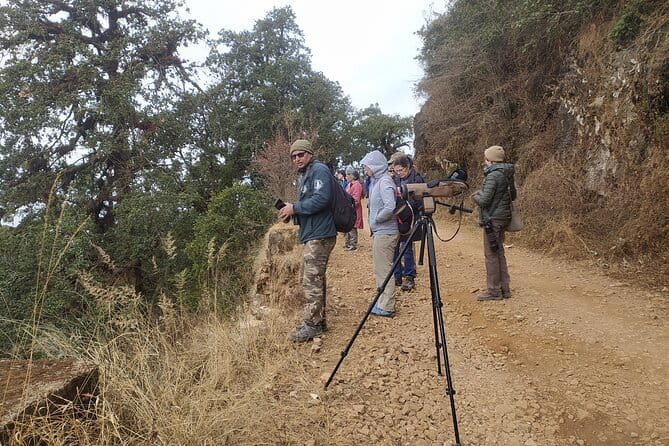
Because this is a private tour for your group only, you can usually shift pace without being stuck behind someone who thinks birdwatching means looking at a single pigeon for an hour. It’s also handy if you have kids or a school group, since the day can adapt to attention spans.
Birding stop by stop, from Nagarjun to Manohara
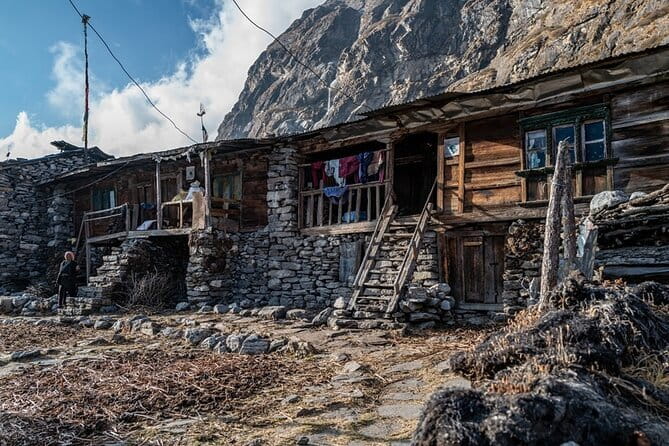
You’ll be in the Kathmandu area, working through a set of birding sites that span protected forests, hill country, and nearby valley landscapes. The stops named for this kind of day include Nagarjun, Shivapuri National Park, Phulchoki Protected Forest, Champadevi Hills, Sankhu, Sundarijal, Suryabinayak Forest, and Manohara.
Below is what each area tends to contribute to the experience, and what to watch for.
Another way to spend the time in Nepal:
- Private Kathmandu Sightseeing Tour | UNESCO World Heritage sites
★ 5.0 · 756 reviews - Kathmandu: 7 UNESCO Sites with Lunch
★ 4.8 · 744 reviews - Everest Base Camp Helicopter Tour landing at Everest View Hotel
★ 5.0 · 668 reviews - Half day cooking class in Thamel kathmandu
★ 5.0 · 607 reviews
Nagarjun, the bird-rich start
Nagarjun is part of the wider bird-and-biodiversity zone that supports a massive number of birds. The area is described as hosting over 311 species of birds, including 117 migratory birds.
What makes Nagarjun appealing for a day outing is that it sets the tone quickly: birds are the focus, and the habitat is the reason. It’s also one of those places where you can learn to pick up patterns, like which sounds lead to movement and which calls hint at higher activity.
Shivapuri National Park, where sound does the work
Shivapuri National Park is known here for trail birding, including the way the forest carries bird sound. The trails are noted for the sound of birds and leaves, which tells you a lot about what to expect on the ground.
This is where a good guide earns their day. If you are used to looking first, you’ll likely start listening more, because you may hear calls before you see the bird.
This stop is also one of the best places to take advantage of good conditions. If visibility is decent, you can pair bird scanning with skyline glances toward the north.
Phulchoki Protected Forest, high-altitude odds
Phulchoki Protected Forest is widely known as a strong birding area near Kathmandu, and it is repeatedly highlighted as a top choice for day birdwatching.
One of the most useful details to take from past experiences is that some guide plans focus on high altitude bird chances, especially during parts of the year when conditions favor species at elevation. For example, an outing in early October focused on high-altitude birds after a visit elsewhere in Nepal. That’s a clue that your guide may adjust your route or emphasis depending on the day’s conditions.
So if you are a serious birder, or just serious about trying to see more than common species, Phulchoki is where the day can start feeling like a real checklist.
Champadevi Hills, views plus walking
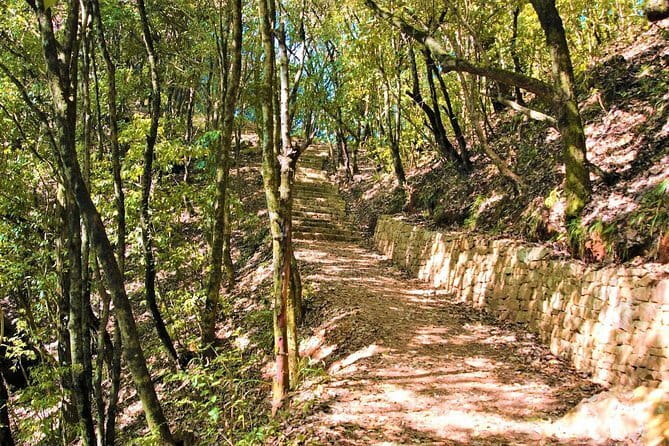
Champadevi Hills add a different rhythm to the day. You get more open viewpoints mixed with forest edges, which helps break up long stretches of looking straight into the canopy.
For most people, this is where the trip starts to feel like Kathmandu proper, not only “a bird forest.” You get a sense of the valley and how the hills frame the city.
Sankhu, cultural pauses along the route
Sankhu is included as one of the stop options, and the broader plan notes that spiritual sites can be added. That means this isn’t only a nature excursion.
These pauses matter because they give your brain a reset. Birding can become intense, especially when you suddenly hear a call and rush to spot it. A short temple stop and a quick walk around can help you recharge without losing the day’s momentum.
Sundarijal, the valley edge feel
Sundarijal shows up as another named stop, likely as part of the transition between valley viewpoints and forest bird habitat. In practical terms, this often means changing temperatures and air feel, plus different types of terrain underfoot.
For you, it’s a chance to experience how the valley’s edge landscapes support birds, not just deep interior forest.
Suryabinayak Forest, steady bird habitat
Suryabinayak Forest keeps the day anchored in the forest birding zone. This is where you’ll likely spend time scanning for species that prefer that kind of cover.
Because forest birding can be slow, I like that this type of day is built with multiple stops. Even if one location is quiet, you still have other habitat options in the same outing.
Manohara, finishing with a calmer vibe
Manohara is one of the final named areas. Even without extra details on the exact trail segments, it’s easy to see why it fits a birding day: a final stop can be a calmer wrap-up after earlier hills and temple visits.
This is also a smart time to slow down if you still want photos or you want a second look at birds you already heard but didn’t fully confirm.
How hard is the hike?
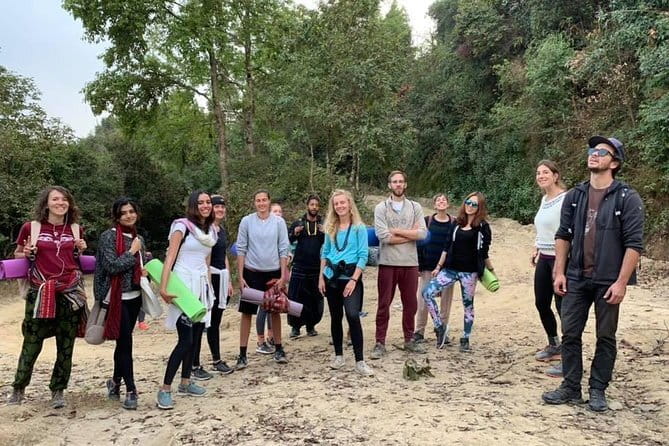
The duration ranges from 4 to 9 hours, and the experience is described as suitable for most travelers. That’s as much as you get in the basic info, so I’d plan conservatively.
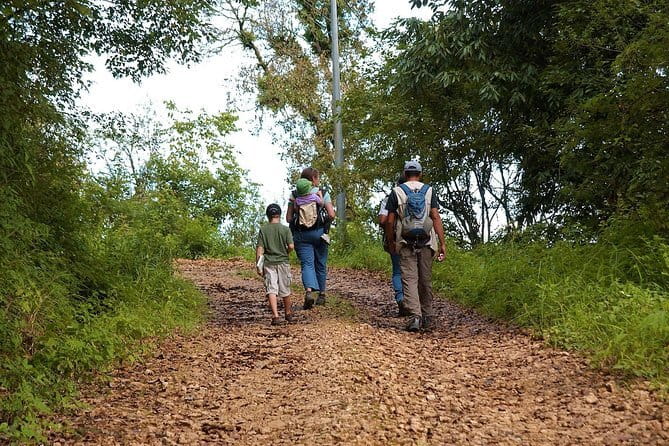
Expect uneven ground typical of hill-forest trails and some uphill sections when you hit higher points like Phulchoki or the hill areas. If you bring comfortable shoes and a light layer, you’ll feel more in control when the day stretches closer to 9 hours.
If you have very small kids, go in with a flexible mindset. You can still do the experience, but you may want extra breaks for them and time for you to refocus.
Bird targets: the Spiny Babbler and why guides matter
The standout bird detail for this region is the Spiny Babbler, described as the endemic bird of Nepal that can be sighted in the area.
Even if you do not track every species, it changes your mindset. It’s no longer only about spotting something colorful. You are looking for a specific, locally meaningful bird, in habitat where it is likely to show up.
Guides are crucial because birding is partly luck, but it’s also technique. Past outings highlight that guides can be very good at finding and identifying birds, and they may use ways to improve your chances of seeing them. One account even emphasized how the guide knew the birds well and could attract them, which is the kind of practical skill that helps on a day where sound might be more obvious than sight.
Also, a smart warning: you might see plenty of great birds and still miss a few top targets. That’s normal. Birding days are often made of quick moments of brilliance, not constant success.
Views you can use: Himalayan lookouts and valley terracing
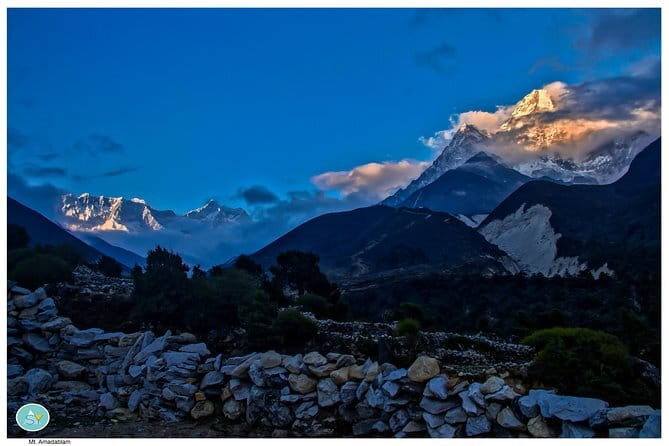
This outing isn’t only about birds. It also promises panoramic Himalayan range views to the north and a bird’s-eye view of the Kathmandu Valley with terraced fields.
Why that matters: it gives you a reward track if birding is slower. You can still enjoy the hike and the landscape with your binoculars resting for a moment, then jump back into birding without feeling like you missed the whole point.
Bring your eyes for both. Sometimes a hilltop view gives you the broader context, like where you are in relation to the city and the forest edges. Other times, a bird call draws you back into the trees and you forget you were ever looking at panoramas.
The guides: names to remember, traits to look for
Two names show up strongly in guide-focused feedback: Krishna Thapa and Prem.
Krishna Thapa is described as a young guide and an artist, plus very experienced at finding and identifying birds. One account praised punctuality and attentiveness, plus the guide’s ability to help with identification even when the birds are fast and hard to photograph. Another account mentions visiting Phulchoki and highlight birds, including a note about missing a top bird photo, which is a realistic reminder that spotting and photographing can be different games.
Prem is mentioned as knowing Nepalese birds perfectly well and even knowing how to attract them. That kind of practical skill matters if you want your day to include more than only the most obvious species.
What to look for, regardless of the name on your guide assignment:
- A guide who can explain what you are hearing, not only what you are seeing.
- A guide who adjusts the day when birds are quiet.
- A guide who keeps the group moving efficiently without rushing every sighting.
What to bring for a smooth birding day
Because lunch, bottled water, and coffee or tea are not included, plan to bring at least:
- Water for the day
- Food for lunch or snacks (you decide the style)
- A light rain layer if weather looks uncertain
- Sun protection if you’re out in open view areas
- Binoculars if you use them, or be ready to use the guide’s help in spotting
For cameras, set expectations realistically. You might get sharp photos of some species and not others. Birding is about opportunity and quick reactions.
And since the trails can be known for sound and leaves, pay attention to where you stand. If you block your view or stand too close to other walkers or the guide, you can make it harder for yourself to spot movement.
Who this day birding hike is best for
This fits best if you want:
- A private, guided birding day in the hills around Kathmandu
- Real wildlife time, not just a short nature stroll
- A mix of forest bird habitat and possible temple or spiritual stops
- A family-friendly outing with a mindful feel
It’s also a good option if you are visiting Kathmandu and you want one outdoors day that feels grounded in local ecosystems. And if you are a birder, you’ll appreciate the push toward areas described as top bird habitat, including the chance for Nepal’s endemic Spiny Babbler.
If you dislike walking for long stretches, you can still do this type of trip by slowing down. But the value comes from being out in the habitat, so be honest about your stamina.
Should you book this Kathmandu birding hike?
I’d book it if you want a guided day that targets bird habitat close to the city, with enough structure to help you spot and identify species you might miss on your own. The mix of forest bird sound, the realistic chance for a standout endemic bird, and the Himalayan and valley views gives you multiple reasons the day works even when birding is variable.
Don’t book it if you are hoping for a completely effortless, sit-and-watch experience. This is a hike with walking and changing terrain, and you’ll need to budget for food, water, and personal comfort items since they are not included.
If you’re the kind of traveler who likes practical guidance, good views, and the thrill of hearing a call and then finally seeing the bird, this is a strong choice.
FAQ
How long is the Kathmandu birding hike?
It runs for approximately 4 to 9 hours.
Where does the experience start and end?
It starts at Amrit Marg, Kathmandu 44600, Nepal, and ends back at the same meeting point.
What is included in the price?
Private transportation, all fees and taxes, and guide fees are included.
What is not included?
Lunch, bottled water, coffee and/or tea, and alcoholic beverages are not included.
Is this a private tour or shared group?
This is private, so only your group participates.
What time does the experience operate?
It operates within 6:45 AM to 4:45 PM, Monday through Sunday.
Is it available year-round?
The birding hike is offered throughout the year, and it can be organized on request seven days a week.
Is the itinerary dependent on weather?
Yes. The experience requires good weather, and if it’s canceled due to poor weather you’ll be offered a different date or a full refund.
Latest additions near Kathmandu
- White Water River Rafting – 1 Day★ 4.3 · 3 reviews
- Traditional Momo Making Class★ 5.0 · 10 reviews
- Kathmandu to Pokhara Premium sofa bus ticket★ 4.0 · 17 reviews
- Amazing 1 Day Trekking Experience in Kathmandu Nepal★ 5.0 · 24 reviews
- Ghorepani Poonhill Trek★ 5.0 · 5 reviews
- Ghorepani Poon Hill Trek★ 5.0 · 16 reviews
- Walking tour of real Kathmandu through back streets.★ 5.0 · 3 reviews
- Wildlife Adventure in Chitwan Nepal★ 4.0 · 4 reviews
Treks in Kathmandu, compared.

Nagarkot Sunrise View and Day Hiking from Kathmandu
Read our review →