Reviewed · TREKS IN KATHMANDU
annpurna base camp trekking
Annapurna Base Camp hits fast. This trek strings together classic villages and viewpoints, with Poon Hill sunrise and a final push to Annapurna Base Camp, all in a set 12-day rhythm. I like that it gives you variety, not just one long slog up a single valley.
My second big love is the human side. Guides like Ram Shahi (plus past teammates such as Dan, Lok, Resham Gurung, and Nanda Gurung) are repeatedly praised for keeping people calm, organized, and moving at the right pace for mixed fitness. One consideration: expect steady walking, often 4 to 8 hours per day, plus early mornings for sunrise timing, so plan on being in moderate physical fitness shape.
In This Review
- Key highlights worth your attention
- Why this Annapurna Base Camp route feels like more than a checkbox
- Price and value: is $1,100 a fair deal?
- The itinerary, day by day: what each leg really gives you
- Day 1: Arrive Kathmandu, pickup, and hotel night
- Day 2: Pokhara to Nayapool, then Nayapool to Ulleri (about 4 hours)
- Day 3: Ulleri to Ghorepani (about 5 hours)
- Day 4: Ghorepani to Poon Hill sunrise, then to Tadapani (about 6 hours)
- Day 5: Tadapani to Chhomrong (about 4 hours)
- Day 6: Chhomrong to Bamboo (about 4 hours)
- Day 7: Bamboo to Deurali (about 5 hours)
- Day 8: Deurali to Machhapuchhare Base Camp (about 5 hours)
- Day 9: Machhapuchhare Base Camp to Annapurna Base Camp and Bamboo (about 8 hours)
- Day 10: Bamboo to Jhinu Danda (about 6 hours)
- Day 11: Jhinu Danda to Nayapool (about 6 hours), then drive to Pokhara
- Day 12: Drive back to Kathmandu by tourist bus, end at the meeting point
- Pacing, physical readiness, and how to avoid the common mistakes
- Guides and support: why the human factor shows up again and again
- Weather and the one thing you should never ignore
- Who this trek suits best
- Should you book it?
- FAQ
- Where does the trek start and end?
- Is airport pickup included?
- How long is the Annapurna Base Camp trek?
- What are the main trekking days like?
- Is this a private tour?
- What fitness level do I need?
- What ticketing and timing details should I know?
- What if the weather is poor?
- Can I cancel and get a refund?
Key highlights worth your attention
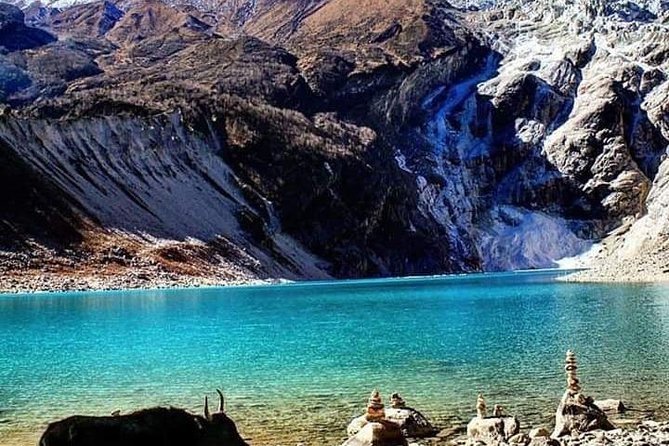
- Poon Hill sunrise built into the route, so Day 4 starts early and sets the tone for the trek
- A private experience for your group, which usually means more control over pace and logistics
- Machhapuchhare Base Camp is a real stop, not just a pass-through, giving you a breather before Annapurna Base Camp
- A clear day-by-day walking structure, mostly 4 to 6 hours with one heavier day at about 8 hours
- Strong guide support in real situations, including fast action when problems pop up (even medical emergencies in past accounts)
Why this Annapurna Base Camp route feels like more than a checkbox
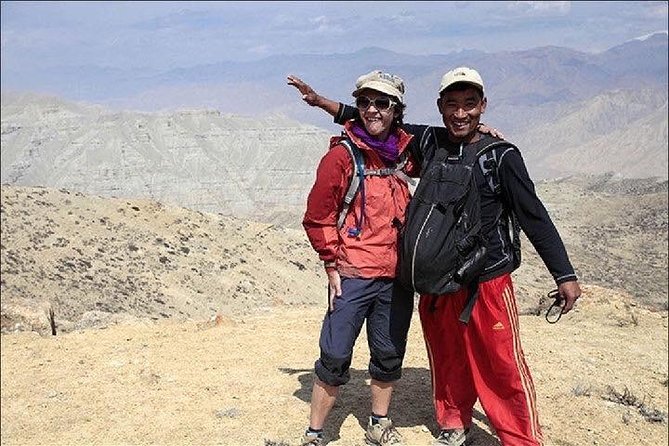
Most Nepal trekking happens because people want the big mountain story. Here, you get that, but you also get a whole sequence of smaller moments that make the trip feel layered: starting in Kathmandu, shifting to Pokhara, then walking your way through Ulleri, Ghorepani, Tadapani, Chhomrong, and bamboo stops before you reach higher terrain.
The itinerary’s biggest trick is that it doesn’t go straight to base camp. It starts with the Poon Hill sunrise day, then continues. That changes your mindset. Instead of thinking only about the finish line, you get an early reward, then you settle into the long, steady work of trekking.
Another thing I appreciate is the structure. The days are named clearly, and the walking times are stated. That matters because trekking success is often boring stuff: pacing, planning your rests, and knowing what kind of day you are signing up for.
The trek is also set up as a private activity, meaning only your group participates. That doesn’t automatically make it easier, but it tends to make the experience feel more tailored. In places like this, small adjustments can matter, especially if your group includes people at different fitness levels.
More Treks in Kathmandu
- Everest Base Camp Trek – 14 Days
★ 5.0 · 1,499 reviews - Everest Base Camp Trek
★ 5.0 · 842 reviews - Everest Base Camp Trekking
★ 5.0 · 485 reviews
Price and value: is $1,100 a fair deal?
$1,100 per person for about 12 days is not a small number. But it also isn’t just “walk and good luck.”
Based on the details you provided, this price is tied to real logistics:
- Airport pickup in Kathmandu and hotel time at the start
- The multi-day trek plan that moves you from Kathmandu to Pokhara and through the route
- A mobile ticket
- A private setup, so your group is not blended with strangers
Where value gets real is the difference between a simple booking and an organized trek. Many treks fail because of the weak links: transportation timing, getting the right sleep spots, or handling route issues quickly. In the reviews tied to this operator and its guides, the recurring theme is competence under pressure. People describe guides who manage sleep arrangements and solve on-the-ground problems without drama, including emergency coordination in serious situations.
That doesn’t mean you’re guaranteed zero surprises, but it does suggest your time and effort are being handled by people who do this regularly.
If you are comparing costs, don’t just compare the trekking nights. Compare what’s included in handling your transitions, especially the Kathmandu to Pokhara part and the return drive.
The itinerary, day by day: what each leg really gives you
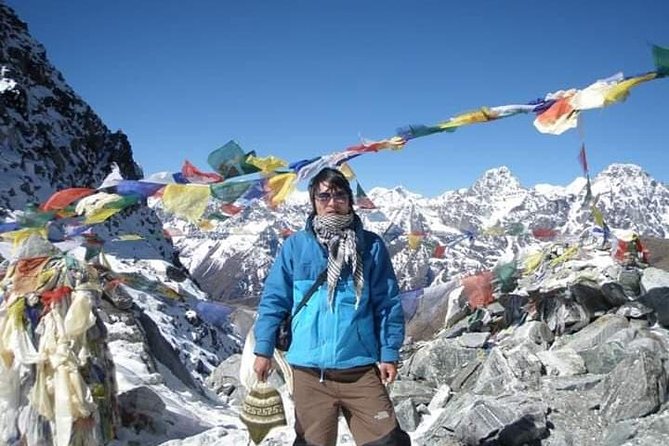
Below is the core flow as it’s laid out, with what each section is likely to feel like and where the pinch points are.
Day 1: Arrive Kathmandu, pickup, and hotel night
Your trek begins with pickup from Tribhuvan Airport in Kathmandu and a hotel stay. This matters more than people think. After a flight, you want your first night to be straightforward, not a scavenger hunt for transport.
Tip for you: plan to be well-hydrated and keep expectations small on Day 1. Your next days involve consistent walking.
Another way to spend the time in Nepal:
- Private Kathmandu Sightseeing Tour | UNESCO World Heritage sites
★ 5.0 · 756 reviews - Kathmandu: 7 UNESCO Sites with Lunch
★ 4.8 · 744 reviews - Everest Base Camp Helicopter Tour landing at Everest View Hotel
★ 5.0 · 668 reviews - Half day cooking class in Thamel kathmandu
★ 5.0 · 607 reviews
Day 2: Pokhara to Nayapool, then Nayapool to Ulleri (about 4 hours)
You drive from Pokhara to Nayapool, then hike to Ulleri for roughly 4 hours of walking.
This day is a warm-up, but don’t treat it as “easy mode.” You are still getting your legs ready for a longer rhythm. Think of it as training your hips and pacing skills.
A practical note: since the drive and the hike are stitched together, you’ll want to eat early and pack snacks you can grab without unpacking your whole life.
Day 3: Ulleri to Ghorepani (about 5 hours)
Hike Ulleri to Ghorepani in about 5 hours. This is a classic acclimation step in many Annapurna-area routes, and it also sets you up for the sunrise timing the next morning.
If you want to enjoy the hike, keep your pace controlled. Ghorepani is where you’ll be positioned for early morning plans.
Day 4: Ghorepani to Poon Hill sunrise, then to Tadapani (about 6 hours)
This is the big “morning out of bed early” day. You go for Poon Hill for sunrise, then continue hiking to Tadapani for about 6 hours total.
This day is worth it because sunrise days change how you remember the trek. It’s not just scenery. It’s the work of getting there early and the payoff of reaching the viewpoint while the trail is still quiet.
Possible drawback: if you hate early starts, this is the day to mentally prepare for it. Build in extra time for the pre-hike routine so you don’t end up stressed in the dark.
Day 5: Tadapani to Chhomrong (about 4 hours)
Walk Tadapani to Chhomrong in about 4 hours. This is another steady day, and it helps the overall plan stay realistic.
Chhomrong is often a spot trekkers talk about because it’s a hub in the region’s routes. In your case, it also acts like a hinge day, bridging you between the early stages and the higher base-camp approach.
Day 6: Chhomrong to Bamboo (about 4 hours)
Hike Chhomrong to Bamboo for about 4 hours.
If you’ve been pacing well, this can feel like a “just right” day. Four hours is long enough to earn your rest, short enough that you can keep your energy steady for the days ahead.
Day 7: Bamboo to Deurali (about 5 hours)
Walk Bamboo to Deurali for about 5 hours.
This is where the trek starts to feel more committed. Deurali tends to be part of the higher end of Annapurna Base Camp approaches, so expect the air to feel different and the effort to tick up.
Day 8: Deurali to Machhapuchhare Base Camp (about 5 hours)
Hike Deurali to Machhapuchhare Base Camp in about 5 hours.
Calling out the name matters because it is not a random waypoint. Stopping at Machhapuchhare Base Camp gives you a specific destination day, which helps you mentally break the route into stages.
Day 9: Machhapuchhare Base Camp to Annapurna Base Camp and Bamboo (about 8 hours)
This is your longest trekking day, about 8 hours. You go from Machhapuchhare Base Camp to Annapurna Base Camp, then back toward Bamboo.
This day is the one to take seriously. If you want to protect your Day 10, you need good pacing habits today:
- start slower than you think
- keep breaks short and steady
- avoid the trap of sprinting early because you are excited
Also, because the itinerary explicitly includes both base camp and continuing toward Bamboo, plan your energy for more than one “arrival moment.”
Day 10: Bamboo to Jhinu Danda (about 6 hours)
Walk Bamboo to Jhinu Danda in about 6 hours.
This day is likely to feel like relief after the heavier Day 9. Six hours is still work, but it’s a more manageable load than 8.
Day 11: Jhinu Danda to Nayapool (about 6 hours), then drive to Pokhara
Hike Jhinu Danda to Nayapool for about 6 hours, then drive back to Pokhara.
This is a transitional day. You are moving from trekking mode into vehicle mode. For you, it helps to keep your packing simple and avoid anything you’ll regret while you are tired.
Day 12: Drive back to Kathmandu by tourist bus, end at the meeting point
On the final day, drive back to Kathmandu by tourist bus, and the activity ends back at the meeting point.
Finishing with a bus rather than an extra flight connection is often easier. It’s also a clear end to the physical challenge, which matters for recovery and sanity.
Pacing, physical readiness, and how to avoid the common mistakes
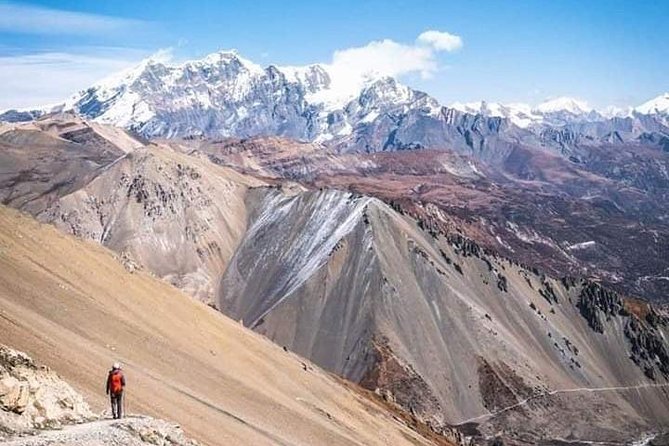
The listing says you should have moderate physical fitness. That lines up with what the itinerary suggests: multiple days around 4 to 6 hours, plus one day close to 8 hours.
Here’s what you should prepare for, realistically:
- Walking consistency over more than a week and a half worth of daily hikes
- The mental reset needed after a long day, especially after Day 9
- Early morning wakeups for Poon Hill sunrise
What you should not assume: that you can “tough it out” if you are undertrained. On treks like this, undertraining doesn’t just make you tired, it steals your judgment. And on a mountain trail, better judgment equals better safety.
Small training idea for you: practice long walks on uneven surfaces if you can, and do them repeatedly. Trekking is not one big workout. It is a pattern.
Guides and support: why the human factor shows up again and again
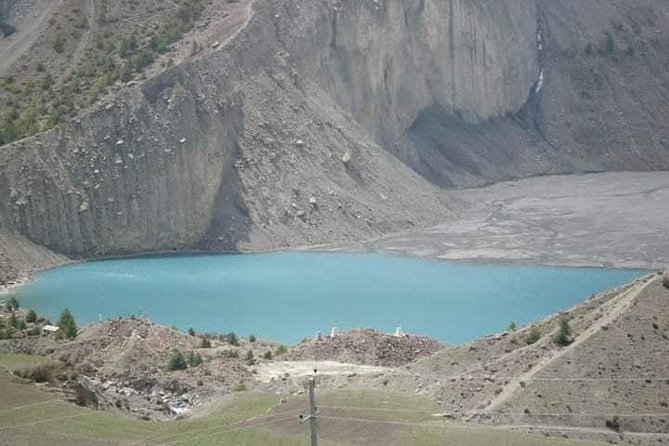
If there’s one theme that keeps appearing in the accounts tied to this company’s guides, it is practical leadership.
People describe Ram Shahi as a guide who brings humor and steady confidence, and who is quick to handle sleeping arrangements and route problems while keeping the group safe. Others describe Resham Gurung with the same kind of calm, plus the ability to work with mixed situations and even coordinate with other guides.
One review example is serious and worth respecting. A guide named Ram was described as arranging medical help and transport quickly after someone became sick, even coordinating for a helicopter. That’s not something you can plan for, and it doesn’t mean you’ll need it. Still, it tells you something about the guide mindset: act fast, solve the problem, coordinate the next step.
So what should you do with that information?
- Ask your guide early about the plan for sunrise timing and what time you’ll need to be ready.
- Tell them your pacing needs honestly, especially if your group is mixed.
- Follow their lead on rest points and tempo, because they are the ones who know what is workable for this route.
Weather and the one thing you should never ignore
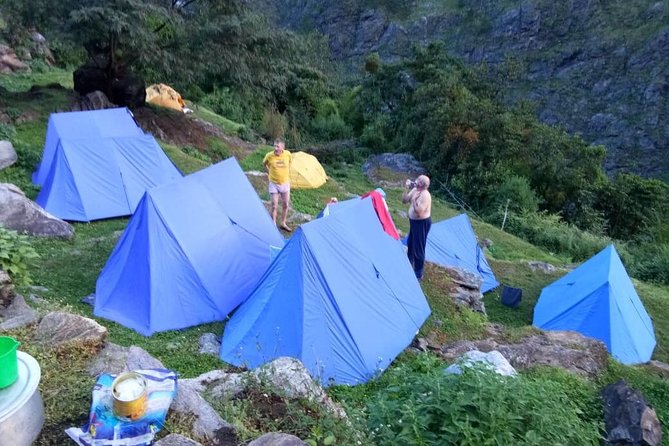
The experience requires good weather. That matters for two reasons:
- Some parts of the route are more comfortable when conditions are stable
- Poor weather can lead to changes in the schedule or cancellation
You don’t need to become a meteorologist. Just keep your head clear. If weather is bad, it’s not a personal failure. It’s the mountain doing what mountains do.
If you are choosing your travel dates, you might find it helpful to pick a time when you expect calmer conditions and to keep your packing flexible enough for rain.
Who this trek suits best
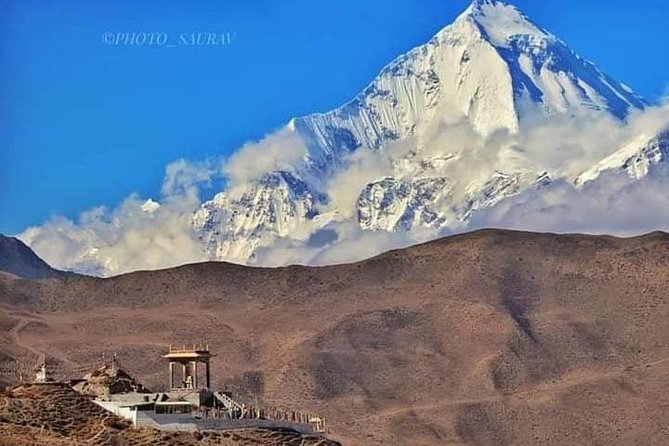
This Annapurna Base Camp trek suits you if:
- You want a structured plan with clear daily walking goals
- You care about the Poon Hill sunrise moment, not just the base camp destination
- Your group includes different fitness levels and you want a guide who can adjust pace without losing organization
It might be a tougher fit if:
- You hate early starts
- You’re looking for a short, light hike with minimal exertion
- You are not comfortable with daily walking in the 4 to 6 hour range
Also, since it is a private tour with only your group, it’s a good match for friends, couples, or small groups who want a consistent rhythm instead of being folded into a bigger crowd.
Should you book it?
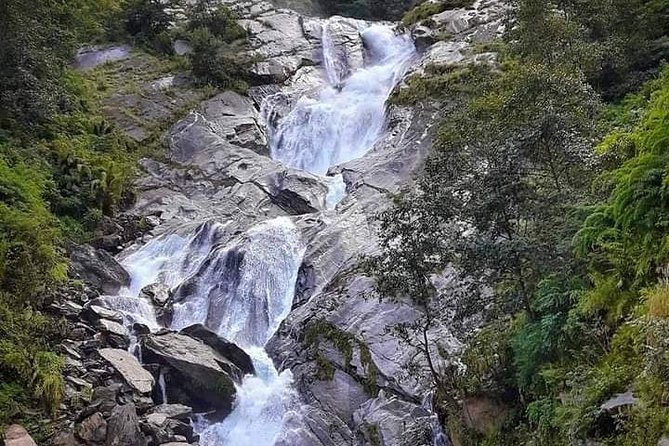
I’d say book this Annapurna Base Camp trek if you want the classic Annapurna experience with added value from the Poon Hill sunrise day and the clear stage-by-stage route design. The price is justified when you factor in pickup, hotel time at the start, the full multi-day planning, and the track record of guides handling the everyday realities of mountain trekking.
I’d think twice if your fitness is below moderate or if early mornings will stress you out. The itinerary is built around getting moving, not around leisurely sightseeing.
One final checklist for you before you commit:
- Can you walk for 4 to 6 hours on most days without needing constant breaks?
- Are you okay with an 8-hour day near base camp?
- Can you respect weather changes as part of trekking?
If you can answer yes, you’re set up for a trek that feels like a real journey, not just a destination stamp.
FAQ
Where does the trek start and end?
The activity starts at Tribhuvan Airport in Kathmandu, Nepal, and ends back at the same meeting point.
Is airport pickup included?
Yes. The plan includes pickup at Kathmandu airport, and the first night is in a hotel.
How long is the Annapurna Base Camp trek?
It is listed as 12 days, approximately.
What are the main trekking days like?
You’ll have several walking days, including about 4 hours (Pokhara to Ulleri), about 5 hours (Ulleri to Ghorepani), about 6 hours with the Poon Hill sunrise (Ghorepani to Tadapani), and one longer day at about 8 hours (Machhapuchhare Base Camp to Annapurna Base Camp and Bamboo). Later days include about 6 hours (Bamboo to Jhinu Danda, and Jhinu Danda to Nayapool).
Is this a private tour?
Yes. It is a private tour or activity, and only your group will participate.
What fitness level do I need?
The experience calls for travelers to have a moderate physical fitness level.
What ticketing and timing details should I know?
The tour uses a mobile ticket. Confirmation is received at the time of booking. The listed hours are 8:15 AM to 5:15 PM.
What if the weather is poor?
The experience requires good weather. If it is canceled due to poor weather, you will be offered a different date or a full refund.
Can I cancel and get a refund?
Yes. There is free cancellation, and you can cancel up to 24 hours in advance for a full refund.
Latest additions near Kathmandu
- White Water River Rafting – 1 Day★ 4.3 · 3 reviews
- Traditional Momo Making Class★ 5.0 · 10 reviews
- Kathmandu to Pokhara Premium sofa bus ticket★ 4.0 · 17 reviews
- Ghorepani Poon Hill Trek★ 5.0 · 16 reviews
- Amazing 1 Day Trekking Experience in Kathmandu Nepal★ 5.0 · 24 reviews
- Ghorepani Poonhill Trek★ 5.0 · 5 reviews
- Walking tour of real Kathmandu through back streets.★ 5.0 · 3 reviews
- Wildlife Adventure in Chitwan Nepal★ 4.0 · 4 reviews
Treks in Kathmandu, compared.

Nagarkot Sunrise View and Day Hiking from Kathmandu
Read our review →